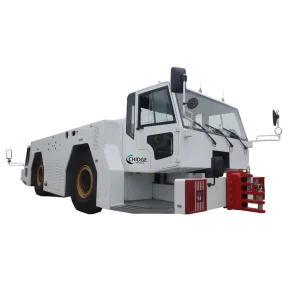
In the high-stakes environment of global aviation, Ground Support Equipment (GSE) serves as the backbone of terminal efficiency. As a premier GsePushBackFactory, we recognize that pushback operations are not merely about moving aircraft; they are about precision, safety, and operational continuity. The modern aviation landscape demands equipment that can handle everything from narrow-body regional jets to ultra-heavy wide-body aircraft like the A380 or Boeing 747-8.
Historically, pushback tractors relied on massive internal combustion engines with high torque but significant environmental footprints. Today, the industry is witnessing a seismic shift toward electrification and intelligent monitoring. Our factory has pioneered the integration of regenerative braking systems and lithium-ion power plants that offer the same peak drawbar pull as traditional diesel counterparts while reducing carbon emissions by up to 80%.
Our company in the product design, research and development, the use of advanced science and technology and innovation capabilities in the production...
High quality products meet the expected needs of users, and can stand out in similar competitive products, win market recognition and reputation...
Our company's supply chain management, inventory control, logistics and transportation systems, as well as the ability to respond to emergencies,...
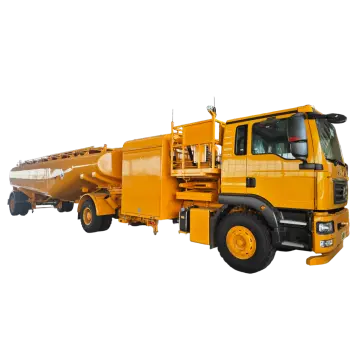
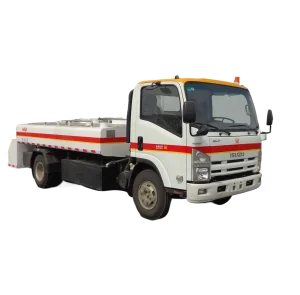
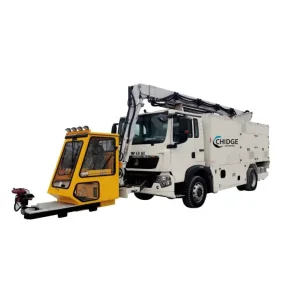
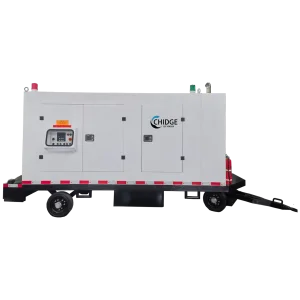
Features such as filtration, metering, refueling, pumping, self circulation, and pressure control.
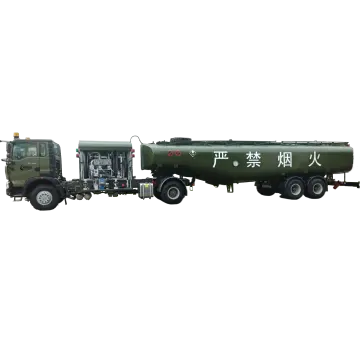
Consists of a chassis and oil tanks, a pumping system, a control system, and an operating part.
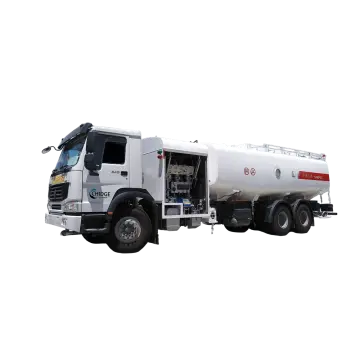
Professional aviation fueling solutions with integrated metering and high-precision pressure management.
International airlines and airport authorities are increasingly prioritizing "Green Procurement". In the GSE sector, this means transitioning from purely mechanical specifications to sustainability metrics. When sourcing from a GsePushBackFactory, global procurement teams evaluate more than just the initial price. The Total Cost of Ownership (TCO)—which includes energy consumption, maintenance intervals, and resale value—is now the primary decision driver.
Strategic sourcing in 2024 and beyond involves:
85% of new airport tenders in Europe and North America now mandate electric ground support equipment (eGSE).
The rise of self-driving pushback units is reducing human error in the "ramp danger zone."
Real-time tracking of fuel/charge levels and engine health to predict maintenance before breakdowns occur.
Transitioning fleets from 100% diesel to hybrid systems to bridge the gap in charging infrastructure at smaller regional airports.
Developing hydrogen fuel cell tractors for heavy-duty long-distance towing that battery technology currently cannot support efficiently.
Full integration with Airport Operational Databases (AODB) to automate pushback schedules and optimize traffic flow on the apron.
Navigating the complex regulatory environment of different nations is a core competency of our factory. From CE certification for the European market to EPA/CARB standards in the United States, we ensure that every piece of equipment is "ready-to-roll" upon delivery. Our global network provides localized technical support, ensuring that spare parts are available within 24-48 hours regardless of the airport location.
Global Partner Network for Seamless Integration
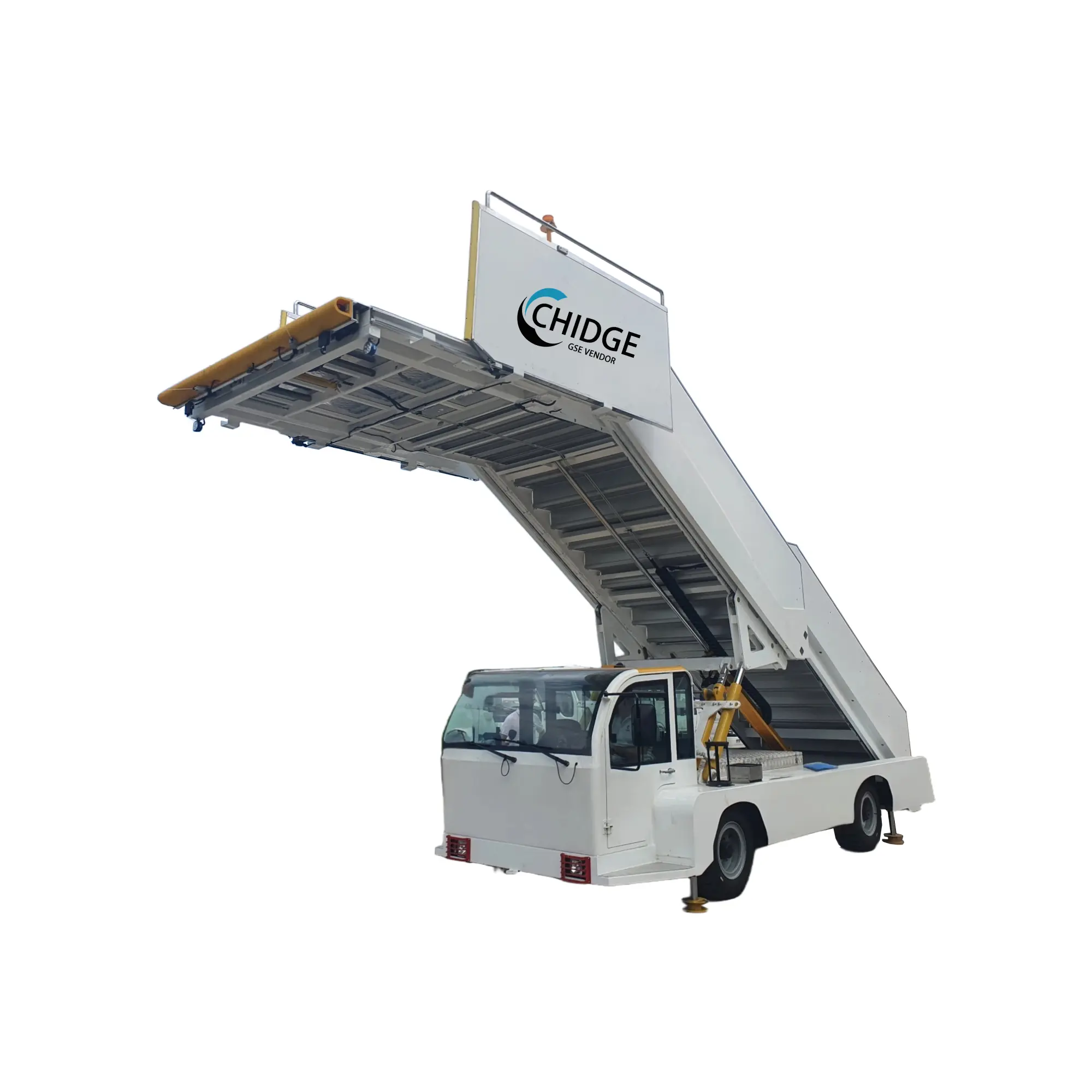
Certified Safety Inspections & Compliance Checks
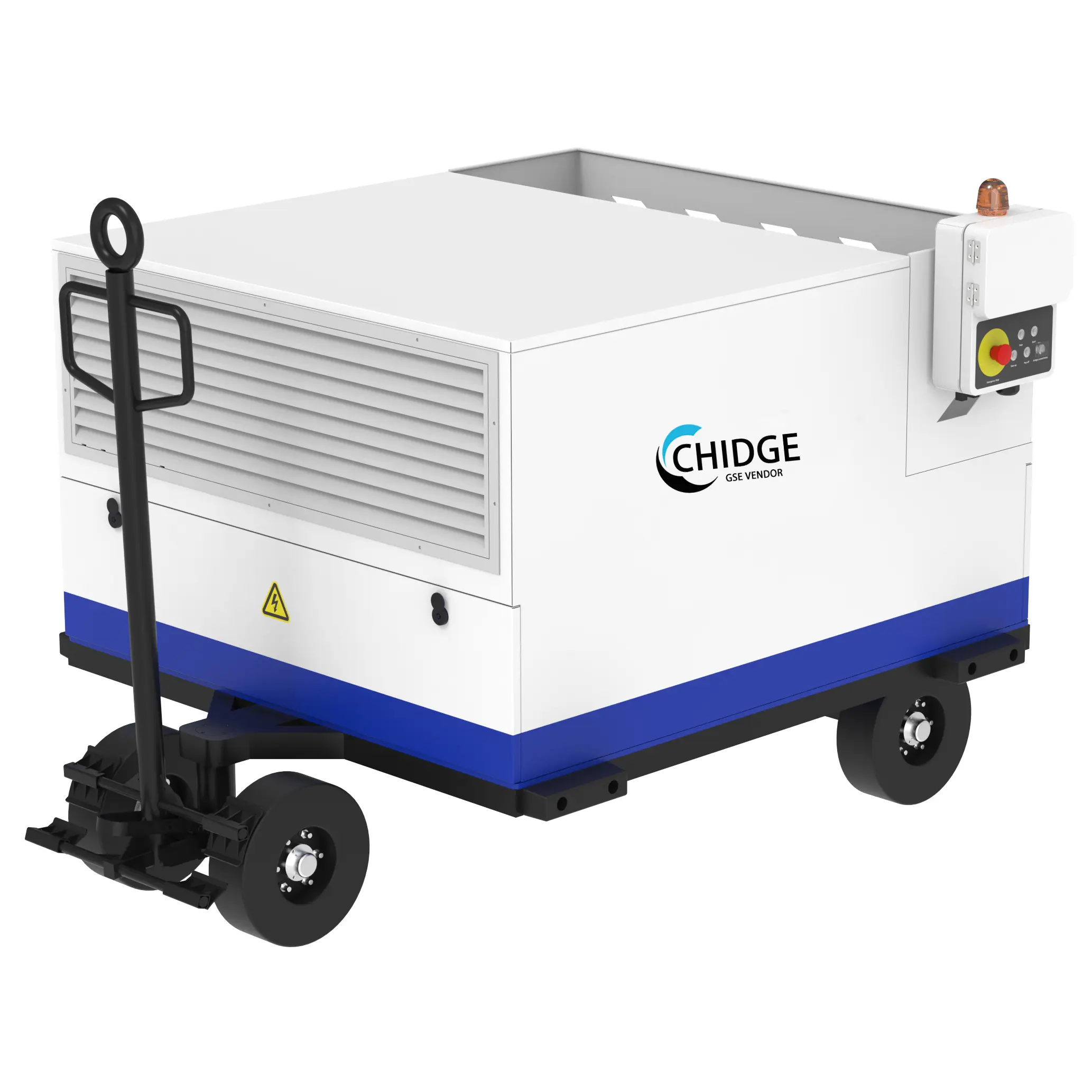
24/7 Remote Diagnostics and On-site Support
Towbar tractors use a physical metal bar connected to the aircraft's nose gear. Towbarless (TBL) tractors lift the nose gear directly, allowing for faster speeds, better maneuverability, and reduced risk of towbar shear-pin breakage.
We implement multi-layered safety systems including anti-collision sensors, emergency hydraulic overrides, and interlock systems that prevent movement if the aircraft or tractor isn't properly secured.
Yes, we provide "E-Conversion Kits" that replace internal combustion engines with electric drivetrains and battery packs, significantly extending the life of existing chassis while meeting new environmental regulations.
We recommend a "Usage-Based Maintenance" (UBM) model. Instead of fixed dates, our IoT sensors monitor actual strain and operating hours to suggest maintenance exactly when needed, reducing downtime by 15%.
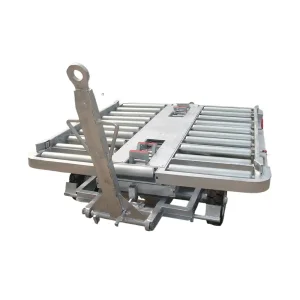
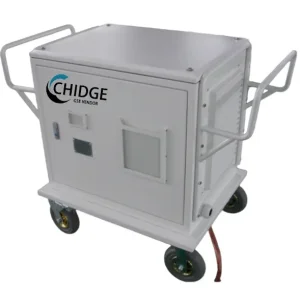
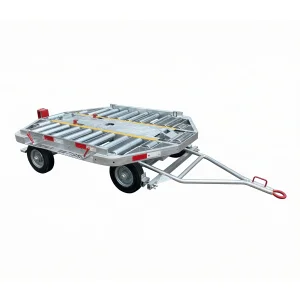
 Chidge Dolly