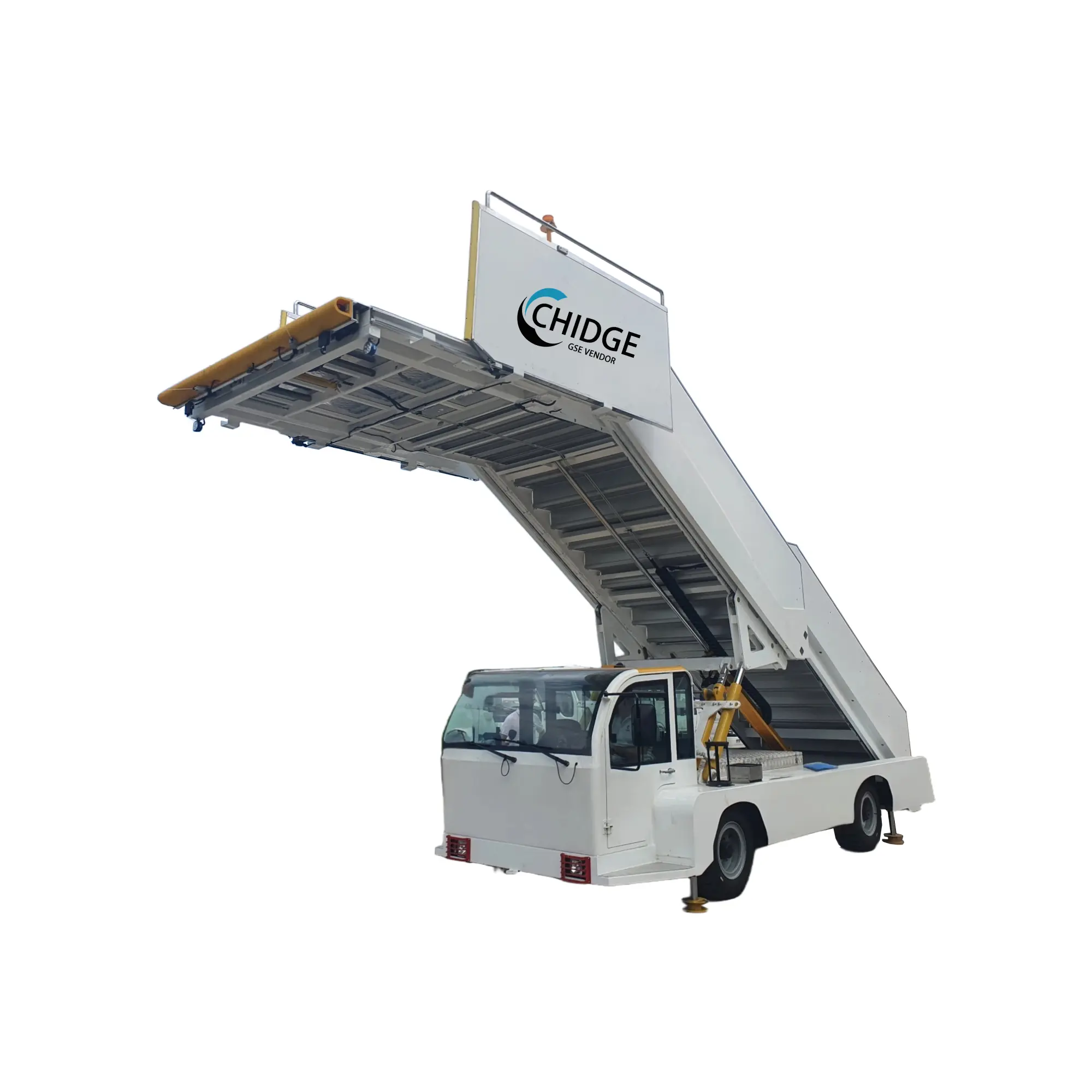
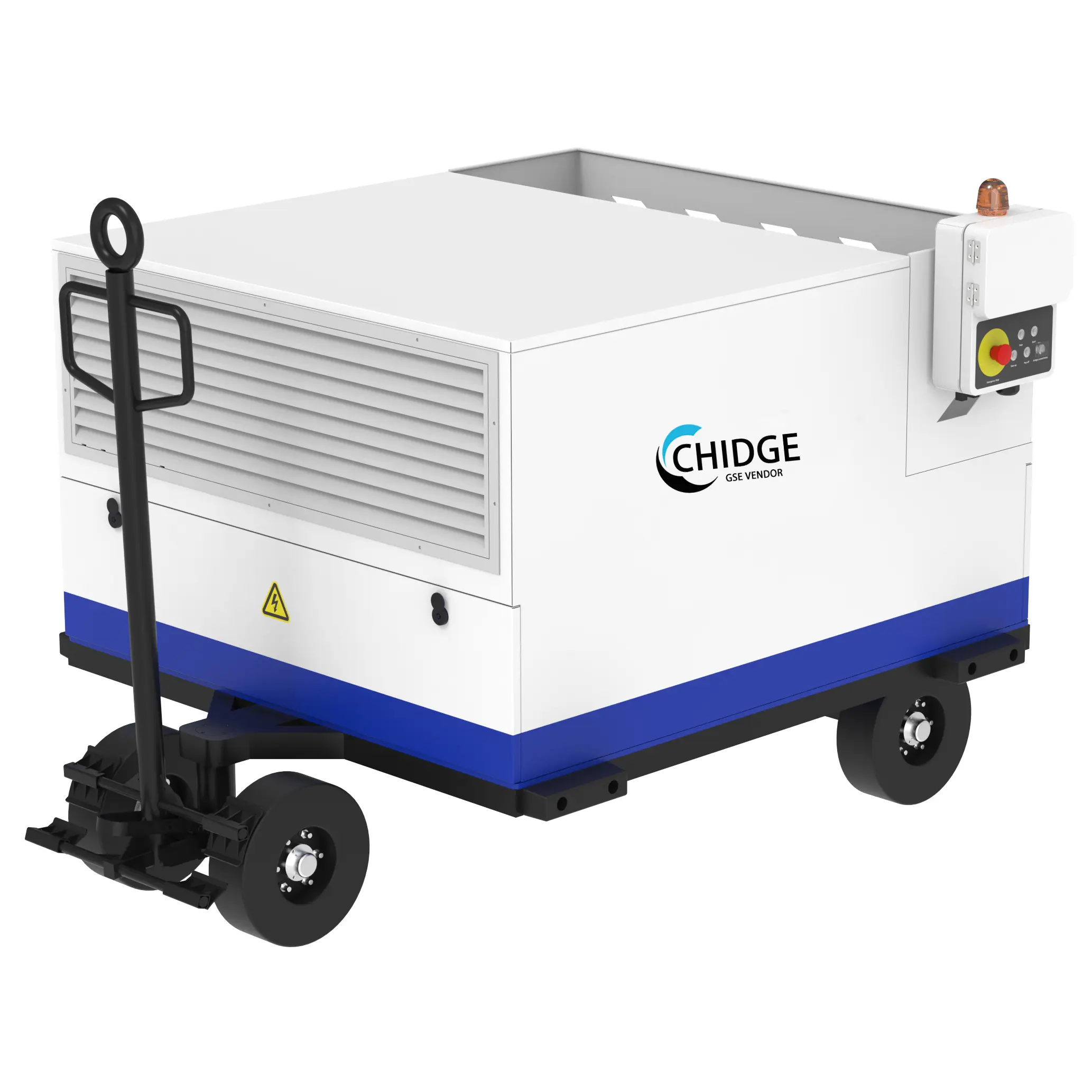
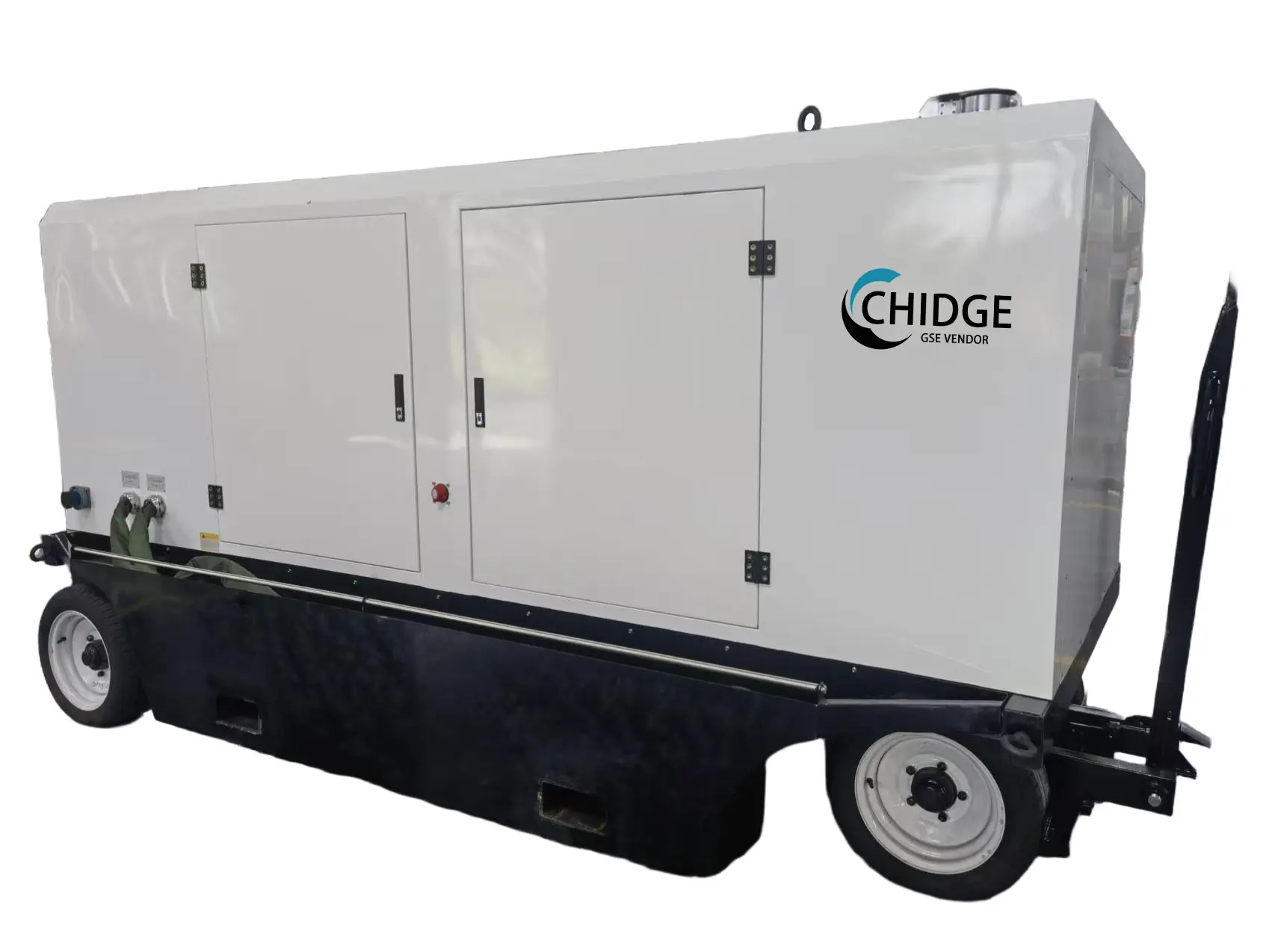
Explore our high-performance aviation ground handling machinery. Engineered to optimize aircraft turnaround efficiency, ramp safety, and support systems.
The global aviation sector is undergoing a profound paradigm shift. As airports expand and push toward carbon-neutral operations under intense environmental scrutiny, the demands placed on Ground Support Equipment (GSE)—particularly aircraft pushback tugs and associated ramp machinery—have reached unprecedented levels of complexity. Leading custom pushback suppliers are no longer just metal fabricators; they have evolved into high-tech system integrators.
Information Gain Insight: The transition to eGSE (electric Ground Support Equipment) and autonomous towbarless tractors is projected to reduce airport ramp carbon footprints by up to 45% by 2030, presenting a critical optimization vector for Tier-1 airports.
Modern ramp operations prioritize safety, speed, and absolute reliability. Pushback suppliers must now engineer vehicles that integrate seamlessly with dynamic Airport Collaborative Decision Making (A-CDM) systems. The adoption of autonomous steering algorithms, advanced battery thermal management systems (BMS) for extreme temperatures, and heavy-duty structural engineering has separated standard factories from premium custom designers.
Aviation authorities globally are tightening regulations regarding ground safety and pushback procedures. Modern fleets must deploy precise torque distribution systems, high drawbar pull ratings, and comprehensive operator visibility tools. These developments require factories to deploy advanced structural finite element analysis (FEA) to ensure long-term chassis integrity under repetitive stress cycles.
How state-of-the-art Chinese manufacturing centers leverage advanced automation, integrated supply networks, and strict quality control to deliver cost-effective, high-tier GSE.
Integrated robotic welding cells, precision fiber laser cutting machines, and automated guided vehicles (AGVs) ensure dimensional repeatability within tolerances of less than 0.1mm, ensuring absolute compatibility of complex steel frames.
Leveraging systematic testing protocols—such as ultrasonic weld inspections, dynamic hydraulic pressure cycles, and high-capacity load cell calibrations—to strictly adhere to IATA standards and local civil aviation requirements.
Located in specialized industrial zones, Chinese factories maintain immediate access to key steel mills, advanced hydraulic system providers, and electrical system components, minimizing global supply chain lead times.
The synthesis of smart manufacturing technologies with massive economies of scale allows Chinese GSE manufacturers to offer rapid OEM/ODM design changes. Where traditional Western factories require months to re-engineer pushback configurations for distinct regional requirements, Factory 4.0 principles allow agile reconfiguration of chassis structures, engine mounts, and control interfaces via modular CAD blocks and simulated stress testing.
What international fleet managers and airport authorities look for when selecting high-value ground support machinery.
Procuring a pushback tractor or refueler is a long-term capital investment. Global procurers analyze maintenance cycles, fluid consumption rates, tire wear dynamics, and residual asset value. Modular engineering that allows quick replacement of wear parts drastically minimizes ground delays, raising overall fleet ROI.
Ground handling equipment must meet stringent international regulations, such as IATA AHM (Airport Handling Manual) standards, CE certification, and OSHA guidelines. Safety features, including interlock systems, emergency hydraulic release systems, and integrated fire suppression, are critical prerequisites for airport operational approvals.
Modern aviation buyers require machinery that can communicate telemetry data in real-time. Fleet managers track operating hours, diagnostic trouble codes, battery health (for electric units), and operator handling profiles via integrated CAN-bus networks. Standardizing this data stream simplifies predictive maintenance and prevents unplanned ramp delays.
Every airport has unique challenges, from narrow apron configurations to extreme high-altitude atmospheric settings. Custom pushback suppliers must provide tailored solutions, such as dynamic ballasting, specialized hitch configurations, towbarless adaptations, and custom-designed driver cabins.
Custom GSE must perform flawlessly under the most demanding environmental situations across the globe.
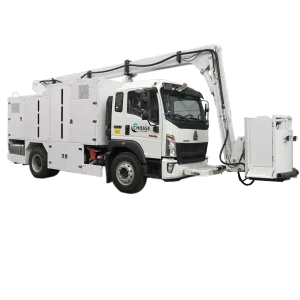
For sub-zero locations (e.g., Northern Europe, North America), units require winterization packages. This includes pre-heaters, high-viscosity hydraulic fluids, thermal battery insulation, and integrated deicing mechanisms (e.g., CDD7000 Deicing Truck) to prevent line freezing and structural embrittlement.
Humid coastal regions expose vehicles to rapid corrosion. Factories address this by using hot-dip galvanized steel components, double-layer polyurethane marine-grade coatings, sealed IP67/IP69K electrical enclosures, and dust-tight air filtering.
Densely packed airports demand exceptional maneuverability. Compact wheelbases, multi-mode electronic steering (front-wheel, four-wheel, crab-walk), and sensitive anti-collision radar systems prevent costly contact incidents with aircraft structures and personnel.
A detailed technical review of the operational systems powering our aircraft service, refueling, and maneuvering units.
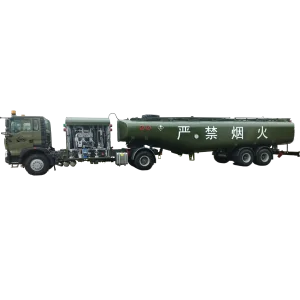
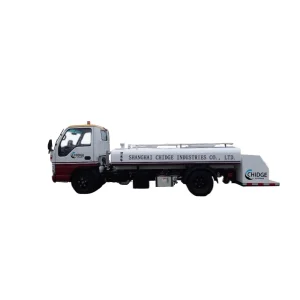
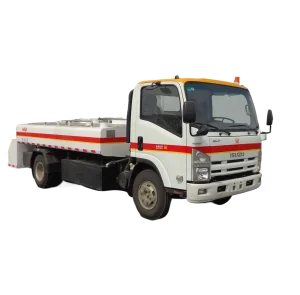
These specialized refueling trucks consist of a heavy-duty chassis, optimized fuel tanks, high-flow pumping setups, computerized metering systems, and pressure control modules. Essential capabilities include:
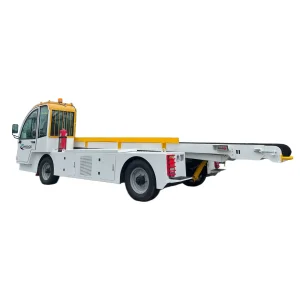
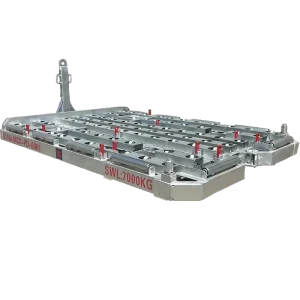
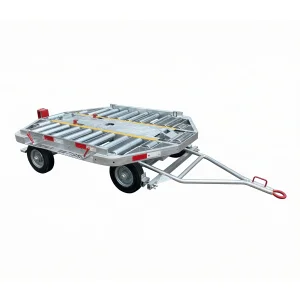
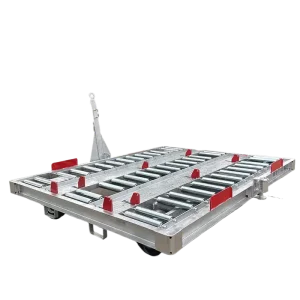
Efficient cargo handling is critical to airport revenue. Our dollies, including the 7T Castle Pallet Dolly and Wholesale LD3 Container Dolly, are engineered with heavy-duty structural steel to withstand continuous cargo drops.
Our mission is to help customers make firm, confident choices, creating long-term value and optimizing ramp operations.
We welcome custom OEM and ODM orders to meet unique physical, environmental, and regulatory parameters.
Customer-Centric Integration: From dynamic load calculations and 3D modeling to structural stress simulations, component procurement, final testing, and global commissioning, we deliver end-to-end integration.
This holistic methodology helps ground handling agencies enter new markets quickly, lower total capital expenditure, and maintain high standards of equipment reliability.
Collaborating with top international airlines, cargo networks, and ground handling operators to maintain seamless airport operations.
Insights, updates, and innovations from our research division and global operations.
Expert answers addressing the standard specifications, engineering considerations, and procurement processes for airport ground handling equipment.
Custom suppliers offer specialized solutions including towbarless (TBL) conversions, high-torque configurations, varying ballasting options, and customized driver cabins. We also customize powertrain choices, from conventional low-emission diesel engines to full-electric (LiFePO4 battery pack) configurations, and add custom cold-weather startup kits for airports in colder regions.
Our dollies are built using high-tensile structural steel profiles. The frames undergo automated robotic welding to guarantee strong joints. Completed assemblies are hot-dip galvanized to ensure corrosion protection against weather and deicing fluids. The components are then tested for dynamic load limits and hitch strength to exceed normal operating safety factors.
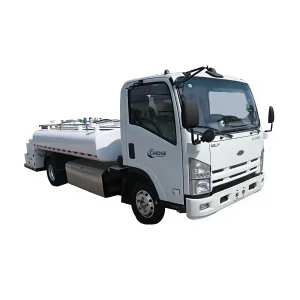
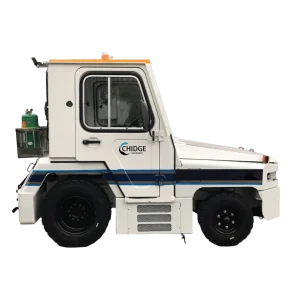
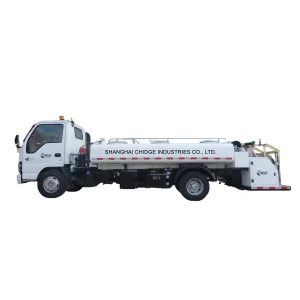
Transitioning to electric power units, like our electric potable water trucks and electric towing tractors, cuts greenhouse gas emissions, lowers fuel expenses, and reduces noise pollution on the ramp. Electric vehicles have fewer moving parts, which translates to simpler maintenance regimes and lower total cost of ownership compared to diesel models.
Our refueling vehicles (such as the CD5580GJJ and CD5341GJJ) use specialized fuel-water separators and micro-filtration systems that meet EI standards. In addition, the internal linings of the tanks are coated with epoxy to prevent rust, and stainless-steel piping is used throughout the wet-side system to prevent fuel contamination.
Standard components, such as pallet dollies, can be manufactured and shipped quickly. Complex builds (like air start units, deicing trucks, and towbarless tractors) require design validation and functional testing, typically taking 8 to 12 weeks. We optimize shipping pathways by coordinating with local ports to deliver equipment reliably to global terminals.
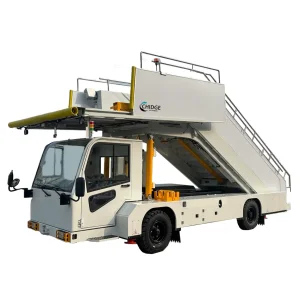
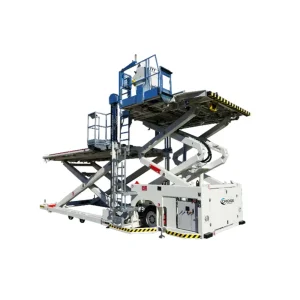
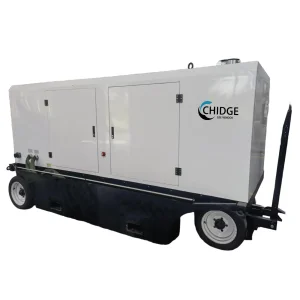
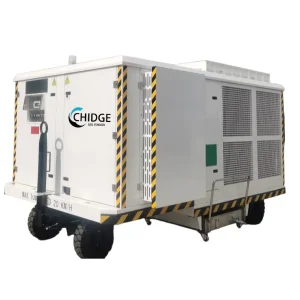
Premium dollies, cargo loaders, boarding steps, and aircraft environmental control systems designed for daily operations.
 Chidge Dolly