Explore our industry-standard airport logistics solutions, designed to withstand rigorous operations and deliver reliability.
In the high-intensity workspace of modern airfield aprons, ground support operations act as the vital circulatory system of the global aviation supply chain. Turnaround times (TAT) govern profitability, and safety is the non-negotiable metric. Amidst these variables, the CD-T150 Airplane Towing Tractor represents an engineering milestone designed to deliver precision, robustness, and absolute control. As leading developers and manufacturers of specialized GSE, we offer a comprehensive breakdown of the technology driving modern ramp operations.
This technical whitepaper details the engineering mechanics of the CD-T150, its structural characteristics, and the systemic advantages it brings to international airports, ground handlers, and major cargo airlines. Designed to manage medium-to-heavy commercial aircraft, the CD-T150 bridges the gap between massive, high-emission diesel tow tractors of the past and the clean, precision-controlled, and highly integrated ground operations of the future.
Equipped with a hydrostatic transmission and integrated high-torque powerpacks, the CD-T150 offers seamless acceleration curves. By eliminating shift shocks, it safeguards the nose landing gear (NLG) of aircraft from structural fatigue during pushback operations.
Features standard CAN-bus architecture, automatic speed regulation, and secondary hydraulic backups. Multiple sensors detect load distribution dynamically, ensuring real-time compliance with airline handling standards.
The elevated hydraulic cabin delivers 360-degree visibility for ground handling crews. Reduced noise insulation and intuitive controls minimize fatigue, directly driving down operational accident rates.
Discover how our diverse fleet and equipment capabilities address specific challenges faced by global airport hubs.
Consists of a chassis, oil tanks, pumping system, control system, and operating elements. Delivers precision filtration, metering, self-circulation, and pressure control to secure high-speed fueling operations.
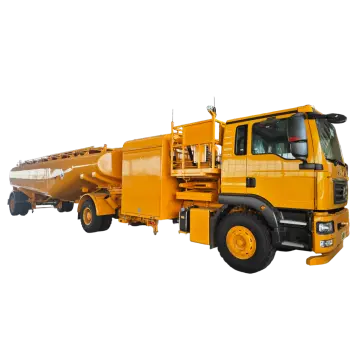
Designed for heavy cargo and wide-body aircraft refueling operations. Features dual-stage filter water separators, precise metering systems, and dynamic pressure stabilization to protect vital components.
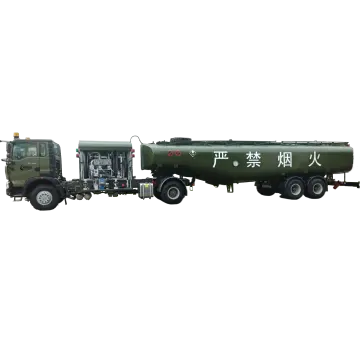
Highly mobile refueler configured for narrow-body commercial operations and municipal airfields. Features advanced automation interfaces for quick refueling processes and strict environmental safety measures.
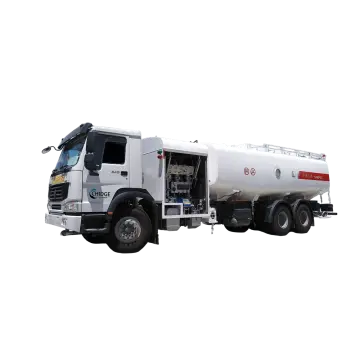
A powerhouse designed for wide-body planes, utilizing modern traction control systems to prevent slippage in freezing weather conditions.
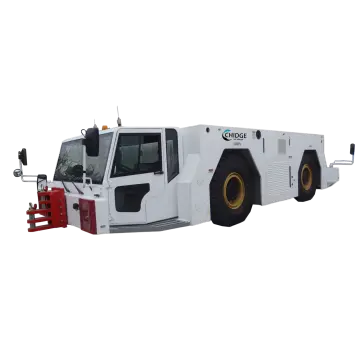
Optimized for medium-sized operations. High maneuverability, hydraulic steering, and reliable components make it an operational classic.
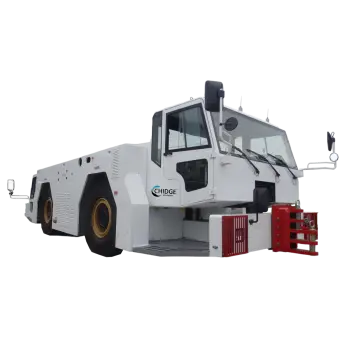
Ideal for regional jet pushbacks, boasting compact dimensions to allow tight turn radiuses in congested gate corridors.
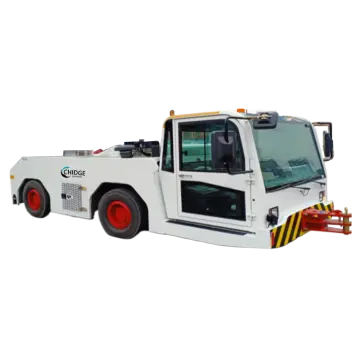
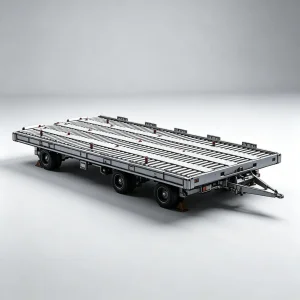
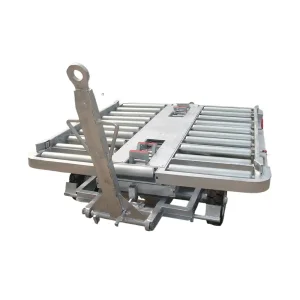
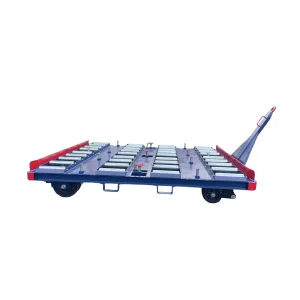
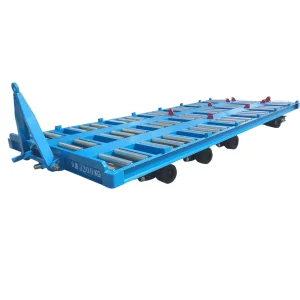
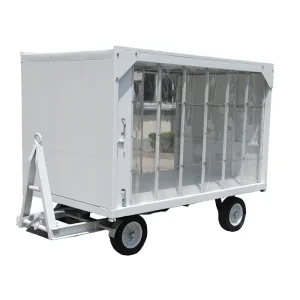
Engineered to handle high-payload air cargo containers, facilitating swift movements from warehousing to standard cargo bays.
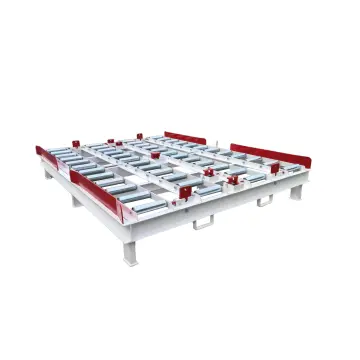
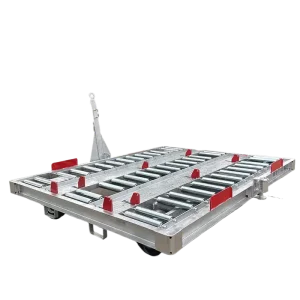
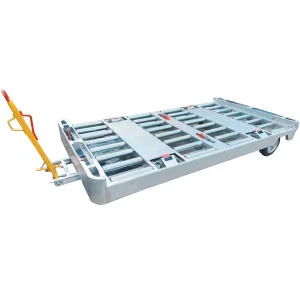
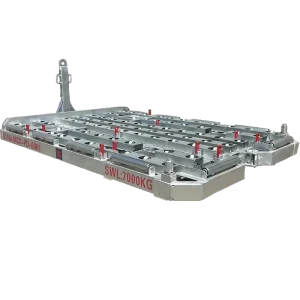
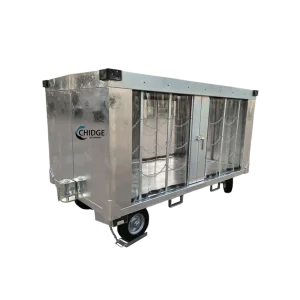
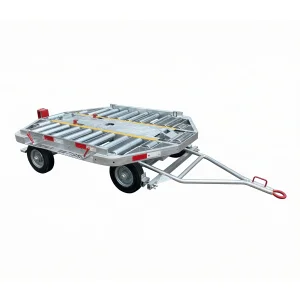
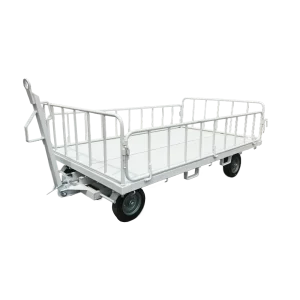
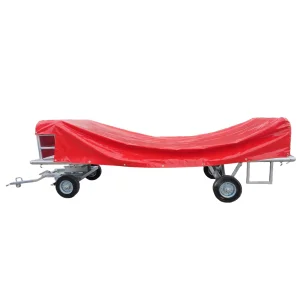
Heavy-duty build featuring integrated lock assemblies and a reinforced deck structure for safe, reliable transport operations.
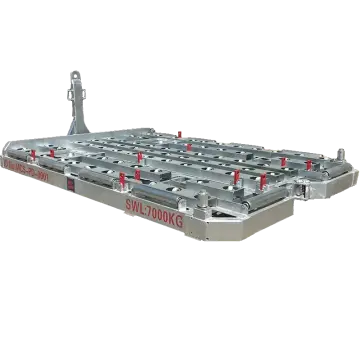
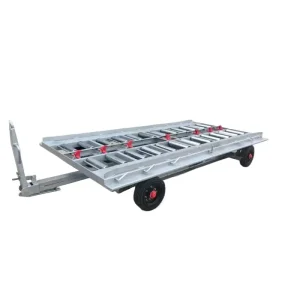
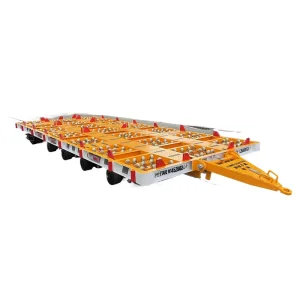
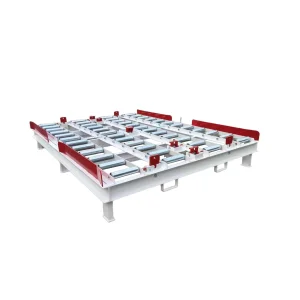
Equipped with durable dual-axis rollers and standard coupling systems to streamline cargo train configurations on the ramp.
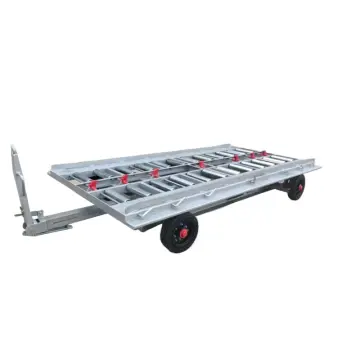
Supplies 400Hz frequency regulated current directly to parked aircraft, minimizing Auxiliary Power Unit (APU) usage and saving fuel.
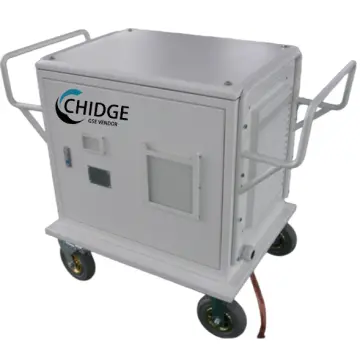
Delivers high-pressure, compressed air to turn aircraft turbines during initial engine startup procedures at the gate.
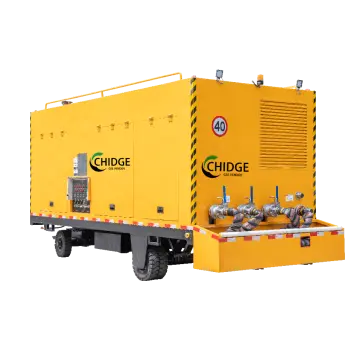
High-efficiency climate-control trailer designed to warm passenger cabins in extreme sub-zero weather conditions.
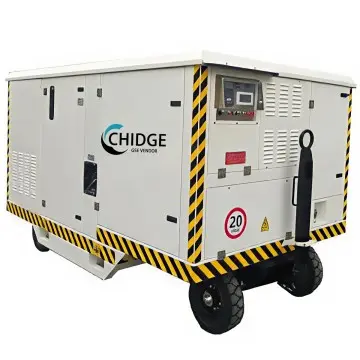
The transition toward sustainable aviation practices is reshaping ground support equipment. The next decade will define a permanent paradigm shift in how aircraft movement is handled on airfields. Our technical roadmap focuses heavily on two central development arcs: Electrification (e-GSE) and Autonomous Path Planning.
Diesel engines, even with Stage V exhaust clean-up systems, represent carbon footprints that airports want to mitigate. Our technical roadmap introduces high-capacity Lithium Iron Phosphate (LFP) battery systems directly into the CD-T150 architecture. The thermal stability and long lifecycle of LFP cells ensure safety under extreme cold or tropical runway conditions, retaining over 80% capacity after 4000 operational cycles.
By using cloud-connected CAN-bus networks, every CD-T150 continuously streams health parameters: battery temperatures, motor controller states, brake pressures, and torque curves. Predictive maintenance modules use this telemetry to alert airport maintenance bays of wear long before an component fails on the apron. This approach minimizes gate delays and prevents operations from stalling during peak seasons.
Through LiDAR-assisted obstacle detection, high-accuracy GPS (RTK), and sensor fusion algorithms, we are testing automated pathing systems. The vehicle maps its environment, identifying personnel, baggage carts, and static objects. It auto-corrects paths during pushbacks to ensure a safe distance is maintained, setting a new safety standard for ground handling.
As flight frequencies scale, airports face physical space constraints. Maximizing gate efficiency and turnaround times becomes a primary optimization problem. The CD-T150 Towing Tractor acts as an enabler of speed, operating in tight taxiways where conventional large-body tractors create bottlenecks.
Integrating our specialized GSE portfolio—from aircraft heating units (CDH-60) and ground static power units to heavy-duty container dollies—allows hub managers to consolidate operations under a single design language. Uniform systems reduce training times for ground crew, limit tooling overheads, and streamline spare parts warehousing, lowering airport operational costs.
How our advanced manufacturing floor delivers global consistency, structural longevity, and price competitiveness.
We use automated robotic welding cells to assemble the main chassis of the CD-T150. This guarantees consistent penetration, eliminates micro-fractures, and ensures structural integrity under maximum load limits.
Every vehicle undergoes non-destructive testing (NDT), ultrasound weld inspections, and dyno-load verification before leaving our facility. This ensures reliable operation out of the box.
By locating our facilities in key industrial hubs, we maintain robust supply chains. Access to high-grade steel, advanced hydraulics, and electronic subsystems protects our assembly timelines from global delays.
Tailoring ground support equipment to meet specific localized demands, fleet profiles, and airline parameters.
We welcome OEM (Original Equipment Manufacturer) and ODM (Original Design Manufacturer) orders. Ground operations vary across regions; extreme arctic climates require special low-viscosity hydraulic oils, heating jackets, and cabin insulation, while operations in hot desert climates require heavy-duty cooling modules. Our engineering teams customize chassis configurations, paint schemes, cabin profiles, and control interfaces to integrate seamlessly with your existing ground fleet.
Advanced R&D capabilities, utilizing finite element analysis (FEA) to simulate high stress points and optimize structural design.
Using premium materials and international components (e.g., ZF gearboxes, Cummins power units) to ensure reliable operation.
Efficient supply chain planning and logistics coordinate shipping schedules to secure prompt worldwide deliveries.
Comprehensive technical support, regular maintenance inspections, and online troubleshooting minimize down times.
Compliance is a critical factor for ground support equipment. The CD-T150 and our wider GSE fleet meet the requirements of international airport regulatory bodies, including IATA AHM (Airport Handling Manual) guidelines, CE requirements, and ISO 9001:2015 quality standards.
Furthermore, we assist clients during the customs clearance, port transit, and commissioning phases. On-site commissioning engineers verify local electrical compatibility for high-capacity ground power units, provide hands-on operator training, and coordinate maintenance routines, helping your ground operations remain safe and efficient.
Providing high-performance airport tractors, pallet dollies, and loaders designed for busy transport corridors.
Engineering customized cargo containers and catering vehicles to support strict airline schedules.
Supplying passenger boarding stairs, ground static power systems, and specialized refuelers to meet diverse apron demands.
Detailed technical answers to common queries from procurement teams and airport operations directors.
Stay updated with technical developments, guide updates, and global ground handling innovations.
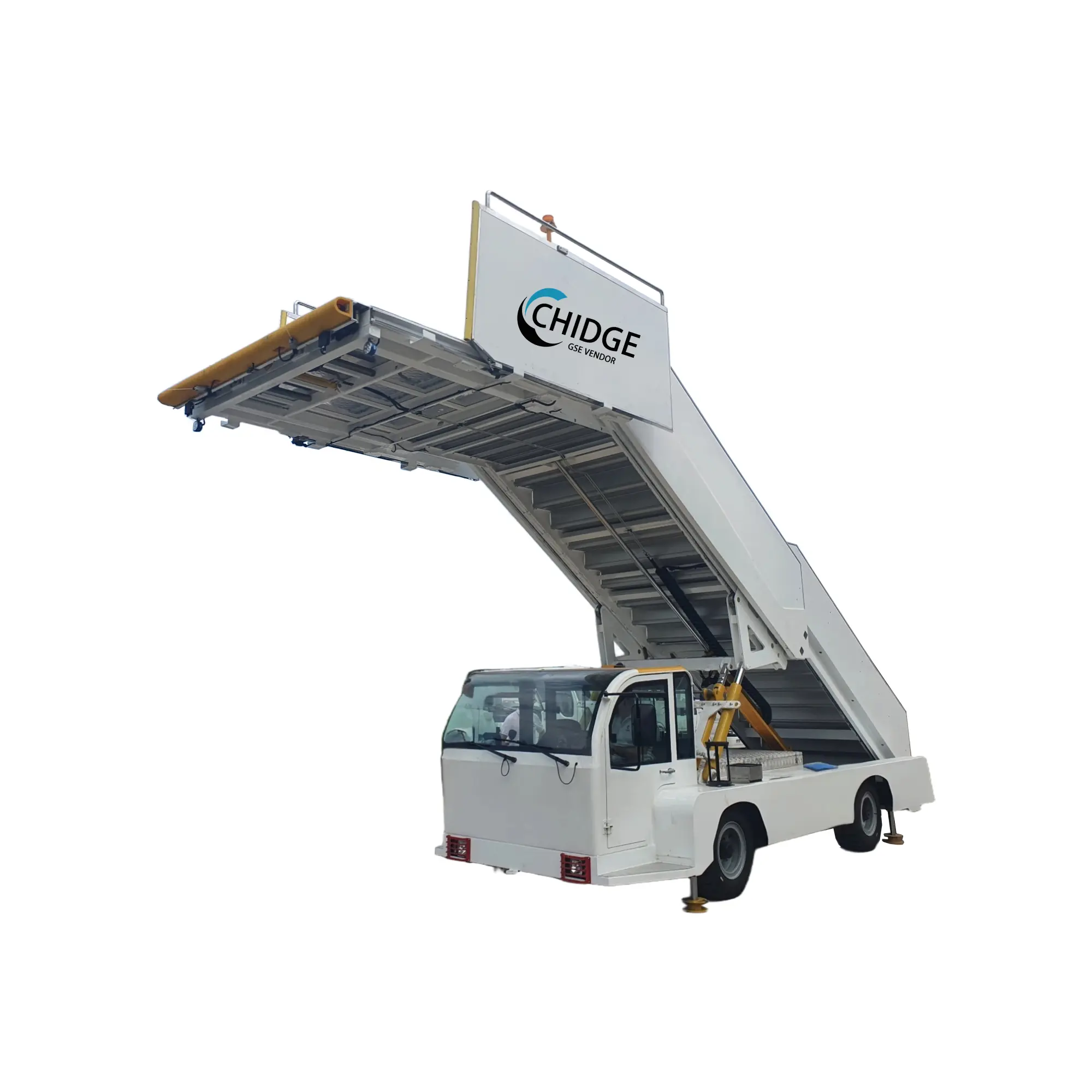
Explore the engineering, structural designs, safety sensors, and operational roles of modern airport passenger boarding stairs.
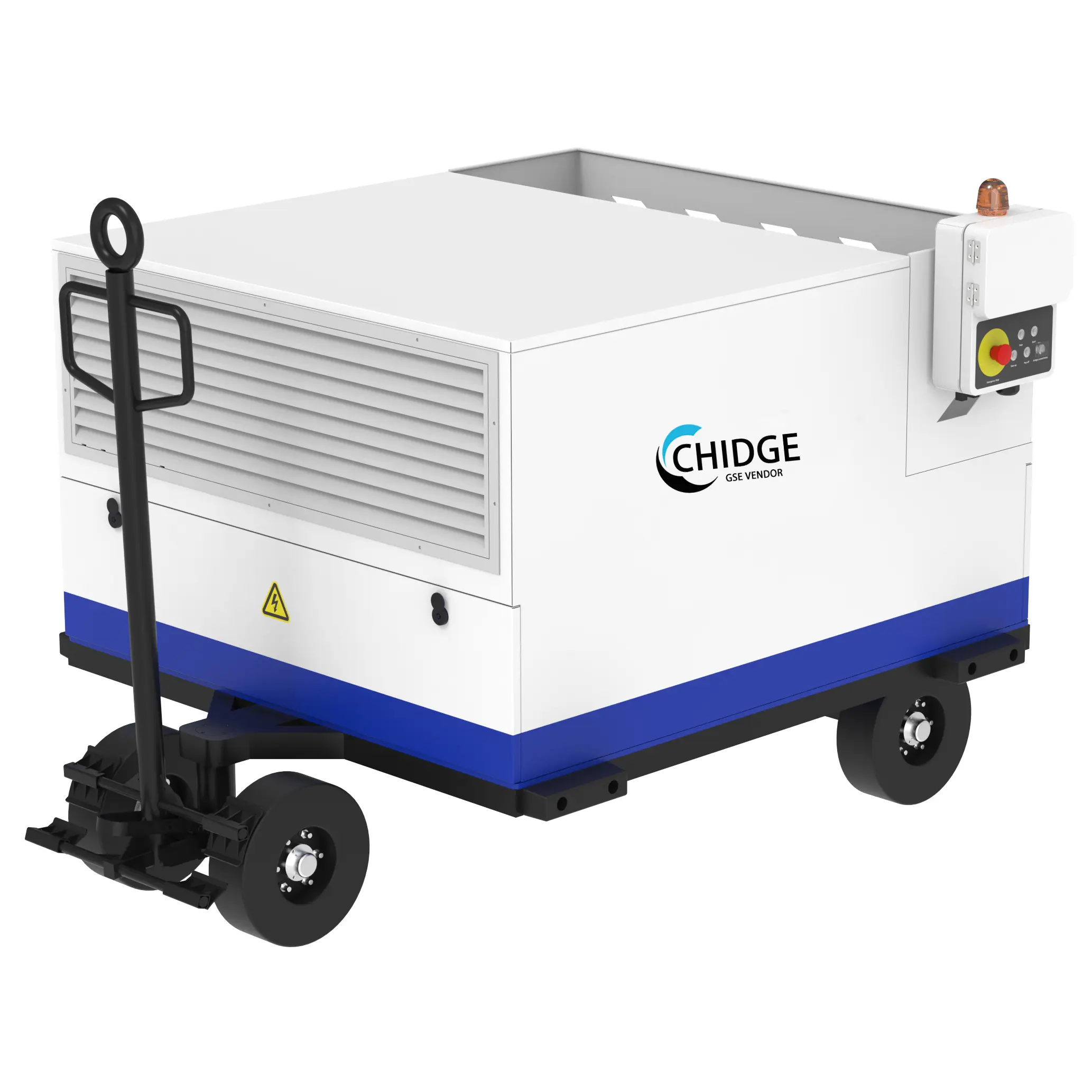
A look at battery-backed ground power systems, helping airports reduce operational emissions during gate handovers.
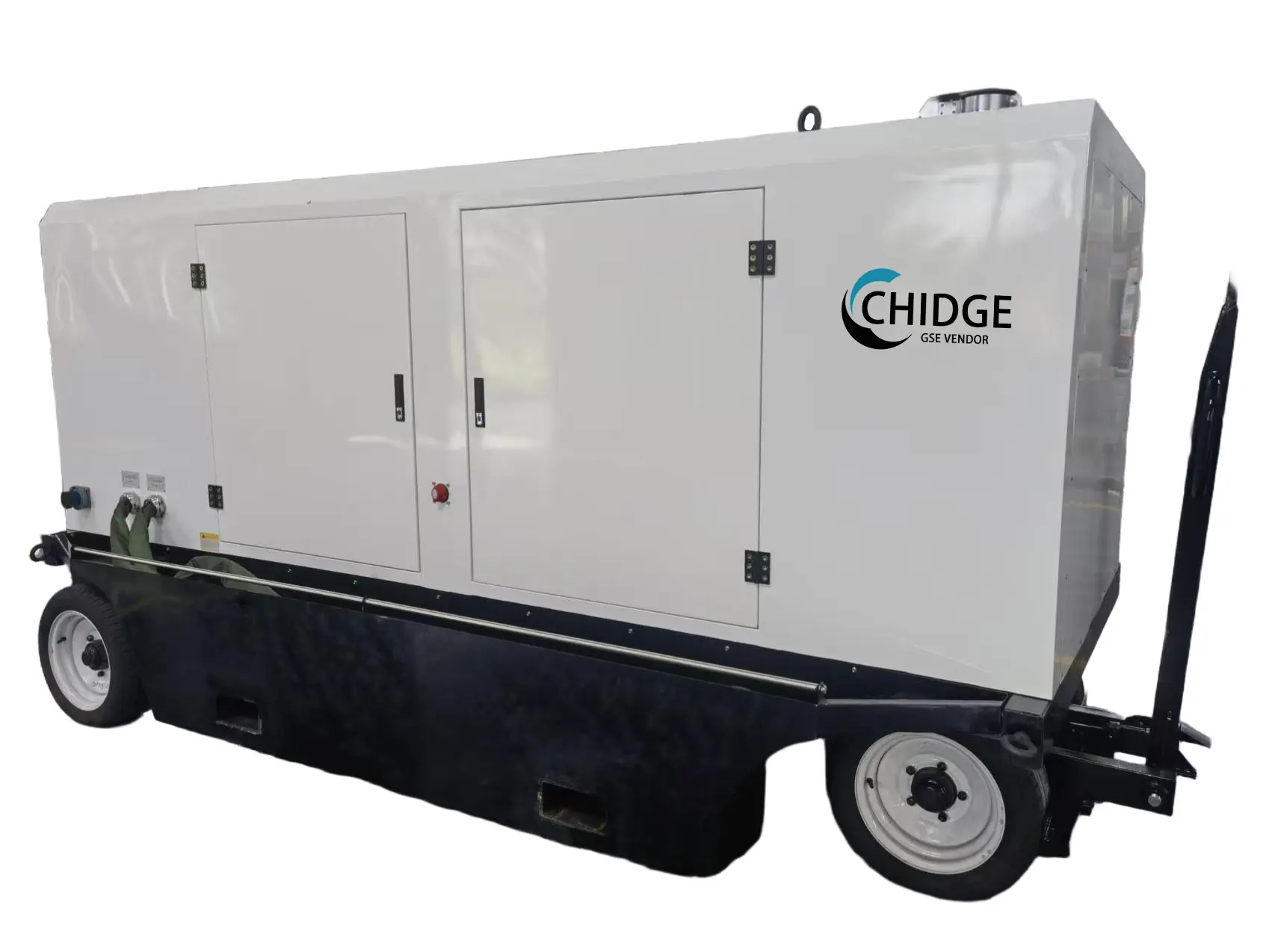
A deep dive into truck-mounted and static GPUs, supplying 400Hz frequency regulated current directly to parked aircraft.
Ensure ground operations run smoothly with our load-tested terminal dollies and utility carts.
 Chidge Dolly