Engineered to handle extreme loads, facilitate efficient airside operations, and secure uninterrupted baggage transport.
An expert-level analysis of Airport Baggage Handling Systems (BHS) and high-load conveyor logistics.
In modern aviation hubs, the efficiency of Baggage Handling Systems (BHS) directly correlates with airport turnaround time (TAT), passenger satisfaction scores, and overall airline operational profitability. As passenger volumes regain explosive momentum globally, airport authorities and airline operators are looking toward advanced custom baggage conveyor belt manufacturers to deliver wear-resistant, high-tensile, energy-efficient solutions. Airport conveyor belts are no longer mere transport bands; they are central to highly integrated sorting, check-in, dynamic screening, and reclamation ecosystems.
Traditional mass-produced conveyor bands fail to accommodate the complex layout designs of modern terminals. Today's airport logistics infrastructure demands specialized engineering featuring flame-retardant properties (conforming to ISO 340 / DIN EN 20340 standards), low noise profiles to maintain terminal comfort (ideally under 60dB), and high friction textures for incline or decline sections. High-quality custom baggage conveyor belt manufacturers deliver tailor-made compounds—such as multi-ply polyester fabrics impregnated with PVC or polyurethane (PU)—engineered to mitigate static charge buildup, preventing damage to downstream security scanning and sorting electronics.
How customized baggage handling systems adapt to diverse geographical climates and operational scales.
Designing a baggage handling system requires deep consideration of localized geographic and environmental profiles. High-salinity coastal terminals (such as Singapore Changi or Hong Kong International) necessitate anti-corrosion galvanized structural steel and salt-resistant belt polymer coatings to prevent premature breakdown of the tracking guides and drive rollers. In contrast, airports situated in high-temperature arid zones require UV-stabilized and thermal-resistant elastomers to prevent belt drying and cracking over extended cycles of heavy load bearing.
For regional and domestic hubs with variable traffic surges, custom merge conveyors are equipped with smart variable frequency drives (VFDs) and photocell sensors that transition the belt into an "eco-sleep" mode during quiet hours, saving massive power costs. In mega-scale international terminals, custom baggage belts must support high-speed Destination Coded Vehicles (DCVs) and integrate seamlessly with explosive detection systems (EDS) at the Level 3 security stage, requiring exact physical tolerances and high longitudinal rigidity to prevent slippage during emergency stop-and-start sequences.
Treated with advanced anti-microbial and anti-oxidation sealants to combat humidity, salt spray, and atmospheric corrosion, ensuring a lifespan exceeding 10 years in marine environments.
Modified vulcanized rubber compound designed to operate flawlessly between -40°C in high-altitude northern climates and +75°C in equatorial runway operations.
Incorporates precise positioning tracking sensors and friction-optimized top coatings to facilitate smooth transfer onto CT baggage scanners without tipping luggage.
Unveiling the structural, manufacturing, and logistic frameworks that keep global airport procurement on track.
As a leading hub for global precision manufacturing, China-based airport equipment factories offer unparalleled supply chain resilience and economies of scale. By combining upstream raw material processing (such as custom steel extrusions and advanced chemical synthetics for conveyor belts) with highly automated CNC fabrication shops in close proximity, manufacturers can dramatically compress lead times. Where Western counterparts might require a 24-week delivery window for bespoke belt configurations, Chinese suppliers routinely fulfill custom orders within 8 to 12 weeks, including strict quality assurance testing.
This rapid delivery capability is paired with deep custom OEM/ODM flexibility. Whether providing customized baggage handling conveyors, high-capacity slave pallet dollies, or heavy-duty containers, these factories utilize integrated PLM software to modify designs dynamically based on on-site structural feedback. Furthermore, close partnerships with major deepwater ports (like Shanghai, Ningbo, and Shenzhen) enable seamless, cost-effective container shipping to international terminals, keeping large airport construction projects strictly on schedule.
Integrating artificial intelligence, predictive IoT maintenance, and zero-carbon initiatives into BHS.
The next decade of baggage handling technology will be defined by digitization and green operations. The integration of IoT Smart Sensors along the conveyor frame allows tracking of belt tension, drive motor temperature, and roller vibration in real-time. This data is fed directly into cloud-based predictive maintenance software, warning maintenance crews of impending bearing failure days before an unscheduled breakdown occurs, effectively eliminating costly system blockages during peak departure hours.
Moreover, the global push toward carbon neutrality is shaping the development of eco-friendly conveyor belts. Forward-thinking manufacturers are moving away from chlorinated plastics toward 100% recyclable thermoplastic polyurethane (TPU) materials that do not release hazardous chemicals during disposal or manufacturing. These systems utilize low-friction under-fabrics that reduce the mechanical resistance against the slider bed, enabling airports to specify smaller, lighter electric drive motors that draw up to 30% less power over continuous duty cycles.
Discover our complete line of certified airport support vehicles, transport dollies, and airside services.
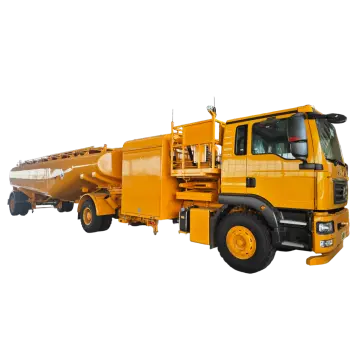
The aircraft tank refueling truck consists of a chassis and oil tanks, a pumping system, a control system, and operating elements with advanced filtration, metering, and pressure control.
View Details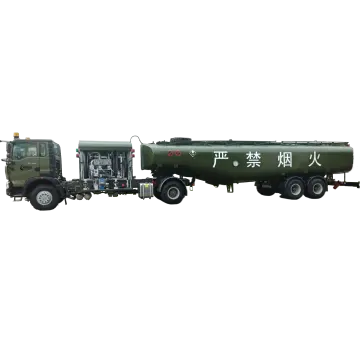
High-capacity refueling solution featuring advanced dual-line flow systems, digital metering, integrated safety shutdowns, and rigorous industrial filtration configurations.
View Details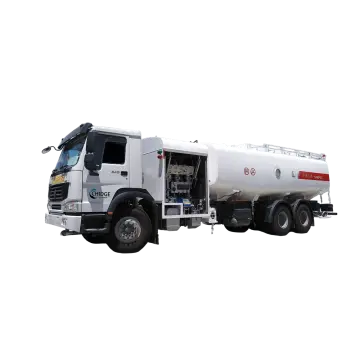
Heavy-duty airfield refueling vehicle equipped with intelligent pressure control systems and emergency shutoff valves, ensuring maximum protection during rapid fueling operations.
View Details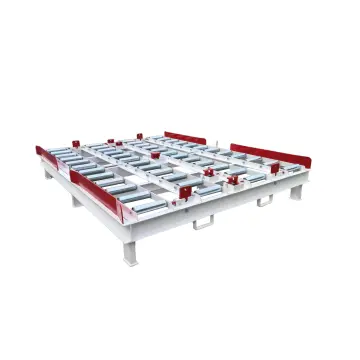
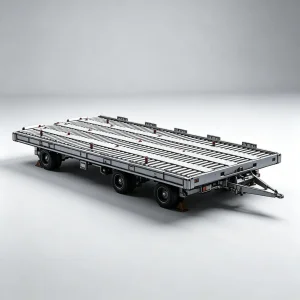
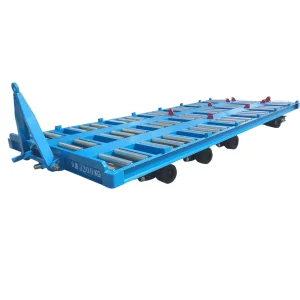
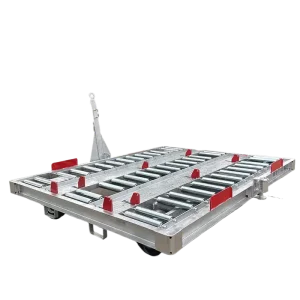
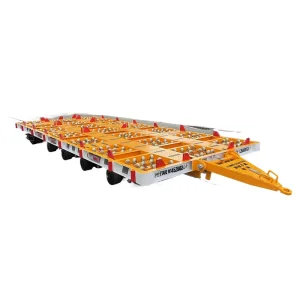
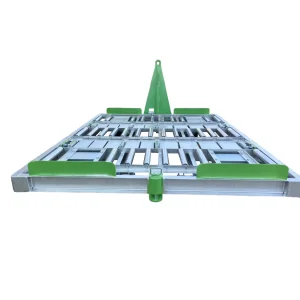
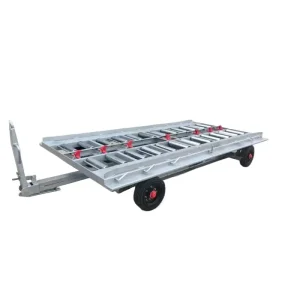
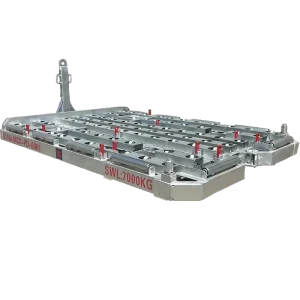
High-strength steel cargo dolly designed for standard air-freight ULD pallets, allowing 360-degree rotation and secure lockings during transport across aprons.
View Details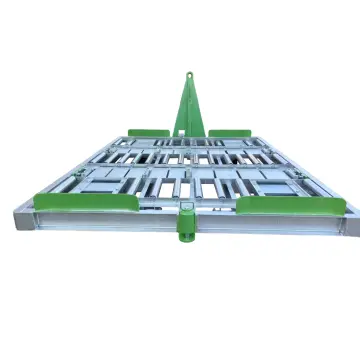
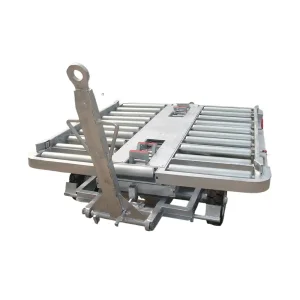
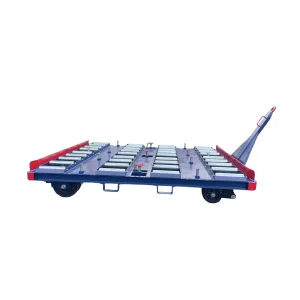
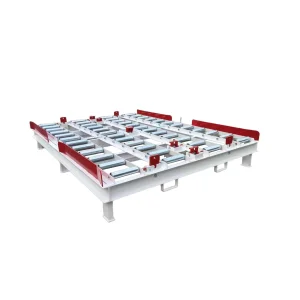
Robust cargo distribution unit featuring multi-directional heavy rollers, integrated parking brakes, and towing drawbar with automatic safety release mechanism.
View Details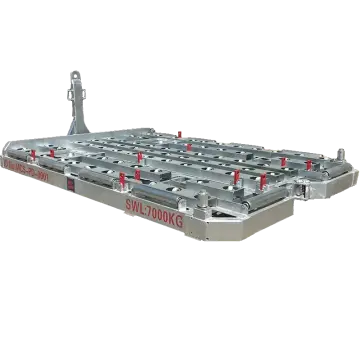
Specialized cargo dolly equipped with castle-top guide pins to support rapid orientation adjustments of heavy cargo pallets inside active airport environments.
View Details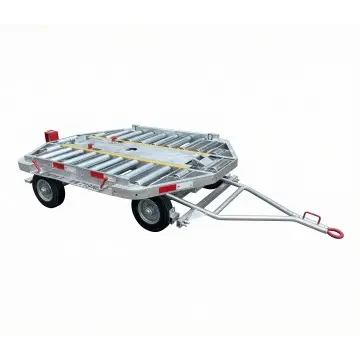
Optimized ULD transport chassis designed specifically for handling LD3 containers. Integrated with dual side-loading capabilities and high-durability locking clips.
View Details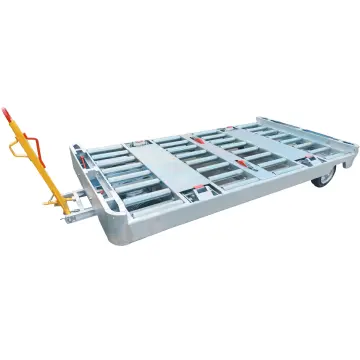
Designed to withstand heavy, continuous loading requirements. Strong structural beams and dual-axle steering enhance stability under max capacity loading.
View Details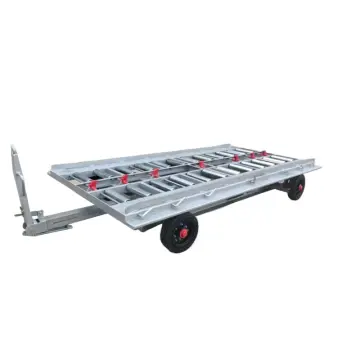
Premium container handler capable of transporting wider LD6 formats with integrated dual-roller lanes and reinforced front-wheel steering mechanics.
View Details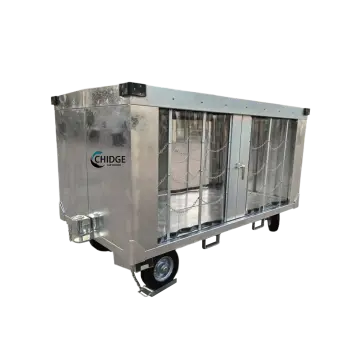
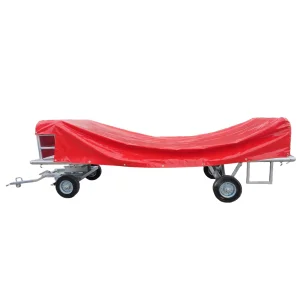
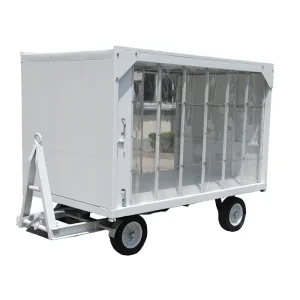
All-weather baggage cart featuring a secure, weatherproof vinyl cover assembly and robust drainage channels to shield passenger luggage from storm damage.
View Details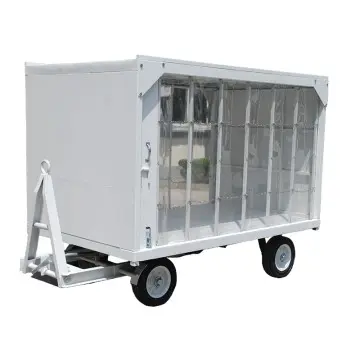
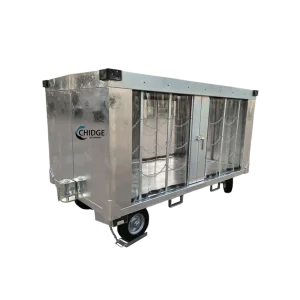
Fully enclosed metal container baggage trolley designed to secure high-value cargo and luggage during transit from the passenger terminal to aircraft loading zones.
View Details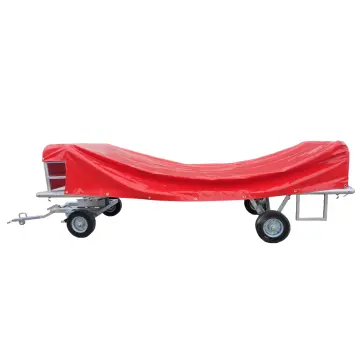
Ergonomic passenger baggage cart with integrated automatic dead-man brake levers, ideal for heavy baggage transport in active international arrival terminals.
View Details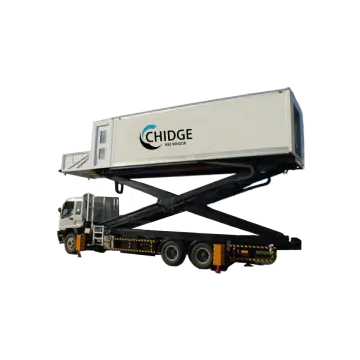
Hydraulic scissor-lift catering vehicle designed to service medium-to-widebody aircraft. Equipped with insulated cargo hold and anti-slip walking platforms.
View Details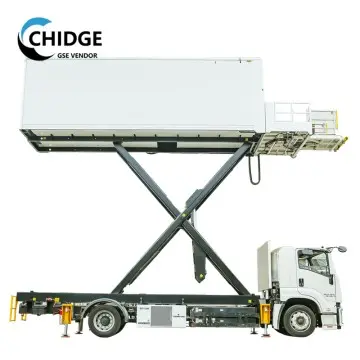
Zero-emission scissor lift catering solution supporting airport decarbonization efforts while delivering high payload stability up to cabin thresholds.
View Details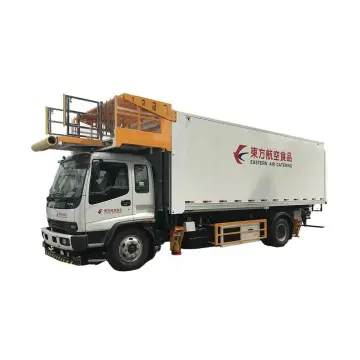
Dependable aircraft provisioning truck with high hydraulic stability, front and rear outriggers, and thermal insulation to keep catering products chilled.
View Details
High-power cabin heating unit designed to supply heated fresh air to parked aircraft, maintaining comfortable indoor cabin environments prior to engine ignition.
View Details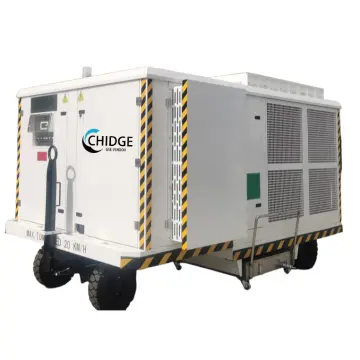
Pre-Conditioned Air unit designed for climate management of aircraft cabins. Delivers dehumidified and temperature-controlled air to reduce aircraft APU runtime.
View Details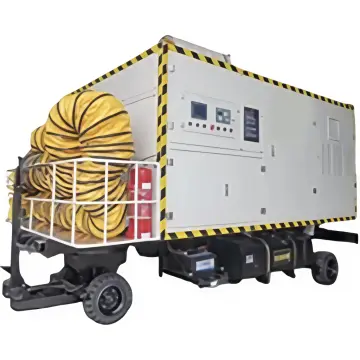
Compact towable diesel-fired heater designed to deliver instantaneous warm air to regional passenger aircraft in severe winter climates.
View Details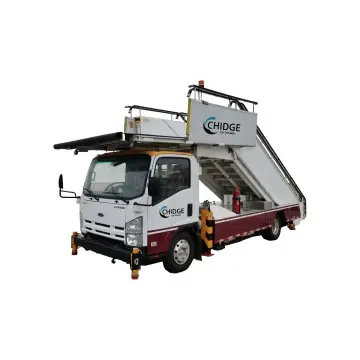
Electric self-propelled boarding stairs featuring intelligent leveling control systems, non-slip treadways, and integrated LED side-lighting systems.
View Details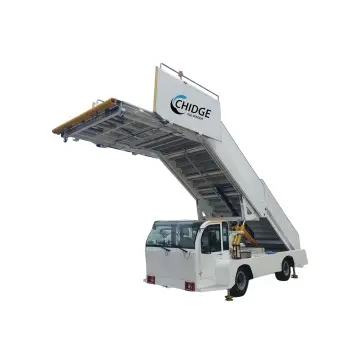
Diesel-powered passenger stairs engineered with high-traction tires, reliable hydraulic lift cylinders, and comprehensive protective rubber bumpers.
View Details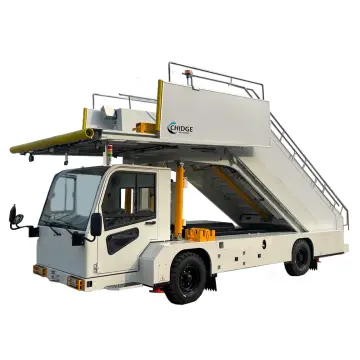
Universal passenger boarding stairs with telescopic platform extensions to seamlessly service multiple narrowbody and widebody commercial aircraft styles.
View Details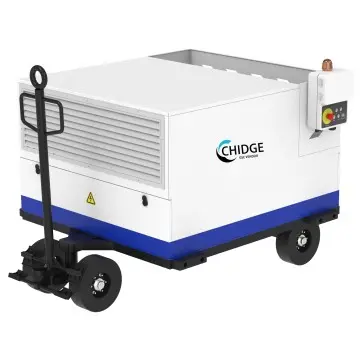
Innovative towable lithium-ion battery unit supplying 400Hz pure sine wave AC electrical power to parked aircraft without emission or combustion noise.
View Details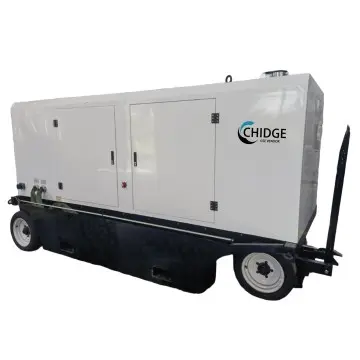
High-power diesel GPU providing 90KVA continuous 400Hz electricity for jet airliner startup, onboard electronics operation, and diagnostics checkovers.
View Details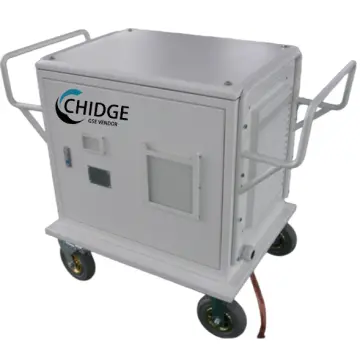
Solid-state frequency converter supplying stable electrical currents directly from the terminal power grid to the aircraft gate umbilical cables.
View Details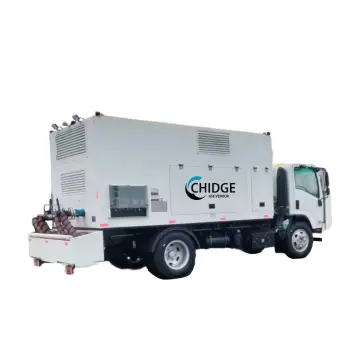
Engineered to deliver high-pressure compressed air needed to turn and start jet turbine engines, mounted on highly mobile road-ready utility chassis.
View Details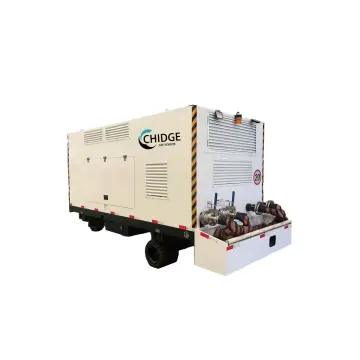
High-performance compressor unit providing stable pneumatic startup pressures to large commercial aircraft engines in heavy-frequency rotation lines.
View Details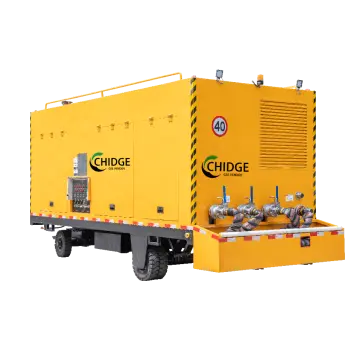
Top-tier jet engine air-start compressor designed to meet demands of wide-body intercontinental planes in severe climatic situations.
View Details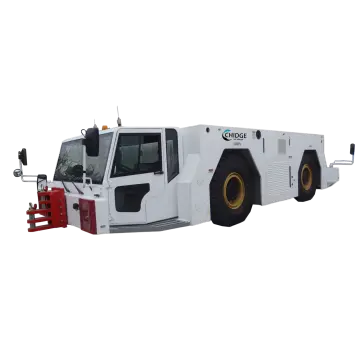
Industrial aircraft pushback and towing vehicle with high tractive force, optimized cabin visibility, and multi-mode hydrostatic steering systems.
View Details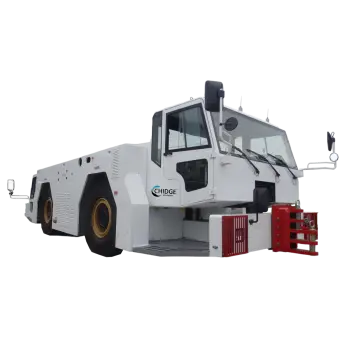
Medium-range tug featuring dynamic four-wheel steering, balanced weight distribution, and heavy steel push couplers for pushback efficiency.
View Details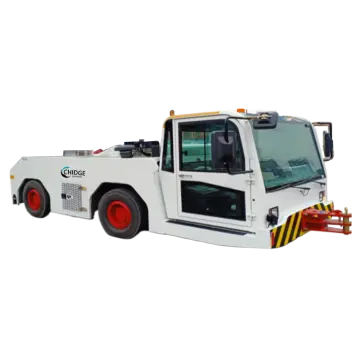
Compact tow vehicle designed for corporate jets and regional turboprops, featuring high fuel efficiency and easy operations controls.
View Details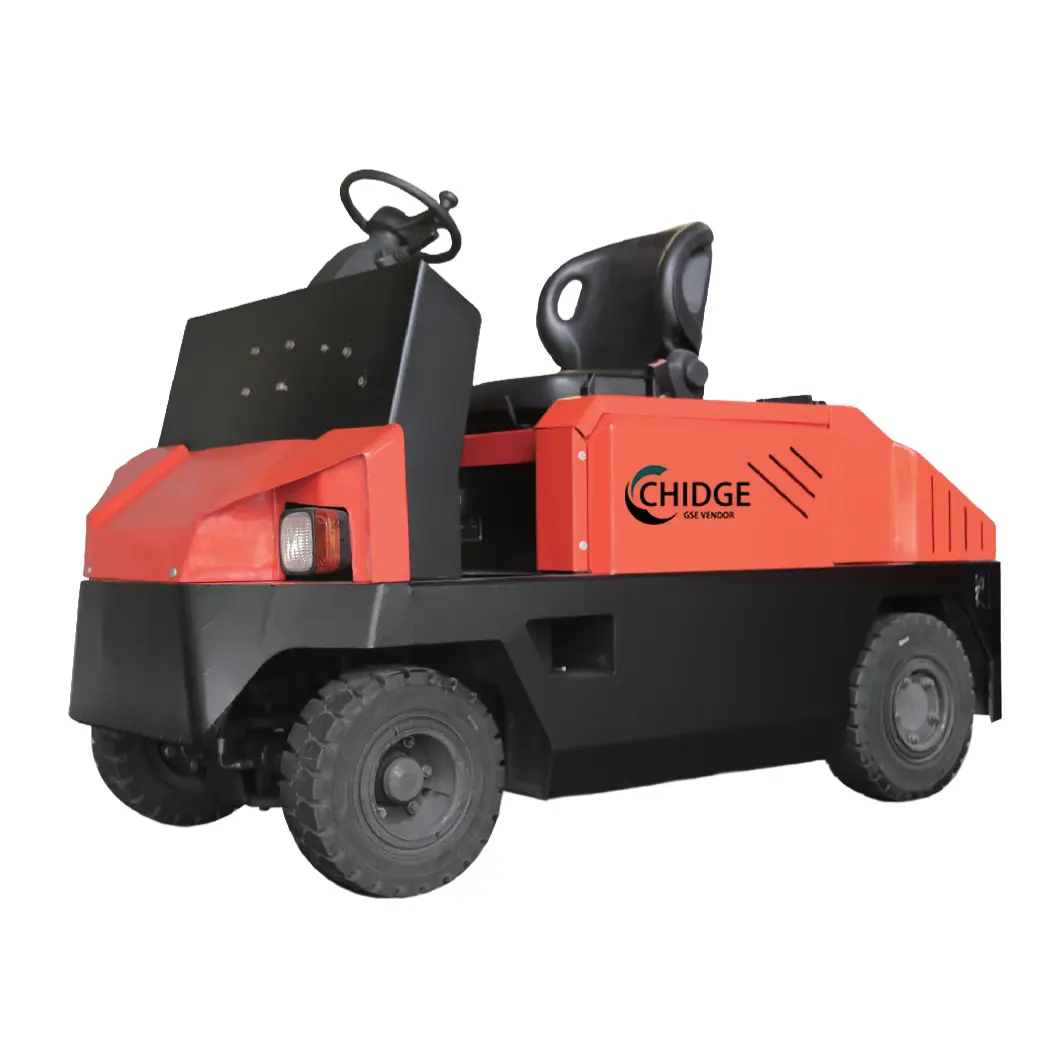
Electric baggage and cargo towing tractor with 10-ton drawbar pull capability, featuring regenerative braking and ergonomic control cabin.
View Details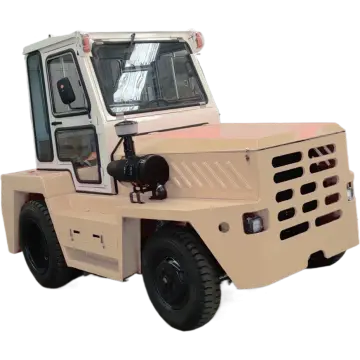
Ultra-rugged heavy duty diesel tractor designed for pulling multiple container dollies simultaneously over long airport tarmac distances.
View Details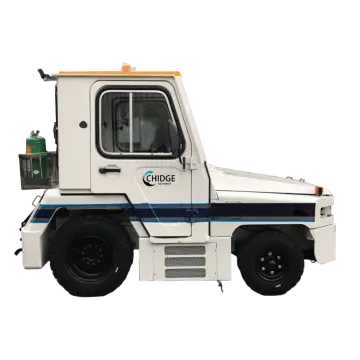
20-ton capacity emission-free towing vehicle equipped with advanced AC controllers, dynamic power steering, and reliable industrial batteries.
View Details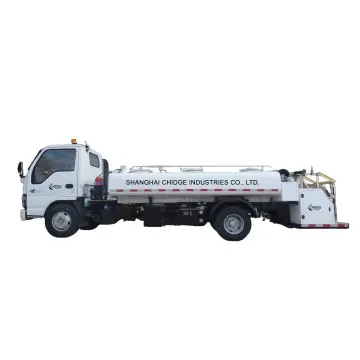
Hydraulically operated sanitation truck with high-capacity waste and rinse tanks, constructed with premium corrosion-proof stainless steel surfaces.
View Details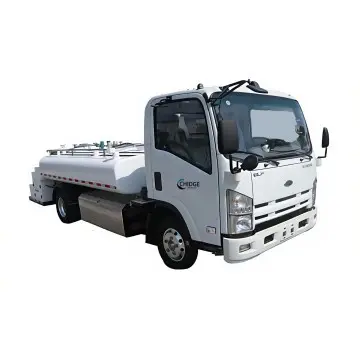
Fully electric drinking water replenishment vehicle. Features sanitary piping, high-accuracy metering, and variable pressure delivery mechanisms.
View Details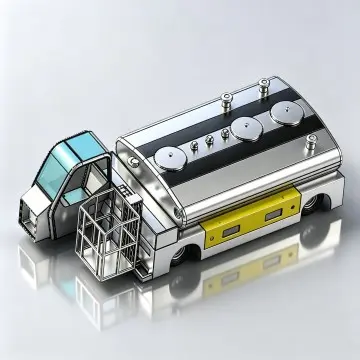
Electric ground support vehicle designed for safe, odorless servicing of aircraft vacuum lavatories, featuring high battery autonomy and automated wash cycles.
View Details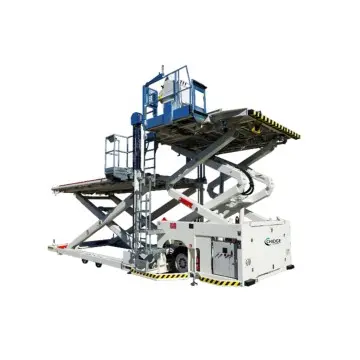
Main deck cargo loader with 14-ton lift capability. Features multidirectional platform transfer rollers and advanced sensor-aided deck aligning systems.
View Details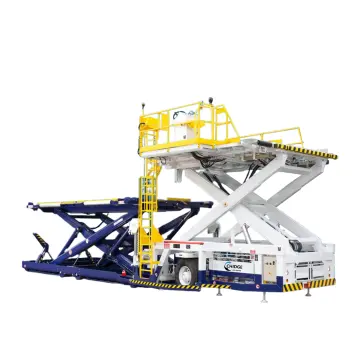
Ultra-high capacity freight loader supporting up to 35 tons of container weight, optimized for quick turnaround operations on Boeing 747F and Antonov models.
View Details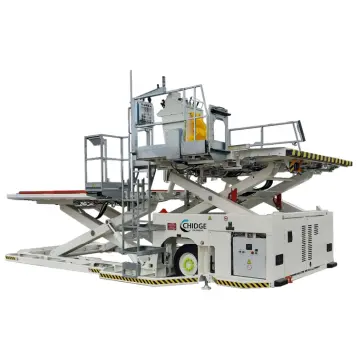
Standard widebody cargo loader featuring 7-ton capacity, double-platform structure, and dual-direction steering for safe alignment next to airplanes.
View Details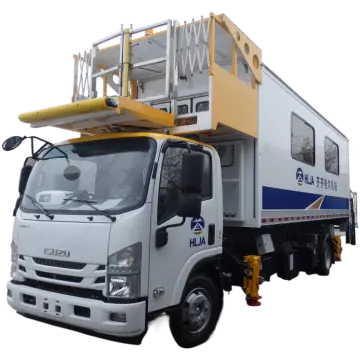
Specialized scissor cabin designed to safely transport and lift passengers with reduced mobility (PRM) to widebody jet thresholds.
View Details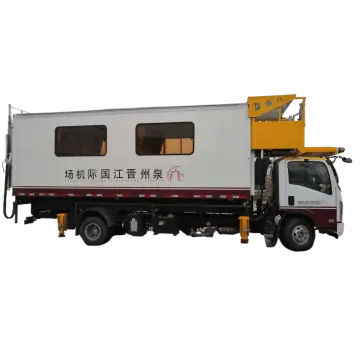
PRM boarding vehicle equipped with high-limit stabilizers, soft-dock bumper systems, and a fully climate-controlled interior cabin.
View DetailsEnsuring absolute compliance with strict aviation directives and operational standards.
Airport operations cannot afford downtime. Consequently, custom baggage conveyor belt manufacturers must maintain local technical support networks and emergency spare parts depots near major transport hubs. Our service infrastructure operates on strict SLAs, guaranteeing rapid on-site maintenance and splicing services. Fully vulcanized hot splicing and fast mechanical belt fasteners are provided as part of standard service contracts, keeping mean time to repair (MTTR) under critical thresholds.
Furthermore, all designs are tested and certified under international standards. From CE declarations to strict fire retardancy audits, our equipment complies with IATA Airport Handling Manual (AHM) guidelines, ISO 9001 quality management parameters, and UL safety codes. This meticulous alignment with regulatory standards simplifies safety approvals for regional authorities and simplifies the overall system integration process.
Providing custom, client-centric engineering from planning and product design to full-scale airside deployment.
We provide comprehensive OEM and ODM support, tailoring airport ground support systems to meet exact technical specifications. We cover every phase: structural stress simulation, belt tension analysis, electrical engineering design, PLC programming, custom paint finishing, load tests, and dynamic commissioning. These services enable global airports to modernize older baggage systems without replacing existing infrastructure. Additionally, we support customized configurations for ground handling equipment, including passenger boarding stairs, cargo loaders, and water/waste service vehicles, helping ground handlers improve operational capability and reduce long-term maintenance costs.

Utilizing high-end stress analysis and custom PLC software to design efficient, durable aviation systems.

Rigorous materials inspection and operational load testing matching international aviation standards.

Dynamic warehouse scheduling and close partnerships with deepwater ports ensure fast turnaround times.

Prompt spare parts logistics and technical support network to minimize airside downtime.
Creating sustainable, long-term value for airport terminal authorities and global logistics networks.
Stay informed with current field news and engineering upgrades for modern ground support fleets.
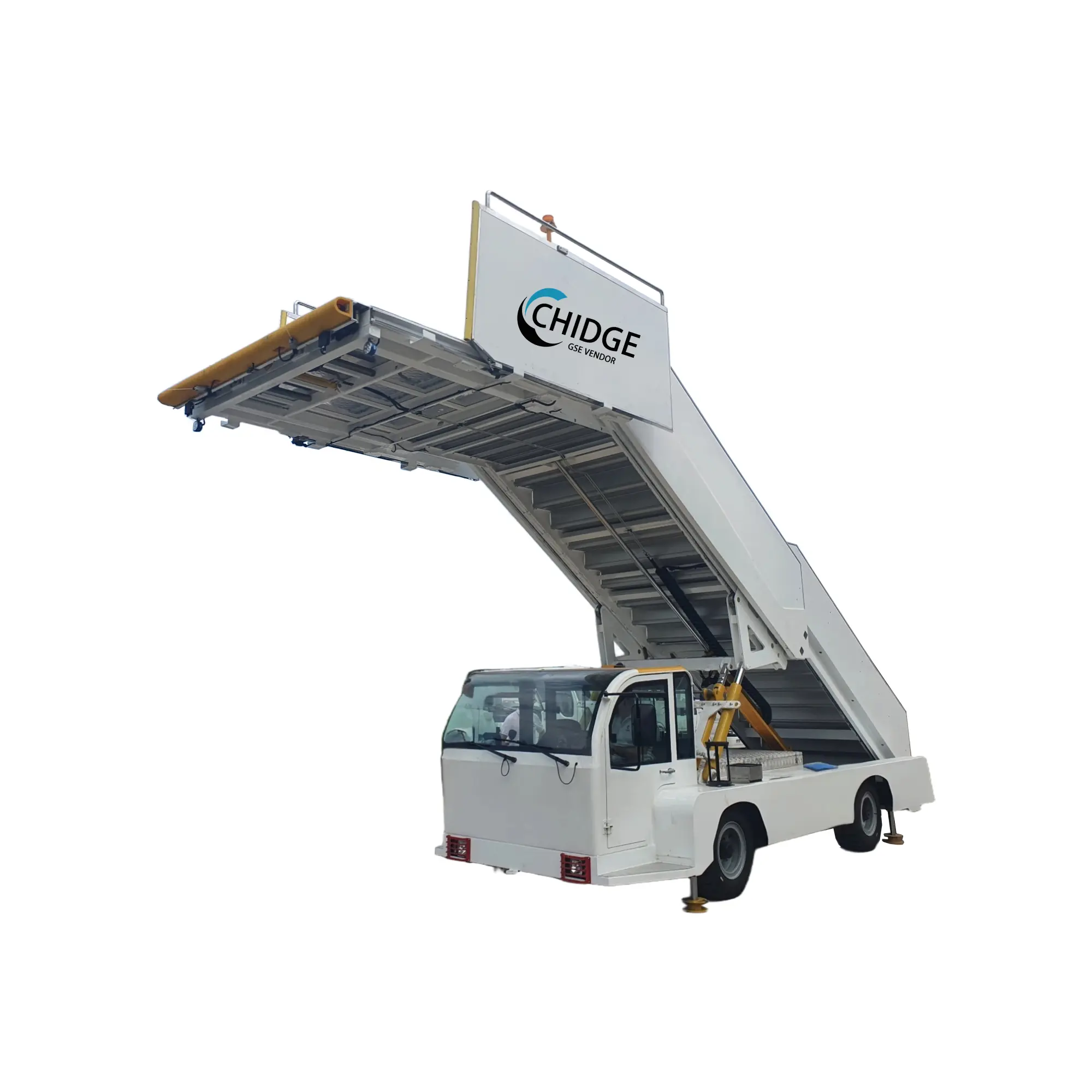
Exploring the structural developments, safety requirements, wind load calculations, and accessibility advancements for modern mobile passenger boarding stairs.
Read Article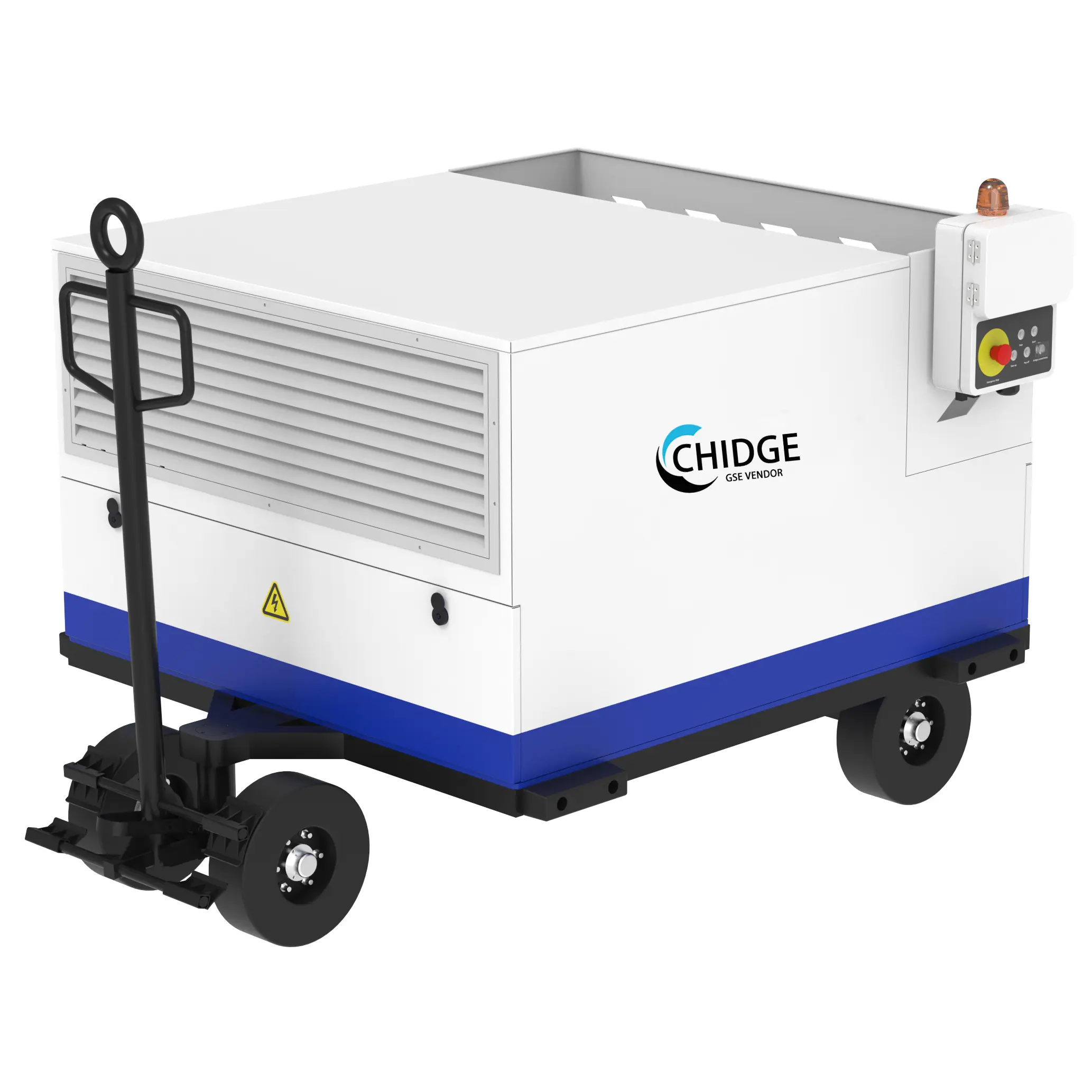
How lithium-ion towable ground power systems are cutting carbon emissions and reducing fuel consumption for aircraft during pre-flight operations.
Read Article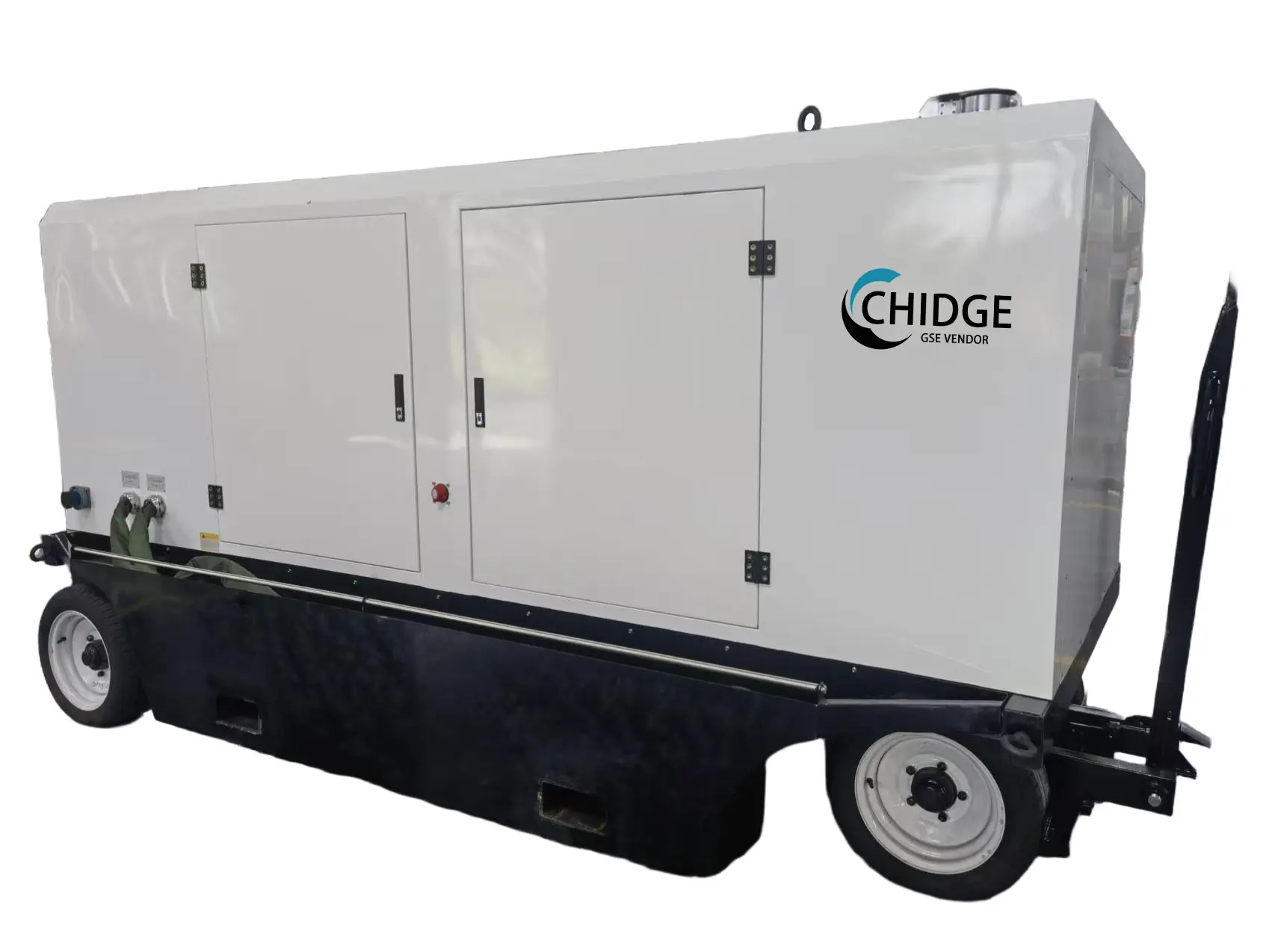
Analysis of truck-mounted versus stationary ground power solutions, focus on power quality conversion, and system checks for modern jet aircraft.
Read ArticleExpert answers to common technical, logistics, and compliance questions regarding baggage handling conveyors and ground support equipment.
Our conveyor belts are fully tested to meet ISO 340 (or DIN EN 20340) flame-retardant standards. This means that if the belt is exposed to fire, it will self-extinguish shortly after the flame source is removed, preventing the spread of fire through terminal conveyor shafts.
Our belts are manufactured with conductive carbon fibers integrated into the fabric ply. This structural setup continuously discharges static build-up from friction, preventing electro-static discharge (ESD) from damaging nearby scanners, barcode readers, or RFID tracking antennas.
Thanks to our integrated supply chain and local raw material access, custom conveyor belt orders are typically completed and tested in 8 to 12 weeks. This includes full QA certification and marine shipping preparation.
Yes. We offer hot vulcanizing or mechanical splicing support through our network of international technicians and local service partners, ensuring your system maintains maximum uptime.
Our airport dollies, refueling vehicles, and loaders are manufactured in ISO 9001-certified facilities and undergo strict structural testing before shipment. We design our equipment to comply with international regulations, including IATA AHM guidelines and CE standards, ensuring reliable airside operation under heavy duty loads.
Engineered to handle extreme loads, facilitate efficient airside operations, and secure uninterrupted baggage transport.
 Chidge Dolly