Explore our premium cargo-handling configurations optimized for Ghana's international flight connections, regional mining operations, and seaport corridors.
Ghana is positioned as the primary entry point for West African trade. Kotoka International Airport (ACC) in Accra has seen massive cargo growth following the completion of Terminal 3. As regional integration continues under the African Continental Free Trade Area (AfCFTA), the demand for reliable Ground Support Equipment (GSE) is at an all-time high.
Local logistics operators, airport ground handlers, and freight forwarders require pallet dollies that can withstand persistent high humidity, extreme temperatures, and rapid turnarounds. Our equipment is manufactured to dynamic specifications that directly resolve local operational pain points, minimizing cargo damage during loading, sorting, and dispatch.
From humid coastal breeze protection at Tema Port corridors to intense tropical rainstorms in Kumasi and Accra, our GSE features specialized anti-corrosion galvanized coatings.
Internationally, air cargo handling demands unprecedented speed and safety. Pallet dollies are the backbone of ramp logistics, facilitating the transfer of Unit Load Devices (ULDs) between warehouse floors, cargo loaders, and the aircraft belly. Manufacturers are transitioning towards heavier payload designs, intelligent tracking integration, and strict safety guidelines compliant with IATA Airport Handling Manual (AHM) standards.
Global logistics hubs require standard components, low maintenance costs, and universally compatible layouts. By combining high-grade raw steel with precise engineering and durable running gear, our manufacturing system delivers solutions that match these global expectations while remaining cost-effective.
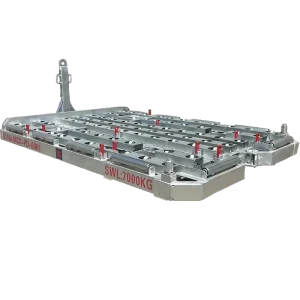
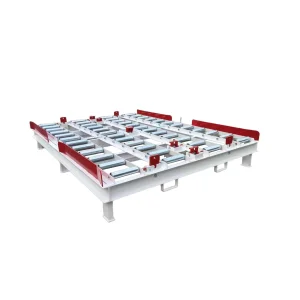
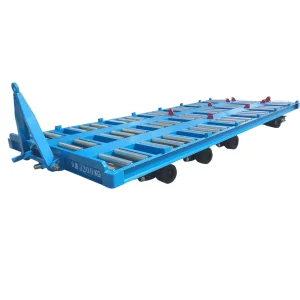
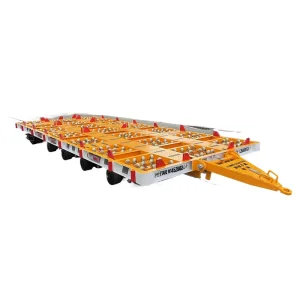
Fully compatible with major airline container standards (LD3, LD6, LD11, cargo pallets up to 10ft/20ft). Precision dimensions ensure perfect interface operations.
Why procurement teams in West Africa choose our state-of-the-art Chinese manufacturing facilities.
China's heavy industrial manufacturing sector provides an unparalleled ecosystem for GSE production. Our factory integrates advanced automated laser cutting, robotic welding lines, and shot-blasting processes. This guarantees that every steel frame component has high dimensional accuracy and clean weld lines, preventing structural fatigue under heavy stress.
By leveraging raw material supply chains directly linked to premium steel mills, we ensure cost-efficient manufacturing without compromising on quality. Additionally, our comprehensive hot-dip galvanization processes protect the dollies against coastal salinity, prolonging the operational lifespan by up to 15 years in corrosive environments.
We welcome custom OEM and ODM orders tailored to specific ground operations. Whether you require custom dimensions, special towing attachments, non-standard braking mechanisms, or corporate branding colors, our engineering department provides comprehensive support.
We manage everything from initial product planning and 3D modeling to structural fatigue analysis, prototyping, assembly-line testing, and final quality control checks. This holistic approach helps logistics companies scale up rapidly with low research overheads.

Strict organizational compliance with modern factory guidelines to track lead times and production batches.

Integrated shipping connections from major Chinese ports straight to the Port of Tema, Ghana.
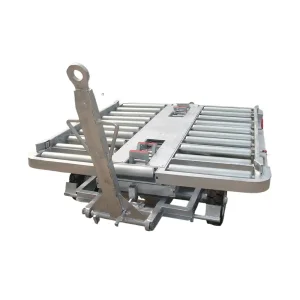
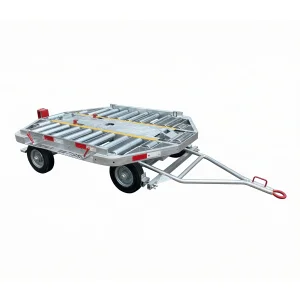
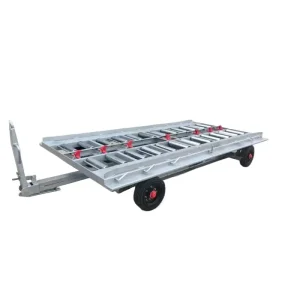
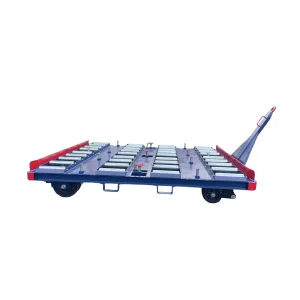
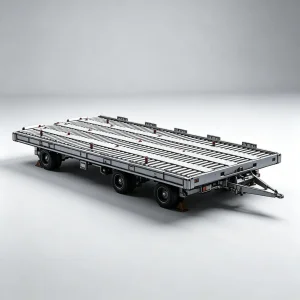
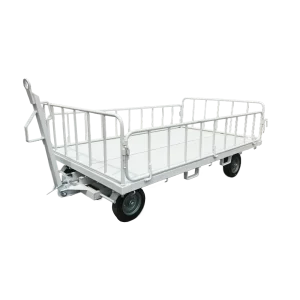
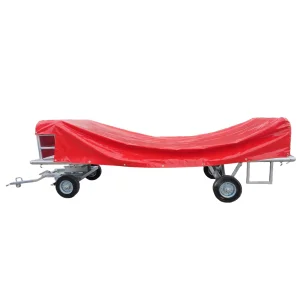
High-integrity air cargo container dollies, pallet dollies, and luggage transportation solutions.
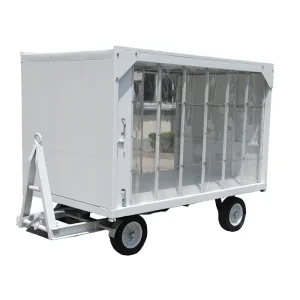
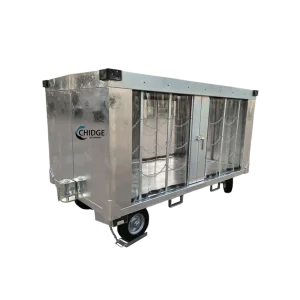
Premium trolleys and rainproof enclosures ensuring passenger satisfaction and luggage security.
Our aircraft ground support equipment is designed and tested under strict safety guidelines. The design process focuses on structural stability, operational ease, and safety protections.
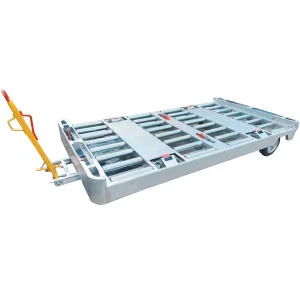
Parking brake systems actuate instantly when the tow bar is lowered or raised vertically, preventing runaway accidents on sloped airport ramps.
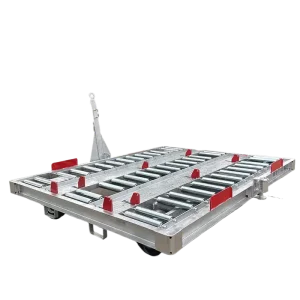
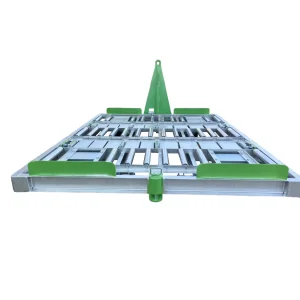
Equipped with heavy-duty galvanized rollers with sealed ball bearings to resist water entry, ensuring smooth slide loading of ULDs.
Heavy-duty castors permit 360-degree rotation, enabling easy manual positioning inside crowded sorting halls and warehouses.
We work closely with global logistics companies, ground handlers, and airline procurement officers to supply a comprehensive fleet of Ground Support Equipment (GSE).
Robust utility vehicles and flight handling systems supporting airport ramp efficiency.
Heavy tankers featuring filtration, metering, self-circulation, and pressure control modules.
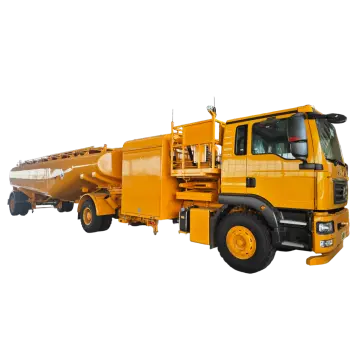
Engineered with anti-slip walking platforms and hydraulic stabilizers for safe boarding.
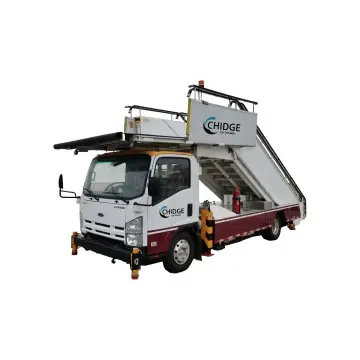
High-tractive performance diesel and electric tow tractors for safe airplane pushbacks.
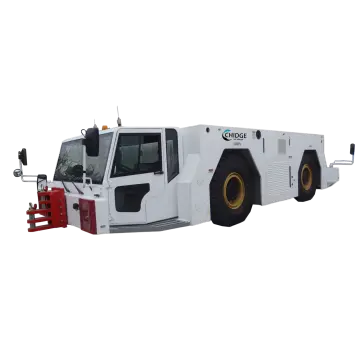
Providing continuous clean 400Hz AC and 28V DC power during stationary pre-flight routines.
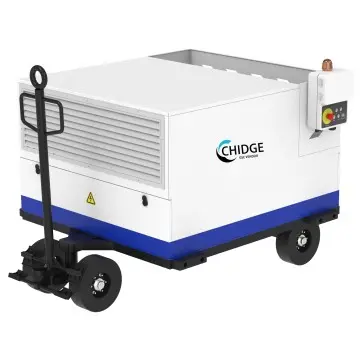
High lifting capacities to transfer cargo onto wide-body main deck configurations.
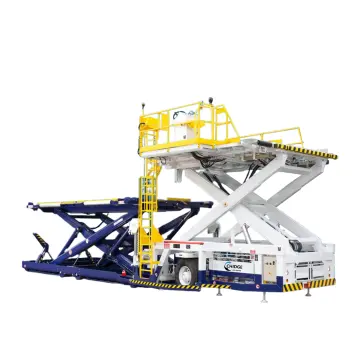
Reliable support vans designed for passenger cabin servicing and airport waste management.
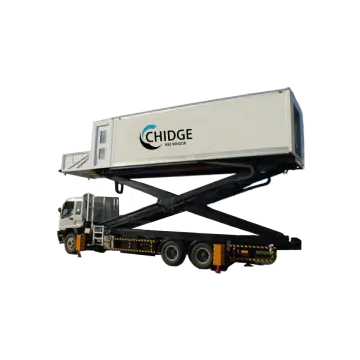
Stay informed with technical bulletins and global logistics developments.
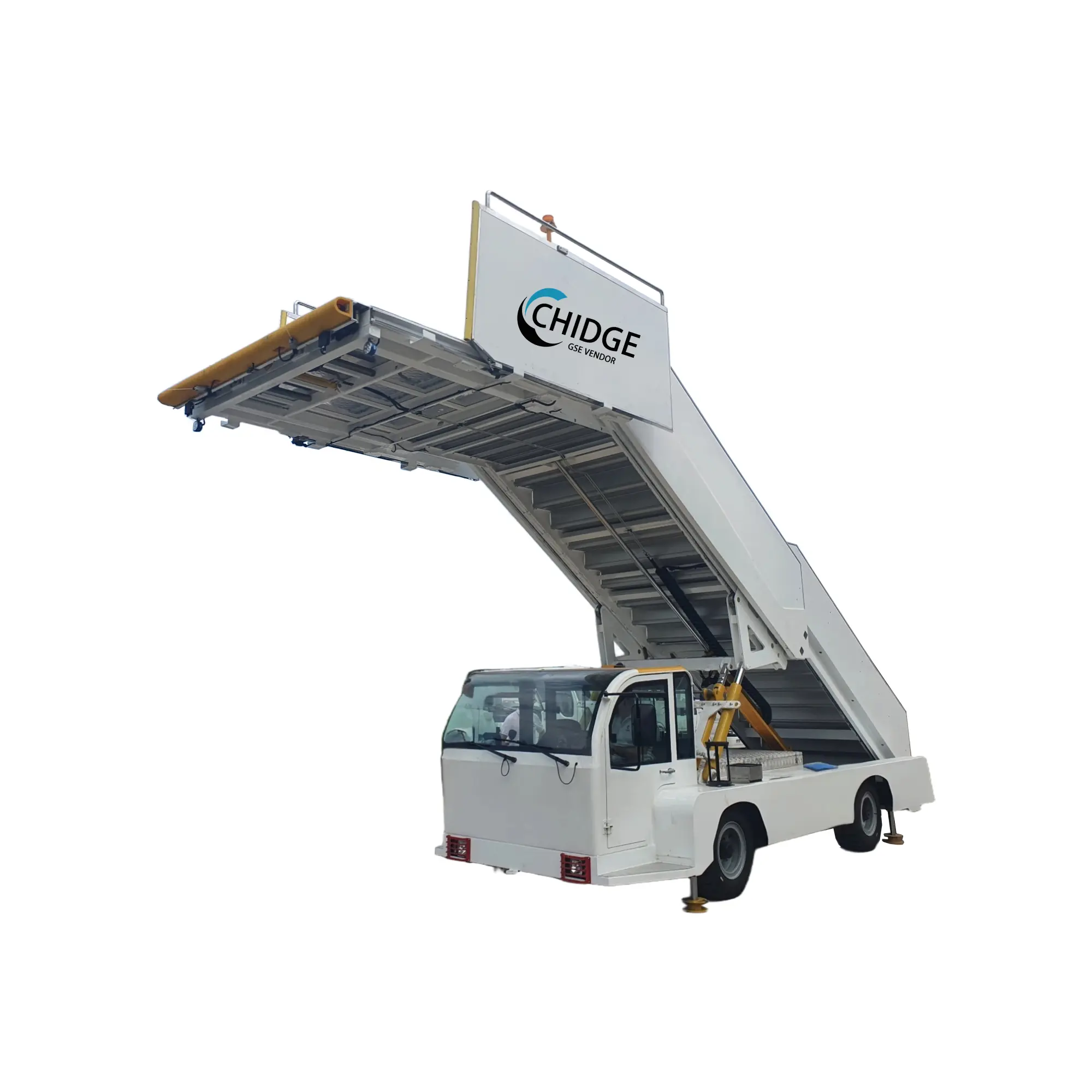
An analysis of safety regulations, step width calculations, and structural standards for passenger boarding stairs.
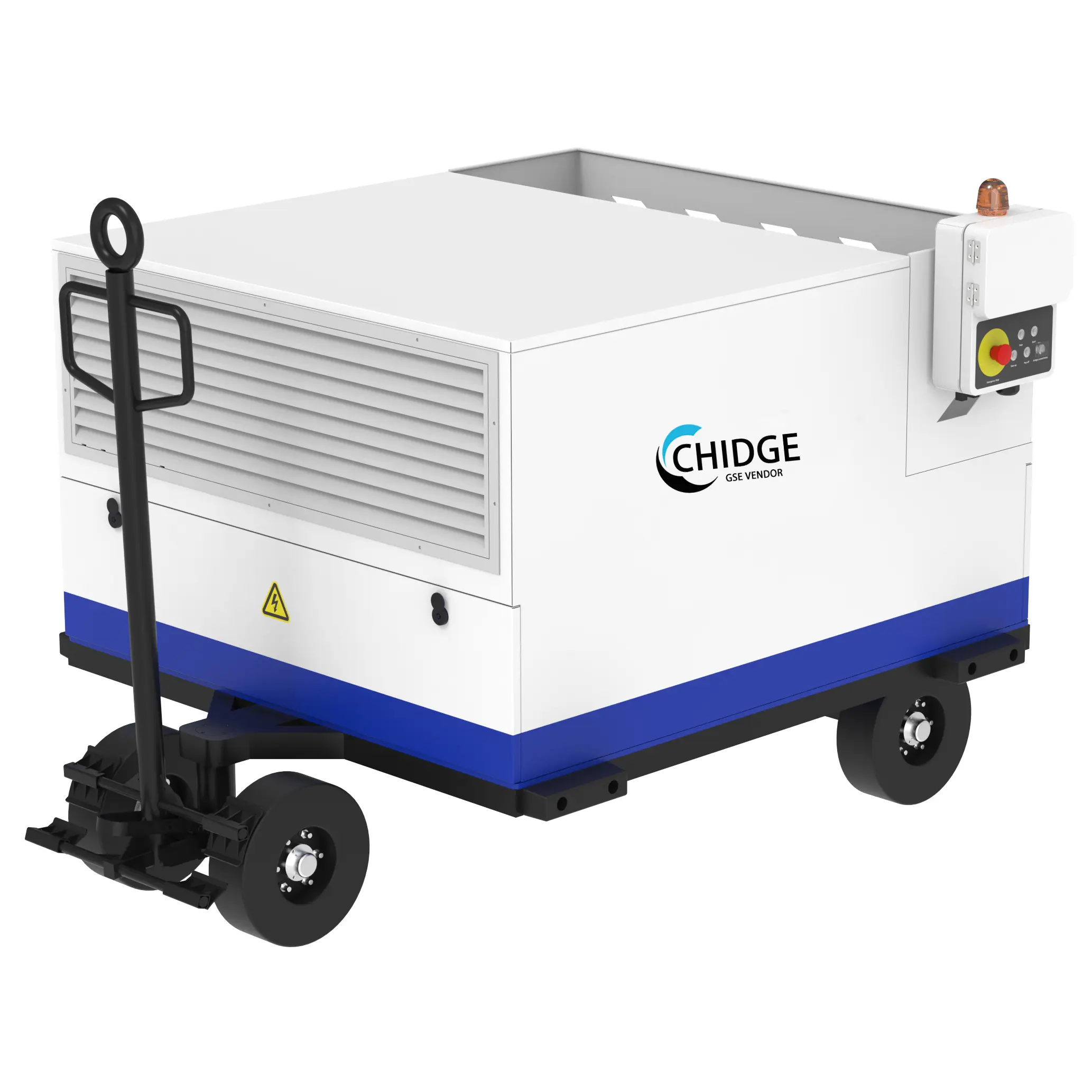
Evaluating battery technology in towable power systems to minimize runway diesel emissions.
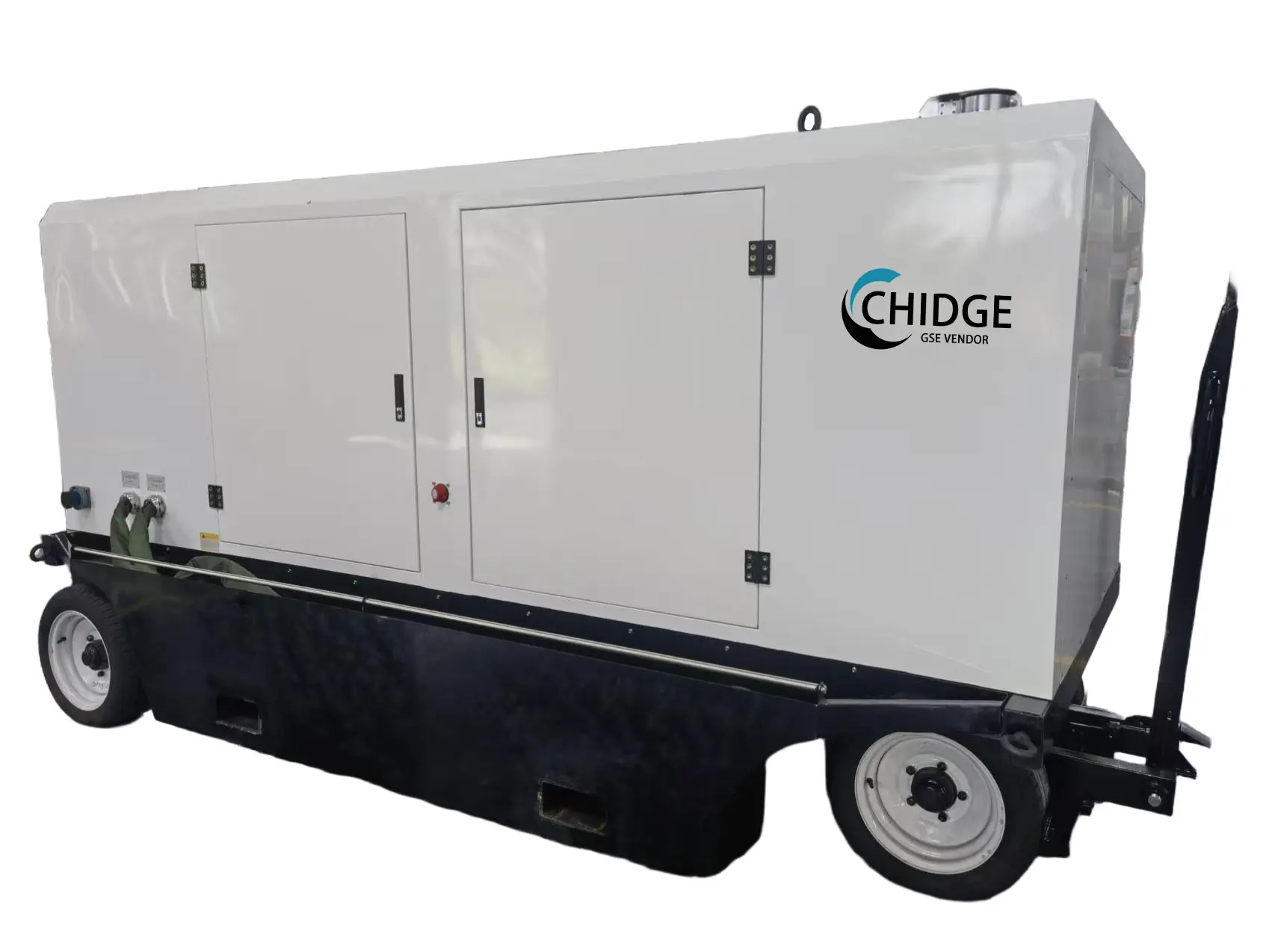
A look at truck-mounted ground power systems and their impact on fast passenger boarding procedures.
Technical guidance regarding pallet dolly procurement and operations in Ghana and West Africa.
Contact our engineering sales team to request technical drawings, custom dimension adjustments, and bulk price quotes for the Ghanaian market.
Get Technical Specifications & Pricing Now Chidge Dolly