Heavy-duty, precision-engineered pallet and container dollies optimized for Seattle's rigorous maritime terminals and airport tarmac conditions.
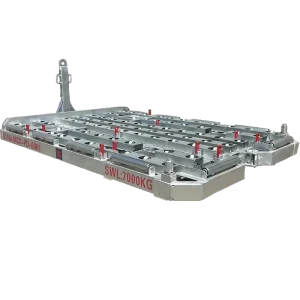
Engineered for extreme wear, incorporating heavy-duty caster orientations to facilitate flawless unit load device (ULD) rotation under full capacity loads.
View Technical Specifications →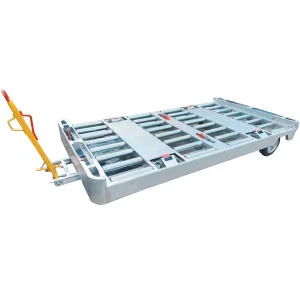
Built to withstand salt-fog maritime conditions with reinforced structural frames and premium double-row security latches.
View Technical Specifications →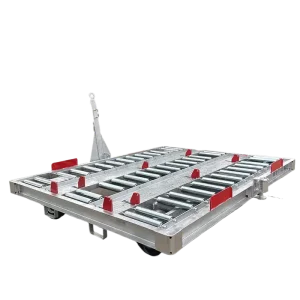
Features high-grade structural hot-dip galvanization and advanced brake linkages for steep slope ground terminal transitions.
View Technical Specifications →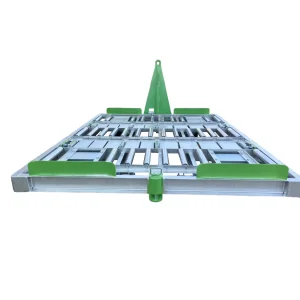
Optimized with direct coupling structures and reinforced roller beds to streamline loading cycles on terminal tarmac areas.
View Technical Specifications →Seattle, Washington, stands as the commercial gateway of the Pacific Northwest (PNW). Boasting one of the most critical intermodal hubs in the United States, the region connects transpacific sea shipping corridors directly with mainland rail lines and international air routes. The co-existence of the Port of Seattle, Seattle-Tacoma International Airport (Sea-Tac), and regional aerospace manufacturing hubs places intense mechanical demands on material handling infrastructure.
In high-velocity nodes like Terminal 18 or the air cargo corridors at Sea-Tac, cargo dollies represent the unsung lifelines of throughput efficiency. With local commerce handling millions of metric tons of cargo annually, local logistics operators rely on robust GSE (Ground Support Equipment) and industrial container dollies that can withstand Seattle’s notoriously damp maritime climate, steep terminal pathways, and high-frequency cycles.
On a global scale, the material handling equipment sector is transitioning from standard configurations toward customized, high-stress variants. Driven by booming e-commerce, global supply chains require rapid unit load device (ULD) turnaround times. Standard off-the-shelf container dollies fall short when subjected to varying multi-modal requirements, which span from standard commercial aviation freight (handling LD3, LD6, and 20FT pallets) to complex aerospace components.
Procurement managers at tier-1 third-party logistics (3PL) firms, international airlines, and sea cargo handlers are increasingly establishing factory-direct sourcing strategies. Sourcing high-capacity equipment directly from specialized factories ensures structural adherence to rigorous safety standards, customizable dimensional configurations, and significantly lower capital expenditure per unit.
Leveraging Chinese state-of-the-art production systems to deliver robust cargo solutions to Seattle operators.
Utilizing high-tensile Q345B steel alloys for the chassis frameworks. Robotized welding processes ensure structural integrity that outlasts traditional manual welding, preventing frame fatigue under dynamic stress loads.
Our dedicated manufacturing pipelines easily scale to meet large-volume orders. This means high throughput without sacrificing quality control, offering faster delivery lead times to the Port of Seattle.
From custom caster configurations to weather-proof canopy integrations for rain-heavy PNW climates, our engineering team modifies core specifications to fit your terminal-specific operating profiles.
China's manufacturing ecosystem provides an exceptional advantage in raw material sourcing and end-to-end integration. By consolidating mechanical, hydraulic, and surface treatment capabilities in one location, we pass significant cost efficiencies directly to Seattle operators. All custom container dollies are treated with specialized epoxy primers and marine-grade topcoats, passing 1000-hour salt spray testing to ensure durability against Puget Sound's coastal salinity.
Engineered specifically for the demands of the Pacific Northwest's logistical corridors.
Seattle-Tacoma International Airport is a major global hub for transporting fresh Pacific Northwest seafood (such as wild Alaskan salmon) to Asian and European markets. Keeping these perishable goods fresh requires extremely fast terminal transport times. Our heavy-duty cargo dollies feature dual-row precision rollers and quick-locking stoppers, allowing operators to transition ULDs from temperature-controlled warehouses to aircraft holds within minutes.
The Greater Seattle area is synonymous with aerospace excellence. Large aerospace manufacturing facilities rely on customized slave pallet dollies to move oversized aircraft parts and specialized tooling across factory floors. With load capacities ranging from 7 tons up to 35 tons, our custom chassis offer the structural stability and micro-maneuverability needed to safely transport high-value aerospace components.
The Port of Seattle moves high volumes of inbound industrial goods. Efficiently shifting cargo between container terminals, warehousing yards, and rail lines is critical. Our heavy-duty container dollies are designed with reinforced, shock-absorbing leaf-spring suspension and puncture-proof tires, ensuring reliable performance even over uneven dock joints and rail crossings.
Engineered to ensure maximum safety, reliability, and precision across diverse ground support environments.
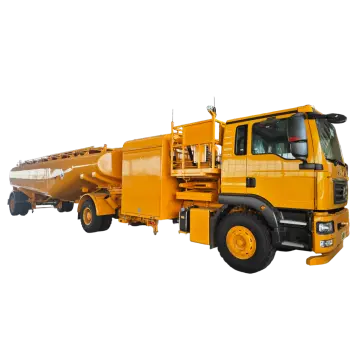
Comprises a heavy-duty chassis and optimized fuel tanks integrated with state-of-the-art pumping systems, control valves, filtration units, pressure regulators, and metering capabilities.
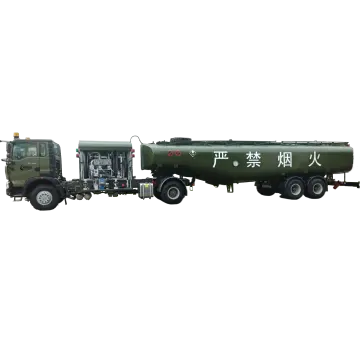
Features high-volume capacity and advanced safety control modules, designed to manage high-flow fueling operations under demanding schedules.
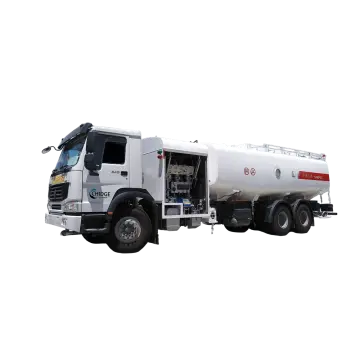
Equipped with automated safety interlocks and filtration systems to prevent fuel contamination and ensure compliance with strict environmental standards.
Engineered for specialized loading and extreme weight capacities up to 35 tons.
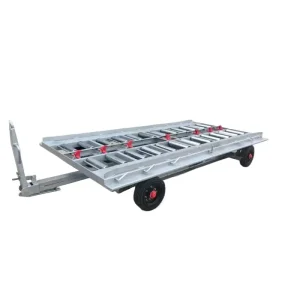
Configured with direct locking structures and heavy-duty casters to handle wide-body passenger flight containers.
View Technical Specifications →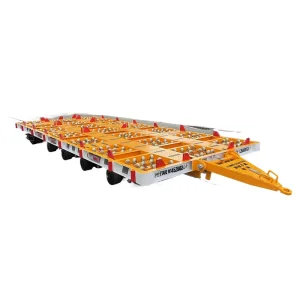
Built with an ultra-thick structural steel frame to support the highest density industrial and maritime container loads.
View Technical Specifications →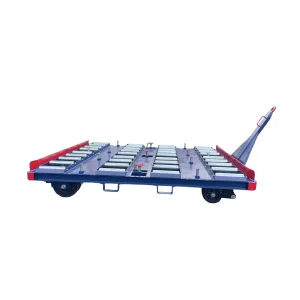
Features heavy-duty central roller beds, multi-directional steering towbars, and high-efficiency parking brakes.
View Technical Specifications →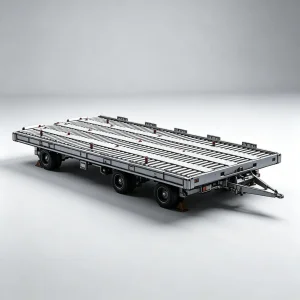
The ultimate high-capacity dolly for moving heavy containerized cargo across shipping yards and airport tarmac zones.
View Technical Specifications →The ground support and maritime material handling sectors are moving quickly toward automation and green technologies. E-GSE (Electric Ground Support Equipment) compatibility is now a core requirement for ports and airports looking to reduce their carbon footprint. While towable dollies remain the standard, integrating them with smart fleet management systems is becoming increasingly common.
Additionally, IoT-enabled tracking is changing how terminals manage assets. Real-time GPS and RFID tracking tags on container dollies allow terminal managers to pinpoint equipment locations, schedule preventive maintenance, and reduce bottlenecks. Modern designs also feature enhanced safety mechanisms, including low-maintenance parking brakes, integrated towbar lockouts, and improved ergonomic handles that protect ground crews.
For procurement managers at major logistics hubs, purchasing material handling equipment goes beyond the initial price tag. Total Cost of Ownership (TCO) is a critical metric, including maintenance costs, replacement parts availability, and equipment lifespan. High-quality paint finishes and rust protection are especially important in wet climates like Seattle to prevent corrosion.
Compliance is another key factor. Equipment must meet strict safety guidelines, including IATA’s Airport Handling Manual (AHM) specs (such as AHM 910 and 913) and ISO standards. Sourcing directly from certified manufacturers ensures these standards are built into the design from the start, rather than added as an afterthought.
Bridging global manufacturing excellence with local operational support in Seattle.

Providing high-performance aviation ground equipment designed to meet the rigorous demands of international passenger and cargo carriers.

Delivering heavy-duty, highly maneuverable material handling platforms tailored for regional freight hubs and global 3PL operators.

From baggage carts and fuel bowsers to massive 35-ton cargo dollies, our catalog covers all facets of airport and sea terminal ground handling.

Stringent internal quality control systems combined with optimized shipping lanes ensure your equipment arrives on time and ready for duty.
High-reliability mobile units designed to maintain aircraft systems on the tarmac.
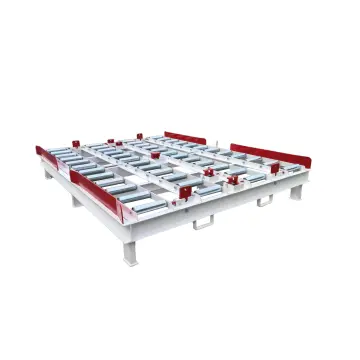
Low-profile platform designed to allow multi-directional container movement across cargo warehouse floors.
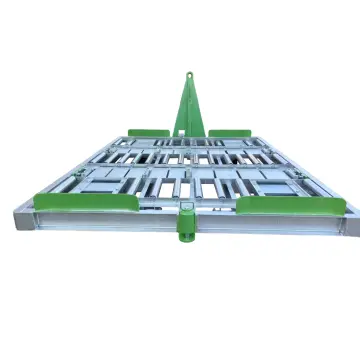
Built to handle standard aviation cargo pallets, featuring highly reliable rear parking brakes.
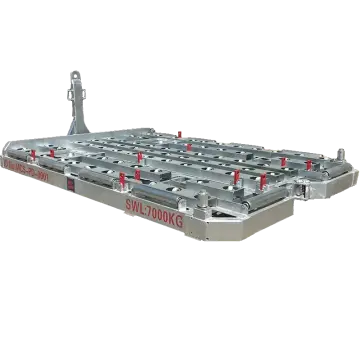
Features heavy-duty cargo stops and swivel-lock caster setups for quick and safe pallet positioning.
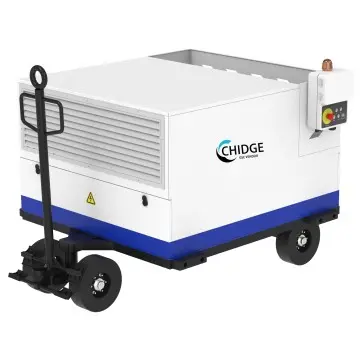
Environmentally friendly, high-capacity battery power supply designed to reduce emissions at airport gates.
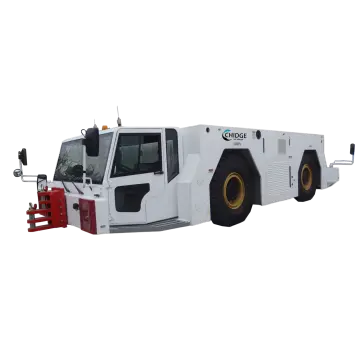
High-tractive pushback tractor engineered to safely move wide-body aircraft under all weather conditions.
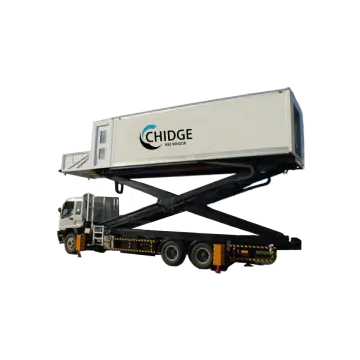
Advanced scissor-lift catering body built for quick, stable, and safe loading of aircraft cabin supplies.
How we tailor each container dolly system to match your terminal's specific layout and operational needs.
Every cargo terminal operates differently. Gate clearances, ramp slopes, turn radii, and local regulations all require variations in equipment design. Our custom OEM and ODM service takes these factors into account. We work closely with your procurement team from initial concept drawings through to structural load testing.
Our team uses high-strength structural profiles, custom towbar lengths, and tailored roller surfaces. To ensure long-term durability in wet, demanding maritime environments, we apply advanced zinc-rich primer coatings and hot-dip galvanized finishes.
Computer-modeled structural designs built to prevent frame deflection, even when carrying off-center loads.
Choose from standard solid rubber tires, heavy-duty pneumatic options, or specialized polyurethane wheels tailored for your terminal floors.
Heavy-duty, spring-loaded lock assemblies hold container bases securely, reducing the risk of cargo shifts during transport.
Hot-dip galvanized surfaces provide long-term protection against harsh rain and coastal salt air, reducing maintenance costs.
A comprehensive range of container dollies, enclosed luggage carts, and heavy-duty transport platforms built for demanding cargo lines.
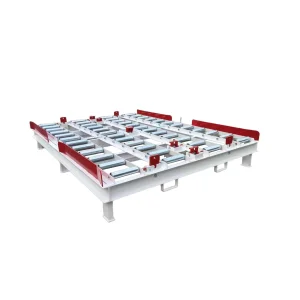
Low-profile cargo deck equipped with heavy-duty rollers, designed to allow smooth warehouse-to-tarmac cargo transfers.
View Technical Specifications →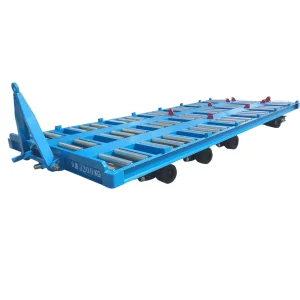
High-capacity cargo platform built for heavy shipping containers, featuring reinforced steel frames and dual axles.
View Technical Specifications →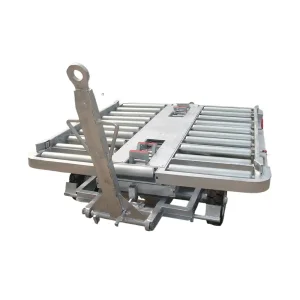
Standard cargo container dolly featuring built-in safety locks, designed to speed up ground handling operations.
View Technical Specifications →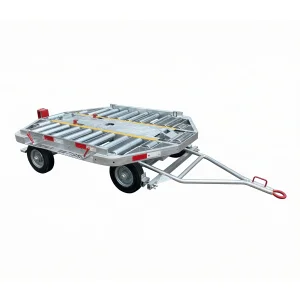
Features an ergonomic towbar brake assembly and an anti-slip walking surface for safer ground operations.
View Technical Specifications →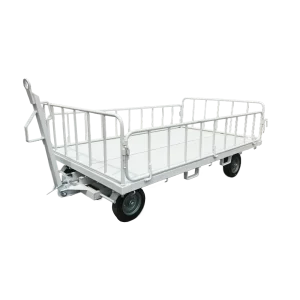
High-capacity baggage trailer equipped with a rain-proof roof and drop-down side panels for quick loading.
View Technical Specifications →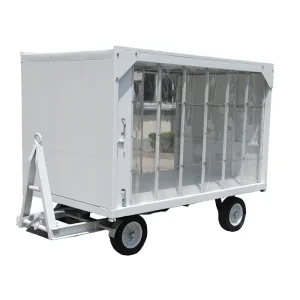
Fully enclosed baggage cart designed to keep luggage dry in wet climates, featuring durable sliding vinyl curtains.
View Technical Specifications →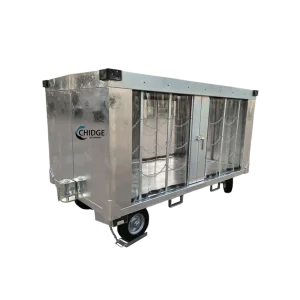
Features a durable metal roof canopy and drainage channels, ideal for managing luggage during heavy rain.
View Technical Specifications →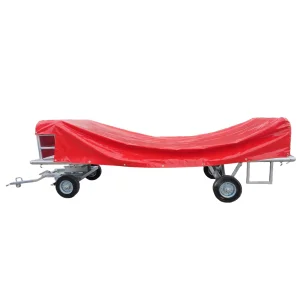
Easy-to-steer passenger baggage trolley equipped with a reliable automatic basket braking system.
View Technical Specifications →We work closely with global airlines, shipping companies, and logistics hubs to deliver reliable, long-term equipment solutions.
Get answers to common technical, shipping, and compliance questions about our container dolly systems.
Stay informed about new technologies, industry regulations, and updates in ground handling operations.
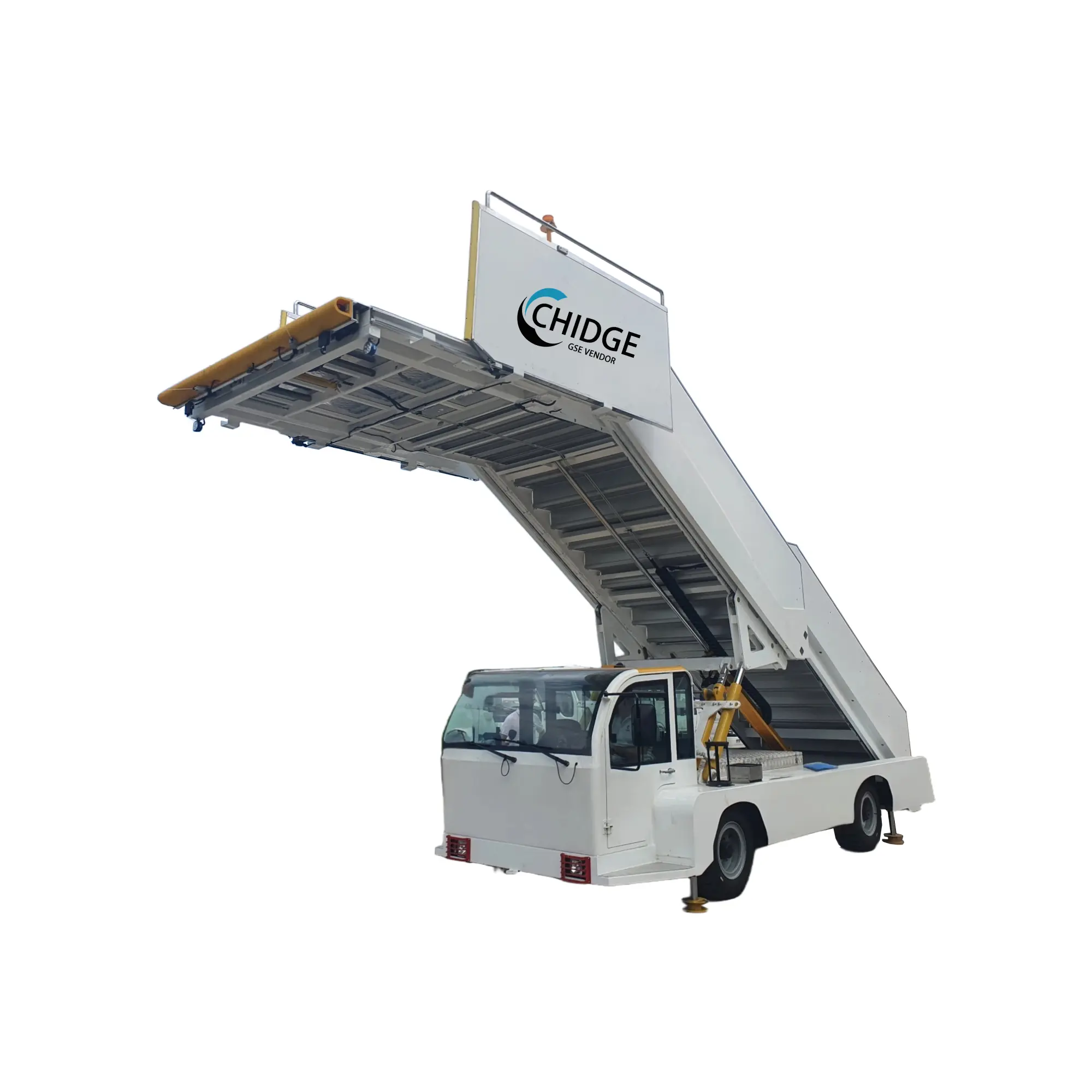
An in-depth look at how modern passenger boarding stairs are designed for safety, stability, and compatibility with different aircraft models.
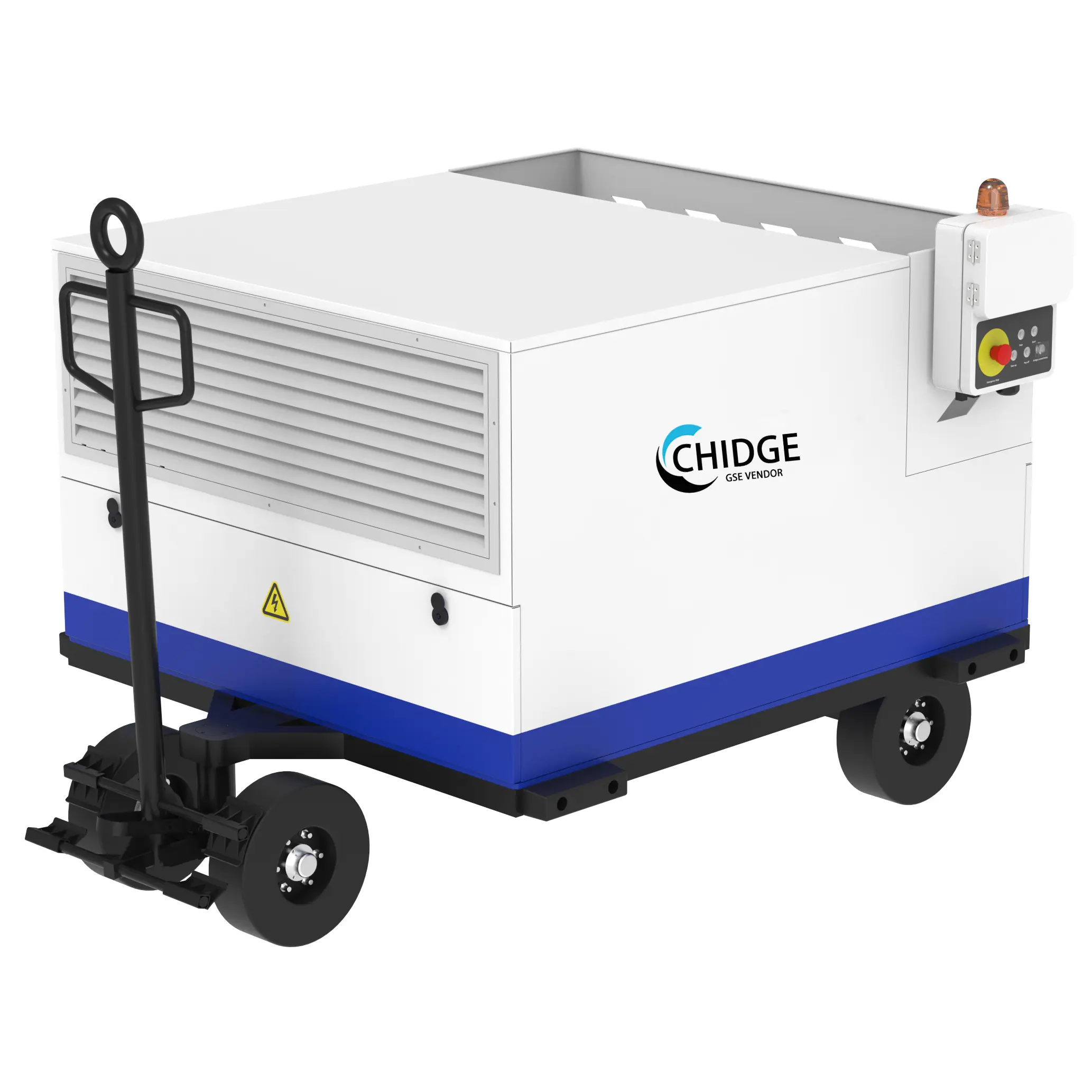
Exploring how battery-powered mobile generators are helping airports reduce gate emissions and transition to cleaner ground operations.
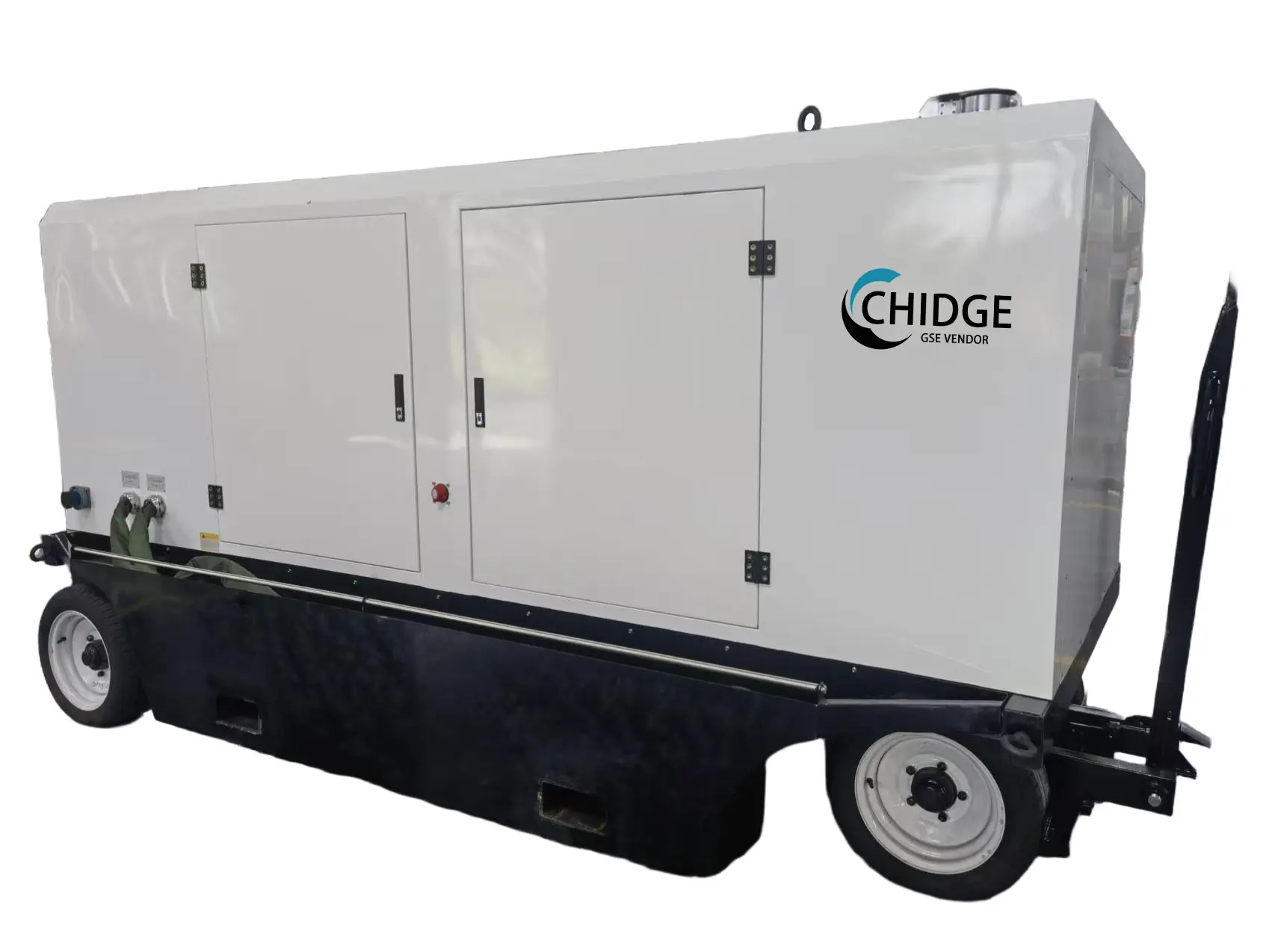
A detailed guide on how truck-mounted and towable ground power units supply electrical power to aircraft systems during pre-flight checks.
 Chidge Dolly