 Chidge Dolly
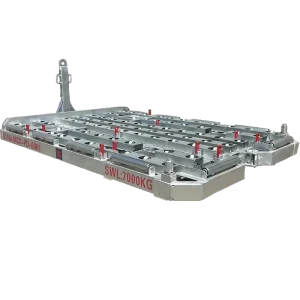
Custom 7T castle pallet dolly Suppliers, Factories
High-capacity structural steel design optimized for multi-directional container movements under strict airport security conditions.
View SpecificationEngineered to operate in high-humidity coastal zones, our custom line of cargo dollies delivers superior stability, safety compliance, and maximum cargo throughput.
High-capacity structural steel design optimized for multi-directional container movements under strict airport security conditions.
View Specification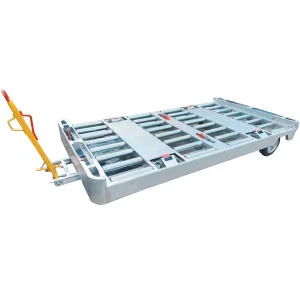
Designed for heavy cargo handling operations in port areas and runway terminals with state-of-the-art dual-cycle braking systems.
View Specification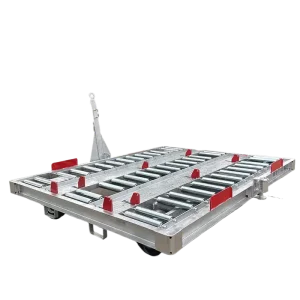
Reliable standardized 7-Ton flat deck layout featuring heavy-duty wear-resistant rollers and anti-rust surface treatments.
View Specification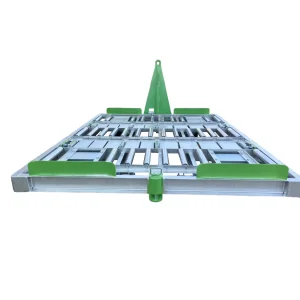
Flexible engineering configurations featuring customizable length parameters for varying ULD sizes and pallet loading formats.
View SpecificationEquatorial Guinea, with its key transport nodes at Malabo International Airport (SSG) on Bioko Island and Bata Airport (BSG) on the mainland, is rapidly developing its aviation logistics infrastructure. Positioned strategically in the Gulf of Guinea, the nation is building a maritime-aviation transit nexus to service Central Africa’s oil & gas industries and expanding e-commerce flows. In this environment, heavy-duty container dollies and pallet transport equipment are not just peripheral vehicles; they are critical infrastructure components that prevent runway bottlenecks and protect high-value cargo.
Operating airport Ground Support Equipment (GSE) in Equatorial Guinea requires solving unique environmental challenges. High tropical humidity, high temperatures, and constant marine salt-spray exposure lead to rapid oxidation and mechanical wear of structural steel. Standard industrial dollies will suffer premature structural failure within 18 months unless protected by advanced hot-dip galvanizing technology and corrosion-resistant roller systems.
Our technical roadmap integrates advanced materials and structural engineering to meet the next generation of logistics operations.
From specialized cargo loading decks to fuel tankers and environmental control units, we deliver robust solutions across the entire ground support spectrum.
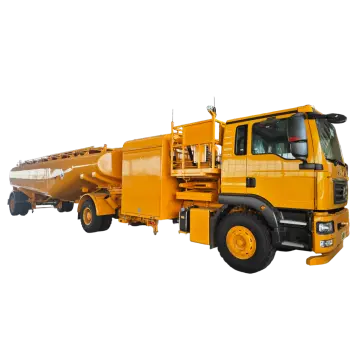
The aircraft tank refueling truck consists of a chassis and oil tanks, a pumping system, a control system, and an operating part, with functions such as filtration, metering, refueling, pumping, self circulation, and pressure control.
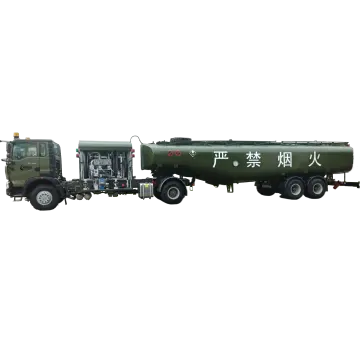
Heavy-volume airport fuel tanker optimized for safety control, metering, filtration, and self-circulation systems on long-haul aircraft operations.
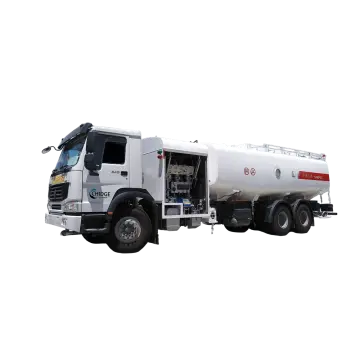
Equipped with reliable chassis configurations, pressure control mechanisms, and high-precision flowmeters for efficient flight turnovers.
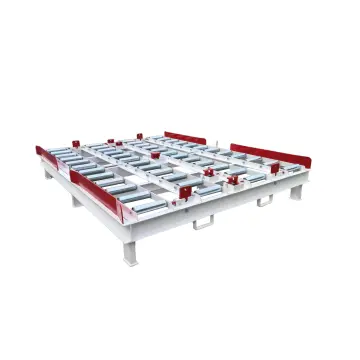
High-performance slave pallet dolly providing 360-degree rotation capabilities on cargo decks, allowing smooth handling of different ULD containers.
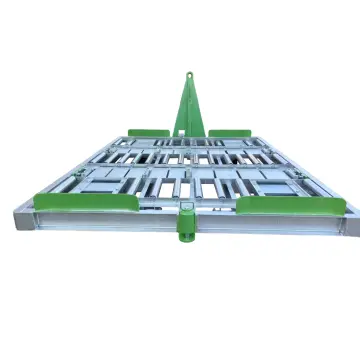
Engineered for robust service on long cargo ramps, featuring reinforced steel guides and heavy-duty wear-resistant caster wheels.
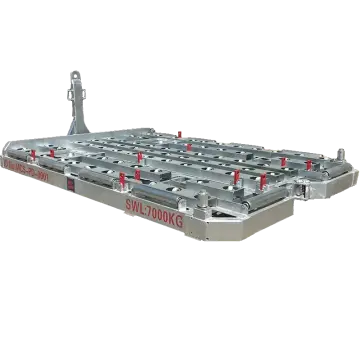
Features structural castle stops to secure container rims, facilitating rapid manual and automated loading processes at airport logistics zones.
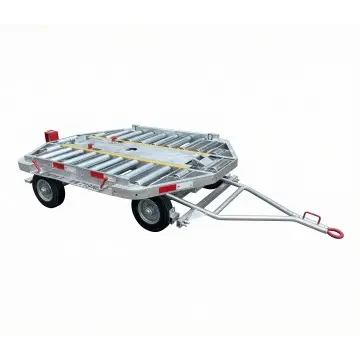
Optimized for regional cargo networks, providing a perfectly matched transport platform for standard aviation LD3 unit load devices.
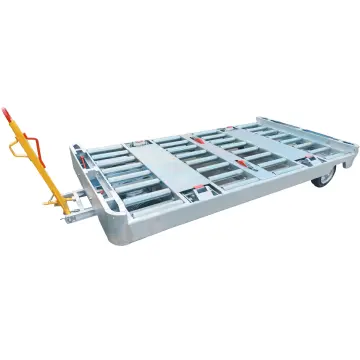
Heavy-duty transport solution built on a unified chassis layout, optimizing safety operations and container locking mechanics.
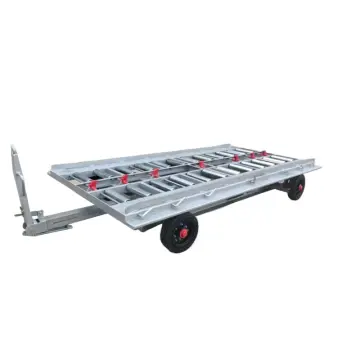
Specifically engineered for LD6 container formats, providing perfect load distribution and smooth roll-off performance.
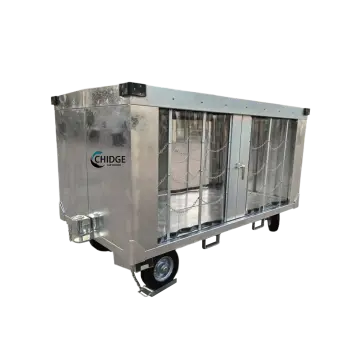
Features a robust canopy design to shield passenger luggage from heavy tropical downpours typical of the Malabo region.
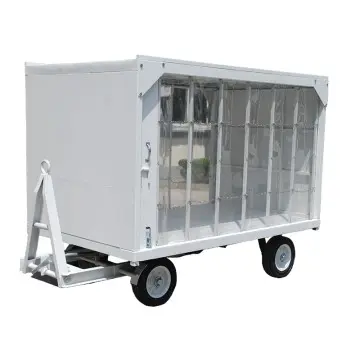
Fully enclosed cargo security, protecting luggage against transit theft, dust accumulation, and harsh climate conditions.
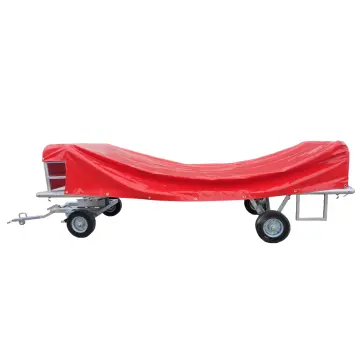
Lightweight, highly maneuverable trolley system designed to streamline terminal luggage handling efficiency.
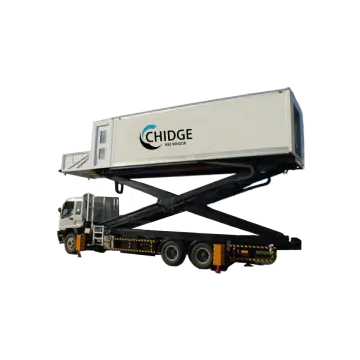
High-reach hydraulic cabin lift catering vehicle, satisfying the requirements of diverse widebody passenger aircraft.
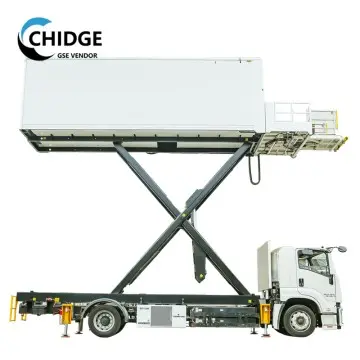
Eco-friendly electric catering design built for carbon-neutral airport initiatives, featuring high energy efficiency and low operating noise.
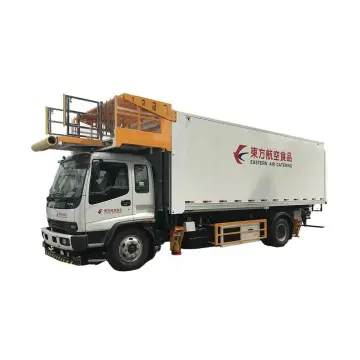
Reliable thermal-insulated food container lift system designed for fast airline supply servicing and loading.
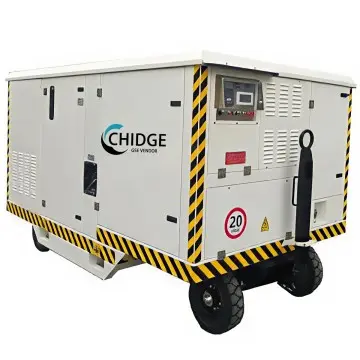
High-output ground heater ensuring stable cabin environments during pre-flight operations and cargo inspection windows.
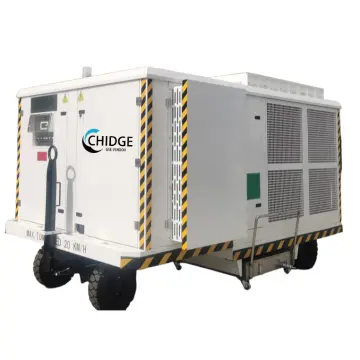
Pre-Conditioned Air unit designed for thermal efficiency, maintaining comfortable passenger deck environments during gate parking.
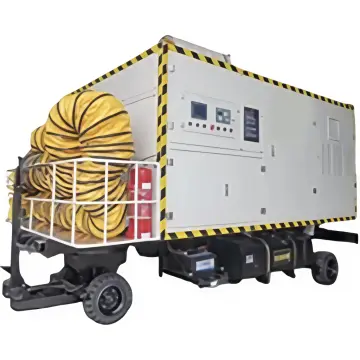
Portable cabin heating unit featuring rapid temperature ramping and robust air filtration configurations.
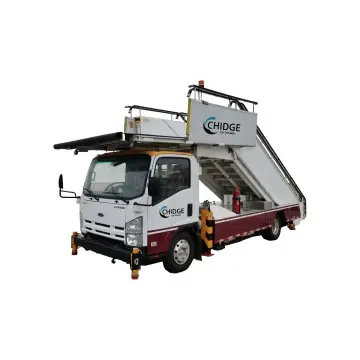
Advanced electric self-propelled boarding system, equipped with high-grip step materials and fail-safe interlocking logic.
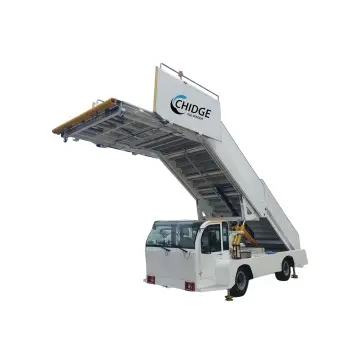
Diesel boarding stairs featuring stable telescoping chassis and automated hydraulic landing stabilizers.
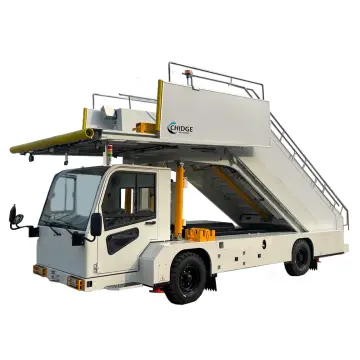
Optimized for commuter and mid-sized aircraft passenger flows, ensuring fast ground turnaround operations.
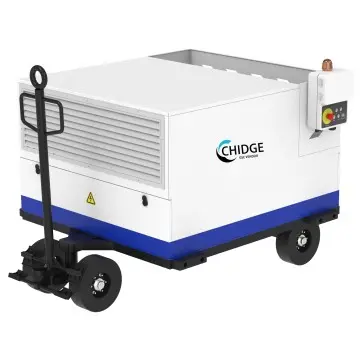
Zero-emission battery storage power solution, providing clean, quiet electricity directly to critical aircraft electronics.
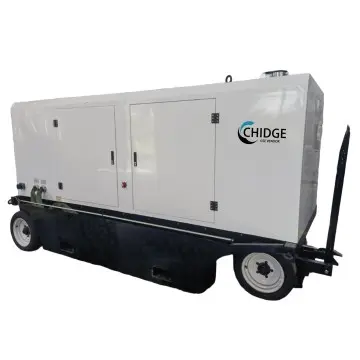
Reliable towable GPU, outputting stable 400Hz frequency and 115/200VAC current for commercial aviation fleets.
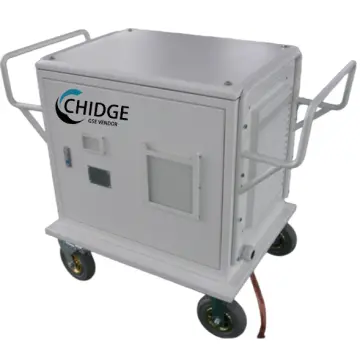
High-reliability solid-state frequency converter designed for hangar testing environments and regular terminal gates.
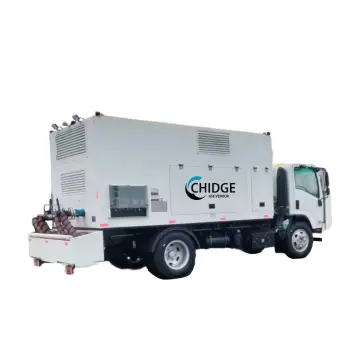
Heavy-duty truck-mounted compressed air starter unit, ensuring fast engine spin-ups in high-temperature conditions.
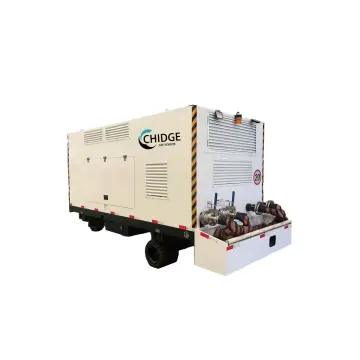
Mid-range compressed air ground starter system designed for high durability and ease of operational maintenance.
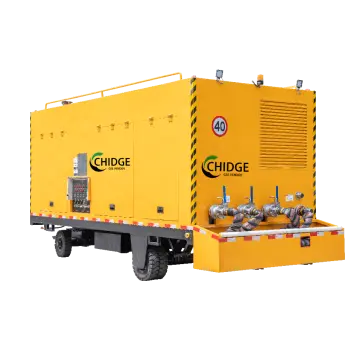
High-pressure towable ASU designed for large passenger jet engine startup procedures under tight schedules.
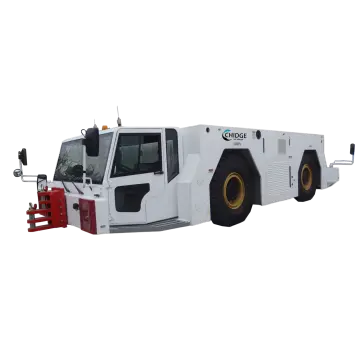
Heavy pushback vehicle designed for widebody passenger and heavy cargo aircraft towing maneuvers.
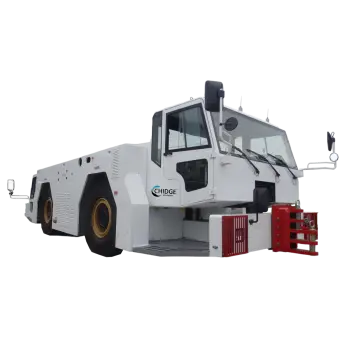
High-tractive performance pushback tractor, providing precise directional control in wet terminal aprons.
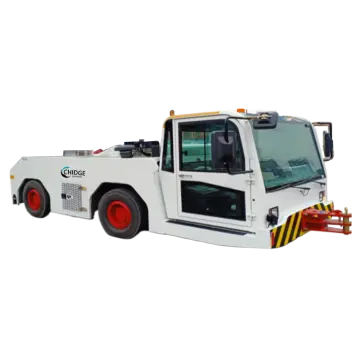
Compact aircraft towing tractor ideal for regional airlines and corporate jet pushbacks.
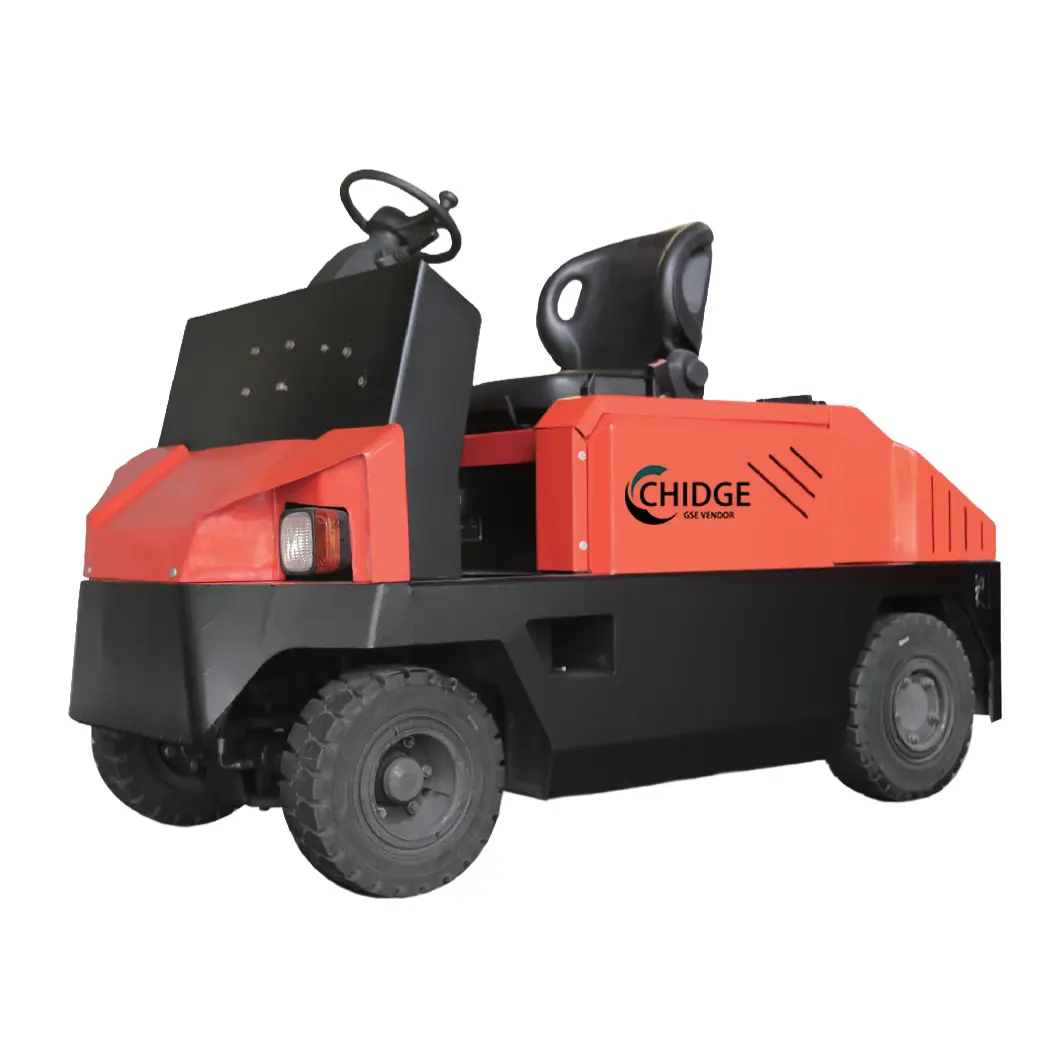
Electric baggage tug delivering zero exhaust emissions and low maintenance cost for terminal luggage train configurations.
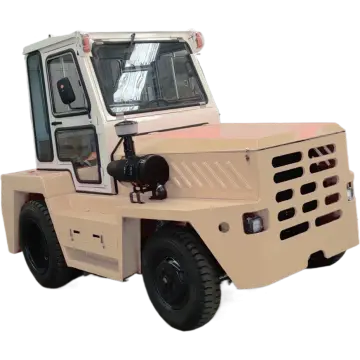
High drawbar pull diesel tractor designed for pulling long chains of heavy container dollies across expansive airfield tarmac routes.
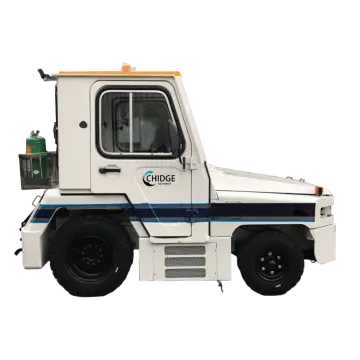
Dual-motor electric baggage vehicle offering high torque output and long shifts per charge.
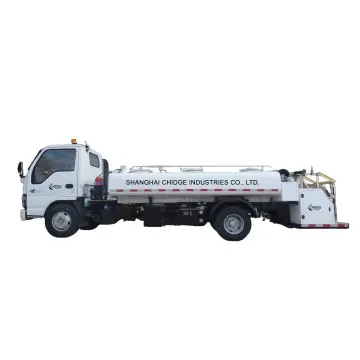
Constructed with high-grade anti-corrosive stainless steel storage tanks for sanitary waste containment and clean-out functions.
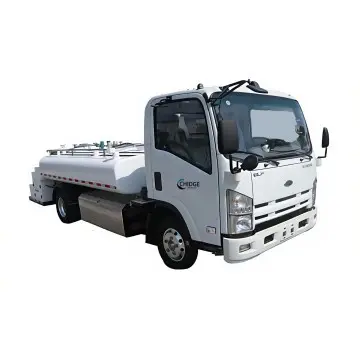
Electric potable water transport vehicle designed to fill onboard fresh water tanks under strict hygiene protocols.
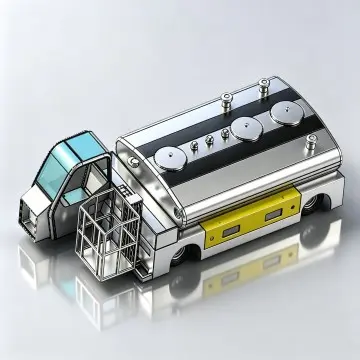
Zero-emissions electric lavatory service vehicle featuring digital tank volume monitoring and high-efficiency discharge valves.
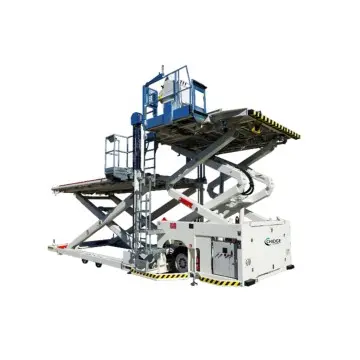
High-capacity main deck container loader designed to manage heavy air freight pallets up to 14 tons quickly and safely.
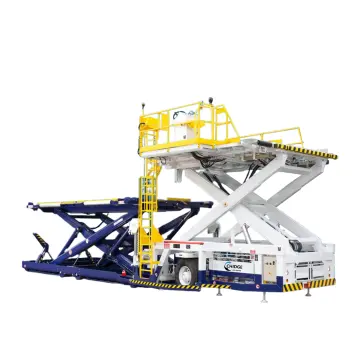
Heavy-duty 35-ton cargo loader designed for widebody freighter aircraft nose and side door loading operations.
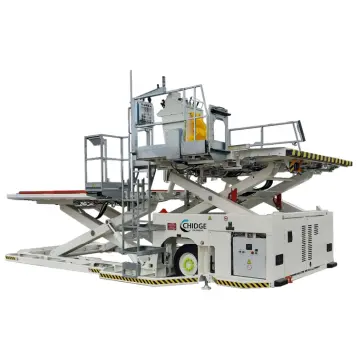
Flexible 7-ton dual-platform loader for cargo holds, featuring hydraulic self-leveling controls.
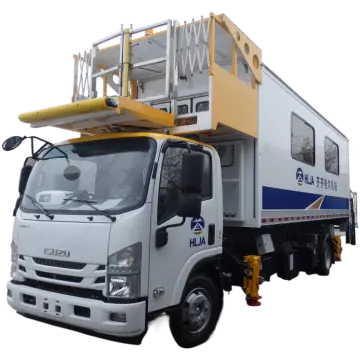
Specialized passenger cabin lift truck providing safe, comfortable access for passengers with reduced mobility (PRM).
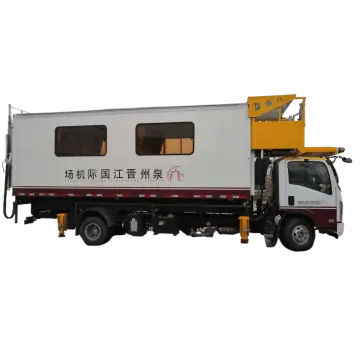
Designed in full compliance with AHM 921 standards, featuring smooth hydraulic lifts and passenger boarding safety enclosures.
Deploying automated production facilities to ensure top manufacturing accuracy and cost advantages for global fleets.
Our Chinese manufacturing facilities utilize Industry 4.0 standards. Advanced robotic welding arms provide 100% consistent weld penetration on heavy-duty container dolly chassis frames. We conduct finite element analysis (FEA) on structural prototypes to simulate up to 150% maximum weight capacity strains, ensuring structural safety during sudden brake events or airport surface shifts.
Through lean manufacturing optimizations, our assembly lines handle high-capacity orders without compromising build quality, delivering customized airport GSE fleets on time to West and Central African destinations.
Browse our comprehensive list of customized container, pallet, and luggage dollies. All designs are optimized for heavy airport cargo workloads.
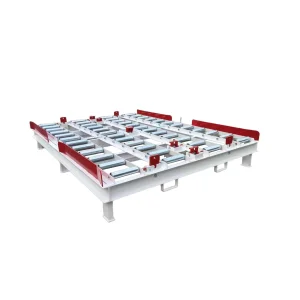
Designed with smart dual-swivel locks to allow fast cargo movement adjustments across terminal warehouses.
View Specification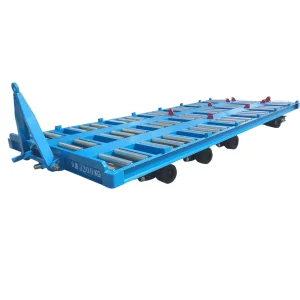
Extreme capacity 18-ton layout built specifically for large-scale military and industrial logistics needs.
View Specification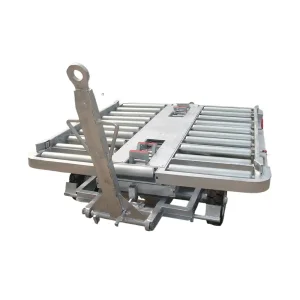
Durable, cost-effective container dollies optimized for global logistics operations and standard fleet integrations.
View Specification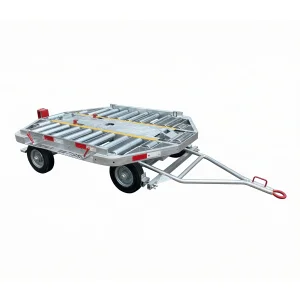
Features high stability control and reinforced tow hooks for safety during multiple-unit train setups.
View Specification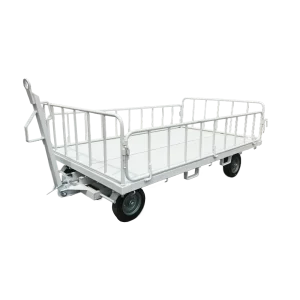
Standard airport luggage cart with safety brake systems, providing protection against roll-offs on sloped aprons.
View Specification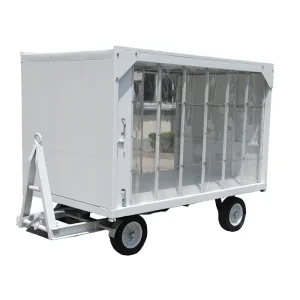
Sturdy side-enclosed structural walls to prevent item loss during fast airport terminal transfers.
View Specification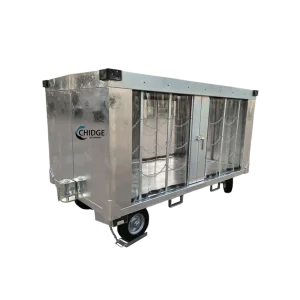
Specially sealed joints and protective plastic canopy layouts for regions experiencing sudden rain showers.
View Specification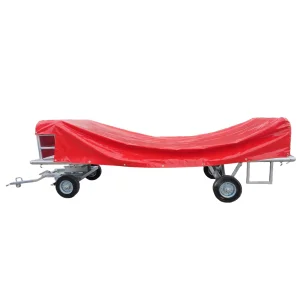
Cost-efficient, high-volume manufacturing run of luggage trolleys featuring durable rubber bumpers and smooth bearings.
View Specification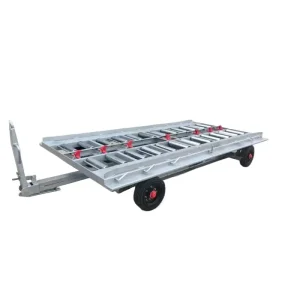
Specialist manufacturing of LD6 structural sizes, featuring multi-position loading gates and lock assemblies.
View Specification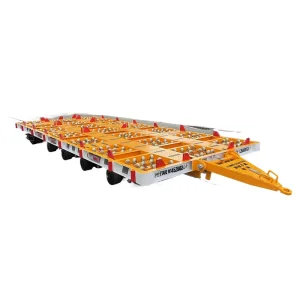
Ultra-capacity 27-ton heavy flatbed dolly designed for large military logistics and heavy container transport.
View Specification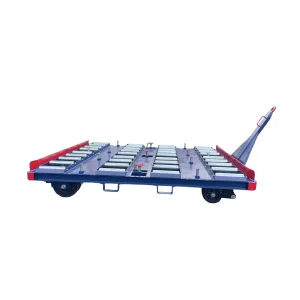
Optimized 10-foot platform footprint for standard commercial pallets, balancing cargo volume with nimble handling.
View Specification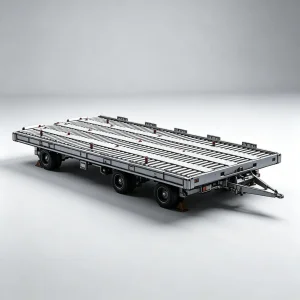
Our highest capacity 35-ton air cargo logistics flatbed, built for oversize machinery and heavy structural logistics.
View SpecificationInternational standards govern today’s airport operations. Our ground support equipment is designed and certified to comply with IATA AHM 910, 913, and 915 requirements. This ensures our container and pallet dollies integrate seamlessly into the standard logistics systems of international airlines and ground handling teams operating at Malabo and Bata.
We offer specialized maintenance support, technical consulting, and spare parts supply lines for our African partners. Our regional service partners in neighboring logistics hubs provide fast on-site support to minimize ground handling downtime in Equatorial Guinea, ensuring your airport cargo dollies maintain high runway operational rates.
Our mission is to help customers choose correctly, create value, and realize their business potential.

Selling high-grade aviation ground support equipment globally.

Supporting airlines and regional airport handling agencies.

Full-range catalog including cargo loaders, GPU, and dollies.

Rigorous QC checks and optimized ocean freight routing.
Updates on quality, delivery, and innovative airport ground power technology.
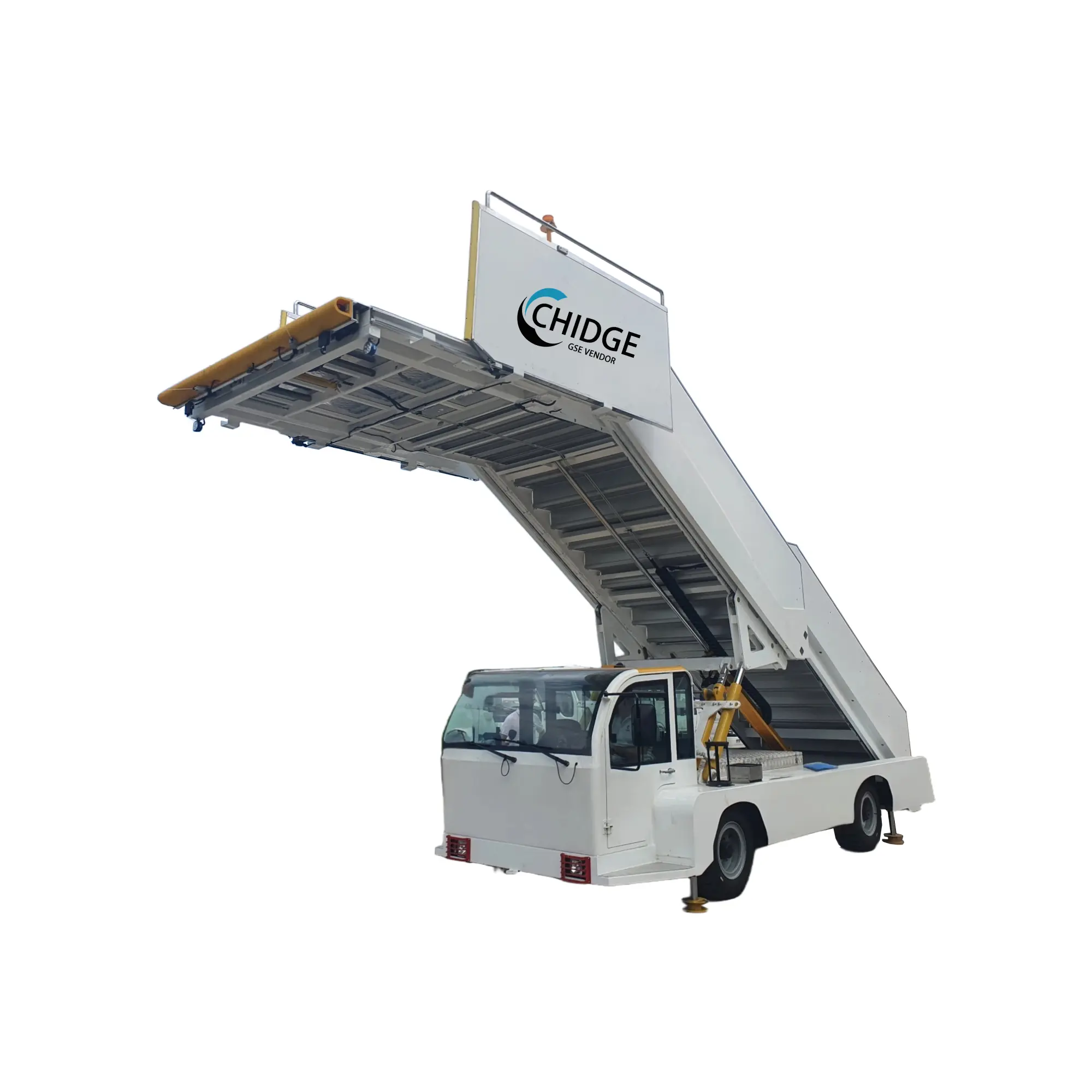
Explore the engineering mechanics and functional designs of modern airport boarding stair passenger steps...
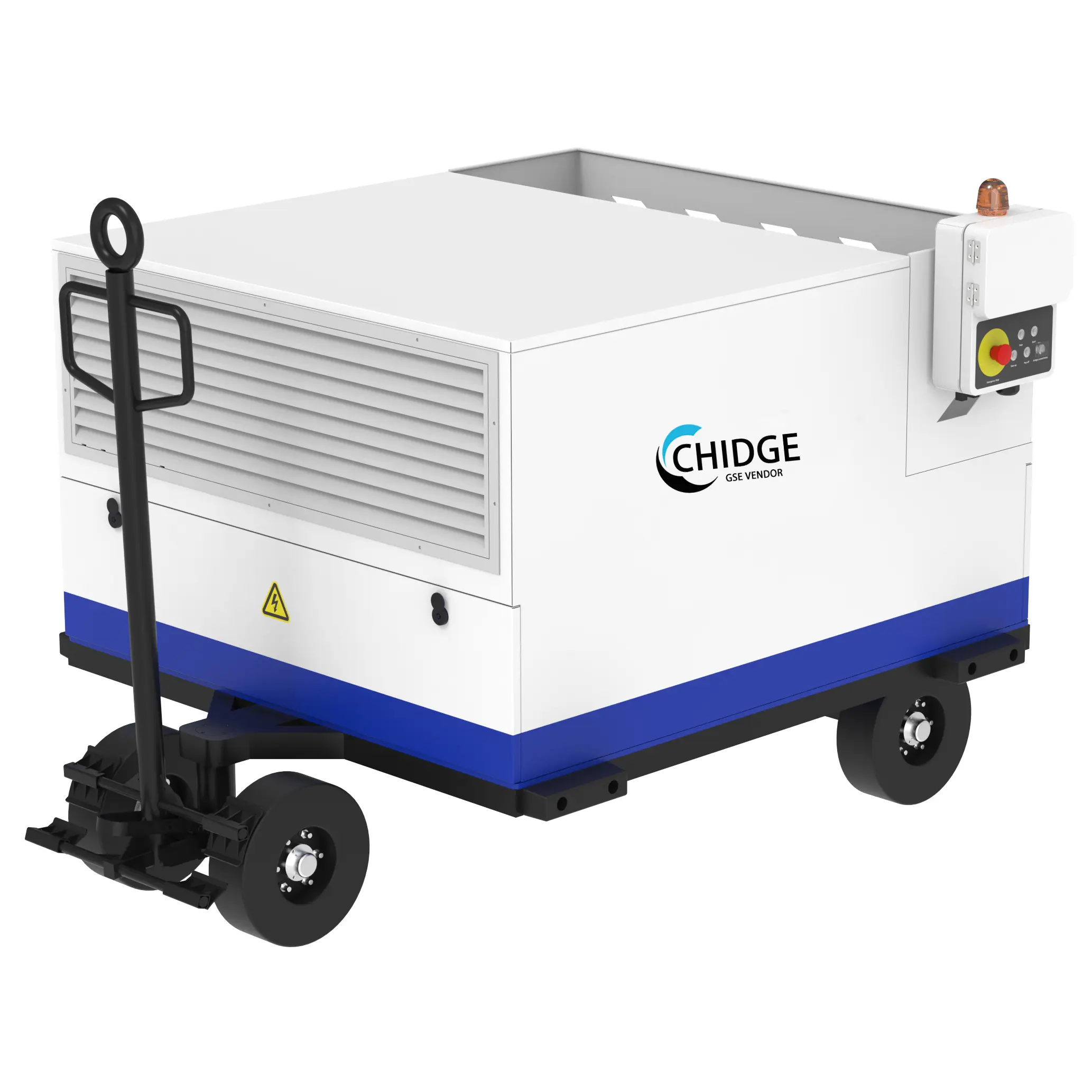
Analyzing the operational savings and carbon reduction benefits of modern mobile battery storage ground power systems...
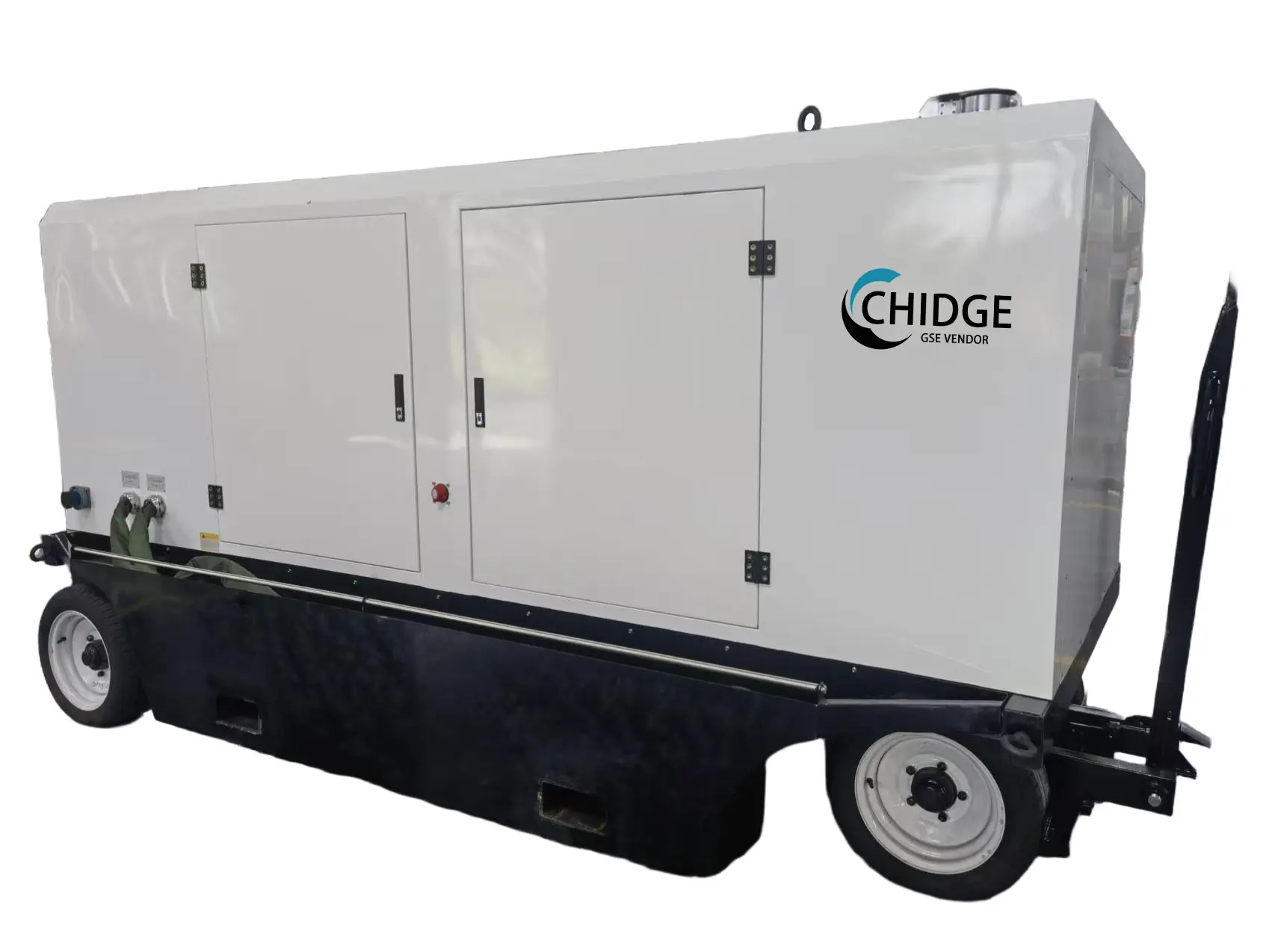
In modern aviation logistics, keeping aircraft electronics running at the gate without running main engines is essential. Truck-mounted GPUs deliver versatile power distribution across busy airport ramps...
Find quick answers regarding our cargo dollies and ground support equipment services.
Get in touch with our engineering team for customized configurations, detailed product catalogs, and competitive pricing.