Modern aviation environments and industrial hubs require more than just mechanical utility. Towing vehicles, dollies, and ground support assets are transitioning into multi-functional platforms that integrate state-of-the-art telemetry, strict regulatory compliance, and dynamic advertising media.
Towing tractors and baggage carts cover extensive airside routes daily. By equipping these workhorses with structural advertising frames (Tow Truck Ads), airports and logistics networks generate high-visibility touchpoints for brand propagation, transforming operational expenses into active revenue streams.
The transition from diesel-fueled towing equipment to lithium-ion powered systems reduces emissions and maintenance lifecycles. High-capacity energy storage ground units and electric baggage towing systems are now standard benchmarks for Tier 1 international airport tenders.
Engineering ground support systems to resist harsh climates while ensuring maximum cargo load capacity requires compliance with rigorous IATA Airport Handling Manual (AHM) standards, CE certifications, and strict anti-collision safety protocols.
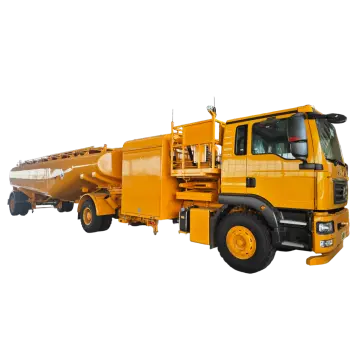
The aircraft tank refueling truck consists of a chassis and oil tanks, a pumping system, a control system, and an operating part, with functions such as filtration, metering, refueling, pumping, self circulation, and pressure control.
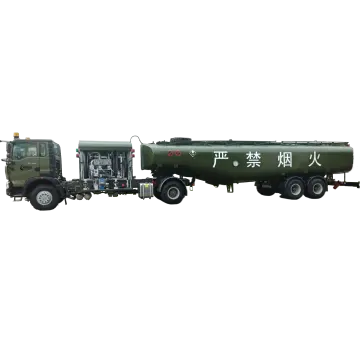
The aircraft tank refueling truck consists of a chassis and oil tanks, a pumping system, a control system, and an operating part, with functions such as filtration, metering, refueling, pumping, self circulation, and pressure control.
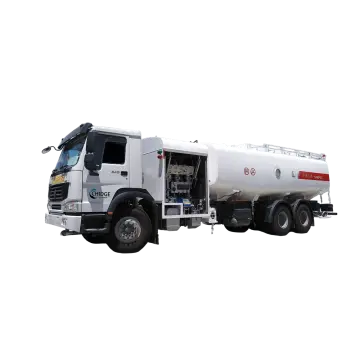
The aircraft tank refueling truck consists of a chassis and oil tanks, a pumping system, a control system, and an operating part, with functions such as filtration, metering, refueling, pumping, self circulation, and pressure control.
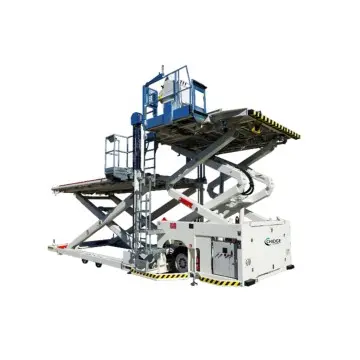
High-efficiency main deck and lower lobe container loading. Robust design matching modern freight requirements.
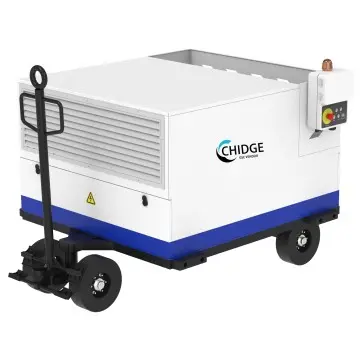
Clean, silent ground power solutions built on high-performance lithium-ion cells for airport aprons.
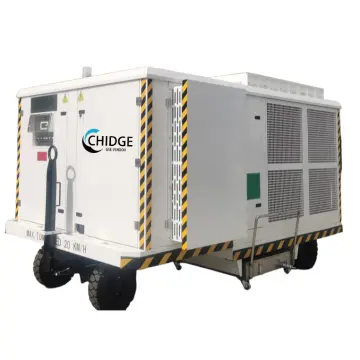
Advanced temperature regulation units for passenger cabins, preventing engine fuel waste on ground.
Procurement officers in key regions (North America, Europe, Asia Pacific, and the Middle East) face the challenge of sourcing durable GSE that matches both strict flight line regulations and corporate environmental mandates. Our manufacturing facilities focus on long-term capital efficiency. We utilize high-strength, hot-dip galvanized steels to prevent corrosion in marine or winter environments.
By designing customized "Tow Truck Ad" chassis brackets directly onto our cargo loaders and dollies, we allow fleet operators to easily change banners, digital LED panels, or steel branding plates, increasing airside monetization without altering structural safety ratings.
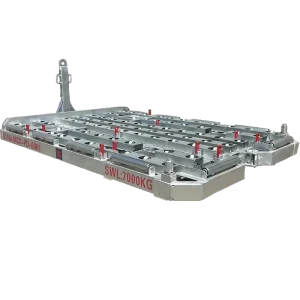
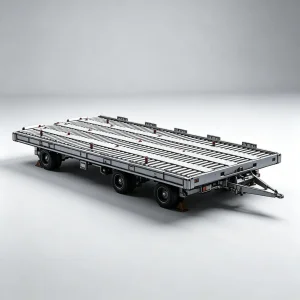
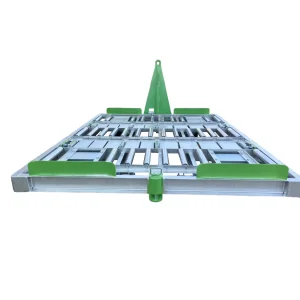
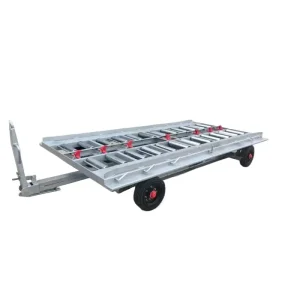
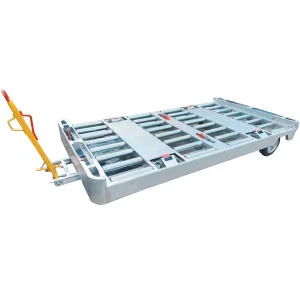
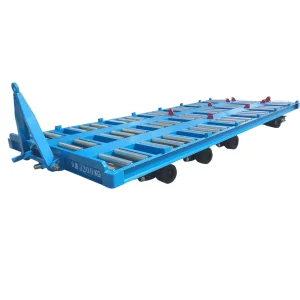
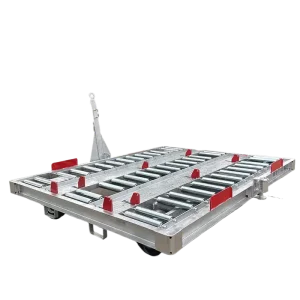
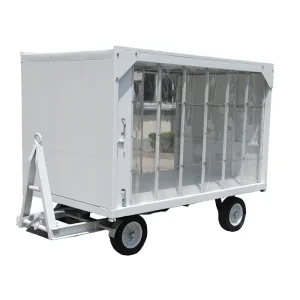
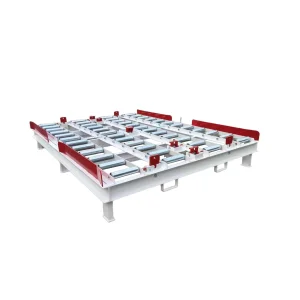
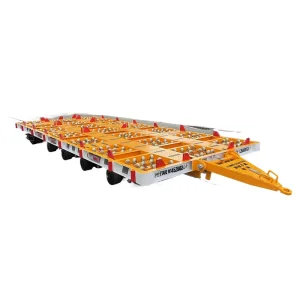
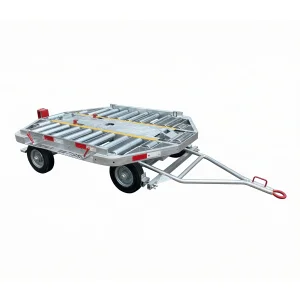
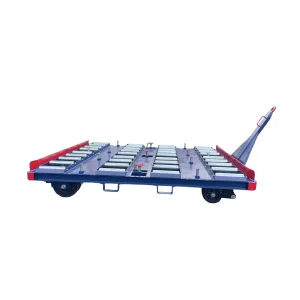
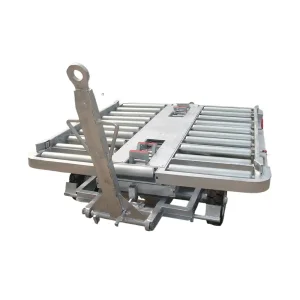
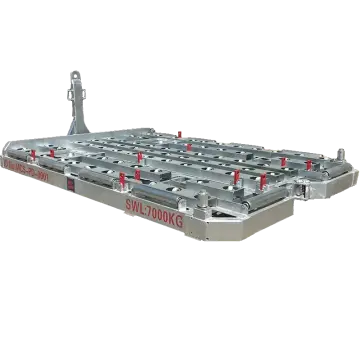
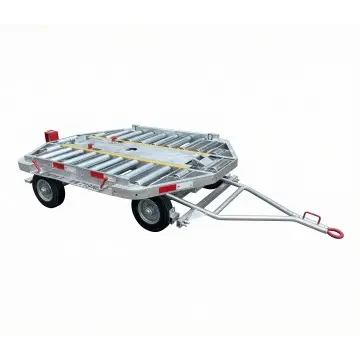
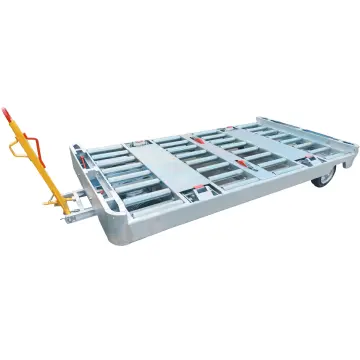
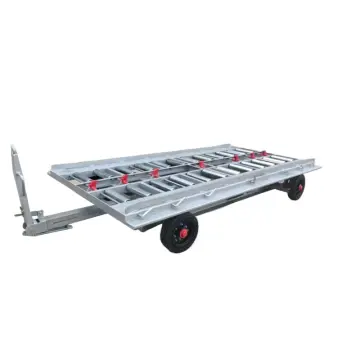
Modern airports are expanding into complex cities (Aerotropolises) where baggage, mail, and heavy cargo flow continuously between central sortation hubs, local fulfillment warehouses, and parked aircraft. High-load-capacity transport gear, such as the 35-ton 20-foot pallet dolly or custom slave pallet systems, serves as the structural foundation of these transport chains.
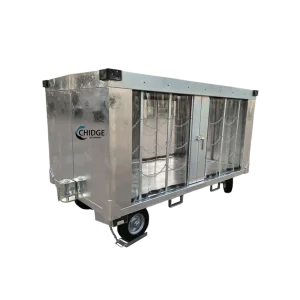
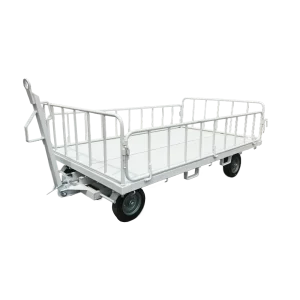
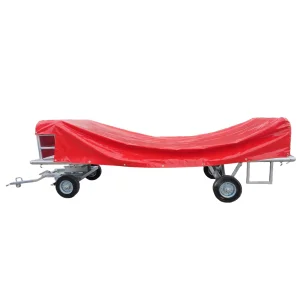
Our factories ensure that every tow vehicle, container transport frame, and luggage cart features robust coupling systems and dual-line safety braking to guarantee cargo security during high-speed ground transport.
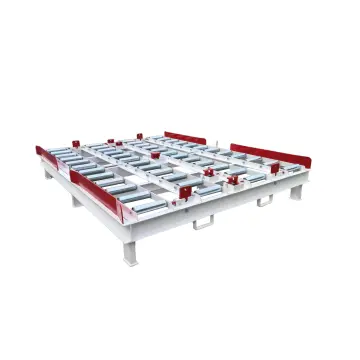
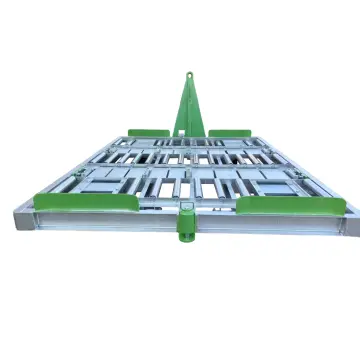
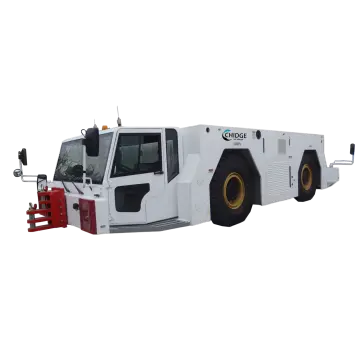
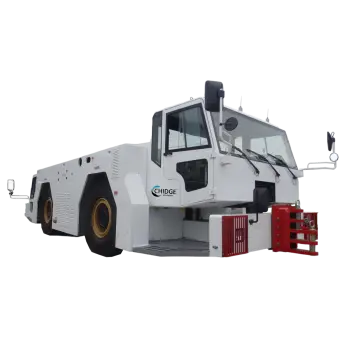
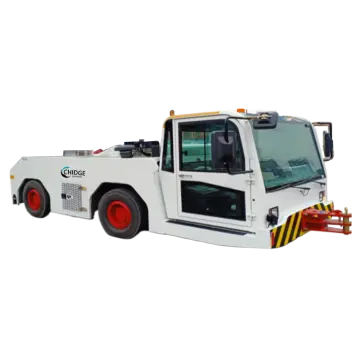

Our company applies advanced science and innovative technology in product design and R&D to continuously optimize operations, lower aerodynamic drag, and extend battery lifetimes across all product lines.

High-quality products meet user expectations and stand out in competitive markets, winning customer recognition and building brand reputation through rigorous quality assurance testing.

Our company leverages efficient supply chain management, inventory controls, and shipping systems to ensure timely delivery and swift response to emergency support requests.

Our after-sales service team resolves technical queries during operations, strengthening trust and customer loyalty while extending the service life of our ground support equipment.
Whether customizing towing tractors or configuring new baggage cart runs, we provide comprehensive, integrated solutions. Our services cover product planning, architectural design, manufacturing, quality testing, and field support, helping fleet operators reduce capital costs and quickly launch efficient systems.
Our factories use modern manufacturing machinery, including automated laser cutting systems, robotic welding cells, and eco-friendly powder-coating lines, ensuring that every cargo loader, luggage dolly, or advertising adapter frame stands up to high-intensity wear and tear.



Integrating LiDAR sensors and GPS routing into airport towing vehicles allows for autonomous baggage transport and dolly parking, lowering manual labor costs and preventing accidents in active airport areas.
Using built-in IoT modules helps monitor battery status, tire wear, brake performance, and load configurations in real-time. This provides fleet operations teams with actionable maintenance alerts to prevent unexpected downtime.
Integrating solar-powered LED screen panels onto airport baggage carts and towing tractors allows for real-time, location-based digital advertising campaigns targeting terminal passengers and ground personnel.
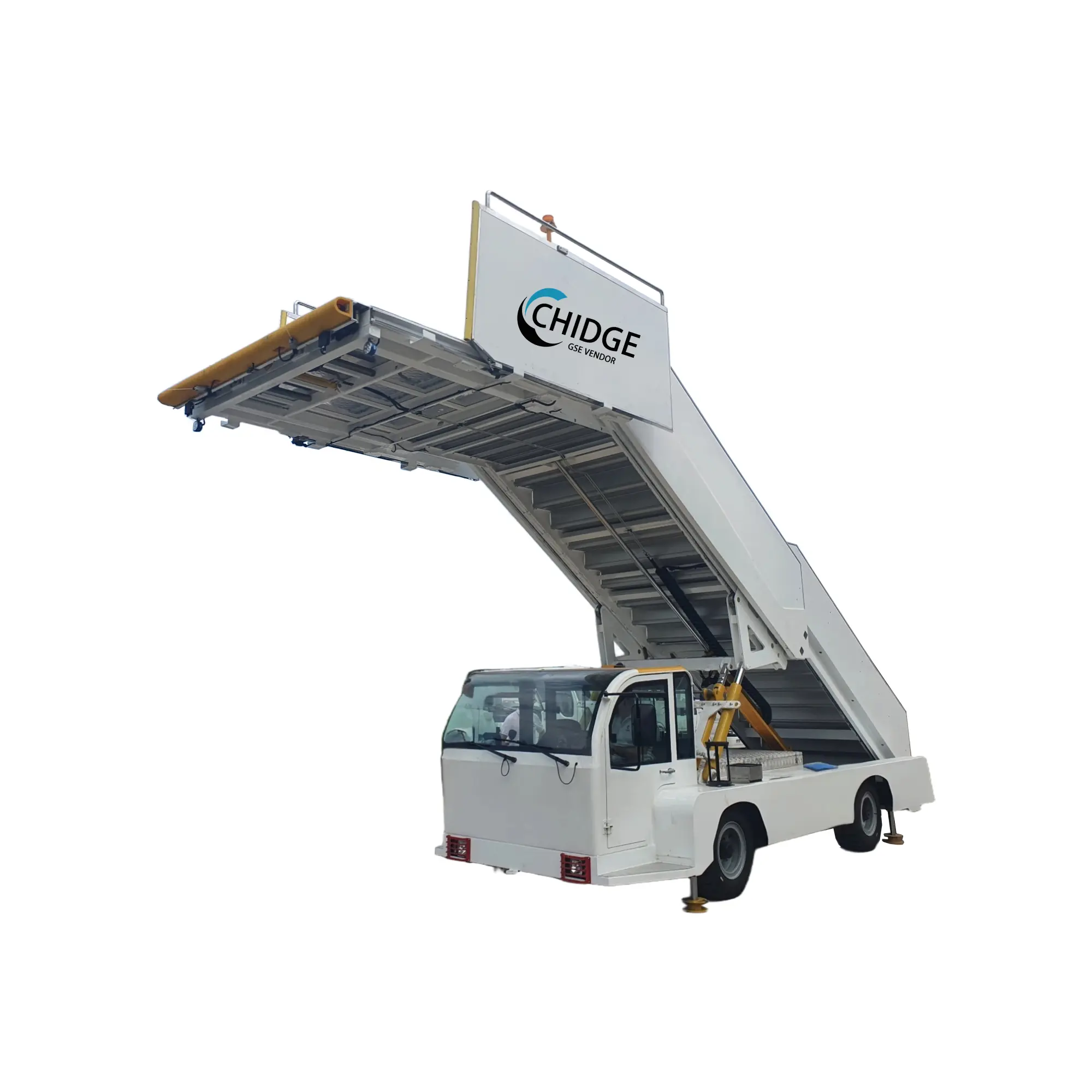
Passenger boarding stairs provide safe and efficient aircraft access for passengers and crew, serving as a vital link between the tarmac and the aircraft cabin across modern airport hubs.
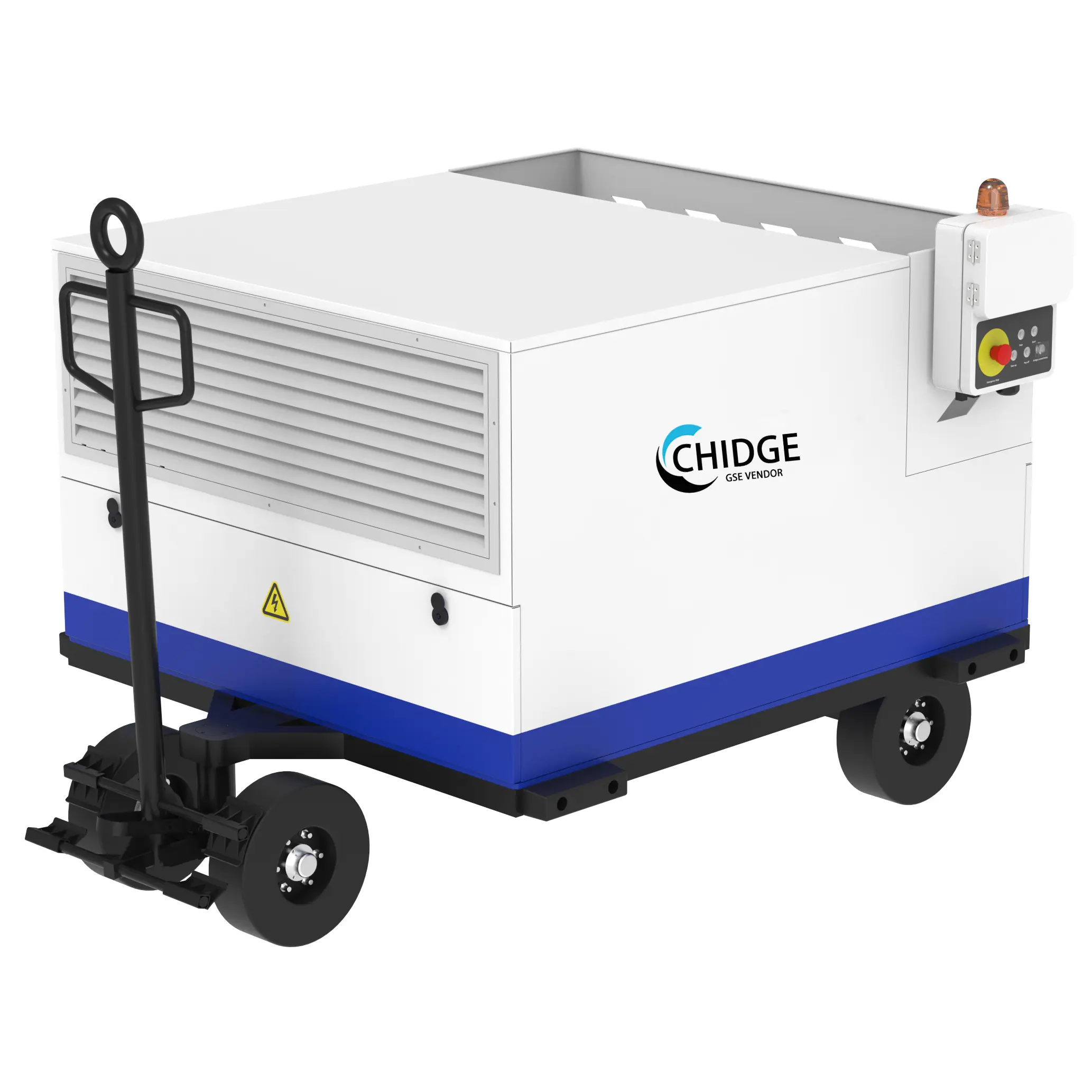
A detailing of new towable energy storage ground power units, which reduce noise and emissions while supplying electrical power for aircraft during pre-flight systems checks.
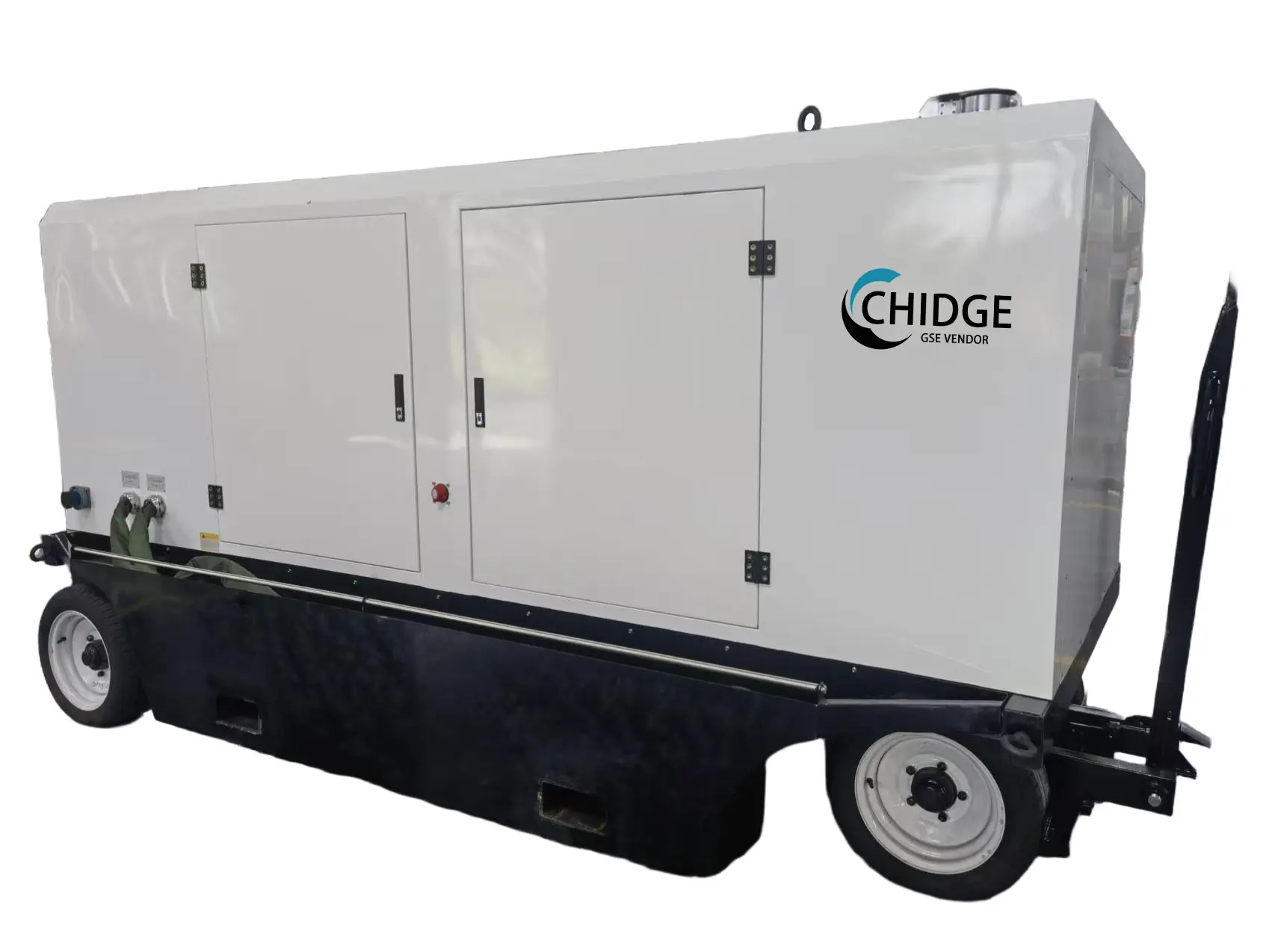
Ground Power Units provide essential electrical power to parked aircraft, allowing crew to run avionics and pre-flight preparations without using the aircraft's main engines.
We cooperate with leading global airlines, cargo operators, and ground handling agencies to deliver safe, reliable tarmac systems.
 Chidge Dolly