Heavy-duty, precision-engineered cargo logistics and airside operations solutions.
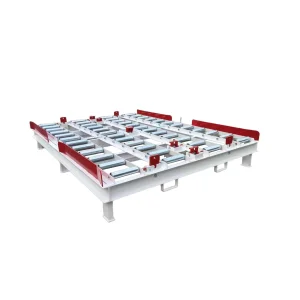
High-grade heavy-duty steel slave pallet dollies designed for fast cargo configuration transfer at terminal side facilities.
View Product Details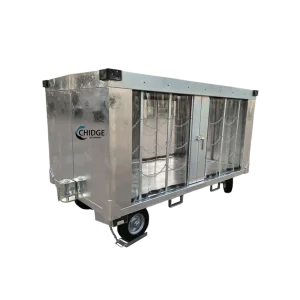
Weather-sealed baggage protection carts ensuring dry transport of critical payload cargo in extreme weather conditions.
View Product Details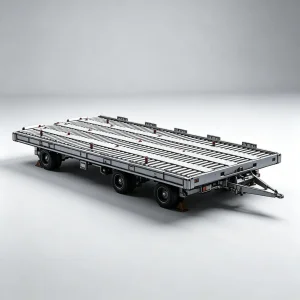
Industrial-scale cargo towing transport unit with 35-ton rating capacity for high-yield container routing.
View Product Details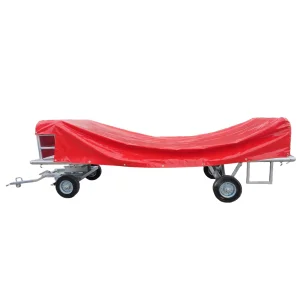
Highly maneuverable airport baggage trolleys optimizing multi-tier terminal passenger luggage logistics.
View Product Details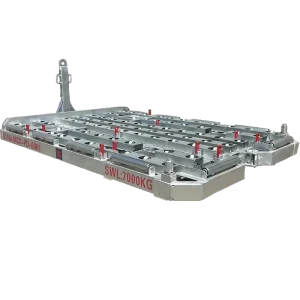
Omni-directional caster deck configuration permitting quick orientation alignment of standard Unit Load Devices (ULD).
View Product Details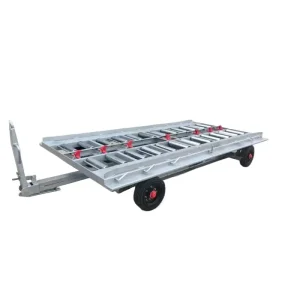
Engineered LD6 structure designed with fail-safe parking brakes and safety lock mechanisms for airfields.
View Product Details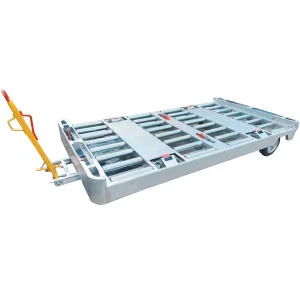
Heavy-duty, vibration-damped chassis structure engineered for high-speed apron cargo transport operations.
View Product Details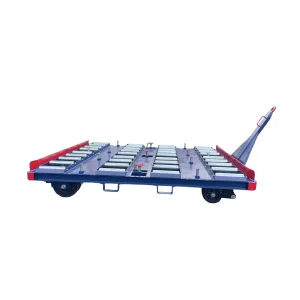
Standardized 10ft air freight pallet dollies built to exact global standard aviation handling compliance metrics.
View Product DetailsHelicopters represent a highly specialized class of aircraft characterized by demanding electrical systems. Unlike commercial airliners that predominantly utilize 115V AC at 400Hz frequency to run major structural avionics and environmental subsystems, helicopters—specifically light, medium, and tactical multi-mission utility helicopters—heavily depend on 28.5V DC configurations. The voltage demands are exceptionally tight, requiring stable energy output and protection against transient surges that can compromise delicate flight computers, communications arrays, and multi-sensor electro-optical turrets.
When starting turboshaft engines, such as the Pratt & Whitney Canada PT6T or Safran Arriel variants, the starter-generator draws a massive starting current (inrush current) that can range from 1,200 to 2,400 Amps for critical milliseconds. A substandard Ground Power Unit (GPU) that exhibits voltage sag under this initial loading can cause a "hot start" or a starter dropout. These occurrences lead to premature turbine wear, thermal fatigue, and potentially catastrophic engine damage, costing hundreds of thousands of dollars in maintenance overheads. As a premier wholesale helicopter ground power unit factory, we engineer systems that feature dynamic active current limiting to guarantee starting security under all environmental constraints.
Developing power units for helicopters requires navigating unique operational parameters:
Aviation fleet procurement managers across Europe, North America, and the APAC region face complex purchasing structures when procuring ground power equipment. Ground support fleets must maintain multi-aircraft capability. Thus, procurement teams look for flexible systems that offer both solid-state frequency converter functions and dual 28.5V DC output lines. A primary goal is reducing the total cost of ownership (TCO) while ensuring complete compliance with civil and military standards.
From an international perspective, safety compliance is paramount. Units must be manufactured to comply with key standards such as ISO 6858 (Aircraft ground support equipment - General requirements), EN 12312-20 (Specific requirements for ground power units), and MIL-STD-704F (Aircraft electrical power characteristics). For military deployment, electromagnetic capability requirements under MIL-STD-461 are enforced to prevent detection or interference with adjacent radar and defense infrastructure.
Fully compliant with CE, UL, ISO 6858, and MIL-STD configurations to ensure easy airport authority commissioning.
Flexible output switches allowing switching between 28.5V DC and 115V AC 400Hz frequency levels for mixed-aircraft operators.
Optimized solid-state converters operating virtually silent, critical for hospital medical pads and emergency helipads.
Whether OEM or ODM services, we adhere to the customer-centric philosophy, providing full-lifecycle solutions from product planning, design, production, and validation testing, to comprehensive after-sales systems. Our processes help clients achieve rapid market entry, control capital expenditure, and significantly boost product competitiveness.
Our engineering capabilities feature modular platform designs, allowing for quick scaling and customization. We provide unique custom packaging options, heavy-duty mobile trailers with high clearance for off-road environments, and custom paint match profiles to align with military or branding mandates. Utilizing state-of-the-art power simulation models, we design robust cooling airflows and efficient topologies that guarantee sustained operational reliability.
 Company Management
 High Quality Production
 Timely Delivery
 Product Development
The global aviation industry is undergoing a paradigm shift towards decarbonization and environmental sustainability. Traditional diesel-powered ground power units, which consume fossil fuels and emit continuous noise and exhaust, are rapidly being replaced by eco-friendly alternatives. Ground operations managers are prioritizing the transition to Battery Energy Storage Systems (BESS) and electric GSE (e-GSE). These battery-based ground power units deliver clean, surge-protected starting energy without local emissions.
Our technological roadmap is heavily focused on integrated solid-state frequency technology and advanced lithium iron phosphate (LiFePO4) battery architectures. By integrating intelligent Battery Management Systems (BMS), our modern units monitor temperature profile channels, voltage balancing across cell clusters, and state-of-charge (SoC) parameters. This active monitoring extends asset life and eliminates safety hazards. For heavy rotorcraft flight lines, this means access to reliable, silent, emissions-free ground power units that can be recharged using standard hangar electrical utilities.
Ground handling efficiency depends on the seamless interaction of multiple GSE assets. While GPUs power flight line checks, specialized support vehicles maintain aircraft turnaround workflows. These include refueling trucks, passenger boarding steps, and heavy-duty dollies for loading cargo containers. Synchronizing these vehicles reduces tarmac congestion and improves overall operational efficiency.
Complete GSE portfolio supporting ramp operations, passenger handling, and technical servicing.
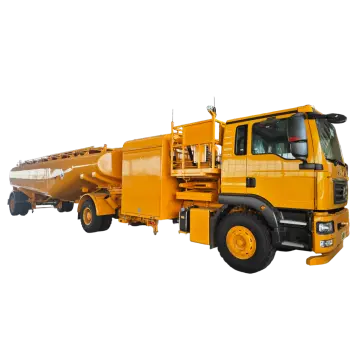
Constructed with specialized chassis, high-capacity tanks, precise pumping, filtration, and pressure control systems.
View Details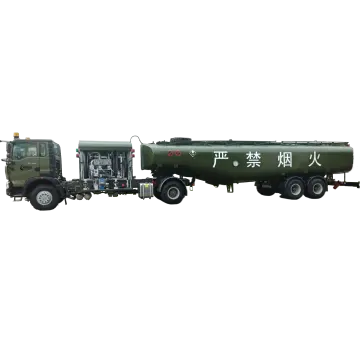
Optimized for long-range high-capacity fueling safety, incorporating automated self-circulation and metering.
View Details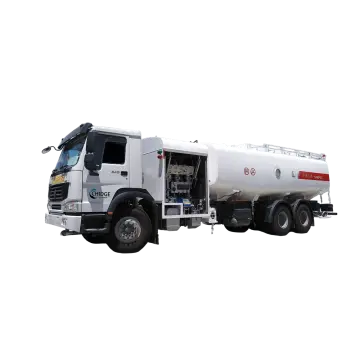
Industry-certified flow regulation and filtration control modules to prevent fuel contamination.
View Details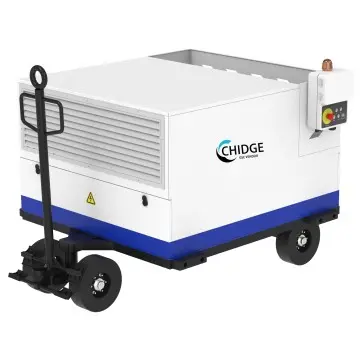
Zero emission, quiet towable battery energy storage unit designed for critical electrical servicing.
View Details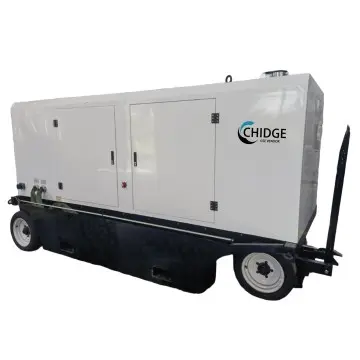
High capacity 400Hz frequency converter supplying continuous 90kVA of clean power for commercial platforms.
View Details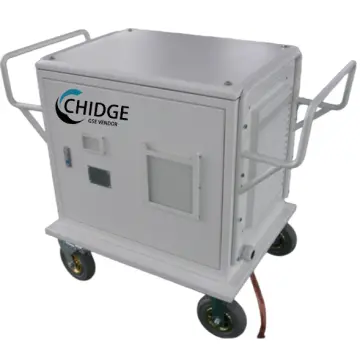
Solid-state frequency converter ensuring clean, low harmonic distortion power distribution.
View Details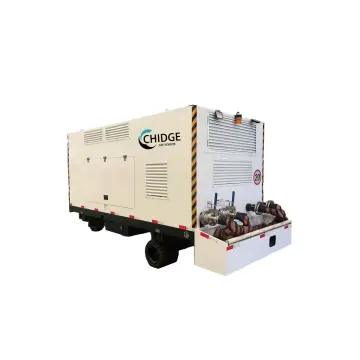
High-flow pneumatic engine starting unit providing reliable turbine start-up procedures.
View Details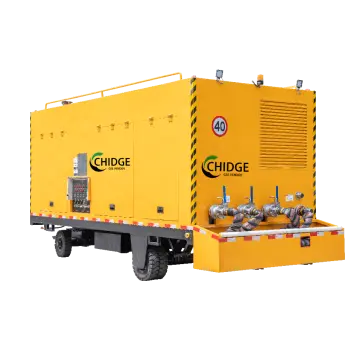
Designed for wide-body starting requirements, using rugged compressors for multi-cycle starts.
View DetailsAs a leading supplier of aviation ground support equipment (GSE), we provide solutions tailored to airlines, ground handling agencies, and logistics operators. Our comprehensive services ensure that every customer receives high-quality equipment, timely delivery, and dedicated post-sales support.
Supplying a wide range of specialized aviation ground support units, from power distribution systems to heavy logistics gear.
Dedicated customer service providing assistance with maintenance, spare parts, and system upgrades globally.
Rigorous manufacturing controls and extensive testing ensure reliability in demanding operating environments.
Although nominal aircraft systems are referred to as 28V DC, the standard operating alternator output voltage during flight is 28.5 Volts. Delivering 28.5V DC from the ground power unit simulates the exact electrical environment of the onboard generator. This ensures that the aircraft's internal batteries remain fully charged, prevents reverse-current relays from tripping, and offsets the minor voltage drops that occur across the length of the external output cable.
Solid-state GPUs use static electronics to convert grid utility power (50/60Hz) into clean aviation power (28.5V DC or 400Hz AC). Because they have no internal moving parts, they operate virtually silently, minimize maintenance overhead, eliminate exhaust emissions, and exhibit high energy conversion efficiency (often exceeding 94%). This makes them ideal for hospital helipads, enclosed maintenance hangars, and green-certified airports.
Our GPUs incorporate automatic electronic protection interlocks. If the unit detects an over-voltage, under-voltage, over-current, phase imbalance, or over-temperature condition, the processor shuts down power output in milliseconds. Additionally, a feedback wire in the aircraft plug verifies connection continuity before allowing power to flow, preventing damaging electrical arcs.
Not directly. A 400Hz AC power source must pass through a Transformer Rectifier Unit (TRU) to convert the 115V or 200V AC power into 28.5V DC. Many of our premium multi-output GPUs feature integrated internal TRUs, allowing ground crews to support both AC and DC aircraft simultaneously from a single unit.
Lithium battery-based GPUs require significantly less maintenance than diesel generators, but still need regular checks. Key tasks include checking and updating the BMS firmware, verifying cooling fan operation, cleaning dust filters, and performing periodic voltage balancing checks on the battery cell blocks to ensure long-term capacity retention.
Offshore oil platforms and coastal locations expose GPUs to humid, salt-laden air. Our offshore-configured units use marine-grade polyurethane coatings, stainless steel enclosures, and conformal-coated electronics. These protective measures prevent galvanic corrosion and electrical short circuits, ensuring reliable operation in harsh environments.
Read the latest technical analysis and trends shaping the global ground support equipment market.

An in-depth look at the engineering, safety locks, and wind load ratings required for passenger boarding stairs in modern regional airfields.
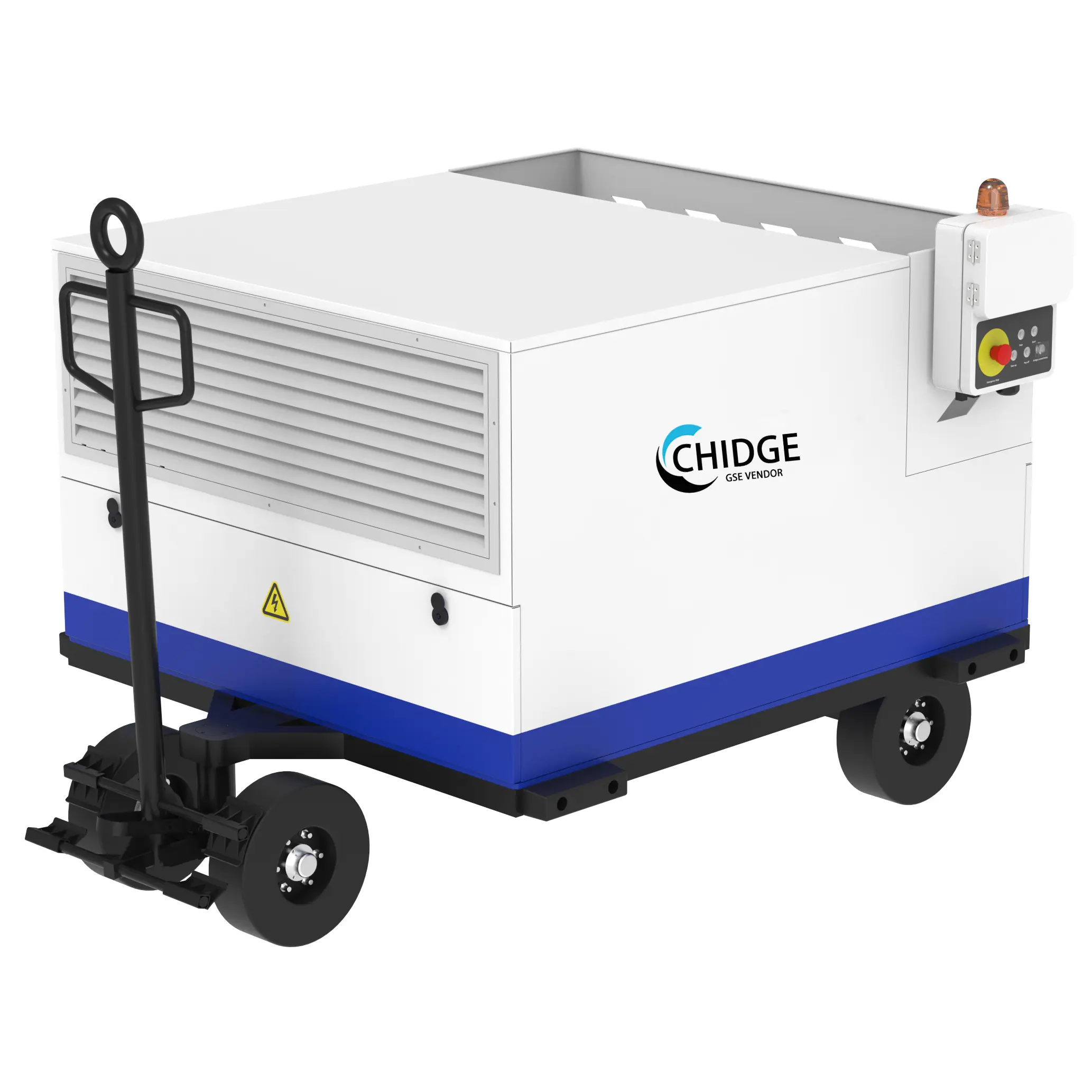
Evaluating the operational savings, acoustic improvements, and thermal safety of battery energy storage towable GPUs for commercial hangars.
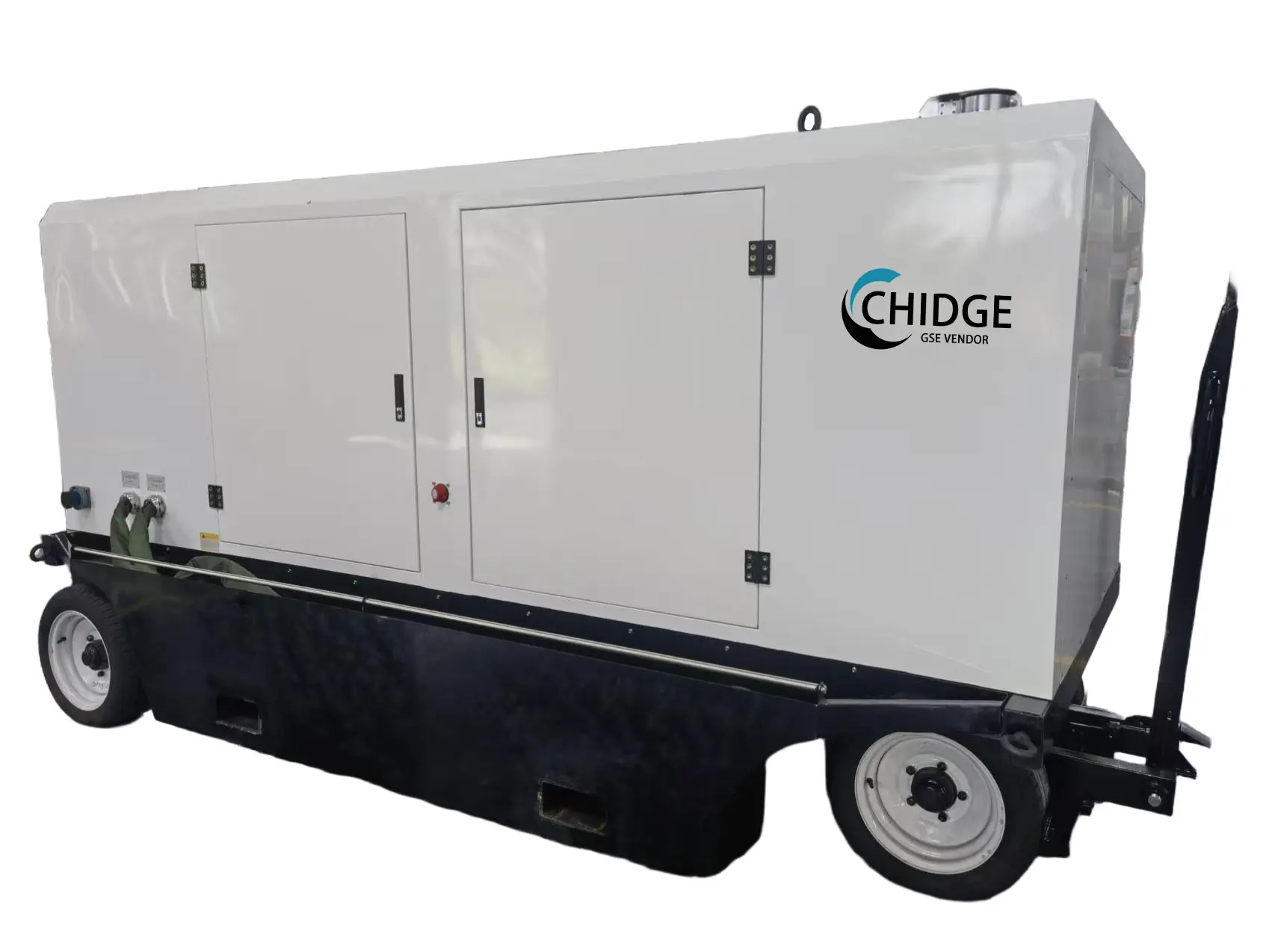
In the complex ecosystem of aviation operations, ensuring an aircraft is flight-ready involves a multitude of support systems. Among the most critical components in this pre-flight preparation is the Aircraft Ground Power Unit (GPU). These units supply the essential electrical power required for aircraft while parked on the ground, facilitating system checks, pre-flight preparations, and passenger boarding without the need to run the aircraft's main engines. While GPUs come in various forms, truck-mounted solutions have emerged as a particularly versatile and efficient choice for modern airports and maintenance facilities.
Our mission is to deliver reliable equipment solutions that create long-term value for our aviation partners worldwide.

Industrial baggage handling, pallet transport, and container dollies for global freight systems.
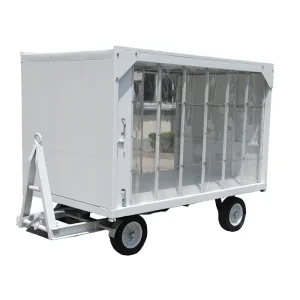
Fully enclosed luggage carts with reinforced aluminum panels for long-lasting runway operations.
View Product Details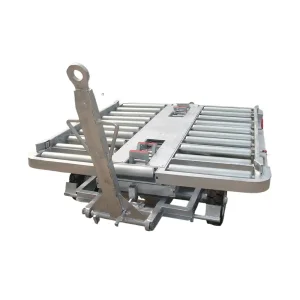
Designed with standard roller channels and physical safety locks for smooth LD3 container handling.
View Product Details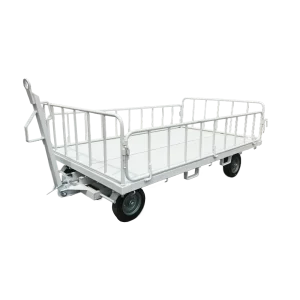
Lightweight baggage transport carts with high-wear steering linkages for terminal ground support operations.
View Product Details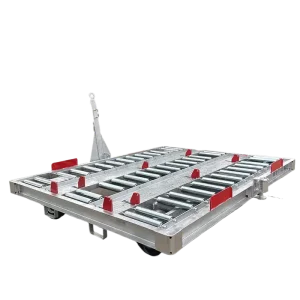
7-ton capacity dual-axle dolly, optimized for quick transport of heavy pallets on high-turnover aprons.
View Product Details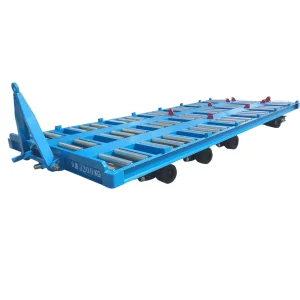
High-capacity 18-ton dollies designed to transport heavy containers on standard military and commercial airfields.
View Product Details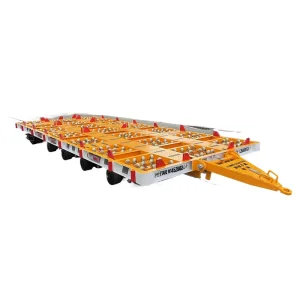
A 27-ton heavy cargo transport unit, built with reinforced structural members and multi-wheel axles.
View Product Details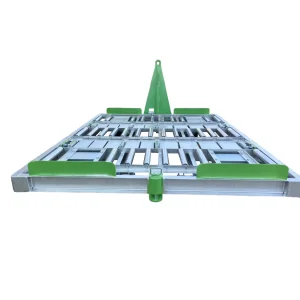
Industrial ground towable cargo dollies featuring highly wear-resistant solid rubber tires.
View Product Details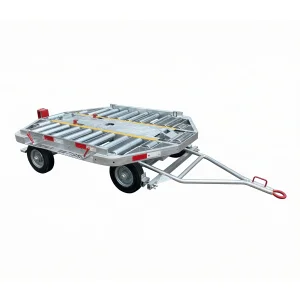
Newly optimized, low-clearance LD3 container dollies designed to streamline cargo transfer operations.
View Product Details Chidge Dolly