High-performance ground support fleet inventory designed to optimize turnaround times, container logistics, and ramp throughput.
Ground Support Equipment (GSE) forms the backbone of any airport's tactical airfield operations. Within this operational ecosystem, aircraft towing tractors (often called pushback tugs or towing vehicles) perform the high-stress duties of pushbacks, gate changes, hangar maintenance transfers, and positioning of aircraft from single-aisle regional jets to massive wide-body commercial airliners.
For logistics coordinators, fleet asset managers, and airport authority buyers, choosing the right airplane towing tractor means understanding the complex relationship between gross vehicle weight, drawbar pull rating, and transmission power output. The industry is currently facing a transformative pivot where environmental sustainability targets, safety guidelines (such as IATA AHM 910/913/915 standards), and operational longevity dictate purchasing decisions. Our factories are engineered specifically to cater to these stringent technical demands by offering customizable, heavy-duty configurations for global supply.
Explore our production lines featuring advanced safety control, high-efficiency drivetrains, and robust hydraulic configurations.
Our heavy-duty conventional towing line comprises high-strength steel chassis models engineered for severe duty applications:
Complete fluid servicing line including CD5207GJJ, CD5580GJJ, and CD5341GJJ aircraft tank refueling trucks alongside high-traction luggage tractors:
Support aircraft systems during parking phases without running fuel-consuming auxiliary power units (APUs):
Leveraging China's manufacturing ecosystems to deliver robust GSE with unprecedented customization, structural safety, and rapid turnarounds.
Our factory utilizes high-grade tensile steel sheets (Q345B to Q460D) to weld heavy towing tractor structures. Stress analysis testing ensures that the main chassis plates absorb severe vibrational forces and pushback stresses without metal fatigue.
China leads the world in lithium iron phosphate (LiFePO4) battery technology. We integrate high-density battery packs with smart liquid thermal management systems into our electric tractors, catering to cold-winter or tropical runway operations.
From hydraulic pumps to transmission gearboxes, we source globally recognized components (like Allison, Rexroth, and Perkins) or heavy-duty localized equivalents, providing a reliable balance of parts availability and cost efficiency.
Every towing tractor must pass dynamic drawbar pull testing, gradeability testing, and continuous hydraulic cycle tests before shipment. All equipment complies with ISO 9001 and CE certifications, meeting international safety protocols.
Analyze dynamic performance standards, capacity thresholds, and optimized application scopes for modern aviation hubs.
| GSE Tractor Model | Maximum Towing Load | Power Source Type | Drawbar Pull (Max) | Primary Aircraft Target Application |
|---|---|---|---|---|
| CDT700 Heavy Series | Up to 350,000 kg | Turbocharged Diesel / Electric optional | 260 kN | Wide-body Airliners (e.g. Boeing 777, Airbus A350) |
| CDT450 Mid-Range Series | Up to 150,000 kg | Stage V Diesel / Li-Ion Battery Pack | 120 kN | Narrow-body Commercial Jets (e.g. Boeing 737, Airbus A320) |
| CDT300 Light Series | Up to 80,000 kg | Electric Drive / Clean Diesel | 65 kN | Regional Aircraft, Private Jets, Commuter Crafts |
| 10T/20T Towing Fleet | Baggage Train Cargo Only | High-Capacity Lithium-Ion (LFP) | 20 kN / 40 kN | Ramp Baggage Cart Trains & Cargo Pallet Dollies |
Under ICAO net-zero carbon goals, global airport operators are shifting away from diesel-driven ground support assets. Modern ramp fleets require high-voltage battery structures capable of fast charging during flight turnaround intervals. Our new line of electric ground tractors features telemetry monitoring for battery health, charge cycles, and real-time operational diagnostics to ensure minimal down-time.
Fleet optimization software is no longer a luxury. It coordinates with real-time GPS tracking and tractor usage logs to ensure safety zones are maintained and speeds are strictly regulated under 30 km/h on the apron. All our advanced towing models can be optioned with integrated telemetry gateways for centralized control.
We supply specialized packages for airports situated in extreme geographic conditions. The winterized kit adds active hydraulic tank heaters and cabin thermal insulation for sub-zero performance down to -40°C. Meanwhile, our tropical marine packages include anti-corrosive multi-stage paint, high-humidity isolation, and heavy-duty dust filters.
From raw design concepts to structural steel fabrication and hydraulic integration, we execute tailored GSE projects.
Supplying comprehensive airport fleets directly from our facility with certified conformity documents for simplified customs clearance.
Providing specialized options tailored specifically to logistics hub fleets, international ground handlers, and localized airline groups.
From passenger stairs and container loaders to refueling trucks, catering vehicles, and heavy tugs, we fulfill mixed fleet configurations.
Our commitment covers post-sales replacement parts supply, commissioning assistance, hydraulic seal spares, and dedicated technician training.
Whether executing specialized military ramp requests or creating customized designs for major logistics hubs, our factory manages the complete cycle. Starting from initial CAD structural stress layout and engine emission selection (Euro V, Stage V, Tier 4F, or high-voltage electric platforms) to high-precision steel welding and strict quality validation. By controlling the complete supply chain, we shorten lead times, reduce unit cost margins, and maximize our clients' market competitiveness.
Stay updated with research, articles, and whitepapers concerning airfield operations and electrical transition plans.
A comprehensive examination of design variations, safety handrail specifications, hydraulic level systems, and mechanical stabilization jacks for boarding passengers efficiently.
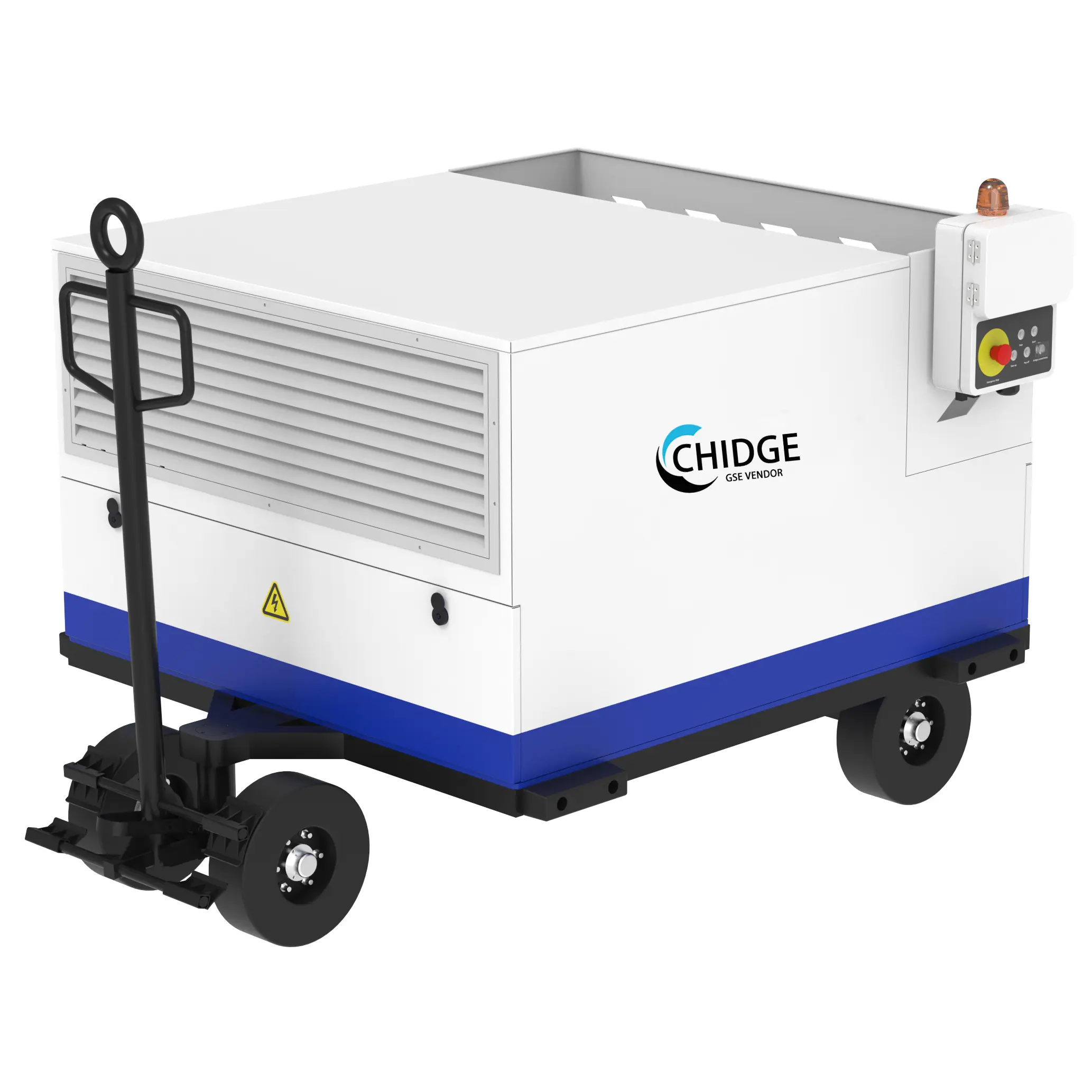
How next-generation battery bank storage systems on towable trailers are replacing noisy, fuel-guzzling diesel generator sets for parked aircraft power requirements.
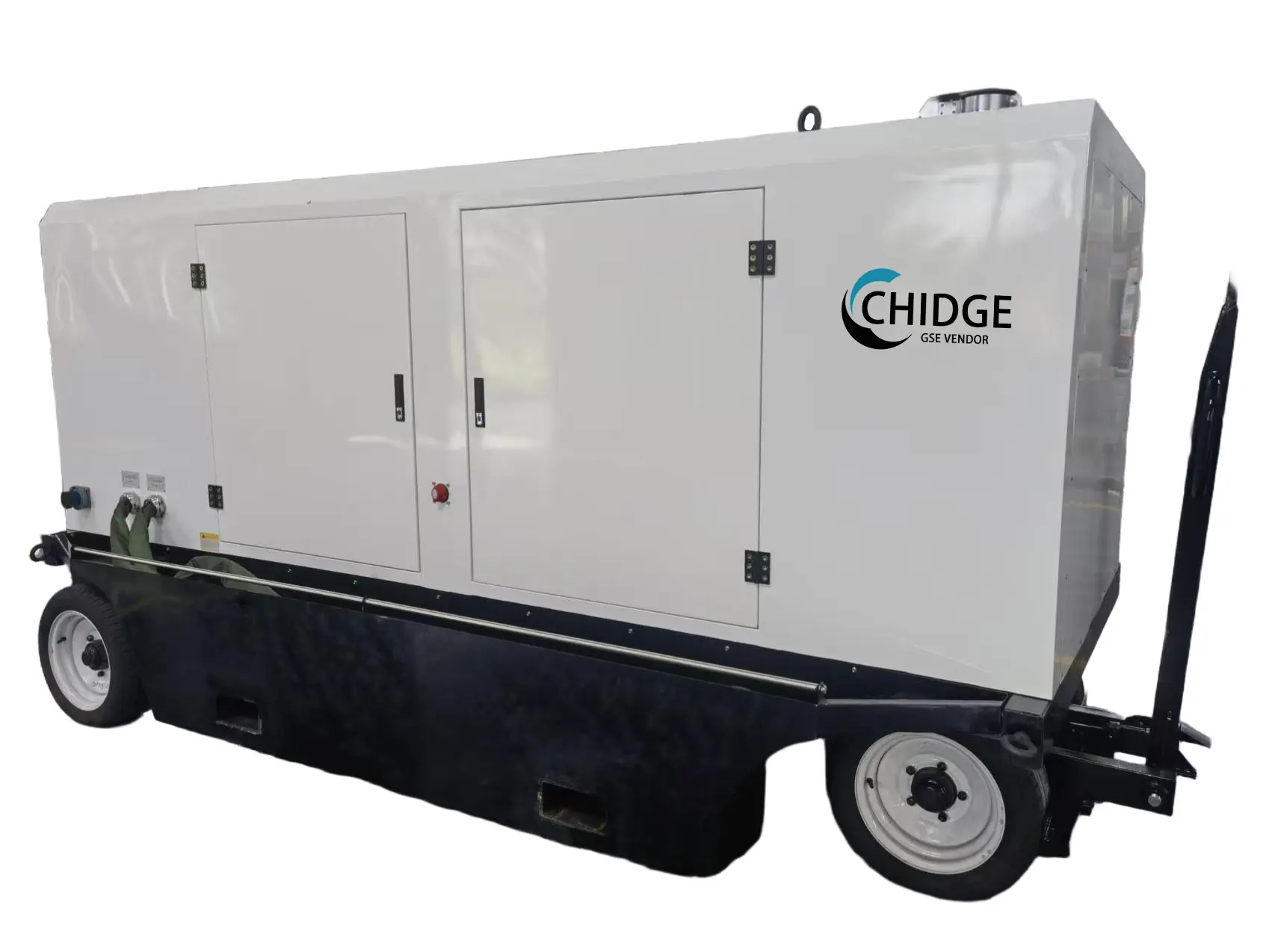
In the complex ecosystem of aviation operations, ensuring an aircraft is flight-ready involves a multitude of support systems. Among the most critical components in this pre-flight preparation is the Aircraft Ground Power Unit (GPU). These units supply the essential electrical power required for aircraft while parked on the ground, facilitating system checks, pre-flight preparations, and passenger boarding without the need to run the aircraft's main engines. While GPUs come in various forms, truck-mounted solutions have emerged as a particularly versatile and efficient choice for modern airports and maintenance facilities.
Our mission is to make their choices firm and correct, to create greater value for customers and to realize their own value.
Direct technical explanations regarding aircraft towing procedures, certification standards, and maintenance requirements.
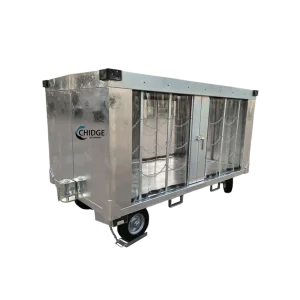
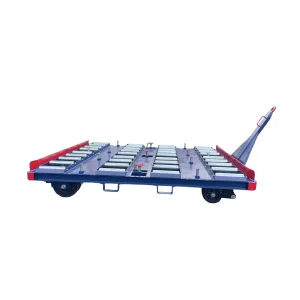
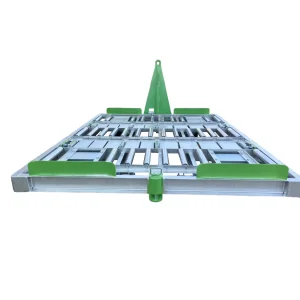
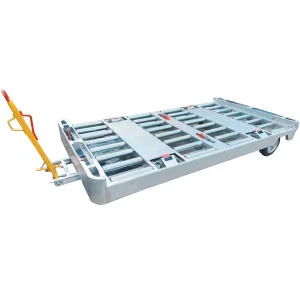
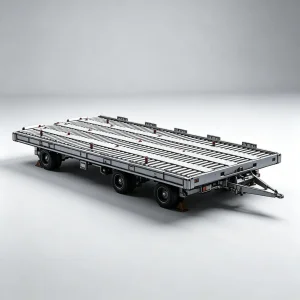
Reliable baggage trailers, heavy-duty cargo container dollies, and customized airport handling options.
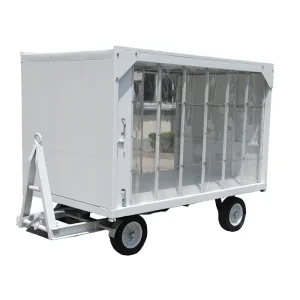
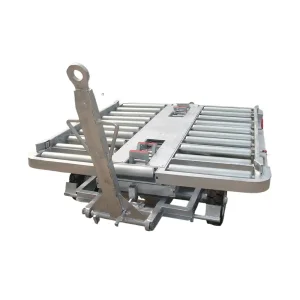
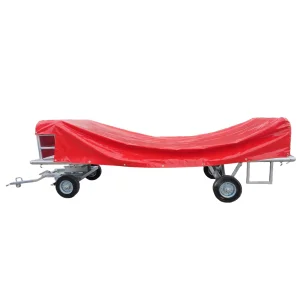
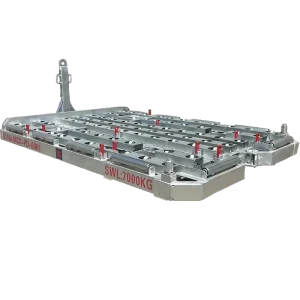
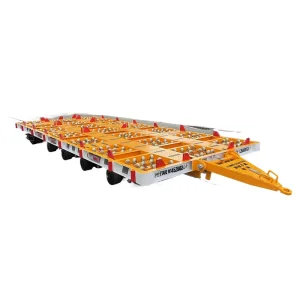
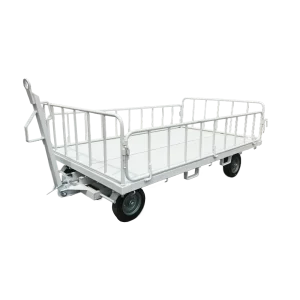
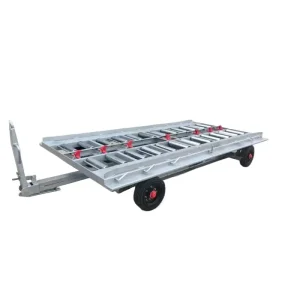
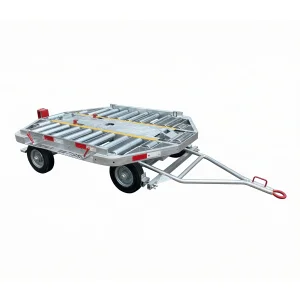
Detailed operational characteristics of cargo loaders, catering fleets, passenger access equipment, and static aircraft power systems.
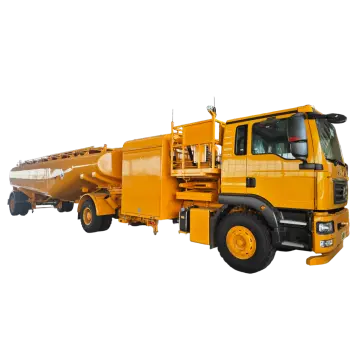
The aircraft tank refueling truck consists of a chassis and oil tanks, a pumping system, a control system, and an operating part, with functions such as filtration, metering, refueling, pumping, self circulation, and pressure control.
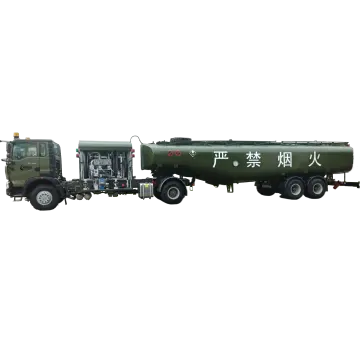
The aircraft tank refueling truck consists of a chassis and oil tanks, a pumping system, a control system, and an operating part, with functions such as filtration, metering, refueling, pumping, self circulation, and pressure control.
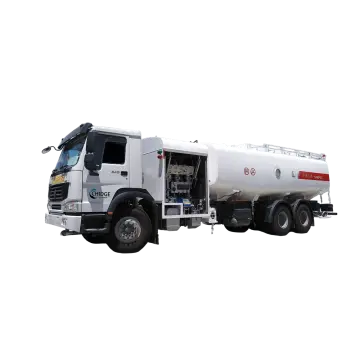
The aircraft tank refueling truck consists of a chassis and oil tanks, a pumping system, a control system, and an operating part, with functions such as filtration, metering, refueling, pumping, self circulation, and pressure control.
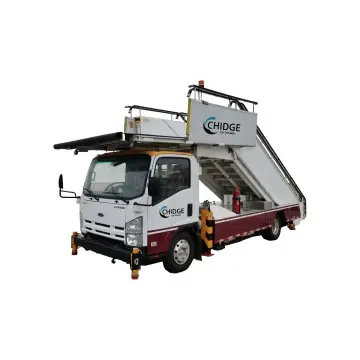
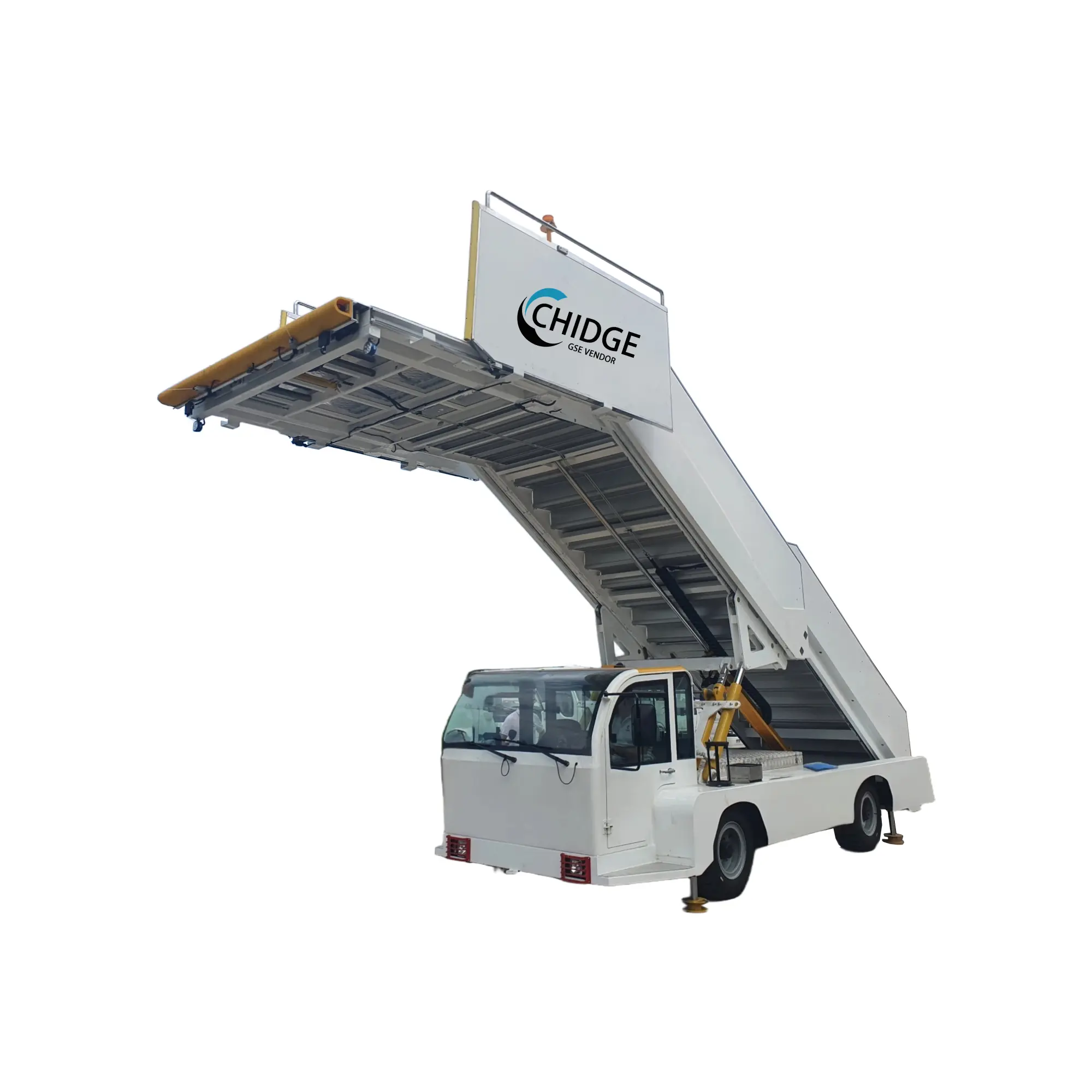
Self-propelled design equipped with dual side rails, mechanical safety locking steps, stable hydraulic outriggers, and electronic alignment interfaces for smooth door mating.
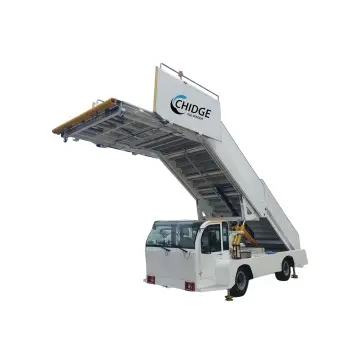
Heavy-duty diesel passenger stairs engineered with variable step geometries and an integrated telescopic canopy system to support operations in extreme weather.
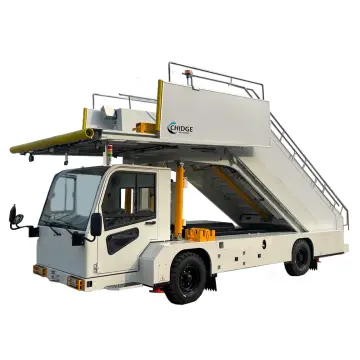
Optimized for narrow and medium body commercial jetlines, this unit boasts high fuel efficiency, easy serviceability, and intuitive operator steering controls.
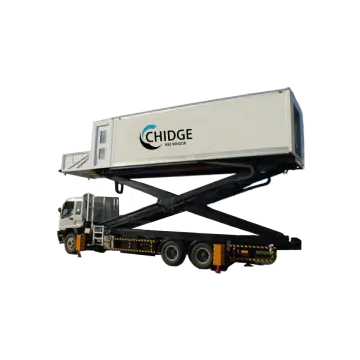
Engineered with an insulated cabin body, smooth hydraulic scissor-lift mechanisms, and comprehensive safety sensors to manage fuselage docking profiles.
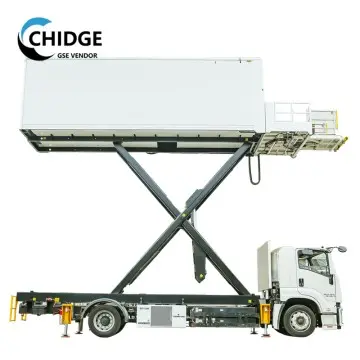
A zero-emission servicing truck designed for catering distribution. Quiet operations improve ramp safety and work environment parameters.
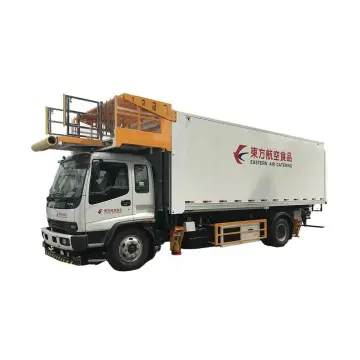
Robust diesel-powered chassis with vertical hydraulic cargo heights up to 6.2 meters, supporting aircraft from B737 up to A380 upper decks.
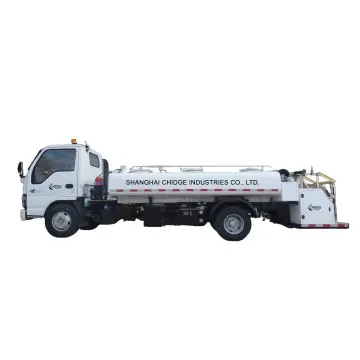
Corrosion-resistant stainless steel waste and rinse tanks. Features heavy-duty vacuum systems and fluid pump controls for sanitary waste removal.
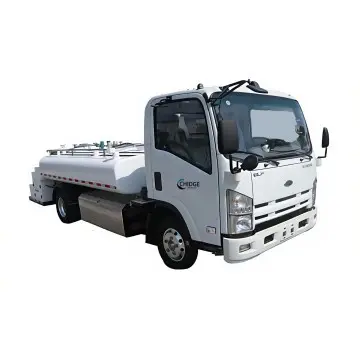
Zero-emission, battery-operated sanitary vehicle. Equipped with high-power pumps and easy-read monitoring gauges for rapid ground servicing.
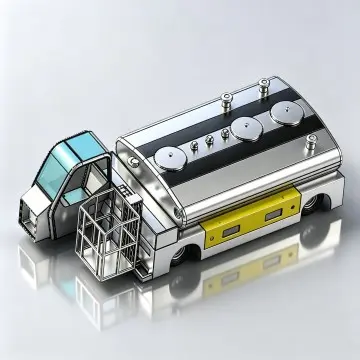
Optimized chassis layout built for tight apron spaces. Fitted with standard safety shut-offs, fluid backflow prevention, and quick-connect couplings.
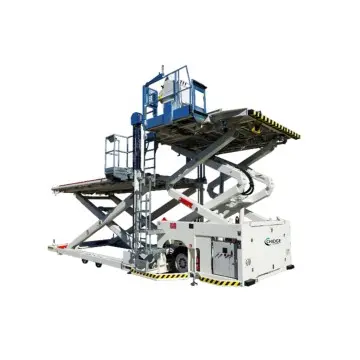
Heavy lift capability (up to 14 tons). Equipped with motorized roller beds for seamless movement of Unit Load Devices (ULDs) into cargo hold zones.
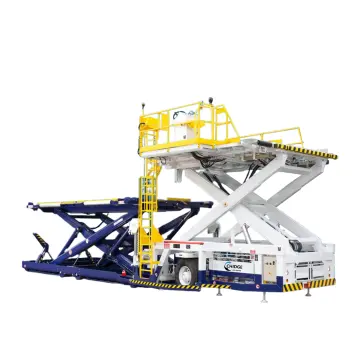
Heavy-duty airport cargo platform designed for freighter main decks. Built with structural cross-bracing to handle dynamic load shifts during operation.
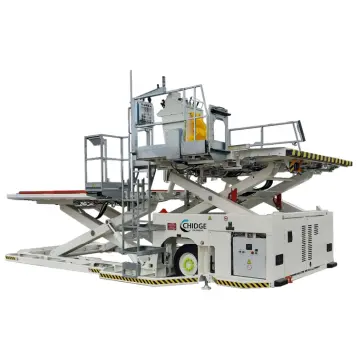
High-maneuverability loader optimized for lower deck doors. Features electronic control integration to manage loading and transport functions.
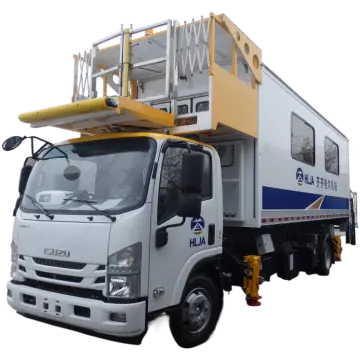
Specialized medical high-lift vehicle designed to board mobility-impaired passengers securely. Features a smooth hydraulic lifting mechanism and tailboard doors.
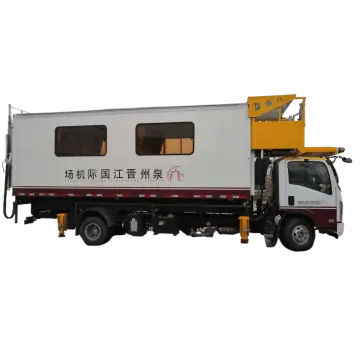
Fully equipped cabin with internal safety anchors, temperature controls, and emergency battery backup to ensure smooth patient transport.
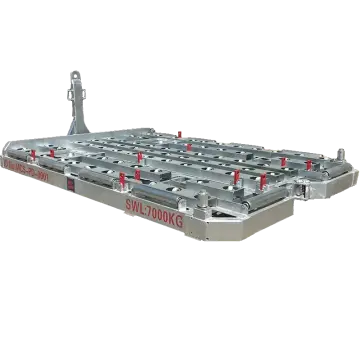
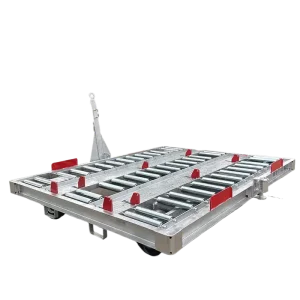
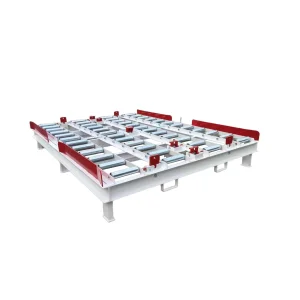
Features swivel rollers, heavy-duty guide flanges, and standard auto-brakes. Built to withstand high-volume container movements across ramps.
 Chidge Dolly