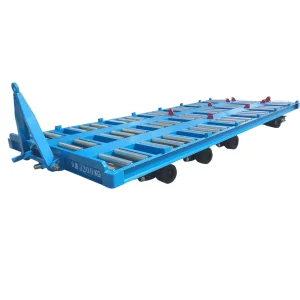
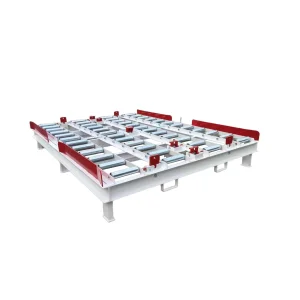
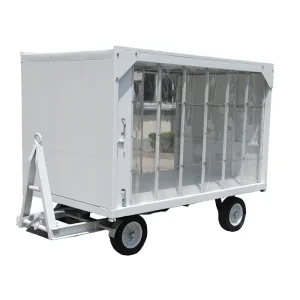
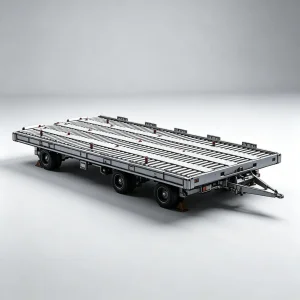
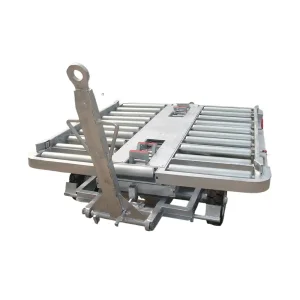
Direct from our state-of-the-art manufacturing facilities. Explore heavy-duty dollies and luggage carts optimized for terminal efficiency.
Optimizing tarmac operations, aircraft turnaround times, and fleet carbon footprints at scale.
Modern airports face unprecedented operational challenges: high flight frequencies, tight gate turnaround times (TAT), strict environmental regulations, and demanding safety standards. As airlines and ground service providers (GHP) push to streamline logistics, GSE airplane towing tractors serve as the backbone of airside operations. The efficiency of a pushback or towing sequence directly determines whether a flight departs on time. Our manufacturing factories deliver highly engineered GSE towing solutions that target these pain points.
By integrating advanced drivetrain mechanics, electronic monitoring, and ergonomic structures, our airplane towing tractors ensure seamless transition from gate to runway. These heavy-duty vehicles mitigate the risk of aircraft structural damage during towing, utilizing advanced towbar and towbarless mechanisms that precisely handle the extreme weight profiles of modern single-aisle and wide-body aircraft (ranging from regional jets to wide-body giants like the Boeing 777 or Airbus A350).
Decarbonization is another macro trend reshaping aviation. Governments and airport authorities globally are mandating the transition from diesel-powered GSE to electric alternatives (eGSE). Our factories are at the forefront of this shift, offering high-capacity lithium-powered towing tractors that deliver zero emissions, lower noise levels on the ramp, and drastically reduced lifecycle maintenance costs.
A multi-regional analysis of market demand, supply chain excellence, and electrification mandates.
In North America and Europe, the regulatory push via initiatives like the EU's Green Deal and the FAA's Voluntary Airport Low Emissions (VALE) program has accelerated the replacement of diesel airport towing equipment. Meanwhile, in the Asia-Pacific region, rapid infrastructure developments and the construction of mega-airports demand high-reliability, heavy-capacity tow tractors and cargo loaders to maintain strict logistical throughput.
For fleet procurement managers, Total Cost of Ownership (TCO) is the ultimate metric. While electric towing tractors command a premium initial investment, their operational costs are up to 70% lower than traditional diesel units. The absence of internal combustion engines, coupled with regenerative braking systems, reduces the frequency of component wear and tear. Furthermore, advanced diagnostic integration enables predictive maintenance programs, eliminating costly unscheduled ground delays.
Our manufacturing networks are positioned strategically to manage global supply chain risks. We ensure raw material traceability and leverage automated robotic welding, specialized component heat-treatment, and integrated testing facilities. This industrial setup allows our factories to serve global airlines, military entities, and ground service firms with reliable lead times and comprehensive quality assurances.
Browse our complete catalog of specialized ground support equipment, categorized by operational function on the ramp.
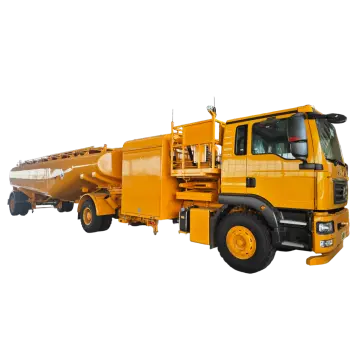
Consists of a heavy-duty chassis, optimized fuel tanks, high-flow pumping, filtration, precise metering, self-circulation, and pressure control mechanisms.
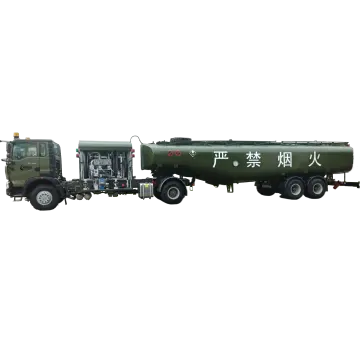
Designed for large fleet operators, delivering high-volume fuel dispatch with built-in safety interlocks and dual metering options.
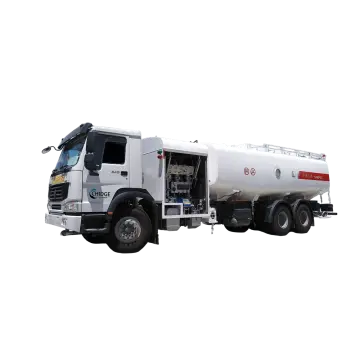
Reliable airfield refueler engineered to satisfy strict environmental and safety standards, featuring robust filtration systems.
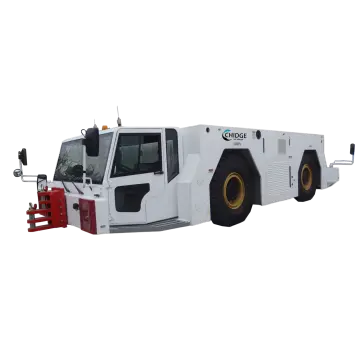
Flagship heavy-duty pushback tractor capable of handling twin-aisle aircraft under extreme environmental conditions.
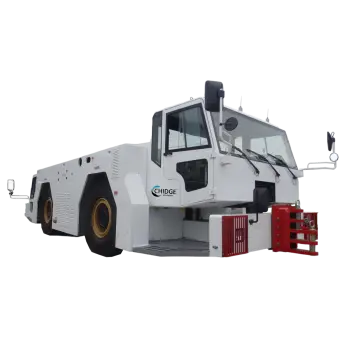
Designed for narrow-body and medium-sized regional aircraft. High maneuverability with multi-mode steering system.
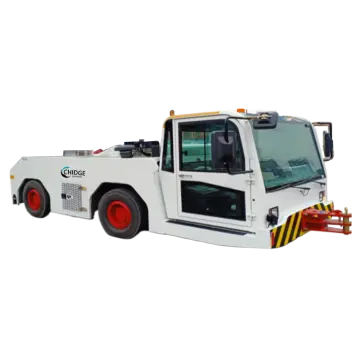
Compact, agile pushback tractor optimized for regional airports, corporate jets, and hangar maneuvers.
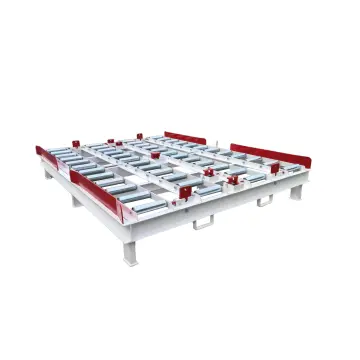
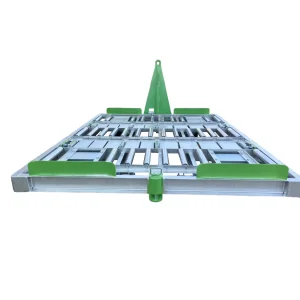
Heavy-duty, low-profile pallet handler configured for container terminal logistics and air freight warehouses.
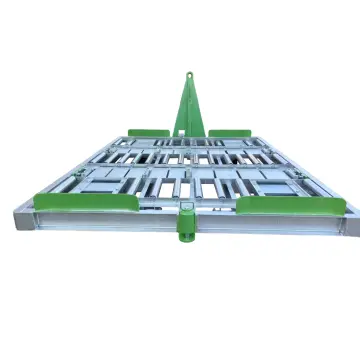
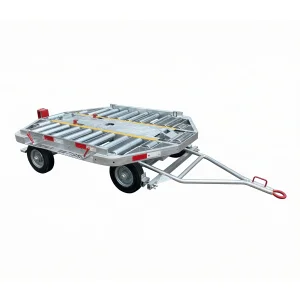
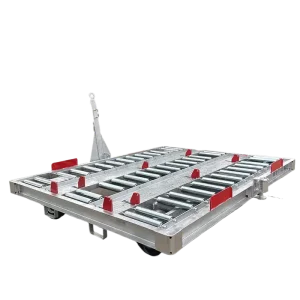
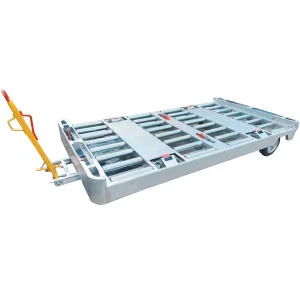
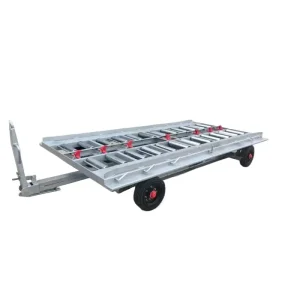
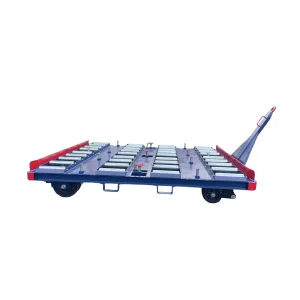
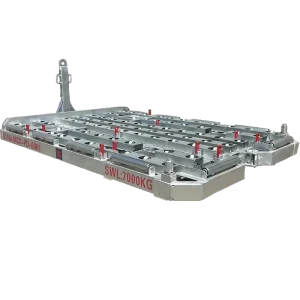
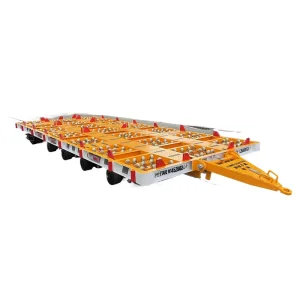
Standard air cargo dolly offering 360-degree roller surfaces for easy loading of high-capacity air pallets.
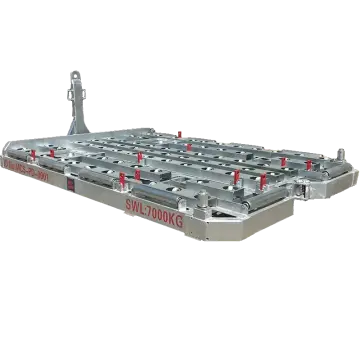
A specialized cargo transporter with castle-top stoppers for security, providing reliable load retention.
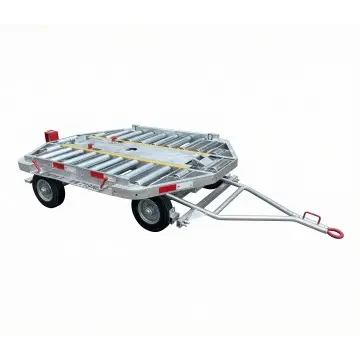
Tailored specifically for standard LD3 aviation containers, featuring secure dual locks and robust towbars.
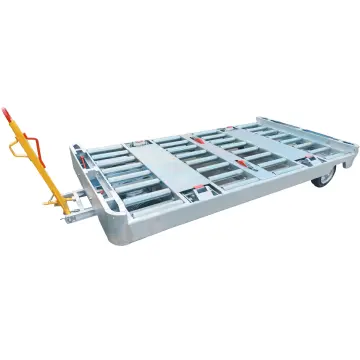
Built for structural endurance under dynamic loading, delivering high-speed tracking on airport ramps.
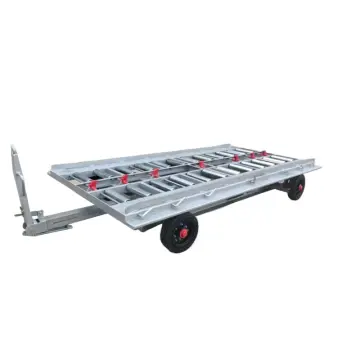
Wide-body container handler optimizing cargo sorting and terminal transport efficiency.
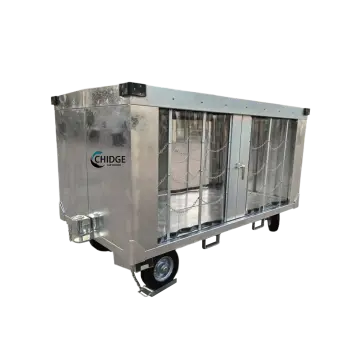
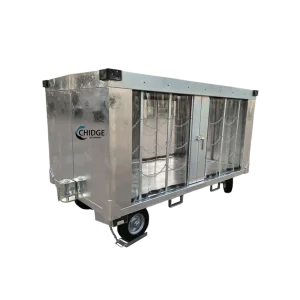
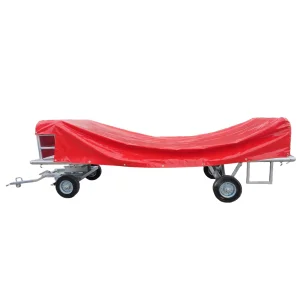
All-weather steel luggage cart designed with secure vinyl covers to keep passenger baggage dry and clean.
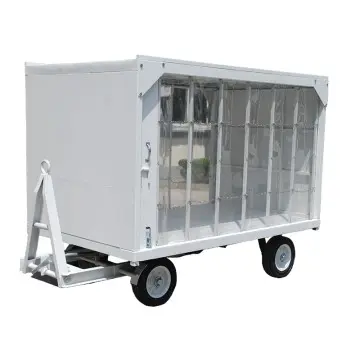
Rigid, fully enclosed frame that protects baggage from runway debris and high-speed transit vibrations.
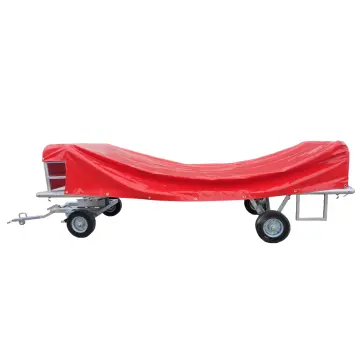
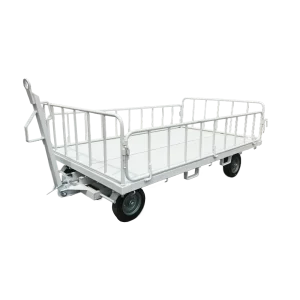
Reliable airport luggage trolley utilizing precision brakes and highly durable wheels for long service life.
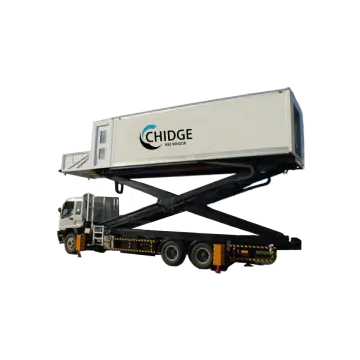
Designed for rapid, high-reach passenger catering operations, with integrated safety scissor systems.
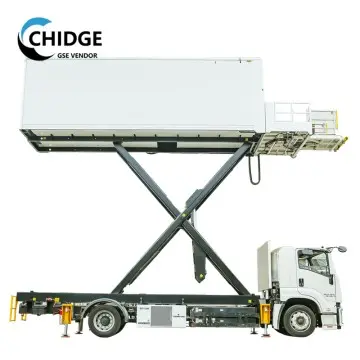
Eco-friendly, zero-emission catering lift optimized for next-generation green airport infrastructure.
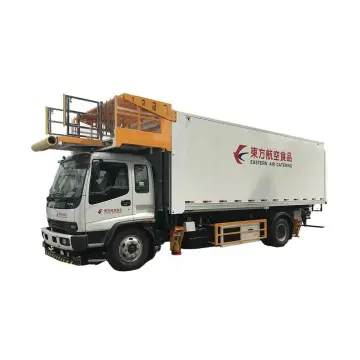
Standard logistics truck with scissor-lift box body, compliant with international security guidelines.
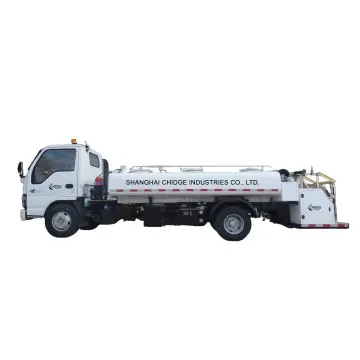
Hygiene-engineered waste extraction and water replenishment truck with corrosion-resistant tanks.
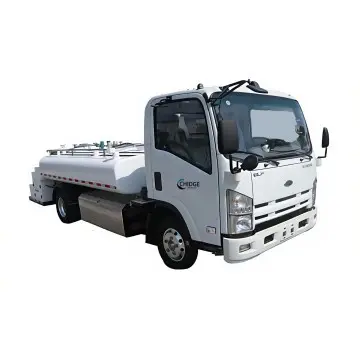
Fully electric, low-noise cabin service vehicle engineered for intensive municipal airport operations.
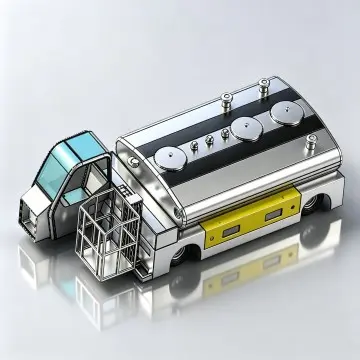
Next-gen electric servicing truck featuring advanced diagnostic indicators and quick-flush connectors.
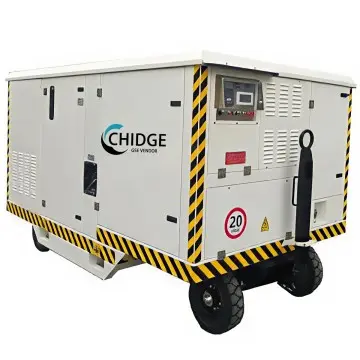
Delivers high-efficiency cabin pre-heating during extreme winter conditions, keeping systems operating.
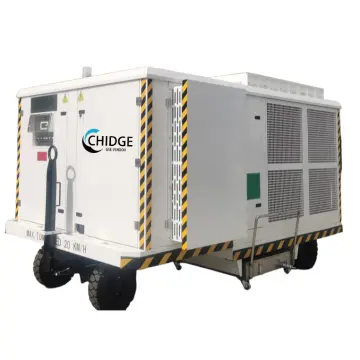
Pre-Conditioned Air unit delivering reliable, high-volume cooled air to aircraft cabins parked on the gate.
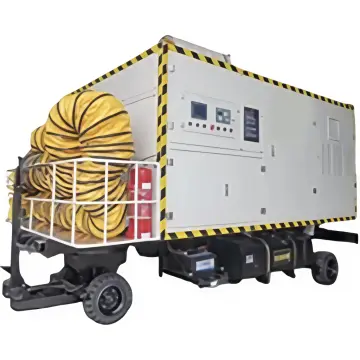
Compact, portable heating solution designed for regional hangars and runway maintenance crews.
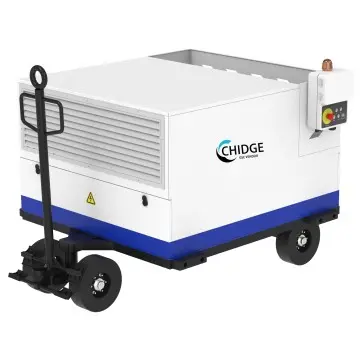
Next-generation green GPU utilizing lithium battery storage to replace noisy diesel generator units.
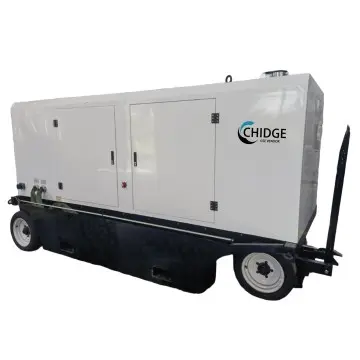
Delivers 400Hz frequency regulated AC electrical power directly to parked commercial aircraft.
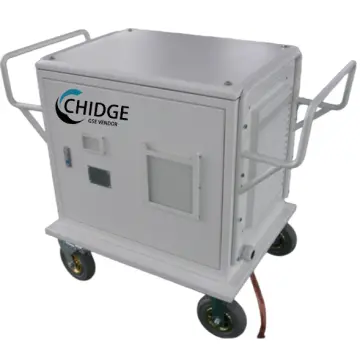
High-efficiency solid-state converter providing clean, regulated electrical currents at the gate.
Whether your operations require custom-designed airport tugs, tailored container dollies, or heavy-duty refueling trucks, our factories provide an end-to-end service suite. We align product development, chassis structural design, hydraulic engineering, FEA stress analysis, and factory acceptance testing (FAT) to help customers achieve rapid market deployment, reduce lifecycle costs, and elevate product safety.
By choosing our manufacturing plants, you gain access to raw material traceability, advanced metal fabrication, automated welding lines, and rigorous test tracks mimicking high-stress airport ramp conditions.
Ensuring global operations stay aligned with regional aviation standards and structural directives.
Ground handling safety is governed by strict global guidelines. Operating airport towing equipment requires absolute compliance with regional standards. Our factories construct all GSE in accordance with the IATA Airport Handling Manual (AHM), including chapters AHM 910 (Basic Requirements for GSE), AHM 913 (Safety Requirements for GSE), and AHM 915 (Standard Functional Specifications). Every towing tractor is equipped with safety mechanisms: emergency stop buttons, neutral-safety start switches, towbar locking sensors, and automatic parking brake applications.
For European distribution, our products carry full CE certification and comply with BS EN 12312 standards. For the North American market, our equipment aligns with OSHA safety guidelines and SAE Aerospace Recommended Practices (ARP). Our localization support includes sending factory-trained technicians to assist in commissioning, supplying localized parts warehouses, and conducting on-site ramp training programs for operator teams.
Four structural pillars that define our manufacturing values, engineering excellence, and reliability.

Our company leads in product design and research, leveraging advanced science, engineering, and innovation capabilities throughout our manufacturing lines.
View More
High-quality components ensure our products satisfy the operational needs of global users, outperforming competitors and securing market trust.
View More
Our robust supply chain, strict inventory control, streamlined logistics, and risk-management protocols guarantee on-time shipping globally.
View More
Our prompt after-sales engineering support resolves operational field issues, building long-term customer trust and maximizing equipment life.
View MorePredicting the shift toward autonomous taxiing, IoT connectivity, and solid-state energy storage.
The next decade of airside ground operations belongs to autonomy and intelligence. As airports shift toward smart terminal layouts, the role of the GSE airplane towing tractor is evolving. Our research and development divisions are actively testing autonomous towbarless tractors (TLT) that communicate with airport tower control networks. By using LiDAR, ultrasonic sensors, and RTK GPS positioning, autonomous tractors can execute scheduled aircraft pushbacks and equipment routing safely, avoiding human error and reducing ramp incident rates.
Furthermore, IoT telematics platforms are becoming standard on all high-tier GSE models. Fleet managers can monitor battery temperature, engine status, load limits, brake wear, and energy consumption in real-time from central dashboards. By implementing CAN-bus protocols and advanced remote telemetry, our equipment reduces maintenance costs, allowing teams to swap components before failure happens.
Addressing the technical, operational, and procurement queries of global airport operations directors.
Insights and tech analysis from our factory engineering departments and product experts.
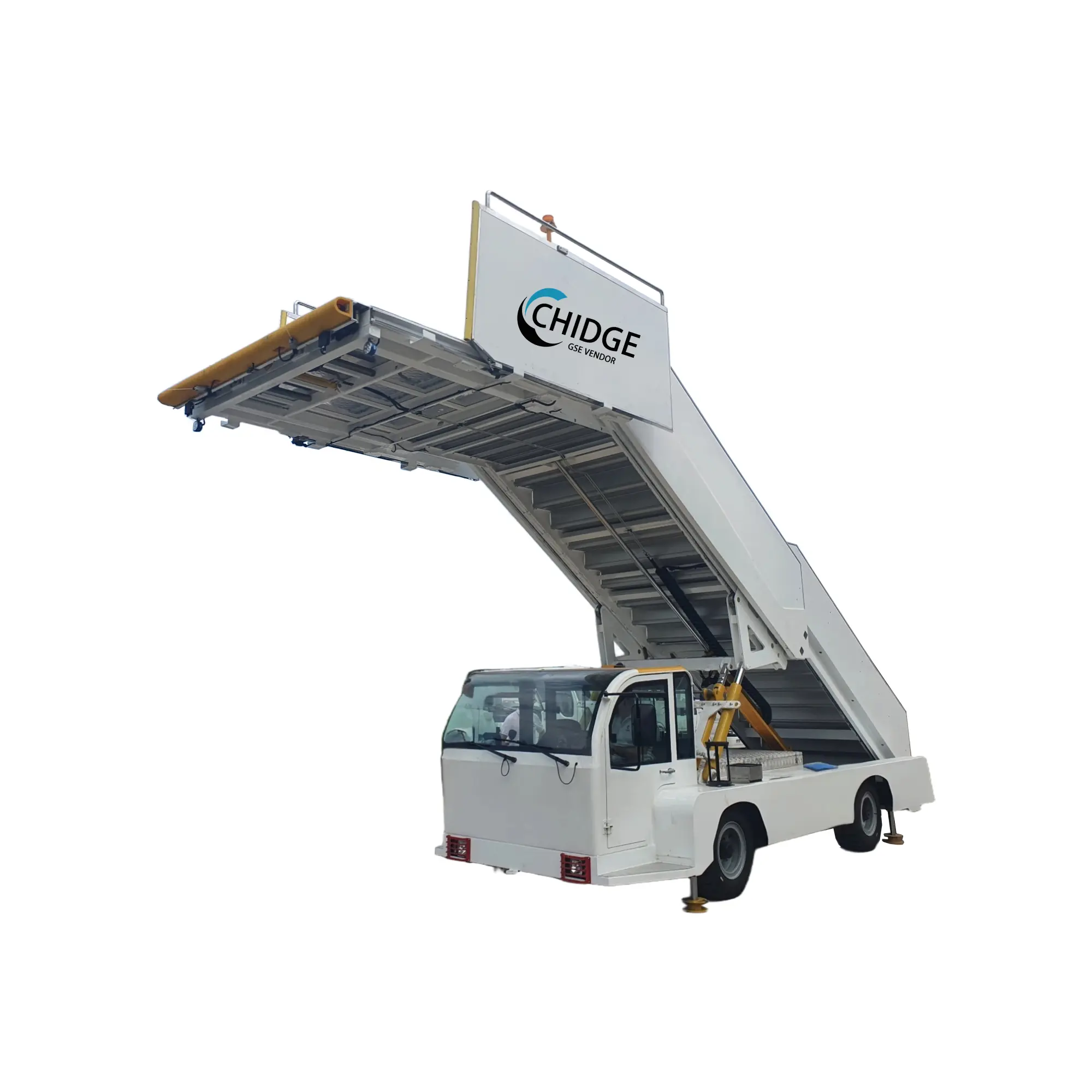
An analysis of boarding safety, structural components, and how modern passenger steps are designed for safety and ease of use.
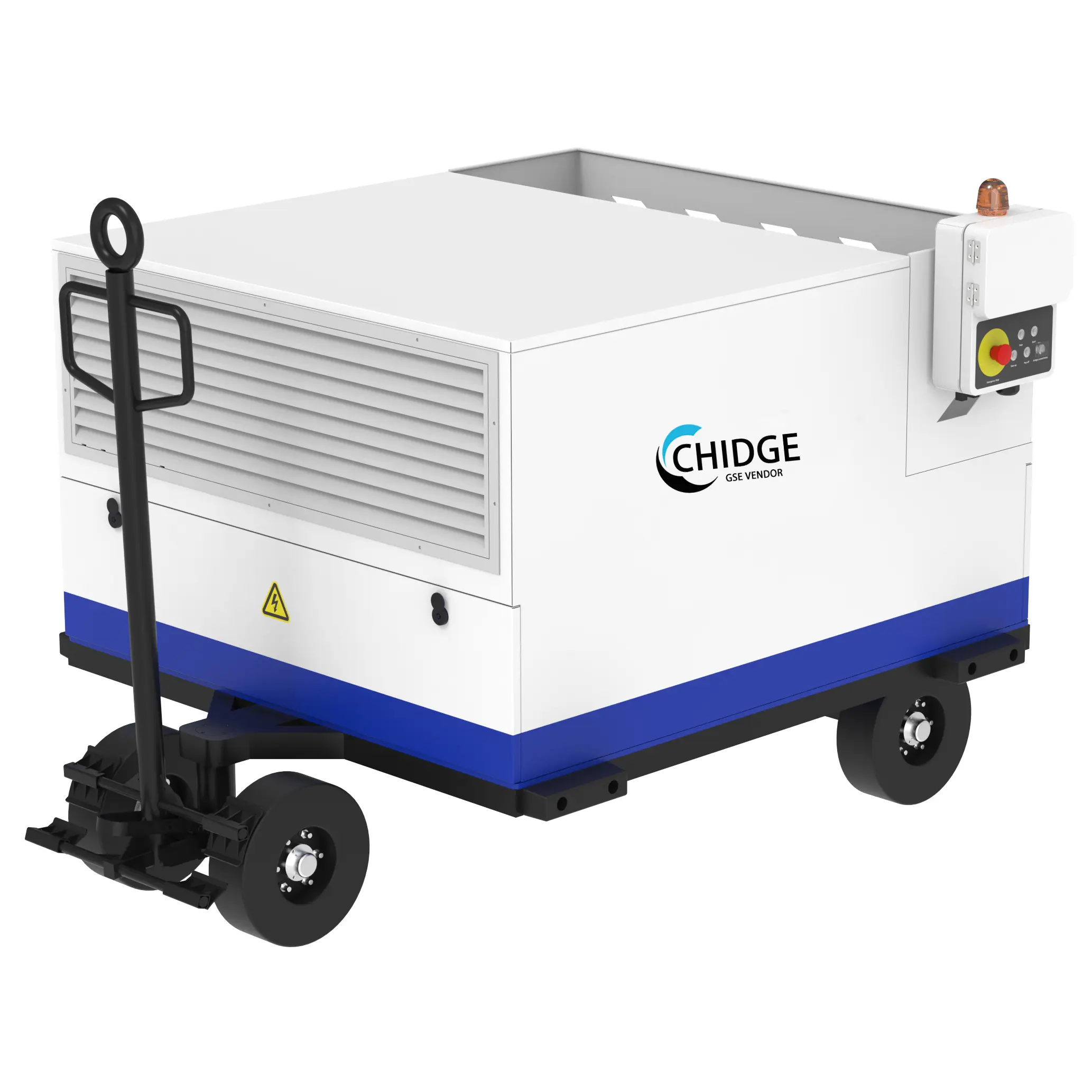
Discover how battery storage units are replacing diesel generators, cutting airport noise and direct emissions on the apron.
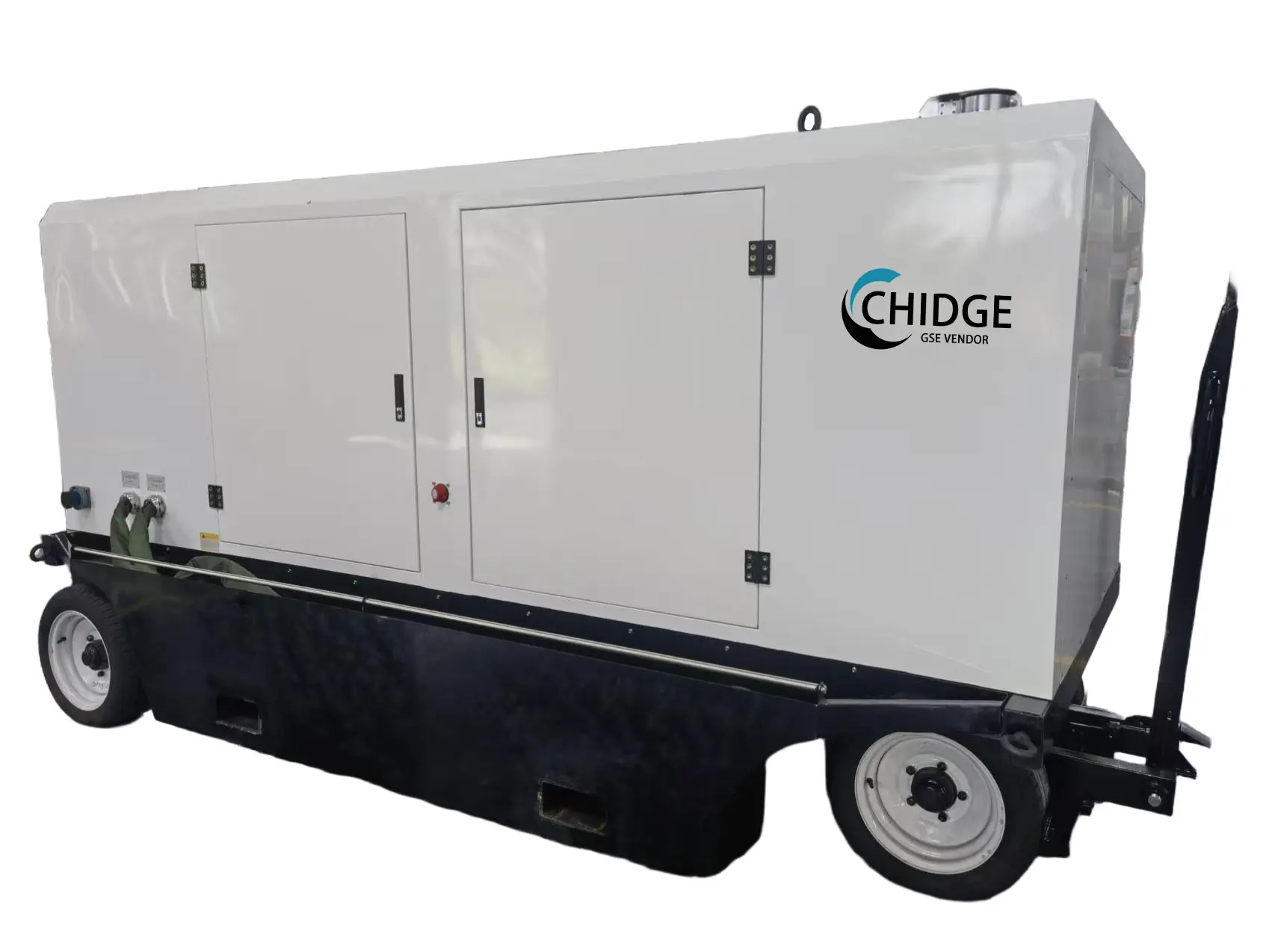
A detailed overview of modern GPU systems, truck-mounted installations, and how 400Hz frequency converters power cabin electronics during maintenance.
Our mission is to deliver reliable equipment, helping partners create greater value and run safe tarmac logistics.
Explore heavy-duty dollies and luggage carts optimized for terminal efficiency.
 Chidge Dolly