Discover our premium range of towable dollies, cargo loaders, and support systems manufactured to the highest international aviation standards.
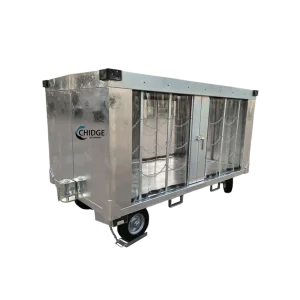
Engineered for extreme weather resilience, protecting passenger baggage from water damage during loading cycles.
Learn More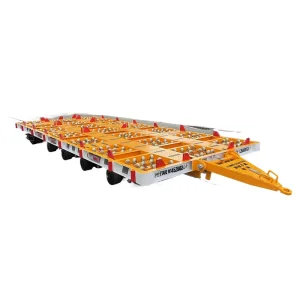
Heavy-duty transport solution for structural container and pallet logistics, featuring robust multi-directional rollers.
Learn More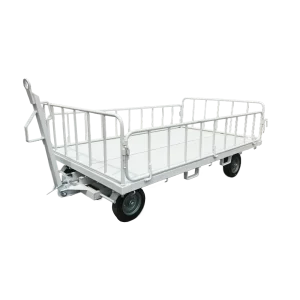
Highly maneuverable ramp baggage carts optimized for airport ground operations with safety braking systems.
Learn More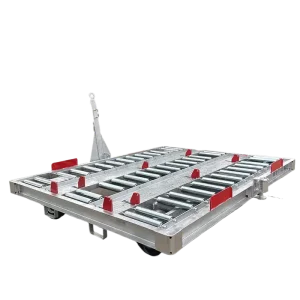
High-strength steel structural design for handling standardized air cargo pallets under rigorous airport schedules.
Learn More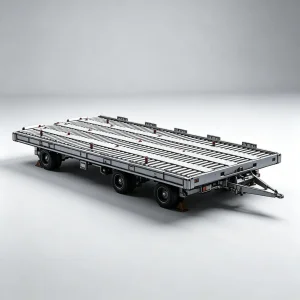
Super heavy-load capacity pallet dolly designed for wide-body cargo operations and industrial logistics parks.
Learn More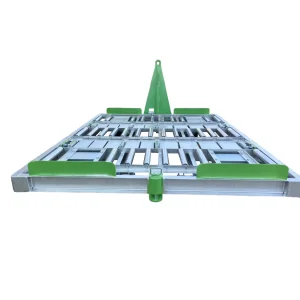
Industrial grade transport dollies with custom configuration and quick-release coupling mechanisms.
Learn More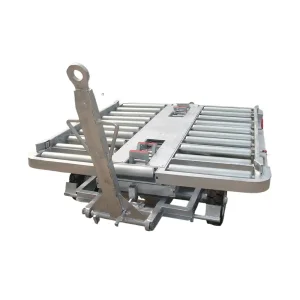
Designed specifically for LD3 container configurations, featuring 360-degree rotation and secure lock pins.
Learn More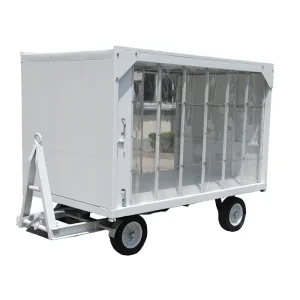
Fully enclosed structural design preventing baggage loss and shielding goods from environmental impacts.
Learn MoreIn the highly regulated ecosystem of modern aviation, airports and ground handling services face the dual pressure of increasing operational efficiency and strictly adhering to decarbonization mandates. The global consensus to achieve net-zero carbon emissions in aviation by 2050 has catalyzed a transition away from diesel-powered Auxiliary Power Units (APUs) and traditional internal combustion engine (ICE) ground support equipment. At the center of this movement is the Electric Ground Power Unit (e-GPU). As a leading wholesale electric ground power unit manufacturer, we engineer systems that deliver clean, stable 400Hz and 28V DC power directly to parked aircraft, drastically reducing noise pollution, maintenance overheads, and greenhouse gas emissions.
This whitepaper examines the technical framework, global supply chain dynamics, and commercial advantages of integrating advanced e-GPUs into modern apron designs. By replacing standard thermal engines with state-of-the-art battery energy storage systems (BESS) or static solid-state converters, airport operations can reduce ground fuel expenses by up to 85% and significantly lower localized air contamination.
As air traffic volumes rebound globally, several disruptive trends are dictating the engineering parameters of future electric ground power units:
Fuel Cost Reduction
Converter Efficiency
Noise Output Cut
Local Carbon Footprint
B2B procurement teams from major airline networks, local airport authorities, and military logistics hubs enforce extremely rigorous criteria during the supplier qualification process. Key technical specifications include:
Ground power units must deliver ultra-pure sinusoidal waves with a total harmonic distortion (THD) of less than 2%. Strict galvanic isolation ensures that transient currents or grid spikes cannot propagate to the aircraft's multi-million dollar avionics computer array.
Aviation ground units are exposed to harsh environments, from sub-zero tarmac conditions in Northern Europe (-40°C) to intense desert heat (+55°C) in the Middle East. Wholesale e-GPU systems must carry at least an IP55 ingress protection rating and include dynamic liquid-cooling loops for thermal management.
All safety interlock logic, aircraft interface plugs, and towing setups must strictly conform to regulatory frameworks including IATA AHM 910, 913, and 972, as well as ISO 6858 (Aircraft ground support electrical supplies) and SAE ARP 5015.
Explore our specialized sub-categories of airport ground equipment, ranging from heavy refueling vehicles to zero-emission cabin conditioners.
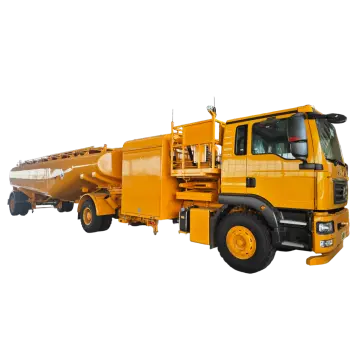
Composed of an optimized chassis, high-capacity fuel tanks, automated pumping system, and advanced pressure controller. Facilitates filtration, metering, self-circulation, and rapid safe aircraft refueling operations.
Technical Data Sheet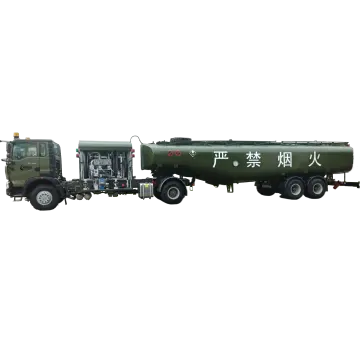
Heavy-duty line-haul refueling truck with high-flow pumping setups and electronic metering system. Features integrated ground control interface for airport hydrant hookups.
Technical Data Sheet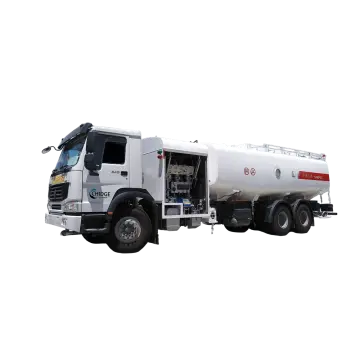
Mid-range tank refueling truck designed for regional runways. Fully complies with international environmental filtration standards and features electronic flow records.
Technical Data Sheet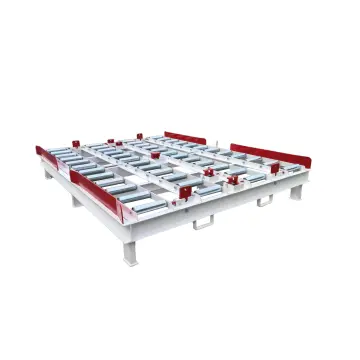
Optimized low-profile steel handling deck with omnidirectional heavy-duty rollers, designed to extend the versatility of container transport vehicles on the apron.
View Details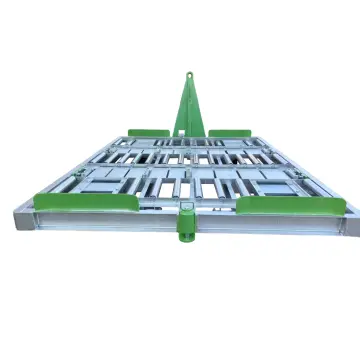
Solid chassis engineered with structural reinforcement blocks for continuous heavy cargo loading and unloading at international logistics terminals.
View Details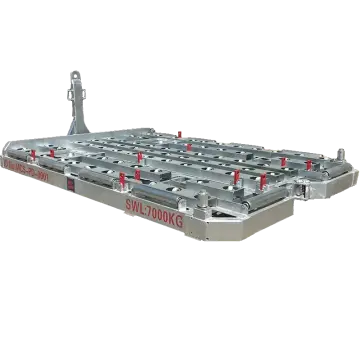
Incorporates custom heavy-duty castle roll configurations to allow easy manual maneuvering of ULDs and heavy airfreight pallets in confined terminal spaces.
View Details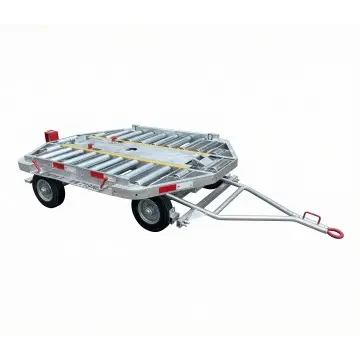
Featuring light alloy construction for easy towing, a central locking pin design, and rust-resistant electroplated components for long lifespan.
View Details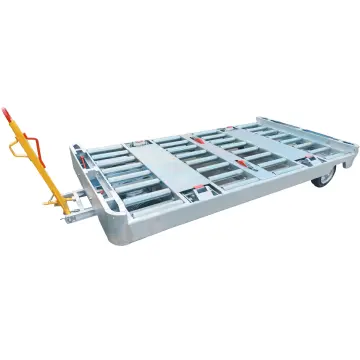
Equipped with dual-line mechanical braking and rigid steel channels to transport maximum container loads safely in all weather conditions.
View Details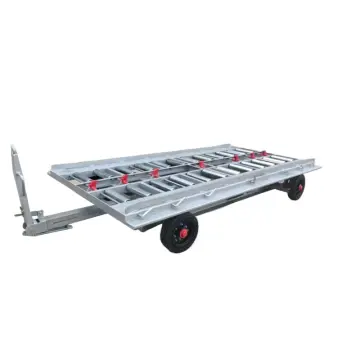
Tailored configuration matching large-profile LD6 ULD sizes, allowing smooth transfers to wide-body cargo deck loaders.
View Details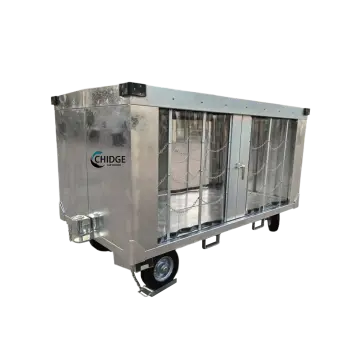
Fully covered design with industrial canvas curtains, offering high-durability shielding for passenger baggage from precipitation.
View Details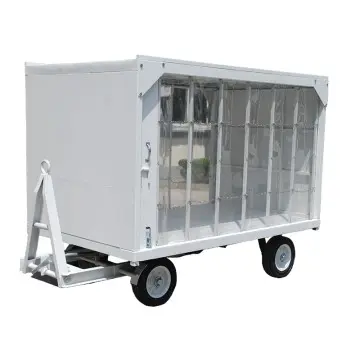
Rigid exterior panels with secure latch doors, safeguarding load contents from environmental conditions and cargo shifts during airport transfers.
View Details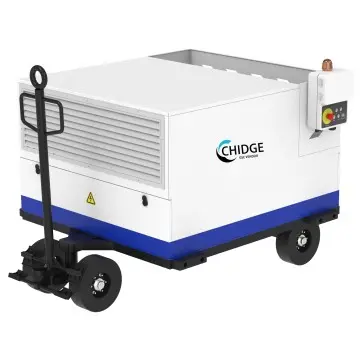
Next-gen emission-free e-GPU powered by high-safety LFP battery cells. Delivers continuous, noiseless 400Hz power to regional and narrow-body aircraft.
View Details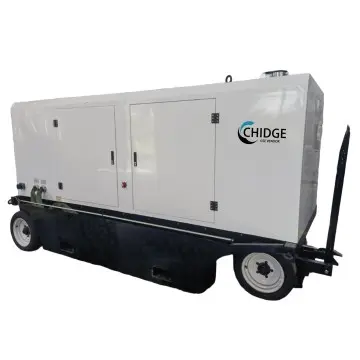
Designed for mid-range passenger commercial aircraft, offering reliable frequency conversion, low THD, and robust safety overload protections.
View Details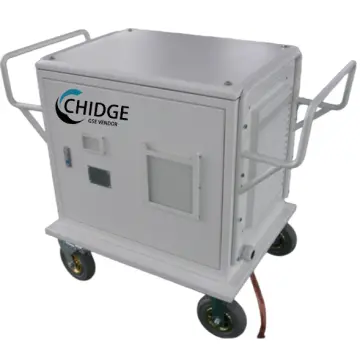
Stationary solid-state converter system installed directly beneath passenger boarding bridges (PBB), converting regional utility grid frequency to aircraft 400Hz.
View DetailsManufacturing aviation-grade electrical systems requires a mature industrial infrastructure. Our manufacturing facilities utilize advanced Industry 4.0 automation architectures to deliver highly reliable products at competitive price points. By integrating automated robotic welding, computerized load bank testing, and end-to-end ERP control, we reduce production cycle times while maintaining strict precision tolerance controls.
Our vertically integrated supply chain enables localized sourcing of high-tier copper windings, magnetic components, semiconductors, and structural cold-rolled steel. This layout shields our global clients from component supply shocks and fluctuating logistics costs. We maintain testing facilities where every GPU undergoes a full-load burning test (up to 4 hours of dynamic load profiling at 400Hz) before leaving the factory. This guarantees that our wholesale electric ground power units can be integrated into operational fleets immediately upon delivery.
Electric Ground Power Units are versatile machines that require customized designs depending on their operating environments:
Whether you need custom chassis dimensions, integrated diesel-electric hybrid engines, or specialized dual-output voltage profiles, we offer tailormade engineering.
Our company integrates the latest advancements in solid-state converter design and smart battery monitoring systems, helping you build a future-ready, energy-efficient fleet.
Every component, from standard copper windings to structural aviation dollies, is built from high-strength alloys and conforms to IATA AHM and ISO 6858 specifications.
Our smart inventory management systems and robust factory output capacity guarantee timely manufacturing and secure international shipping, minimizing supply disruptions.
We provide 24/7 technical support, on-site installation training, and spare parts supply chains, maximizing operational uptime for airport ground handling operations.
Whether you require custom OEM logos, localized control software in multiple languages, or custom voltage outputs (such as 115V AC 400Hz, 28.5V DC, or 270V DC for military aircraft platforms), our design teams deliver end-to-end integration. We provide comprehensive development cycles: from CAD drafting and simulation analysis to physical prototyping, safety certification, and commercial production.






We deliver reliable, durable equipment to airlines, airport authorities, and logistics organizations worldwide.

Stay updated with the latest technological shifts, compliance standards, and product design methodologies in airport ground support.
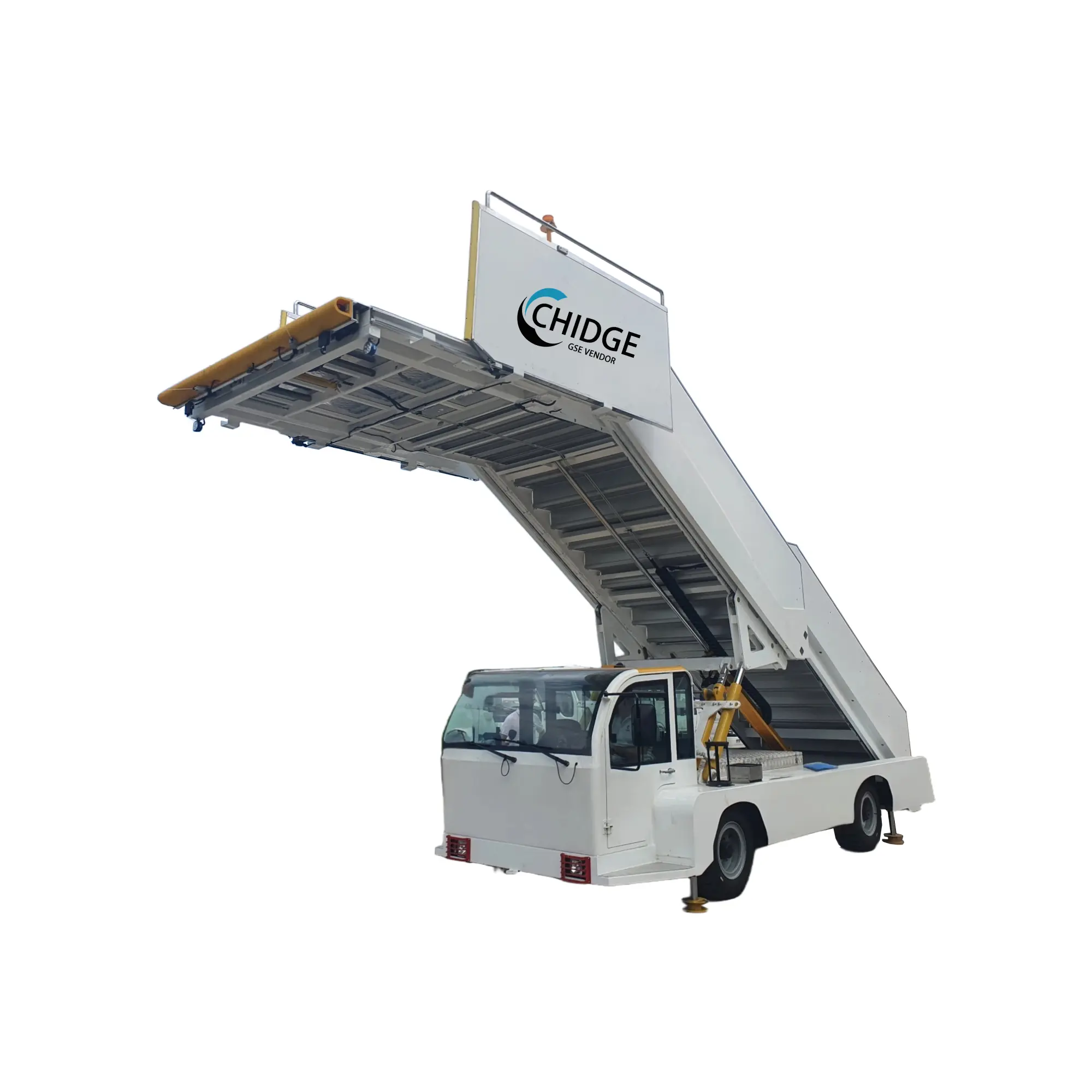
A detailed breakdown of modern passenger boarding structures, analyzing safety parameters, mechanical stabilizers, and electric drivetrains designed to optimize aircraft access boarding speed.
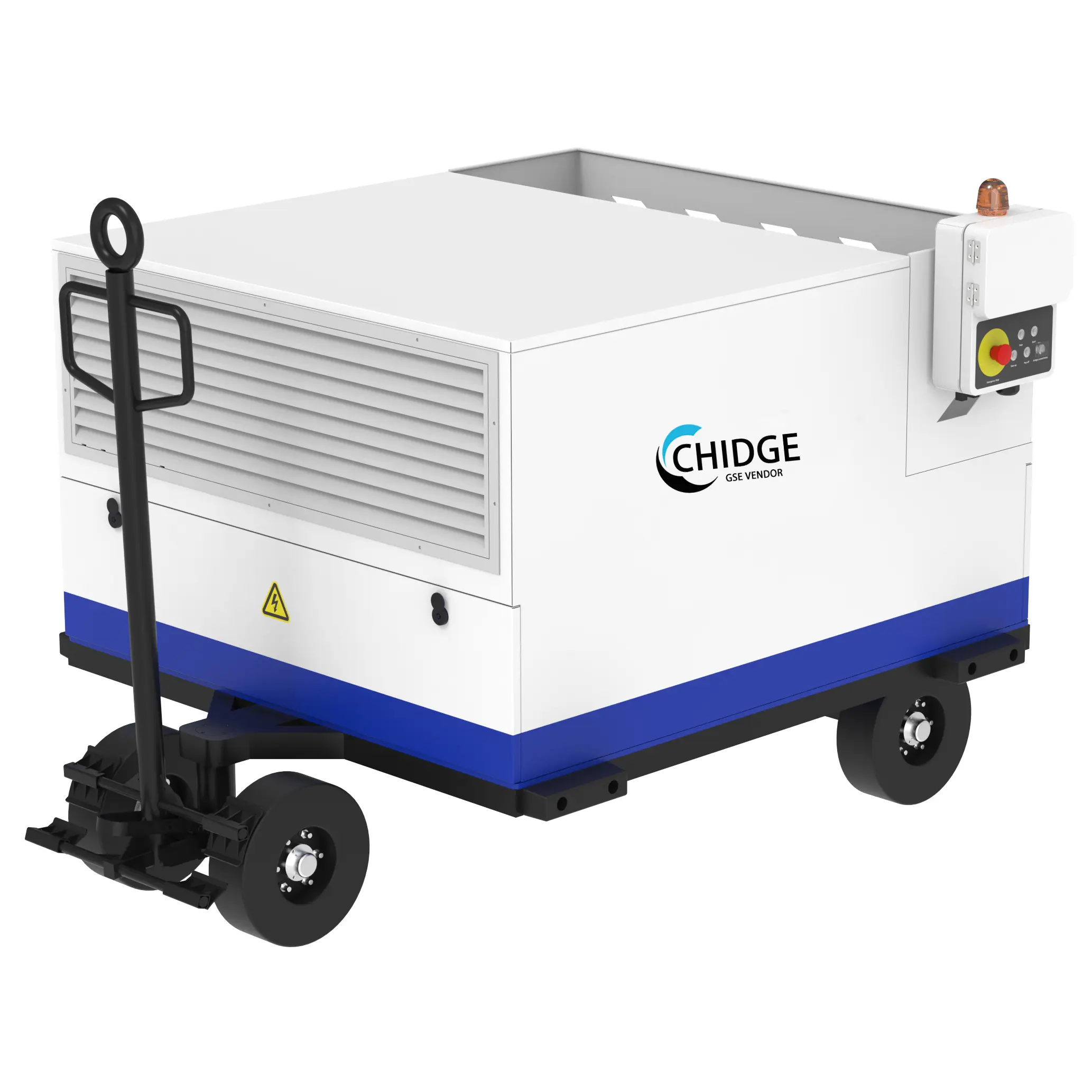
An exploration of towable energy storage systems on the apron. Discover how heavy duty battery-backed e-GPUs can completely replace standard diesel units on remote aircraft parking stands.
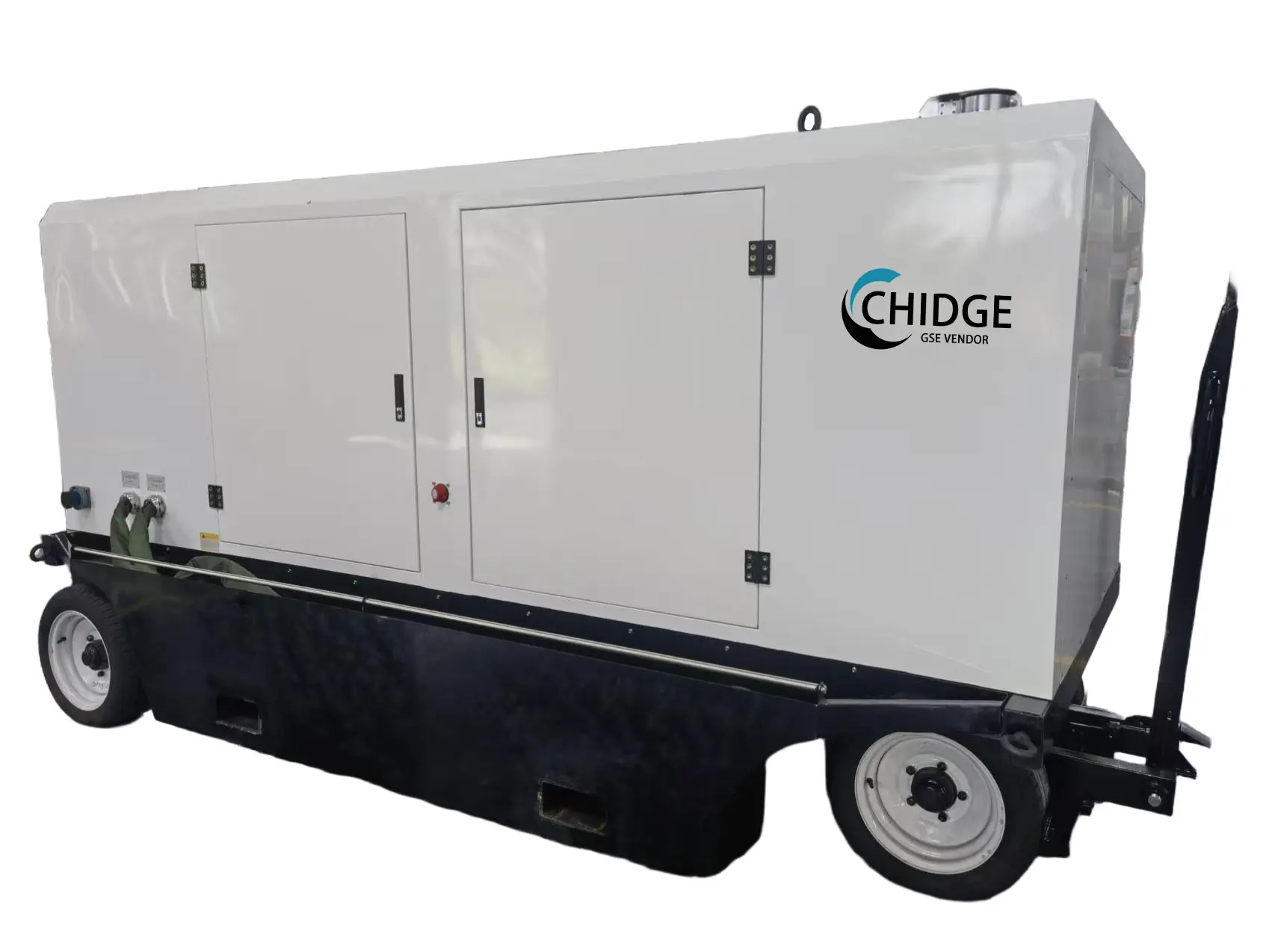
In the complex ecosystem of aviation operations, ensuring an aircraft is flight-ready involves a multitude of support systems. This article explains static solid-state units, frequency converters, and vehicle-mounted e-GPUs.
Technical answers regarding electrical performance, battery management, compliance, and custom ordering options.
High-durability container dollies, passenger boarding systems, and ground towing gear manufactured for international fleet operations.
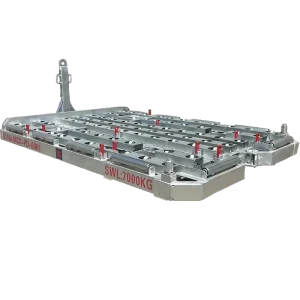
Designed with high-tensile steel frames and precision castle rollers for seamless cargo maneuverability.
Learn More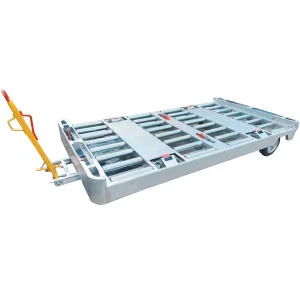
Reinforced steel structure with towbar-actuated brakes, engineered for challenging terminal cargo volumes.
Learn More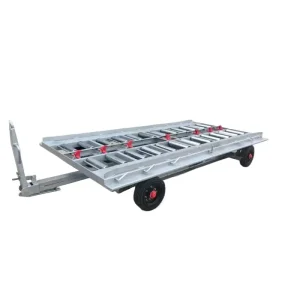
Specifically tailored for safe handling of high-capacity LD6 air containers during flight line transfers.
Learn More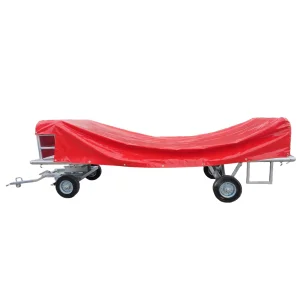
Maneuverable passenger baggage trolleys with responsive braking handles and rust-resistant coatings.
Learn More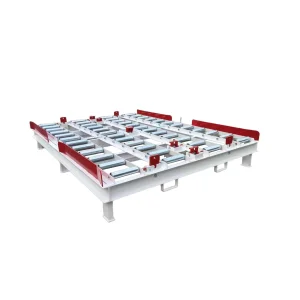
Versatile low-profile pallet configurations designed to simplify dynamic freight transfers at shipping bays.
Learn More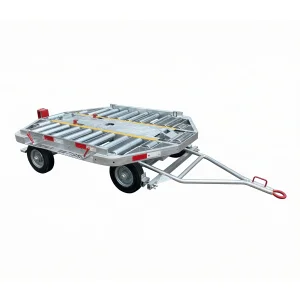
Engineered for swift LD3 logistics, featuring a low-tare frame that reduces towing fuel consumption.
Learn More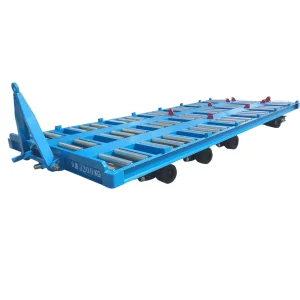
Designed for heavy wide-body cargo operations, built to withstand continuous loading impacts.
Learn More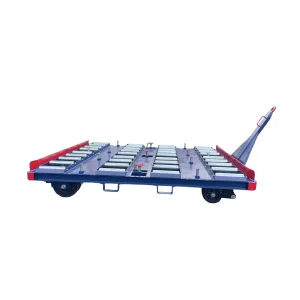
Standard 10-foot footprint pallet dolly with heavy-duty locks and dual-direction travel versatility.
Learn More Chidge Dolly