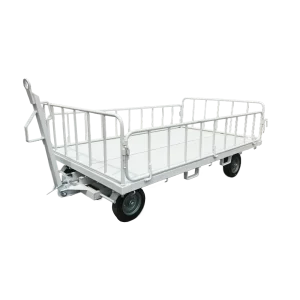
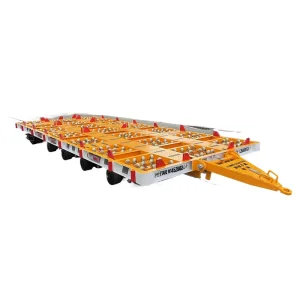
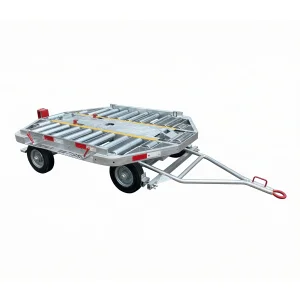
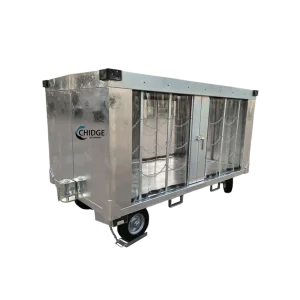
Explore our heavy-duty dollies, baggage carts, and specialized containers manufactured to meet strict international airport quality regulations.
In modern aviation logistics, the efficiency of ground operations directly dictates airline profitability and runway throughput. The design and integration of high-reliability aircraft towing tractors represent a critical pillar of airport operations. Modern airports are transitioning toward zero-emission targets, necessitating advanced technological upgrades in towing tractors and auxiliary GSE. From heavy diesel powertrains to lithium-ion electric power storage, the demand for clean, silent, and safety-integrated airfield tugs has reached unprecedented levels.
Global aviation regulators and airport authorities have established strict compliance mandates aiming for net-zero carbon footprints by 2050. This regulatory paradigm shift is driving engineering innovations in aircraft pushback systems. Manufacturers are no longer just fabricating steel chassis; they are designing integrated intelligent machines that protect valuable aircraft assets while optimizing ground turnaround cycles.
Technical analysis and specifications of our specialized series designed for narrow-body up to heavy wide-body aircraft pushback operations.
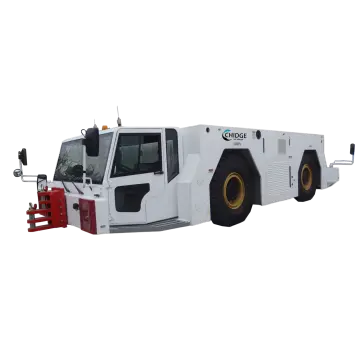
Designed for heavy wide-body aircraft operations, providing maximum drawbar pull and ultimate stability under all weather conditions.
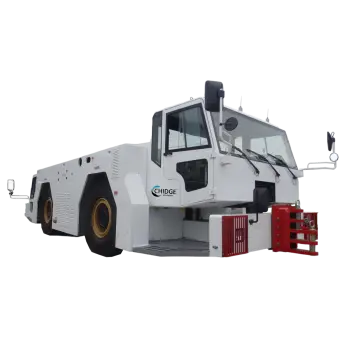
The versatile workhorse for medium-to-large commercial aircraft, balancing structural power with exceptional maneuverability.
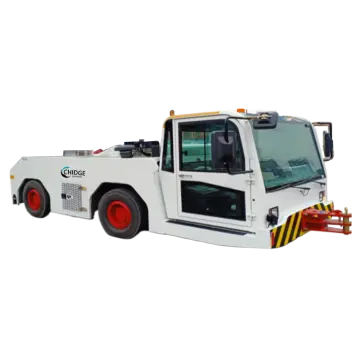
Optimized for narrow-body commercial airplanes and regional jets, focusing on compact operations and precision control.
| Parameter / Specification | CDT700 Tractor | CDT450 Tractor | CDT300 Tractor |
|---|---|---|---|
| Max Aircraft Weight Capacity | Up to 600 Tons (Wide-body) | Up to 450 Tons (Medium-wide) | Up to 300 Tons (Narrow-body) |
| Drawbar Pull (DBP) | Max 480 kN | Max 350 kN | Max 240 kN |
| Transmission Type | Powershift Transmission | Powershift Transmission | Hydrostatic / Powershift |
| Steering System | 4-Wheel Steer / Crab / Front Only | 4-Wheel Steer / Crab / Front Only | Dual Axle Steering |
| Power Options | Diesel Stage V / Custom Electric | Deutz Diesel / Li-Ion Battery Pack | High-Torque Electric Synchronous |
| Cabin Features | Elevating Cab, Full Visibility | Ergonomic Closed Cab, AC System | Open / Closed Cab Customization |
A comprehensive ecosystem of ground utilities engineered to service commercial flights, private fleets, and airport logistics operations.
Our heavy-duty aircraft refuelling trucks (Models CD5207GJJ, CD5580GJJ, CD5341GJJ) consist of certified high-grade steel chassis, integrated pump metering systems, and pressure control mechanisms for safe fuel distribution.
Deliver dependable electrical supply via our 90KVA Ground Power Units and towable energy storage systems. Ensure fast turbines start-ups with CDA300 and CDA400 Air Start Units built for military and commercial airfields.
Improve terminal passenger turnaround with self-propelled boarding stairs (CD-PBS5062E, CD-PBS5062D) and ensure safe, hygienic meal replenishment with customized hydraulic Electric Catering Trucks.
Ground handling agencies, airline logistics groups, and military operations demand robust build-quality, minimal maintenance downtimes, and total cost of ownership (TCO) efficiency. Standard towing tractors often fail under harsh temperature variations, leading to costly transmission failures and operational delays. As a specialized manufacturer, our designs focus on maximizing chassis fatigue life, integrating modular drivetrains, and providing instant access to high-wear component replacements.
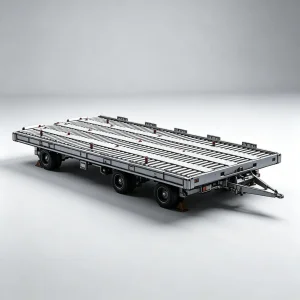
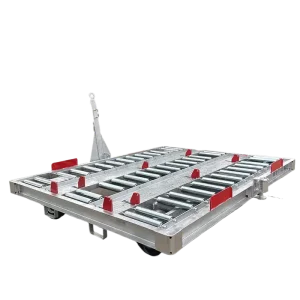
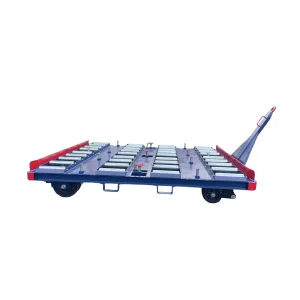
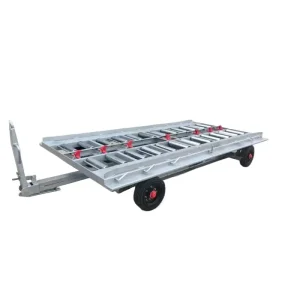
Whether you require customized slave pallet dollies or massive 35-ton dollies for military cargo pallets, our engineering team ensures that every piece of ground support equipment operates seamlessly under critical timelines. We offer flexible procurement frameworks, complete with certification packages required for regional port approvals globally.
Our commitment to continuous research and development ensures that our client airports remain at the forefront of technological innovation.
Developing next-generation AI-assisted pushback and taxiing algorithms. Autonomous pathfinding technology ensures zero collision rates and absolute safety in crowded terminal bays.
Standardizing coupler designs and multi-configuration chassis, allowing a single vehicle to manage dual operations: regional flight positioning and heavy wide-body pushbacks.
Building high-power direct current (DC) fast-charging infrastructure compatibility, enabling our electric aircraft towing tractors to fully charge during scheduled flight turnarounds.
We welcome OEM and ODM orders tailored to specific localized environments and airline demands. We provide customized design, rapid physical prototyping, structural testing, and full safety documentation to ensure rapid deployment. Our facility manages every production stage from raw steel cutting to hydraulic system verification.
Ensuring robust manufacturing standards across all cooperative projects.
Stay up to date with the latest advancements, technological breakdowns, and airport operational guides.
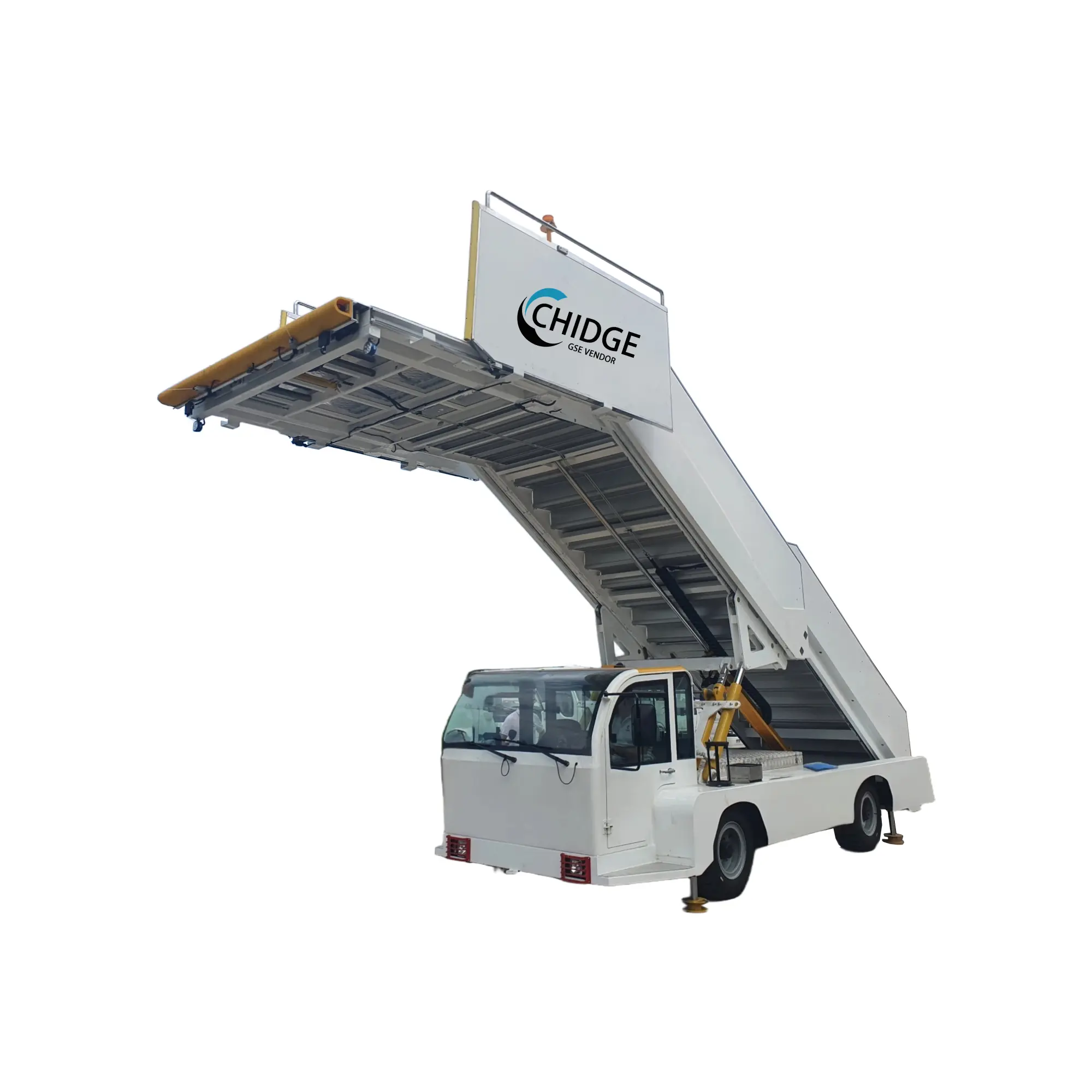
Explore the mechanics, safety design configurations, and wind-resistance engineering that allow passenger boarding stairs to safely dock with various commercial aircraft structures.
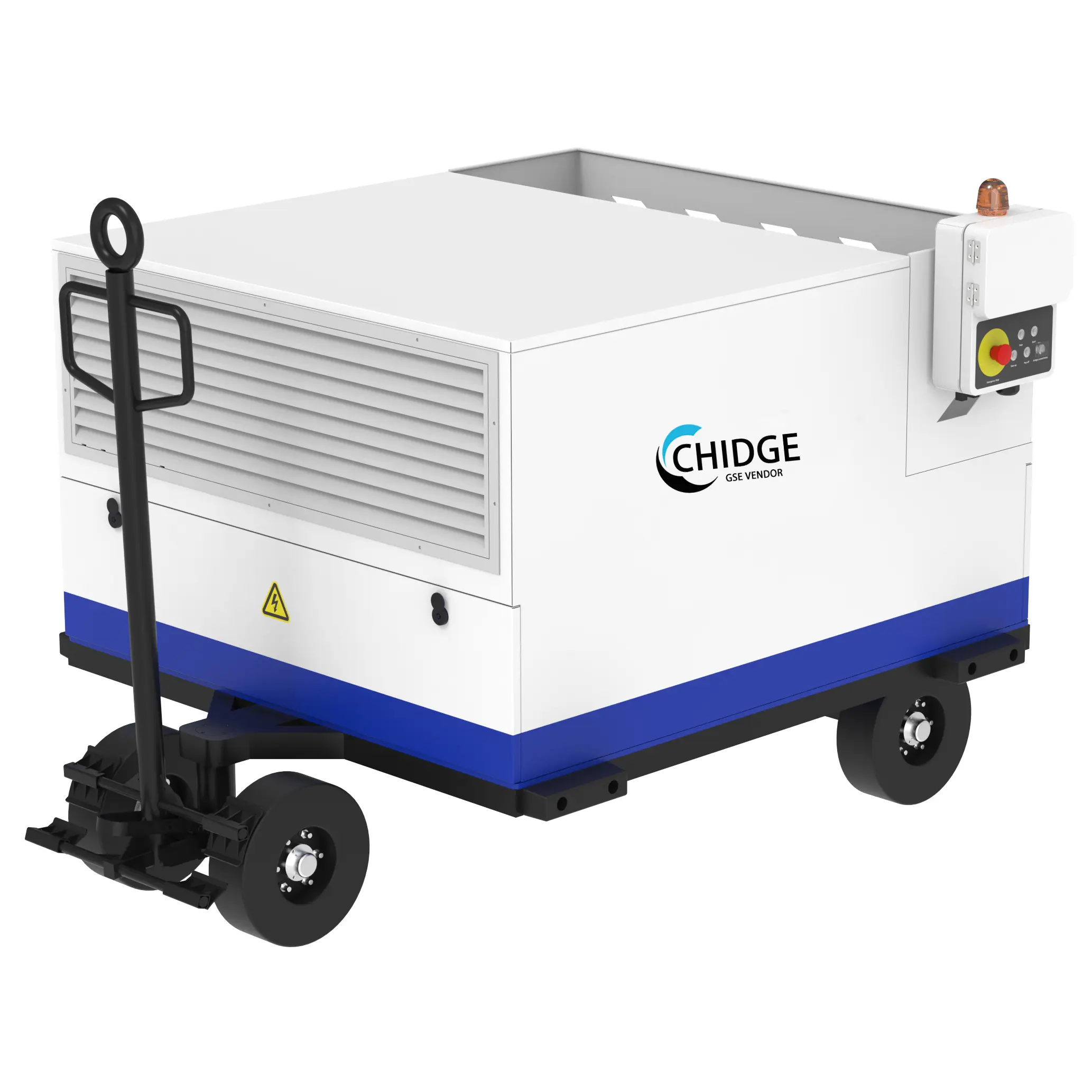
How the implementation of next-generation lithium battery banks in Ground Power Units (GPUs) is reducing maintenance expenses and eliminating diesel fuel consumption.
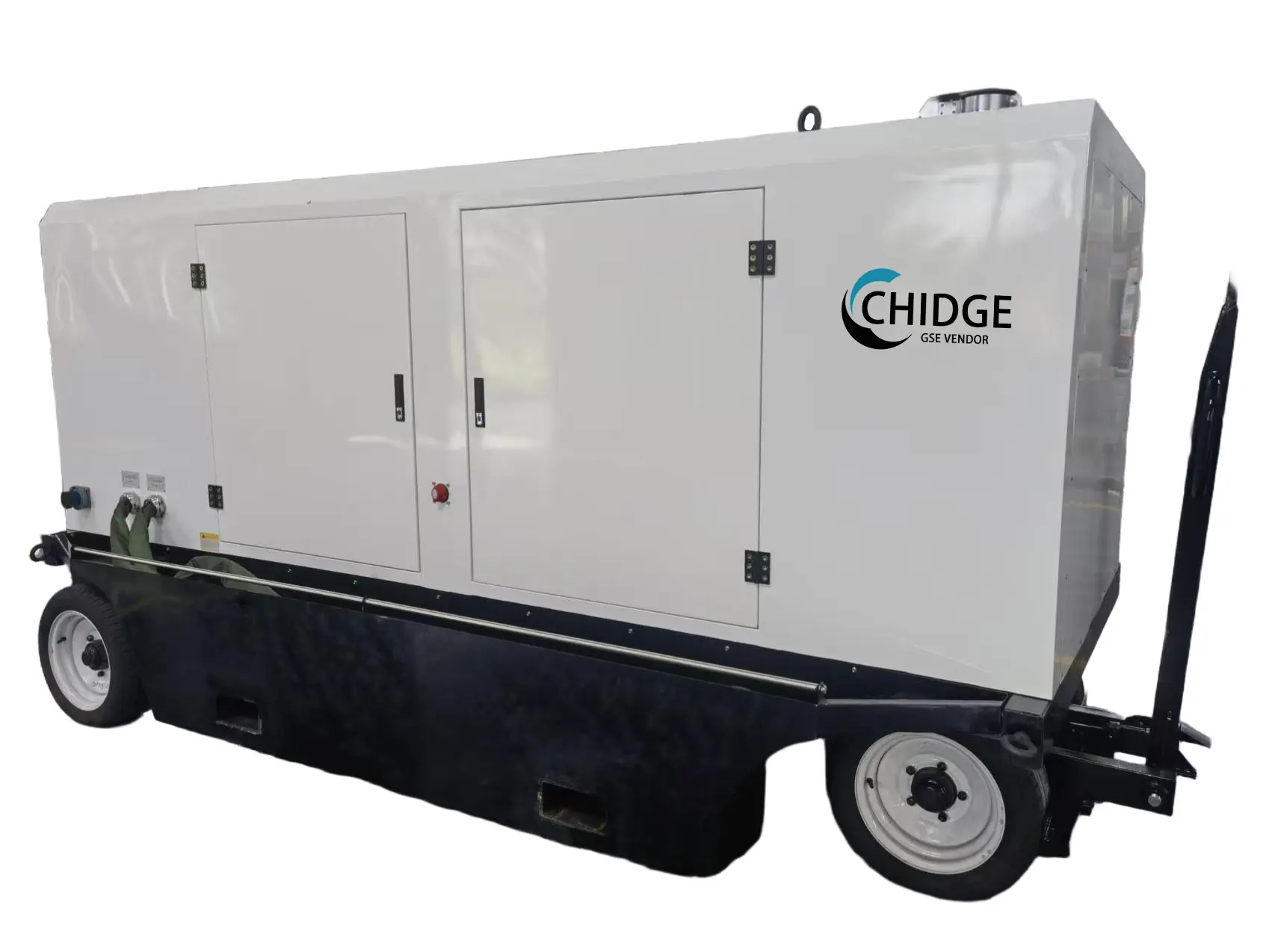
In the complex ecosystem of aviation operations, ensuring an aircraft is flight-ready involves a multitude of support systems. Among the most critical components in this pre-flight preparation is the Aircraft Ground Power Unit (GPU)...
In-depth structural, operational, and maintenance inquiries regarding airplane towing tractors and GSE logistics.
High-capacity dollies and specialized ground vehicles engineered to streamline airport cargo operations.
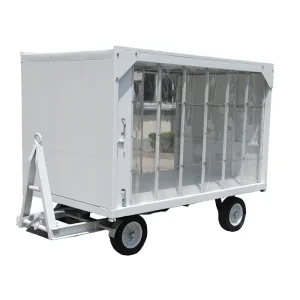
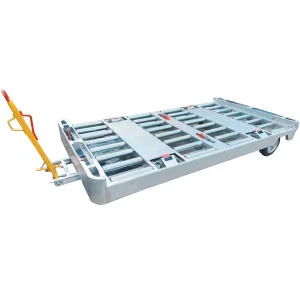
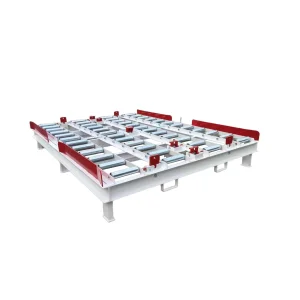
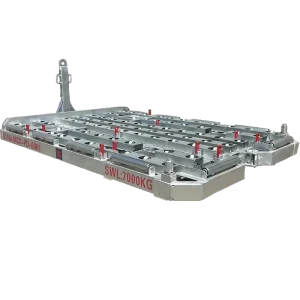
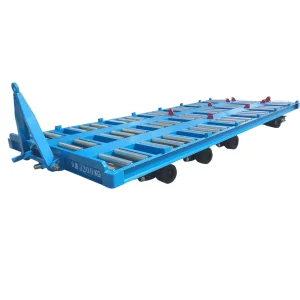
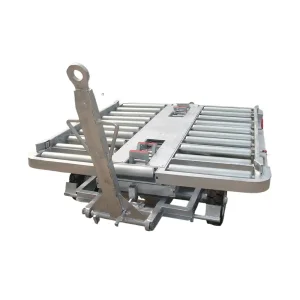
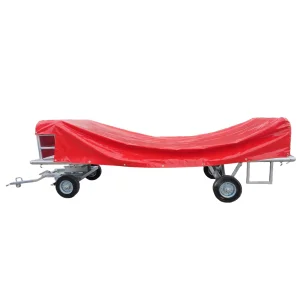
 Chidge Dolly