High-durability airport ramp dollies, cargo dollies, and container solutions built to withstand heavy operations.
Understanding the technical specifications and workflow integrations that define modern airport ground services.
The global aviation landscape is experiencing a significant shift toward automated, zero-emission, and highly robust Ground Support Equipment (GSE). At the center of this movement are Aircraft Push Back Tractors, tow dollies, and ground power units. Rapid turnaround times (TAT) at busy hubs dictate that equipment must be reliable under heavy load, easily integrated with telematics systems, and secure to operate in active ramp zones.
Today, airport operations authorities require strict safety parameters matching IATA Airport Handling Manual (AHM) standards. Pushback units and tow tractors are engineered with advanced torque systems, fail-safe hydraulic controls, and heavy steel structures to manage aircraft ranging from regional turboprops to wide-body giants like the Boeing 777X and Airbus A350.
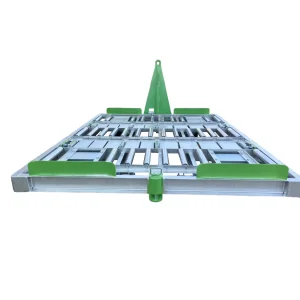
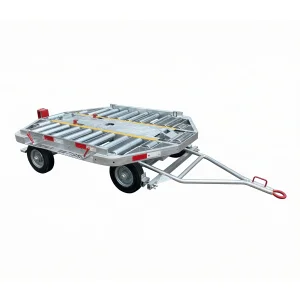
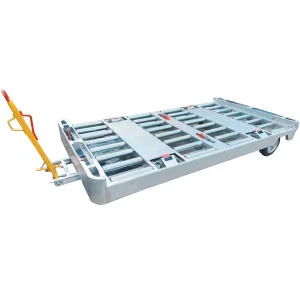
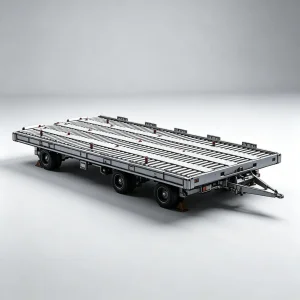
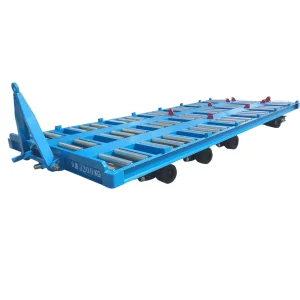
Additionally, specialized cargo movement depends heavily on secondary support components, such as pallet dollies (ranging from standard 7-ton variants to ultra-heavy-duty 35-ton 20-foot models) and container handlers. These units act as the arterial system, transferring high-value cargo seamlessly from warehouses to loaders and ultimately to the cargo hold.
Original technical designs featuring integrated filtration, self-circulation, and dynamic pressure control systems.
Constructed with a heavy-duty chassis and optimized fuel tanks. Incorporates high-precision metering systems, filtration elements, and strict pressure controls.
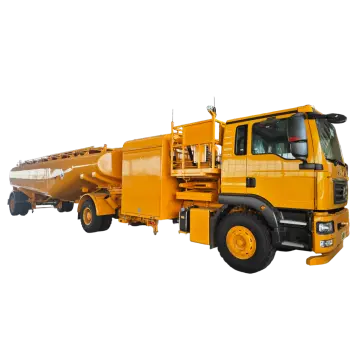
Designed for high-throughput airport operations, this model ensures safe self-circulation and automated shut-off mechanisms preventing spillages during quick aircraft turnarounds.
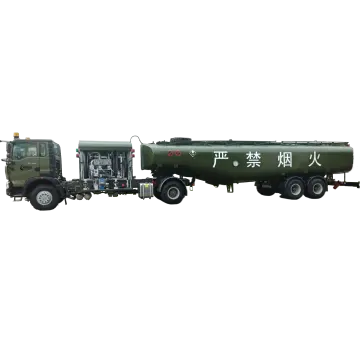
Features an advanced dual-pump design with integrated water separating filters, delivering clean fuel directly under pressure regulated systems to protect commercial aircraft turbines.
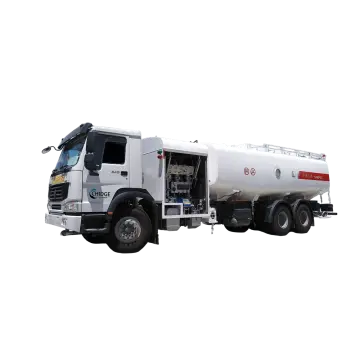
Why airlines, cargo logistics hubs, and global military airports trust our manufacturing capabilities.
Leveraging state-of-the-art structural engineering and high-grade materials, our R&D team develops custom GSE components optimized for maximum endurance and safety.

Every single dolly, container tractor, and boarding stair conforms to international safety and weight capacity norms, helping ground crews execute tasks error-free.

Through vertical supply chain management, we maintain control over components, structural steel, and raw materials, guaranteeing shipping timelines are met even under global disruptions.

We offer direct on-site support, spare parts distribution networks, and training modules to enable quick maintenance and extend the lifecycle of ground equipment.

Industry-leading white paper detailing future technologies, supply chain challenges, and operations management.
The global aviation ground operations industry is undergoing a radical transition toward green power. Driven by airport zero-carbon initiatives and localized noise restriction mandates, standard combustion-engine pushback tractors are being rapidly replaced by high-power Lithium-ion battery electric variants. Modern electric tow tractors feature intelligent energy regenerative braking systems, reducing daily energy consumption by up to 25%.
This decarbonization effort is not restricted to tow vehicles. Slave pallet dollies and container dollies are now increasingly designed for automated guiding systems (AGVs) equipped with proximity warning sensors and smart RFID tags, paving the way for fully autonomous ground handling.
Airlines and logistics providers look for raw durability when selecting manufacturing partners. Ground equipment is exposed to extreme physical abuse—from accidental collisions to high-frequency load-bearing impacts during multi-ton cargo transfers. Key areas of procurement evaluation include:
Operating from modern manufacturing plants, we implement Factory 4.0 production procedures. This means combining digital CAD models directly with CNC laser cutters, automated welding lines, and rigorous quality inspection stations. This seamless digital integration guarantees that custom requirements—such as specialized dimensions, rainproof covers, or specific towing hitch heights—are accommodated without delay.
By utilizing a vast regional raw material network, we mitigate supply chain volatility. Our factories source steel, heavy bearings, tires, and hydraulic components from certified manufacturers, ensuring that production cycles remain consistent, and costs remain competitive.
Ground support systems must operate reliably in diverse climates. A passenger stairs unit or baggage dolly configured for a dry, high-temperature Middle Eastern hub requires thermal dissipation systems and dust-proof bearings. Conversely, dollies deployed at northern sub-zero regions require cold-resilient hydraulic oils, low-temperature steel properties, and anti-skid pneumatic tires.
Comprehensive inventory spanning diverse airport handling requirements. Hover over sections to see original designs.
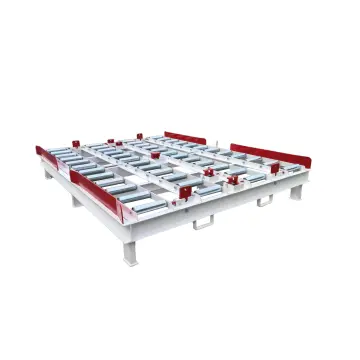
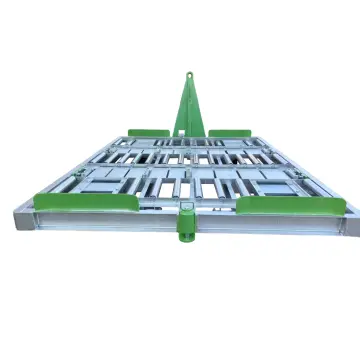
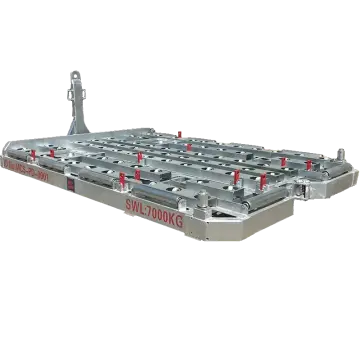
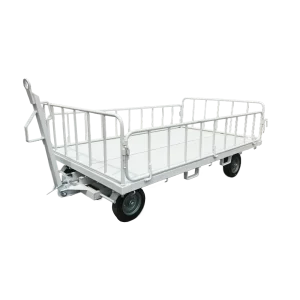
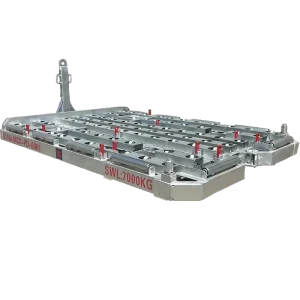
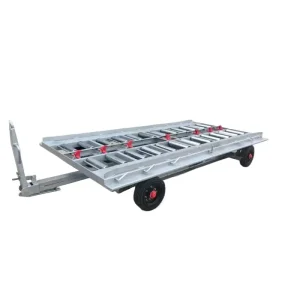
Heavy transport platforms featuring non-slip walking surfaces, quick-adjust safety locks, and high load capacities for fast pallet transfers.
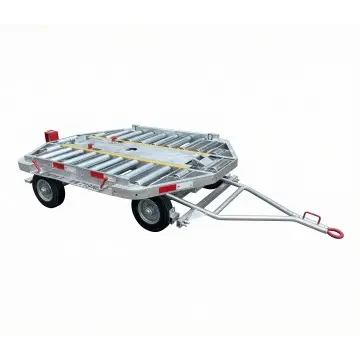
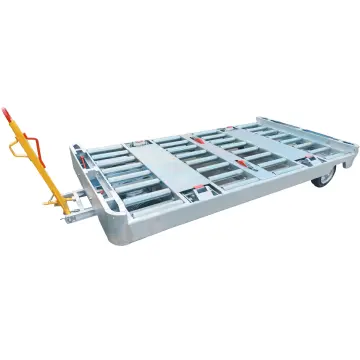
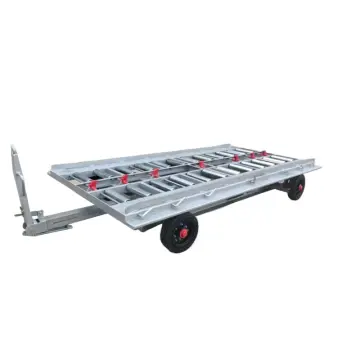
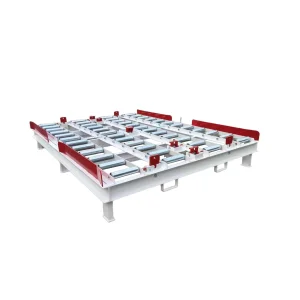
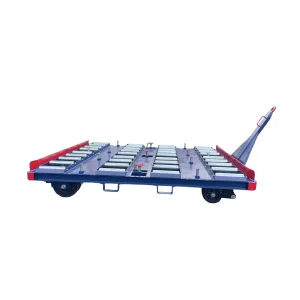
Tailored to carry commercial aircraft cargo containers, providing smooth roll-over capabilities and security mechanisms during towing.
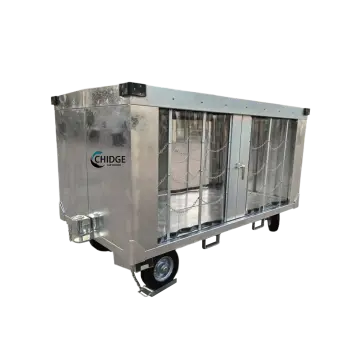
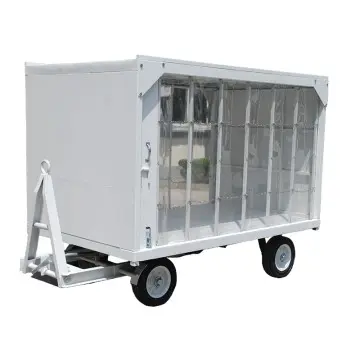
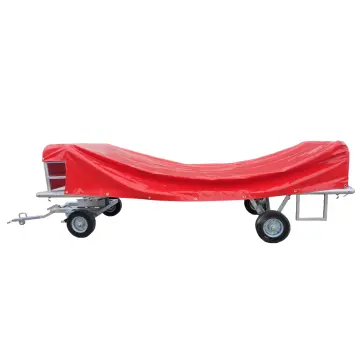
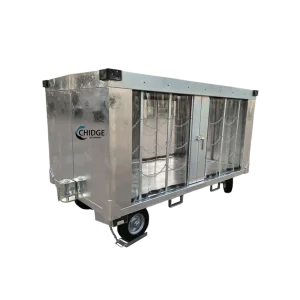
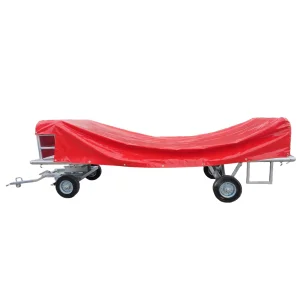
Weatherproof options for passenger luggage protection. Steel constructs preventing moisture ingress and damage during heavy rainfall.
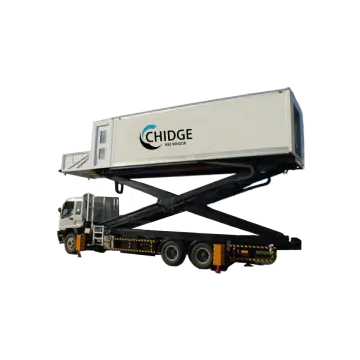
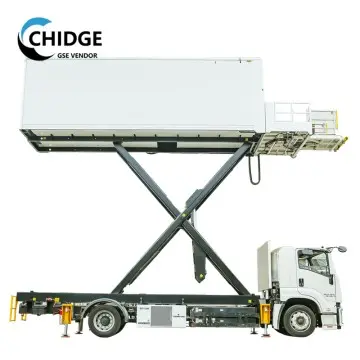
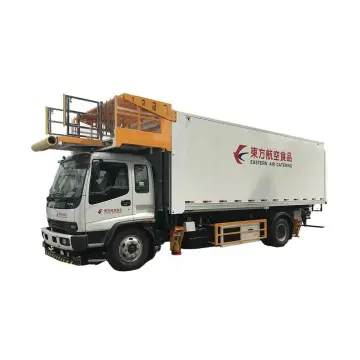
Hydraulic scissor-lift structures with insulated cabins designed to deliver meals swiftly and safely directly to passenger aircraft cabin doors.
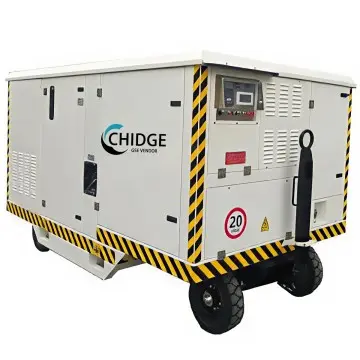
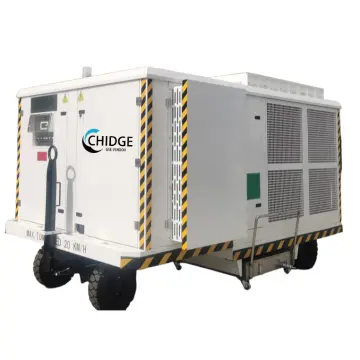
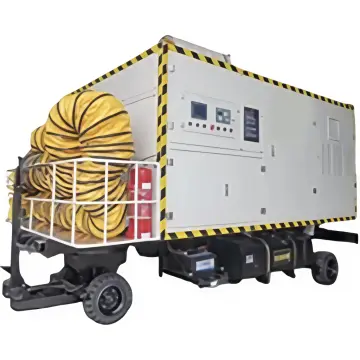
Ground climate control systems providing heated air or cooled conditioning (PCA) to passenger cabins, reducing the need for APU operation.
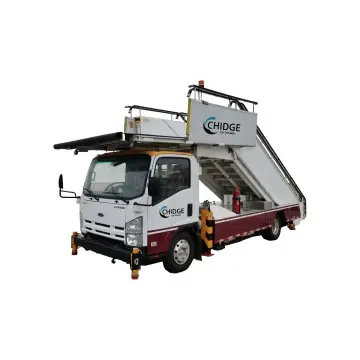
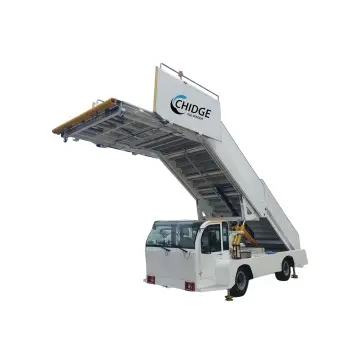
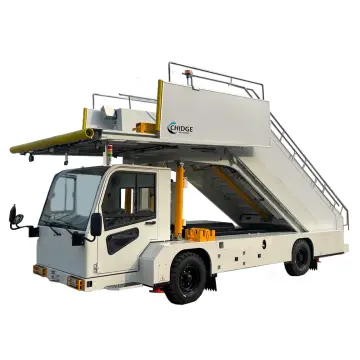
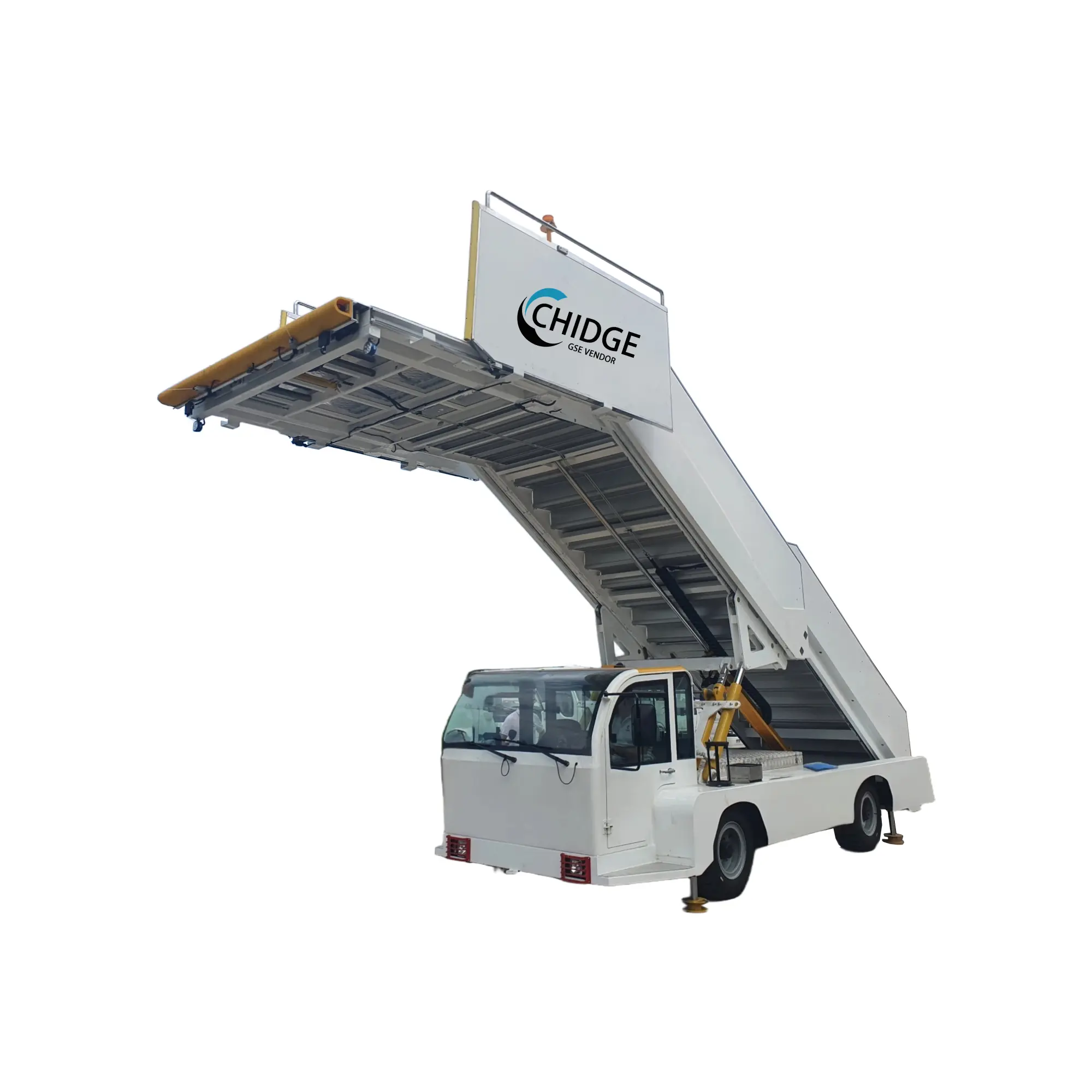
Flexible steps designed for easy maneuvering. Incorporates anti-skid materials and side protective panels to ensure safe passenger transfers.
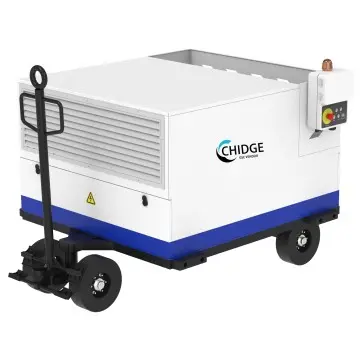
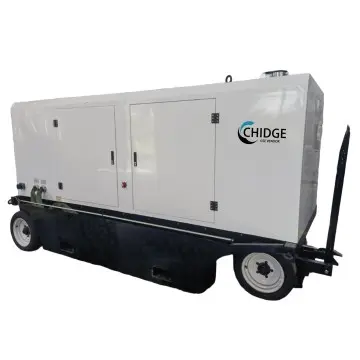
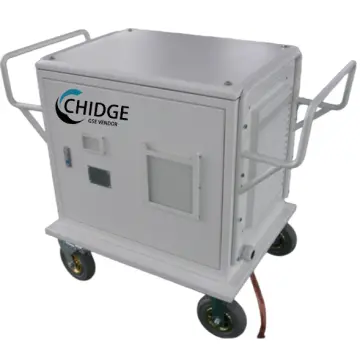
Clean, high-performance static power solutions delivering stable 400Hz frequency currents, compatible with various modern airliner systems.
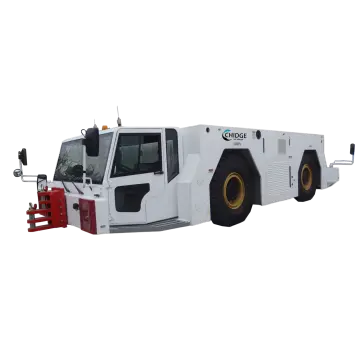
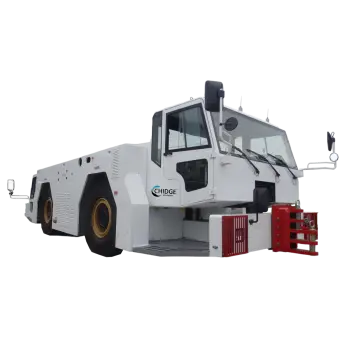
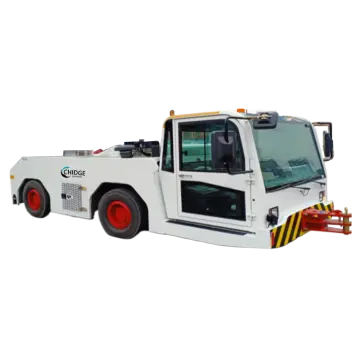
Heavy-traction aircraft pushback vehicles and Air Start Units (ASUs) delivering high starting pressures for large commercial turbofans.
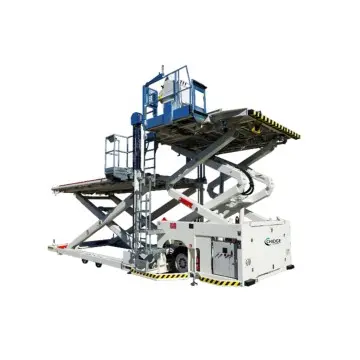
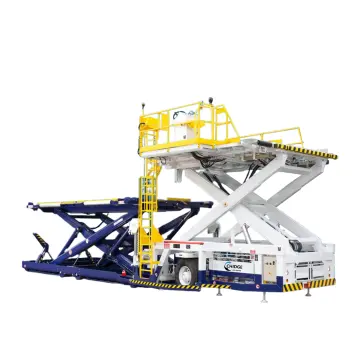
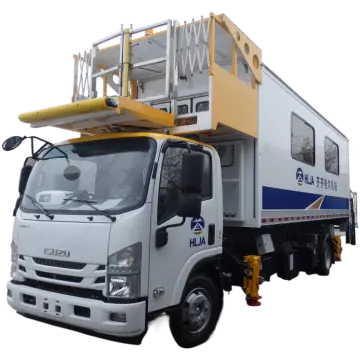
High-payload scissors deck lifting equipment for heavy loading, and safe cabin transfers for passengers with limited mobility.
We provide end-to-end bespoke customization for international airports, cargo handling agents, and military fields.
Staying aligned with safety standards, global flight networks, and emerging cargo requirements.
Our mission remains to provide reliable equipment that facilitates uninterrupted operations for our customers. We collaborate directly with logistics providers and ground handlers to deliver tailored solutions.
Ground operations guidance on passenger boarding stair safety...
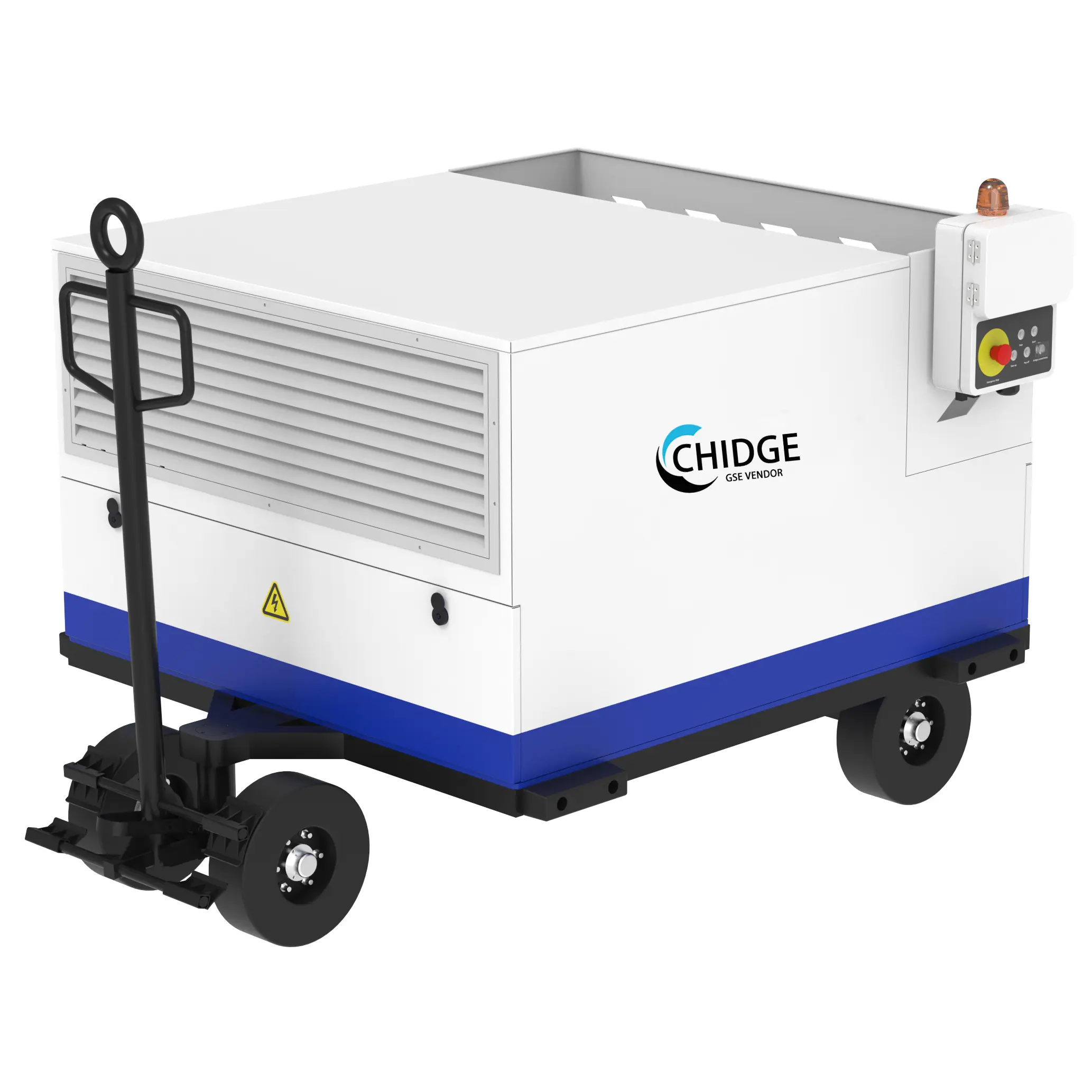
The evolution of lithium-ion mobile power systems on the apron...
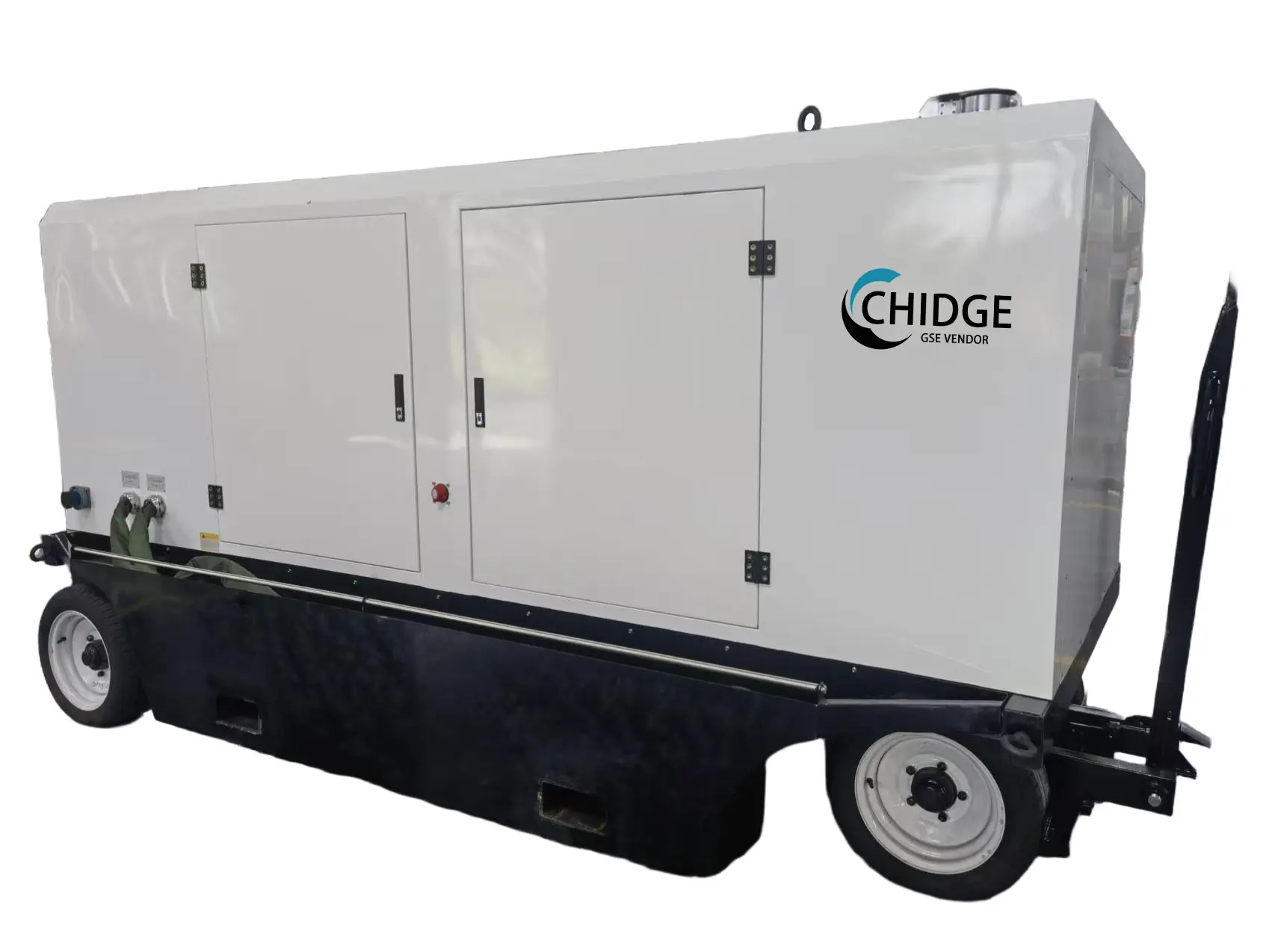
Pre-flight preparation steps, truck-mounted GPUs, and auxiliary systems...
Technical answers to procurement, maintenance, and custom design queries for GSE.
Explore our specialized heavy transport dollies and high-volume baggage carts designed for demanding turnaround tasks.
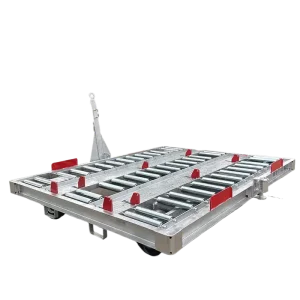
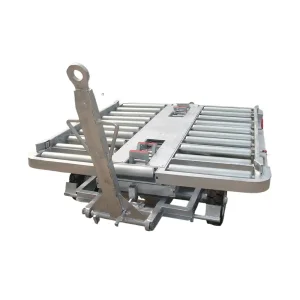
 Chidge Dolly


