Explore our heavy-duty dollies and baggage systems engineered to meet rigorous ground operations standards.
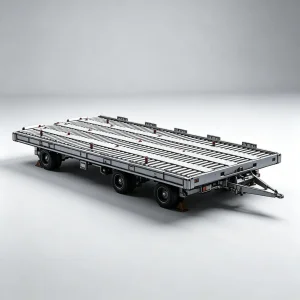
Designed for heavy cargo loading bays requiring reliable distribution of extra-heavy containerized loads.
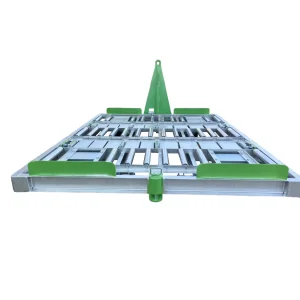
Industrial-grade container transportation dollies with reinforced structural frameworks and precise tracking capability.
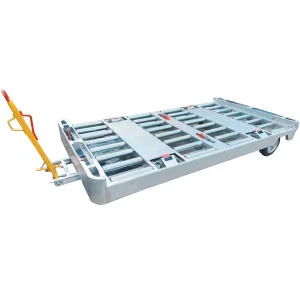
Highly customizable platform built to handle standard LD3, LD6, and larger cargo configurations under tough conditions.
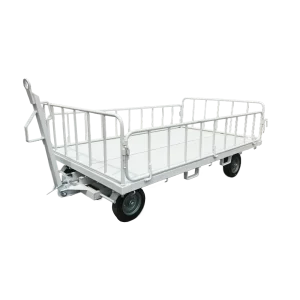
Ergonomic and robust baggage carts built with weatherproofing options for efficient luggage handling.
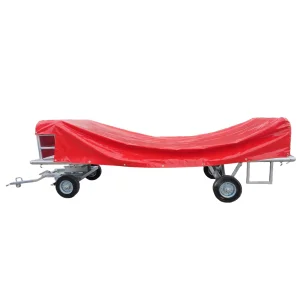
Precision steering mechanisms to allow seamless multiple trolley linkages in small airport lanes.
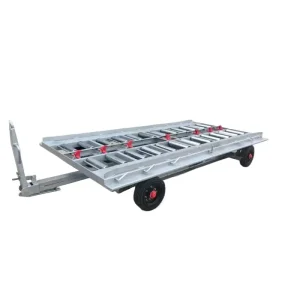
Optimized load-bearing structures for regional airports processing specialized containers and cargo pallets.
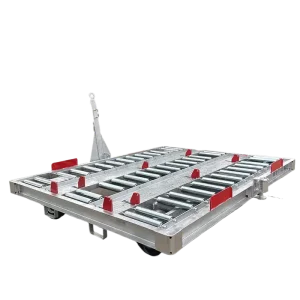
Durable, dual-directional roller bed systems facilitating fast loading and unloading operations.
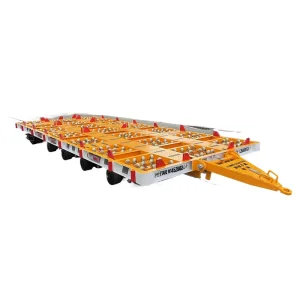
High-capacity ground transit dollies featuring heavy-duty suspension for long-distance tarmac hauls.
Understanding the vital role of 90 kVA Ground Power Units in modern aviation operations.
The aviation industry is accelerating toward carbon neutrality, transforming every tier of Ground Support Equipment (GSE). The 90 kVA Ground Power Unit (GPU) represents the operational sweet spot for commercial airport tarmacs. Generating stable 400Hz AC power, this capacity matches the requirements of single-aisle regional narrowbody commercial aircraft—such as the Airbus A320 and Boeing 737 platforms—and meets the electrical power demand during boarding, avionics calibration, and cabin maintenance cycles.
By shifting power demands from Auxiliary Power Units (APUs) to local ground power systems, airports achieve a massive reduction in fuel burn, terminal emissions, and noise pollution. As worldwide hubs adopt stringent environmental criteria, securing reliable, high-performance 90 kVA solid-state or diesel-integrated units has become a primary target for airlines and ground handlers globally.
Charting the transition from traditional rotary converters to solid-state, zero-emission storage architectures.
Modern solid-state units use double-conversion topologies (AC to DC, then back to stabilized 400Hz AC). This isolates the aircraft grid from utility voltage spikes and guarantees ultra-low harmonic distortion (THD < 2%).
The latest phase integrates Lithium Iron Phosphate (LiFePO4) storage, allowing units to operate without direct grids or diesel combustion. Peak shaving technology charges units during down periods to lower grid impact.
Integrating telemetry modules and IoT links lets operations monitor parameters like current leakage, winding temperatures, and IGBT health in real-time, predicting potential failures before they impact flight schedules.
| Technology Class | Efficiency (Rated Load) | THD (Total Harmonic Distortion) | Noise Level (dB at 1 meter) | Operational Flexibility |
|---|---|---|---|---|
| Solid-State Frequency Converter (Static) | 94% - 96% | < 2.0% | < 65 dB | Excellent static hangar installation & passenger bridge integrations. |
| Diesel Engine-Driven GPU (Mobile) | Fuel dependent | < 3.0% | < 85 dB | High autonomy; suited for distant aprons and rugged deployments. |
| Battery Ground Power Unit (Battery-Driven) | 90% - 93% | < 1.5% | < 50 dB | Zero local emissions, peak demand protection, dynamic ramp movement. |
Deploying targeted power architectures across diverse climates, layouts, and operations.
From high-humidity tropical aprons in Southeast Asia to frozen runways in Northern Europe, our customized 90 kVA units utilize anti-condensation heaters and IP55 weather protection. Special C5-M marine-grade paint prevents salt-spray corrosion in coastal locations.
Housed under passenger boarding bridges, static 90 kVA static converters provide rapid plug-and-play aircraft power. Automatic cable-retrievers and simplified operator interfaces speed up terminal handovers, keeping flights on schedule.
Avionics calibration requires clean, stable power. With frequency tolerances tighter than ±0.1% and built-in galvanic isolation, these units supply smooth electrical current, protecting delicate systems from grid disturbances.
How our vertically integrated production hubs maintain continuous delivery and unmatched engineering precision.
Global Patents Held
Qualified Technicians
In-House Testing Standards
Average Cost Savings
Operating out of major manufacturing zones in China, our facilities leverage direct access to high-grade steel, local copper suppliers, and specialized power electronics clusters. This concentrated supply chain lowers regional transport lag and shields us from international trade volatility. Dynamic load testing platforms allow us to simulate real-world aircraft electrical demands prior to shipment, ensuring every unit complies with MH/T 6018, DFS 400, and standard European CE certifications before it leaves the factory floor.
Explore our integrated GSE catalog covering passenger transport, fueling systems, cargo loaders, and climate control units.
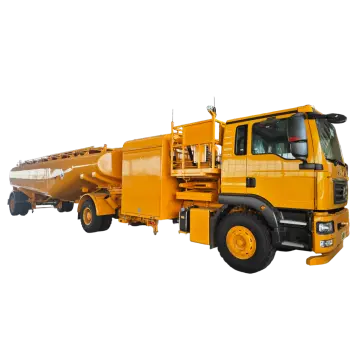
Consists of high-performance chassis, durable fuel tanks, customized pumping loops, control circuits, and operating panels. Supports filtration, precise metering, self-circulation, and pressure control.
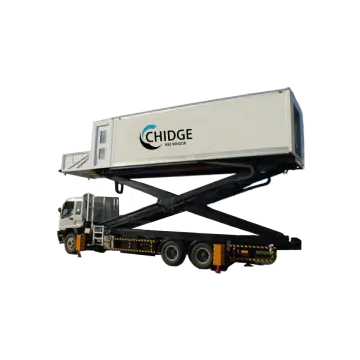
Hydraulic scissor-lift structures customized for serving regional narrowbody and widebody passenger planes securely and quickly.
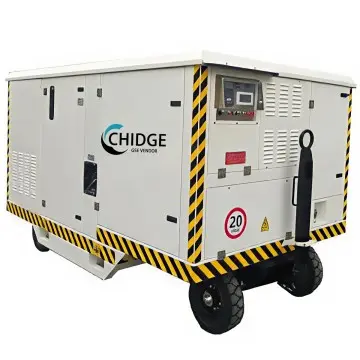
Pre-Conditioned Air (PCA) units and environmental systems ensuring comfortable temperatures inside aircraft cabins during turnarounds.
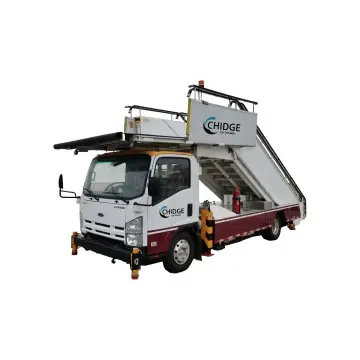
Self-propelled steps featuring anti-slip treads, safety sensors, and stable height adjustment for diverse cabin doors.
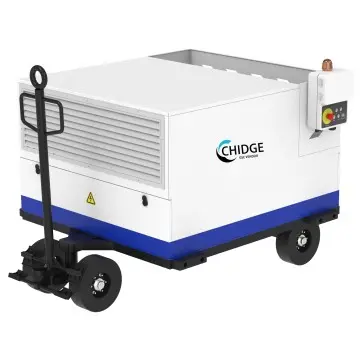
Top-tier frequency converters providing continuous 400Hz AC and 28.5V DC output directly to the aircraft grid.
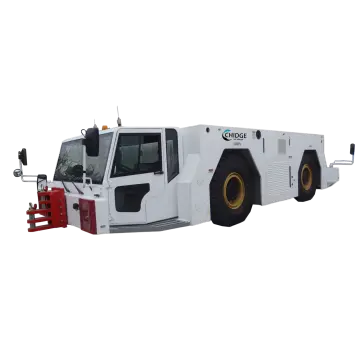
Reliable traction systems for aircraft pushbacks, hangar movements, and pulling cargo container dollies across aprons.
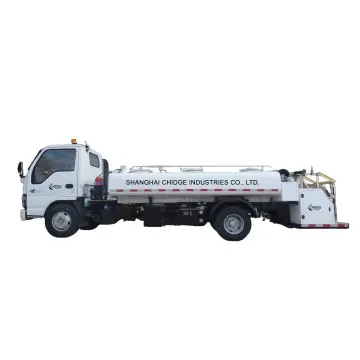
Corrosion-proof stainless steel water tanks and high-pressure pumps built on heavy-duty, zero-emission electric and diesel chassis.
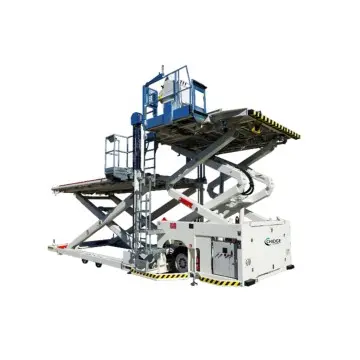
Heavy-duty lift systems designed to safely transfer ULD cargo pallets to widebody main deck cargo compartments.
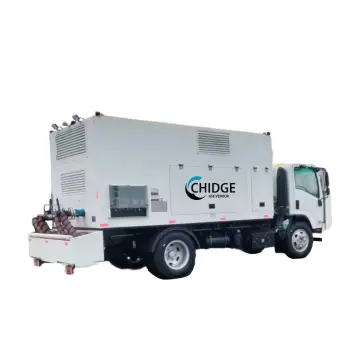
Delivers high-pressure, oil-free compressed air to initiate main aircraft engine starter systems easily.
Built on technology, quality, precise delivery, and after-sales support.

Integrating innovative capabilities and advanced engineering structures into product design, testing, and production workflows.

Our systems stand out in competitive environments, earning approvals from global ground handlers and airlines.

Optimized logistics networks, component inventory controls, and disaster recovery processes guarantee on-time shipping.

Quick technical support resolved by our emergency engineers helps extend operational lifespans and builds user trust.
We welcome custom OEM and ODM orders tailored to specific airport configurations and operating environments. From product planning and structure designs to production, rigorous thermal testing, and after-sales support, we offer integrated services. This structured approach helps customers secure market access, control maintenance costs, and increase ground operational efficiencies.


Working alongside global airlines and airport hubs to design, manufacture, and deliver reliable ground equipment.
Answering key structural and operating questions about 90 kVA solid-state frequency converters.
Stay up to date with the latest developments in ground support equipment design, energy storage units, and passenger boarding stairs.
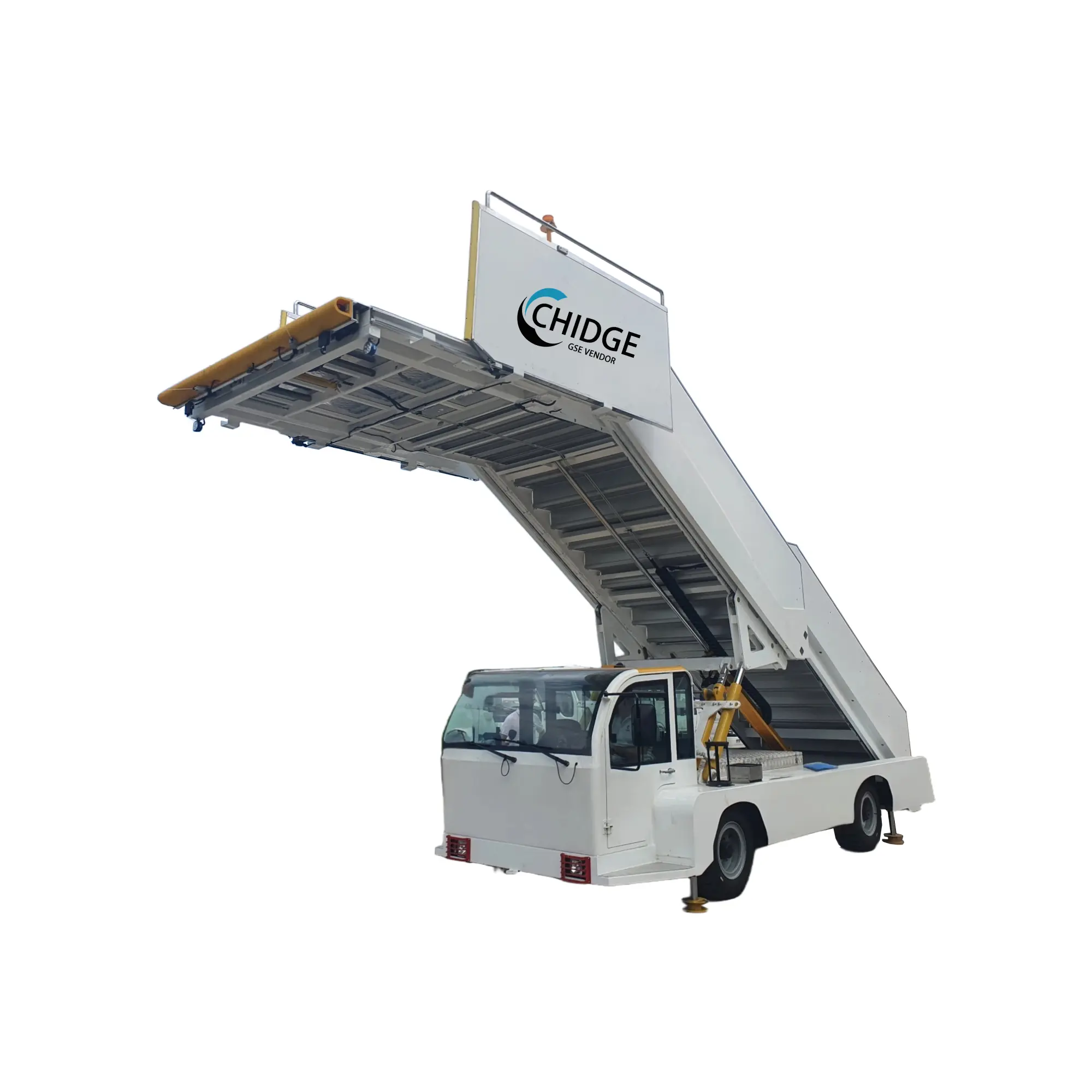
Analyzing the hydraulic mechanisms, safety guidelines, and ergonomic developments of modern aircraft passenger steps.
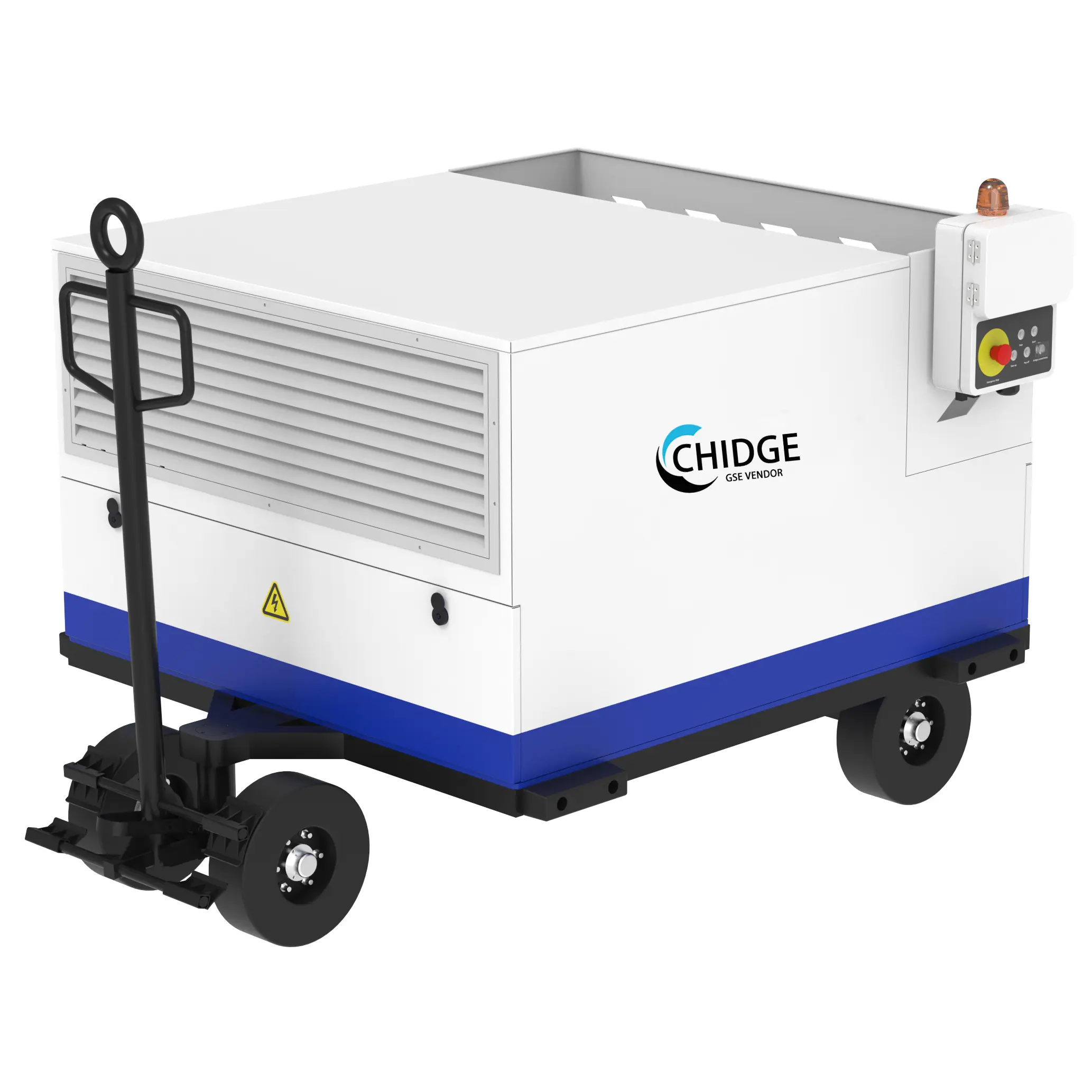
Evaluating battery systems, runtime metrics, and peak grid shaving benefits for next-generation mobile GPUs.
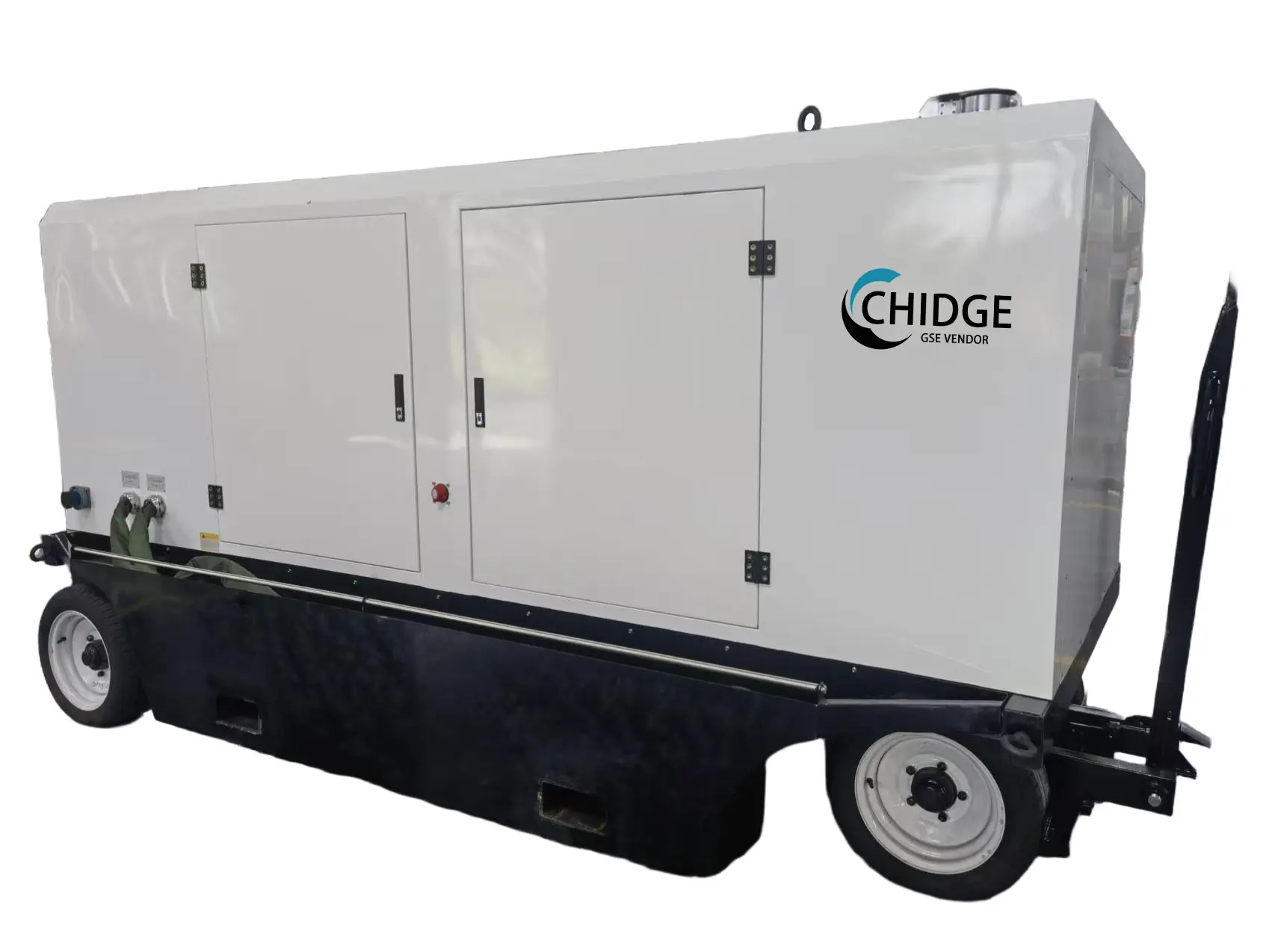
Why switching from onboard APUs to efficient 90 kVA GPUs lowers carbon emissions and engine maintenance costs.
Explore our heavy-duty dollies and cargo container solutions engineered for logistics operators.
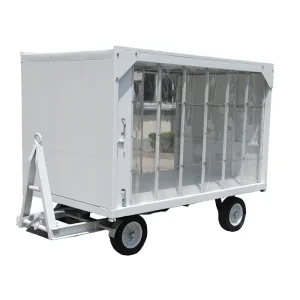
Fully enclosed cargo trailers built to protect checked baggage from rain, wind, and ramp contamination.
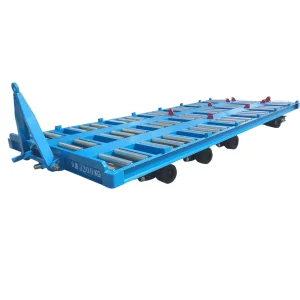
Reinforced 18-ton cargo transporter designed for heavy main deck air cargo handling.
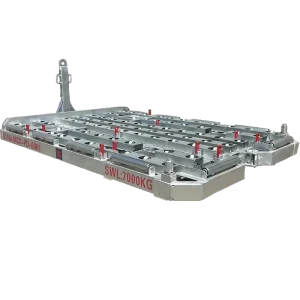
Equipped with 360-degree rotating swivels to facilitate fast and multidirectional cargo orientation.
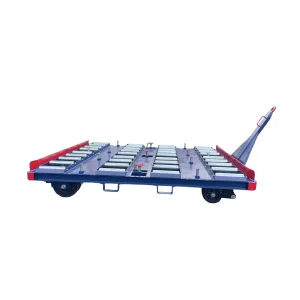
Standard 10-foot cargo loading dollies constructed from heavy-duty structural steel plates.
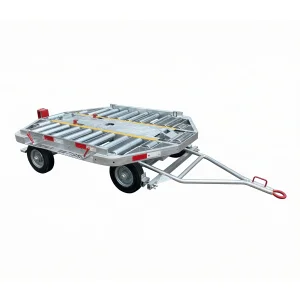
Optimized for standard ULD LD3 aircraft container geometries, ensuring secure transport locking.
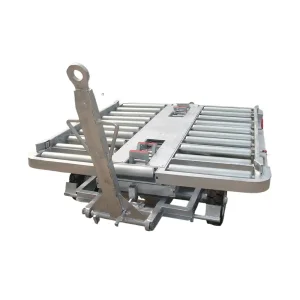
Low-maintenance ramp trailers featuring wear-resistant tires and reliable parking brakes.
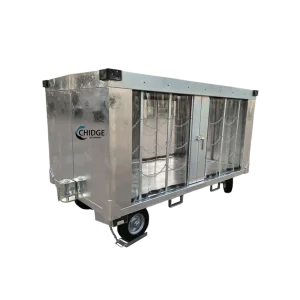
Specialized luggage carts featuring rainproof curtains to protect cargo during boarding operations.
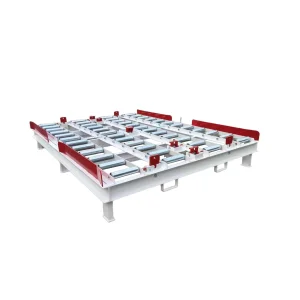
Versatile slave dollies built to streamline transferring heavy pallets inside air cargo centers.
 Chidge Dolly