Engineered for structural durability, high load efficiency, and compliant safety configurations in modern airport ramp operations.
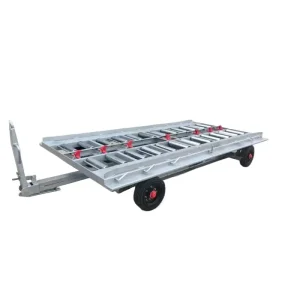
Designed for robust heavy ULD container configurations, providing reliable steering tracking and load capacity.
View Details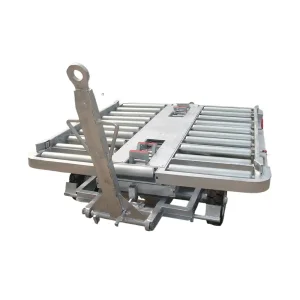
High-efficiency dual-axis cargo container handling system, offering quick loading for standard LD3 pallets.
View Details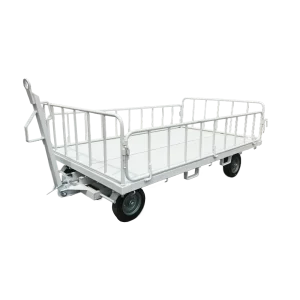
Towing-enabled baggage handling cart featuring optimized brake locking mechanism and durability.
View Details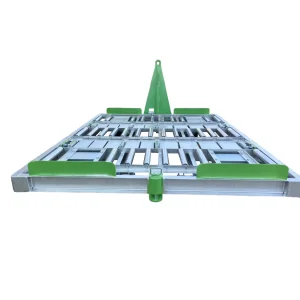
Heavy-duty, low-profile trailer unit designed for reliable unit load device (ULD) towing operations.
View Details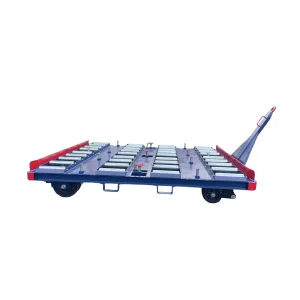
Expansive ULD pallet trailer featuring full 360-degree rotating rollers for heavy unit processing.
View Details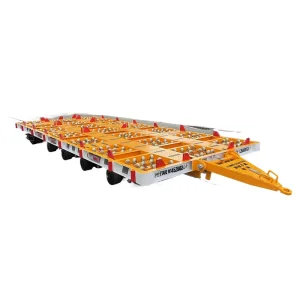
Ultra-heavy industrial-grade chassis designed to handle containerized payloads up to 27 metric tons.
View Details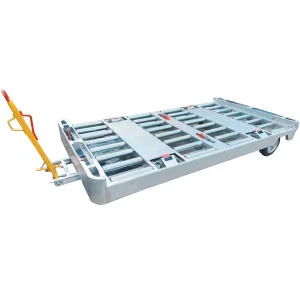
Tailor-engineered airport towing solution with safety coupling mechanisms and tracking stability.
View Details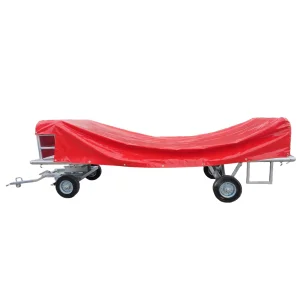
Robust terminal-side logistics cart offering easy tracking, high maneuverability, and weather protection.
View DetailsThe global logistics landscape is undergoing an unprecedented transition towards automated, hyper-efficient, and sustainable ground handling systems. At the heart of this physical distribution network lies the heavy-duty towable chassis—ranging from cargo dollies and unit load device (ULD) pallet trailers to highly specialized GSE (Ground Support Equipment) configurations. As international cargo volumes rise and airport operations face pressure to optimize turnaround times (TAT), selecting the right manufacturer for towing and trailer structures is a critical operational decision.
Global procurement directors within airlines, cargo networks, and logistics hubs prioritize three major elements when sourcing custom towable equipment: mechanical reliability, component standardization, and compliance with local safety standards. The purchase of heavy towable platforms involves evaluating the Total Cost of Ownership (TCO) rather than just the initial capital expenditure.
Procurement teams must ensure that manufacturers utilize high-tensile structural steel (such as Q345B) combined with advanced rust preventive measures like hot-dip galvanizing, which guarantees operational lifespans exceeding 10 years in corrosive tarmac environments. Furthermore, parts interchangeability—such as towbar couplings, steering knuckles, and heavy-duty wheels—reduces spare parts inventory overhead for operators running multi-hub fleets.
"High-capacity operations require GSE systems that minimize physical strain on operators while ensuring error-free tracking behind tow tugs. Double-Ackerman steering geometries in modern dollies prevent jackknifing and track misalignment, maintaining stable turning radii across narrow taxiways."
The aviation and logistics sectors have committed to net-zero carbon operational models. This commitment has driven a technological shift in ground support equipment design:
Off-the-shelf equipment rarely meets the rigorous requirements of diverse logistics configurations. Specialized operations require tailored chassis structures, such as 35-ton high-capacity pallet dollies for heavy cargo aircraft, enclosed rainproof luggage carts with heavy-duty structural curtains, or specialized aircraft refueling platforms with sophisticated filtration systems.
By leveraging Finite Element Analysis (FEA) and testing during the design phase, manufacturers can adjust wheel layout, deck heights, roller configuration, and loading styles to suit the physical requirements of different cargo hubs. This ensures structural strength while optimizing weight, which improves fuel efficiency for tow vehicles.
Our commitment to rigorous design standards and certified production processes translates directly into field-proven metrics.
Building high-performing partnerships by focusing on technology, quality assurance, reliable delivery, and robust support.
Advanced product design and structural research capabilities. We utilize state-of-the-art modeling to deliver modern, efficient GSE solutions.
Every structural unit is engineered to stand out in competitive markets, earning high industry reputation and ensuring long-term field reliability.
Our supply chain management, logistics layout, and adaptive inventory control ensure on-time delivery schedules and fast response to emergencies.
Comprehensive field assistance and prompt spare-parts delivery help resolve operational issues, extending equipment lifespan and building trust.
From high-volume fluid distribution to mobile passenger logistics, our engineered systems support core flight line operations.
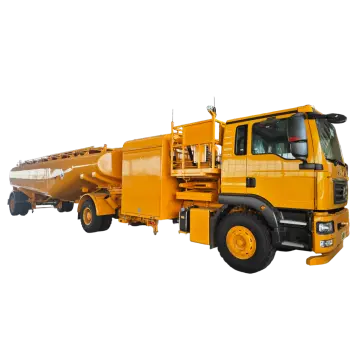
Features integrated pumping, dynamic filtration, precise metering, self-circulation, and automatic pressure controls.
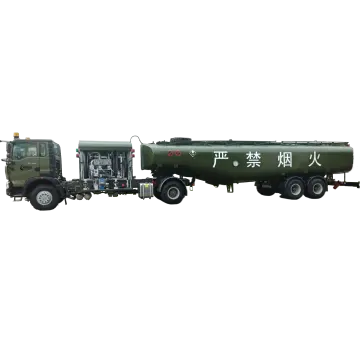
High-capacity line refueler designed with dual-channel filtration systems to meet international flight-line safety codes.
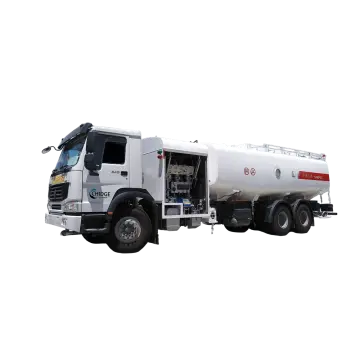
Advanced airport fuel distribution system equipped with deadman emergency shut-off controls and pneumatic safety interlocks.
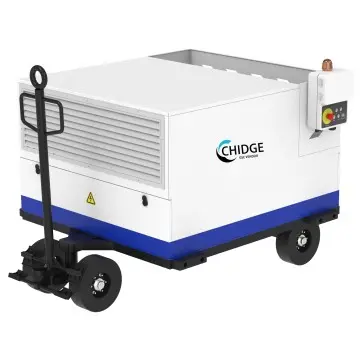
Eco-friendly, towable energy storage unit providing clean, quiet auxiliary power without engine emissions.
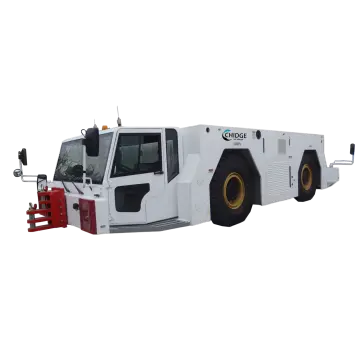
Heavy aircraft pushback tractor built for reliable maneuvering of narrow and widebody aircraft under various weather conditions.
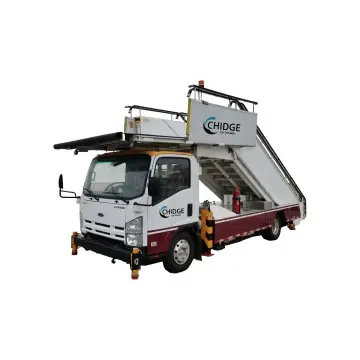
Self-propelled electric passenger stairs featuring slip-resistant walkways and adaptive height adjustment configurations.
Comprehensive solutions tailored to the operational demands of international airlines, ground handlers, and logistics integrators.
Providing dynamic, high-capacity ground support solutions to international aviation and terminal operators.
Helping air cargo operators build smooth cargo-to-tarmac transfer pathways with robust towable platforms.
Wide coverage spanning container dollies, pallet dollies, refueling trucks, GPUs, passenger stairs, and tow tractors.
Coordinated production planning and logistics ensure equipment arrives on schedule and ready for operation.
Whether customizing dimensions for regional cargo containers or engineering heavy-duty systems for challenging weather conditions, we deliver integrated solutions. We manage the process from layout planning and structural design to simulation and certified production, helping operators reduce costs and improve turnaround times.
Insights, technical updates, and trend analyses from the global ground support and aviation logistics sectors.
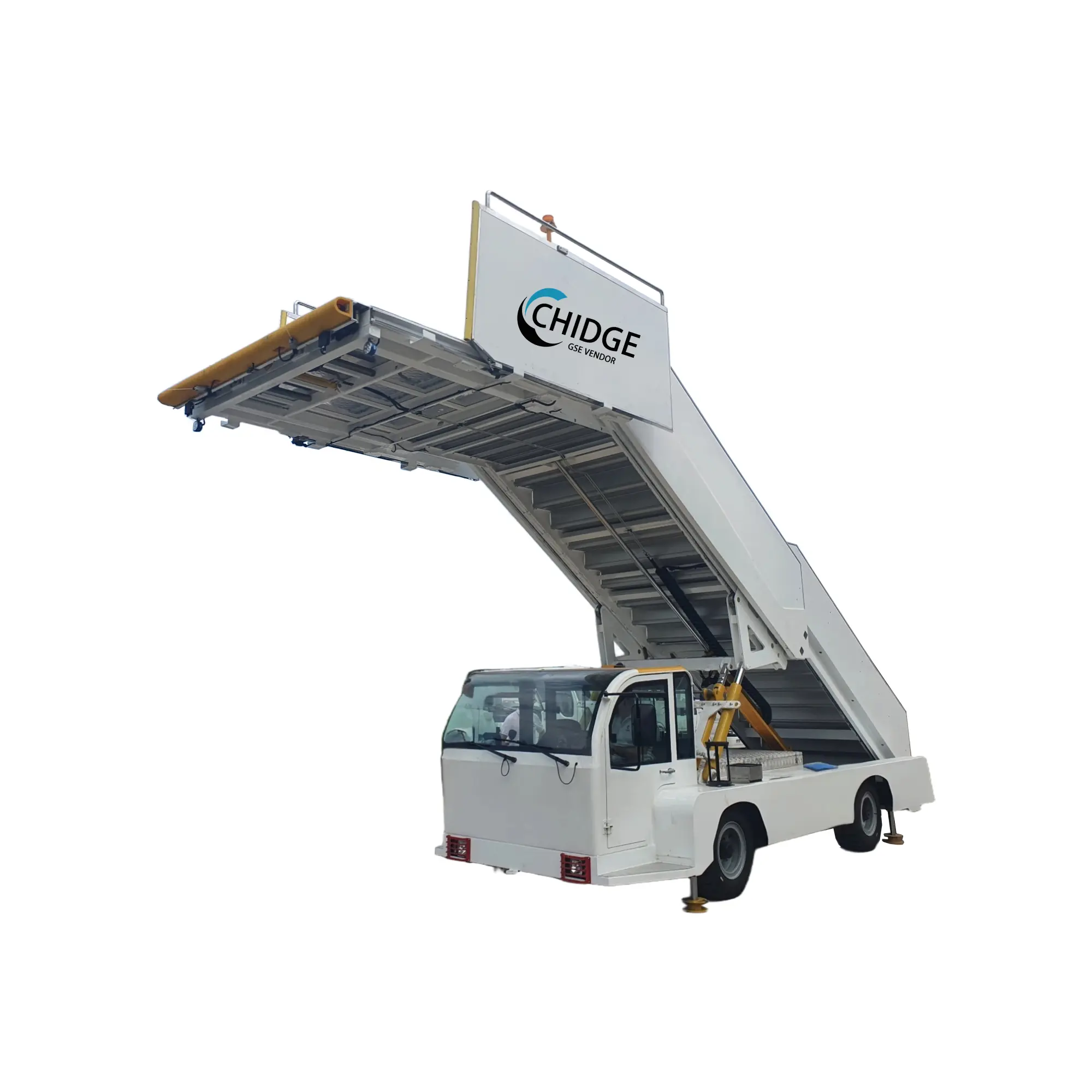
An in-depth look at boarding systems, highlighting safety mechanisms, height adaptability, and key engineering standards.
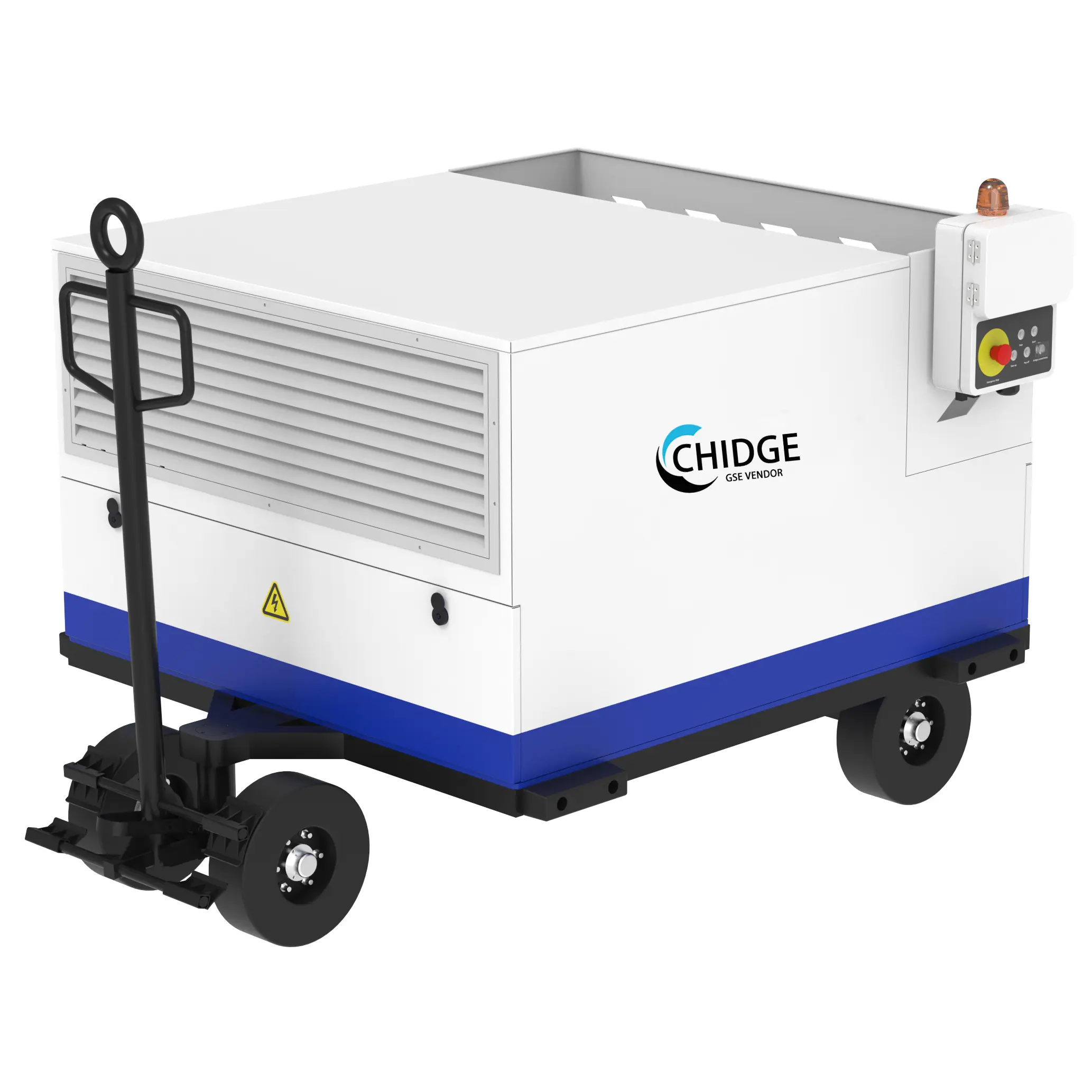
Analyzing the design of low-emission, battery-powered towable units engineered to replace traditional diesel generators.
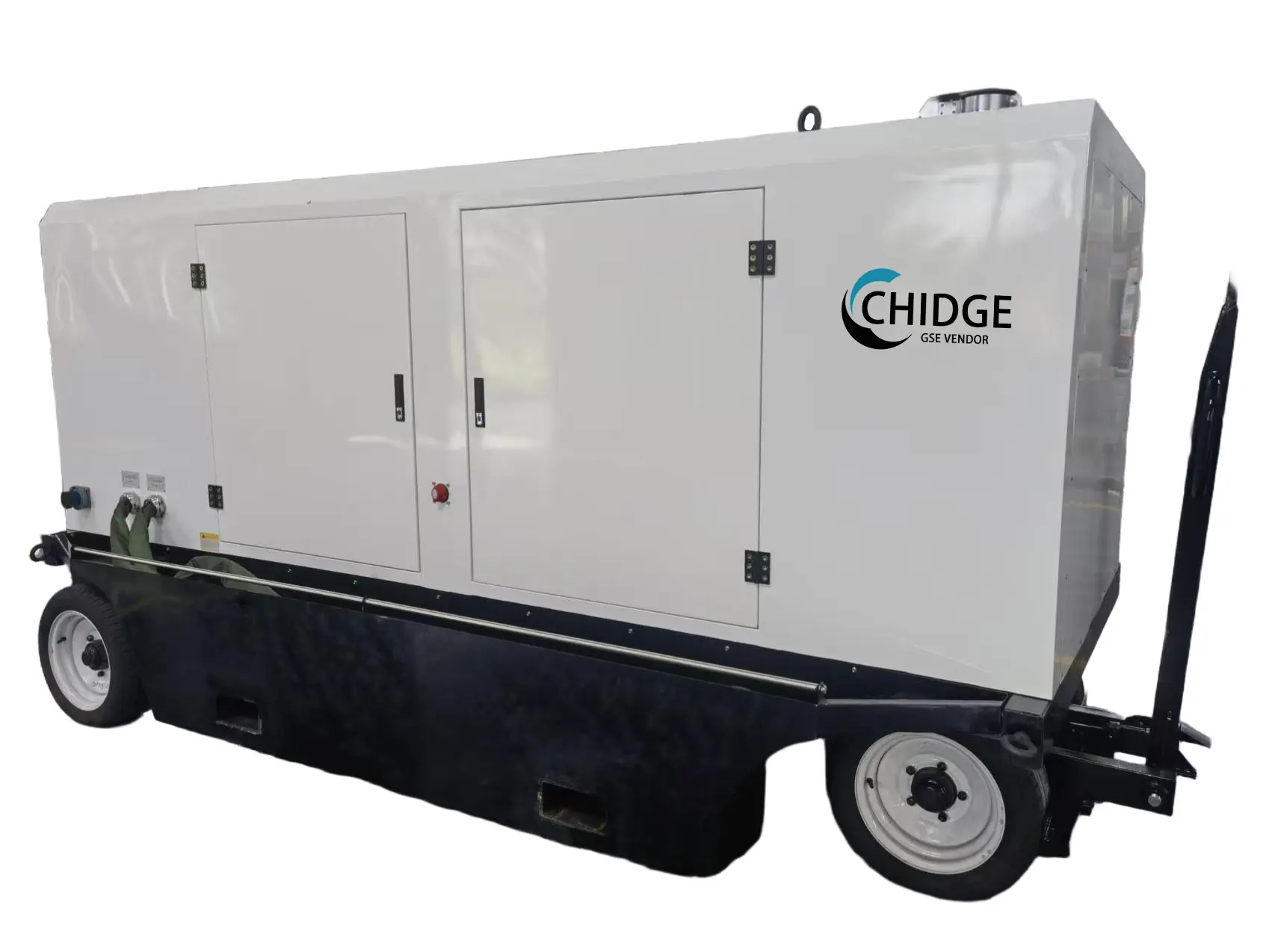
Ground power units supply electrical power to aircraft while parked, facilitating system checks and cabin preparation. Truck-mounted and towable designs offer versatile, efficient solutions for modern airport ramps.
Expert answers addressing structural design, safety systems, customization processes, and compliance standards.
We primarily use Q345B carbon structural steel, which provides high yield strength and impact resistance. This structural framework is hot-dip galvanized to ISO 1461 standards to ensure corrosion protection in harsh weather environments.
The fail-safe system is linked directly to the mechanical towbar. When the towbar is released or falls to a horizontal position, the linkages actuate the brake shoe assemblies on the front steering axle. This locks the dolly in place and prevents movement on sloped ramps.
Yes. Through our custom OEM/ODM process, we adapt bed dimensions, deck heights, roller layouts, and weight specifications to match standard cargo containers (such as LD3, LD6, and 10ft/20ft ULD pallets) or unique industrial payloads.
Every design undergoes Finite Element Analysis (FEA). Physical models are subjected to overload testing (typically 125% of rated capacity), tracking alignment diagnostics, towing speed stability evaluations, and salt spray testing for protective coatings.
Providing reliable support and creating value for our customers in ground operations worldwide.
Explore our heavy-duty industrial platforms, built to withstand the demands of high-throughput cargo environments.
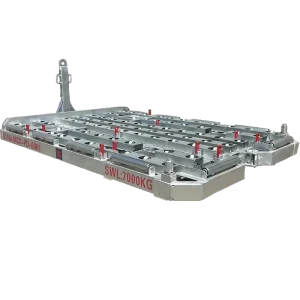
Features castle-ring structural stoppers for omnidirectional ULD movement and secure load positioning.
View Details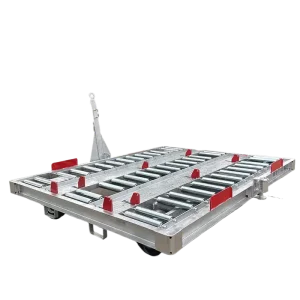
Standard 7-ton tarmac dolly featuring multi-directional cargo rollers, durable structural tires, and robust dual-axle guidance.
View Details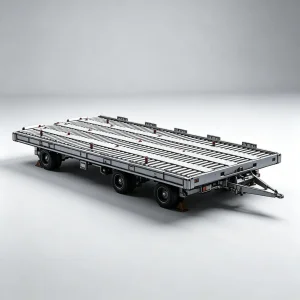
Ultra-reinforced, heavy-duty cargo dolly designed to support oversized pallets up to 35 metric tons.
View Details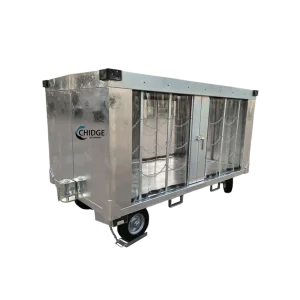
Designed with heavy-duty structural curtains and a rain-diversion roof to protect passenger luggage during transfers.
View Details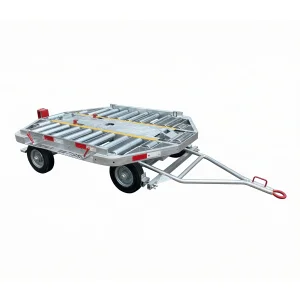
A modernized LD3 dolly design featuring optimized tracking geometry and lightweight high-strength chassis members.
View Details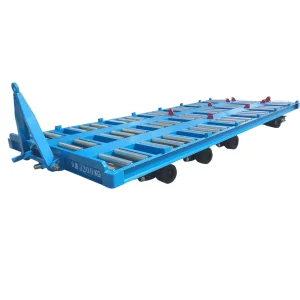
Mid-to-heavy range cargo dolly built to handle 18-ton loads. Ideal for commercial logistics operations.
View Details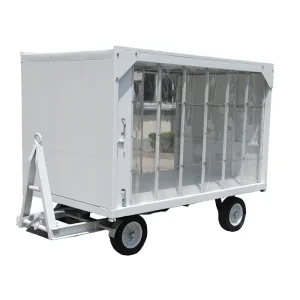
Features structural panels and lockable sliding side doors to secure baggage and prevent loss during transit.
View Details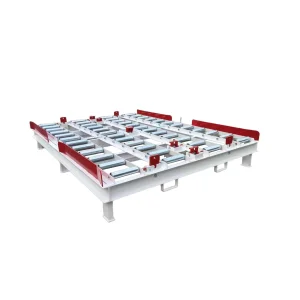
Designed for easy integration with standard cargo handling decks, facilitating the transfer of larger pallets.
View Details Chidge Dolly


