Explore our top-tier GSE dollies and luggage systems manufactured in our state-of-the-art facilities.
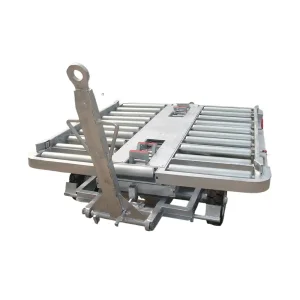
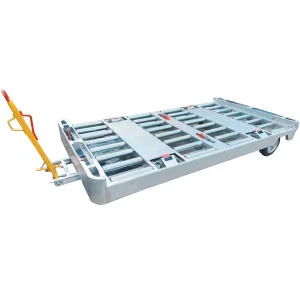
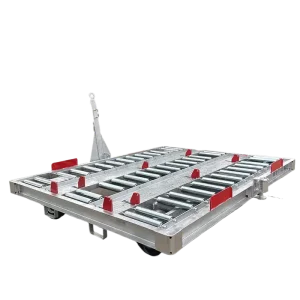
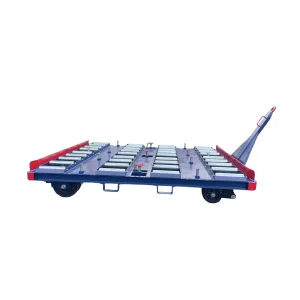
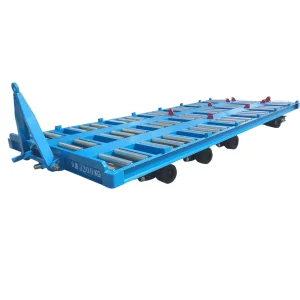
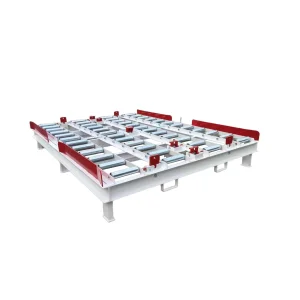
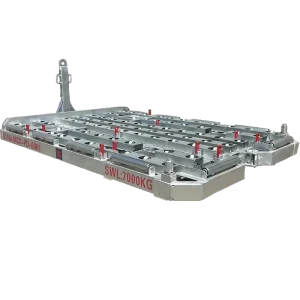
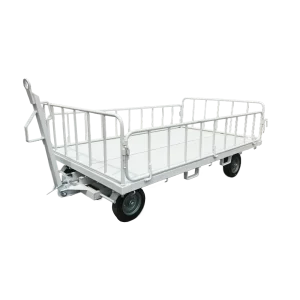
Analyzing modern traction mechanics, operator safety features, and dynamic weight distribution systems.
Calculated dynamic weight distributions maximize wheel-to-asphalt coefficient of friction, delivering reliable pushback traction for widebody aircraft even in icy or wet weather conditions.
Utilizing high-torque hydraulic pumps and motor controls to achieve smooth, stepless speed adjustments, preventing sudden shocks to the aircraft nose landing gear during pushback.
Designed with dual-circuit braking, emergency backup steering, and comprehensive interlocks conforming fully to IATA AHM 910/913 and European CE directives.
At the center of airport ramp operations lies the critical task of moving aircraft safely and efficiently. Modern aviation requires heavy ground tractors to perform precise movements under tight schedules. As a leading Custom Push Back Supplier and Factory, we provide high-tonnage tractors capable of maneuvering everything from regional jets to jumbo aircraft like the Airbus A380 and Boeing 747. Our customizable pushback systems support both conventional towbar and advanced towbarless structures, optimizing the turnaround window while ensuring absolute safety for ground personnel.
Our dynamic engineering process centers on custom weight ballasts, multiple steering configurations (crab steering, coordinated steering, and front-axle steering), and advanced power options. We prioritize structural frame integrity using high-tensile steel alloys, allowing our custom pushback systems to handle extreme stress without fatigue. These structural advantages extend operational lifespans beyond the industry average, lowering the total cost of ownership for airports and ground handlers alike.
Direct factory solutions for refueling, boarding, heating, and catering operations worldwide.
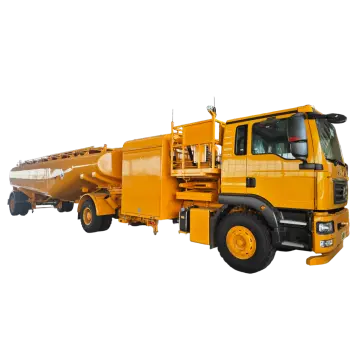
Chassis, oil tank, pumping system, control system, operating part, filtration, metering, pressure control.
View Details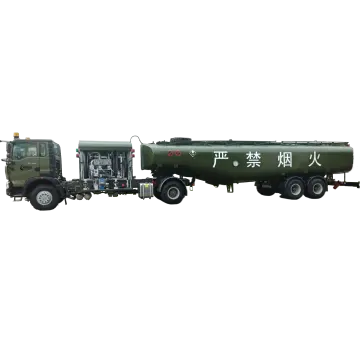
Complete refueling system with advanced self-circulation and filtration systems for large fleet operations.
View Details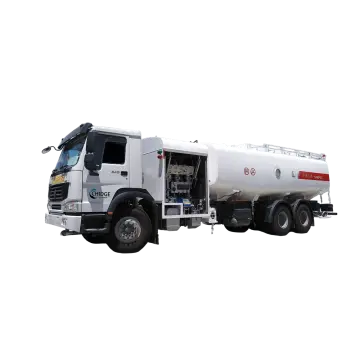
High-capacity tank truck designed for international passenger airport environments with comprehensive safety interfaces.
View Details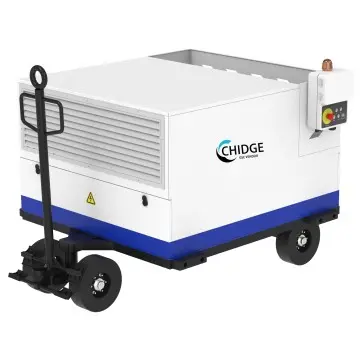
Green energy storage solution designed to supply noise-free, zero-emission ground power directly to passenger jets.
View Details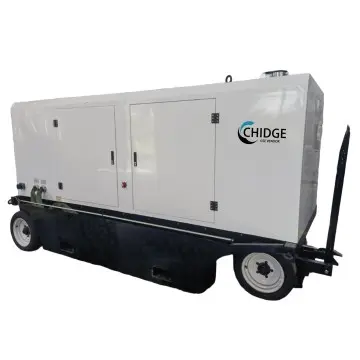
Robust solid-state frequency converter providing clean 400Hz electricity for pre-flight avionics runs.
View Details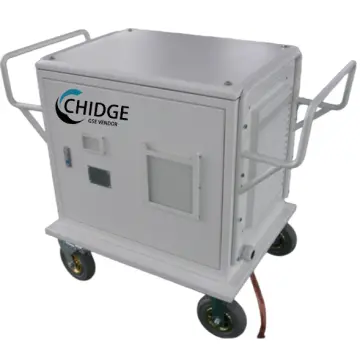
Highly reliable static power converter engineered for maintenance hangars and parking aprons.
View Details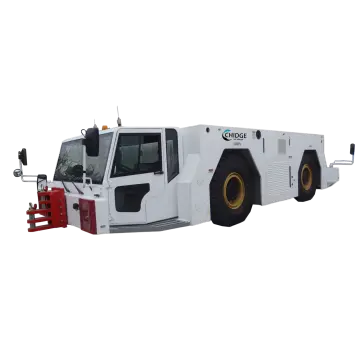
Our flagship high-tonnage custom pushback tug built for wide-body aircraft maneuvers under harsh ramp conditions.
View Details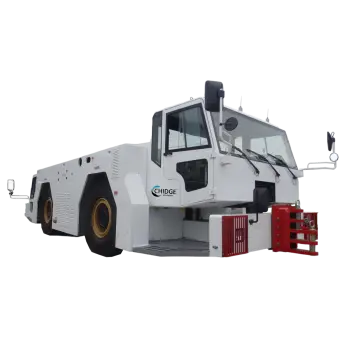
Medium-to-heavy range tow tractor featuring high drawbar pull, customized cabins, and dual axle steering options.
View Details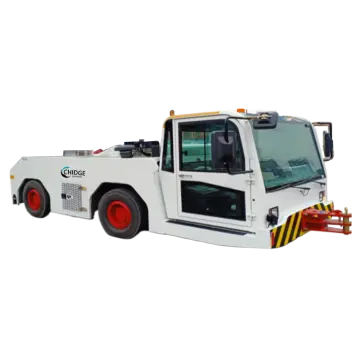
Optimized for narrow-body operations, offering unmatched agility, high operator visibility, and minimal maintenance overhead.
View Details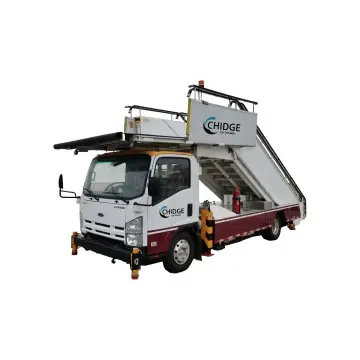
Self-propelled electric passenger boarding stairs with anti-slip treads and adjustable height mechanisms.
View Details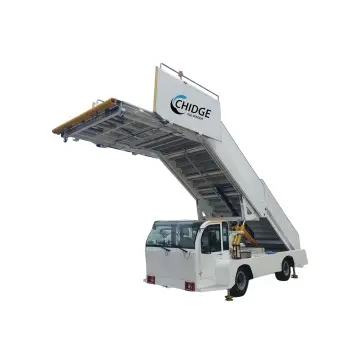
Diesel-powered passenger stairs engineered for continuous regional hub operations in extreme climates.
View Details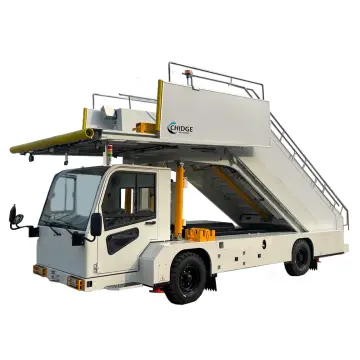
Highly maneuverable boarding stairs featuring hydraulic support legs and modern safety bumper sensors.
View DetailsOur commitment to high-performance aviation logistics stands on a global foundation.
The ground handling sector is experiencing a significant shift toward electrification (eGSE) and autonomous flight line navigation. As airports pursue net-zero emission mandates, diesel-powered equipment is being replaced by high-voltage Lithium Iron Phosphate (LiFePO4) powertrains. Our R&D division has spent years optimizing high-capacity battery packs that support fast-charging cycles, ensuring your fleet remains ready to deploy throughout busy airport schedules.
Looking ahead, we are incorporating CAN-bus telemetry and sensor arrays to support semi-autonomous docking and obstacle detection. By integrating active safety lidar and ultrasonic safety barriers, our custom pushback equipment minimizes the risk of expensive ramp accidents, protecting both the aircraft and ground support personnel. This technological foundation ensures your GSE fleet is ready for the future of airport logistics.
Airside efficiency requires seamless coordination among multiple systems, including refueling trucks, ground power units, baggage tugs, and boarding stairs. Turnaround delays can cost airlines thousands of dollars per minute. Our integrated product catalog is designed to streamline these processes. By purchasing directly from our factory, ground handlers can synchronize their equipment specifications to simplify parts inventory, fleet maintenance, and operator training programs.
For example, standardizing cabin layouts across our catering trucks, lavatory servicing units, and towing vehicles reduces operator transition times and limits human error. Our custom equipment integrates smoothly with flight line telemetry systems, allowing airport control centers to track vehicle locations and battery charges in real time, maximizing fleet utilization rates.
Balancing technological innovation, rigorous quality assurance, and responsive global logistics.

Our company leverages advanced science and innovation in product design, R&D, and manufacturing to deliver robust ground support machinery.
Learn More
Our equipment is built to exceed customer performance expectations, stand out in competitive markets, and win industry trust.
Learn More
Our integrated supply chain, inventory controls, and logistical networks ensure on-time delivery and fast emergency response times.
Learn More
Our dedicated support team resolves equipment issues promptly, building long-term customer trust and extending product lifespans.
Learn MoreWe welcome OEM and ODM orders to meet specific regional requirements and unique flight line conditions. Our customer-centric process supports projects through planning, custom styling, material sourcing, structural assembly, safety certification, and delivery.
Our custom capabilities include specialized drawbar modifications, extreme cold weather insulation kits, and dual-voltage power setups. By handling development, assembly, and testing in-house, we help clients control costs, accelerate deployment, and maintain competitive service margins.


Our manufacturing centers employ Factory 4.0 processes, featuring automated CNC machining, robotic structural welding, and advanced painting lines. By utilizing robotic welding for vehicle chassis, we ensure consistent penetration depth and stress relief, creating components that withstand decades of constant loading forces.
Our location in China's industrial manufacturing corridor gives us access to a complete supply chain for hydraulics, metallurgy, and drive controls. This cluster allows us to source raw materials efficiently and maintain manufacturing schedules even during global supply disruptions. This localized efficiency enables us to deliver high-quality custom equipment with shorter lead times than traditional manufacturers.
Our GSE units are designed, assembled, and certified to meet international aviation safety regulations. Every towing vehicle, loader, and GPU is tested under simulated ramp loads to verify engine performance, hydraulic stability, and emergency braking systems before leaving the factory. Our equipment complies with CE, ISO, IATA AHM, and FAA guidelines.
To support global operations, we offer localized maintenance options, replacement parts depots, and technical training. Whether you run a regional cargo operation or manage fleet logistics at a major international hub, our engineering teams provide the documentation and support needed to pass safety inspections and maximize equipment uptime.
We support airlines, cargo handlers, and global logistics providers with reliable fleet solutions.
Stay informed on safety standards, technological shifts, and new airport ground equipment updates.
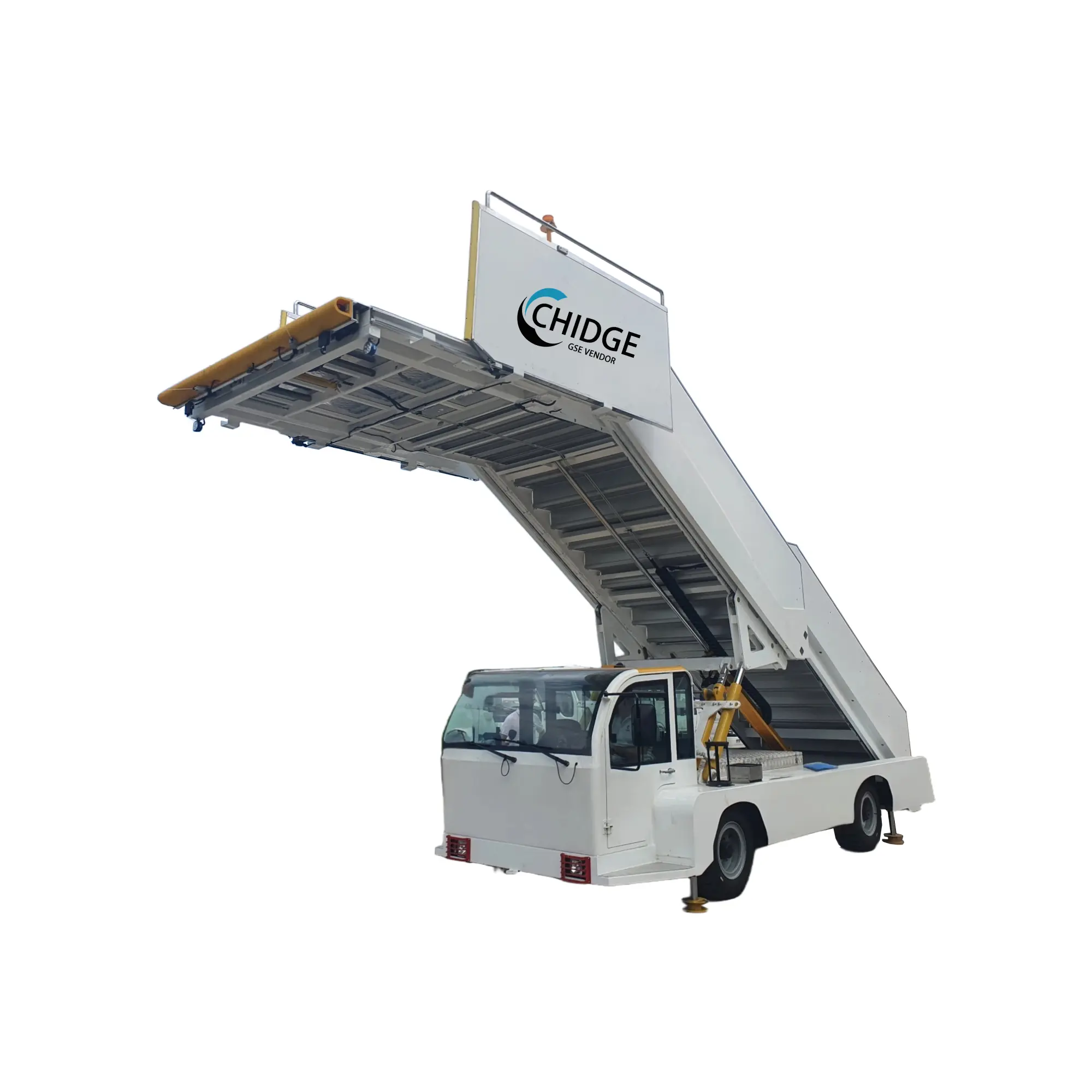
Exploring mechanical design configurations, safety limits, and height settings for modern commercial aircraft servicing.
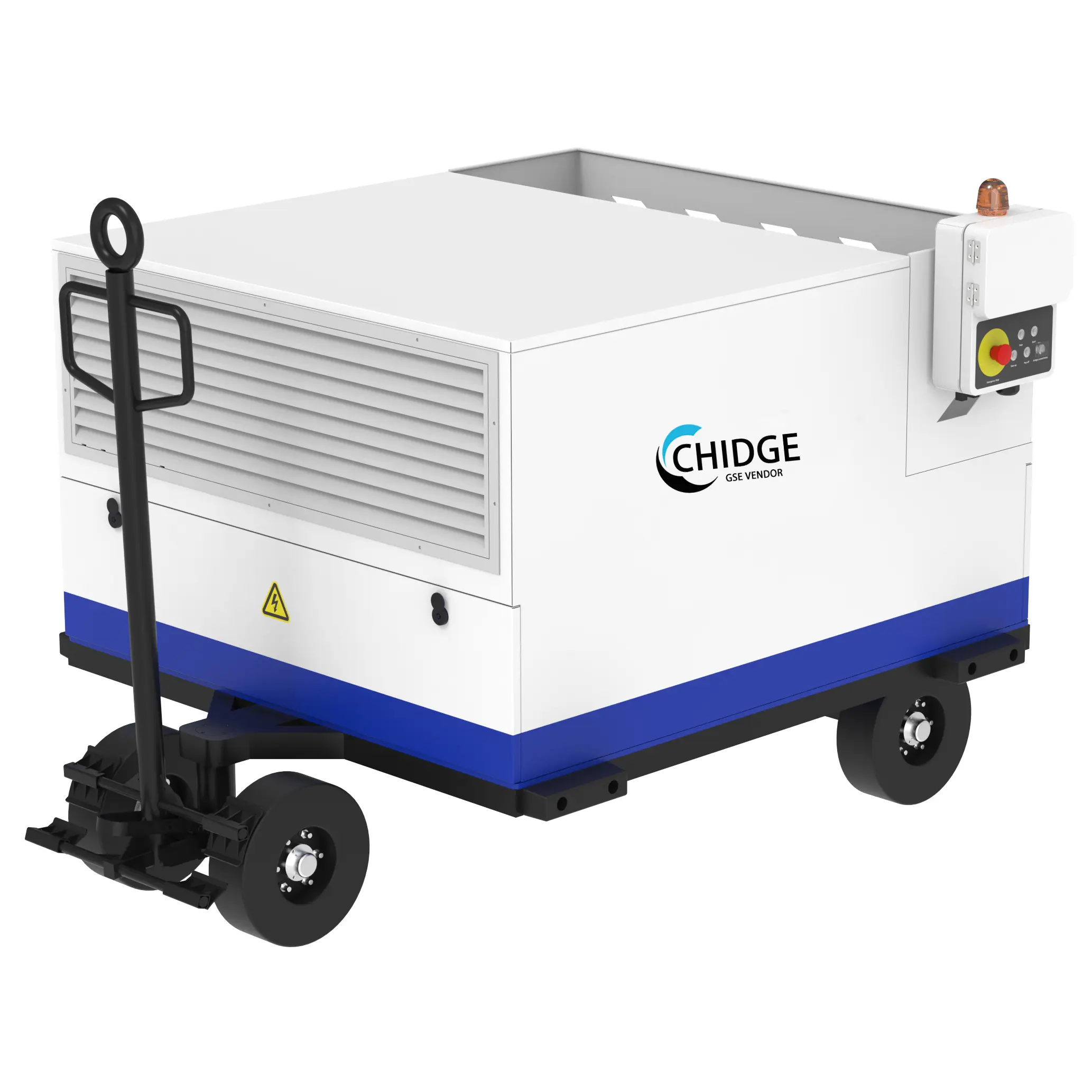
How towable battery arrays are reducing carbon emissions, fuel consumption, and engine noise on airport ramps.
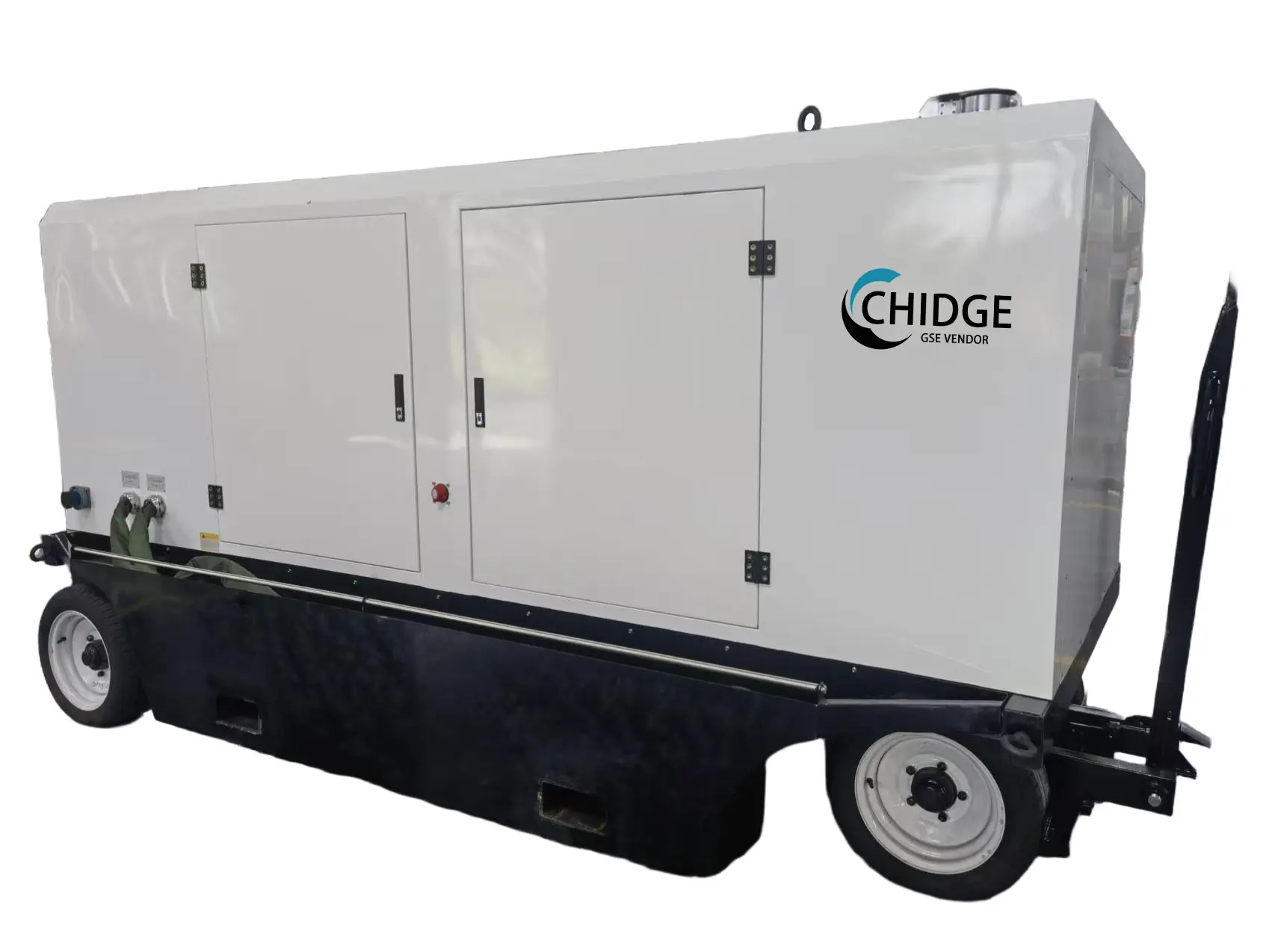
Analyzing static and truck-mounted units that deliver stable electrical power for cabin support systems and pre-flight checks.
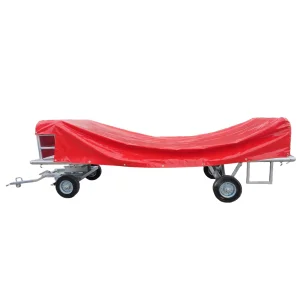
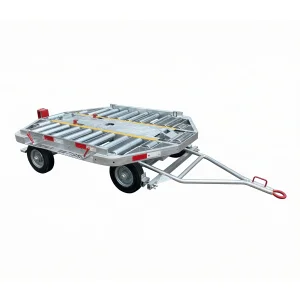
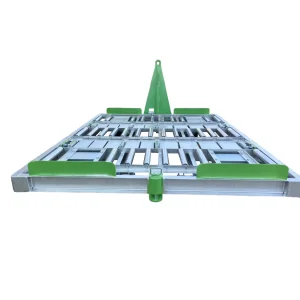
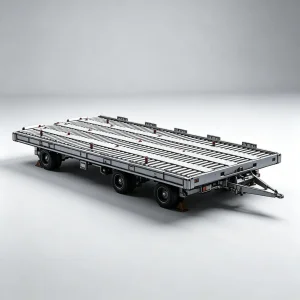
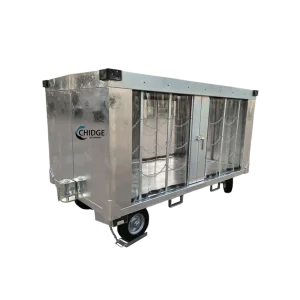
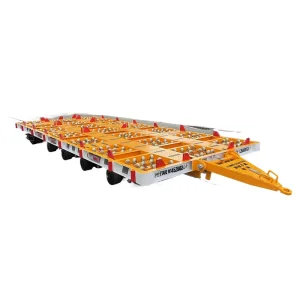
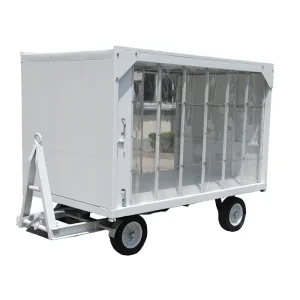
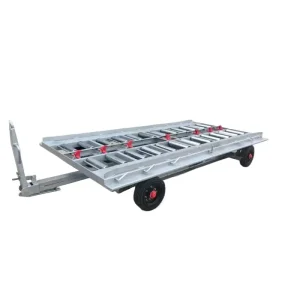
Discover our specialized airport dollies, baggage trolleys, and cargo loading platforms.
Answers to common technical, manufacturing, and configuration questions from procurement managers.
 Chidge Dolly