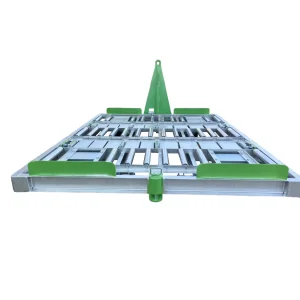
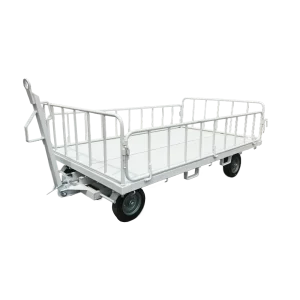
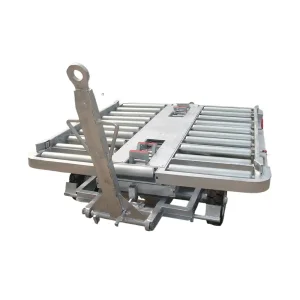
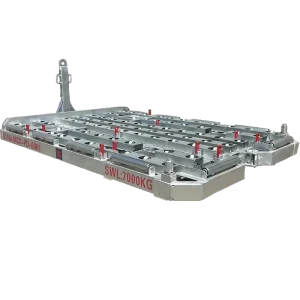
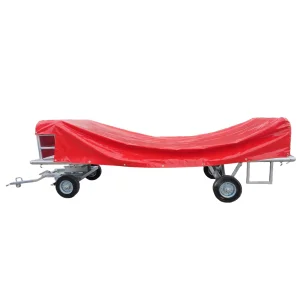
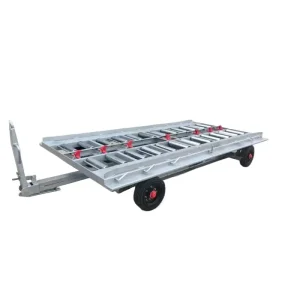
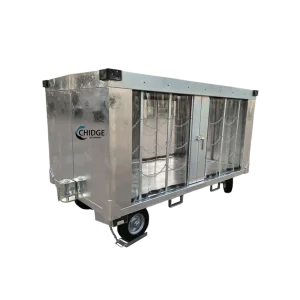
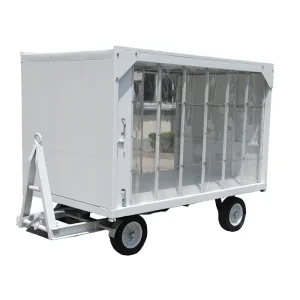
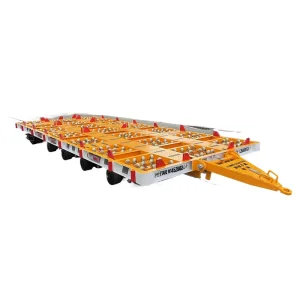
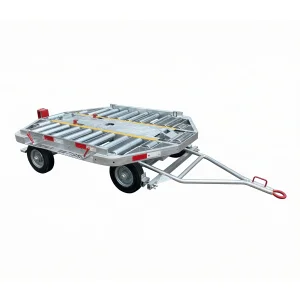
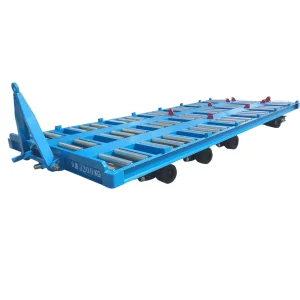
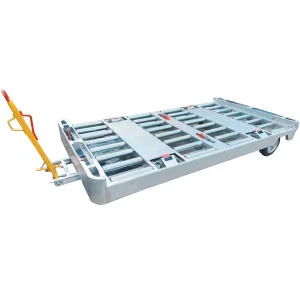
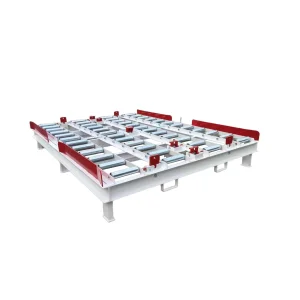
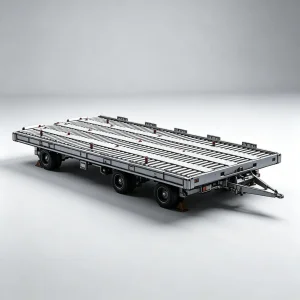
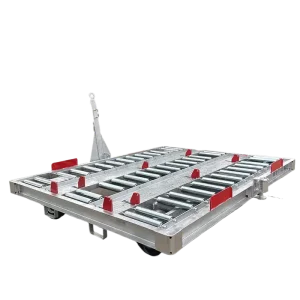
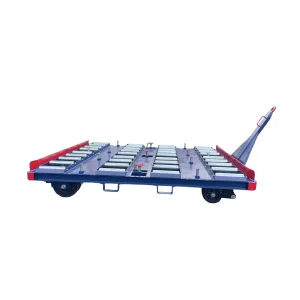
Select ground handling and material sorting equipment engineered for harsh environments, heavy loads, and rapid turnaround times.
Decoding the modern aviation growth parameters and material flow challenges in high-frequency hubs.
Global aviation networks are witnessing unprecedented passenger traffic growth. This expansion necessitates baggage handling systems (BHS) that function round-the-clock without operational breakdown. Airport operators require modular conveyor solutions that can adapt to spatial configurations and fluctuations in throughput during peak seasonal rushes.
State-of-the-art airports utilize automatic tracking systems (such as RFID and optical barcodes) to direct baggage along serpentine routes. The mechanical structure of conveyor belts must match these electronic systems, providing high friction coefficient control, precision start-stop mechanisms, and low-slip characteristics to keep bag orientation accurate.
Safety compliance in regional transit corridors requires baggage conveyor belts to be flame-retardant (meeting DIN EN 20340/ISO 340 standards) and anti-static. Furthermore, modern occupational safety guidelines enforce noise reduction (under 65 dB at operating stations) to create a comfortable working environment for terminal baggage crews.
Traditional conveyor setups suffer from belt mistracking and early splice failures, raising the total cost of ownership (TCO). High-quality synthetic fibers (such as PVC, TPU, and synthetic rubber) combined with heavy-duty mechanical splicing guarantee long operational life with minimal maintenance overhead.
Examining structural demands across the path of a bag, from ticketing zones to container loading docks.
Feeder conveyors at ticketing desks work under intermittent cycle profiles with high frequency start-stops. These belts must feature optimal lateral stability to prevent deformation and maintain alignment under unevenly distributed loads.
Curved conveyor systems (ranging from 30° to 180° sweeps) demand precise radial structural geometry. Special cone-shaped rollers and custom tapered belt cutouts ensure smooth transition angles, avoiding luggage bunching or skewing during transit to advanced CT scanning devices.
Reclaim carousels (usually shaped as flat T, U, or O loops) use interlocking overlapping scale plates or heavy friction-backed continuous loops. These designs are engineered to prevent luggage straps from catching while providing a quiet, safe, and visually clean interface for arriving travelers.
Why leading global aviation system integrators choose Chinese manufacturing clusters for large-scale projects.
Chinese factories are located within closely knit industrial zones, providing immediate access to raw polymer materials, high-tensile base fabrics, advanced calendering machinery, and vulcanizing equipment. This concentration reduces material transport times and keeps production costs highly competitive.
Equipped with computerized laser cutting beds and high-precision CNC vulcanization systems, Chinese manufacturers can customize belt profiles—including custom cleat spacing, side walls, tracking guides, and surface textures—in days rather than weeks.
Quality assurance programs include dynamic tensile testing, high-temperature environmental aging simulations, surface resistance measurements, and flame propagation tests. These checks ensure that all products exported to European, North American, or Middle Eastern markets comply with standard regulations.
Whether supplying replacement parts for local regional airports or equipping a massive multi-runway international aviation hub, China's high-capacity manufacturing lines maintain consistent quality across large order volumes, ensuring predictable delivery timelines.
We specialize in matching technical specifications with localized demands. Whether you require customized luggage conveyor belts or complete ground support systems, our engineers deliver optimized designs built for high performance.





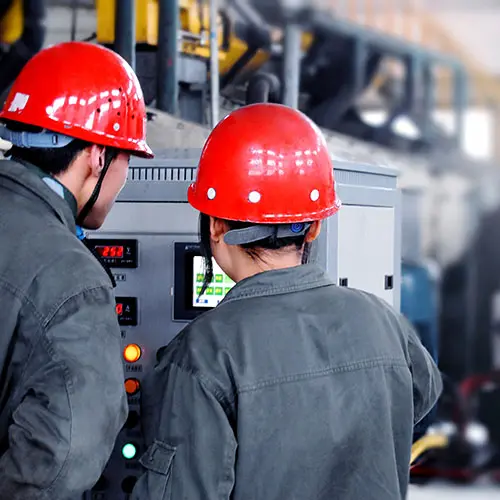
A complete breakdown of mechanical and physical parameters required in international calls for tender.
Procurement teams specify high modulus polyester warp threads and polyamide weft fabrics. These materials minimize permanent stretch over hundreds of operating hours, reducing tracking adjustment intervals and energy losses.
Different areas of a baggage handling system (BHS) require specific belt friction profiles. Inbound feed lines use high-grip profiles (such as crescent, diamond, or saw-tooth designs) for steep inclines, while merge and sorting tables require low-friction bottom coatings to enable smooth cross-slide transitions.
Static electricity can damage sensitive airport sensors and RFID scanners. To prevent this, conveyor belts are infused with carbon fibers to dissipate charge. Quiet-running fabrics on the underside also minimize noise levels when the belt passes over support rollers.
How new technologies are transforming baggage handling infrastructure.
As airports transition toward carbon neutrality, carbon-neutral conveyor belts are becoming a standard procurement requirement. Thermoplastic Polyurethane (TPU) belts are leading this shift, as they do not release toxic gases during recycling and require less power to run due to their lightweight properties.
Modern conveyor belts can be integrated with fiber-optic sensor networks. These sensors monitor temperature, edge wear, and splice stress in real time, alerting operations teams before a belt failure can disrupt passenger travel.
Connecting major global airlines and logistics operators with dependable aviation ground equipment.

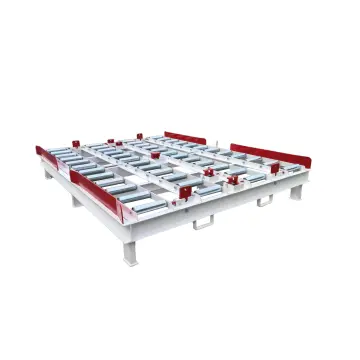
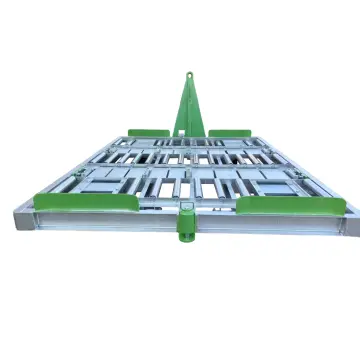
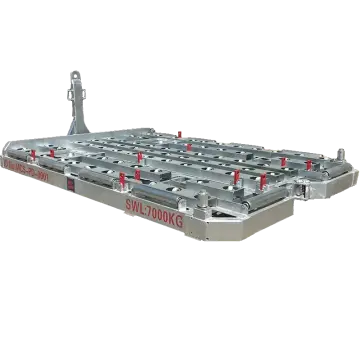
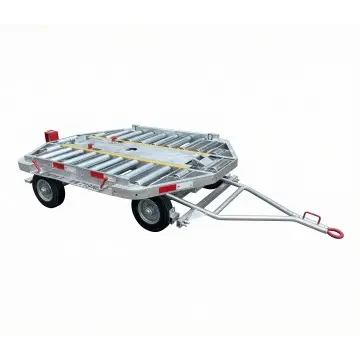
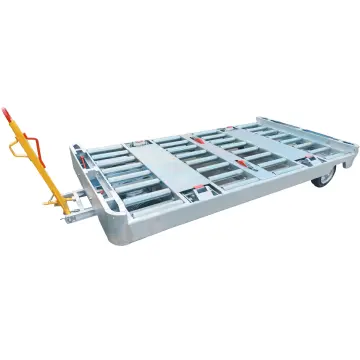
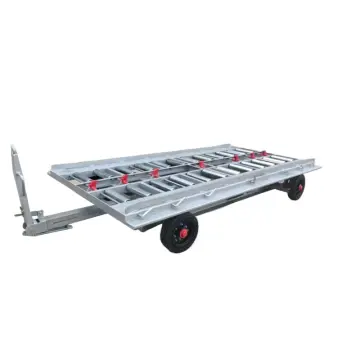
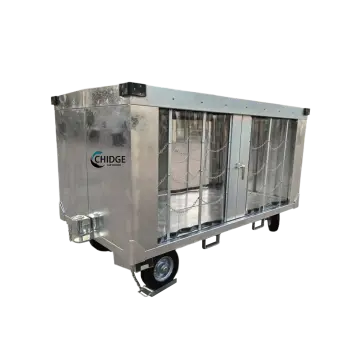
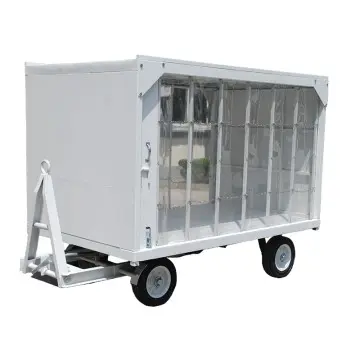
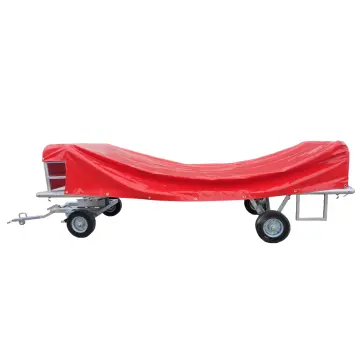
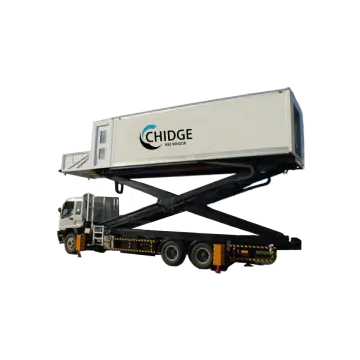
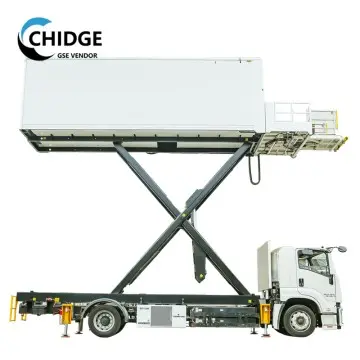
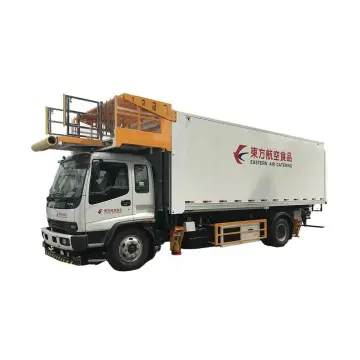
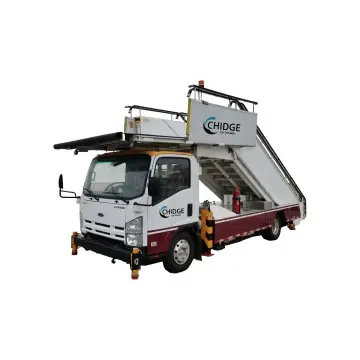
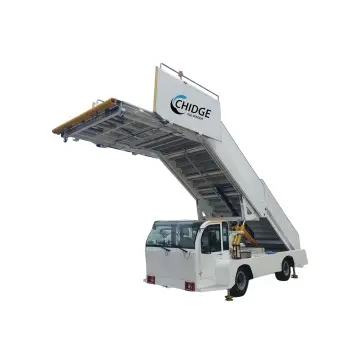
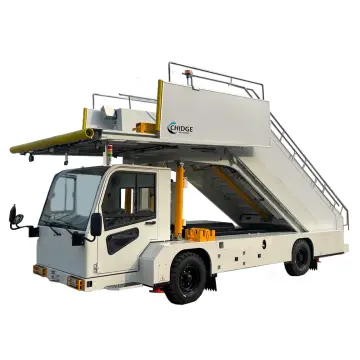
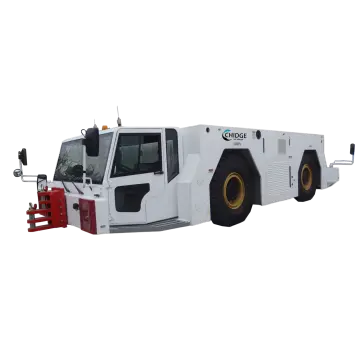
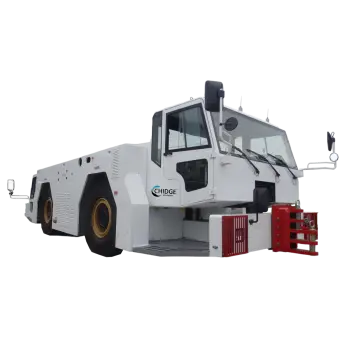
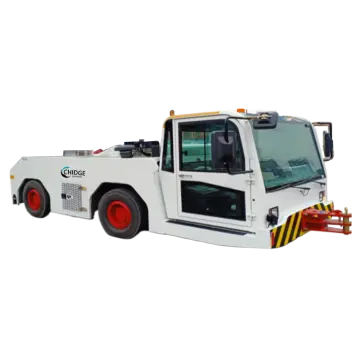
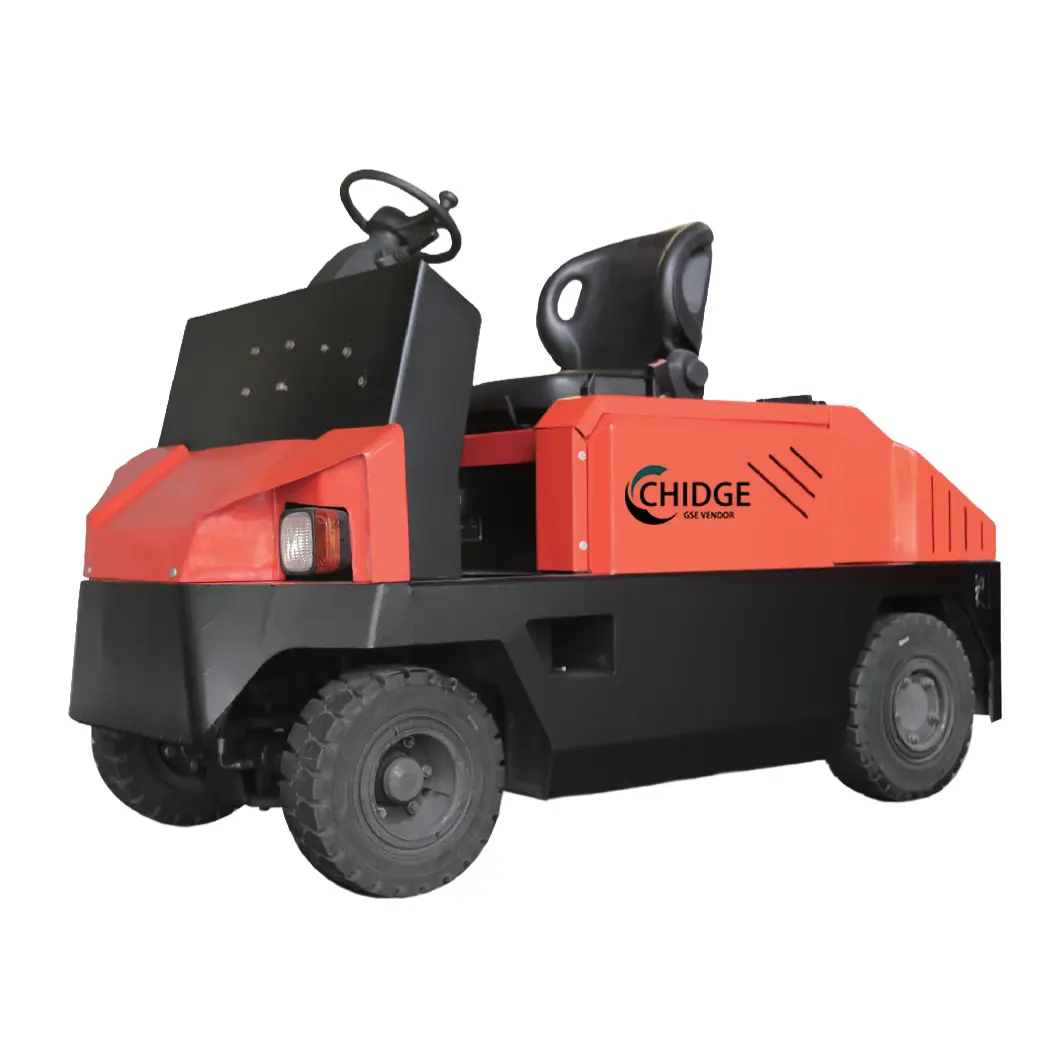
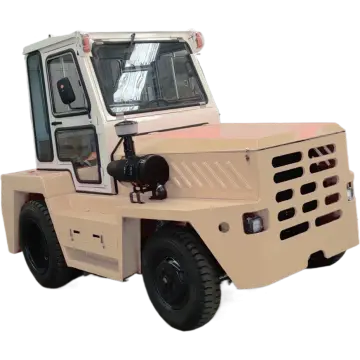
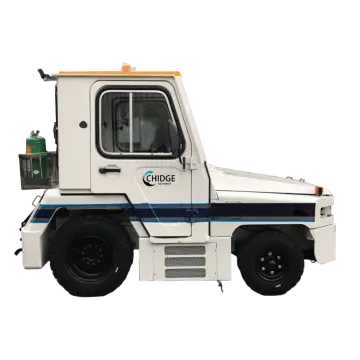
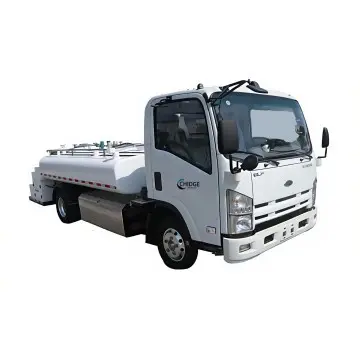
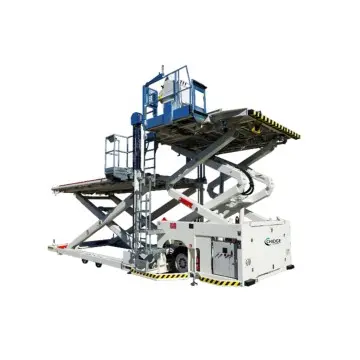
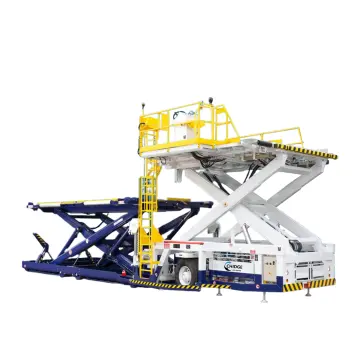
We supply a comprehensive range of ground support equipment, including heavy duty container dollies, passenger stairs, and tow tractors.

Providing custom solutions that streamline airport ground handling and increase cargo terminal efficiency.

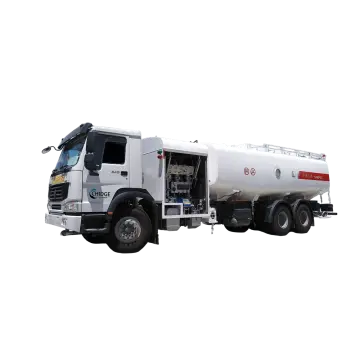
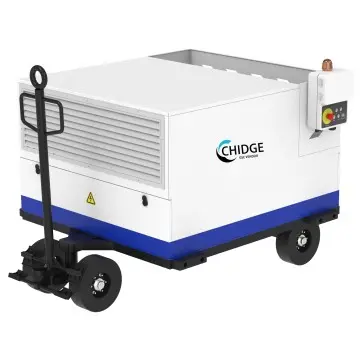
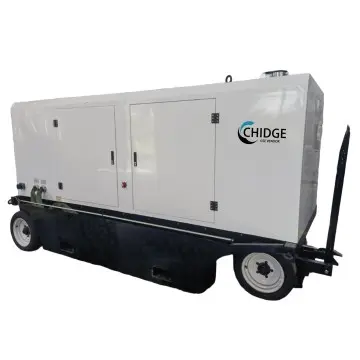
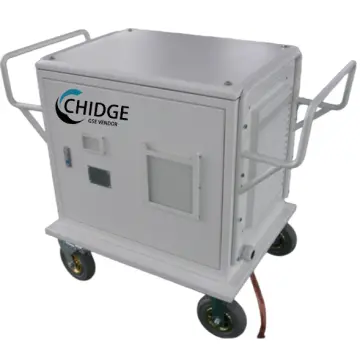
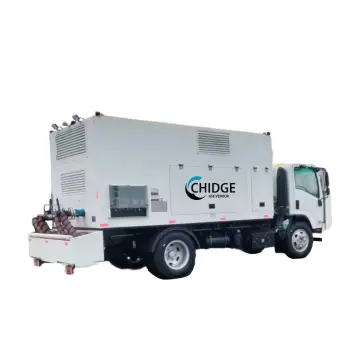
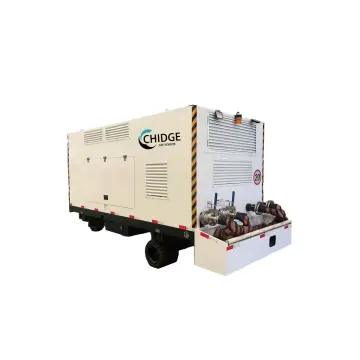
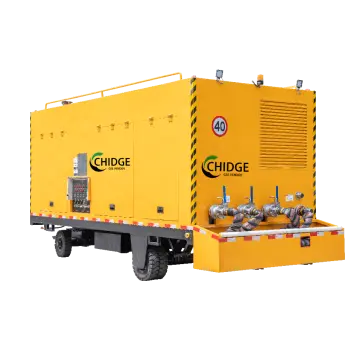
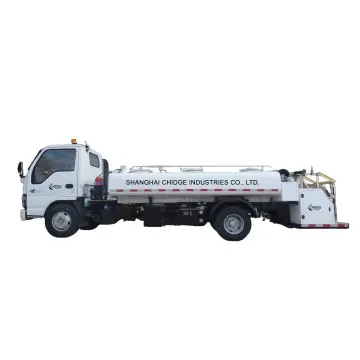
From passenger baggage trolleys to complex aircraft refueling systems and ground power units.
"Our mission is to make their choices firm and correct, to create greater value for customers and to realize their own value"
Explore our technical catalog of specialized ground support units, refueling machinery, and aircraft tractors.
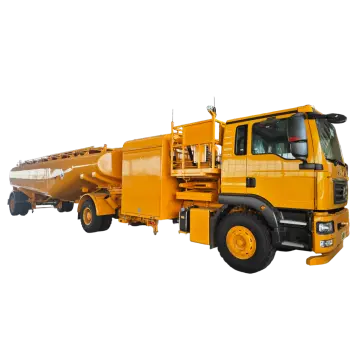
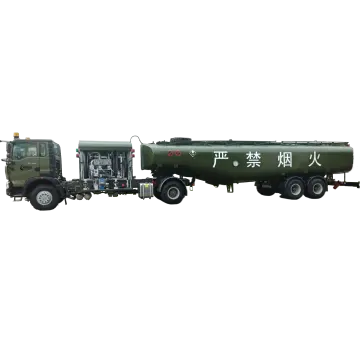
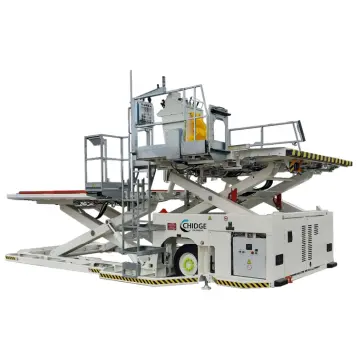
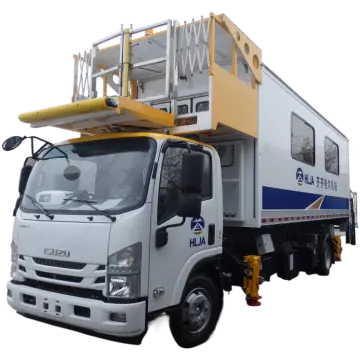
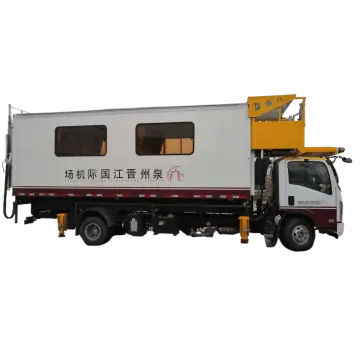
Technical answers to key engineering and procurement questions regarding airport sorting operations.
Stay updated with technical developments in aviation ground support systems and airport material logistics.
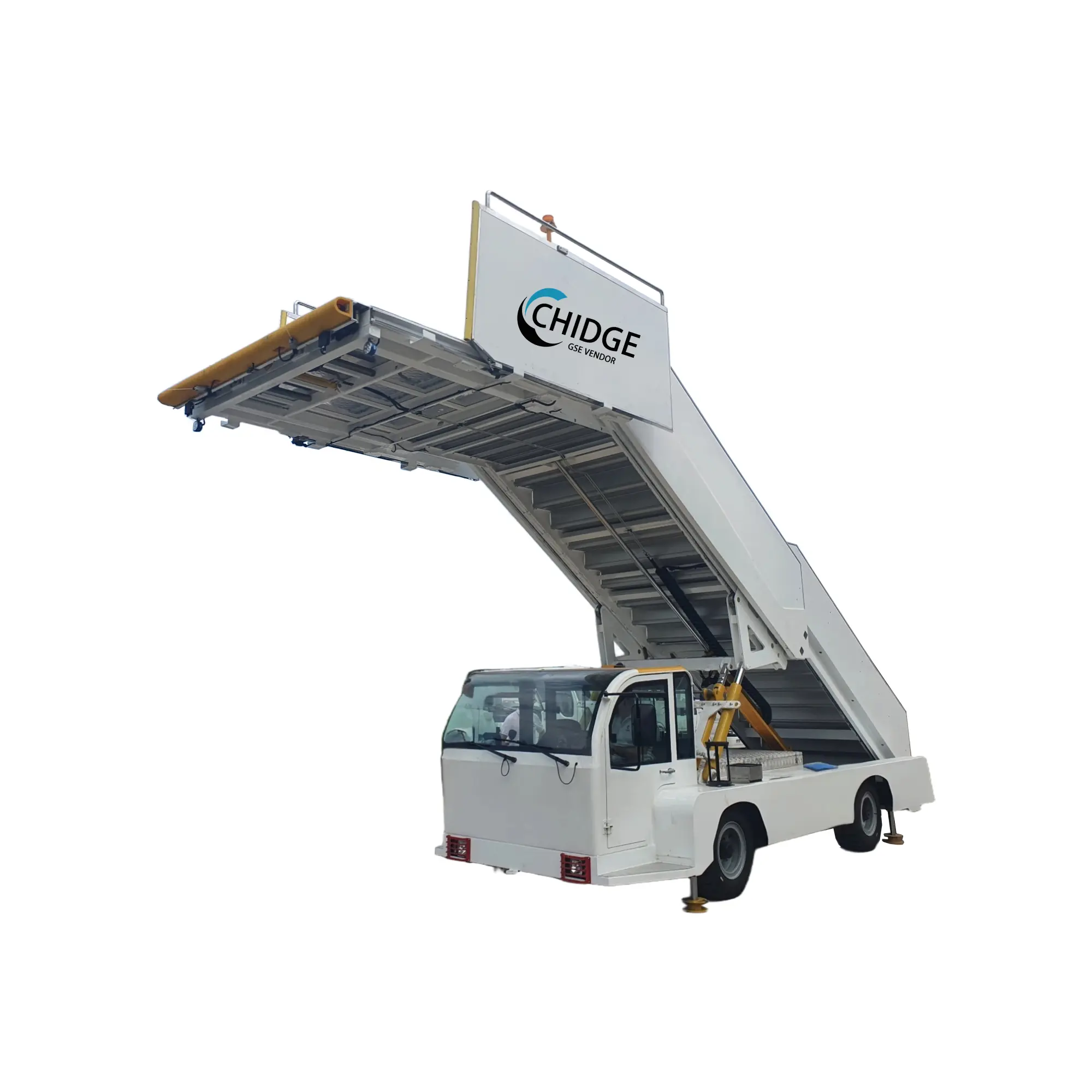
A detailed breakdown of modern passenger boarding stairs, highlighting their structural designs, safety features, and role in modern ramp operations.
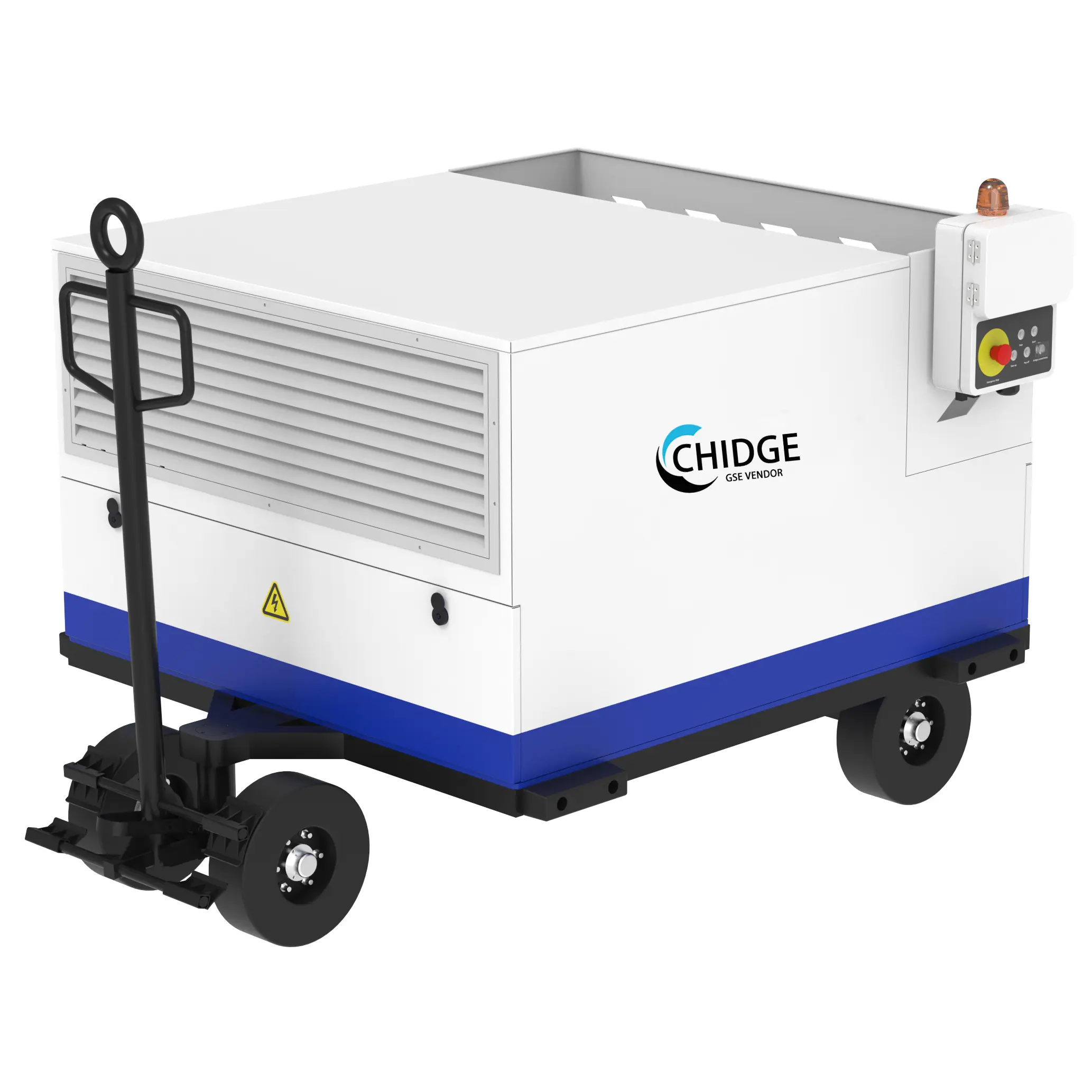
An in-depth look at green power solutions for airport ramps, including battery systems and zero-emission operations.
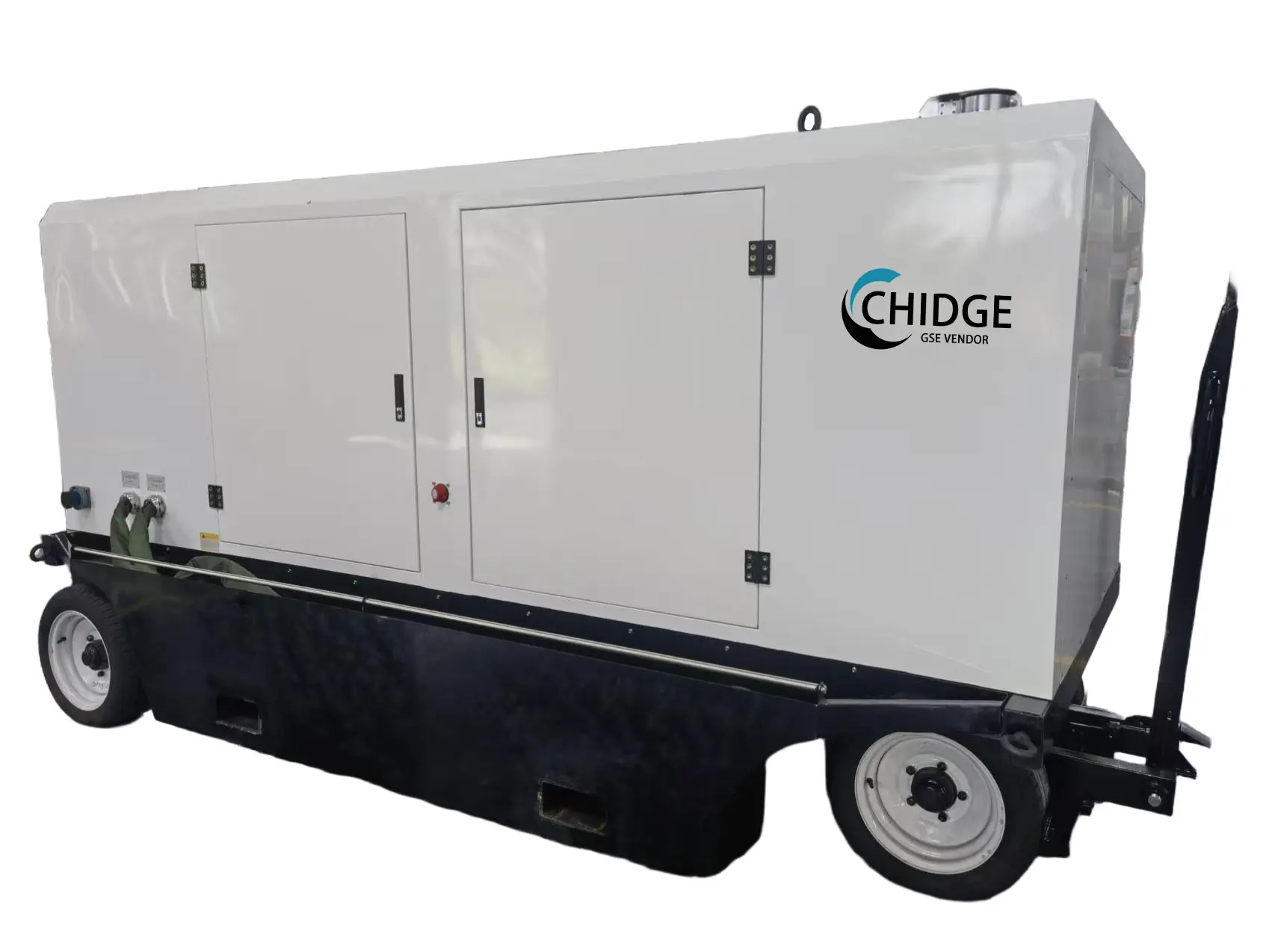
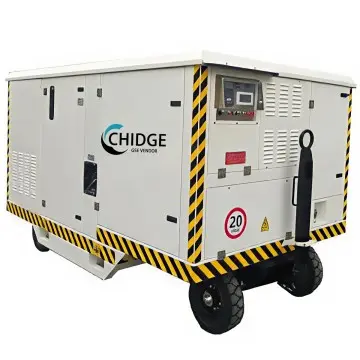
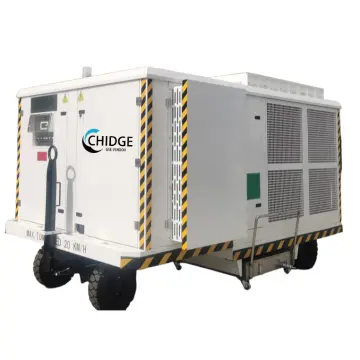
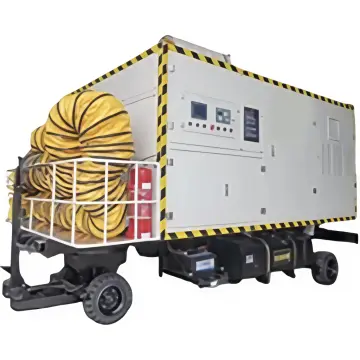
In the complex ecosystem of aviation operations, ensuring an aircraft is flight-ready involves a multitude of support systems. Among the most critical components in this pre-flight preparation is the Aircraft Ground Power Unit (GPU).
Select ground support vehicles, heavy transport dollies, and cargo systems engineered for busy regional hubs.
Why leading global aviation systems integrate our components for long term operation.

We integrate advanced design technologies and production techniques to deliver reliable and innovative engineering solutions.
View More
Our high-quality products are built to meet demanding operator specifications, helping them stand out in competitive markets.
View More
We maintain efficient supply chain, inventory, and logistics management systems to ensure reliable delivery schedules.
View More
Our technical support teams help resolve operational challenges, supporting equipment reliability and long service life.
View More Chidge Dolly