Engineered for high-volume airport logistics, cargo terminals, and apron maintenance hubs. Click to explore customized specifications.
In modern aviation ecosystems, the efficiency of ground operations directly affects airlines' profitability, terminal safety, and overall turnaround metrics. Ground Support Equipment (GSE)—particularly towing tractors, air start units, passenger stairs, and high-load dollies—forms the backbones of this intricate choreography. Selecting the right GSE airplane towing tractor supplier requires an analytical understanding of powertrain architectures, chassis configurations, drawbar pull capacities, and alignment with global environmental regulations.
As hubs transition toward Net-Zero emissions, the demand for custom diesel and electric (eGSE) towing vehicles has soared. Airport ground handlers require equipment capable of handling diverse narrow-body and wide-body aircraft (ranging from Regional Jets up to heavy commercial platforms like the Airbus A350 and Boeing 777). Our facility integrates advanced structural engineering with cutting-edge electronics to supply highly customized, ruggedized tractors that meet the demanding conditions of modern apron environments.
Heavy-duty steel plates built to resist extreme shear forces during pushback operations. All components are subjected to rigorous finite element analysis (FEA) to confirm maximum structural longevity.
We configure propulsion platforms with Tier 4 Final/Stage V diesel powertrains, or advanced Lithium Iron Phosphate (LiFePO4) high-voltage battery systems built to maximize duty cycles and optimize charging intervals.
Integrated telemetry, digital torque controls, anti-collision sensor arrays, and ergonomic cabins with 360-degree visibility maximize ramp safety and minimize the risk of expensive ramp rash incidents.
Comparing engineering parameters of our premium product lineages, highlighting standard configurations versus bespoke options.
| Equipment Type / Model Range | Primary Power Configuration | Operational Load Capacities | Target Airport Environment | Key Standard Compliance |
|---|---|---|---|---|
| CDT300 / CDT450 / CDT700 Towing Tractors | Diesel / High-Voltage Li-Ion | Drawbar Pull up to 700 kN | Mainline Passenger Aprons & Maintenance | IATA AHM 910, 913, 955, CE |
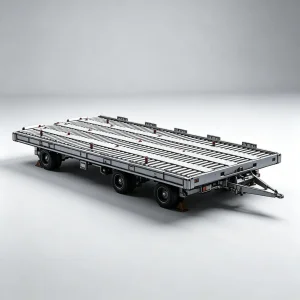
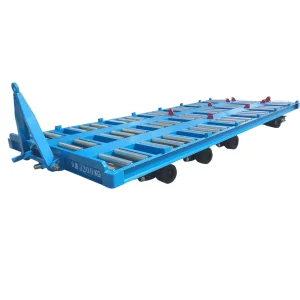
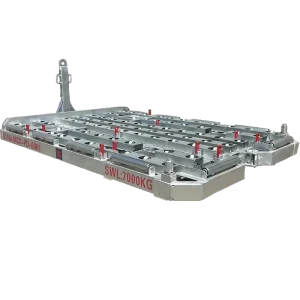
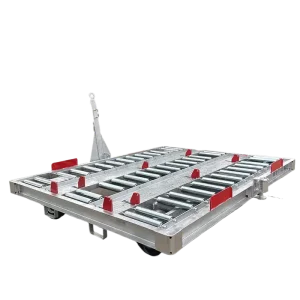
| Heavy-Duty Cargo & Pallet Dollies | Towable / Rolling Bed | 7 Tons to 35 Tons capacity | Dedicated Cargo Hubs & Sorting Depots | ISO 10254, IATA AHM 911 |
| Aircraft Tank Refueling Trucks | Chassis-integrated Pumping | Custom Tank Capacities | Refueling Hydrants & Off-grid Fuel Farms | API 1581, NFPA 407, ADR |
| PCA Units & Aircraft Heating | Grid Powered / Diesel Aux | Customized CFM Air Delivery | Extreme Weather Aprons (Cold/Desert) | IATA AHM 973, 974 |
A crucial factor in procuring an airplane towing tractor is calculating the exact Drawbar Pull required for the target aircraft range. DBP is dictated by the aircraft's Maximum Ramp Weight (MRW), rolling resistance of tires, grade slope of the taxiways, and the friction coefficient of the runway under varying weather conditions (wet asphalt, ice, snow). Our engineering division designs custom ballasts and drivetrain ratios to ensure that our tractors maintain constant adhesion to the tarmac without slip, reducing wear on tires while protecting the nose-gear assemblies of the aircraft during pushback maneuvers.
Our industrial facility manufactures complex ground units to support passenger boarding, aircraft power, and environmental controls.
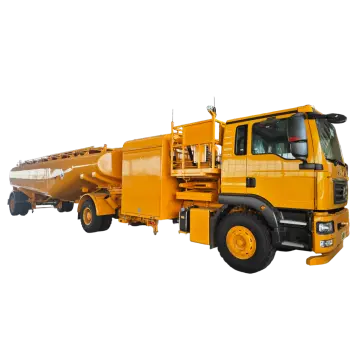
Consists of a certified high-yield chassis, oil tanks, pumping systems, filtering units, dynamic metering controls, and operating control valves. Designed for filtration, refueling, metering, and pressure regulation.
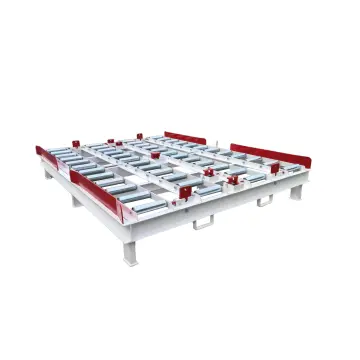
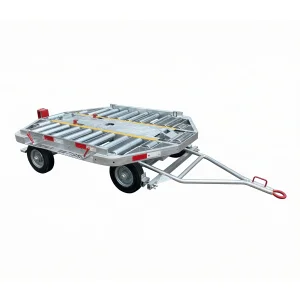
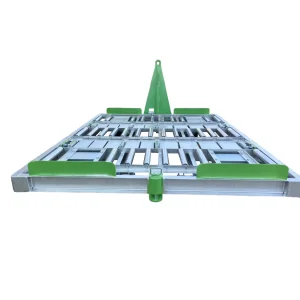
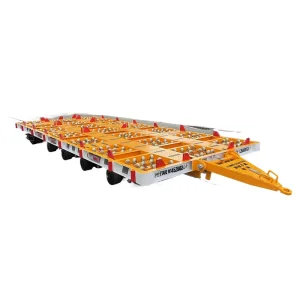
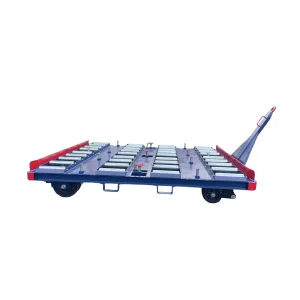
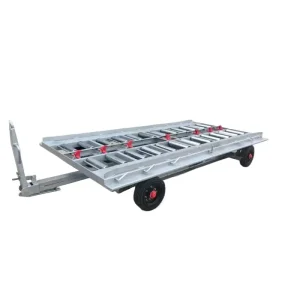
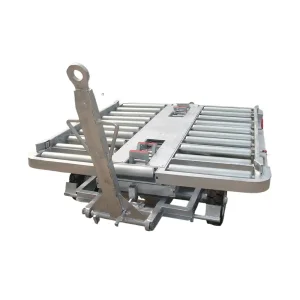
Heavy-duty solutions built with high-quality steel roller beds, integrated safety locks, and bi-directional towing capability. Built for containers and heavy air cargo pallets.
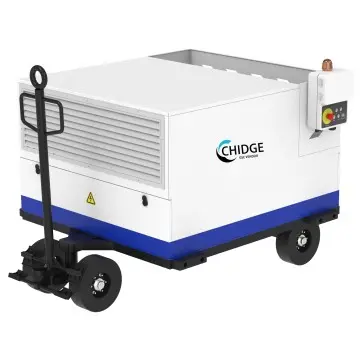
Highly efficient systems including catering service trucks, energy storage static power systems (GPU), and air start units (ASU) engineered for zero-loss utility transmission.
Ground handling challenges are highly location-dependent. A towing tractor running pushback operations at Oslo Airport in -30°C demands vastly different engineering parameters than a unit performing passenger stairs transport at Dubai International in +50°C. Our engineering processes are optimized to support localized operational parameters:
Equipped with low-temperature hydraulic fluids, engine preheating systems, and heated operator cabins. High-grip tires and precise slip-limiting gear systems prevent losing traction on packed ice or wet runways.
Using industrial-grade galvanized steel coatings and marine-spec anti-corrosion primers (C5 class classification) prevents salt-spray breakdown on chassis and heavy-duty dollies operating in coastal hubs.
Designed for near-continuous operations at high-throughput hubs. Fast-charging lithium-ion systems and zero-maintenance AC motors ensure quick turnaround times, minimizing gate delays and maximizing ROI.
Airport authorities worldwide (such as ACI's Airport Carbon Accreditation program) are setting aggressive decarbonization targets. Modern GSE towing vehicles are at the forefront of this green transition. Transitioning away from traditional diesel platforms reduces ground-level emissions and lowers operating costs. Our lithium-iron-phosphate (LFP) powered tractors offer up to 40% reduction in total cost of ownership (TCO) by eliminating engine maintenance cycles, reducing fuel costs, and integrating regenerative braking energy recapture systems.
Manufacturing GSE towing tractors, baggage carts, and fuel dispensers requires a combination of heavy fabrication capability, hydraulic design precision, and robust automotive control architectures. Operating from the heart of China's advanced manufacturing hubs, our factories leverage world-class material integration, high-capacity laser machining, and strict quality control standards to deliver heavy ground handling equipment worldwide.
By securing domestic steel, integrating top-tier hydraulics, and utilizing local lithium battery manufacturing partners, we maintain a resilient supply chain that insulates clients from global commodity price spikes. This vertically integrated process translates to shorter engineering timelines, allowing custom design-to-delivery turnarounds to be completed up to 30% faster than traditional Western manufacturers.
In-House Quality Audits
Faster Fabrication Timelines
Countries Supplied Worldwide
Compromise on Safety Specs
Tailoring GSE designs to your specific fleet operations, airline liveries, regional environmental rules, and fleet diagnostic protocols.
Application of airline/ground handler paint schemes using long-life, chemical-resistant polyurethane paints engineered to withstand hydraulic oil spills.
Customizing chassis heights, widths, and structural dimensions to align with clearance limits under aircraft wings, cargo hatches, and regional cargo configurations.
Configuring drivetrains with Cummins/Deutz diesel engines, or selecting custom modular electric packs with fast-charge options.
Integrating diagnostic systems compatible with top airport fleet management software platforms for real-time tracking, state-of-charge tracking, and maintenance alerts.
Why international airlines, logistics companies, and major hub handlers trust our manufacturing systems.

Advanced science, technology, and innovation capabilities are integrated into every design phase, including structural optimization and energy management systems.

High quality products meet expected user demands, standing out in competitive global markets and building lasting reputations.

Precision supply chain management, optimized inventory control, global transport logistics, and emergency backup protocols.

Prompt, expert local support resolving troubleshooting requirements, protecting equipment investments, and extending lifetimes.
Our mission is to support operations with reliable, correct equipment choices that deliver value to customers globally.
Providing actionable information, expert perspectives, and technical developments in the airport GSE sector.
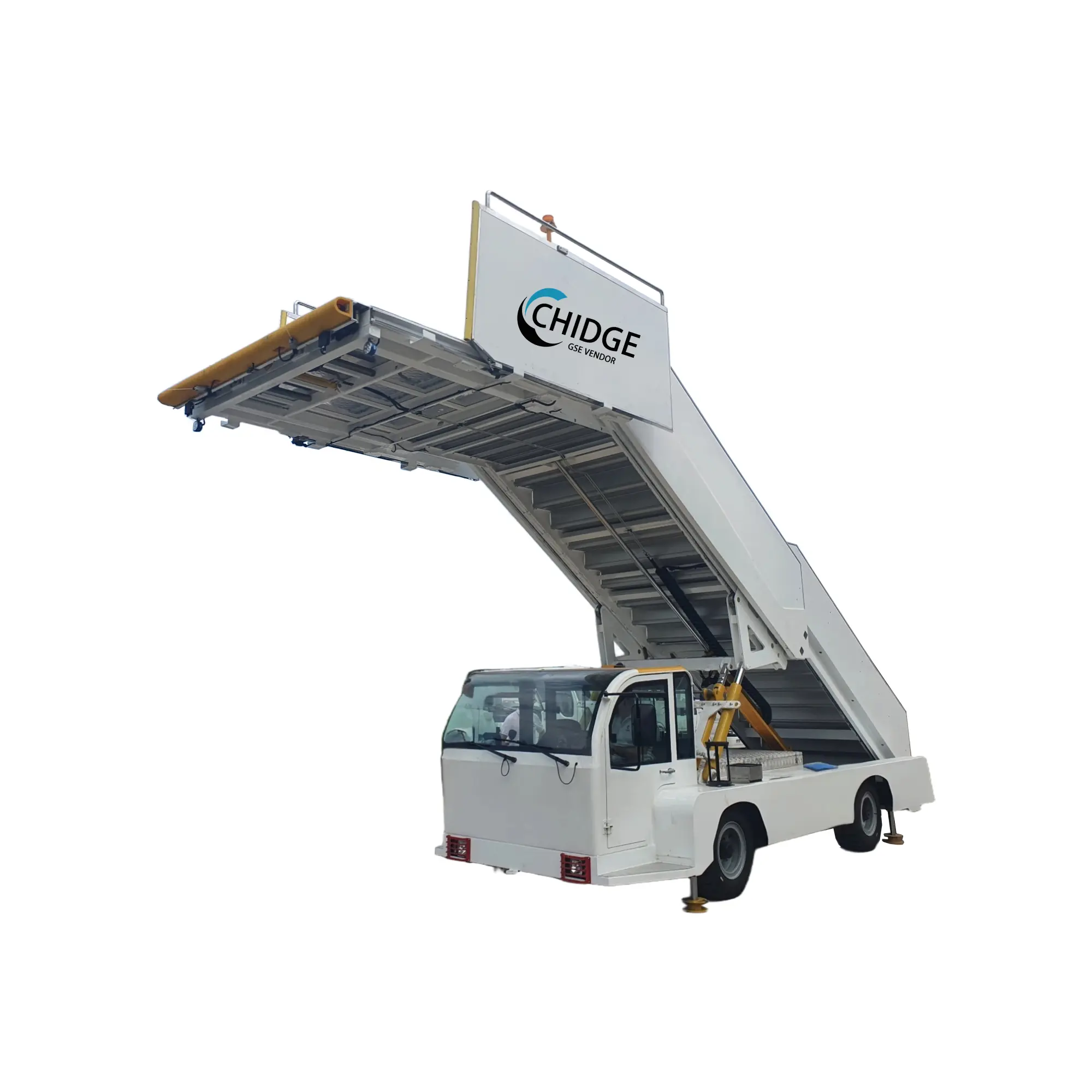
Exploring the structural engineering, safety interlocks, and design paradigms that ensure safe passenger transfers between aircraft and terminal ramps.
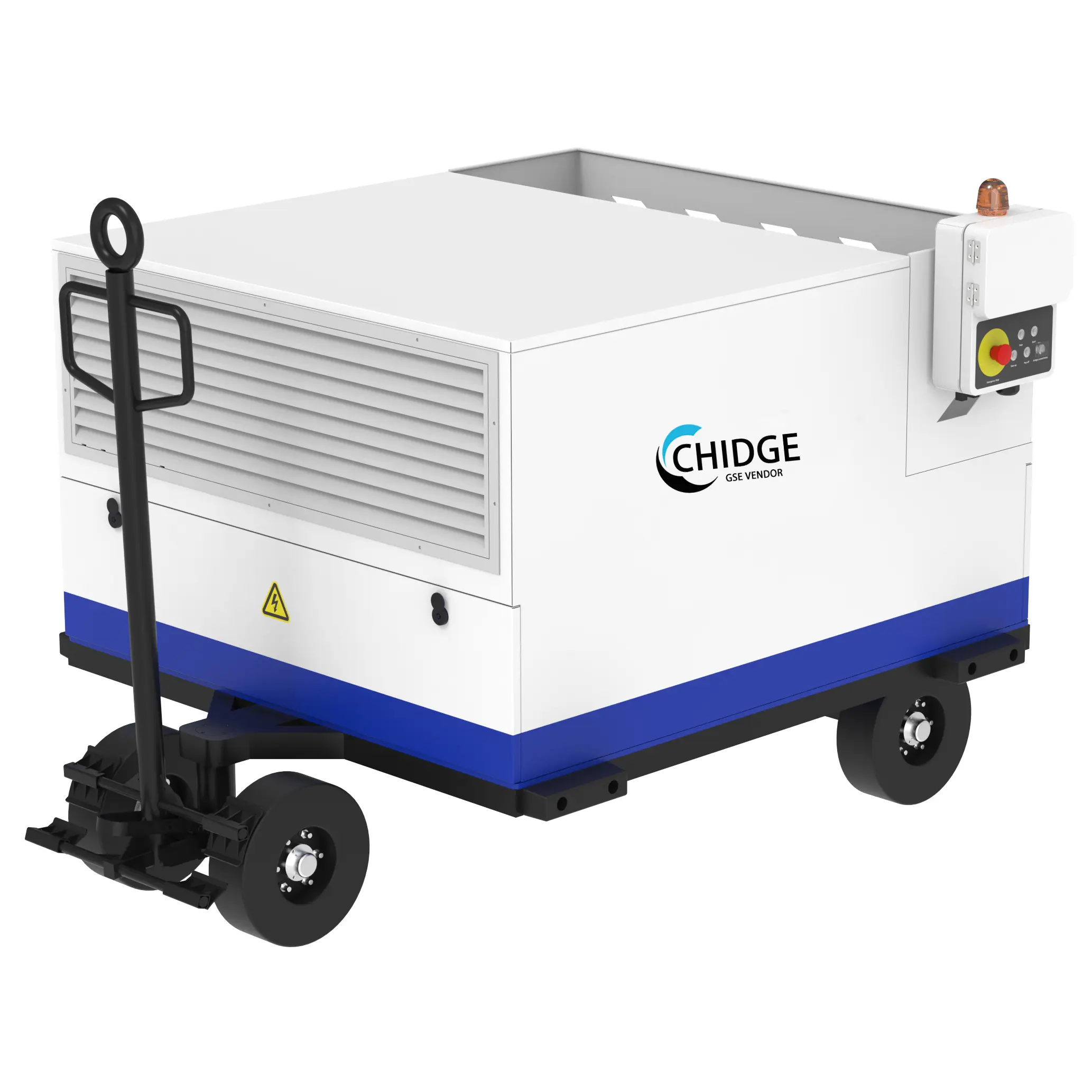
Analyzing technical configurations of energy storage technology applied in battery towable ground power systems to optimize airport decarbonization efforts.
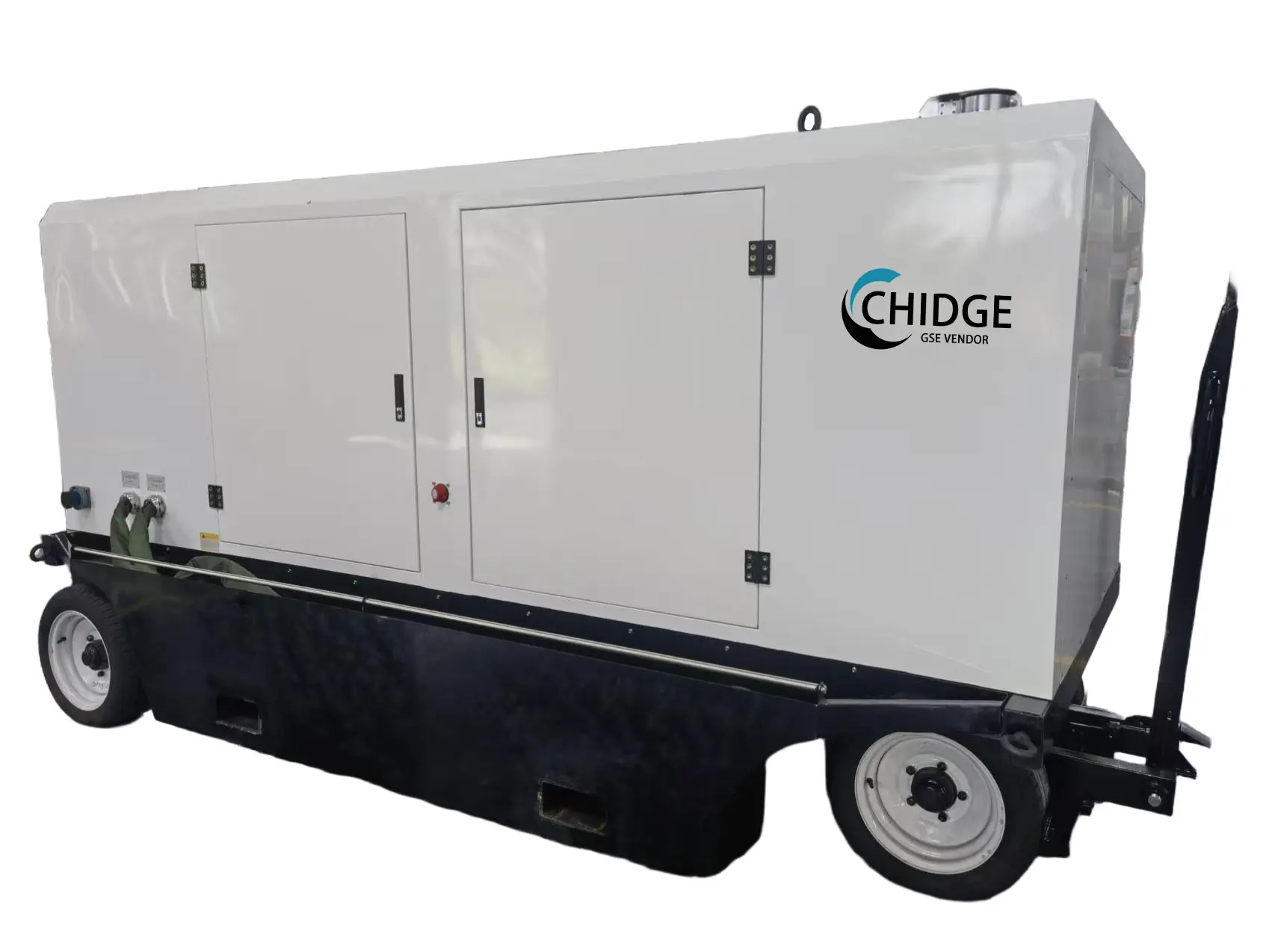
Evaluating modern truck-mounted configurations, technical advantages, and electrical control interfaces required for servicing parked fleets on the ramp.
Direct answers addressing technical specifications, logistics, compliance, and international warranties.
Drawbar Pull (DBP) calculations are based on the Maximum Ramp Weight (MRW) of the heaviest aircraft in your operational range, multiplied by the combined resistance factors (standard rolling resistance of 1.5% to 2%, potential ramp grades of up to 2-3%, and ambient friction factors). Our team calculations are backed by FEA modeling to verify that your selected chassis weight, transmission ratios, and tires can successfully push or tow the load under both dry and slick tarmac conditions.
Yes. All products manufactured in our factories conform strictly to the IATA Airport Handling Manual (AHM) guidelines. Specifically, our tractors comply with IATA AHM 910, 913, and 955, and our dollies and passenger stairs meet ISO 10254 and other local certifications like CE for the European Union.
We provide comprehensive warranty programs and direct supply channels for critical spare parts. By utilizing globally accessible tier-one component suppliers (such as Deutz/Cummins engines, ZF transmissions, and premium hydraulic valves), we ensure that your local mechanics can easily service the drive assemblies. For customized electronics, we ship replacement components via express courier to minimize ground downtime.
Transitioning to our electric tractors (with LFP battery packs) lowers direct energy costs by up to 60% compared to diesel fuel, eliminates routine maintenance items (no oil filters, spark plugs, or diesel particulate filters), and helps airports meet carbon-neutral operational initiatives. Furthermore, electric systems reduce noise pollution on the ramp, creating a safer environment for handling staff.
Yes. Our industrial design team supports complete OEM/ODM modifications. We offer manual, semi-automatic, or automatic rear/front tow hitches, as well as enclosed cabins with heating, air conditioning, and dual-seat setups, ensuring your ground crew operates in a safe, comfortable environment.
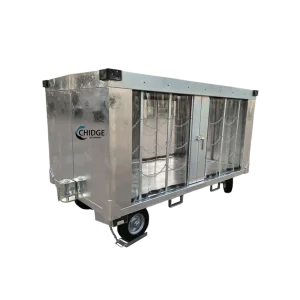
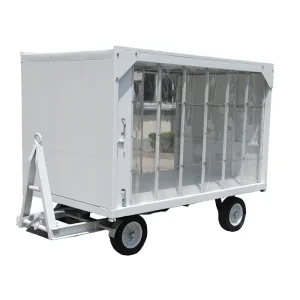
Advanced high-capacity dollies, baggage trolleys, and transport structures engineered for extreme duty cycles.
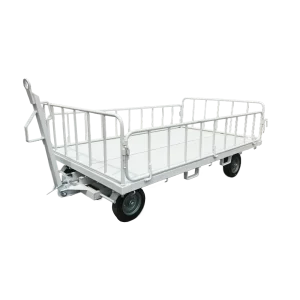
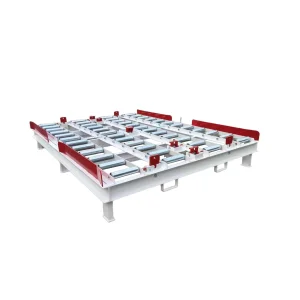
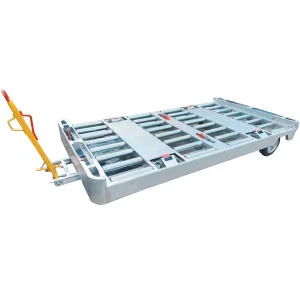
 Chidge Dolly