Heavy-duty configurations designed to handle extreme logistics environments and secure quick-turnaround efficiency.
Modern global logistics require air terminal operations to work with surgical precision. Ground Support Equipment (GSE)—ranging from heavy-duty aircraft towing tractors to advanced pallet dollies—constitutes the mechanical backbone of ramp services. As airlines look to compress flight turnaround times (TAT) and lower carbon footprints, selecting the right partner for custom GSE design becomes a critical operational decision. Real efficiency is gained when pushback operations, passenger boarding stairs deployment, and cargo loading function as a cohesive unit.
Operating a complex ramp requires equipment engineered to survive harsh climates, intense operational stresses, and strict safety guidelines. Our robust GSE designs integrate safety factors such as high-tensile steel, hot-dip galvanized frame protections, and ergonomic operator layouts that meet or exceed IATA AHM (Airport Handling Manual) recommendations. This technical focus limits operational downtime and ensures safe pushback procedures for regional jets up to widebody commercial aircraft.
Leveraging CAD modeling, Finite Element Analysis (FEA), and real-world stresses simulation to build lighter, stronger structures.
Every piece of GSE goes through intensive load testing, hydraulic pressure analysis, and electronic calibration checks before delivery.
Coordinated supply chains and modular shipping designs minimize freight costs while guaranteeing on-schedule worldwide arrival.
Providing lifelong engineering support, high-availability replacement parts, and quick field-service responses to limit down-time.
Explore our specialized ground support portfolio, featuring heavy aircraft towing tractors, high-tech cooling units, catering vehicles, and cargo loaders.
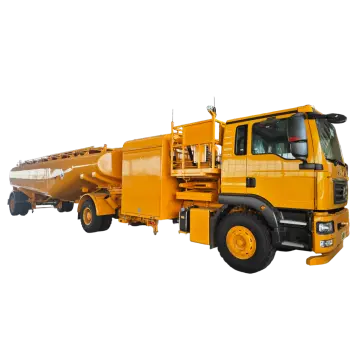
Designed with robust pumping systems, integrated filtration, and pressure control dynamics for rapid refueling.
Request Spec Sheet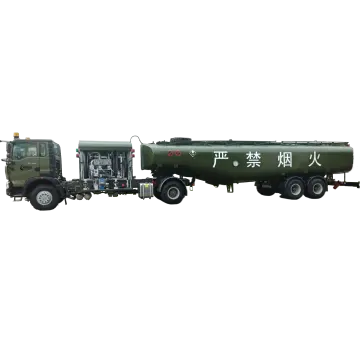
High-capacity self-circulating oil systems for continuous, heavy-duty commercial aircraft refueling operations.
Request Spec Sheet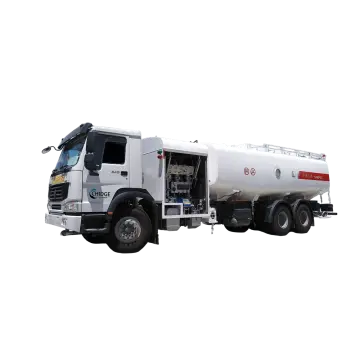
Precision metering and flow control designed for both narrowbody and regional jet applications.
Request Spec Sheet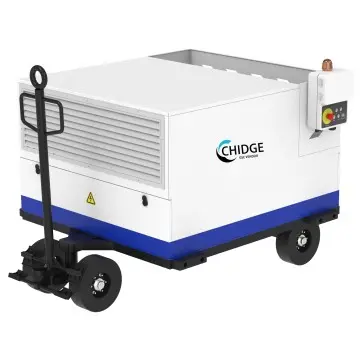
High efficiency zero-emission power storage unit designed for clean, silent ground operations.
Request Spec Sheet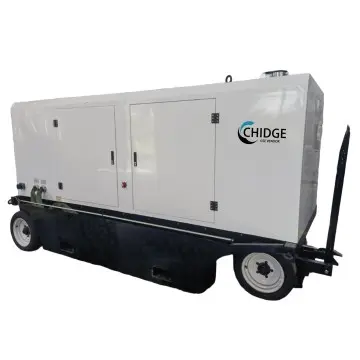
Standard 400Hz frequency converter providing stable, uninterrupted power to commercial narrowbody jets.
Request Spec Sheet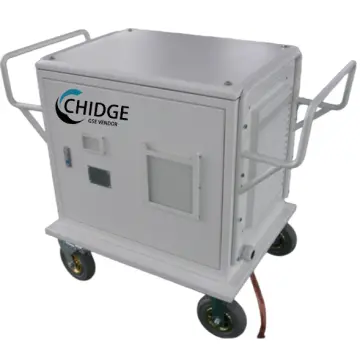
Solid-state construction designed to withstand extreme airport environments and reduce engine maintenance.
Request Spec Sheet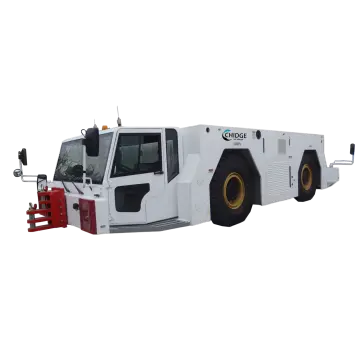
Heavy-duty pushback tractor capable of moving jumbo airframes in challenging winter conditions.
Request Spec Sheet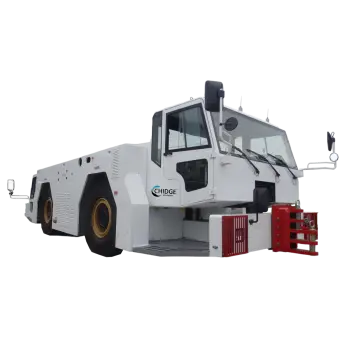
Versatile mid-range tug designed for narrowbody and regional jet maneuvers.
Request Spec Sheet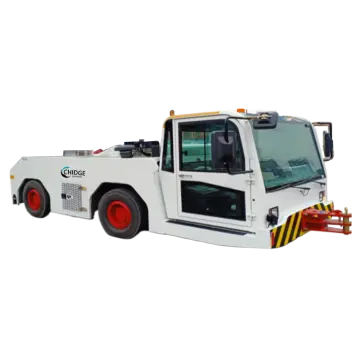
Compact footprint pushback tug offering excellent visibility and precise control.
Request Spec Sheet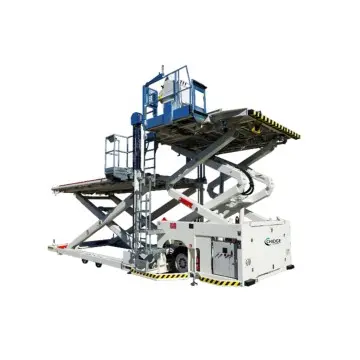
High-capacity cargo platform providing fast, secure transfer of heavy pallets to aircraft cabins.
Request Spec Sheet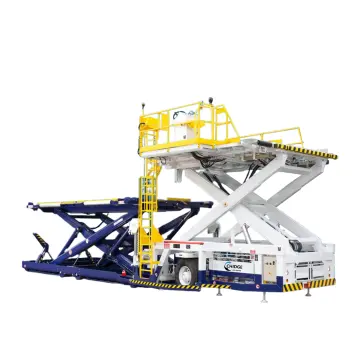
Heavy-load capability with variable height settings to suit widebody freighter platforms.
Request Spec Sheet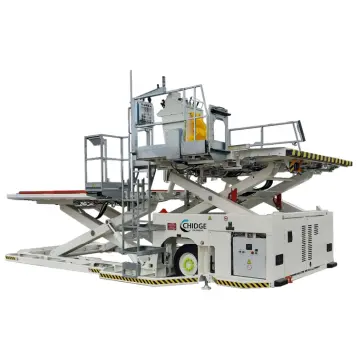
Fast, agile lower deck container and pallet handler for high frequency turnarounds.
Request Spec Sheet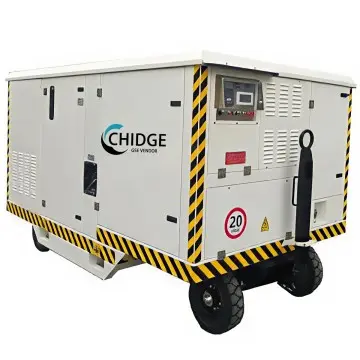
Generates clean, dry air flow to protect critical systems from cold temperatures.
Request Spec Sheet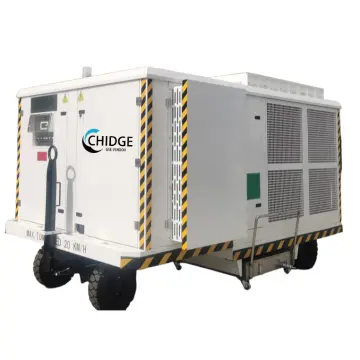
Maintains optimal passenger cabin temperatures without using the auxiliary power unit (APU).
Request Spec Sheet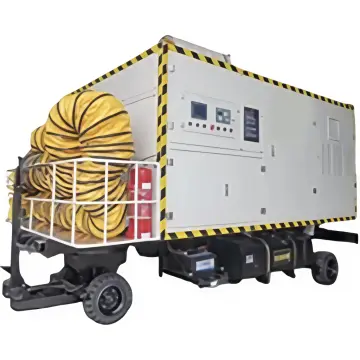
Compact towable design ensuring fast cabin heating during overnight parking.
Request Spec SheetGround operations are evolving towards automation and zero emissions. The transition from diesel-powered tow tractors and load units to electric ground support equipment (eGSE) represents a major industry shift. In response, our engineering teams have integrated advanced lithium iron phosphate (LFP) battery technology, allowing rapid opportunity charging. This battery design keeps ground equipment available across multiple flight turns without extended plug-in requirements.
Alongside cleaner power solutions, digital integration is transforming modern ramp environments. Future flight lines will rely on connected telematics systems that stream diagnostics and usage data to fleet managers in real time. We are building predictive diagnostic systems directly into our towing tractors and high-capacity cargo loaders. These sensors monitor tire pressure, brake wear, hydraulic systems, and battery health to prevent unexpected component failures during critical departures.
Because every ramp environment has unique physical dimensions and operational targets, off-the-shelf equipment is not always a viable option. We provide comprehensive OEM/ODM customization services to adapt equipment to your local operating conditions. Whether you need reinforced towbar mechanisms, specific tie-down hook locations, or specialized cabin dimensions, our production facilities are designed to meet exact fleet specifications.
Our customization process covers every stage of engineering. We start with technical consultation and conceptual layout drafts, transition into virtual structural testing, and conclude with prototype trials and final manufacturing. We ensure every custom design complies with international safety standards, making it easy to integrate the new equipment directly into your current ramp fleet.
Ensuring complete ramp support, from high-capacity passenger access systems to lavatory maintenance and emergency transport.
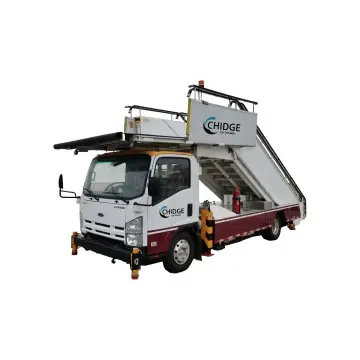
All-electric passenger boarding solution featuring step illumination and safety interlocks.
Request Spec Sheet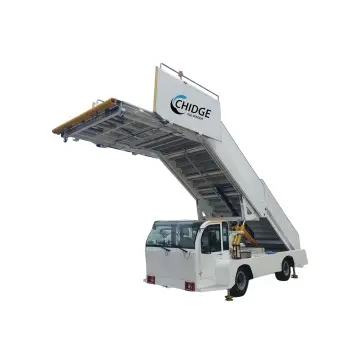
Heavy duty diesel power unit designed for reliable passenger boarding in remote parking areas.
Request Spec Sheet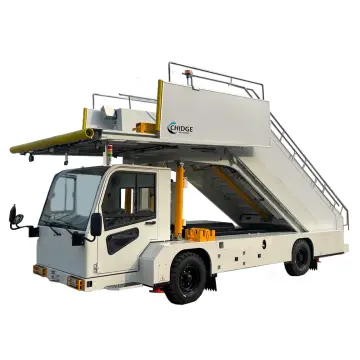
Fits a wide range of doors, from narrow regional aircraft up to large Boeing and Airbus configurations.
Request Spec Sheet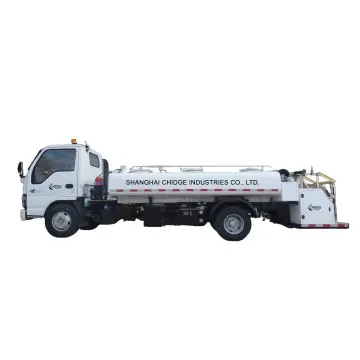
Durable stainless steel waste tank and corrosion-proof vacuum systems for reliable ramp servicing.
Request Spec Sheet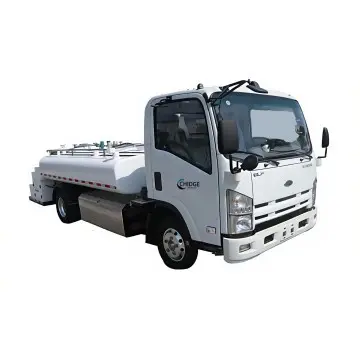
Zero-emission electric chassis unit designed for clean passenger terminal operations.
Request Spec Sheet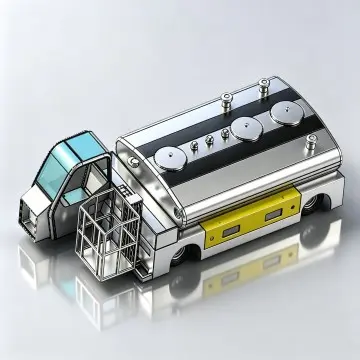
Advanced electric layout featuring telemetry tracking and precise fluid control systems.
Request Spec Sheet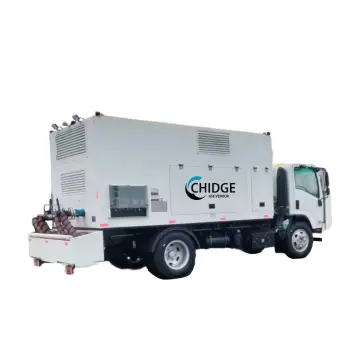
Pneumatic starter providing high-volume air flow to initiate jet engine turbines.
Request Spec Sheet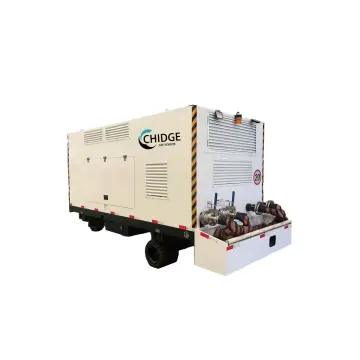
Mid-sized starter engine offering high output and dynamic throttle control options.
Request Spec Sheet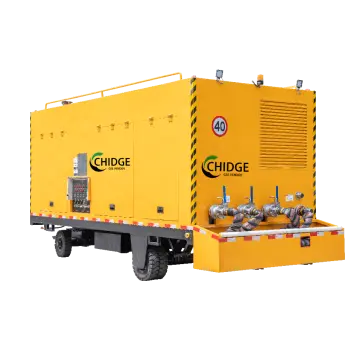
Heavy capacity ground start air generator built for reliable operation in extreme cold environments.
Request Spec Sheet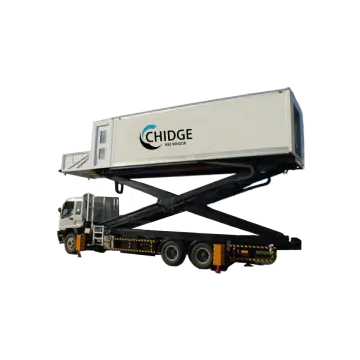
Insulated food service van body with a hydraulic scissor lift mechanism designed for quick cabin servicing.
Request Spec Sheet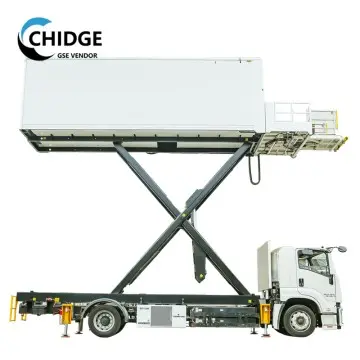
An all-electric scissor-lift truck that provides zero-emission, safe galley replenishment.
Request Spec Sheet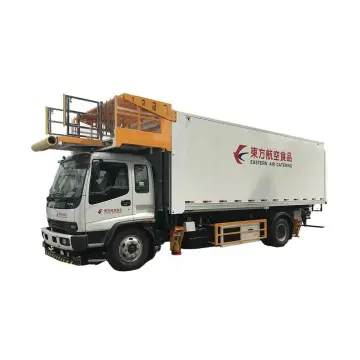
Heavy duty utility chassis designed for high capacity cargo volume and quick container handling.
Request Spec Sheet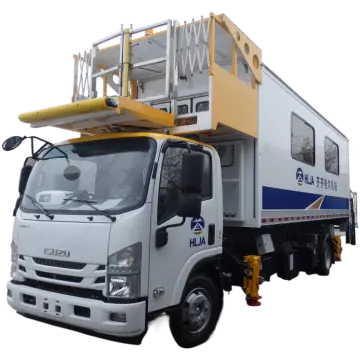
Specialized passenger transfer lift designed to assist passengers with limited mobility boarding commercial flights.
Request Spec Sheet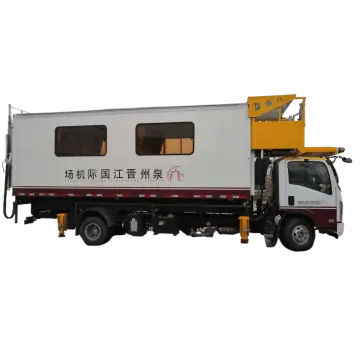
Providing steady hydraulic lift controls and wide access pathways for wheelchair boarding safety.
Request Spec Sheet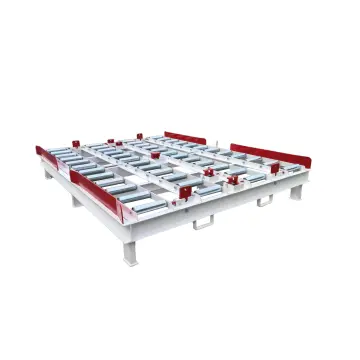
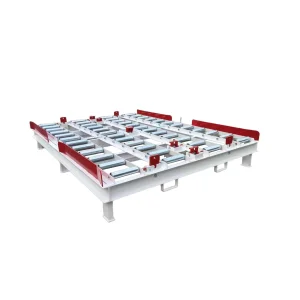
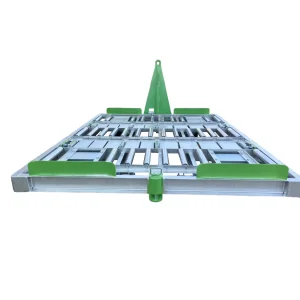
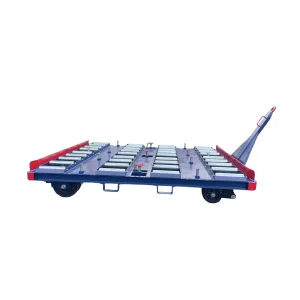
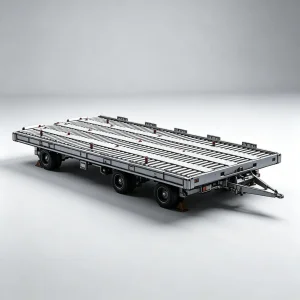
Durable slave pallet carrier designed for high-density logistics storage complexes.
Request Spec Sheet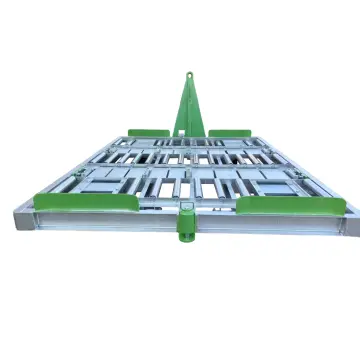
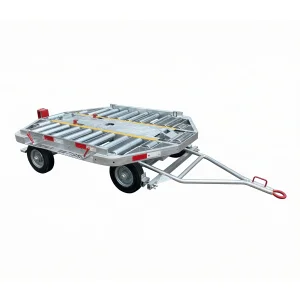
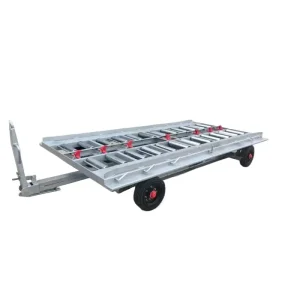
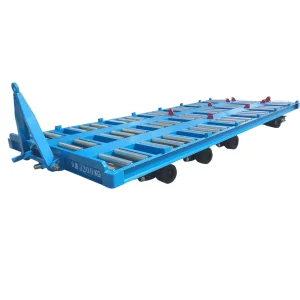
Standard flatbed logistics trailer featuring smooth-rolling caster beds and safety locks.
Request Spec Sheet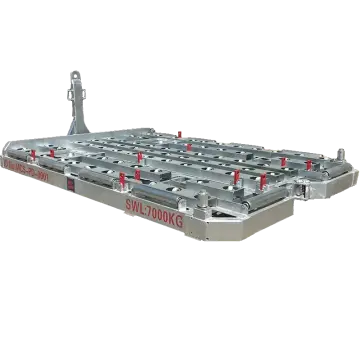
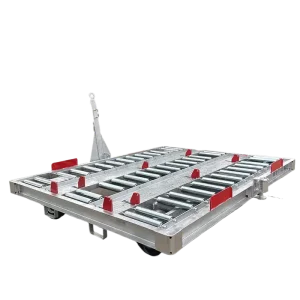
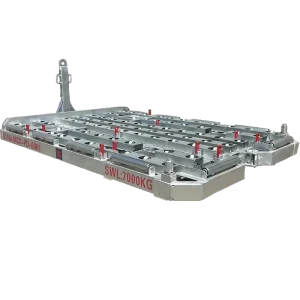
7-ton heavy cargo handler featuring a dynamic caster arrangement for easy rotation.
Request Spec Sheet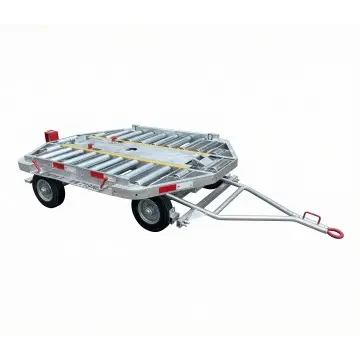
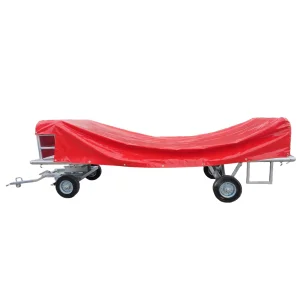
Optimized trailer body tailored to secure LD3 container dimensions on active ramps.
Request Spec Sheet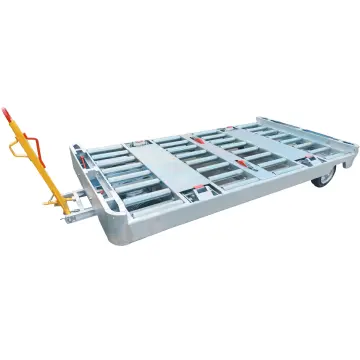
Strengthened steel chassis designed for continuous, heavy duty operations on airport runways.
Request Spec Sheet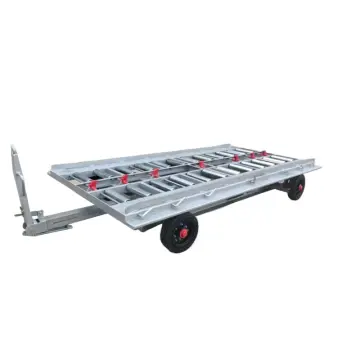
Optimized wheelbase and heavy caster configuration designed for LD6 containers.
Request Spec Sheet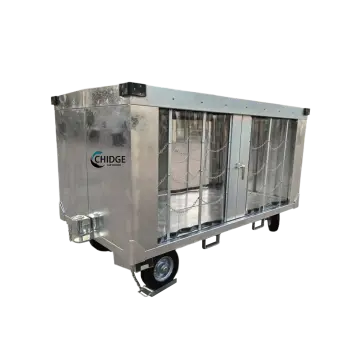
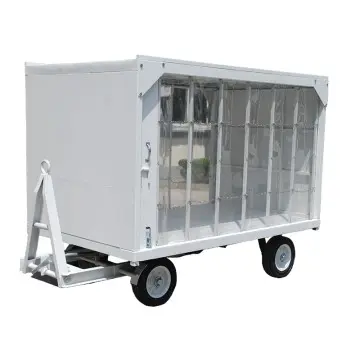
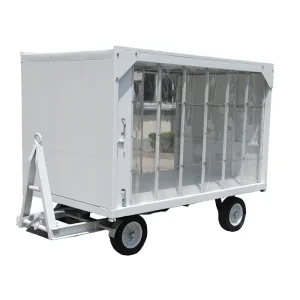
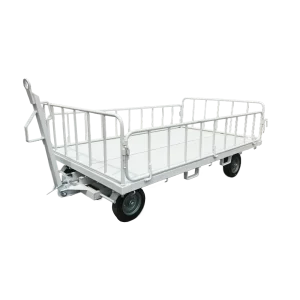
Durable aluminum side panels protect luggage from shifting or weather damage.
Request Spec Sheet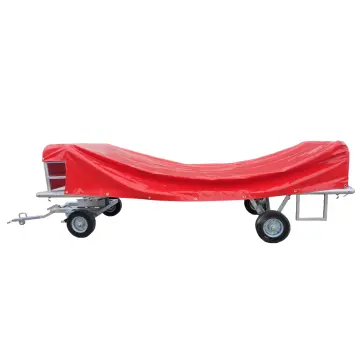
Smooth-rolling, easy-steer cargo carrier designed for fast turnaround logistics operations.
Request Spec Sheet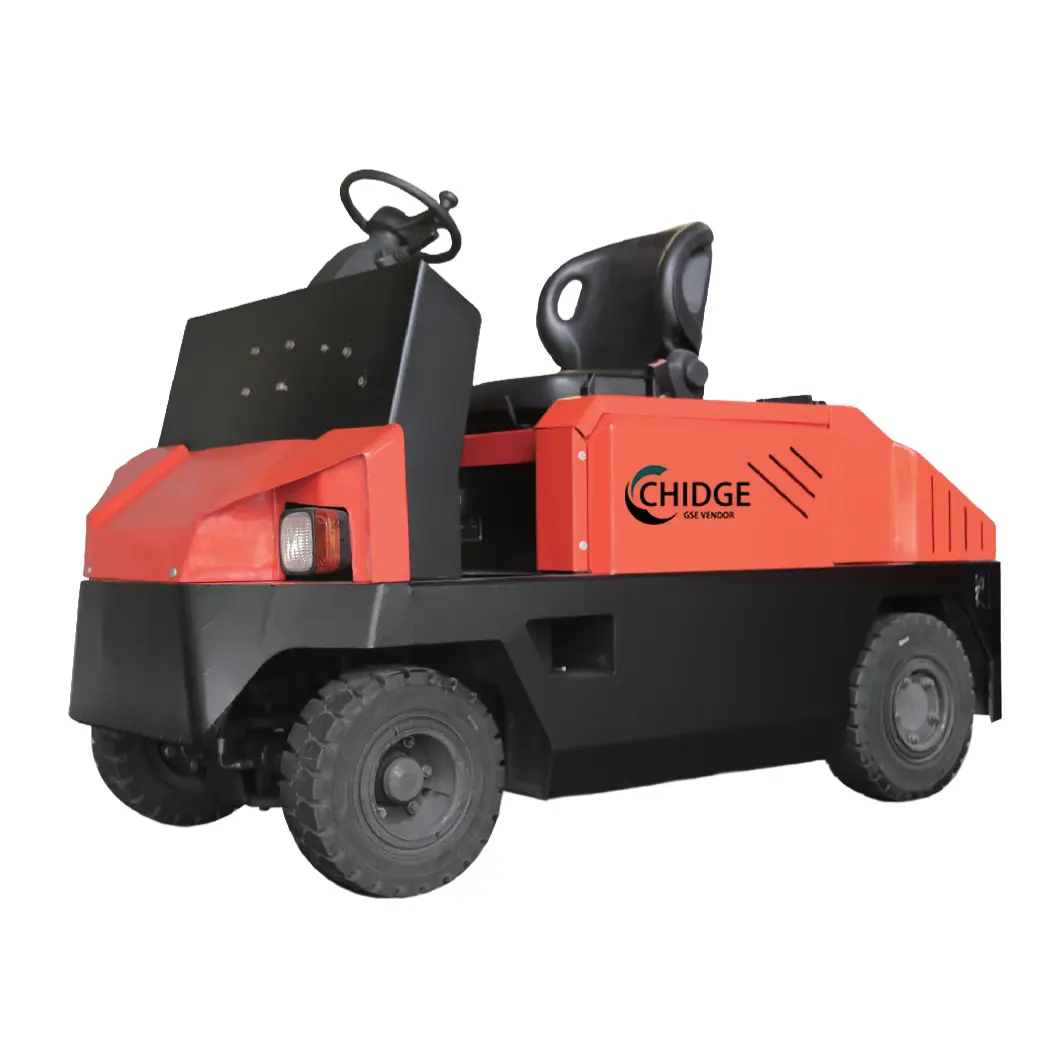
High torque, zero-emission tow tractor designed for passenger luggage lines.
Request Spec Sheet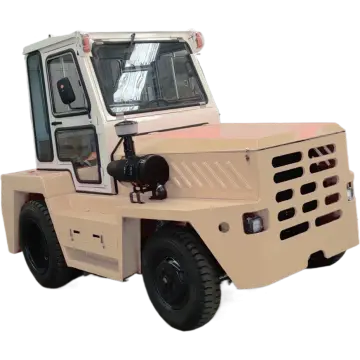
Powerful diesel engine offering stable pulling capacity for heavy cargo and baggage chains.
Request Spec Sheet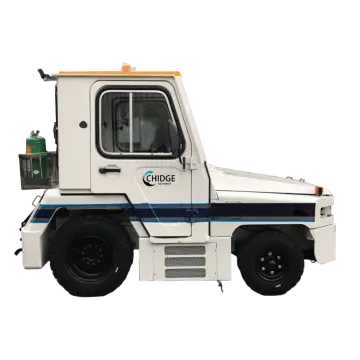
Designed with regeneratively braking electric drives to support sustainable terminal initiatives.
Request Spec SheetMeeting international aviation benchmarks to ensure quality, reliability, and safe ground operations.
Ground time directly affects profitability. Our design team focuses on minimizing mechanical delay potentials (MDP) by selecting high-end components. Standardized couplings, straightforward hydraulic routings, and quick-access electrical panels ensure ground crews can resolve minor issues quickly and keep flights on schedule.
Compliance is essential in modern aviation. Our GSE inventory is certified to meet CE standards, and we design according to ISO 9001 and IATA AHM requirements. Heavy safety factors in load capacities ensure structural stability during high wind speeds, heavy rain, and extreme temperature shifts.
Industry-leading perspectives, whitepapers, and operational notes directly from the airfield engineering line.
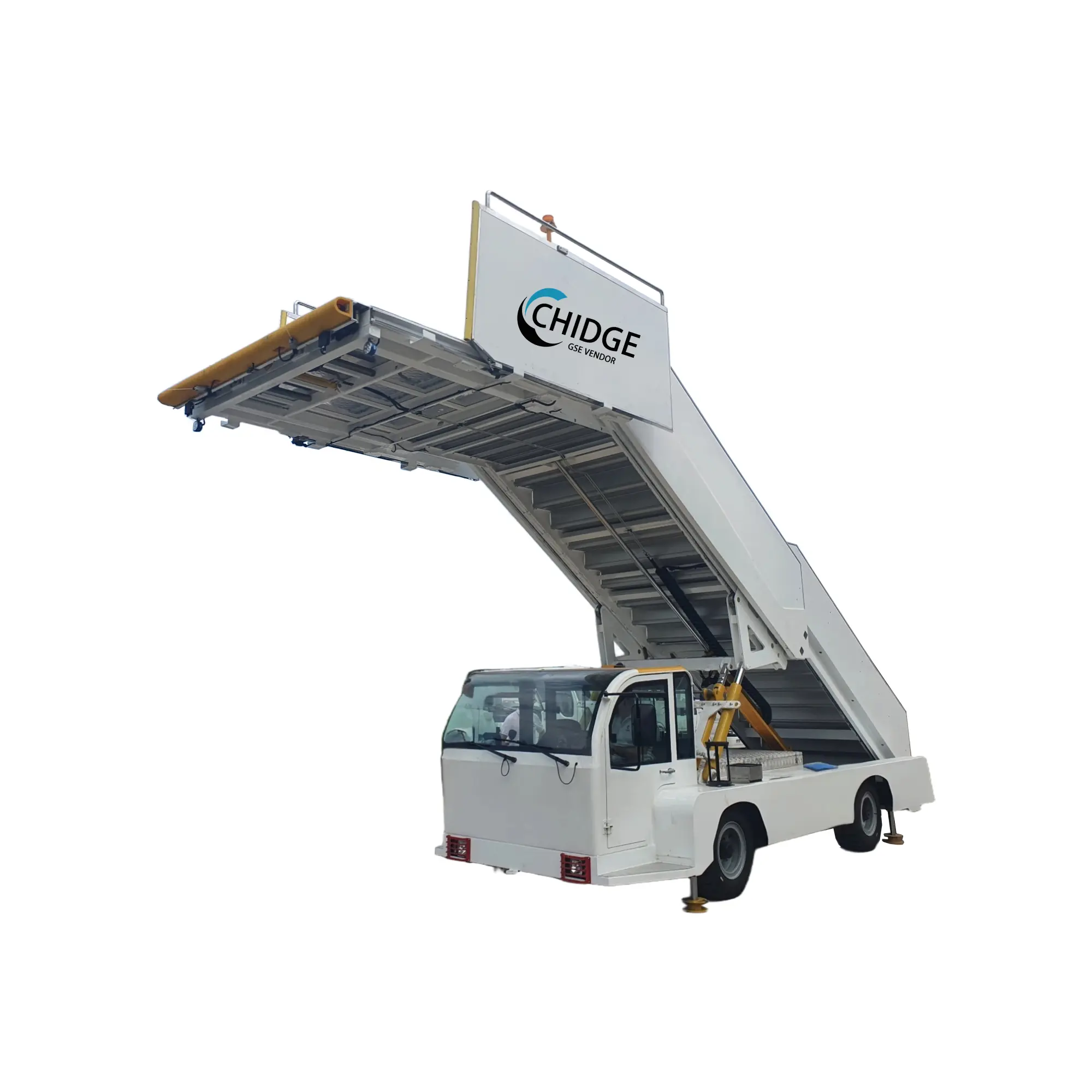
An in-depth guide on passenger boarding stairs design, covering stability regulations, non-slip steps, and safety systems for regional and long-haul aircraft doors.
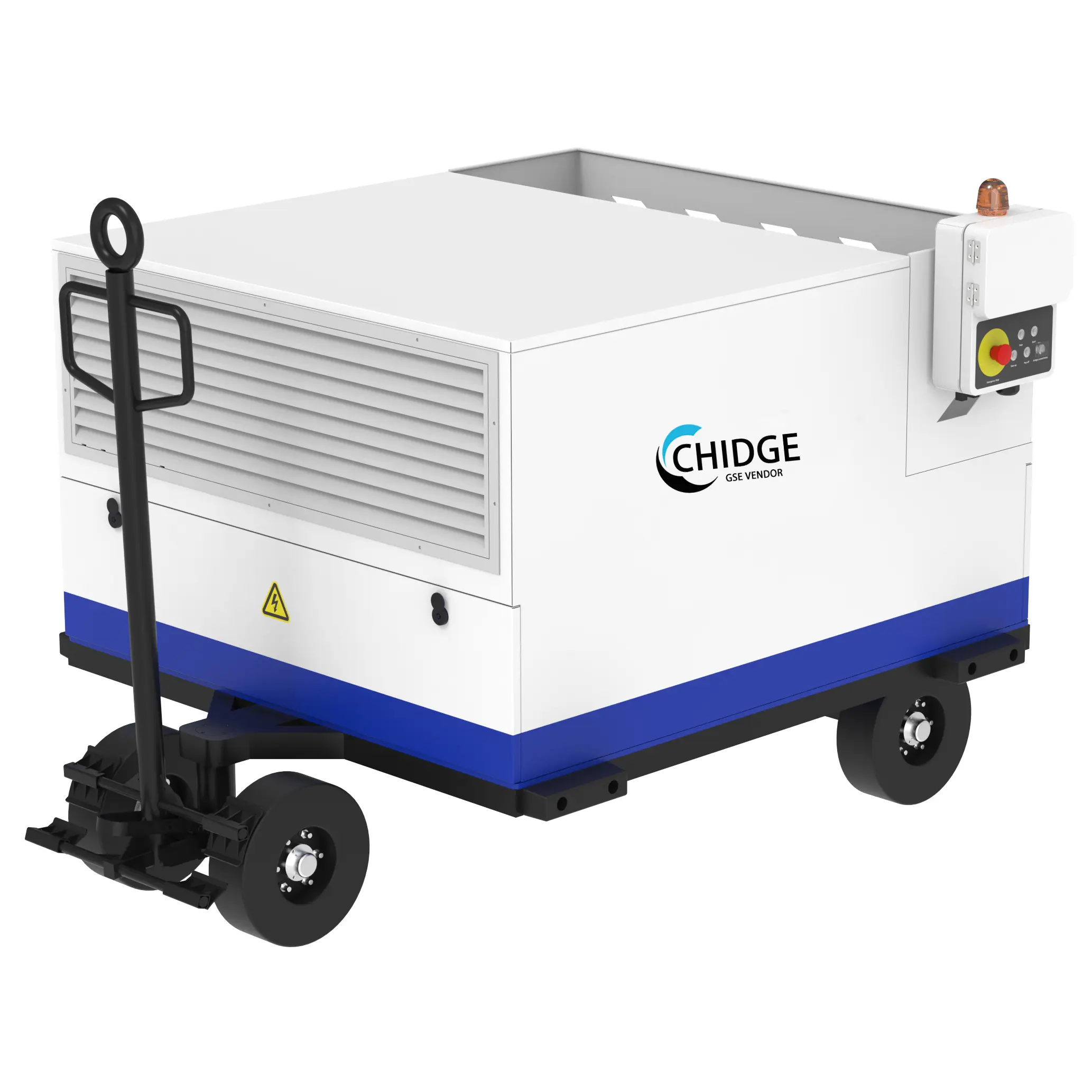
How portable energy storage systems are replacing older diesel generators on the ramp, lowering fuel costs and cutting ground noise levels.
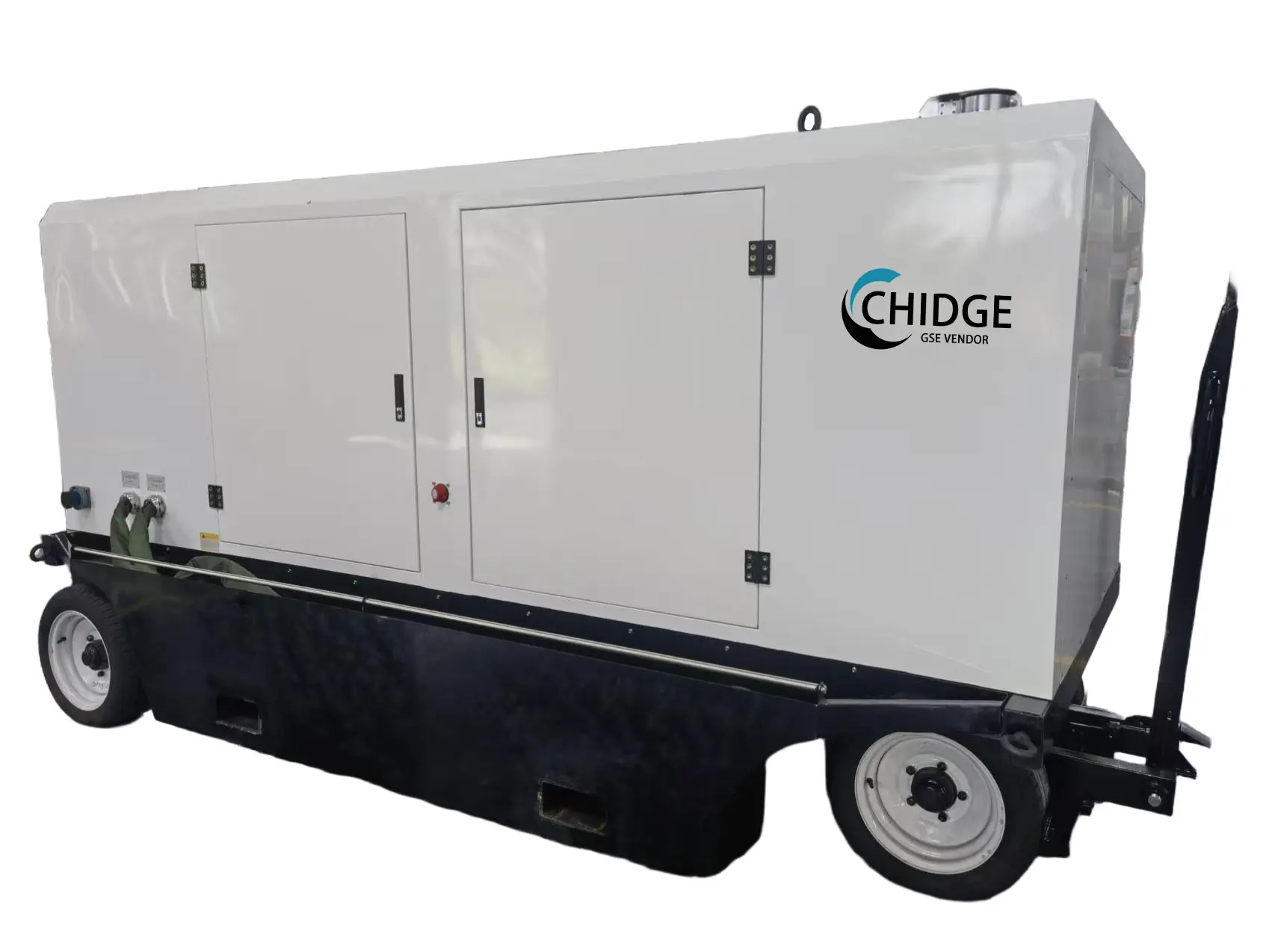
In the complex ecosystem of aviation operations, ensuring an aircraft is flight-ready involves a multitude of support systems. Truck-mounted ground power units (GPUs) offer dynamic, versatile energy delivery for commercial aviation fleets.
Answers to common engineering, delivery, and customization questions from fleet managers.
Secure heavy-duty options built to move major freight types on active runways and warehouse zones.
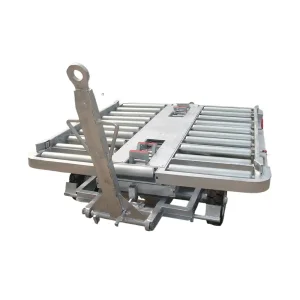
 Chidge Dolly