In the complex ecosystem of modern aviation ground support, the demand for highly reliable, electrically clean, and resilient energy delivery is accelerating. Ground Power Carts (GPCs) and Ground Power Units (GPUs) represent critical flightline utilities, providing essential 400Hz AC and 28.5V DC power to aircraft systems during turnaround, diagnostic testing, and pre-flight staging. By rendering high-emission Auxiliary Power Units (APUs) unnecessary during parking, modern ground power carts directly optimize operational overhead and reduce airport gate emissions.
As flightline operations undergo digital and environmental transformations, global procurement managers demand systems with uncompromising reliability, high semantic integration, and multi-climate durability. This guide outlines technical advancements, critical supply chain architectures, and global deployment considerations for airport authorities, military branches, and line maintenance providers looking to acquire customized GSE ground power systems.
Explore our premium product range designed for heavy-duty airport operations. Each system complies with international IATA safety directives and features high-strength structural engineering.
The global aviation sector's commitment to achieving net-zero carbon emissions by 2050 has sparked a fundamental re-engineering of ground support equipment. Traditionally, airports relied heavily on diesel-driven rotary GPUs. While effective, these internal combustion engine (ICE) units generate significant carbon emissions, local air pollutants (NOx, particulate matter), and substantial acoustic disturbances. Today's procurement specifications prioritize a transition toward clean energy architectures:
Static solid-state frequency converters transfer municipal utility grid power (typically 50/60Hz) into aircraft-compatible 400Hz power through high-power IGBT (Insulated Gate Bipolar Transistor) semiconductors. Lacking moving parts, static converter carts dramatically reduce maintenance complexity and exhibit operational lifetimes exceeding 15 years.
For remote gates or apron setups without utility grid drops, towable energy-storage GPUs provide high-capacity battery bank setups. These battery-powered carts operate silently, emit zero carbon at point of use, and can be charged using renewable energy grids during off-peak hours.
Next-generation ground power carts feature smart telematics interfaces using cellular or Wi-Fi communication protocols. Fleet operators monitor energy consumption parameters, battery cell health status, load profile changes, and thermal diagnostics in real time, preventing sudden gate delays.
Implementation of electric static and energy storage ground power carts significantly enhances airfield operational efficiency, safety, and regulatory compliance.
When selecting a custom Ground Power Cart manufacturer, procurement officers and fleet managers must balance operational compatibility with rigorous technical standards. Standard commercial jets require a steady, high-precision power supply. Any deviation in frequency, voltage balance, or harmonic control can trigger protection systems, shutting down the aircraft cabin power and interrupting ground operations.
Essential Electrical Parameters for Fleet Compatibility:
As global supply chains face uncertainty, Chinese advanced manufacturing offers unmatched supply chain stability and efficiency. Modern GSE production facilities combine automated welding systems, precision CNC laser cutters, and vertically integrated component manufacturing to streamline production processes.
By producing structural elements (including chassis frames, towable hitches, and weatherproof canopies) alongside specialized electrical assemblies internally, Chinese factories manage cost and lead times effectively. Integrated sourcing guarantees reliable access to high-grade copper coils, high-frequency transformers, insulated wiring, and military-grade output plugs.
Furthermore, testing protocols utilize automated load banks that mimic load profiles of various commercial aircraft models. This dynamic simulation verifies output stability, weatherproofing (IP55/IP66 testing), structural stress limits, and safety disconnect speeds under real-world operating conditions.
Airports operate in diverse and demanding environmental conditions. Ground power units must be engineered to withstand local climate variables to maintain reliable operations:
For installations in regions like Northern Europe, Canada, or Northern China, components require integrated heating strips, low-temperature resistant lubrication, and cold-start preheating systems. Special cables are specified to prevent outer sheath cracking at temperatures down to -40°C.
Aprons situated in marine or tropical environments are exposed to corrosive salt spray. In these locations, double-layer enclosure coatings, stainless steel fasteners, and conformal-coated electronic PCBs protect electrical components from corrosion, humidity, and premature breakdown.
Operation at high altitudes requires adjusting thermal cooling capacity due to lower air density. Desert airfields also require dust filtration grids and high IP-rated seals to prevent fine sand from entering the solid-state cooling fans.
Our complete range of aviation support platforms is designed to meet standard flightline requirements. Browse our options below to find the system configured for your operational tasks:
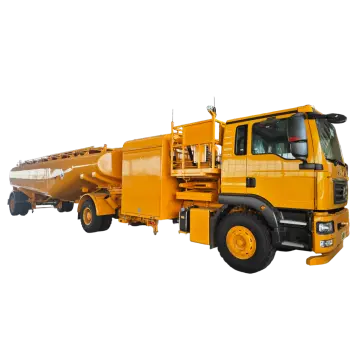
Features standard pumping, filtration, and flow control systems for efficient refueling operations.
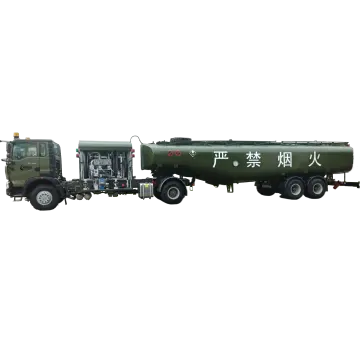
Designed for larger fuel volumes with integrated safety shutoffs and pressure systems.
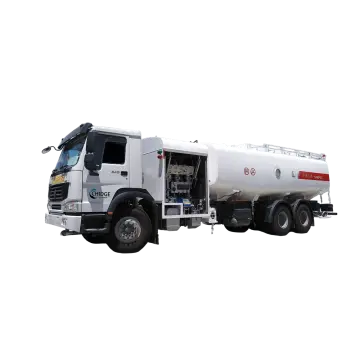
Provides filtration, metering, self-circulation, and pressure control systems.
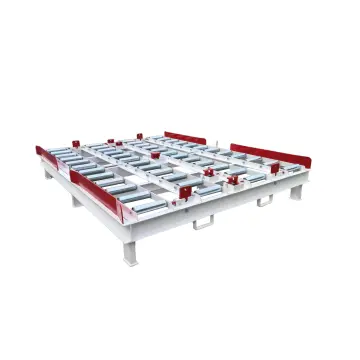
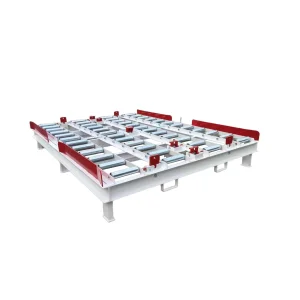
Facilitates multi-directional container movement on air cargo decks.
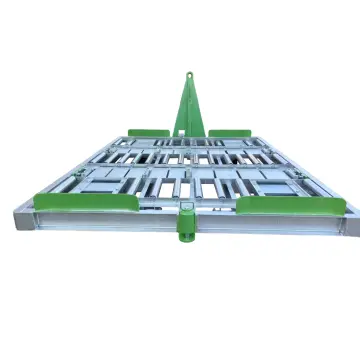
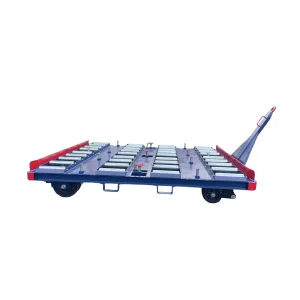
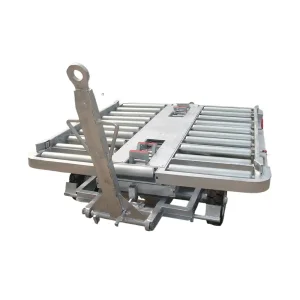
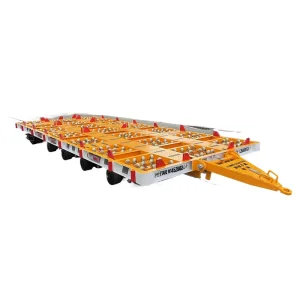
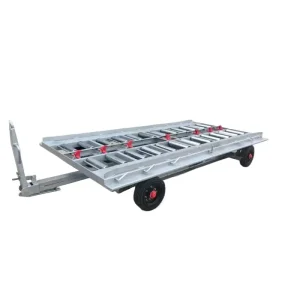
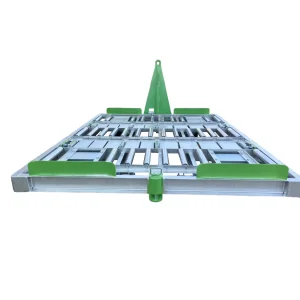
Heavy-duty steel dolly built to transport standard air cargo pallets.
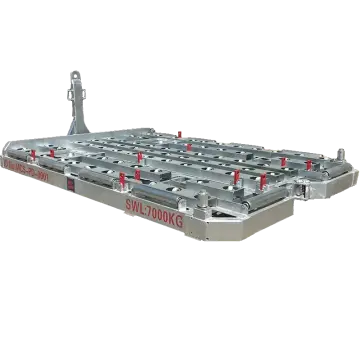
Features standard swiveling casters and high load capacity.
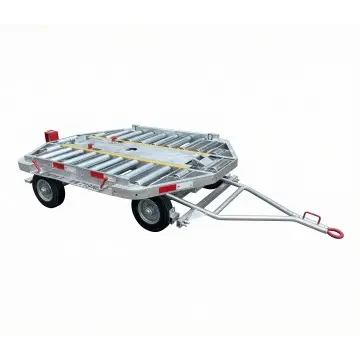
Specifically designed to handle standard LD3 cargo containers.
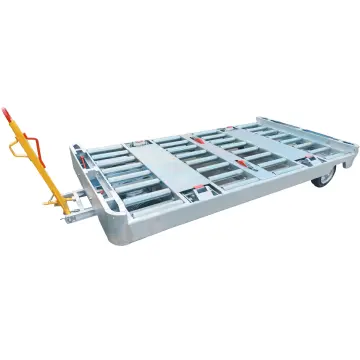
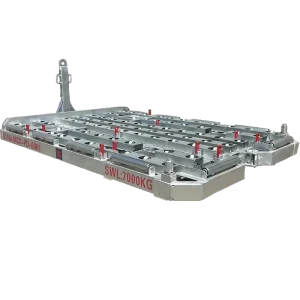
Engineered for high-volume cargo routing under demanding operational conditions.
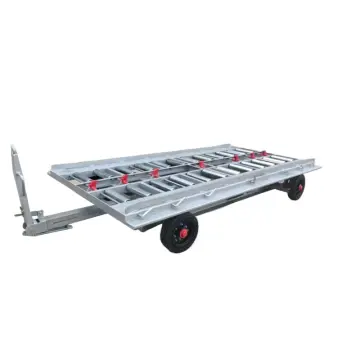
Sized and structured for transport of LD6 air cargo containers.
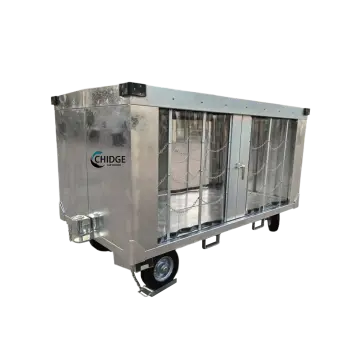
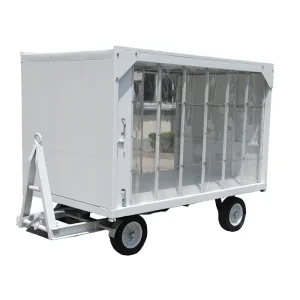
Protects passenger luggage from harsh weather conditions during transit.
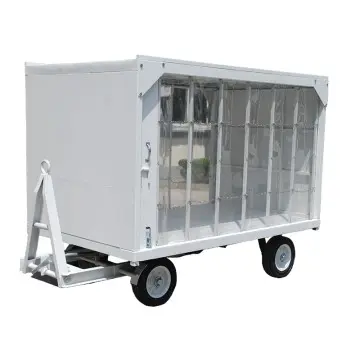
Features lockable panels and weatherproof protection for airside baggage routing.
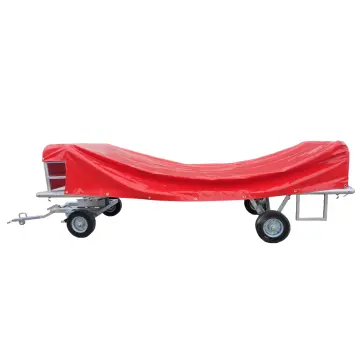
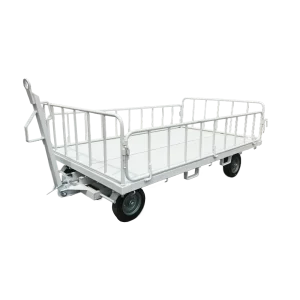
A classic, robust airport trolley built for high-frequency operations.
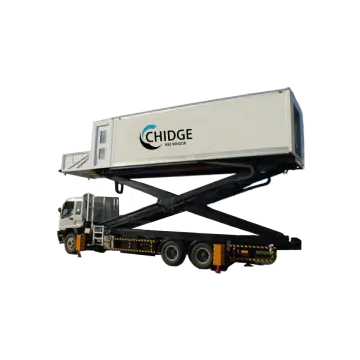
Designed with standard scissor lifts and insulated containers for cabin services.
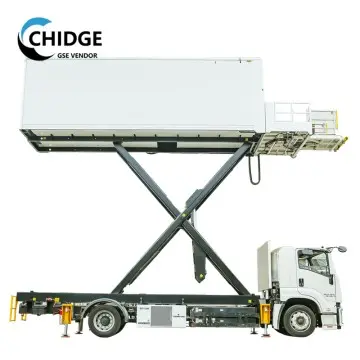
Reduces apron emissions with battery-electric lift and drive systems.
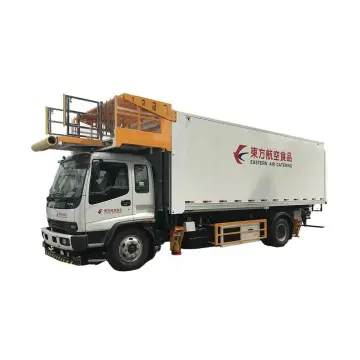
Standard catering model offering precise cabin-door alignment controls.
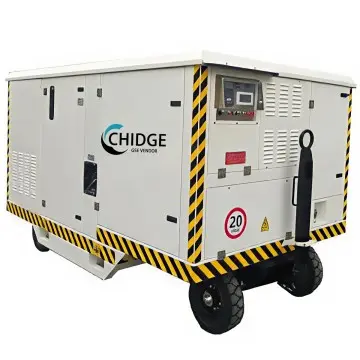
Supplies temperature-controlled air to warm parked aircraft cabins.
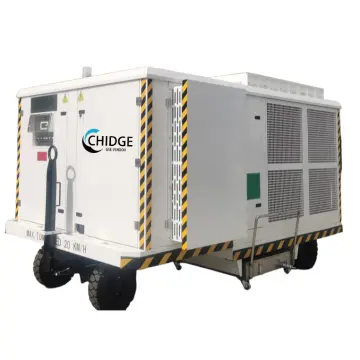
Provides temperature-controlled air during passenger boarding processes.
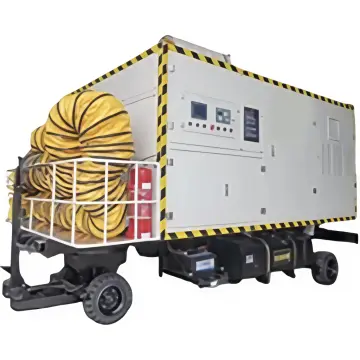
Portable heater optimized for regional and corporate jet platforms.
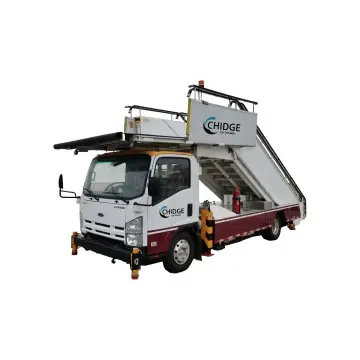
Electrically operated self-propelled boarding steps with non-slip surfaces.
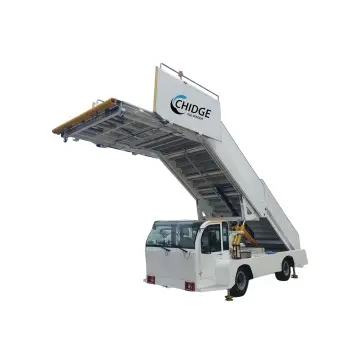
Diesel-powered passenger boarding steps designed for high wind load stability.
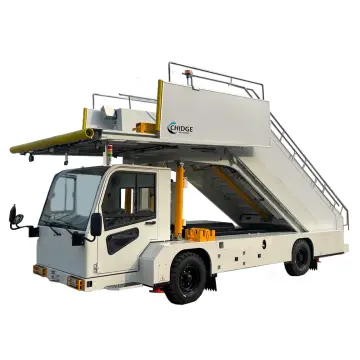
Standard self-propelled steps compatible with various narrow and wide-body platforms.
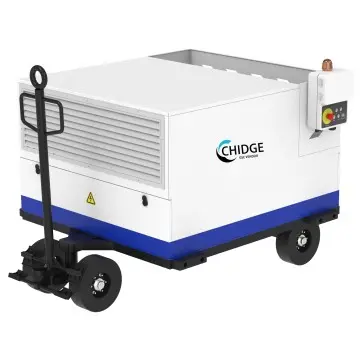
Zero-emission battery system designed for remote stand operations.
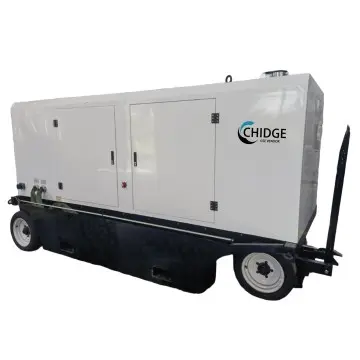
Standard solid-state frequency converter providing 400Hz power.
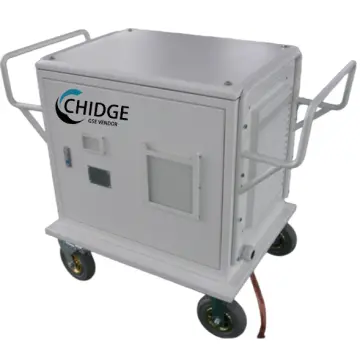
Low-THD frequency converter designed for gate applications.
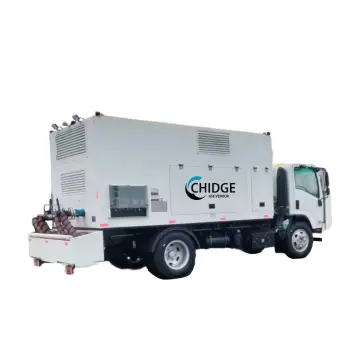
High-pressure air delivery system designed to start commercial jet engines.
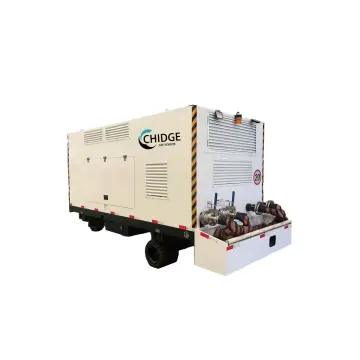
Towable air start cart optimized for regional airlines.
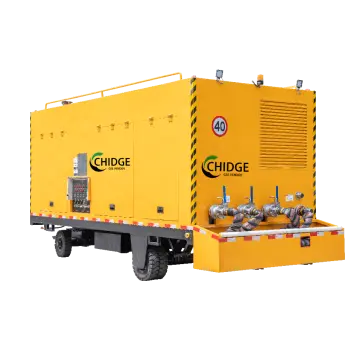
Heavy-duty air start cart designed for wide-body aircraft fleets.
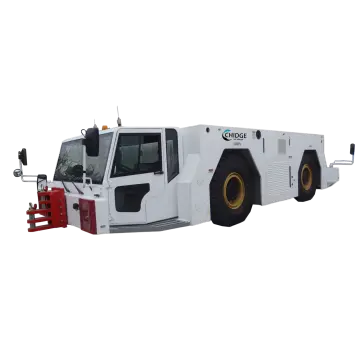
High-drawbar-pull tractor designed for pushback operations.
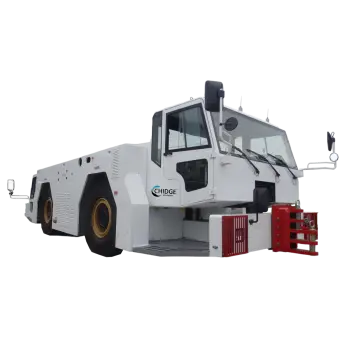
Medium-duty tractor optimized for narrow-body pushback services.
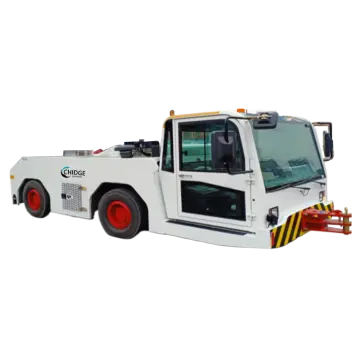
Compact airside pushback tractor for regional jet platforms.
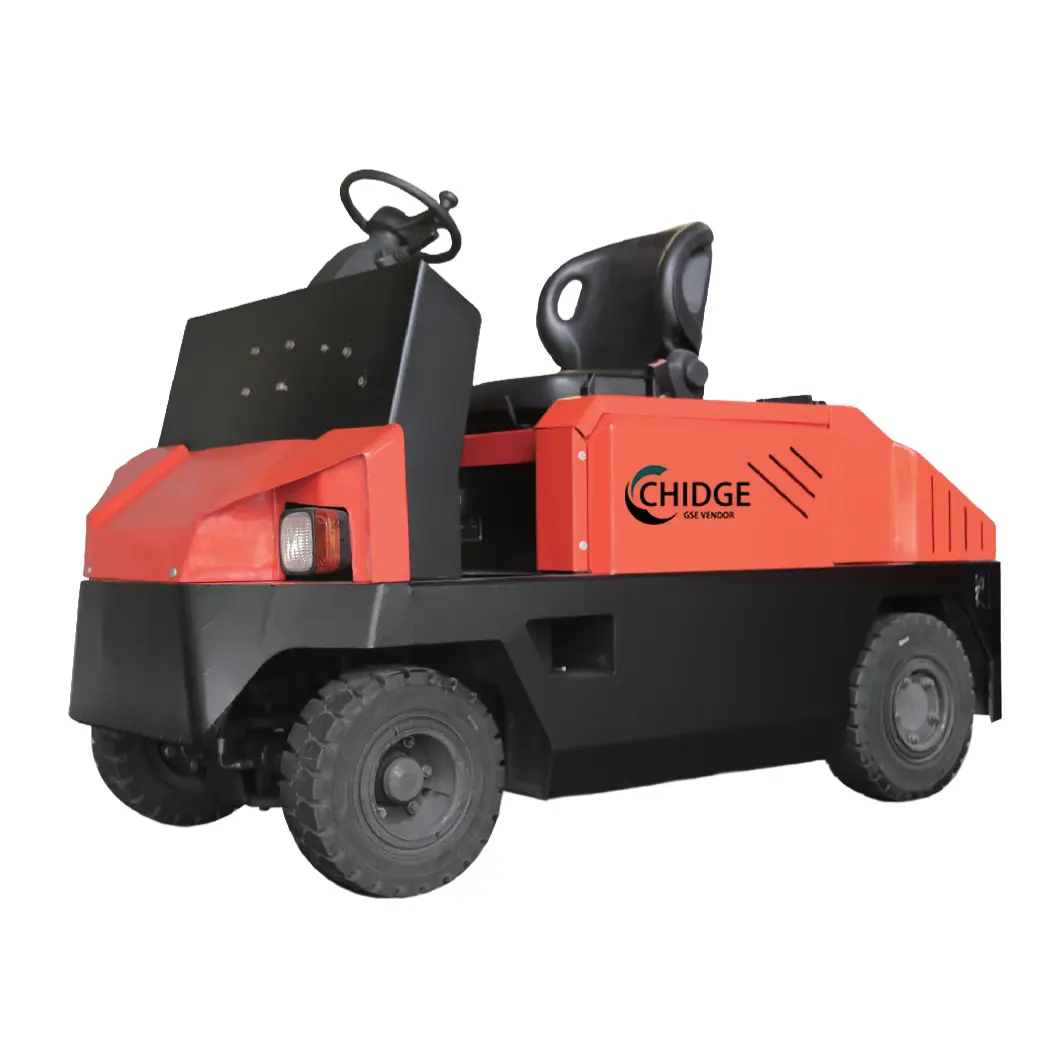
High-torque electric tractor for luggage cart trains.
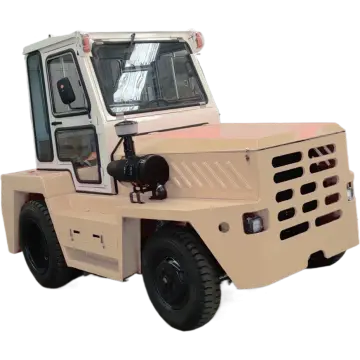
High-capacity diesel tractor built for heavy cargo distribution.
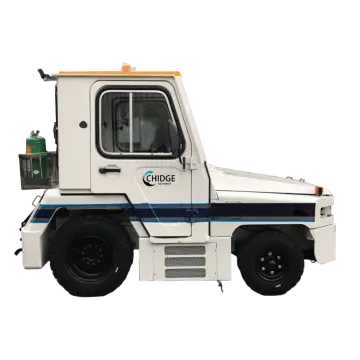
Electric tug designed for long baggage train routes.
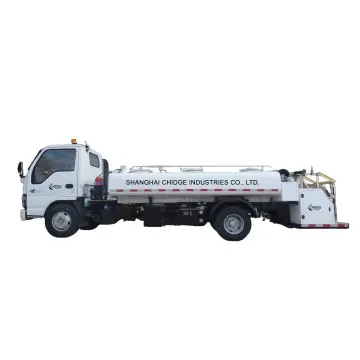
Maintains standard waste tank servicing protocols with clean operation controls.
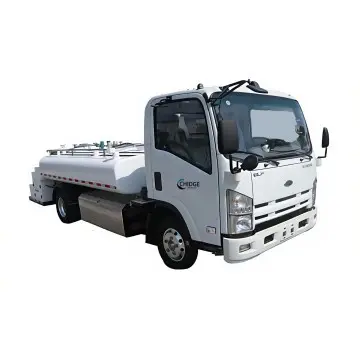
Supplies potable water through stainless steel tanks and fittings.
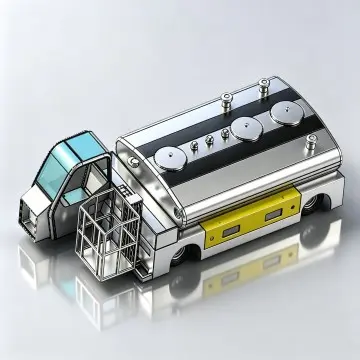
All-electric lavatory servicing vehicle with fast-flow pumping systems.
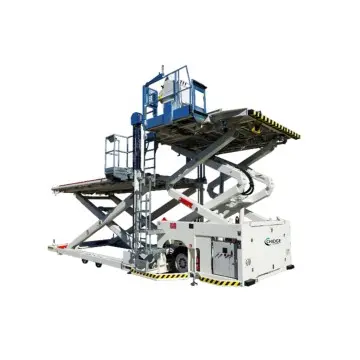
High-lift cargo deck platform for wide-body loading operations.
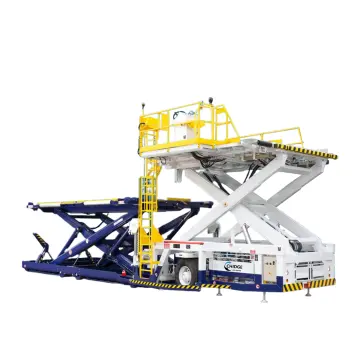
Designed for heavy cargo transfer requirements on major freight networks.
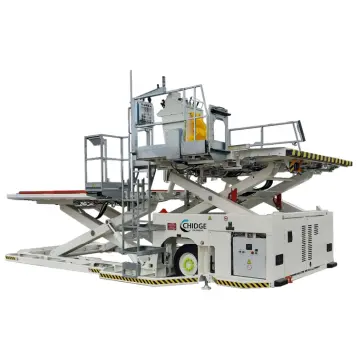
Versatile cargo loader sized for narrow-body and standard lower decks.
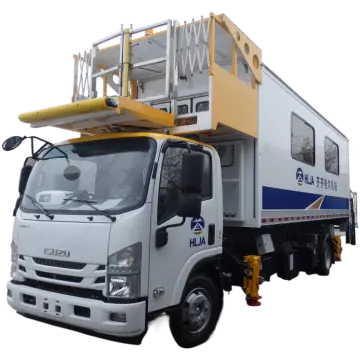
Enables safe cabin access for passengers with restricted mobility.
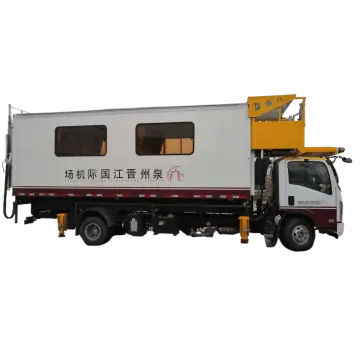
Cabin-access lifter featuring precise height-adjustable safety interlocks.
Supporting ground operations globally requires consistent manufacturing, quality assurance, and global distribution capability.

Selling high-quality aviation ground equipment designed to meet global operational standards.

Providing custom equipment and support systems to airlines and regional logistics companies.

Offering comprehensive configurations across utility, cargo handling, and electrical power cart classes.

Committed to rigorous testing protocols and reliable logistics coordination.
Building reliable, long-term partnerships with airlines, ground handlers, and logistics providers globally.
Stay informed on the technical shifts, safety directives, and equipment improvements currently affecting flightline operations.
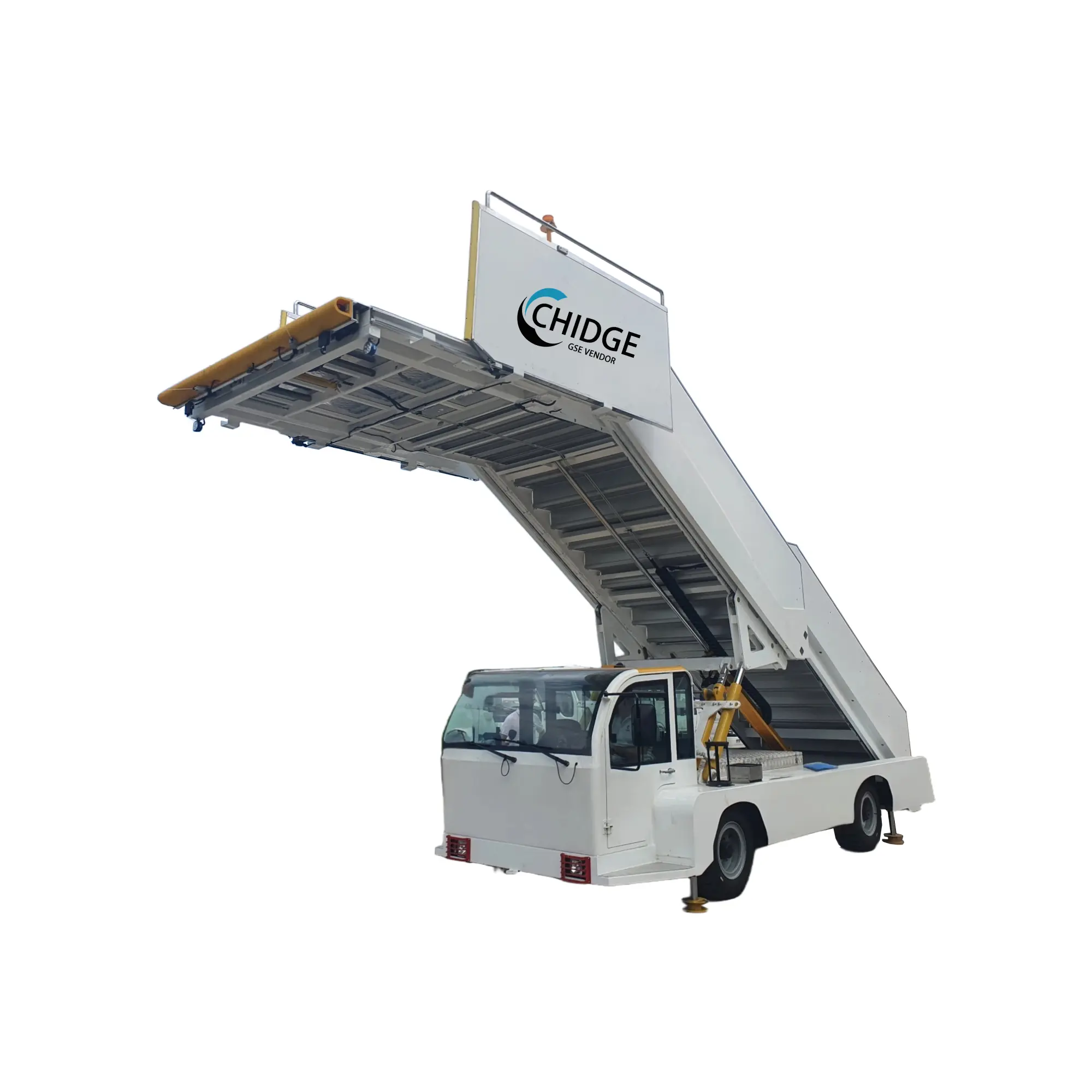
An analysis of structural design, height adjustability, and wind-stability locks for regional and narrow-body aircraft step platforms.
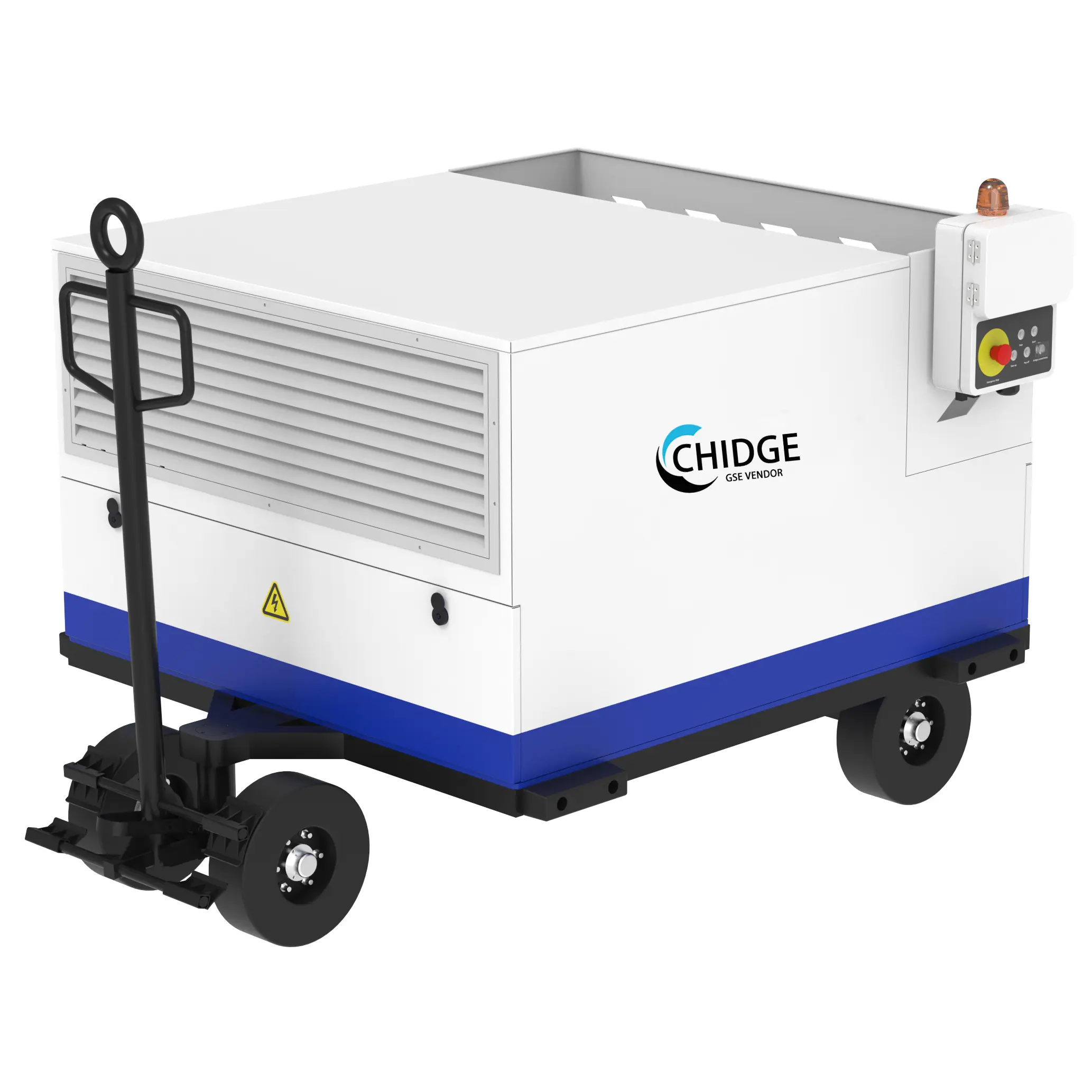
Reviewing lithium battery storage advances, duty cycle capability, and off-grid performance limits for towable airfield carts.
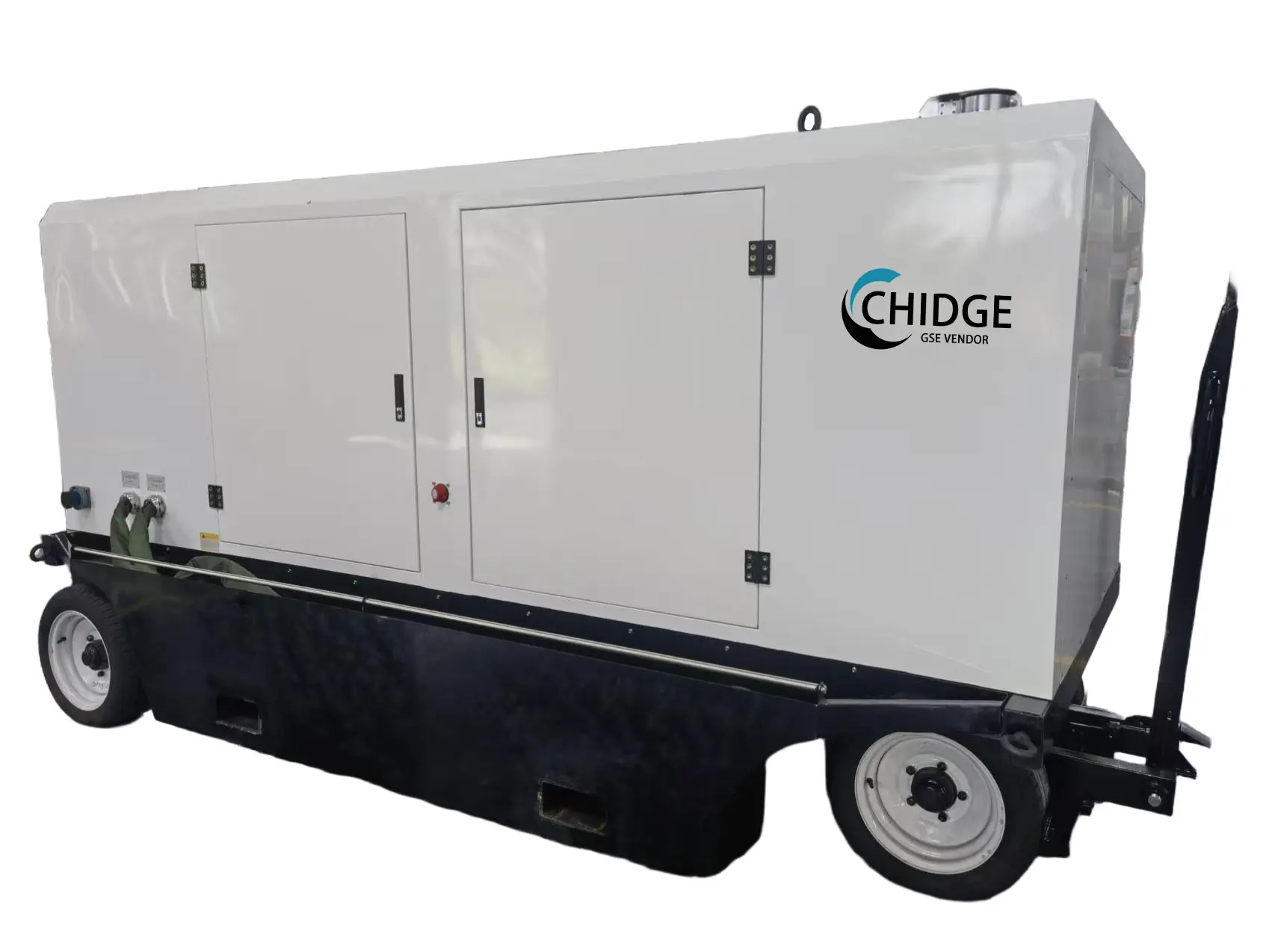
In the complex ecosystem of aviation operations, ensuring an aircraft is flight-ready involves a multitude of support systems. Among the most critical components in this pre-flight preparation is the Aircraft Ground Power Unit (GPU). These units supply the essential electrical power required for aircraft while parked on the ground, facilitating system checks, pre-flight preparations, and passenger boarding without the need to run the aircraft's main engines. While GPUs come in various forms, truck-mounted solutions have emerged as a particularly versatile and efficient choice for modern airports and maintenance facilities.
Get answers to common technical, electrical, and procurement questions from our engineering team.
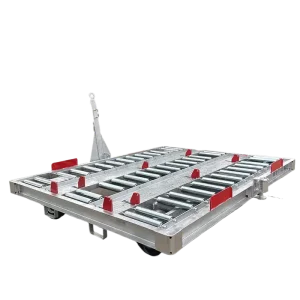
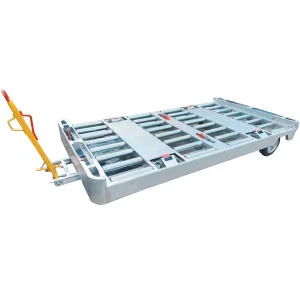
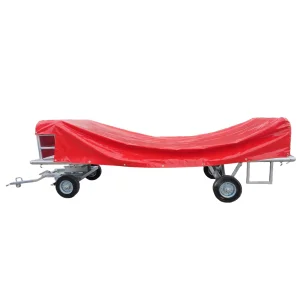
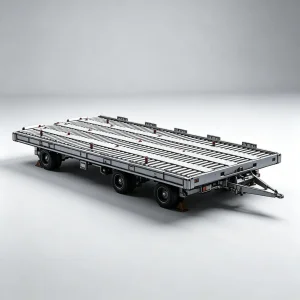
Discover our specialized cargo dollies, towable baggage trailers, and container transport configurations designed to keep airport logistics on schedule:
 Chidge Dolly