Engineered for extreme heavy-duty logistics and high-velocity ground handling operations.
Why next-generation Electric Ground Power Units are the cornerstone of the aviation sector’s Net-Zero 2050 mandate.
The aviation industry stands at a historical tipping point. While sustainable aviation fuels (SAF) and hydrogen propulsion systems capture media attention for in-flight emission reduction, the immediate, actionable target for airport operators is Scope 1 and Scope 2 emission reduction on the tarmac. Ground operations rely heavily on idling aircraft Auxiliary Power Units (APUs) and diesel-powered Ground Support Equipment (GSE) that collectively emit megatons of carbon dioxide and particulate matter annually. Implementing custom Electric Ground Power Units (eGPUs) acts as the primary strategy for modern hub airports to eliminate diesel fuel consumption during turnaround cycles.
Modern zero-emission mandates, such as the European Union’s Fit for 55 package and the FAA’s Airport Improvement Program (AIP) environmental grants, are forcing tier-1 and tier-2 airports to convert their diesel-fueled ground fleets. The transition is not merely ecological; it is deeply financial. By replacing an aircraft’s on-board jet-fuel-powered APU with a highly efficient 400Hz solid-state or battery-powered ground system, operators see an immediate 85% to 90% reduction in energy costs and save millions on aircraft engine wear. This shift requires highly specialized GSE manufacturing capabilities to supply reliable, ruggedized, and customizable electric power configurations.
An analytical breakdown of advanced power electronics, converter architecture, and battery chemistry.
Traditional rotary ground power units rely on internal combustion engines coupled with alternators. These mechanical systems suffer from transmission losses, high maintenance intervals, and loud noise pollution. Modern Static Frequency Converters (SFC) and mobile battery-electric ground power units utilize solid-state architecture to achieve unmatched power quality. The electrical output must conform to strict military and commercial aviation guidelines (such as DFS 400 or MIL-STD-704F), delivering continuous 115/200 V AC at 400 Hz and 28.5 V DC with precise transient recovery times.
Utilizing Silicon Carbide (SiC) or Gallium Nitride (GaN) power transistors, our converter units operate at high switching frequencies. This configuration yields a smaller footprint, reduces weight, and maintains a Total Harmonic Distortion (THD) under 3% even under highly non-linear aircraft loads.
For towable, off-grid eGPUs, we deploy Lithium Iron Phosphate (LFP) chemistry. LFP provides superior thermal stability, a longer life cycle (up to 4000 cycles at 80% DoD), and eliminates the risk of thermal runaway, making them safe for active airfield gates.
To support mixed-fleet airfields, our custom configurations deliver concurrent outputs: high-capacity 115V AC 400Hz lines for mainline narrowbody and widebody commercial aircraft, alongside low-noise 28.5V DC outputs for regional turboprops.
High-fidelity engineering diagrams and real-world assets manufactured to rigorous commercial standards.
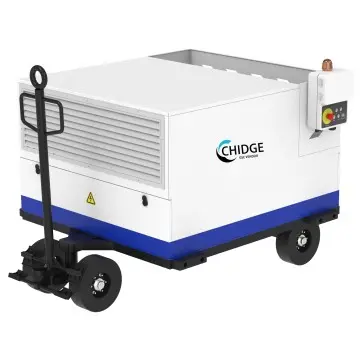
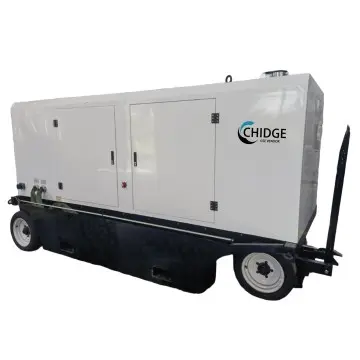
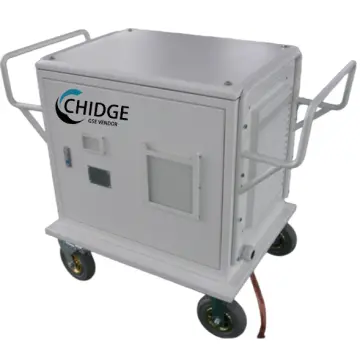
Featuring our signature 90kVA Aircraft Ground Power Unit, Energy Storage Ground Power systems, and ultra-durable Static Converter Units. Engineered to supply continuous 400Hz clean power for Boeing 737, Airbus A320, and next-generation long-haul fleets.
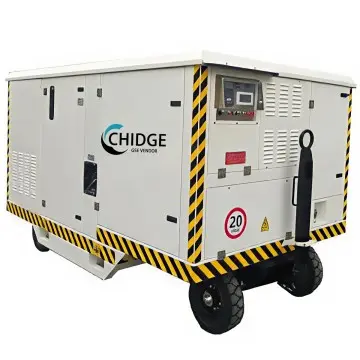
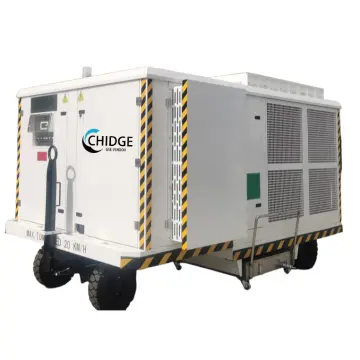
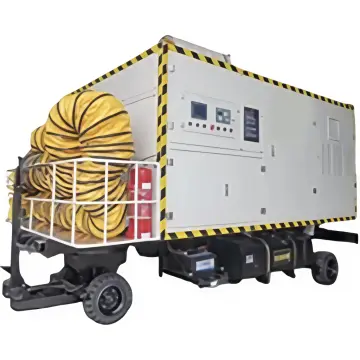
High-efficiency climate control systems including the PCA Unit CD190 and the robust CD-H02 Cabin Heater. Designed to maintain optimal passenger cabin temperatures during rapid turnaround schedules in both extreme cold and desert heat.
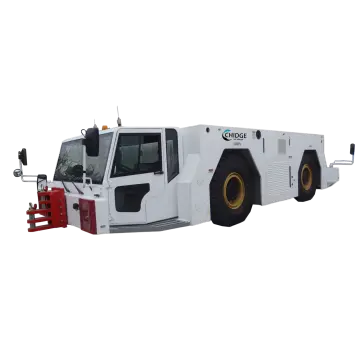
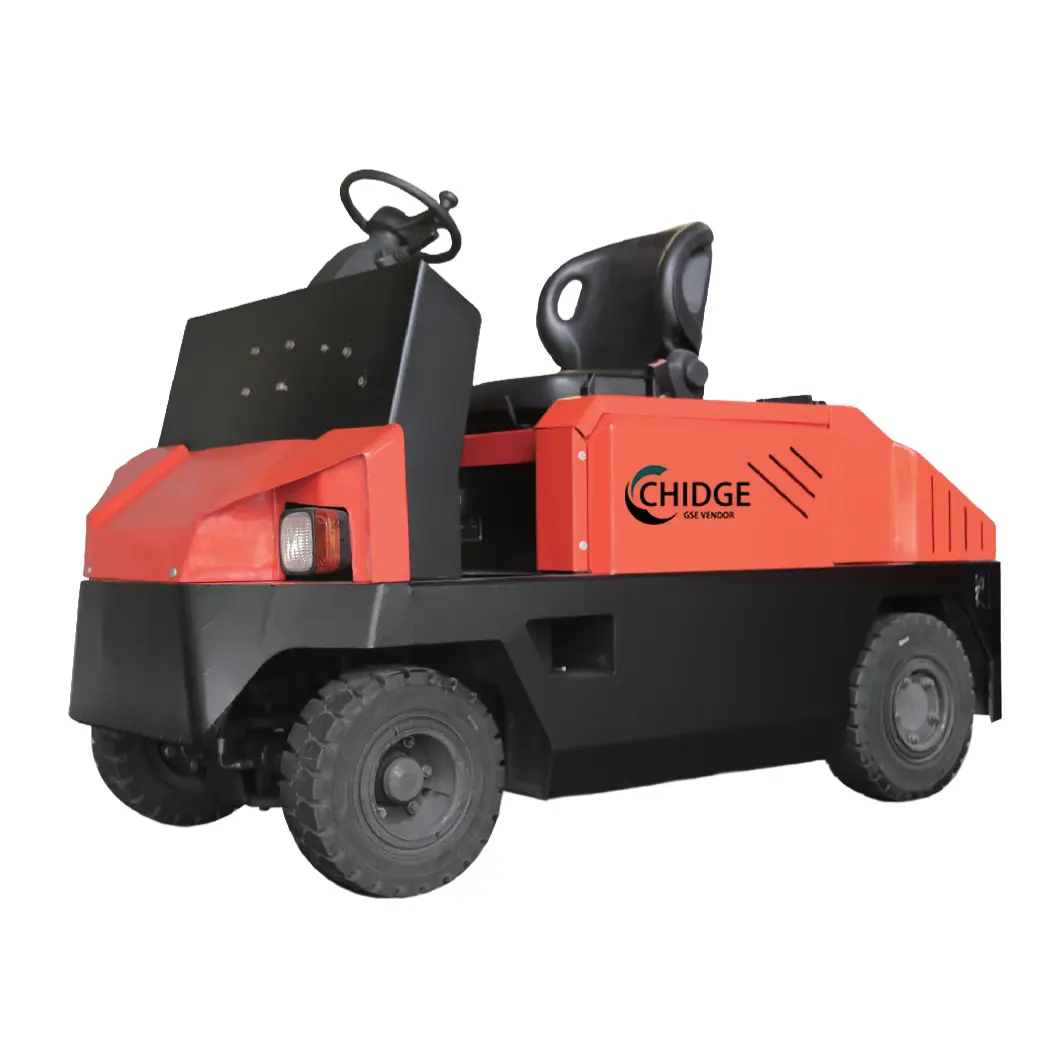
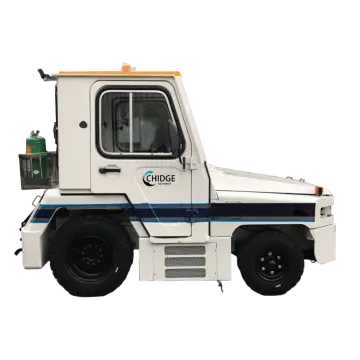
Heavy-duty solutions including the CDT700 Aircraft Towing Tractor and the 10Ton/20Ton Electric Baggage Towing Tractors. Combining high drawbar pull ratings with reliable electric powertrains to optimize apron traffic safety.

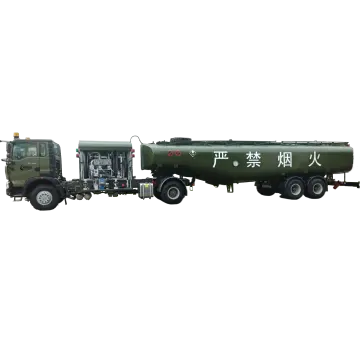
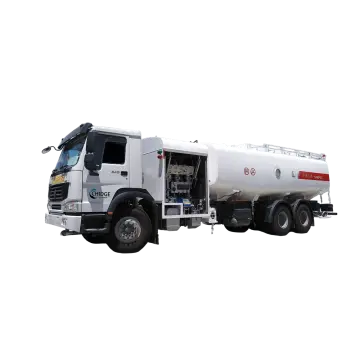
Integrated refueling tankers with advanced filtration systems, digital fuel metering, pressure control systems, and high-velocity pump circuits, ensuring safe, rapid fueling cycles for international hub airports.
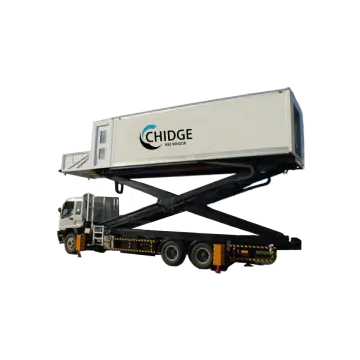
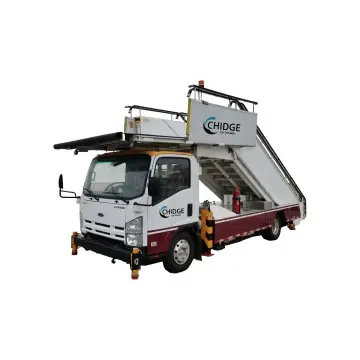
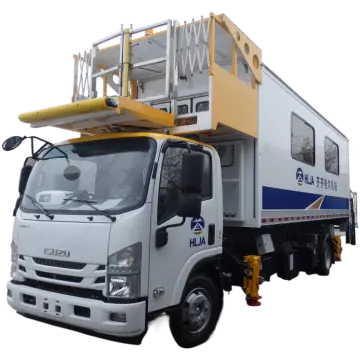
Specialized fleet support units like the CD-SP80 Catering Truck, CD-PBS5062E Self-propelled Passenger Stairs, and high-safety CD-Q5100DCR Ambulift for accessible passenger boarding.
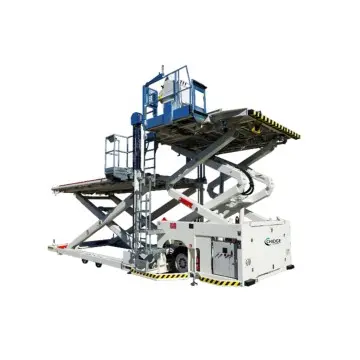
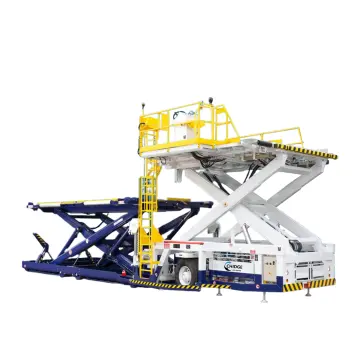
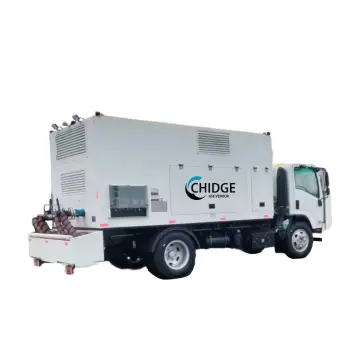
High-tonnage cargo handling equipment including the CDL14000 / CDL35000 Cargo Loaders alongside our diesel-pneumatic or battery-assisted Truck Mounted Air Start Units (ASUs) for jet engine cranking.
How our custom eGPUs are built to withstand severe environmental stresses, from Arctic tundras to equatorial deserts.
Airport aprons present a highly hostile environment for complex power electronics. Equipment must perform reliably in direct sunlight, under heavy downpours, amidst fine abrasive dust, and during freezing snowstorms. A generic off-the-shelf power converter cannot survive these conditions without immediate failure. As a leading customized eGPU manufacturer, we apply specific design protocols to ensure long-term durability:
Flexible OEM/ODM engineering paths combined with rigorous supply chain coordination.
We deploy senior engineering resources to custom-fit electrical outputs, structural dimensions, towing hitches, and telemetry software to match your unique ground handling environment.
Our assembly facilities run strict quality assurance steps. Every unit undergoes load-bank testing up to 150% overload capacity to verify transient voltage response curves prior to shipping.
Through robust logistics partnerships and supply chain safety stock management, we guarantee shipping schedules and offer real-time tracking for international fleet updates.
We provide remote system monitoring support, dispatch regional technicians for on-site commissioning, and maintain an inventory of critical parts to minimize downtime.
Engineering ground support systems to meet rigid international regulations.
Operational safety on the ramp is non-negotiable. Connecting a ground power source directly to an aircraft costing upwards of $100 million requires foolproof protective systems. Our custom eGPUs feature multi-level interlock mechanisms, automated ground monitoring, and emergency disconnect relays. Our manufacturing processes conform strictly to standard aviation regulations:
To prevent costly damage to the aircraft’s electrical system, our controllers constantly monitor for overvoltage, undervoltage, overfrequency, underfrequency, phase reversal, and overcurrent. If any parameter drifts outside the tolerances defined in MIL-STD-704F, the unit disconnects power within 15 milliseconds, protecting delicate avionics from harmful surges.
Exploring the integration of V2G systems, smart charging infrastructure, and solid-state batteries.
The next phase of GSE evolution extends beyond standalone battery units. We design solutions with a clear technical roadmap that integrates ground equipment with the smart grids of future airports. Key focus areas include:
Technical and procurement insights regarding custom eGPUs and GSE fleets.
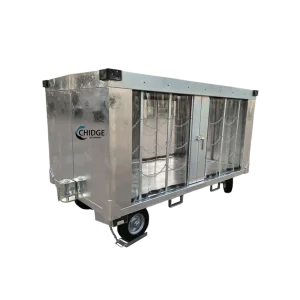
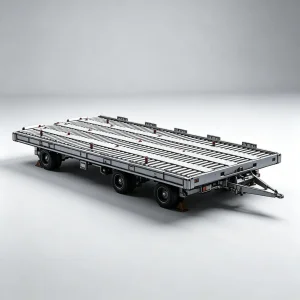
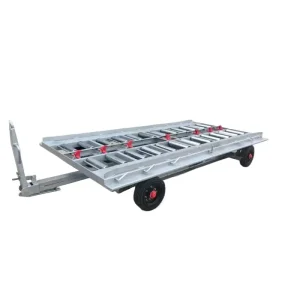
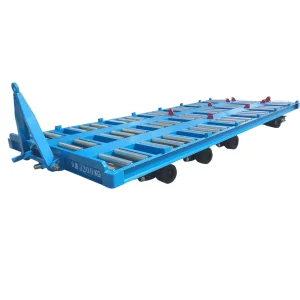
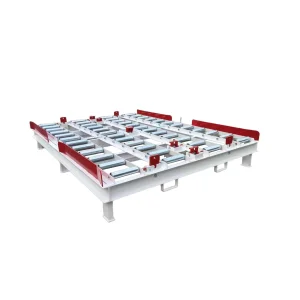
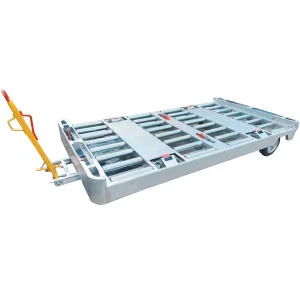
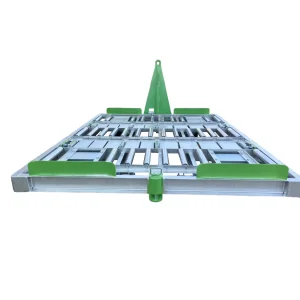
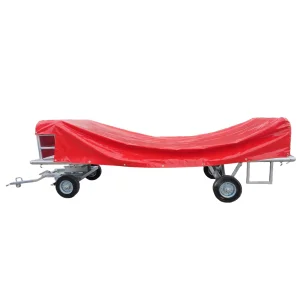
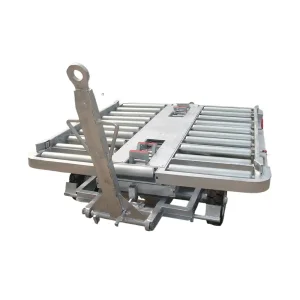
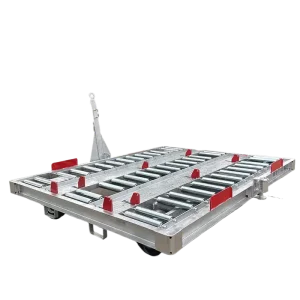
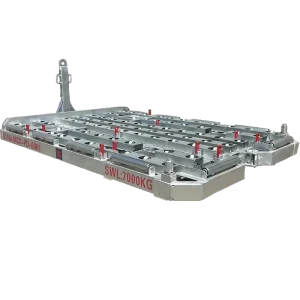
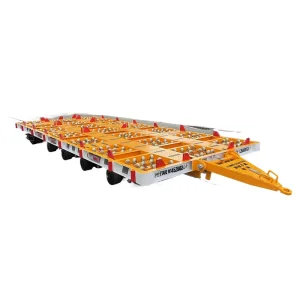
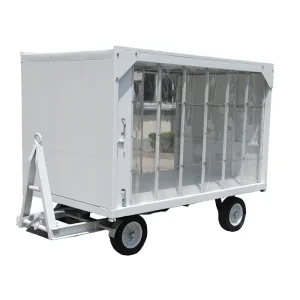
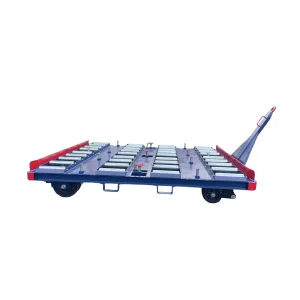
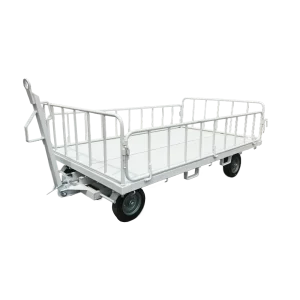
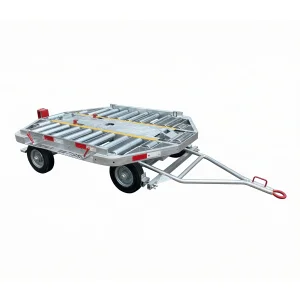
Ensuring reliable, smooth, and safe container and pallet transfers across busy airport ramps.
 Chidge Dolly