Explore our primary inventory of industry-leading dollies, trolleys, and heavy-duty cargo handlers
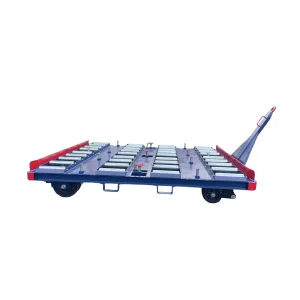
Precision-engineered 10FT pallet dolly featuring heavy-duty structural steel for robust cargo logistics.
Request Quote →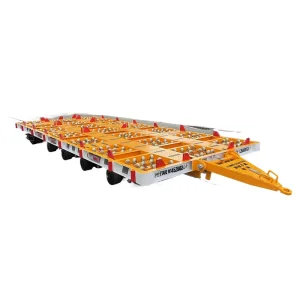
High-capacity 27-ton heavy cargo transport dolly built to meet standard airfield requirements.
Request Quote →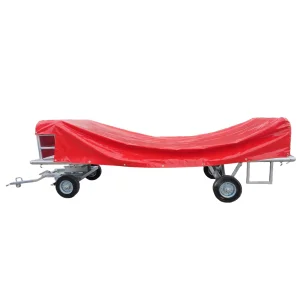
Durable airport passenger baggage trolleys designed with advanced brake systems and ergonomics.
Request Quote →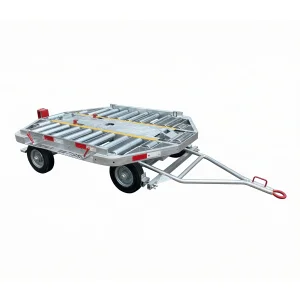
Optimized ULD container dollies designed to transport standard LD3 containers securely.
Request Quote →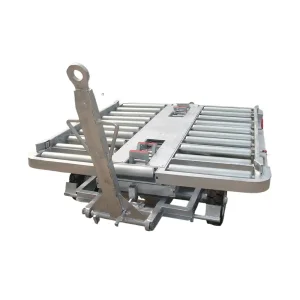
Global supply of heavy-duty LD3 container transit platforms for fast cargo operations.
Request Quote →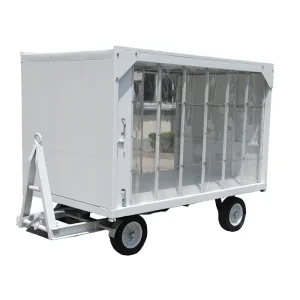
Weatherproof and secure enclosed baggage carts perfect for protecting passenger luggage.
Request Quote →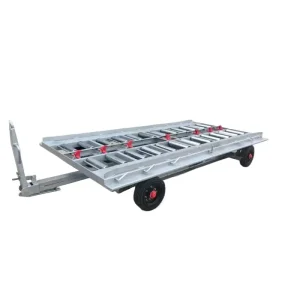
Specifically tailored for wide-body aircraft cargo operations using LD6 configurations.
Request Quote →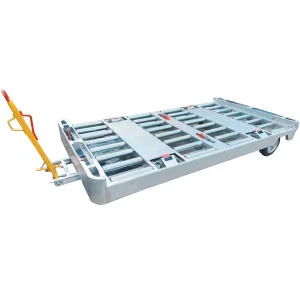
High-strength customizable chassis for specialized unit load device transport requirements.
Request Quote →In high-throughput airport terminals and heavy industrial manufacturing zones, ground logistics require machinery that offers uncompromising torque, reliability, and operating range. The Diesel Towing Tractor remains the undisputed workhorse for heavy-haul operations, delivering the continuous, high-drawbar pull required to relocate wide-body aircraft, heavy baggage trains, and modular container dollies across vast airfields. While electrification is gaining traction in light-duty applications, diesel-powered units represent the gold standard for long-shift operations under extreme environmental conditions.
As a leading hub for Ground Support Equipment (GSE) manufacturing, China combines advanced industrial supply chains with highly optimized manufacturing processes to deliver unmatched value:
Procurement departments at major international airlines and logistics companies are focusing on three main technological vectors:
How our technical innovation and engineering capabilities translate into high-performing equipment solutions
Utilizing advanced science and state-of-the-art technological R&D to create highly efficient, reliable, and ergonomic utility vehicles.
Tested under rigorous pressure environments, our high-quality GSE units stand out in global competitive landscapes for durability.
Robust logistics, inventory management, and component redundancy networks prevent lead time delays on custom runs.
Round-the-clock technical support, field technicians, and rapid replacement component delivery maximize operational runtime.
Refueling trucks, passenger stairs, catering setups, and customized ground support systems
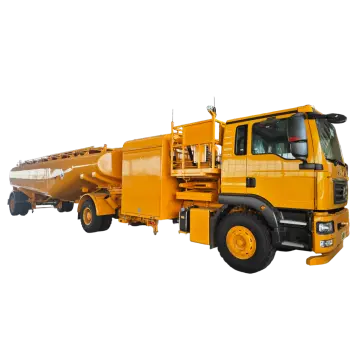
Integrated with high-capacity pumps, filtration, self-circulation, and pressure control systems for efficient aviation refueling.
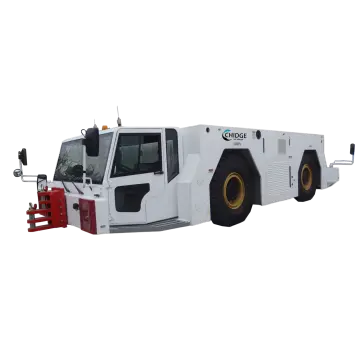
Heavy pushback capability designed to move single-aisle and wide-body aircraft confidently in challenging climates.
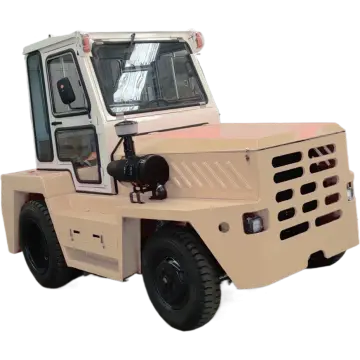
Delivers continuous heavy drawbar pull for heavy-duty airport luggage and airfreight pallet dollies.
No two terminals operate similarly. Below are the standard application profiles we engineer custom tow tractors for:
In airports operating 24 hours a day, diesel tractor reliability is crucial. The ability to quickly refuel and resume operations eliminates charging downtime, allowing ground operators to pull strings of baggage carts and containers across multiple terminals without pause.
Lithium-ion batteries drop efficiency drastically under freezing conditions. Our custom diesel tractors are outfitted with fuel heaters, block heaters, and enclosed insulated cabins designed to withstand temperatures down to -40°C without loss of engine performance.
Beyond aviation, heavy manufacturing sites use these robust systems to shift large metal coils, wind turbine components, and general heavy freight inside storage yards where traditional forklifts are insufficient.
Answers to technical queries regarding custom diesel towing tractors and ground support equipment
Diesel towing tractors offer continuous duty cycles without stopping for charging, deliver higher consistent torque in extreme temperatures (hot and cold), and are generally preferred for very long distances or pulling high tonnages across vast open tarmac areas.
Yes, our factories specialize in customized engineering. We can adjust the vehicle ballast, gear ratios, transmission systems, and engine displacement configurations to match the precise drawbar pull needed for your fleet.
We supply engines compliant with Euro Stage III/V, China Stage IV, and US EPA Tier 3/4 Final standards, depending on local import requirements and environmental mandates.
We provide global tracking for standard spare parts and maintain quick-ship arrangements. Key drive components (such as Cummins or Deutz engines, and Graziano or ZF transmissions) are supported globally by their respective OEM service networks.
Working collaboratively to design safer, highly efficient airport ground control operations
Choose from high-capacity dollies, baggage handlers, and industrial logistics trailers
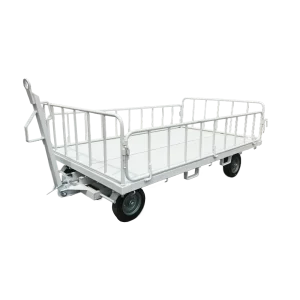
Standard terminal baggage transport carts featuring durable rust-inhibiting galvanized coatings.
Request Quote →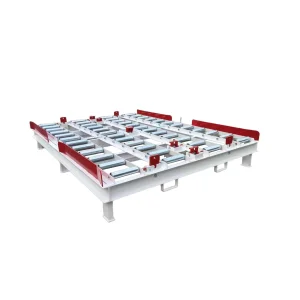
Versatile slave pallet systems engineered for quick roll-on, roll-off operations at air terminals.
Request Quote →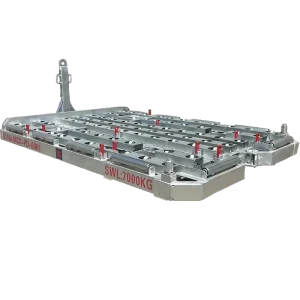
Specialized cargo dolly featuring high stability castle-style configuration for 7-ton loads.
Request Quote →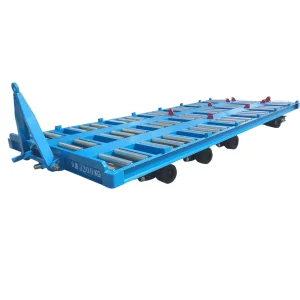
Super-duty 18-ton 20-foot pallet handler crafted to move containerized industrial goods easily.
Request Quote →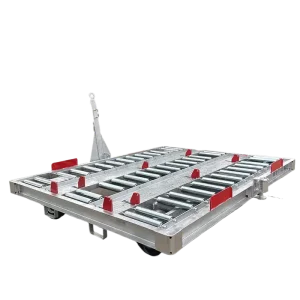
Standard airfield pallet dolly built to handle everyday terminal loads up to 7 tons.
Request Quote →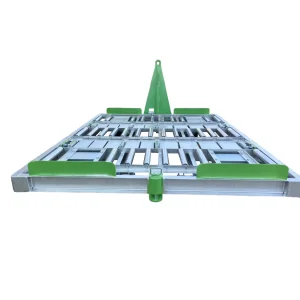
High-quality terminal and runway cargo trailers designed to optimize ground logistics.
Request Quote →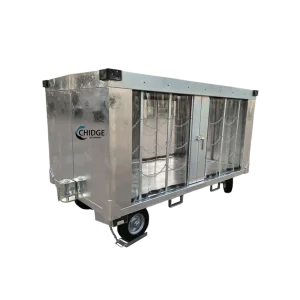
Protects passenger luggage from harsh precipitation with specialized canvas covers.
Request Quote →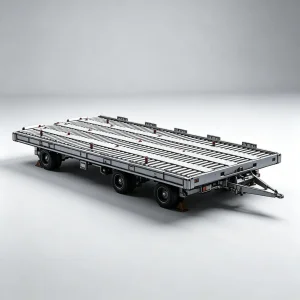
Our highest capacity 35-ton heavy-lift dolly suited for large airfreight cargo operations.
Request Quote → Chidge Dolly