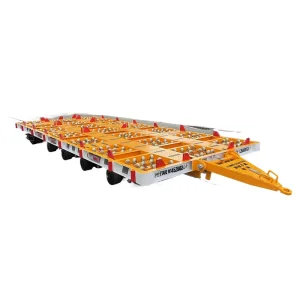
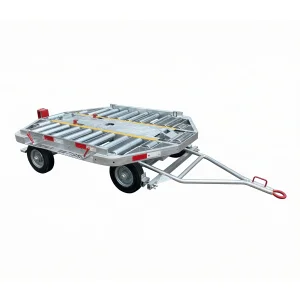
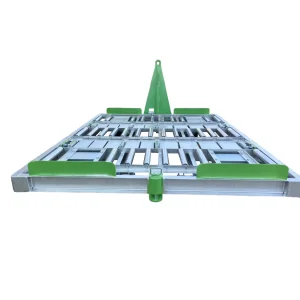
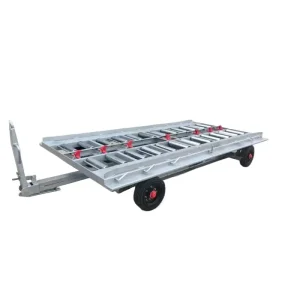
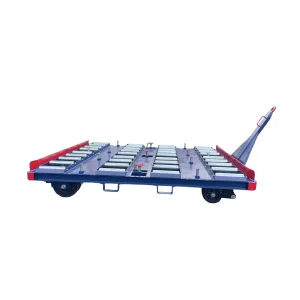
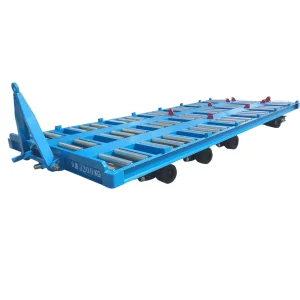
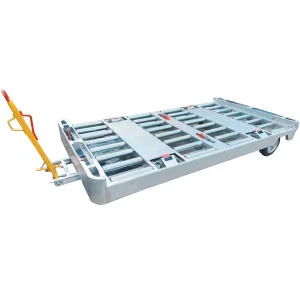
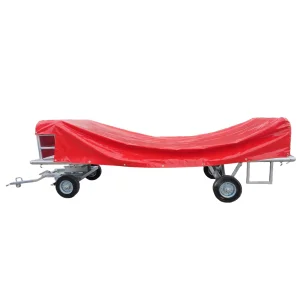
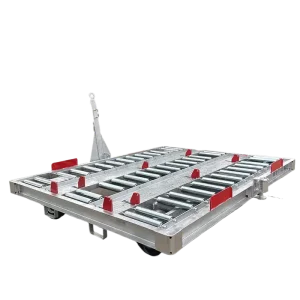
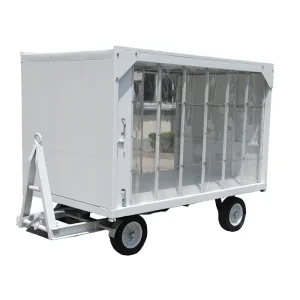
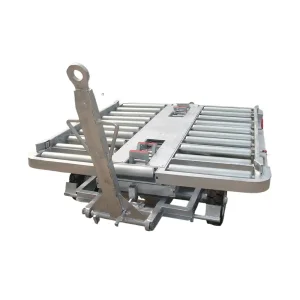
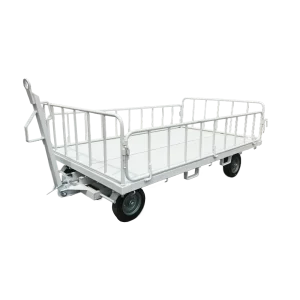
Explore our engineering capabilities across a comprehensive range of towable and motor-driven airport dollies, tractors, and loaders.
In high-throughput airport operations, the safety, efficiency, and speed of ground handling processes dictate overall profitability. The CD-T150 Push Back system represents a pinnacle of towing performance, engineered specifically to handle narrow-to-medium-body aircraft under strict ramp safety conditions. As airlines move toward more demanding turnaround times, ground handlers require push back systems that deliver maximum drawbar pull, advanced ergonomic cabins, and reliable hydraulic transmission.
Leveraging state-of-the-art manufacturing plants to balance price, durability, and technological innovation.
By locating operations in China's major industrial hubs, our factories secure priority access to high-tensile steel, heavy-duty gearboxes, and state-of-the-art hydraulic valves, lowering lead times by 30% compared to Western manufacturers.
All CD-T150 push back systems are fabricated under stringent CE, ISO 9001, and IATA AHM standards. We employ robotic welding and ultra-sonic testing of load-bearing structural parts to ensure zero-defect welding lines.
From custom cabin heights for low-clearance operations to localized cold-weather package engines (-40°C start-up kits), our R&D team specializes in tailoring GSE to your airport's unique climatic challenges.
Original solutions developed to manage ground support fluids and heavy towing challenges.
Consists of a chassis, oil tanks, pumping system, control system, and operating elements, providing filtration, metering, pressure control, and self-circulation.
High-capacity tank system engineered for long-haul commercial aircraft servicing, delivering precise pressure regulation and robust bypass mechanism.
Integrated control panel featuring mechanical metering devices alongside emergency stop controls for optimal ground crew operation safety.
Operating ground equipment internationally demands immediate spare parts dispatch and alignment with local civil aviation regulations. Our CD-T150 push back systems are integrated with Cummins, Deutz, or electric powertrains that comply directly with EPA Tier 4 Final and EU Stage V emission limits, avoiding regulatory bottlenecks at premium EU and North American airports.
Additionally, we partner with localized GSE repair stations to establish a 24-hour delivery window for critical parts such as main drive pumps, hydraulic steering cylinders, and safety sensor components, keeping aircraft turnarounds uninterrupted.
Whether managing heavy winter snow at northern airports or navigating humid hangar aisles in tropical regions, the CD-T150 system's four-wheel-drive system ensures optimal traction on slick apron surfaces. Precise inching control allows operators to back the tug into tight docking positions under wide-body aircraft bellies without risking contact damage.
Supporting airlines, major airport hubs, and global third-party logistics firms with reliable aviation assets.

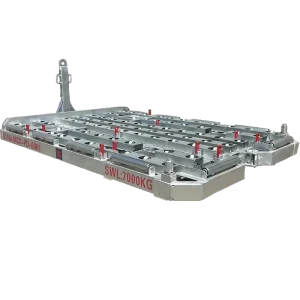
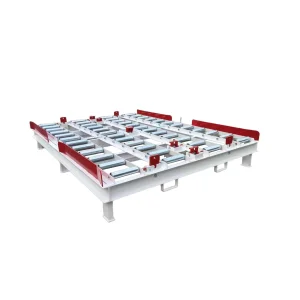
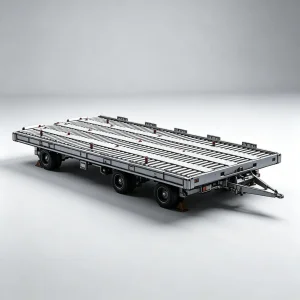
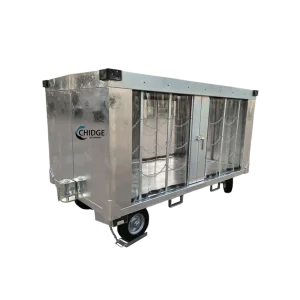
Wide coverage of standard tow tractors, luggage carts, and custom airport dolly fleets.

Direct supply contracts engineered to optimize aircraft ramp servicing timelines.

Complete GSE ranges suited to both municipal commercial terminals and freight facilities.

Comprehensive testing, marine-grade packaging, and predictable global shipping lines.
Find technical answers to commonly raised procurement questions and engineering specifications.
The CD-T150 is rated to push back and tow narrow-body to medium-body aircraft with a maximum ramp weight (MRW) of up to 150 metric tons, including aircraft categories such as the Boeing 737 series and Airbus A320 families under dry conditions.
Yes. Our factories offer customized engine integrations. Clients can choose EPA Tier 4/EU Stage V engines for North America and European airports, or Tier 2/Tier 3 Deutz/Cummins options for regions with relaxed local emission rules, reducing engine acquisition costs.
Standard safety systems include automatic interlocks for cabin lifting, hydraulic emergency backup pumps, cabin protection frames, warning beacons, automatic fire suppression in engine compartments, and nose-gear relief systems to avoid torque overload.
Complete fleet solutions engineered for heavy airport cargos and specialized storage applications.
 Chidge Dolly