Heavy-duty, precision-engineered apron logistics solutions configured for dynamic operational scenarios.
In the high-stakes sector of airport operations, the safety, efficiency, and rapidity of pushback and towing maneuvers directly correlate with airline profitability and safety records. The CD-T150 Airplane Towing Tractor represents an engineering milestone designed to answer the multi-faceted demands of contemporary ground service providers. Capable of handling narrow-body and medium-wide-body aircraft, this heavy-duty tractor mitigates the challenges posed by congested aprons, strict emission mandates, and rapid fleet turnaround times.
Globally, commercial aviation hubs are shifting toward integrated Ground Support Equipment (GSE) ecologies. By offering options in both high-torque diesel and advanced lithium-ion electric power, the CD-T150 series integrates seamlessly into traditional fuel-based fleets and modern green-initiative aprons. Through optimization of chassis weight distribution and active hydraulic steering configurations, these tractors reduce mechanical strain on landing gears, adhering to the stringent guidelines defined by aircraft manufacturers.
Furthermore, as digital tracking and predictive scheduling become standard across major tier-1 and tier-2 international airports, our GSE solutions incorporate pre-configured telematics interfaces. This allows managers to monitor engine telemetry, battery health, tractive output, and operator behaviors in real-time, driving efficiency and minimizing unscheduled downtime.
| Drawbar Pull (Max) | 120 kN - 150 kN |
| Towing Capacity | Up to 150 Metric Tons (MT) |
| Powertrain Options | Deutz/Cummins Stage V Diesel or LiFePO4 Electric |
| Transmission | Powershift Transmission (4 Forward / 3 Reverse) |
| Steering Modes | 2-Wheel, 4-Wheel, Crab Steering Modes |
| Weight (Unladen) | 12,000 kg - 16,000 kg (Ballast Dependent) |
The operational profile of airport ramp equipment differs dramatically depending on geographic zones, regional regulatory bodies, and infrastructural design. The CD-T150 is engineered to adapt, ensuring compliance with local aviation frameworks including IATA AHM 910, 913, and 955, alongside CE and OSHA standards. This flexibility allows global suppliers to distribute the CD-T150 seamlessly across key markets in North America, Europe, Asia-Pacific, and the Middle East.
In high-latitude regions, ground equipment must perform in sub-zero temperatures, often down to -40°C. For these environments, the CD-T150 incorporates specialized thermal management systems. Diesel models utilize engine block pre-heaters and fuel line heating circuits to prevent waxing. Electric models deploy active battery thermal management systems (BTMS) that keep the lithium core within optimal operational windows, preventing range degradation and power drops during critical pushback phases.
Conversely, in the Middle East and parts of Africa, ambient temperatures exceeding 50°C paired with airborne sand present severe engineering challenges. The CD-T150 addresses these conditions through multi-stage cyclonic air filtration units that prevent micro-particle ingress into critical engine components, coupled with high-capacity hydraulic oil cooling radiators. The operator’s cabin features robust HVAC insulation, preserving operator comfort and concentration, which is vital for preventing apron collisions.
In congested mega-hubs, narrow taxiways require ground equipment with a compact footprint and exceptional maneuverability. Using crab-steering mode, the CD-T150 can navigate sideways in tight parking bays, positioning itself precisely under the towbar connection points without complex repositioning maneuvers. This translates to saved turnaround minutes, lowering aircraft delay penalties for handling companies.
Preserving our heritage of specialized airport logistics and service systems. Explore our diverse, high-performance ground support machinery.
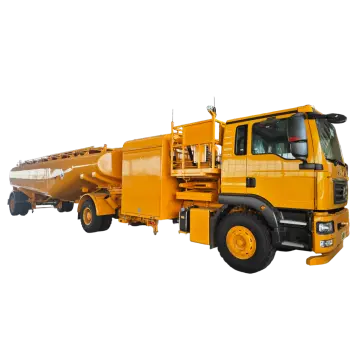
Equipped with custom high-capacity pumping systems, precision filtration, digital metering, self-circulation loops, and dual-axis pressure control systems for commercial aviation fueling.
Inquire Specifications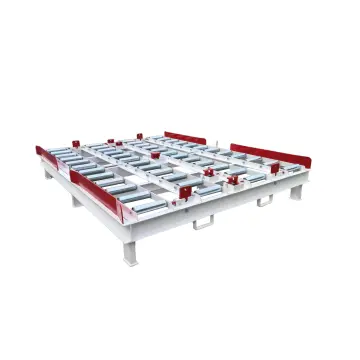
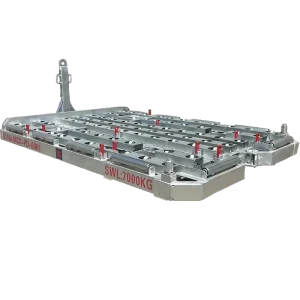
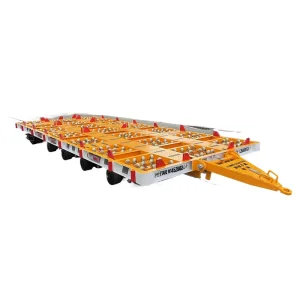
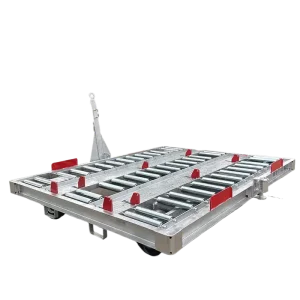
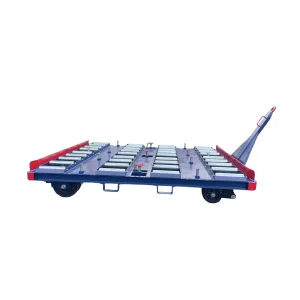
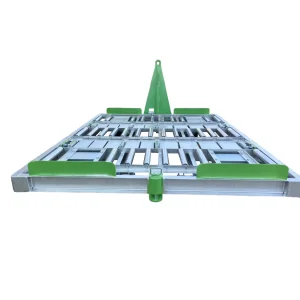
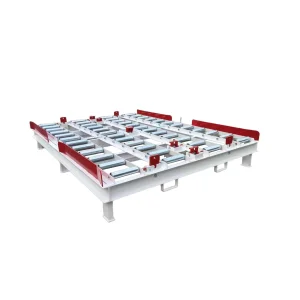
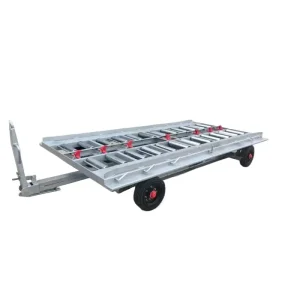
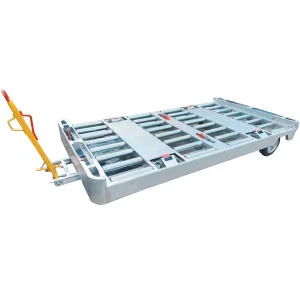
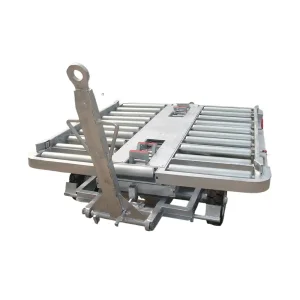
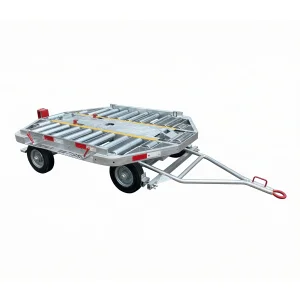
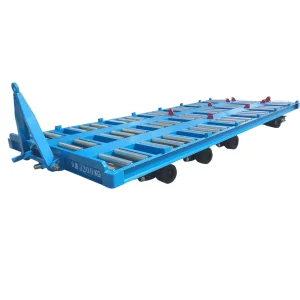
Engineered for heavy containerized cargo operations. Integrates high-strength steel frames, custom roller arrays, and dual-direction towing locks for rapid ramp transfer.
Inquire Specifications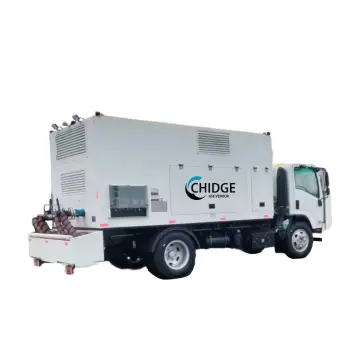
Delivering reliable pressure for aircraft engine starts (CDA300/CDA400) and optimized climate control (CD190 PCA / CDH-60 Cabin Heater) during terminal parking.
Inquire Specifications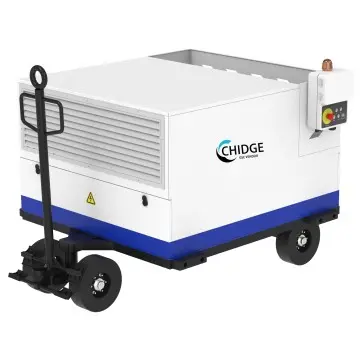
Supplying clean, stable 400Hz AC and 28.5V DC power. Available in towable diesel configurations and zero-emission energy storage battery designs.
Inquire Specifications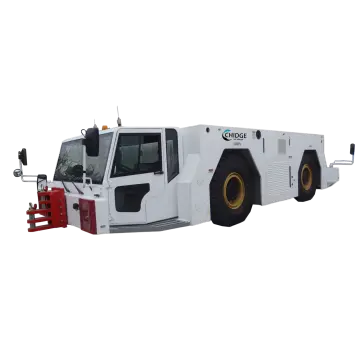
Spanning the CDT300, CDT450, and CDT700 range. Built to manage pushbacks and inter-hangar transfers of narrowbody, widebody, and heavy freighter aircraft.
Inquire Specifications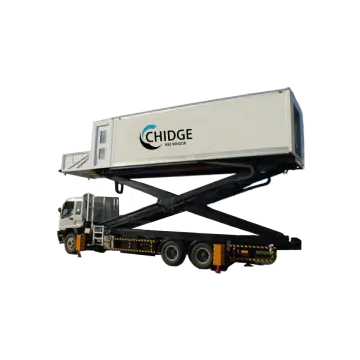
Including the CD-SP80 catering series and the CD5060 electric lavatory service line. Standardized with intelligent hydraulic scissor lifts and fail-safe interlocks.
Inquire SpecificationsLeveraging advanced technology and rigorous quality management to maximize ground handling safety.

Our engineering division utilizes cutting-edge stress simulation and structural analysis modeling in product design, R&D, and structural welding processes to ensure reliable, high-performance machinery.

All products are certified to meet expected global aviation standards. Rigorous quality control guarantees robust performance, enabling our partners to stand out in competitive airport tenders.

Supported by sophisticated supply chain management, real-time inventory control, and optimized logistics, we consistently ensure prompt delivery and maintain quick-response emergency parts support.

Our dedicated support team provides proactive maintenance, remote troubleshooting, on-site commissioning, and engineering training programs to protect and maximize your capital investments.
Tailored Ground Support Equipment Manufacturing
We welcome specialized OEM (Original Equipment Manufacturer) and ODM (Original Design Manufacturer) projects. Adhering to a customer-centric philosophy, we handle everything from initial layout concepts and hydraulic circuit design to component selection, production, field testing, and eventual commissioning.
Whether you require customized chassis dimensions to fit legacy hangar configurations, specific battery capacities for extended cold-climate operations, or unique towbar couplers to service special regional fleets, our engineering team delivers integrated, turn-key solutions. This collaborative design process helps airport handling firms enter markets rapidly, reduce operational overhead, and gain a competitive edge.


The ground handling industry is rapidly evolving towards increased automation and zero-carbon emissions. The engineering roadmap for the CD-T150 series is focused on three primary areas: advanced electrification, semi-autonomous positioning, and intelligent health monitoring.
To support airports targeting net-zero operations, we are scaling up our high-voltage lithium iron phosphate (LiFePO4) powertrains. These advanced configurations support fast DC charging protocols, allowing handling operators to top-up battery capacity during natural shift breaks without affecting tight turnaround schedules. In addition, we are researching hydrogen fuel cell integration, which offers rapid refueling times and consistent power delivery in extremely cold environments.
On the safety front, the integration of ADEP (Apron Damage Prevention) technology is our key priority. Next-generation CD-T150 tractors will feature multi-sensor fusion arrays (LiDAR, ultrasonic sensors, and optical cameras) that communicate directly with the tractor's motor controllers. This setup provides automatic collision avoidance and proximity warnings when approaching aircraft landing gear, significantly reducing risk during low-visibility pushbacks. By combining these active safety systems with CAN-bus telematics, we continue to deliver reliable GSE solutions to the global aviation market.
Detailed answers to key engineering, purchase, and maintenance questions from global ground support operators.
Our mission is to deliver dependable equipment, creating long-term value for airport ground handling teams and logistics companies worldwide.
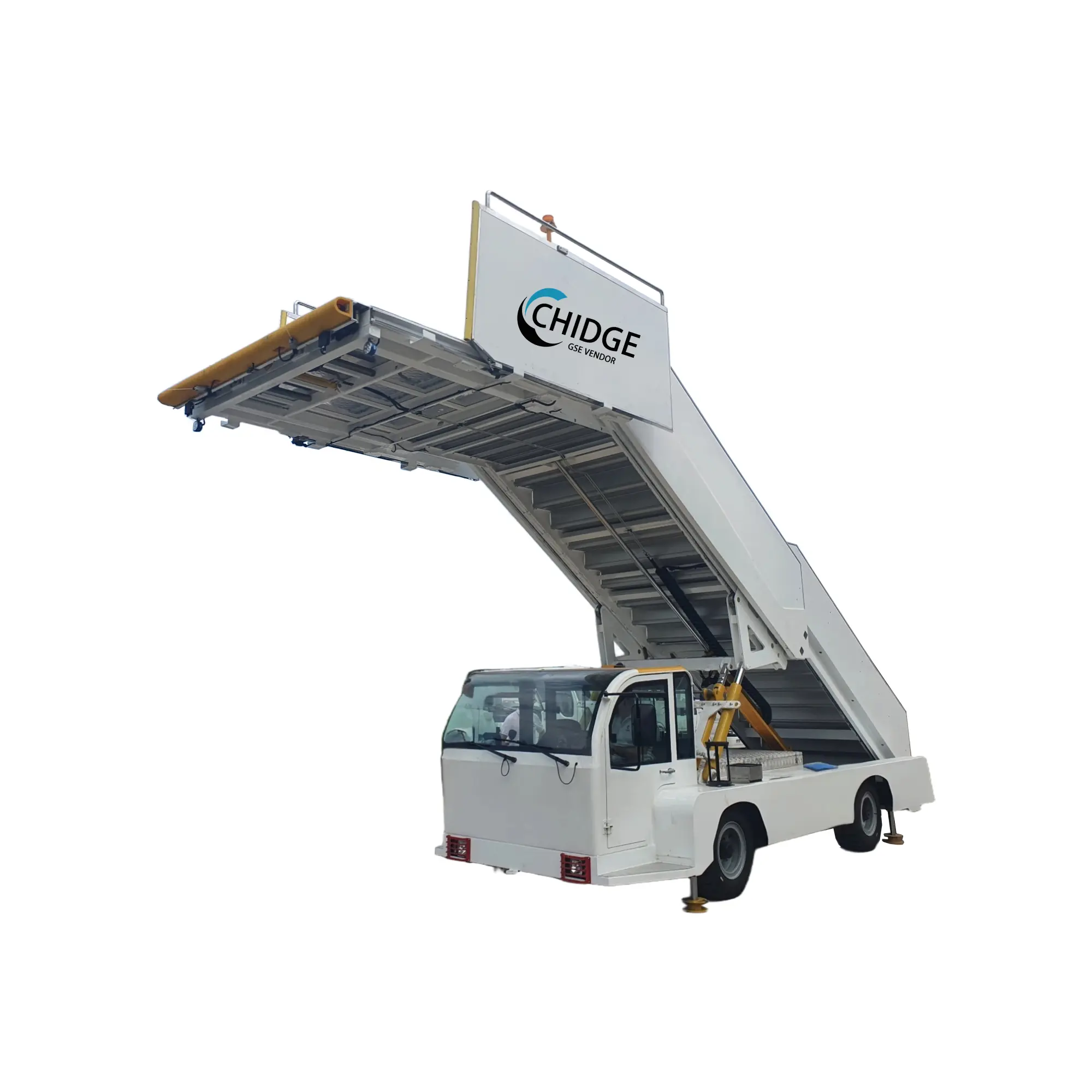
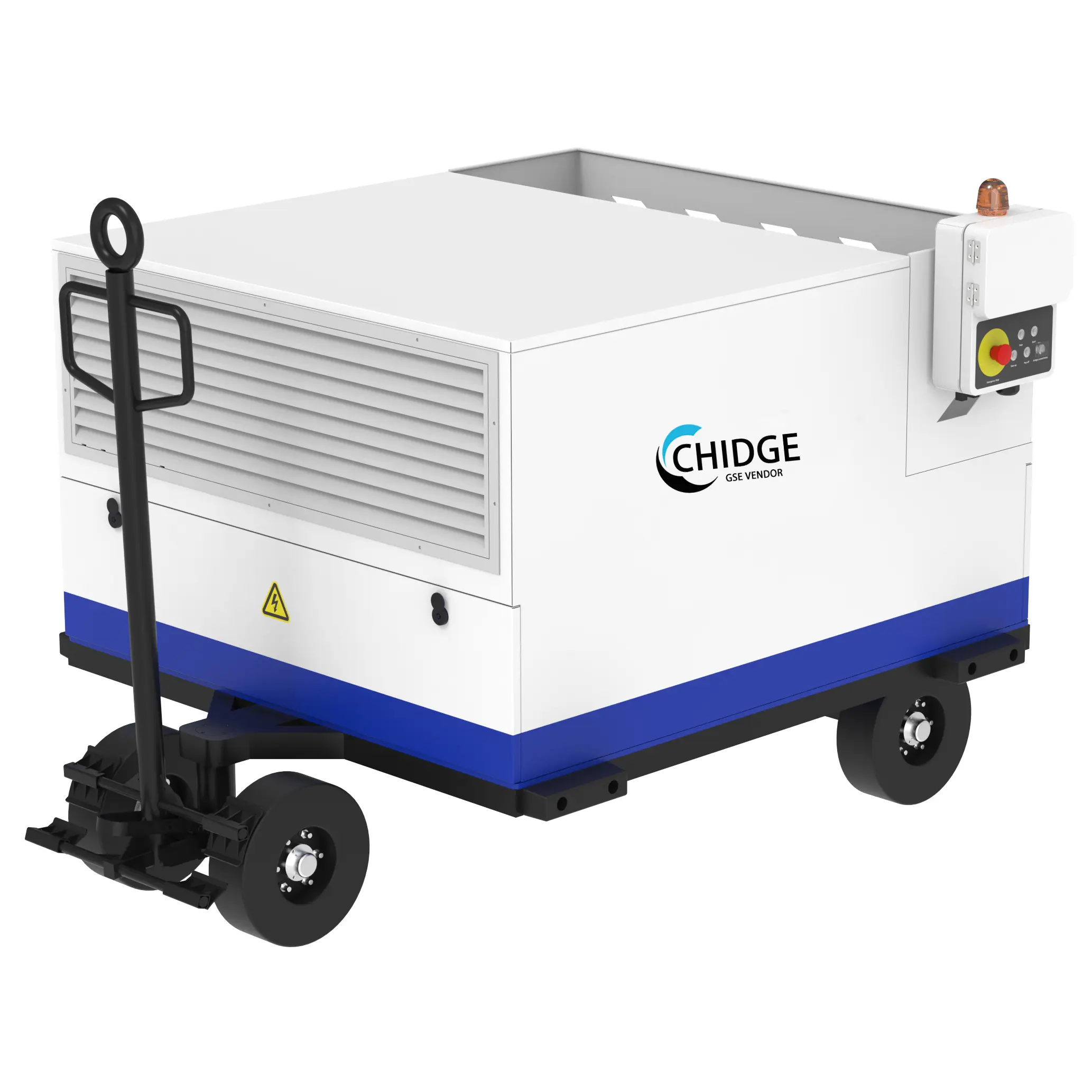
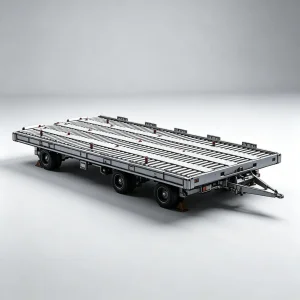
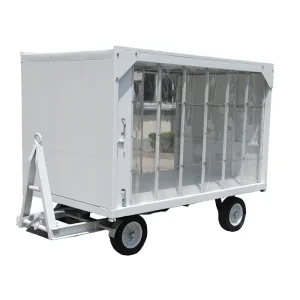
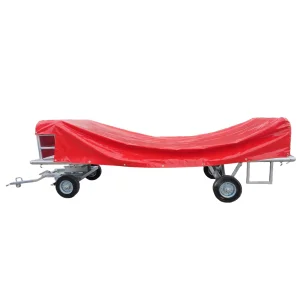
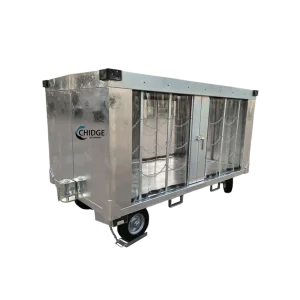
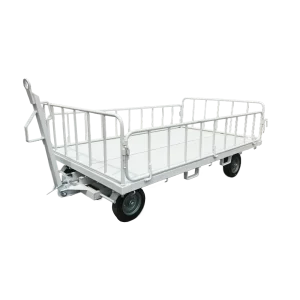
Browse our robust selection of container dollies, high-capacity towable units, and custom baggage trailers.
 Chidge Dolly