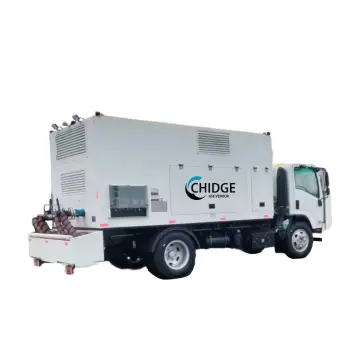
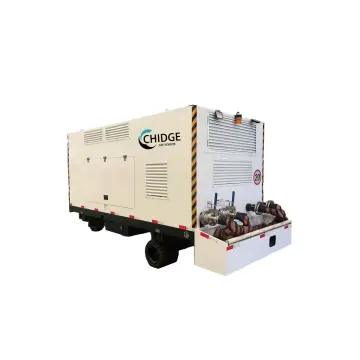
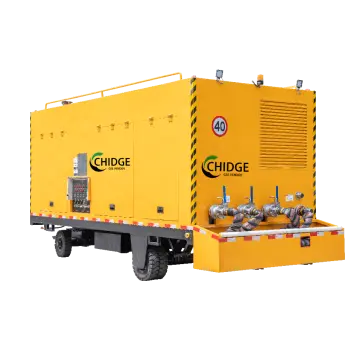
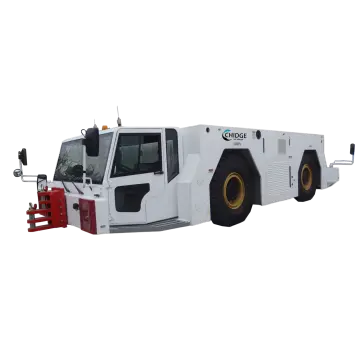
Explore our flagship heavy-duty airside machinery engineered to IATA standards for precision turnaround cycles.
In the high-stakes operational ecosystem of modern commercial aviation, airside efficiency directly correlates with profit margins and environmental benchmarks. Ground turnaround times—particularly the critical phase of pushback operations—represent a structural bottleneck that demands highly reliable, heavy-duty machinery. The CD-T150 Aircraft Pushback Tractor stands as a benchmark in industrial GSE design, providing regional and narrow-body to medium-wide-body aircraft ground handling operations with a dependable mechanical baseline.
This comprehensive industrial white paper delves deep into the global market dynamics, specific operating parameters, custom fabrication routes, and technical trends driving the development of modern pushback operations. Through the lens of safety guidelines and structural engineering, we examine how the CD-T150 class satisfies both legacy operational profiles and next-generation green airport initiatives.
"Airside decarbonization is no longer a peripheral strategy; it is a global operational imperative. Heavy airport machinery like pushback tractors are currently undergoing a structural transformation from legacy internal combustion architectures to smart, zero-emission electric drivetrains."
The globally integrated aviation logistics sector is expanding rapidly, with significant investments poured into hub construction throughout the Asia-Pacific region, the Middle East, and Latin America. As regional fleets upgrade to large-capacity narrow-body aircraft (such as the Airbus A321LR and Boeing 737 MAX 10), the requirements for ground handling machinery have grown increasingly stringent. Standard baggage dollies and light-duty tractors no longer suffice; instead, operators require high-efficiency, multi-mode pushback equipment capable of managing complex taxiway movements under heavy weather loads.
Industrially, the market for 150-ton class pushback units is driven by two parallel trends: fleet standardization and total cost of ownership (TCO) optimization. Procurement managers look for suppliers that offer modular component designs, reducing the complexity of spare parts logistics. In legacy fleets, a single component failure could ground a vehicle and halt turnaround workflows. Modern custom manufacturers respond to this by utilizing globally recognizable tier-1 hydraulic and power components, ensuring rapid maintenance access in any geographic terminal hub.
The structural layout of the CD-T150 is engineered to handle dynamic loads during nose-gear engagement. Whether utilizing a standard towbar connection or a towbarless (TBL) hydraulic capture mechanism, the vehicle's frame is fabricated using heavy-gauge, high-tensile steel to absorb high torsional shear stress. The distribution of ballast is meticulously calibrated across the front and rear drive axles to maximize tractive effort (Drawbar Pull) on wet, ice-coated, or contaminated ramp surfaces.
| Operational Metric | Standard Diesel Configuration | Pure Electric (eGSE) Variant | Hybrid / Alternative Fuel Option |
|---|---|---|---|
| Towing Capacity Class | Up to 150,000 kg (150 Metric Tons) | Up to 150,000 kg (150 Metric Tons) | Up to 150,000 kg (150 Metric Tons) |
| Primary Powerplant | Cummins QSB 4.5 / Deutz Stage V | LiFePO4 Lithium Battery Pack (80V/120V) | Dual Diesel-Electric Hybrid Drivetrain |
| Drawbar Pull (DBP) | 110 kN - 120 kN max | 115 kN - 125 kN max (Instant Torque) | 110 kN - 120 kN max |
| Transmission System | ZF Powershift / Automatic Torque Converter | Direct Drive Electric AC Induction Motors | Electronic Power-Split Transmission |
| Compliance Rating | EPA Tier 4F / EU Stage V | Zero Emission / Net-Zero Airside Compliant | Low Emission / Bio-Diesel Compatible |
The future of airport GSE lies in structural connectivity. The CD-T150 product roadmap is centered around three primary developmental pillars:
First, the transition to high-voltage electric platforms. By eliminating internal combustion engines, operators slash localized particulate emissions to zero and drop maintenance hours by up to 50%. The diagnostic systems can monitor state-of-charge (SoC) and cell temperature remotely, coordinating with terminal scheduling software to suggest opportunistic charging during scheduled flight gaps.
Second, Autonomous Taxiway Assistance Systems (ATAS). Utilizing LiDAR, ultrasonic sensors, and RTK-GNSS positioning, next-generation pushback models assist operators in alignment maneuvers. Real-time path projection prevents the jackknifing of towbars, which is historically a major source of landing gear maintenance overheads.
Third, IoT Fleet Integration. By embedding cellular and Wi-Fi transceivers, fleet managers receive constant updates on mechanical metrics (engine temp, transmission oil pressure, braking wear). This allows the engineering bay to execute preventative maintenance before a critical failure occurs during an active pushback sequence.
A pushback tractor does not work in isolation. For an airport to achieve optimized gate turnarounds, the CD-T150 must coordinate with the entire airside ecosystem. Once the aircraft is successfully pushed and starts its engines, it hands off to a series of incoming support services: ground power units (GPUs) hook up to provide clean electrical energy, air conditioning or heating units stabilize the cabin climate, cargo loaders transfer containers onto specialized dollies, and lavatory trucks service the waste lines. As a primary manufacturer, we design our GSE lineup to share universal control layouts, diagnostic ports, and safety interlock standards, enabling maintenance crews to apply their training seamlessly across different vehicle types.
Our comprehensive capabilities in aviation ground support equipment design ensure long-term dependability and industry compliance.
Our company in the product design, research and development, the use of advanced science and technology and innovation capabilities in the production ensures market-leading GSE performance.
High quality products meet the expected needs of users, and can stand out in similar competitive products, win market recognition and reputation.
Our company's supply chain management, inventory control, logistics and transportation systems, as well as the ability to respond to emergencies, assure seamless distribution.
The quality after-sales service solves the problems encountered by customers in the process of use, enhances the trust and loyalty of customers, and extends asset lifespan.
Tailored manufacturing programs designed to build equipment matching your precise airfield criteria.
Whether configuring specialized hydraulic layouts or adapting drivetrains to specific zero-emission mandates, our engineering divisions provide transparent OEM/ODM development tracks. We oversee the entire lifecycle from initial 3D CAD modeling, FEA (Finite Element Analysis) stress simulation, prototyping, and track testing, up to global certification compliance. This customer-centric approach guarantees rapid market entry, reduced fleet investment costs, and maximum durability on the ramp.
Standardized assembly operations aligning with modern ISO auditing standards for safety and reliability.
Rugged frame steel, internationally sourced axles, and robust mechanical structures ensure low wear-and-tear.
Structured logistic channels to ship complete units and critical replacement parts to any worldwide seaport.
Dedicated R&D team utilizing advanced simulations to optimize weight distribution and fuel economy.
Extended warranties, field training for maintenance crews, and 24/7 technical hotline access.
Browse our integrated airside solutions deployed across refueling, passenger boarding, power distribution, and aircraft servicing operations.
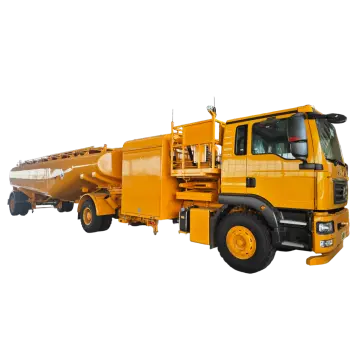
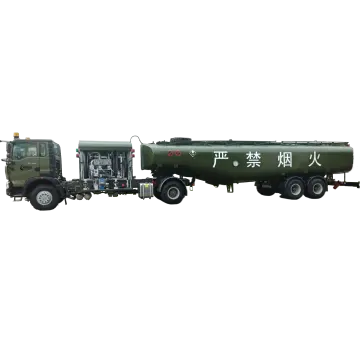
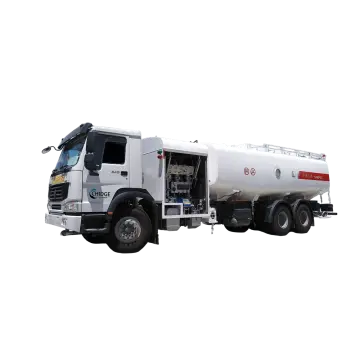
Includes chassis, oil tanks, pumping, filtration, metering, and pressure control systems.
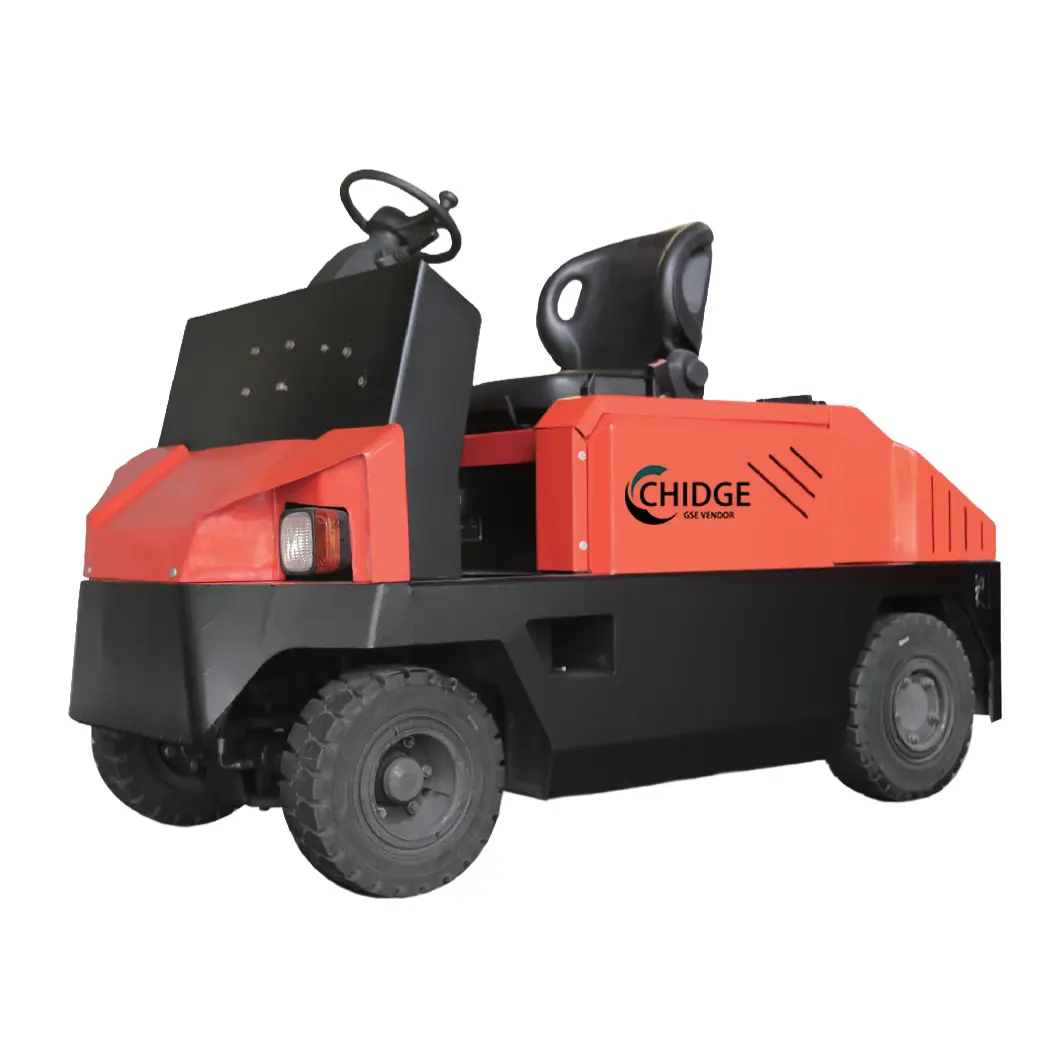
Advanced filtration and high-flow rate metering for heavy commercial aircraft turnaround.
Self-circulation safety loops and active pressure control systems.
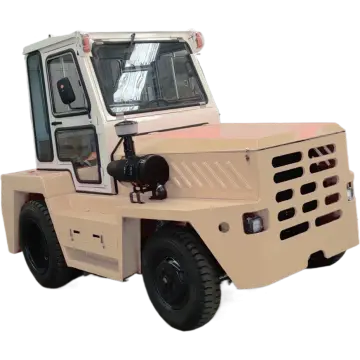
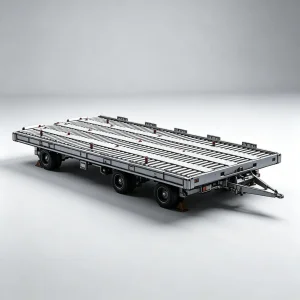
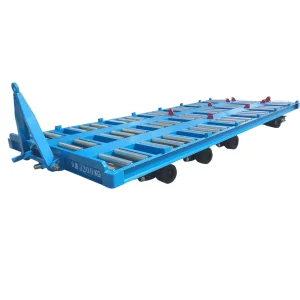
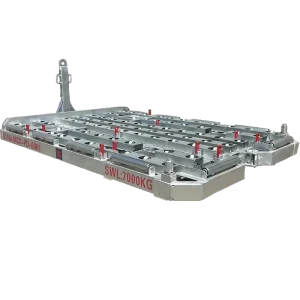
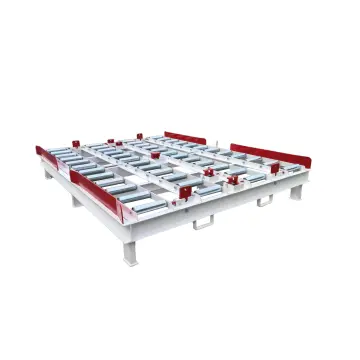
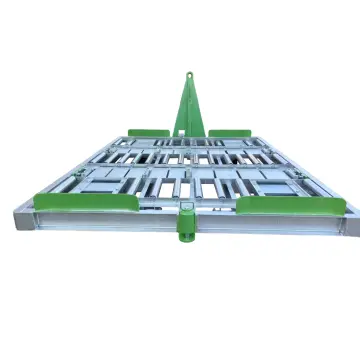
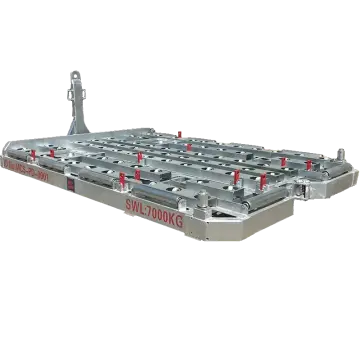
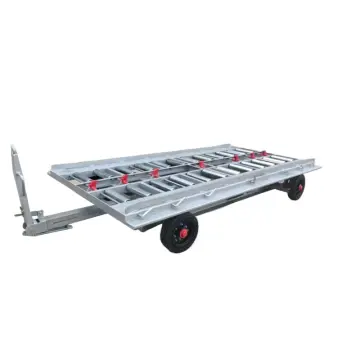
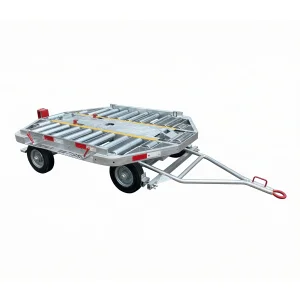
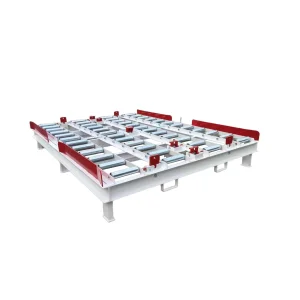
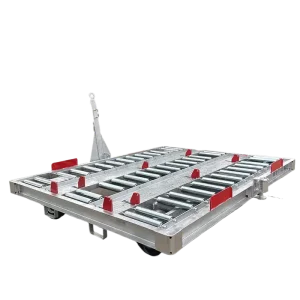
High load capacity build with multiple rows of heavy-duty rollers.
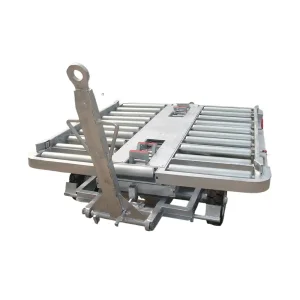
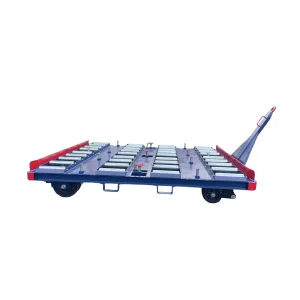
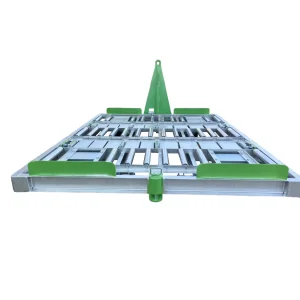
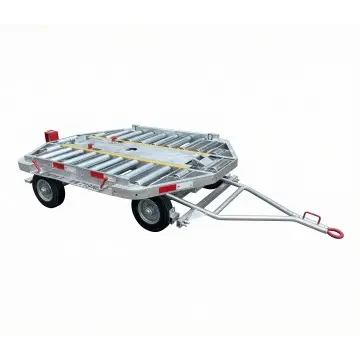
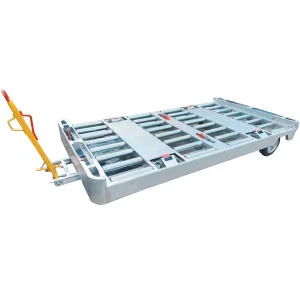
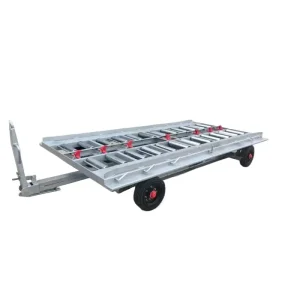
Standard logistics dollies for multi-pallet container mobilization.
Heavy-duty cast wheels with 360-degree rotation capabilities.
Tailored specifically for standard LD3 air cargo containers.
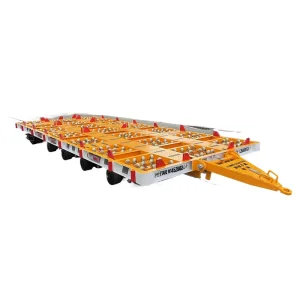
Enforced chassis for long tow trains on active runways.
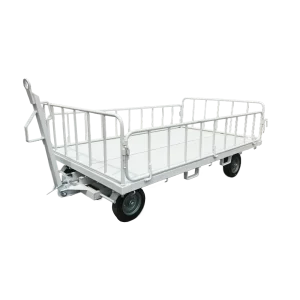
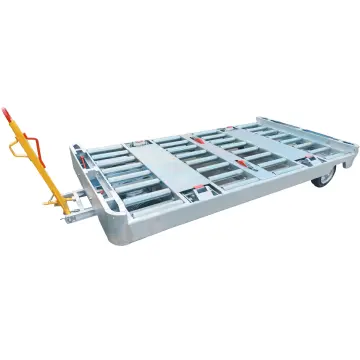
Double size flatbed configuration for mixed cargo structures.
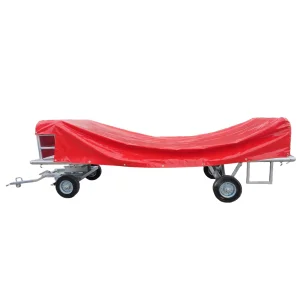
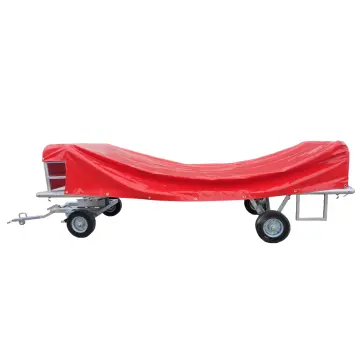
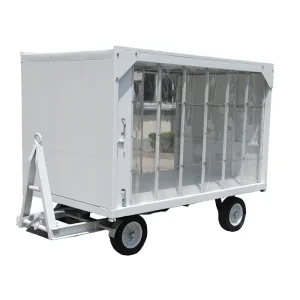
Waterproof cover plates protect customer baggage from elements.
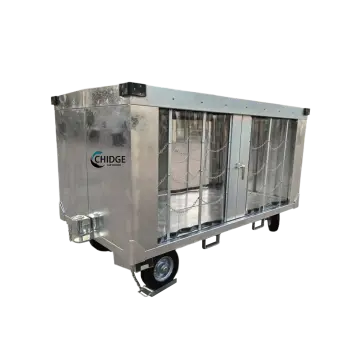
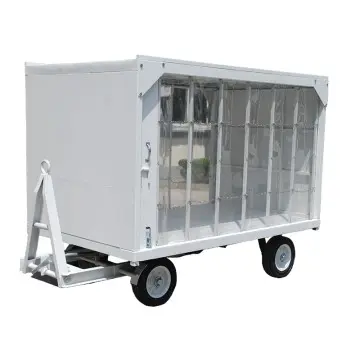
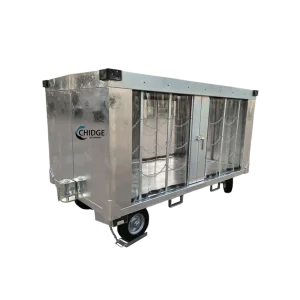
Fully enclosed side walls and high locking security bars.
Highly maneuverable linkage for quick baggage handling inside terminals.
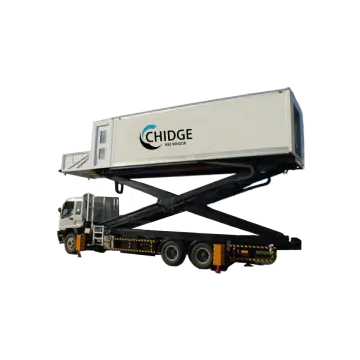
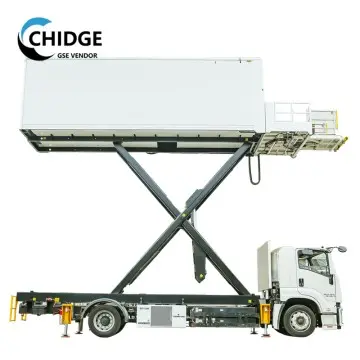
Extra-high scissor lift mechanism designed for main and upper deck access.
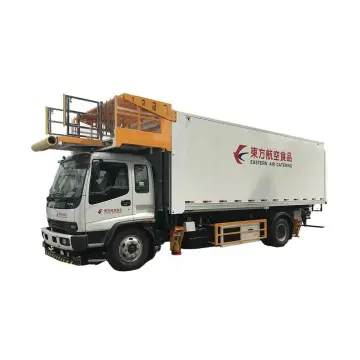
Zero-emission auxiliary refrigeration systems for food preservation.
Classic hydraulic lifting frame with integrated safety sensor nets.
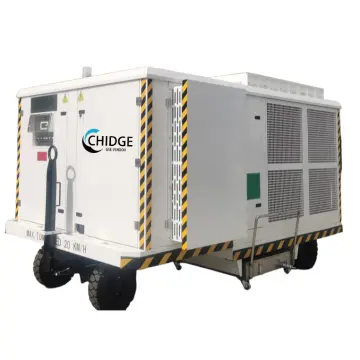
For maintaining passenger cabin comfort during freezing gate layovers.
Pre-Conditioned Air solution delivering clean, filtered temperature-controlled air.
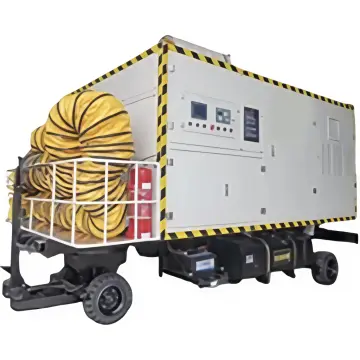
Compact diesel heater unit with high air circulation performance.
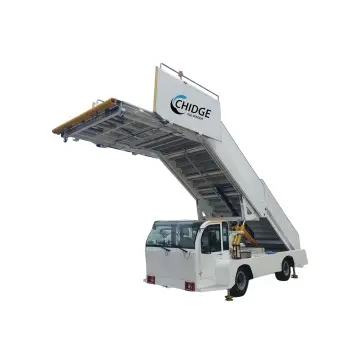
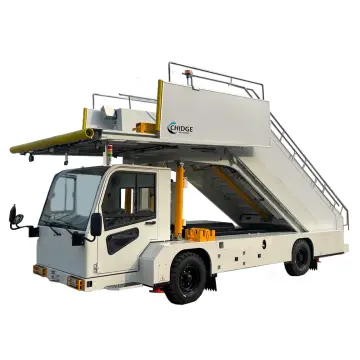
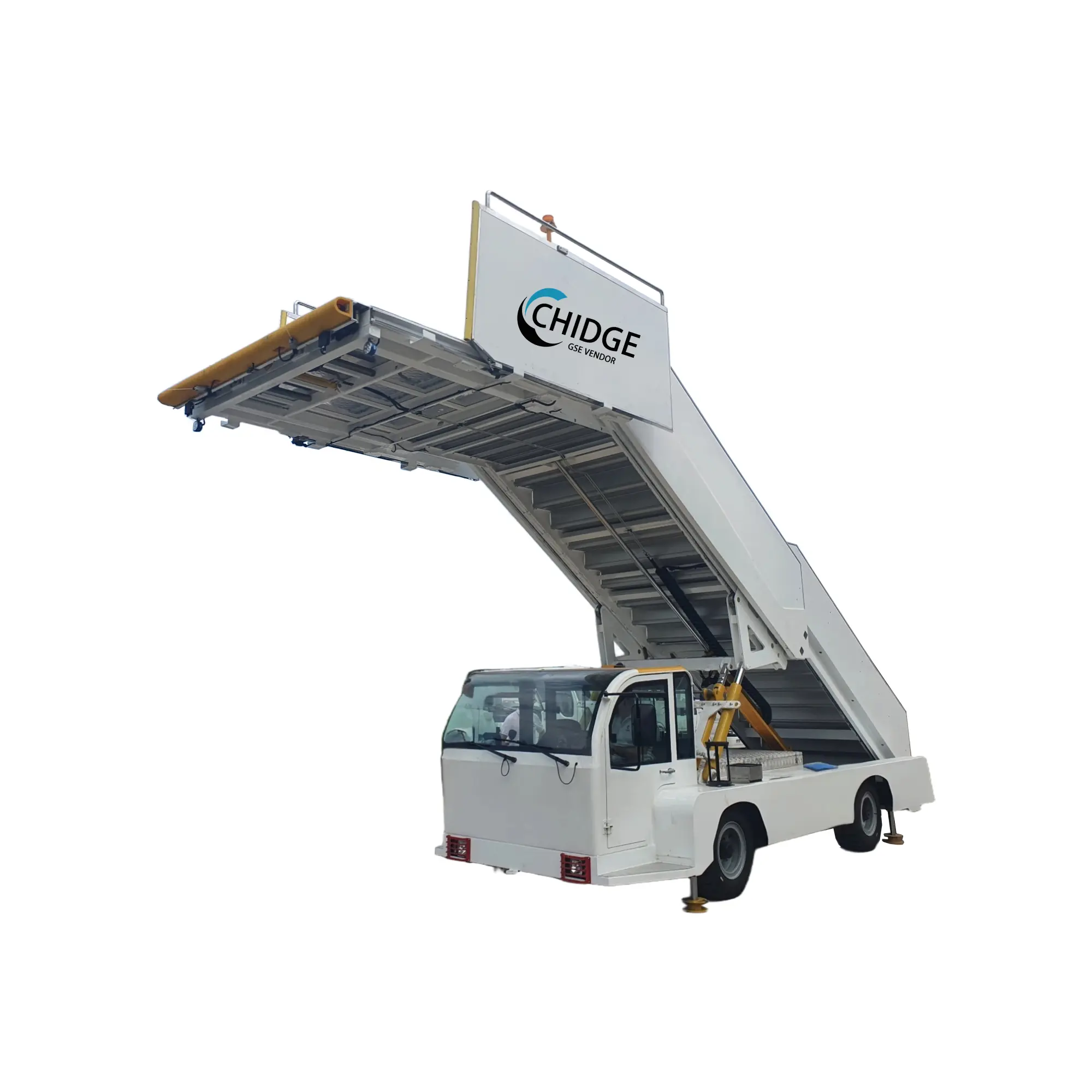
Electric passenger steps ensuring stable platform alignment.
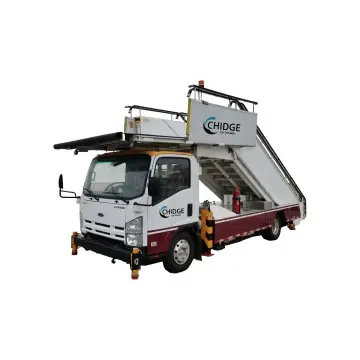
Diesel passenger step variant configured for long-range ramp service.
Telescopic passenger boarding steps with anti-slip tread panels.
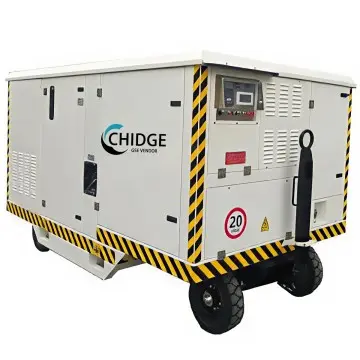
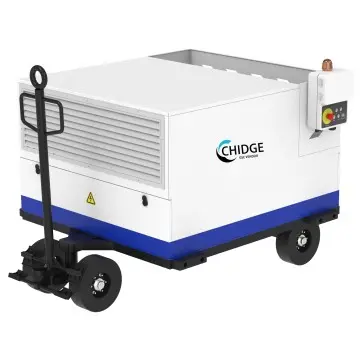
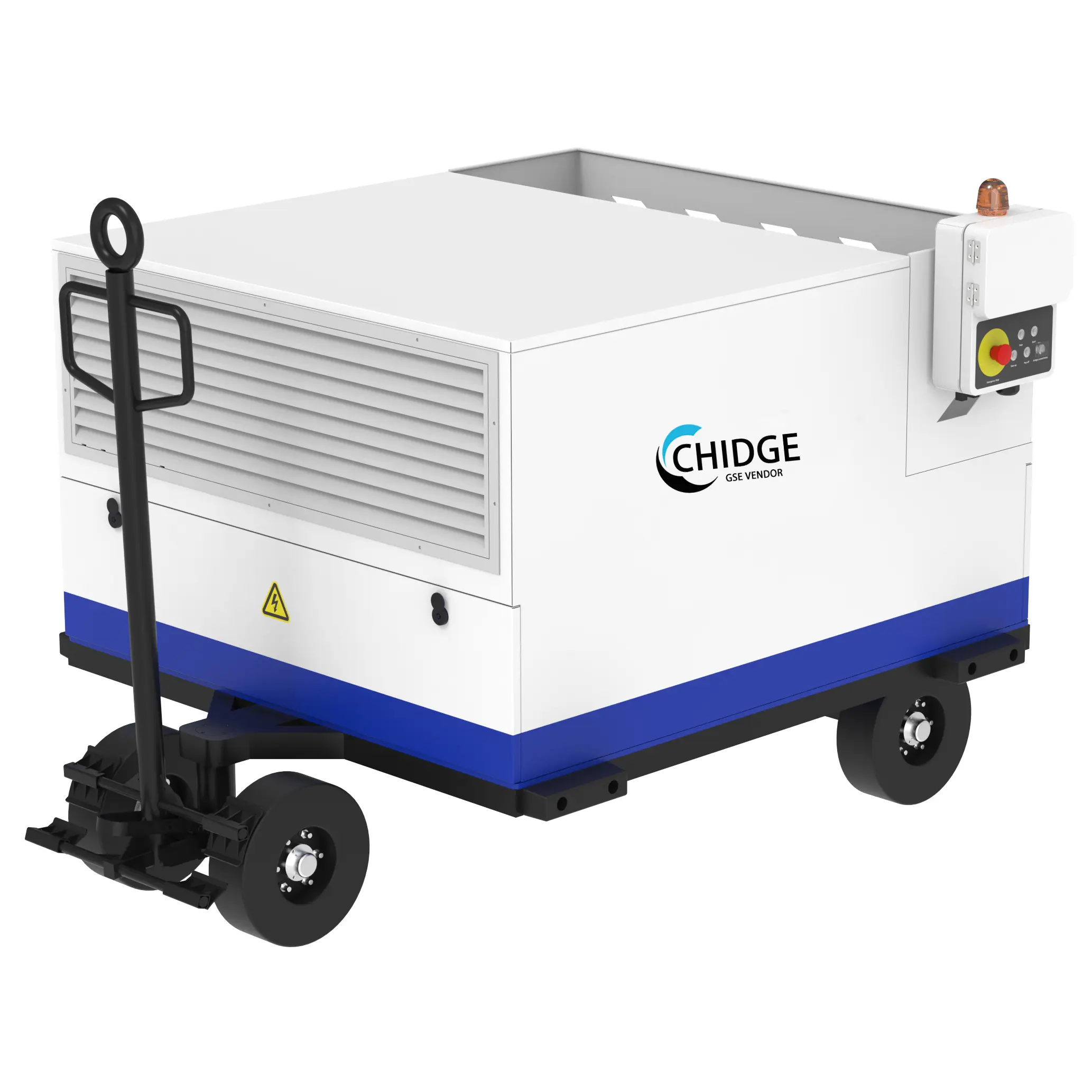
Large-capacity battery bank for clean, quiet cockpit electricity.
High-frequency solid-state conversion matching aircraft bus structures.
Fixed bridge mounted ground static units for terminal gates.
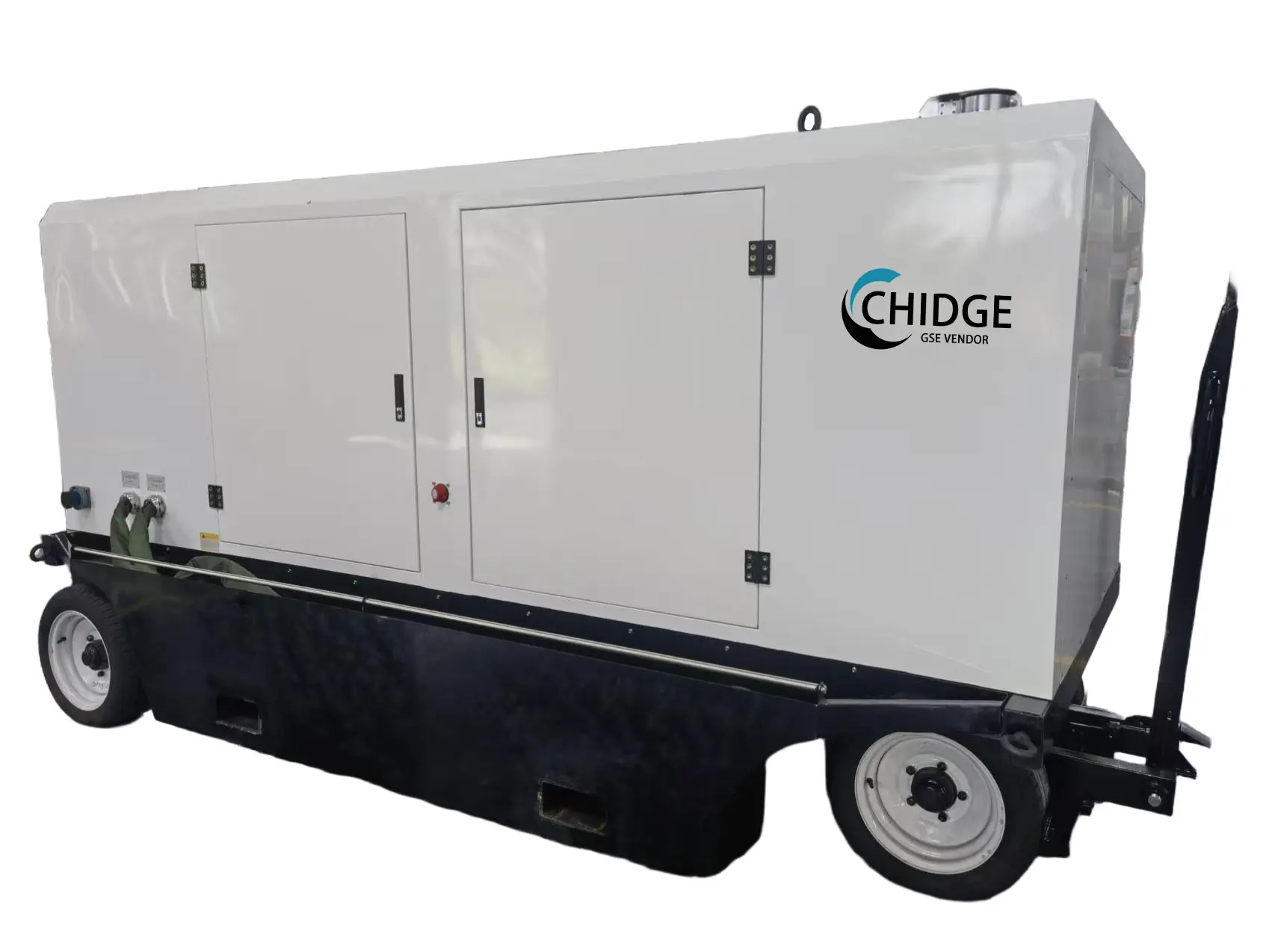
High-pressure pneumatic supply to crank jet turbine engines.
Reliable air compressor system for mid-tier commercial operations.
High-volume air output for jumbo passenger aircraft fleets.
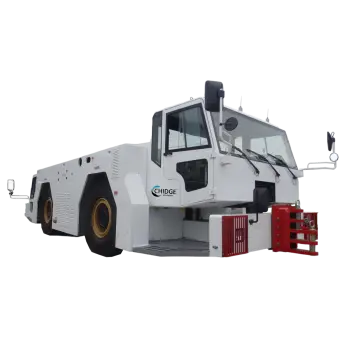
Heavyweight pushback solution for widebody intercontinental jets.
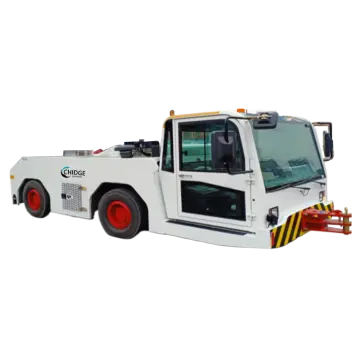
Mid-capacity tractor for single-aisle and medium aircraft models.
Compact and highly maneuverable narrowbody tug.
High torque electric motor configured for heavy cargo train lines.
High traction capacity diesel vehicle for industrial cargo centers.
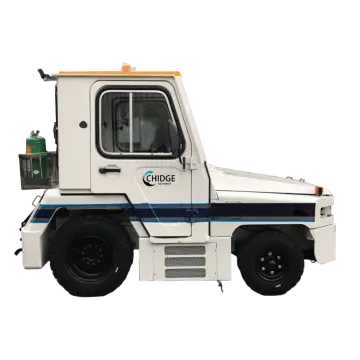
Medium weight baggage tractor with regeneration braking features.
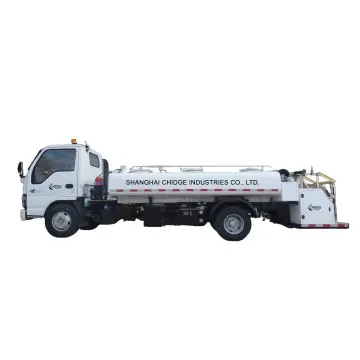
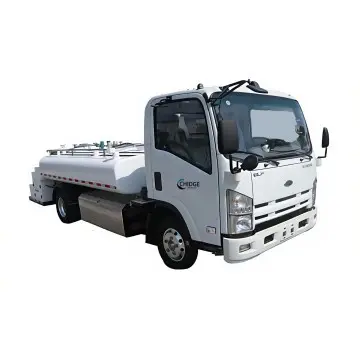
Anti-corrosive stainless steel water storage tanks and reliable vacuum extraction pumps.
Pure electric utility vehicle for eco-friendly aircraft cabin cleaning services.
Optimized utility chassis with quiet pump operations and clean water delivery.
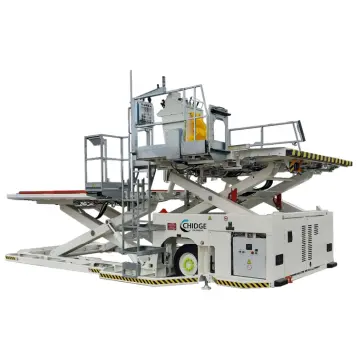
Hydraulic double platform loader handling standardized air cargo containers.
Heavy load main-deck cargo loader for long-range freighter aircraft.
Standard lower lobe cargo loader with automated roller guidance rails.
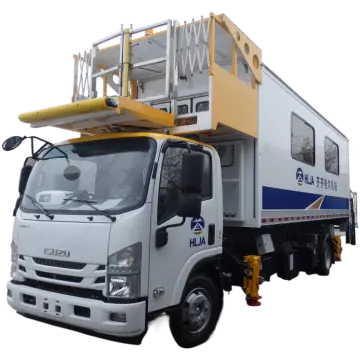
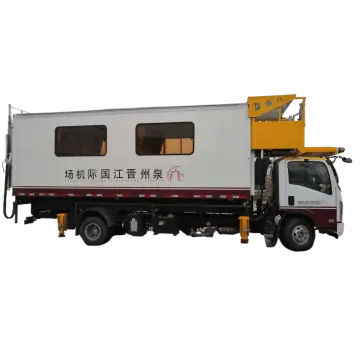
Enables safe boarding for passengers with restricted mobility via hydraulic elevation cabins.
Fully-accessible safety cabin with dual side emergency interlocking mechanisms.
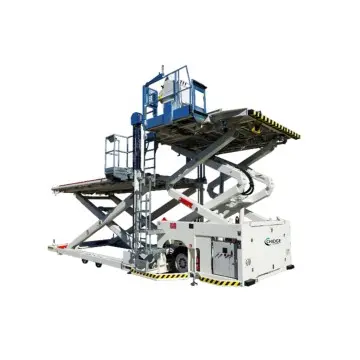
Stay informed with the latest updates, industry developments, and engineering standards from our design teams.
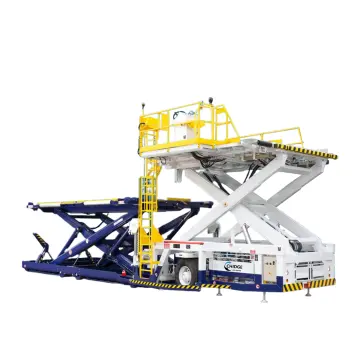
An in-depth analysis of passenger boarding design criteria, analyzing safety configurations, structural wind limits, and motorized vs. towable variations.
Exploring the shift toward zero-emission energy storage systems on the apron, reducing dependence on APUs and legacy diesel generator units.
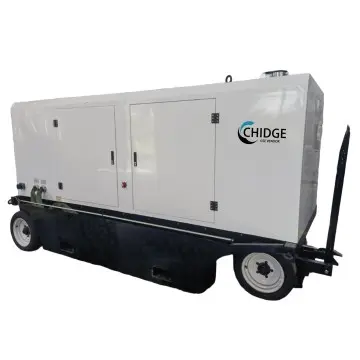
Analyzing solid-state static converters and truck-mounted GPUs. Providing ground power efficiently is vital for maintaining onboard electronics prior to flight departure.
Technical guidance and product support queries addressed by our head of GSE engineering.
Our mission is to make their choices firm and correct, to create greater value for customers and to realize their own value.
From lavatory servicing trucks to heavy cargo loaders, our production facilities deliver reliable airside hardware.