Engineered to meet the highest safety profiles and extreme duty cycles in modern aviation terminals.
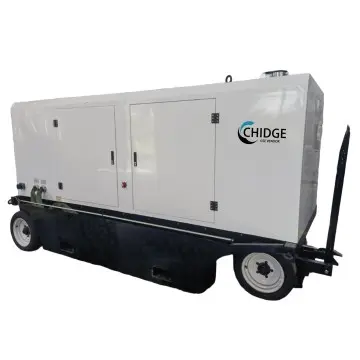
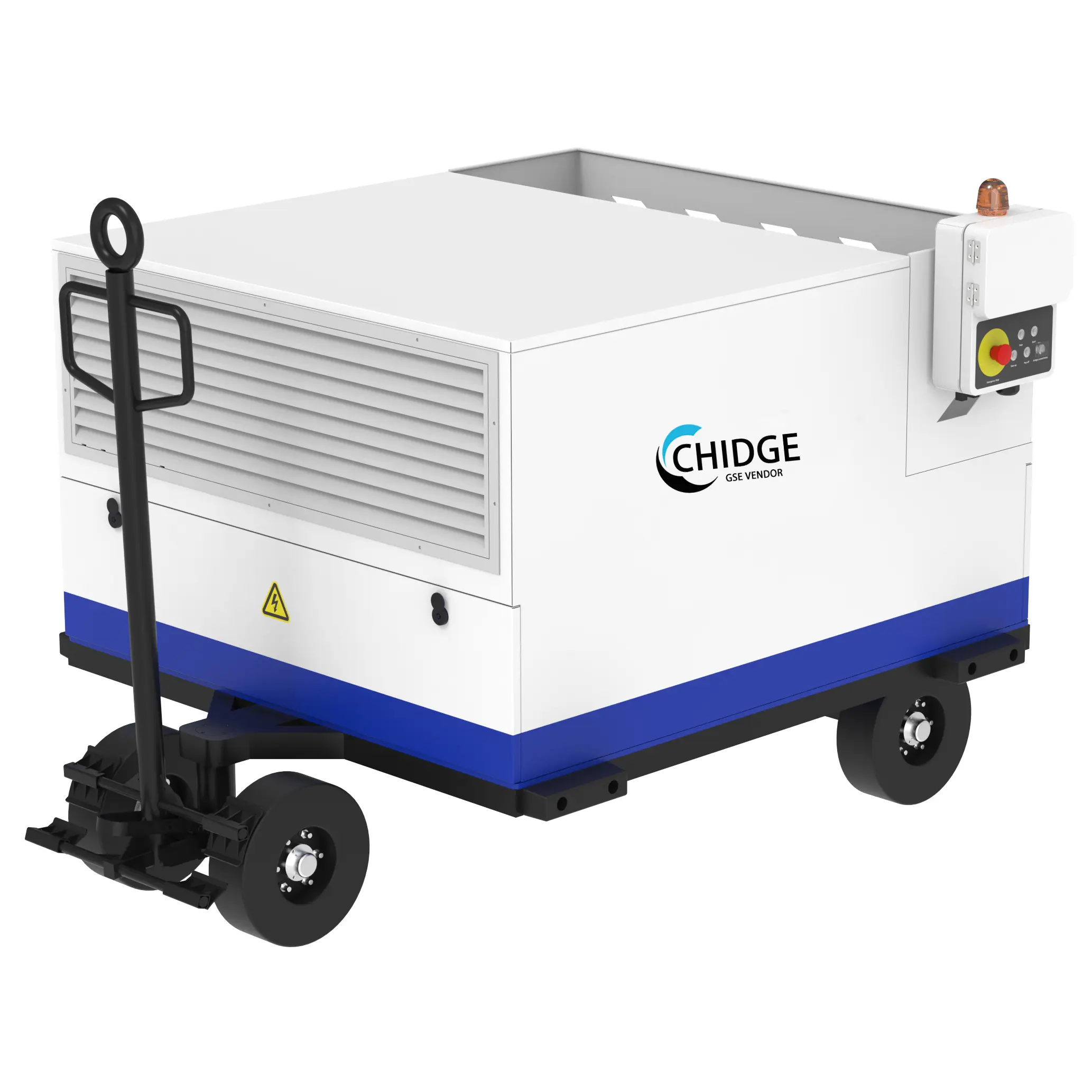
High-efficiency Pre-Conditioned Air units designed to supply fresh, temperature-controlled air to regional and narrow-body aircraft during terminal turnaround operations.
View Details
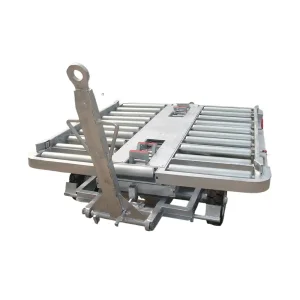
Heavy-duty, weather-resistant dolly systems optimized for swift LD3 container mobilization. Built with robust steel structures and highly integrated safety stops.
View Details
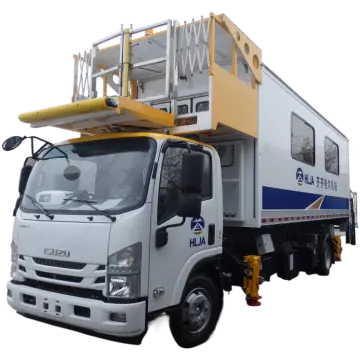
Premium airport medical lift vehicles designed for safe, dignified, and comfortable boarding processes for mobility-impaired passengers on wide-body commercial fleets.
View Details
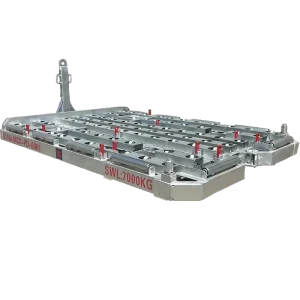
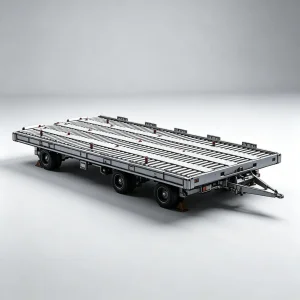
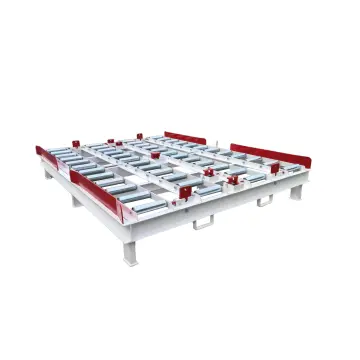
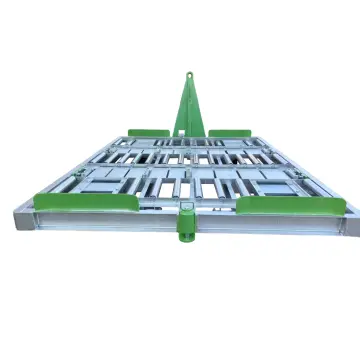
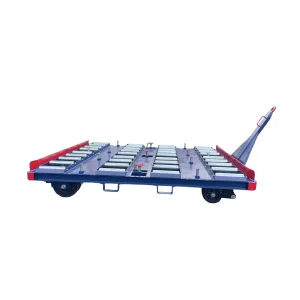
Precision-engineered airport pallet dollies built for continuous ground-handling tasks. Exceptional load distribution systems ensure seamless runway transport.
View Details
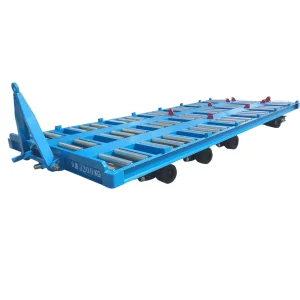
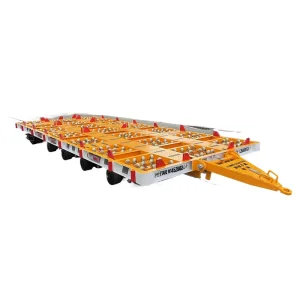
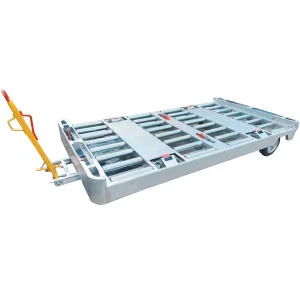
Industrial-scale 18-ton, 20-foot cargo pallet dolly utilizing high-yield structural tubing and customized steering dynamics for heavy freight distribution.
View Details
Advanced high-capacity CD190 Pre-Conditioned Air unit. Operates under extreme ambient temperatures to maintain passenger comfort and cabin electronics cooling.
View Details
Self-propelled airport conveyor belt loader featuring reliable hydraulics, variable speed controls, and robust frame configuration for versatile luggage loading.
View Details
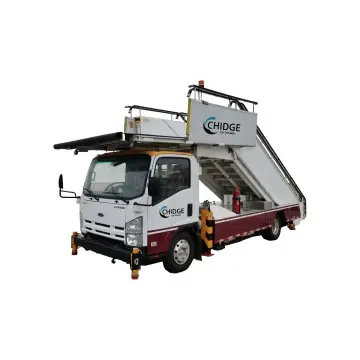
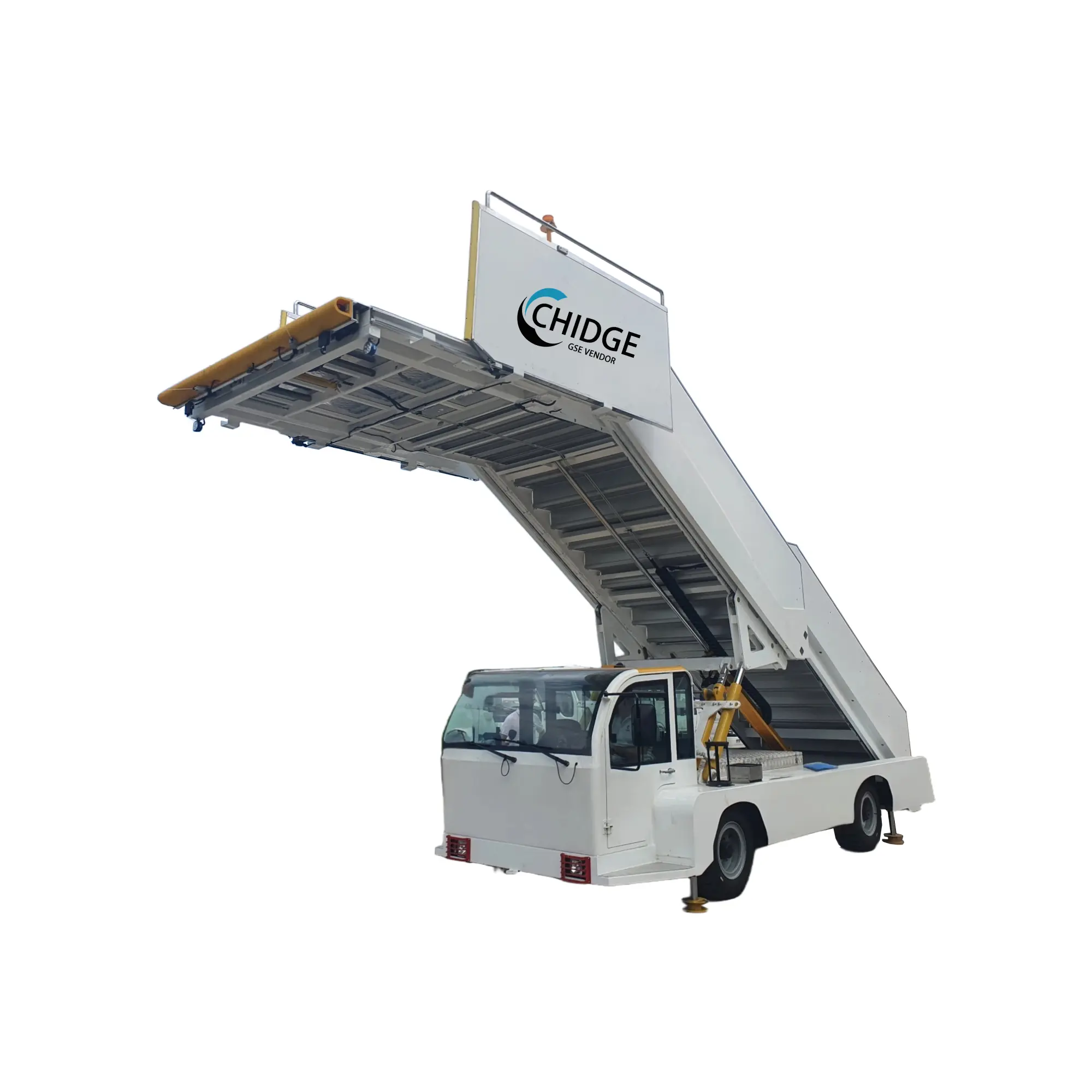
Highly configurable, towable passenger steps utilizing slip-resistant tread profiles, structural stabilizers, and ergonomic handrails for absolute safety.
View DetailsThe global aviation landscape is undergoing a systemic transition, driven by international carbon emission mandates, rising fuel costs, and the urgent push towards automated, error-free flight-line ecosystems. The International Air Transport Association (IATA) and major aviation authorities have established aggressive pathways towards net-zero carbon operations by 2050. At the focal point of this green revolution is the electrification of Ground Support Equipment (GSE), particularly airplane towing tractors.
Conventional diesel-powered pushback tractors are rapidly being phased out in favor of high-voltage Lithium Iron Phosphate (LiFePO4) battery-powered drivetrains. Electrified aircraft towing systems not only zero out point-of-use emissions but drastically lower maintenance overheads—eliminating complex engine blocks, cooling circuits, and fuel supply lines. The implementation of smart battery management systems (BMS) ensures safe operations in temperatures ranging from -30°C to +55°C, resolving historical performance bottlenecks in extreme climates.
Beyond electrification, telematics and IoT-enabled dispatch systems are redesigning fleet resource planning. Today's custom airplane towing tractors operate as networked mobile computation units. Real-time drawbar load sensing, fleet location tracking, collision avoidance systems, and battery health diagnostics are streamed directly to control centers, allowing operations coordinators to execute preventive maintenance and optimize turnaround intervals.
Aviation procurement teams face unique design demands when sourcing ground machinery. Off-the-shelf equipment rarely aligns with localized weather patterns, runway slope variables, airport grid restrictions, or specific fleet configurations. As a premier custom airplane towing tractors aviation manufacturer, our engineering paradigm is built around modular, application-specific scaling.
Depending on the maximum takeoff weight (MTOW) of your operational fleet, towing tractors must deliver highly accurate Drawbar Pull (DBP). We calibrate structural chassis weight distribution, transmission gear ratios, and hydraulic torque vectoring to match regional runway characteristics. From small turboprops up to wide-body passenger liners like the Boeing 777 or Airbus A350, our systems are fine-tuned for high starting traction and smooth acceleration phases.
Our OEM and ODM workflows involve multi-physics structural simulation (Finite Element Analysis) to evaluate frame stresses during heavy-weight recovery tow operations. By selecting specific engine platforms (e.g., Deutz, Cummins) or premium solid-state electric powertrains, procurement officers can standardize components across existing airfield fleets. This mitigates training costs, centralizes spare parts storage, and streamlines mechanic certification processes.
Furthermore, customized control systems allow ground handlers to set speed limit thresholds, execute programmatic braking strategies, and log precise telematics variables. Our towing systems are fitted with multiple backup hydraulic lines, dual-circuit braking, and mechanical lockouts, exceeding standard international safety codes.
Review the comprehensive design specifications of our highly-demanded GSE lines.
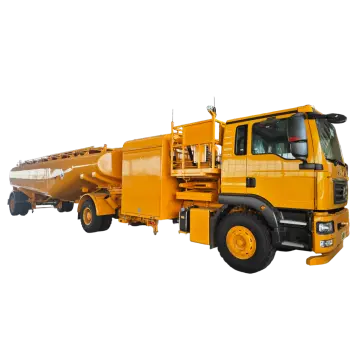
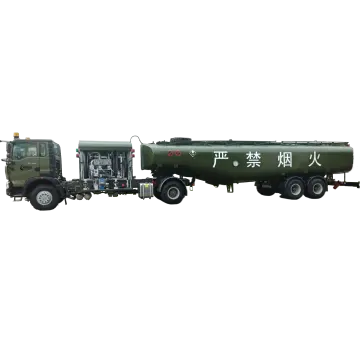
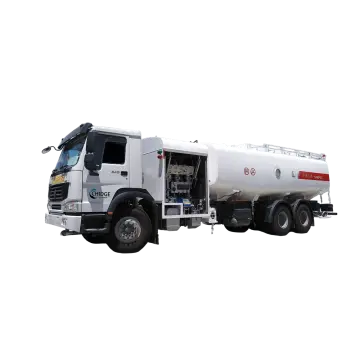
The aircraft tank refueling truck consists of a chassis and oil tanks, a pumping system, a control system, and an operating part, with functions such as filtration, metering, refueling, pumping, self-circulation, and pressure control.
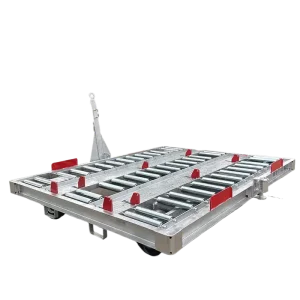
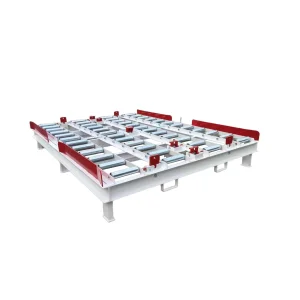
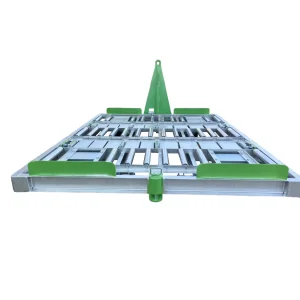
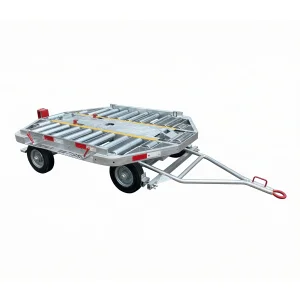
Engineered for high-volume logistics. Features durable steel rollers with multi-directional movement capabilities, a heavy-duty locking layout, and a corrosion-proof galvanized finish.
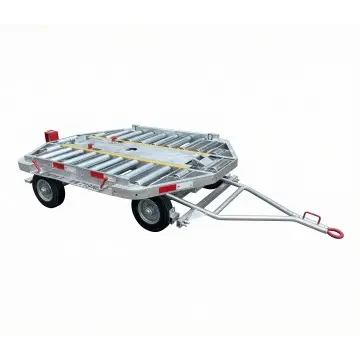
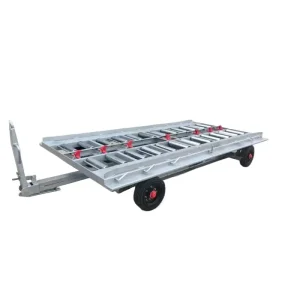
Specifically balanced for widebody container transport. Reinforced towbars and dual-axle steering mechanisms provide tracking stability during multi-dolly train configurations.
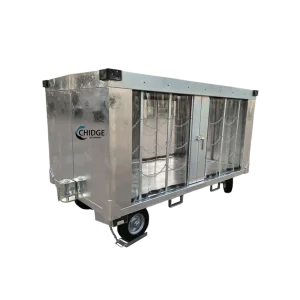
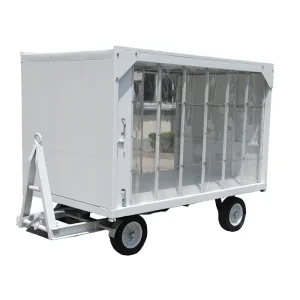
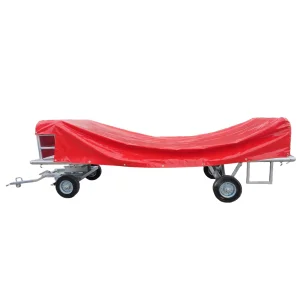
Weather-sealed baggage trolleys utilizing heavy-duty tarpaulins or solid aluminum sliding doors to safeguard airline baggage from weather elements during ground transport.
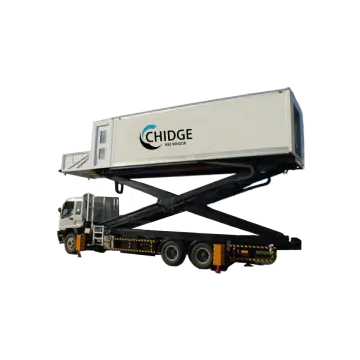
High-lift insulated catering vans built with structural stabilizers, hydraulic scissor lifts, and front bumper safety pads for efficient service interfacing with aircraft cabins.
High-airflow thermal regulation units designed for narrow and widebody aircraft. Efficient compressor configurations ensure low fuel/electrical consumption during gate standby.
Featuring variable height configurations, hydraulic adjustment interfaces, LED passenger pathway illumination, and telescoping side panels for absolute safety.
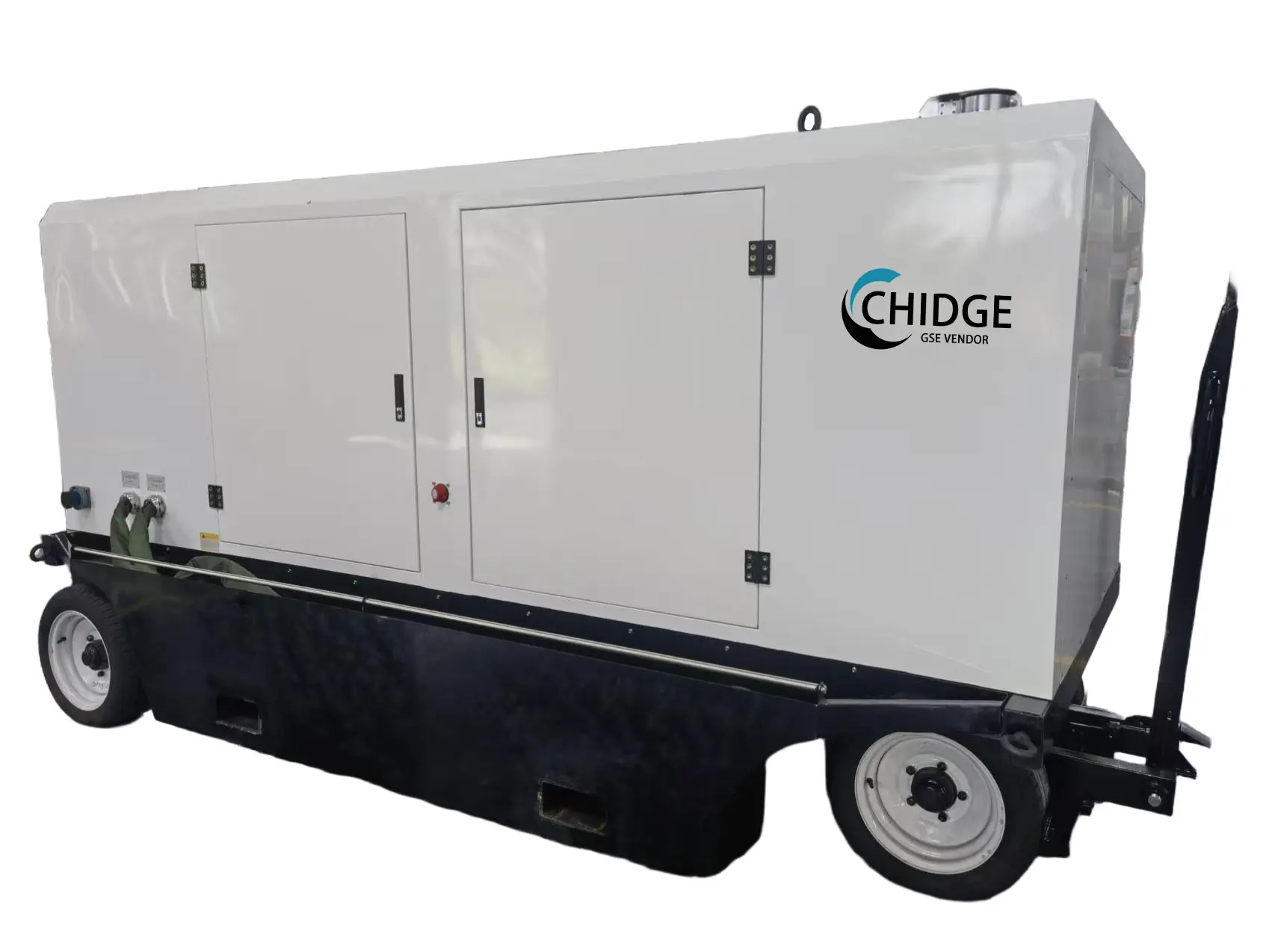
Delivers clean, regulated 400Hz AC and 28V DC power directly to parked aircraft, allowing main auxiliary power units (APU) to be turned off, saving airline fuel.
High-pressure, high-airflow pneumatic starting units engineered to turn over main turbine engines. Mounted on towable chassis or custom truck frames.
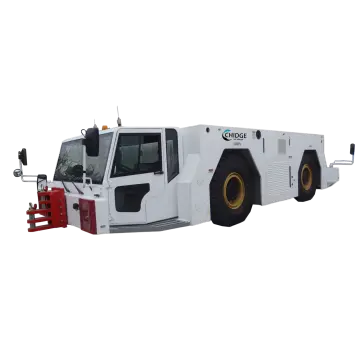
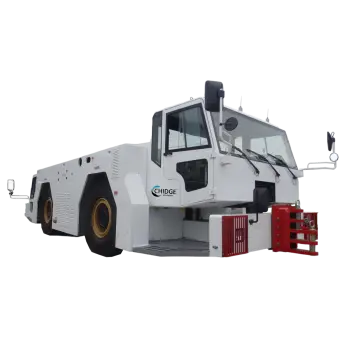
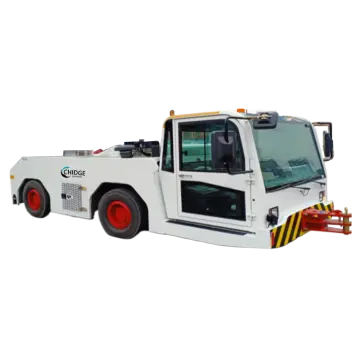
Heavy-duty, low-profile aircraft pushback tractors designed for reliable, high-performance towing. Built with broad operator cabins, dynamic steering, and failsafe braking systems.
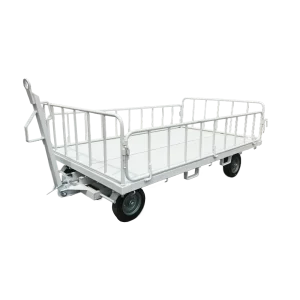
Engineered for hauling high-capacity luggage and cargo train assemblies across airport ramps. Available in 10-ton electric and 50-100 ton heavy-duty diesel options.
Integrated vacuum waste disposal systems paired with clean water replenishment tanks. Built on corrosion-resistant materials with high-grade sealing valves.
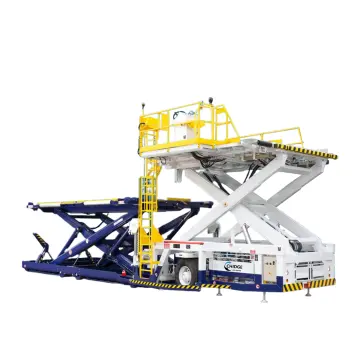
Dual-platform motorized cargo lifters designed for swift unit load device (ULD) loading operations on narrow and main-deck widebody aircraft cargo holds.
Specialized passenger vehicles with hydraulic vertical scissor cabins, rear tail lifts, and flexible medical equipment compartments for ground support operations.
Modern terminal operations demand more than single-vehicle deployments. Ground handling agencies require integrated, macro-level systems that orchestrate aircraft cooling, passenger boarding, fueling, cargo loading, and pushback mechanics. Minimizing "Aircraft on Ground" (AOG) time remains the highest financial metric for airlines. Our ground solution ecosystem is designed to align with strict turn-around profiles.
For example, when a widebody commercial aircraft docks at the gate, three distinct ground support pipelines are initiated:
To support this macro-level capability, all our custom airplane towing tractors and ancillary support vehicles are engineered to be interoperable. Common telematics databases, consistent control layout ergonomics, and cross-functional hydraulic fittings allow ground handling operators to run unified maintenance procedures across their entire ground support inventory.
Delivering high-reliability equipment solutions and life-cycle asset management to global aviation companies.
Manufacturing and supplying a full portfolio of GSE, including tow tractors, dollies, passenger steps, GPUs, and specialized aircraft servicing trucks.
Customizing flight-line support products specifically optimized to match the turnaround profiles of tier-one airlines and international cargo hubs.
Covering everything from mechanical baggage transport accessories to complex pneumatic and solid-state power injection machinery.
Operating strict ISO 9001 certified manufacturing facilities with structured global logistics coordinates to ensure rapid delivery timelines.
Our engineering capabilities enable full integration of customer-specific design parameters. From structural design, hydraulic line layout, power electronics integration, and mechanical stress verification, we guide global procurement managers from initial prototyping through assembly and field testing.
We work closely with ground handling crews, airport maintenance engineers, and corporate airline procurement managers to ensure that every vehicle delivered is optimized for field work. Our customer-centric approach guarantees reduced operation costs, minimized down-time, and compliant operation under major aviation codes (IATA AHM, CE, CAAC).
Ground handling equipment operates under rigorous international safety umbrellas. Any mechanical failure on the apron can cascade into flight delays or structural damage to multimillion-dollar aircraft. Consequently, all design configurations we develop adhere closely to the regulatory standards of major global regions:
In addition to strict build compliance, we prioritize life-cycle localized support. A highly responsive supply chain with structured spare part centers in Europe, Asia, and North America ensures parts availability, minimizing transit times. Our engineering team provides structured operator training programs, hydraulic calibration courses, and digital diagnostics manuals, empowering localized mechanics to run rapid repair and scheduled preventative maintenance cycles.
As the aviation sector positions itself for higher volumes and autonomous workflows, the technologies supporting airport aprons are undergoing an evolutionary leap. Over the next decade, we anticipate four primary innovations dominating the GSE engineering space:
We are actively testing autonomous tow steering systems. Integrating high-accuracy GPS (RTK), solid-state LiDAR, and sensor fusion algorithms allows empty tractors to self-navigate between remote parking bays and airport hangers. This reduces operational personnel requirements and decreases runway accident rates.
While battery electrification is optimal for light to medium tow tractors, heavy-duty towing of wide-body aircraft over long transit routes requires high energy density. Hydrogen fuel cell systems offer zero-emission power with fast refueling intervals, maintaining continuous operational ready-states in heavy cargo hubs.
Integrating artificial intelligence into telemetry devices enables real-time wear prediction on hydraulic cylinders, transmission gear meshes, and battery cells. Advanced ML algorithms alert maintenance crew weeks before a breakdown occurs, converting unpredictable downtime into planned, low-cost maintenance events.
Large fleets of electric tow tractors and baggage tugs constitute massive decentralized battery storage resources. By utilizing bi-directional grid connections, airport operators can draw electrical energy back from parked GSE fleets to stabilize local terminal grids during peak power demand spikes.
Our mission is to make their choices firm and correct, to create greater value for customers and to realize their own value.
Addressing the key technical inquiries raised by airport operations directors and procurement specialists.
Ensuring quality and delivery, paying attention to customers, honest and trustworthy, win-win cooperation and common development.
An in-depth review of step structural engineering, hydraulic height control systems, safety interlock mechanisms, and their critical role in airport walk-in boarding systems.
2026-05-27
Analyzing the integration of high-density battery energy storage systems into mobile, towable GPUs to replace diesel combustion generators in green airports.
2026-05-19
In the complex ecosystem of aviation operations, ensuring an aircraft is flight-ready involves a multitude of support systems. Among the most critical components in this pre-flight preparation is the Aircraft Ground Power Unit (GPU). These units supply the essential electrical power required for aircraft while parked on the ground, facilitating system checks, pre-flight preparations, and passenger boarding without the need to run the aircraft's main engines. While GPUs come in various forms, truck-mounted solutions have emerged as a particularly versatile and efficient choice for modern airports and maintenance facilities.
2026-05-18Premium aviation ground support units, manufactured under strict quality engineering parameters.
High-tonnage 35,000 lbs cargo loader. Designed with safety-lock valves, adjustable platforms, and dual-direction driving configurations for widebody main decks.
View Details
Delivering high-mass airflow pneumatic starts for medium commercial turbine engines. Features a robust trailer chassis and simplified electronic dashboard control.
View Details
High-reach deicing boom truck with precision nozzle dynamics. Ensures clean wing lifting profiles under freezing winter storm environments.
View Details
Thermal air delivery system specifically tuned to heat narrow-body aircraft passenger sections quickly during high cold-weather turnarounds.
View Details
Mobile air start unit integrated directly onto heavy commercial utility truck chassis, maximizing airport ramp navigation speed and operational flexibility.
View Details
Highly hygienic aircraft waste-extraction and fresh flushing fluid injection vehicle. Constructed with corrosion-resistant heavy-gauge stainless steel tanks.
View Details
High-lift medical transport loader providing reliable, smooth vertical lifting to accommodate passenger cabins ranging from commuter planes to widebody jets.
View Details
Durable towable structural passenger step system. Includes manual height adjustments, anti-skid floor design, and automatic braking locks on the towbar.
View Details