Explore our premium selection of heavy-duty transport dollies, container dollies, and precision-manufactured baggage carts designed for optimal airport turnaround operations.
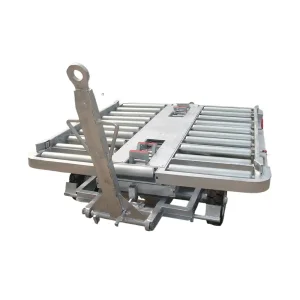
Maximizing Airfield Safety, Minimizing Turnaround Time, and Integrating Smart Aviation Solutions.
In the high-intensity ecosystem of modern aviation ground operations, the aircraft push back tractor represents the critical first step in a successful flight path. As airports face increasing congestion and airlines demand shorter turnaround times, ground support equipment (GSE) must operate with absolute precision and safety. A single delay or ramp collision can ripple across a global flight network, incurring significant financial and operational losses.
Our holistic macro-industry solutions combine mechanical durability with smart telemetry to resolve the core challenges faced by modern ground handlers. By integrating towbarless (TBL) and conventional heavy-duty pushback tractors with real-time tracking, structural health monitoring, and smart braking profiles, we support ground crews in achieving optimal efficiency while complying with rigorous environmental and technical standards worldwide.
Every second saved during pushback translates directly into reduced taxi times and fuel consumption. Our custom towing tractors are engineered with intuitive control interfaces to allow quick, safe hookups for commercial narrowbody and widebody passenger planes.
Built with integrated safety interlocks, oversteer protection, and robust visual/audible alarms. We mitigate the risk of damage to the nose landing gear (NLG) and ground crew, adhering strictly to IATA AHM regulations.
Emissions are a primary concern for modern airports. We have integrated next-generation electric towing drive systems, utilizing high-capacity lithium battery packs to match the duty cycles of traditional diesel-powered alternatives.
Navigating structural market shifts, emission zones, and global supply chain integrations.
The global market for ground support equipment is undergoing a major evolution. Stringent emissions regulations in regions such as Europe (EU Stage V compliance) and the United States (EPA Tier 4 Final guidelines) are forcing airport authorities to transition away from diesel engines. Concurrently, rapid expansion of infrastructure in the Asia-Pacific region and the Middle East requires high-capacity, dependable equipment to handle extreme climatic environments.
As a leading supplier and manufacturer, we build custom aircraft pushback tractors and specialized aviation tow vehicles to meet these localized challenges. By maintaining direct control over our steel fabrication, hydraulic system assemblies, and electronic programming, we guarantee supply chain resilience. This integrated approach ensures timely deliveries to hub airports, regional terminals, and military airbases worldwide.
Empowering global hubs and local operations with certified industrial metrics.
Comprehensive solutions engineered in our modern industrial manufacturing facilities.
Heavy-capacity fuel tankers and dispensers equipped with safety-critical pump controls, filtration monitoring, and precision metering systems.
Models: CD5207GJJ, CD5580GJJ, CD5341GJJConventional and towbarless aircraft pushback tractors engineered for narrowbody and widebody passenger planes.
Models: CDT700, CDT450, CDT300Solid-state and diesel ground power units delivering clean 400Hz AC and 28V DC power during pre-flight preparation.
Models: Energy Storage, 90KVA GPU, Static Power UnitsHigh-pressure, truck-mounted air start units engineered to supply the pneumatic force required to spin turbine engines.
Models: Truck Mounted, CDA300, CDA400Precision hydraulic scissor loaders designed for fast, damage-free deck loading of standard air cargo containers.
Models: CDL14000, CDL35000, CDL7000Self-propelled and towable passenger boarding stairs equipped with anti-slip walkways and automated leveling systems.
Models: CD-PBS5062E, CD-PBS5062D, CD-PS580Demonstrating manufacturing expertise, reliable design, and global delivery guarantees.
We leverage computer-aided engineering, structural FEA simulation, and smart PLC integration to design equipment that performs consistently under heavy operational loads.
Each unit undergoes strict functional testing, load capacity checks, and safety system validation to ensure it meets international quality standards before delivery.
Our organized manufacturing facility and supply chain logistics ensure reliable delivery timelines, minimizing lead times even for custom machinery requests.
We provide comprehensive global support, including on-site training, rapid spare parts supply, and remote engineering diagnostics to minimize downtime.
We deliver end-to-end custom engineering to match your fleet's specific requirements. From custom dimensions for regional operations to high-capacity drivetrains for international hubs, our design team translates operational demands into reliable, high-performance equipment.

A comprehensive range of standardized and custom GSE designed for global operators.

Custom maintenance, parts support, and integration services tailored for commercial airlines.

Support for regional turboprops up to widebody commercial aircraft.

Strict manufacturing timelines backed by reliable shipping networks.
Ensuring mission-critical GSE performance in challenging environments globally.
Ground handling equipment must operate reliably under diverse and demanding conditions. From cold-weather hubs where ice-covered aprons challenge traction, to tropical airports where high temperatures place heavy loads on cooling systems, our equipment is designed to adapt. We analyze specific airfield environments to deliver customized technical packages for our global partners.
Equipped with cold-start pre-heaters, winterized hydraulic fluids, and high-traction tires. These systems ensure reliable steering, cabin heating, and power delivery in extreme winter climates.
Featuring high-capacity radiators, dust-resistant seals, and advanced thermal management for battery packs to prevent overheating during continuous operation in desert environments.
Designed for quick turnarounds and rapid battery charging. This setup allows handlers to complete back-to-back operations without extended down times.
Leading the industry with digital connectivity, automation, and sustainable drivetrains.
The next decade of airfield ground operations will be defined by connectivity and automated safety. Our engineering department is actively developing advanced systems to integrate tractors directly into airport management dashboards. This modernization pathway focuses on three key areas:
By fitting our equipment with cellular and Wi-Fi transceivers, fleet managers can monitor fuel levels, battery health, hydraulic pressures, and diagnostic codes in real time. This approach enables predictive maintenance, resolving potential mechanical issues before they impact turnaround schedules.
Future iterations of our heavy towing units will include LiDAR and radar sensor arrays. These systems monitor clearances around the fuselage, nose gear, and ground obstacles, automatically applying brakes if safe limits are breached.
We are refining high-capacity lithium iron phosphate (LFP) battery solutions across our entire product range, enabling airports to transition away from fossil fuels without compromising operational torque or duty cycle endurance.
Technical specifications, customization options, and ordering info for ground managers.
Stay informed with technical analyses and updates on international ground support equipment.
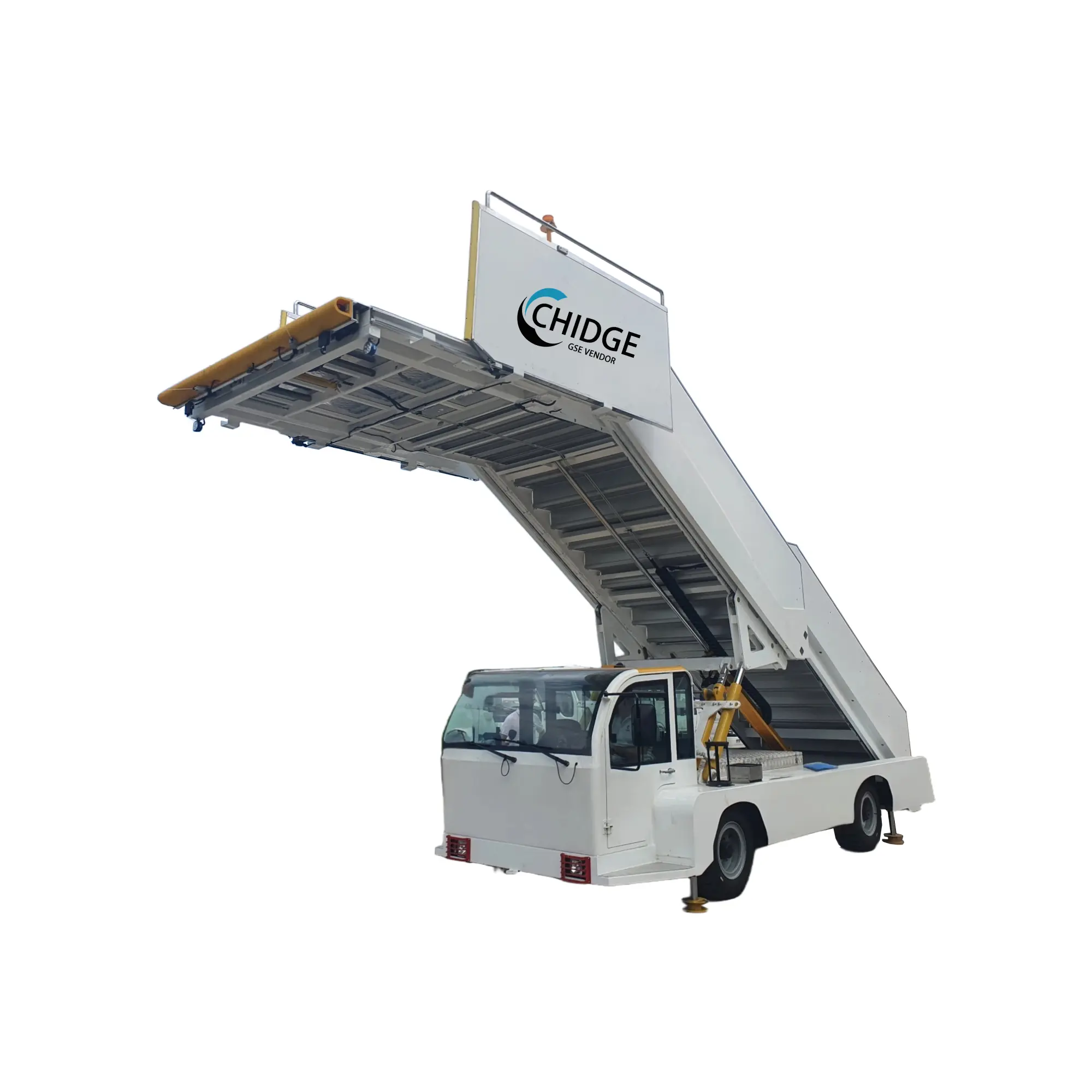
Explore the engineering, safety features, and design requirements of passenger boarding stairs. Learn how mobile stairs ensure safe and efficient transitions for travelers on the airfield apron.
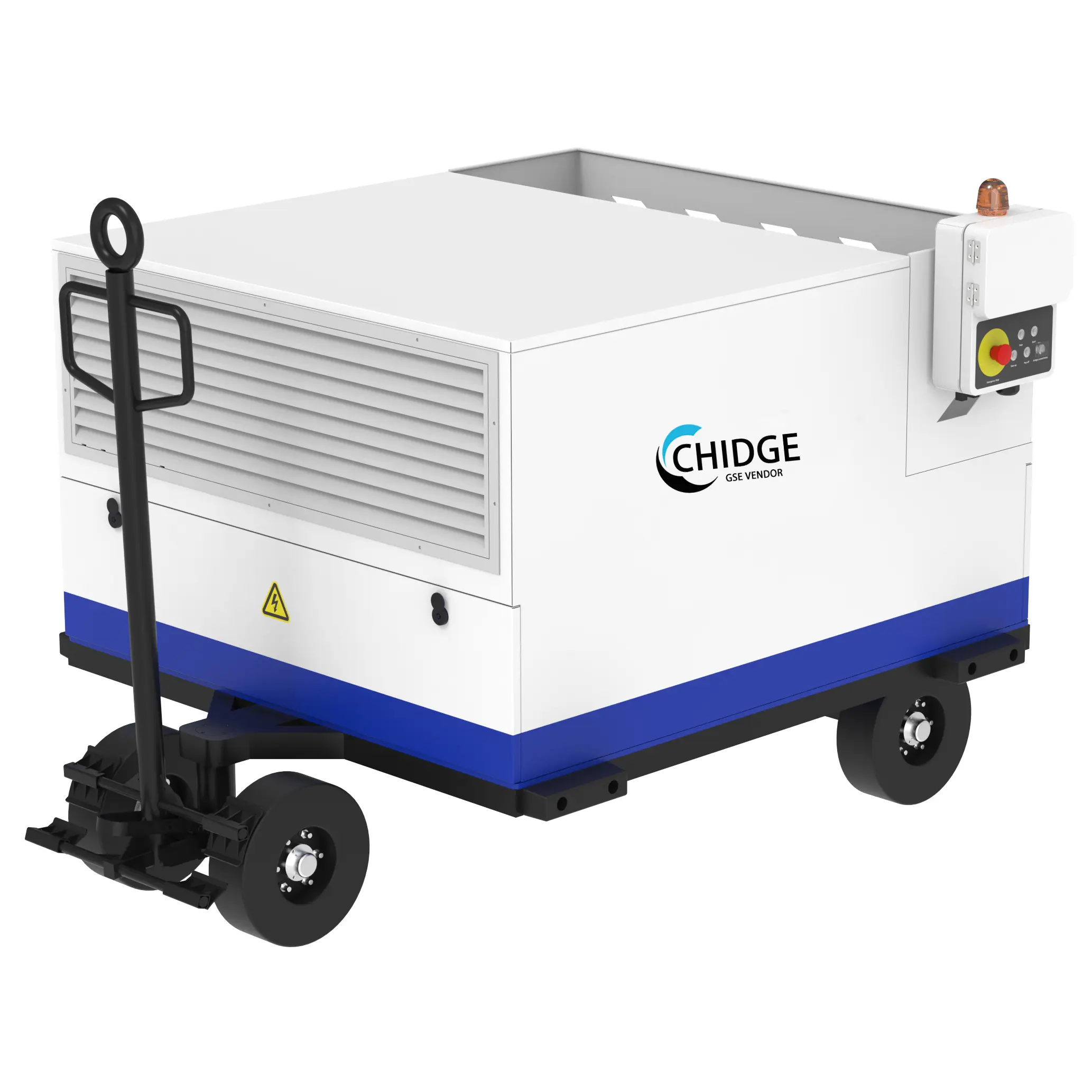
An in-depth look at towable energy storage systems. These battery-electric ground units supply continuous, clean electricity to stationary aircraft without the noise and exhaust of traditional diesel generators.
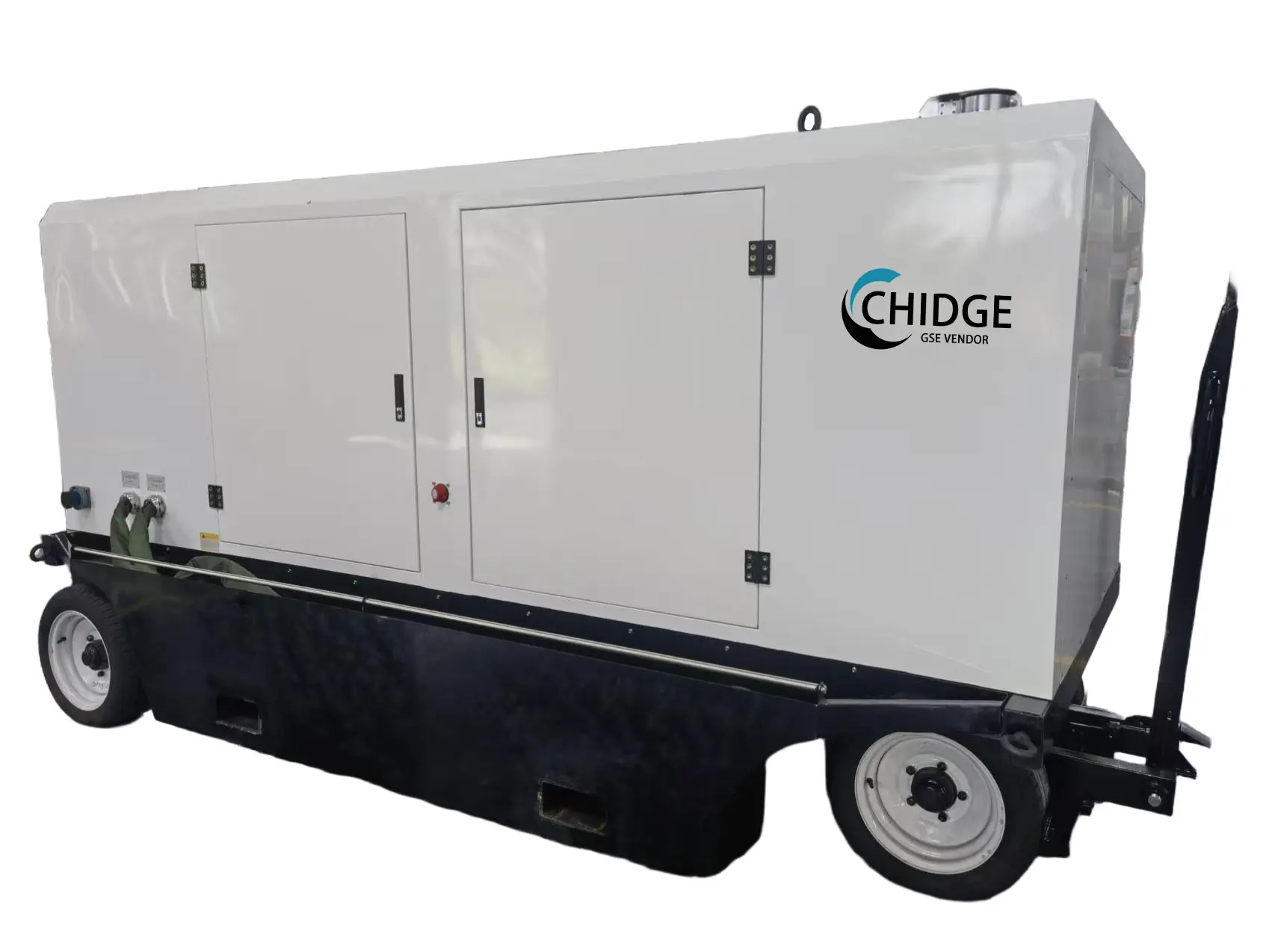
Ground Power Units supply the essential electrical current needed while parked on the ramp, supporting system checks and cabin preparation without requiring the aircraft's main engines or APU. Truck-mounted options offer versatile mobility across busy airport complexes.
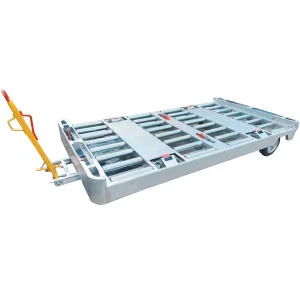
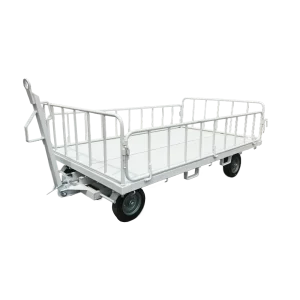
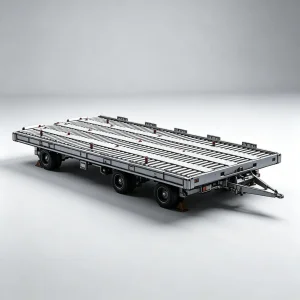
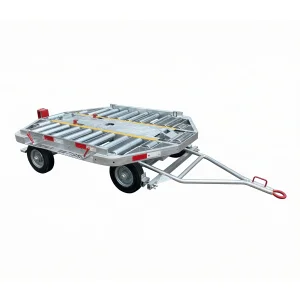
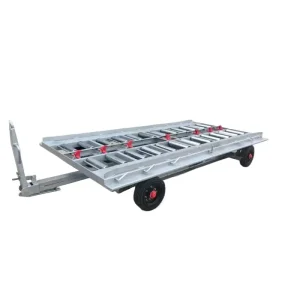
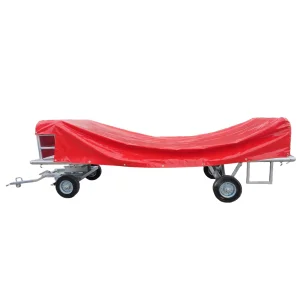
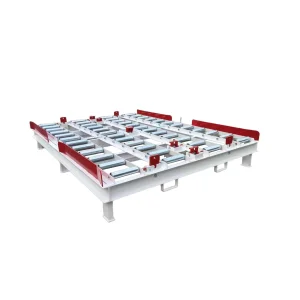
Industrial-grade transport dollies, pallet systems, and rainproof baggage carts engineered for reliable airport ramp operations.
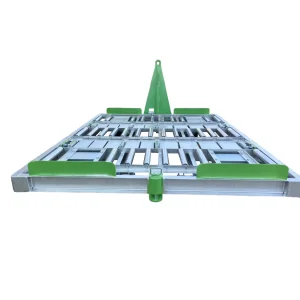
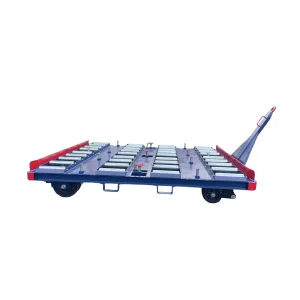
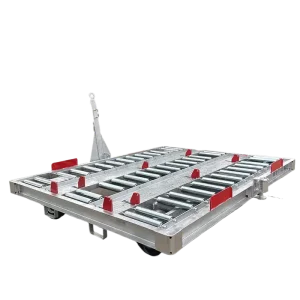
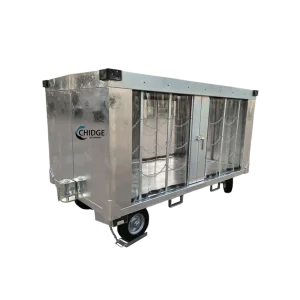
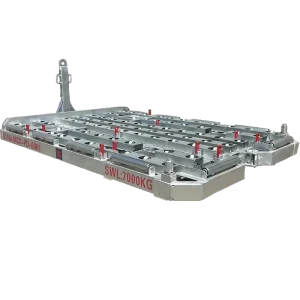
 Chidge Dolly