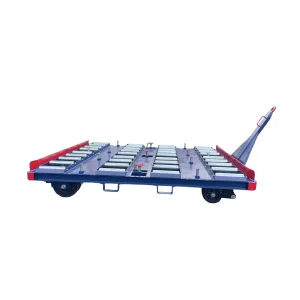
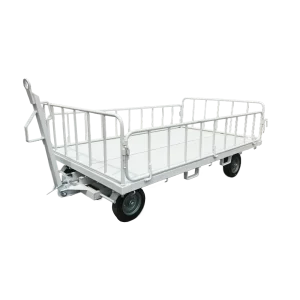
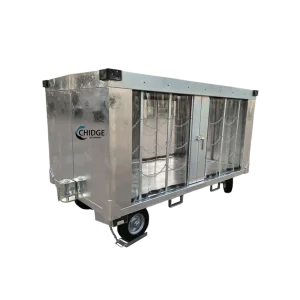
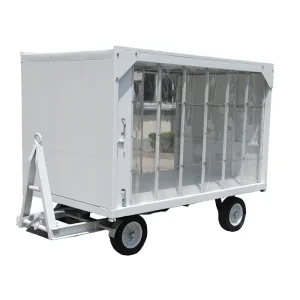
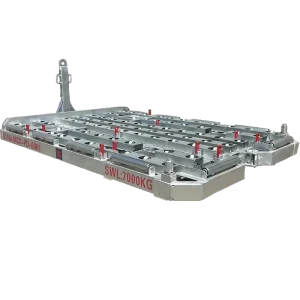
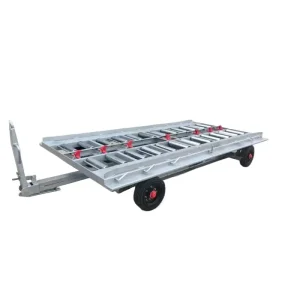
 Chidge Dolly
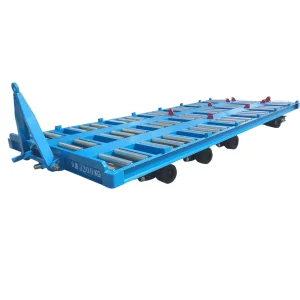
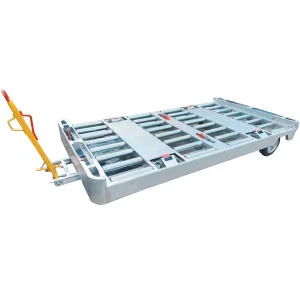
Introduction: The Crucial Role of Custom Aircraft Power Units in Modern Aviation
At the heart of airport ground operations, reliability is paramount. When an aircraft taxis to a gate, its heavy main engines are shut down to conserve fuel, minimize noise pollution, and extend engine maintenance intervals. During these critical turnaround windows, the aircraft relies entirely on ground support. A Custom Aircraft Ground Power Unit (GPU) acts as the central life support system, supplying clean, continuous electrical energy directly to the aircraft's internal networks.
Whether facilitating vital avionics diagnostics, powering onboard galley services, operating climate systems, or executing turbine engine starts, a GPU must meet strict operating envelopes. Modern regional jets, long-haul commercial widebodies, and advanced military aircraft demand precise electrical parameters: specifically, high-frequency 400Hz AC power or regulated 28V/28.5V DC current. Any deviation can damage sensitive digital fly-by-wire controls, sensor rigs, and radar suites, leading to costly delays.
Aviation Power Standards & Architectures: Solid-State vs. Engine-Driven GPU Systems
As leading manufacturers, we partition our customized solutions into three primary functional families, ensuring operators match power availability with specific logistical realities:
1. Solid-State (Static) Frequency Converters
Operating directly off the local utility grid, solid-state aircraft power units utilize advanced IGBT double-conversion technology (AC-to-DC-to-AC). These systems have no moving mechanical parts, resulting in near-silent operation (below 65 dBA) and virtually no wear and tear. Key specifications include:
- Total Harmonic Distortion (THD): < 2% for linear loads, guaranteeing clean sinusoidal current lines.
- Transient Recovery: Instant response (under 10ms) to sudden load changes (e.g., when heavy cabin cooling systems cycle on).
- Efficiency: Typically exceeding 94%, significantly lowering terminal carbon profiles.
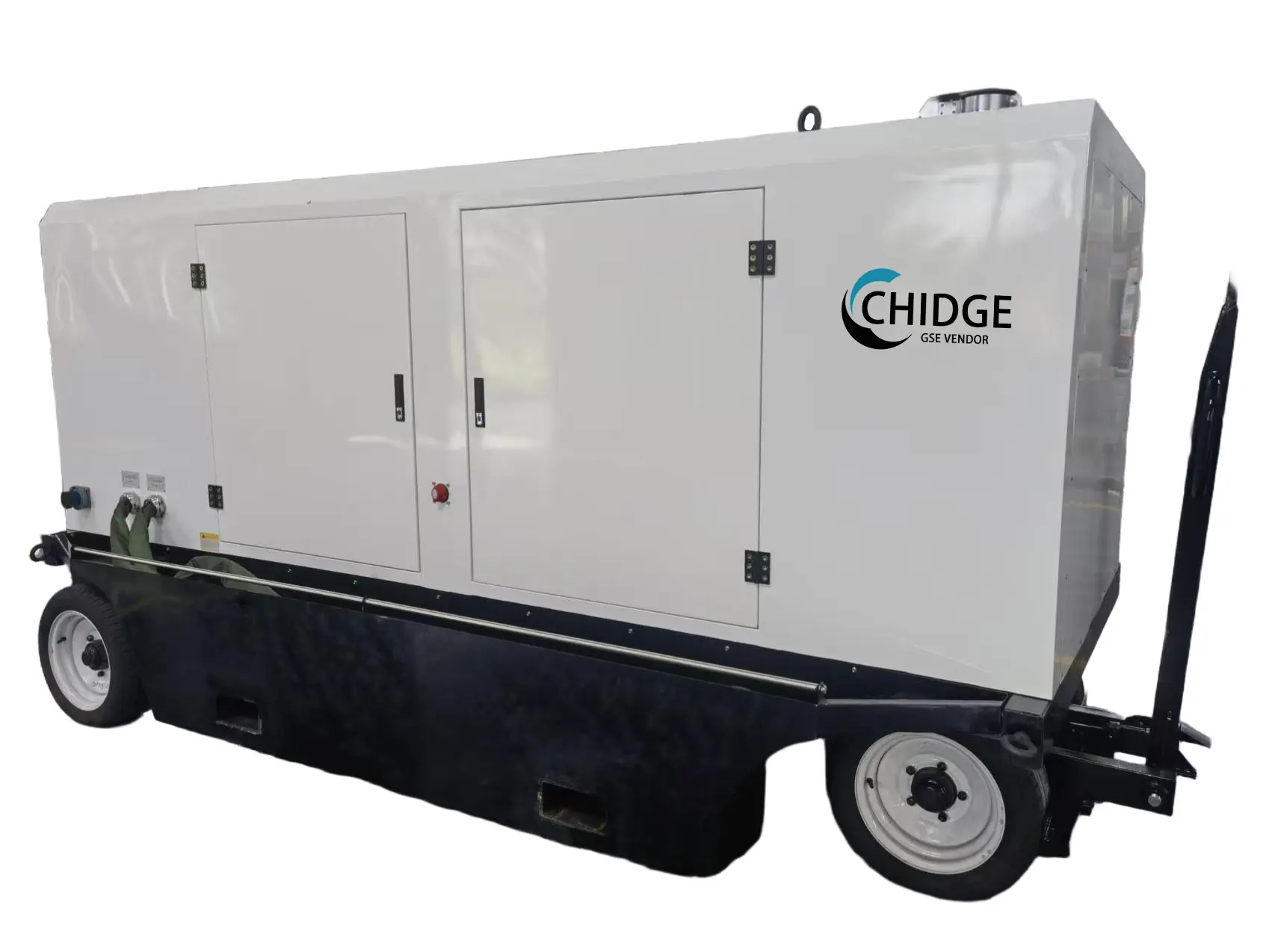
2. Diesel-Powered Mobile Ground Power Units
For remote aprons, military flightlines, and dynamic operations, diesel GPUs provide complete independence from the localized electrical grid. Designed for towing or truck mounting, these systems integrate low-emission diesel engines (complying with Tier 4 Final/Stage V regulations) coupled with high-efficiency 400Hz alternators. Standard features include acoustic acoustic-damping enclosures, integrated block heaters for extreme cold weather deployment (-40°C), and rugged structural bases.
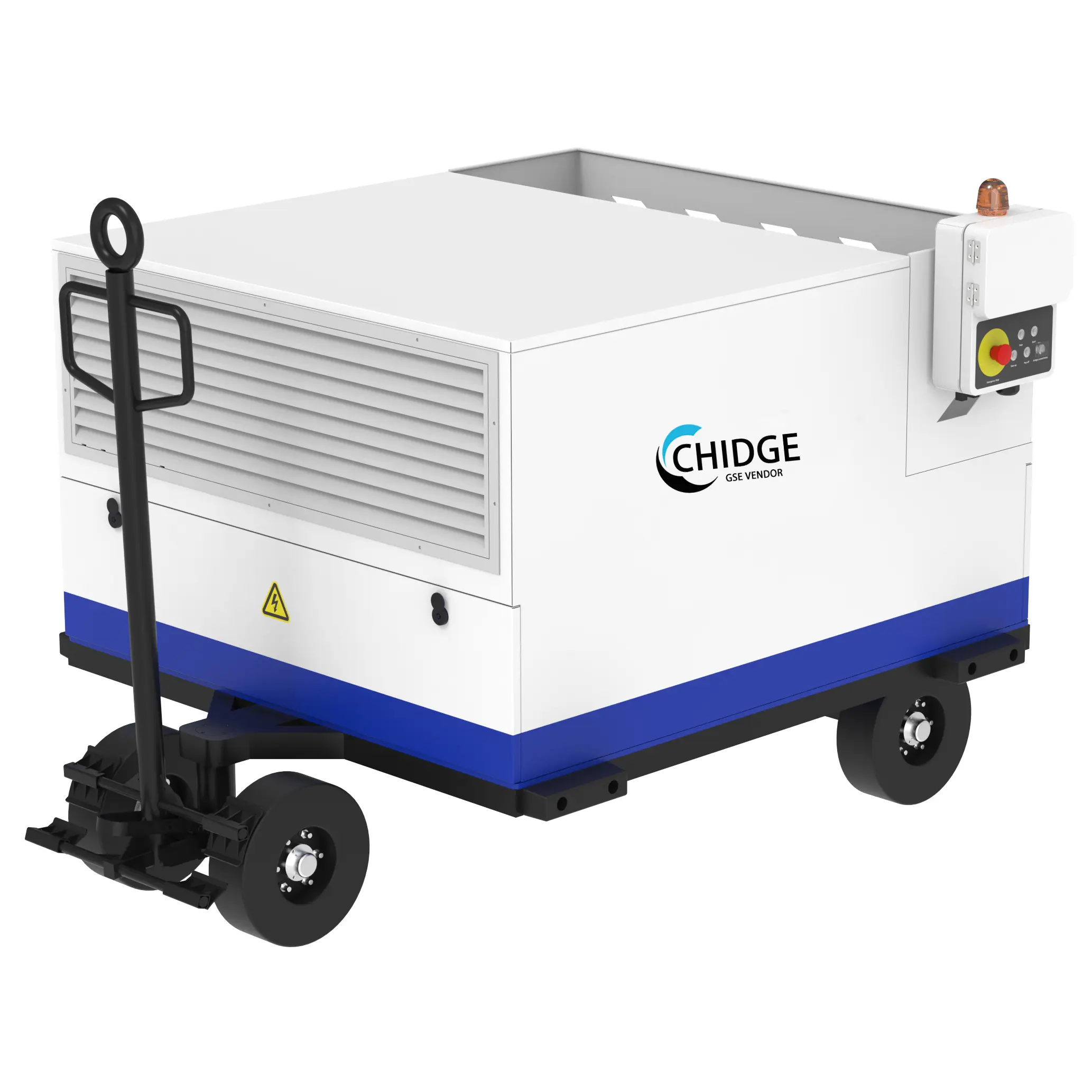
3. Green Energy Storage GPUs (Battery Powered)
Aligned with the global push towards carbon-neutral airports, zero-emission battery GPUs are changing ground operations. Leveraging high-capacity Lithium Iron Phosphate (LiFePO4) chemistries, these mobile carts store energy from the terminal grid and discharge it cleanly on the tarmac. By eliminating fuel burning at the gate, operators reduce operating expenses by up to 70% and completely remove exhaust fumes, improving the workplace safety of ramp crews.
Chinese Supply Chain Advantages in GSE Manufacturing
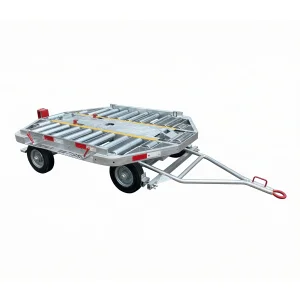
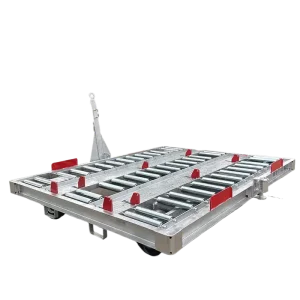
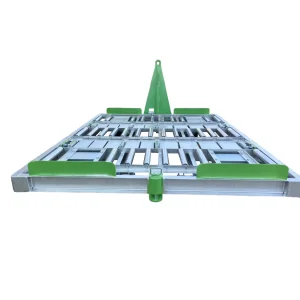
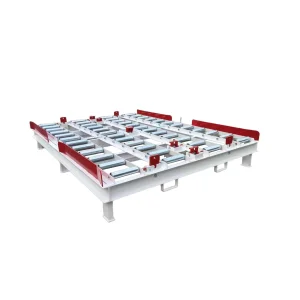
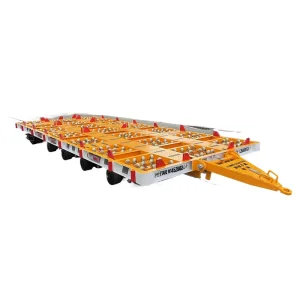
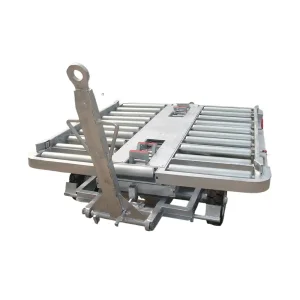
Sourcing Custom Aircraft Power Units and cargo dollys from specialized manufacturers in China offers global operators a distinct competitive advantage. Our integrated supply hubs leverage:
- Unmatched Scale and Cluster Integration: Close alignment with premium electrical component foundries, raw structural steel fabrication plants, and advanced vehicle assembly lines ensures low material transportation overhead and accelerated production turnarounds.
- Tailored OEM/ODM Customization: Rapid design iteration using CAD/CAE simulations allows factories to quickly engineer customized frame dimensions, tailored climate control cabinets, and regionalized cable connection configurations.
- Deep Battery Ecosystem: Direct access to primary battery cells enables us to offer battery-powered GPUs at a lower price point than western competitors.