Standard-setting towable ground equipment designed for structural integrity and high cargo efficiency.
Built with high-tensile structural steel to handle maximum ULD and container weight distribution profiles.
Explore Supplier Info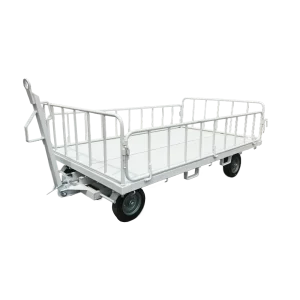
Premium luggage carts featuring corrosion-resistant hot-dip galvanized chassis structures for dynamic ramp logistics.
View Factory Profiles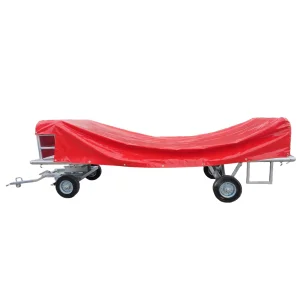
Ergonomic handling mechanisms paired with severe load-tested braking designs for airport ground handlers.
Contact Manufacturers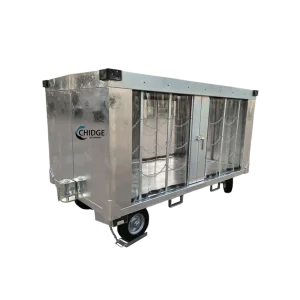
Fully enclosed, weather-proof cargo structural engineering ensures ultimate parcel protection in humid environments.
Get Factory Pricing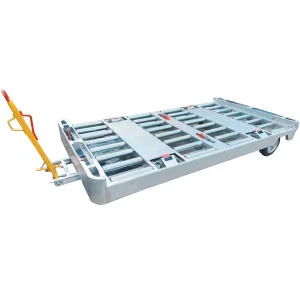
High payload reliability engineered for heavy container logistics and heavy industrial apron requirements.
Request Specifications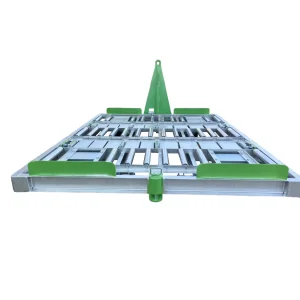
Optimized roll-bed configuration allows smooth directional transfer of standard air cargo pallets.
Get Factory Quotes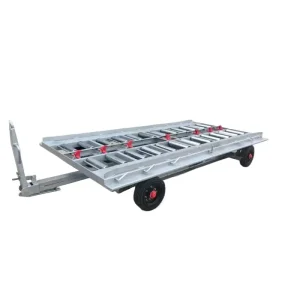
Designed custom to accommodate LD6 and equivalent ULD sizes. Heavy-duty load frame with solid steel components.
Detailed Schematics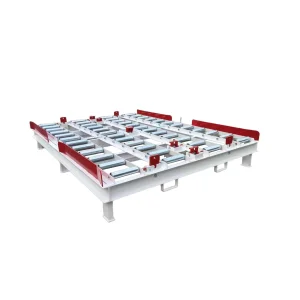
Increases storage flexibility inside cargo terminals by adapting cargo decks for manual and automatic handling.
Contact SuppliersThe global aviation sector is undergoing a massive transformation under the dual pressure of environmental decarbonization targets and operational cost optimization. Ground Support Equipment (GSE) is at the epicenter of this evolution. Traditionally, parked aircraft relied on Auxiliary Power Units (APUs) burning jet fuel, or heavy diesel generators converting fuel to electricity. Today, high-frequency, solid-state, energy storage ground power units are redefining the industrial baseline.
By implementing electric Ground Power Units (e-GPUs), airports are drastically reducing Scope 3 greenhouse gas emissions. These advanced systems provide continuous 400Hz alternating current or 28.5V direct current power, enabling complete aircraft diagnostics, cabin conditioning, and pre-flight tests without utilizing primary engine fuel. The shift toward hybrid systems and large-capacity energy storage systems (ESS) represents a significant leap forward, decoupling the aircraft's power system from unstable localized grids.
Ground operations require extremely tight tolerances. Standard aircraft systems demand exactly 400Hz frequency with a total harmonic distortion (THD) under 2% to protect sensitive avionics. The core engineering of custom aircraft power units involves high-performance IGBT (Insulated Gate Bipolar Transistor) double-conversion architectures. Solid-state converters offer a high degree of MTBF (Mean Time Between Failures) and eliminate moving mechanical parts, resulting in lower operational maintenance costs compared to rotary converters.
For regional aircraft, helicopters, and general aviation, 28.5V DC output modules are configured to deliver peak start currents up to 2000A to crank turbine starters smoothly. Additionally, integrated dual-output systems (AC/DC combi-units) allow airports to optimize multi-gate requirements without placing multiple dedicated power carts at a single gate position.
Global procurement entities, defense organizations, and commercial airlines look at multi-faceted dimensions before selecting a manufacturing partner. Critical criteria include:
Leveraging a highly consolidated manufacturing ecosystem, China-based factories present a strong value proposition for international buyers. The convergence of structural steel production, electronic fabrication, and advanced robotic welding centers provides rapid customization turnaround without sacrificing certified quality.
Through lean production methodology and modular assembly principles, modern Chinese GSE manufacturing facilities execute comprehensive quality assurance protocols, performing high-voltage overload simulation tests on every single GPU, Air Start Unit (ASU), and Pre-Conditioned Air (PCA) unit before dispatch. The close proximity to international deepwater container shipping lanes ensures reliable transit logistics, preserving project timelines for greenfield airport rollouts.
Comprehensive flight-line support machinery. Each system is designed to comply with rigorous civil aviation standards.
The aircraft tank refueling trucks (Models CD5207GJJ, CD5580GJJ, and CD5341GJJ) consist of heavy-duty chassis structures, large-capacity oil tanks, high-flow pumping configurations, precise metering flowmeters, and digital pressure control systems to handle safe jet fuel distribution.
High-efficiency thermal units like the Aircraft Heating Unit CDH-60, PCA Unit CD190, and Aircraft Cabin Heater CD-H02 deliver fresh conditioned air into the interior cabin structure during passenger transfers.
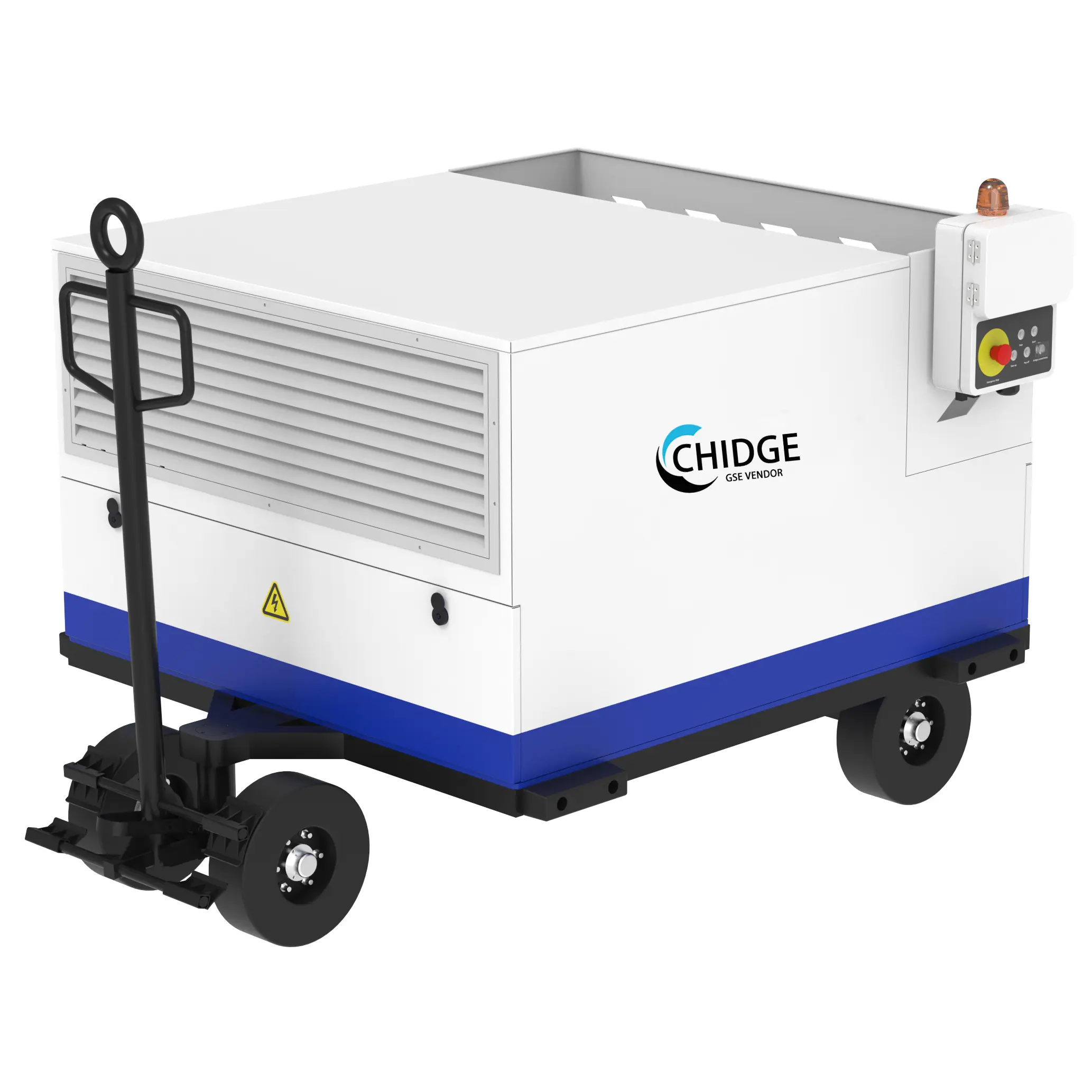
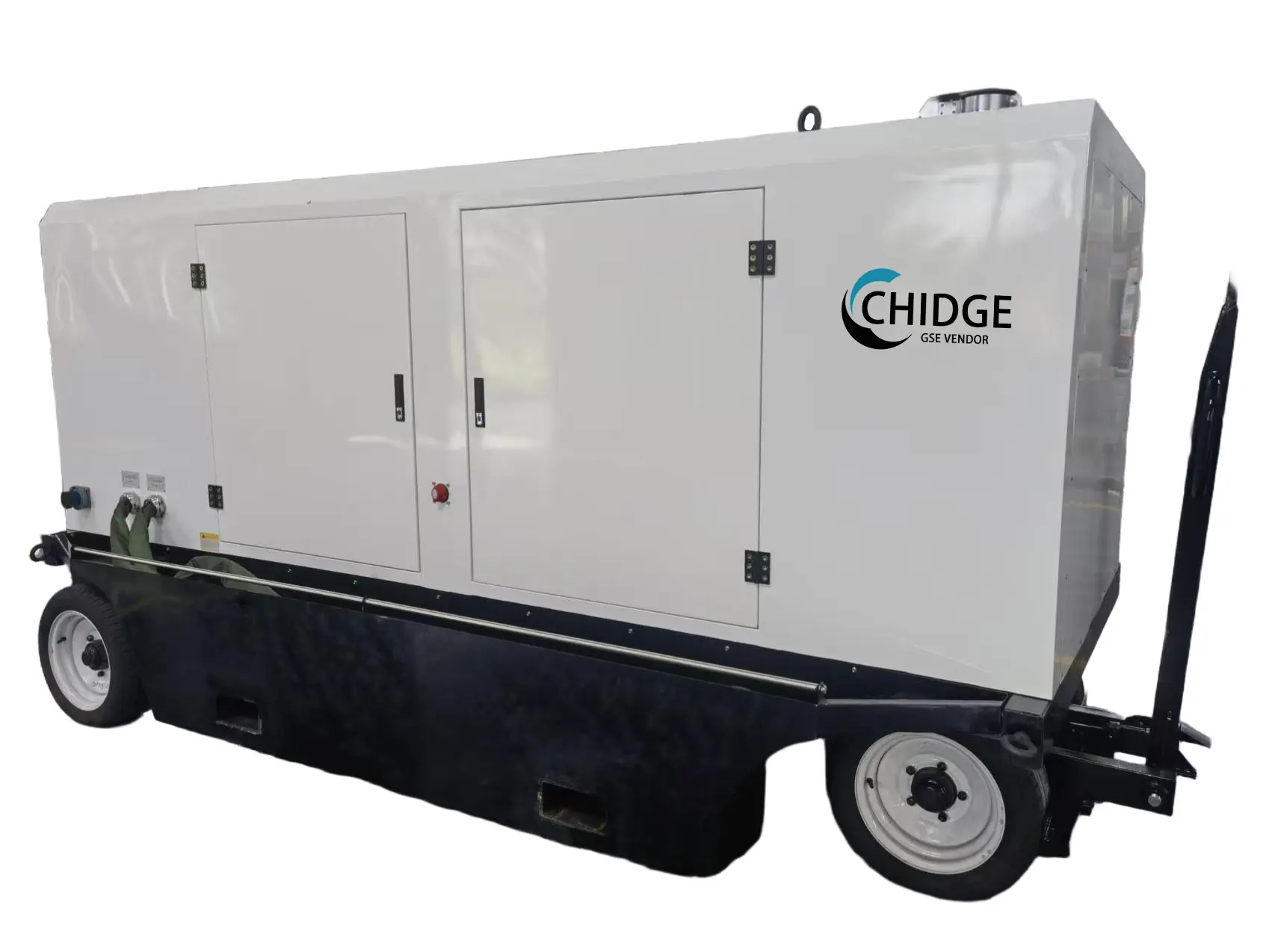
Featuring clean-energy Energy Storage Ground Power Units, workhorse 90KVA Aircraft Ground Power Units, and stationary Aircraft Ground Static Power Units providing clean 400Hz aviation power.
High-output pneumatic starters designed for starting wide-body aircraft engines. Includes the Truck Mounted Air Start Unit, CDA300, and CDA400, ensuring continuous air flow during startup procedures.
High-traction tractors including CDT700, CDT450, and CDT300 aircraft towing tractors, along with 10Ton Electric Baggage Towing, 50-100Ton Diesel Baggage Towing, and 20Ton Electric Baggage Towing machines.
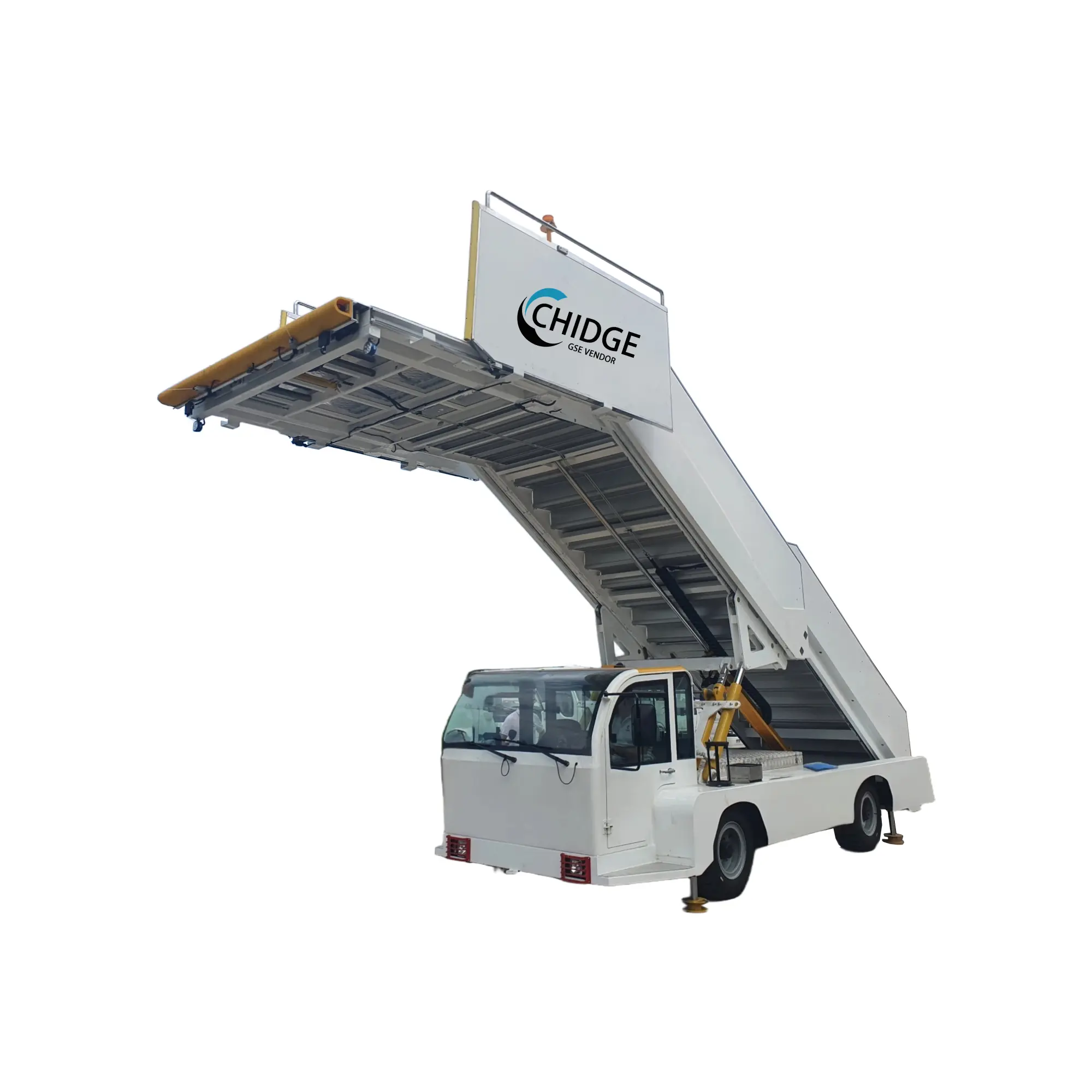
Equipped for ground efficiency with CD5060DWS Aircraft Lavatory Service, CD5060DQS Electric, and CD5060DWSZ Electric vehicles. Heavy cargo handlers include CDL14000, CDL35000, and CDL7000 Cargo Loaders, alongside the CD-Q5100DCR Ambulift and specialized passenger lift configurations.
Modern airport aprons present challenging variations in spatial layouts and electrical standard requirements. We construct custom solutions targeting distinct terminal footprints and varying regional safety regulations. Whether integrating specialized chassis configurations, dynamic hydraulic system controls, or automated electrical shutoffs, our engineering process focuses on customer-centric design.
From initial structural drafting, FEA simulation, load balancing assessments, to full prototyping and electrical compliance certificates, we ensure your ground equipment operations stay active.
From raw ideas to full 3D CAD modeling, system simulations, and rapid prototyping.
Ensuring structural and electrical reliability in high humidity, salt air, and extreme cold.




Delivering structural longevity and high efficiency to major airports and transport hubs.

Employing state-of-the-art power electronics, PLC automation interfaces, and remote telemetry tracking tools.

Rigorous stress testing and premium structural steel construction ensure long lifetimes on demanding aprons.

Deep integration with local industrial shipping terminals allows rapid, trackable shipping to global airports.

Dedicated response engineers provide prompt troubleshooting, parts replacement, and technical guidance.
Stay informed with the latest insights in GSE technology and ground operations management.
Get professional technical answers to common questions about Ground Power Units and GSE equipment procurement.
Explore our heavy-duty dollies and baggage carts designed for large airport logistics networks.
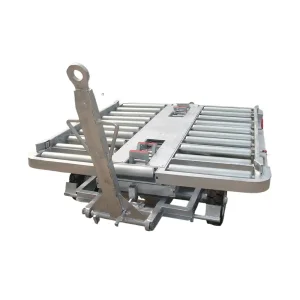
Durable, heavy-duty towable chassis designed for rapid transit of LD3 cargo containers across busy aprons.
Request Factory Quotes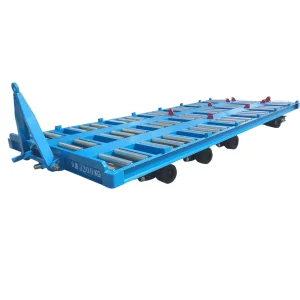
Built to transport large 20-foot pallets, featuring an reinforced steel chassis for maximum weight distribution.
Get Dimensions & specs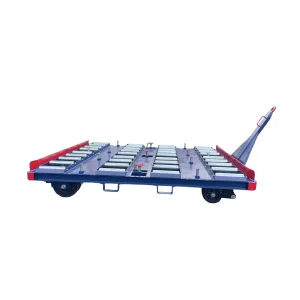
Equipped with non-slip rollers and high-durability brakes to ensure safe operation during cargo loading.
Explore Manufacturer Info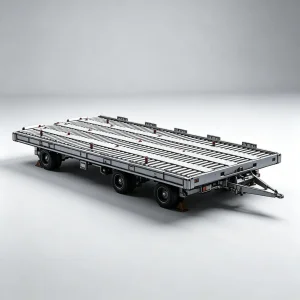
Extra heavy-duty transport system designed for severe heavy-cargo logistics tasks at main airports.
Detailed Catalogues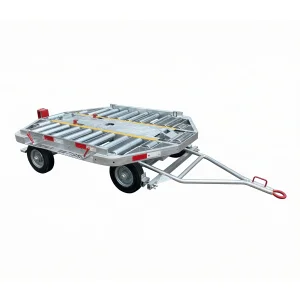
Newly upgraded structural profile with multi-directional roller tracks for fast manual positioning.
View Factory Prices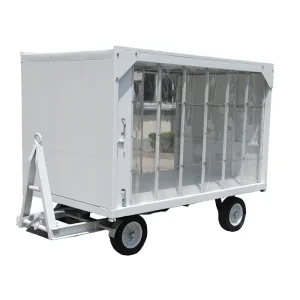
Enclosed structural design protects passengers' luggage and cargo from precipitation and wind during transport.
Contact Suppliers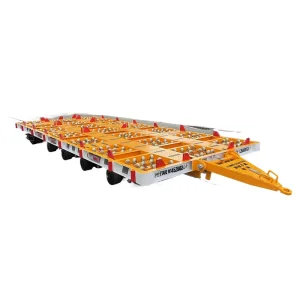
Heavy-duty transport solution engineered for mid-to-high capacity shipping terminals requiring fast transfers.
Learn Technical Specs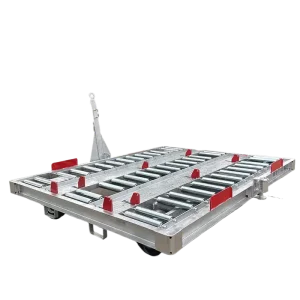
The standardized industrial apron transporter, balancing payload reliability with low rolling resistance tires.
Request Factory QuoteOur mission is to build robust relationships by delivering quality ground equipment and support.
 Chidge Dolly