Engineered to deliver high structural load capacities, exact sizing tolerances, and premium durability under rigorous airport terminal operational conditions.
Modern commercial aviation and military weapon systems rely heavily on a constant, precise, and extremely reliable source of 115V / 200V 400Hz AC power while on the ground. Standard utility grid systems function at 50Hz or 60Hz. Standard power sources are incompatible with high-speed aerospace components designed for 400Hz to achieve weight reduction and motor efficiency. Running the aircraft’s Auxiliary Power Unit (APU) at the gate is noisy, highly fuel-inefficient, and contributes significantly to local airport carbon emissions.
This creates a demand for specialized 400Hz Ground Power Units (GPUs). As a primary manufacturer, we build systems designed to convert standard municipal grid frequencies into clean, low-distortion 400Hz aerospace power. Our solid-state static frequency converters utilize advanced Pulse Width Modulation (PWM) and Insulated Gate Bipolar Transistors (IGBT) to deliver unmatched efficiency, ultra-fast transient response, and complete electrical isolation for modern aircraft safety.
"By moving away from standard rotating motor-generator units, our latest generation of 400Hz solid-state static GPUs reduce energy wastage by up to 30%, operating at over 94% system efficiency."
High-frequency conversion demands strict quality control. Our custom manufactured GPUs conform to the absolute limits defined by MIL-STD-704F, ISO 6858, and BS 2G 219, focusing on the following critical parameters:
These specifications ensure that whether powering a Boeing 787 Dreamliner, Airbus A350, or a modern jet fighter, our power supplies remain stable, clean, and reliable throughout the ground turnaround sequence.
Combining world-class vertical supply chains, advanced power electronics R&D engineering, and high-volume cost advantages.
Our manufacturing facility based in China leverages the world's most concentrated ecosystem for power electronics components. We source heavy-duty step-down transformers, premium high-speed IGBTs, custom heat sinks, and rugged copper cabling directly from within a 100km radius. This local manufacturing concentration shortens standard production times and provides us with a competitive edge when sourcing specialized, mil-spec compliant raw materials.
Furthermore, our streamlined assembly processes reduce overhead costs. We pass these savings directly to our global customers, offering institutional purchasers and airport ground handlers custom-engineered solutions at a fraction of the cost of Western competitors, without sacrificing compliance or quality.
We deploy strict, multi-stage quality control methodologies at every production phase. Every custom 400Hz unit undergoes rigorous testing prior to dispatch, including:
These practices guarantee that your imported units operate continuously, even in high humidity, coastal salinity, or extreme temperature environments.
A comprehensive overview of our current manufacturing range, spanning from fuel trucks to static frequency converters and heavy-duty tow dollies.
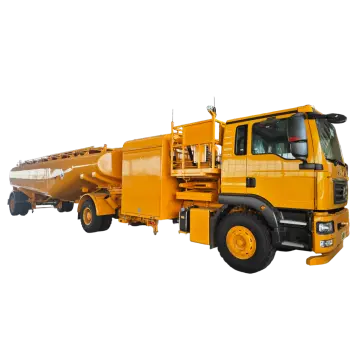
The aircraft tank refueling truck consists of a chassis and oil tanks, a pumping system, a control system, and operating parts, with functions such as filtration, metering, and pressure control.
Learn More →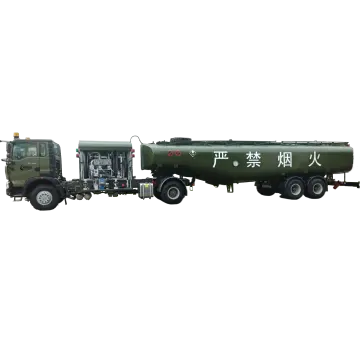
High-capacity chassis, refined filtration, metering, high pressure pumping, self-circulation, and pressure control for major commercial runways.
Learn More →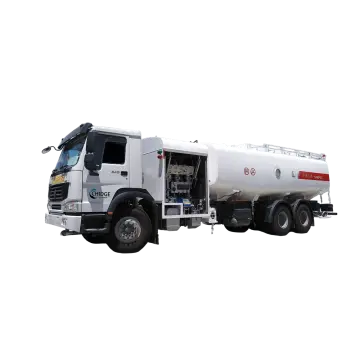
Designed for mid-range aviation fueling setups. High durability, integrated safety valves, and custom chassis sizing.
Learn More →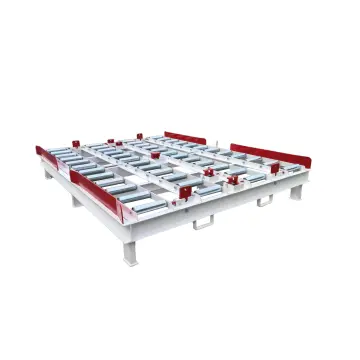
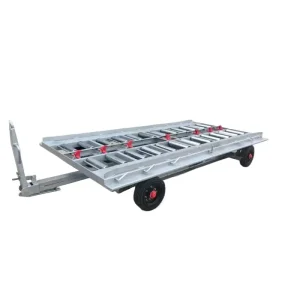
Heavy-duty, low-profile auxiliary transport trailer for fast movements of standard air freight containers.
Learn More →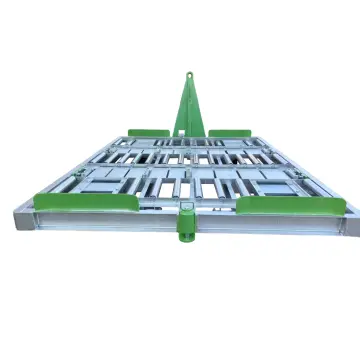
Equipped with durable steel rollers, dual braking configurations, and heavy structural load beams.
Learn More →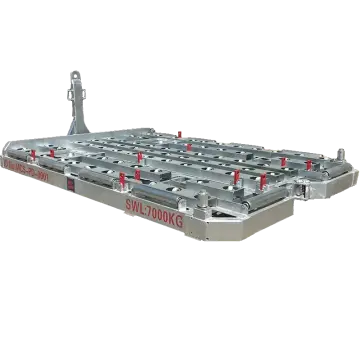
Specialized high-capacity castle design offering 360-degree rotation of cargo flats, simplified loading.
Learn More →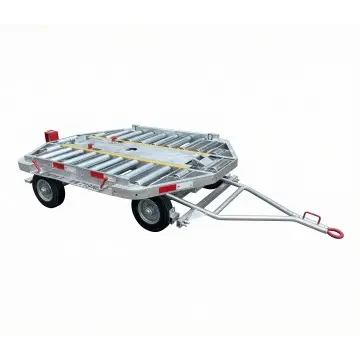
Specifically matched dimensions to standard LD3 ULD shipping containers, features lock mechanisms.
Learn More →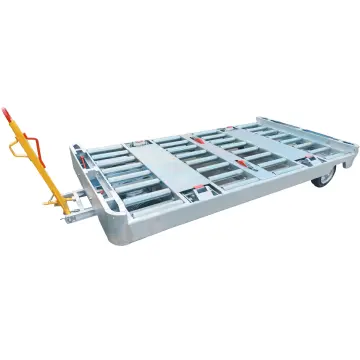
Engineered for high cargo volumes. Extra structural reinforcement, weatherproofing, and safe steering lock systems.
Learn More →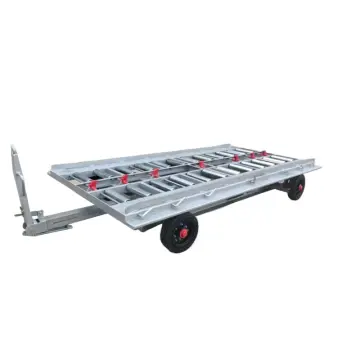
Designed for extra-wide cargo flats and standard LD6 size container units with multi-directional guidance rollers.
Learn More →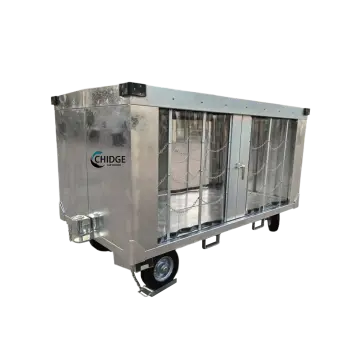
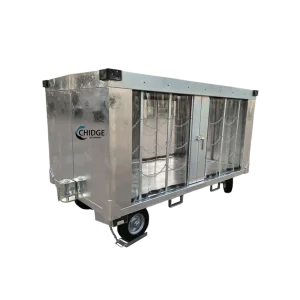
Heavy duty enclosed panels prevent rain water intrusion, securing passenger suitcases during transfer.
Learn More →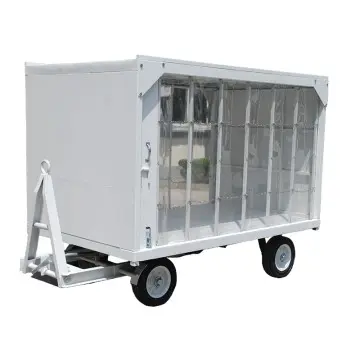
Provides impact protection, securing loose luggage against drop hazards inside active airport flightlines.
Learn More →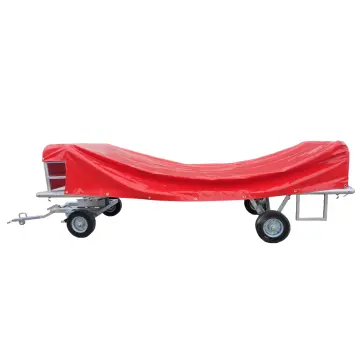
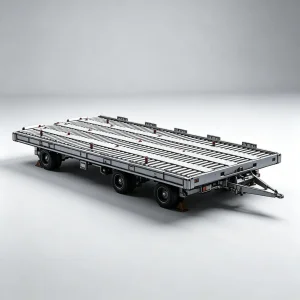
Classical flat deck construction, non-marking tires, ergonomic brake handle bar for operators.
Learn More →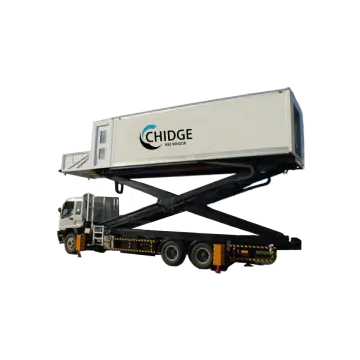
Hydraulic scissor lift structure designed to reach diverse commercial aircraft cabin heights securely.
Learn More →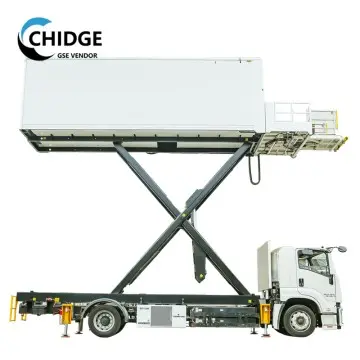
Fully electric emission-free catering lift truck. Reduces turnaround engine idling on airport ramps.
Learn More →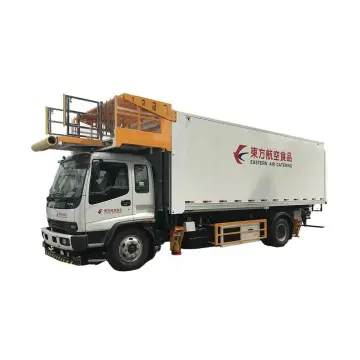
Integrated temperature insulated body, heavy hydraulics, safety stabilizers for high altitude loading.
Learn More →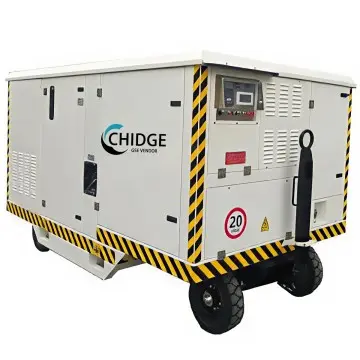
High BTU thermal heater. Supplies hot air directly to cabin ducts under extremely cold climates.
Learn More →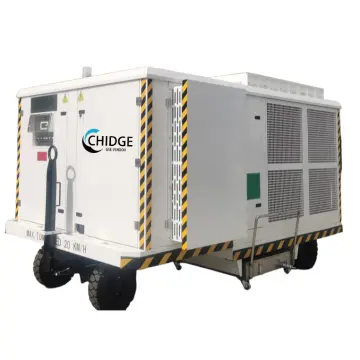
Pre-Conditioned Air unit delivering clean, climatized fresh air to aircraft cabins, saving energy.
Learn More →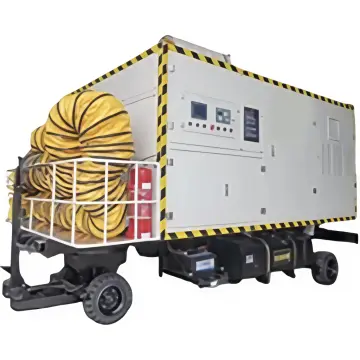
Compact, towable heater layout optimized for regional jet ground handling service provider routes.
Learn More →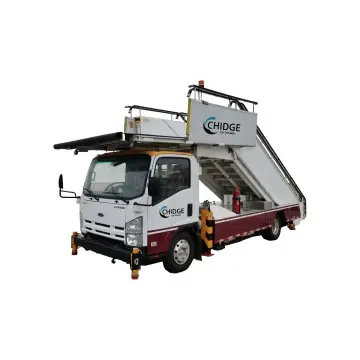
Fully electric battery powered boarding stairs. Auto leveling features, zero emission operations.
Learn More →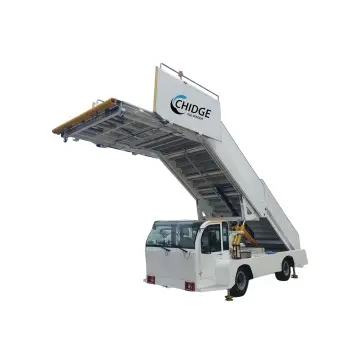
Diesel power drive passenger stairs. Built with a wind-resistant structure and non-slip step textures.
Learn More →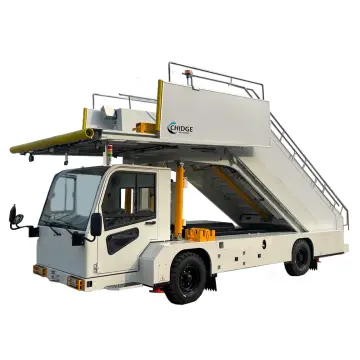
High platform accessibility, compatible with wide-body and narrow-body aircraft, premium cabin seals.
Learn More →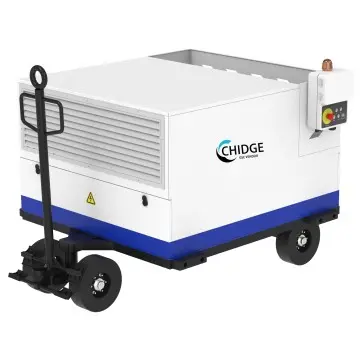
Battery-based mobile GPU. Offers fossil fuel independence, zero noise, and fast peak load response.
Learn More →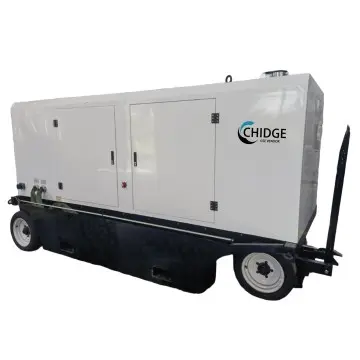
Industry standard static GPU capacity. Features dual output channels (115V AC and 28.5V DC).
Learn More →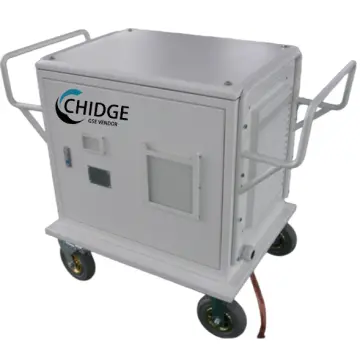
Bridge-mounted or ground-installed static frequency converter. Permanent power at boarding terminals.
Learn More →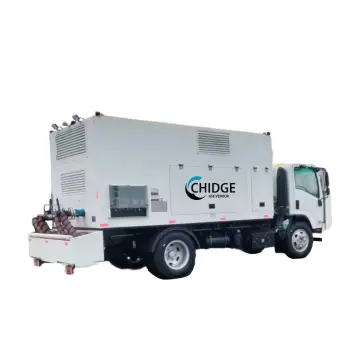
High pressure air compressor system. Assists jet engines during the main pneumatic start cycle.
Learn More →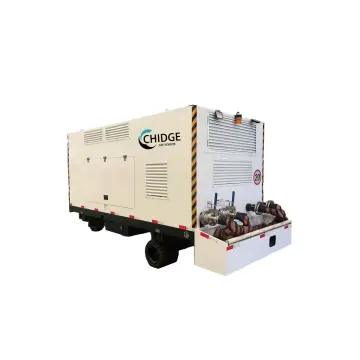
Delivers 300 ppm continuous high mass flow air pressure. Perfect for narrow and mid-range fleet operators.
Learn More →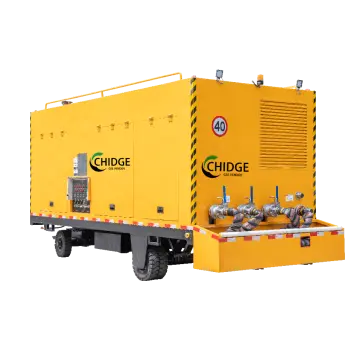
Extra-duty pneumatic output (400 ppm). Capable of starting wide-body long haul jumbo commercial jets.
Learn More →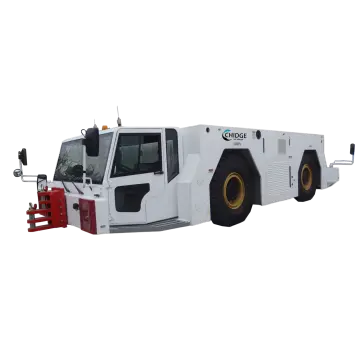
Extreme tractive force. Designed for pushback and inter-hangar tow operations of major aircraft.
Learn More →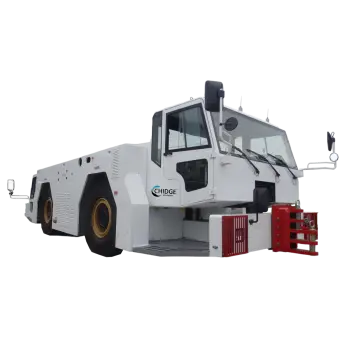
Medium-duty heavy steel body tractor. Excellent operator sight lines and dual cabin steer controls.
Learn More →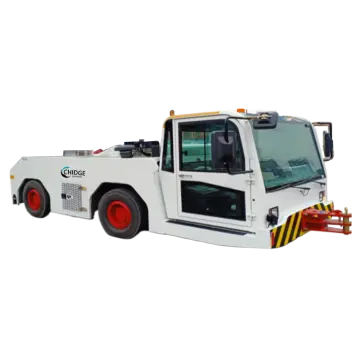
Engineered for regional jet towing. Highly maneuverable, responsive brakes, and durable tow pin.
Learn More →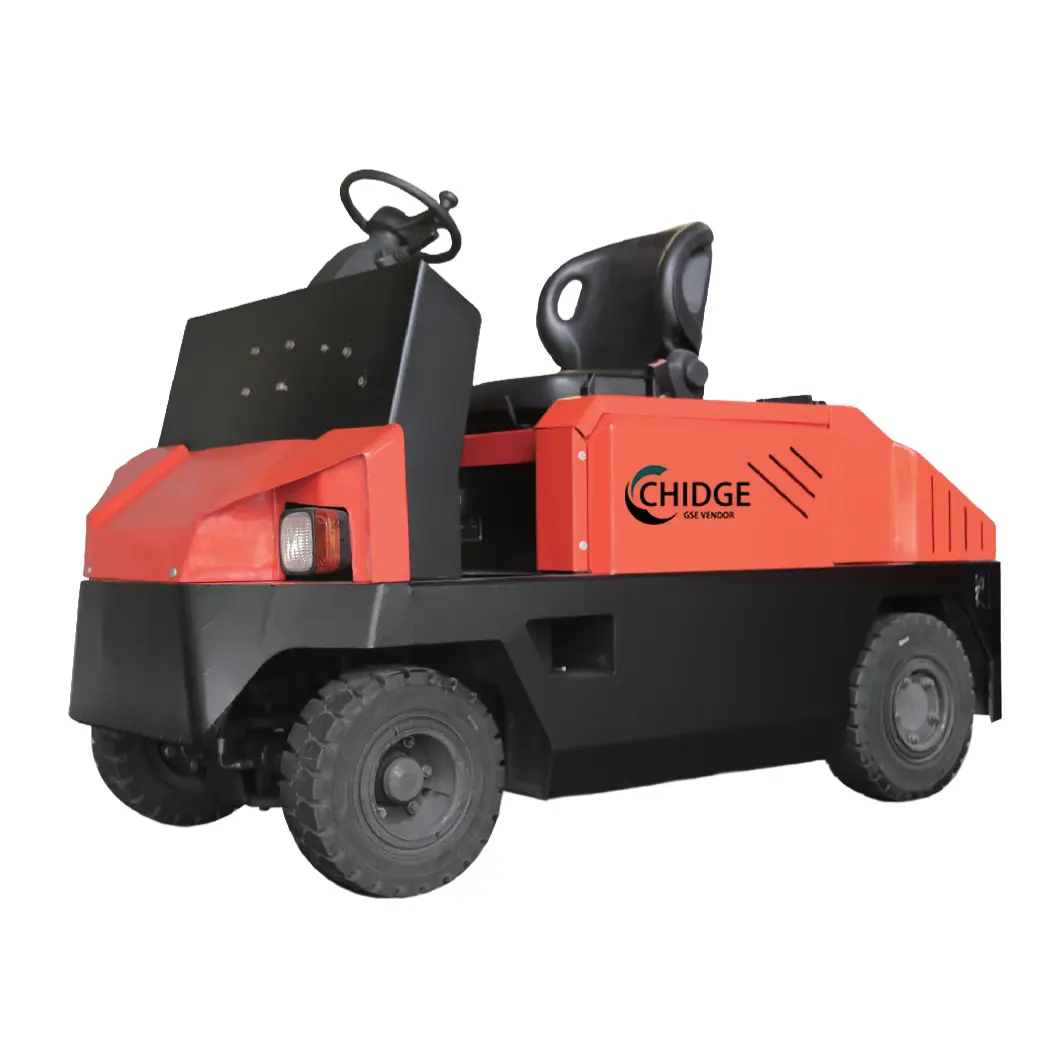
Compact, zero emission electric tow unit designed for busy baggage collection and cargo sorting spaces.
Learn More →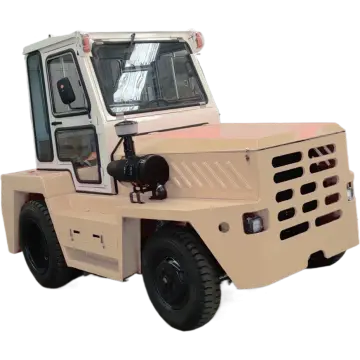
Extremely high drawbar pull capacity. Relocates long cargo trains across windy and wet tarmac routes.
Learn More →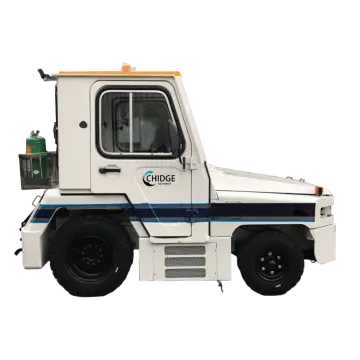
High speed, high battery capacity. Ideal for green runway targets and continuous shift operations.
Learn More →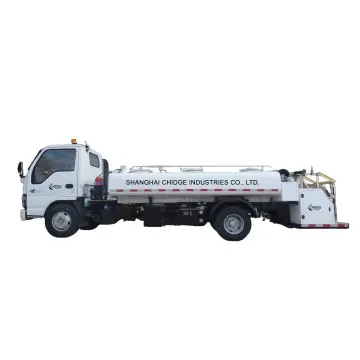
Chassis integrated waste water pumping, clean flushing, and chemical mixing tanks, meeting strict hygiene rules.
Learn More →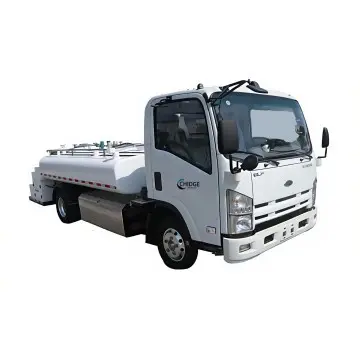
Eco-friendly chassis. Powerful electric waste pumps and large volume rust-resistant storage containers.
Learn More →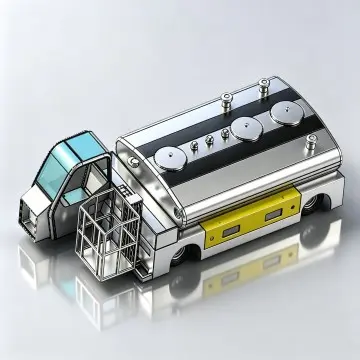
Fully electronic digital controls, warning indicators, auto shutoff, preventing overflow incidents.
Learn More →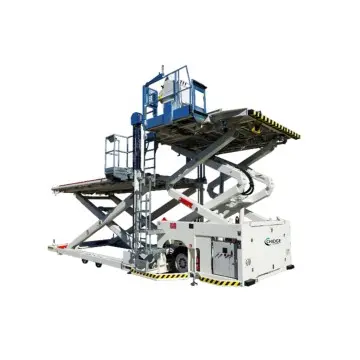
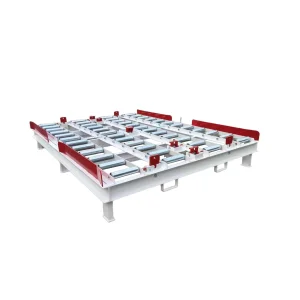
High capacity deck. Handles large main deck pallets with electronic motorized roller drive units.
Learn More →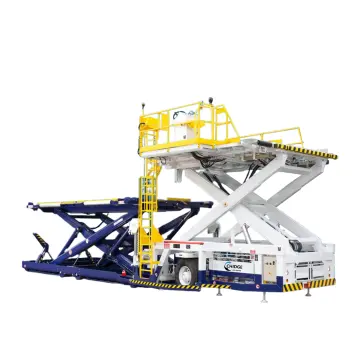
Heavy duty double scissor platform loader. Easily lifts the heaviest industrial container sizes to cargo bays.
Learn More →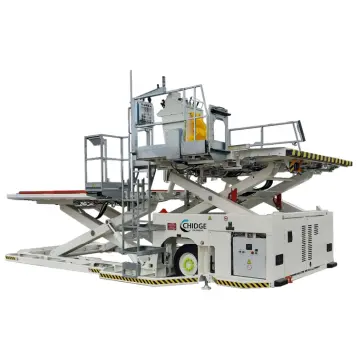
Perfect for lower cargo holds. Fast lift speeds, high safety factor, and precise platform leveling controls.
Learn More →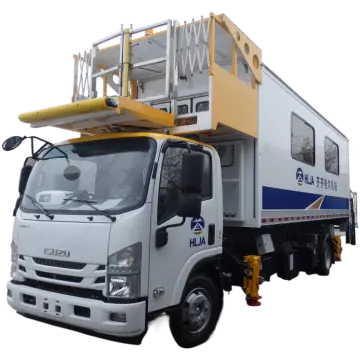
Provides safe, dignified cabin boarding for passengers with restricted mobility via a hydraulic lift cabin.
Learn More →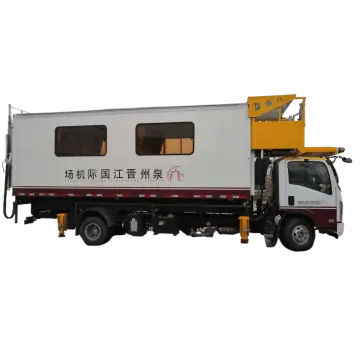
Meets strict international safety standards. High interior security locks and easy ramp access structures.
Learn More →Providing high-precision engineering, ISO 9001 certified QA processes, and global post-sale service infrastructure.
Our company in the product design, research and development, the use of advanced science and technology and innovation capabilities in the production...
view more →High quality products meet the expected needs of users, and can stand out in similar competitive products, win market recognition and reputation...
view more →Our company's supply chain management, inventory control, logistics and transportation systems, as well as the ability to respond to emergencies,...
view more →The quality after-sales service solves the problems encountered by customers in the process of use, enhances the trust and loyalty of customers, extends the...
view more →400Hz Ground Power Supplies operate in varied climates. A system designed for cold climates like Northern Europe will face challenges in hot, humid environments like Southeast Asia unless modified. As a custom GPU manufacturer, we tailor our systems to these localized environmental challenges:
Modern airports are prioritizing decarbonization. Integrating solid-state 400Hz frequency converters directly into Passenger Boarding Bridges (PBB) is a key step toward achieving zero-emission gates. By replacing diesel-powered towable units with bridge-mounted static frequency converters, airfields can reduce carbon dioxide emissions and lower maintenance costs.
Our centralized power distribution layouts allow airport operators to manage all gates from a single SCADA terminal. These solutions integrate with airfield smart grids, helping manage power spikes during peak operations and optimizing utility consumption across the terminal.
Whether OEM or ODM services, we adhere to the customer-centric, from product planning, design, production, testing to after-sales comprehensive, integrated service solutions, to help customers achieve rapid market entry, reduce costs and improve product competitiveness.
Our R&D department works closely with airport authorities, military contractors, and GSE logistics suppliers to customize output voltages, phase balances, and mounting structures. From under-bridge hung units to mobile, diesel-hybrid towable systems, we deliver certified systems under your brand name, backed by our technical support.
Making customer choices secure and reliable, creating value, and realizing growth goals.
Supporting ground crews and cargo handlers with robust manufacturing solutions.

Manufacturing 400Hz frequency converters, aircraft passenger stairs, refueling systems, and cargo tractors.

Integrated solutions for passenger logistics, heavy-cargo transport, and scheduled ramp operations.

From small container dollies to large passenger boarding bridges and military-grade static frequency converters.

Every unit is certified to ISO 9001 and CE standards, with scheduled shipping logistics to all global sea terminals.
Stay informed with whitepapers and case studies from our design engineers on the tarmac.
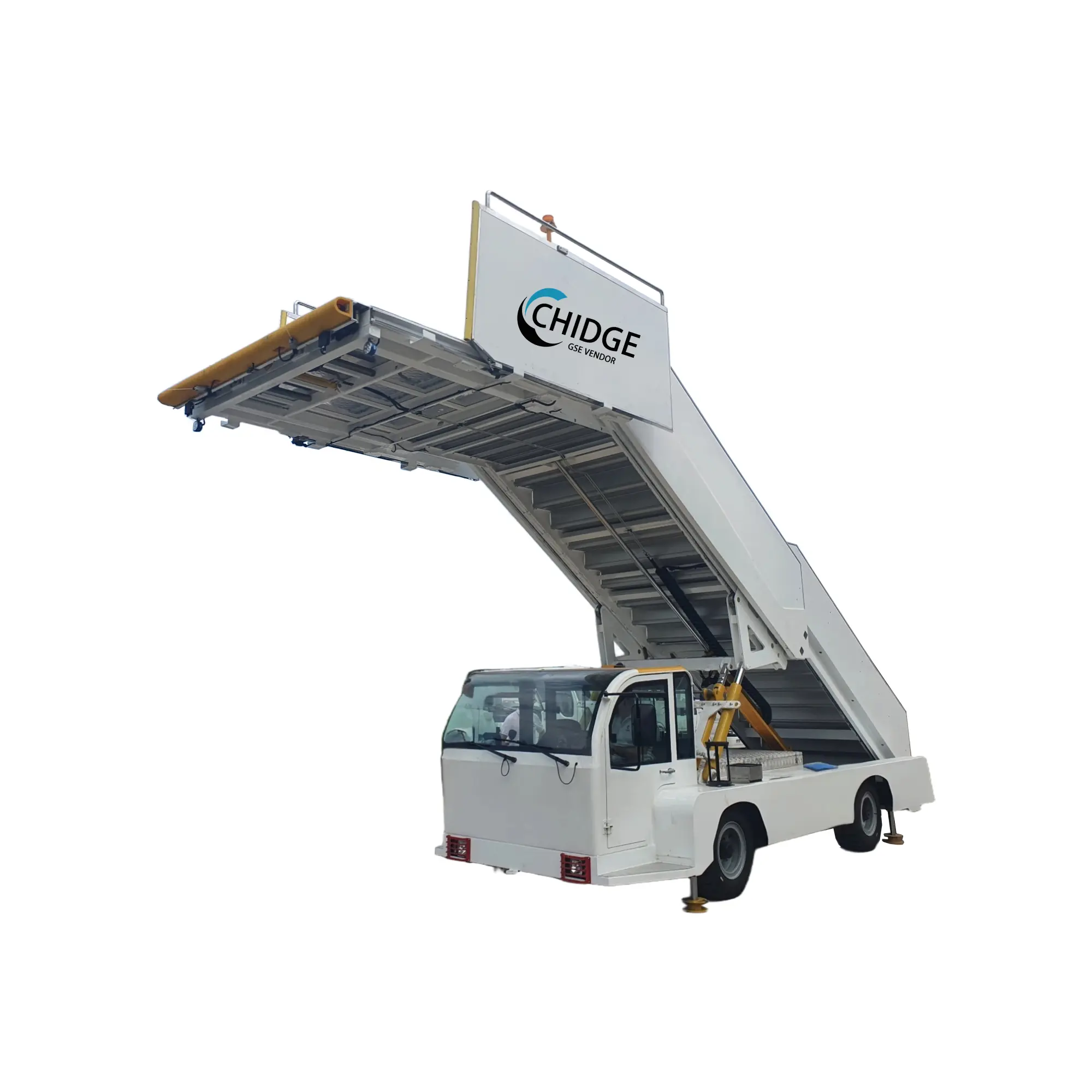
An analysis of modern passenger boarding stairs, highlighting structural wind load calculations, hydraulic safety locks, and the shift toward towable electric designs.
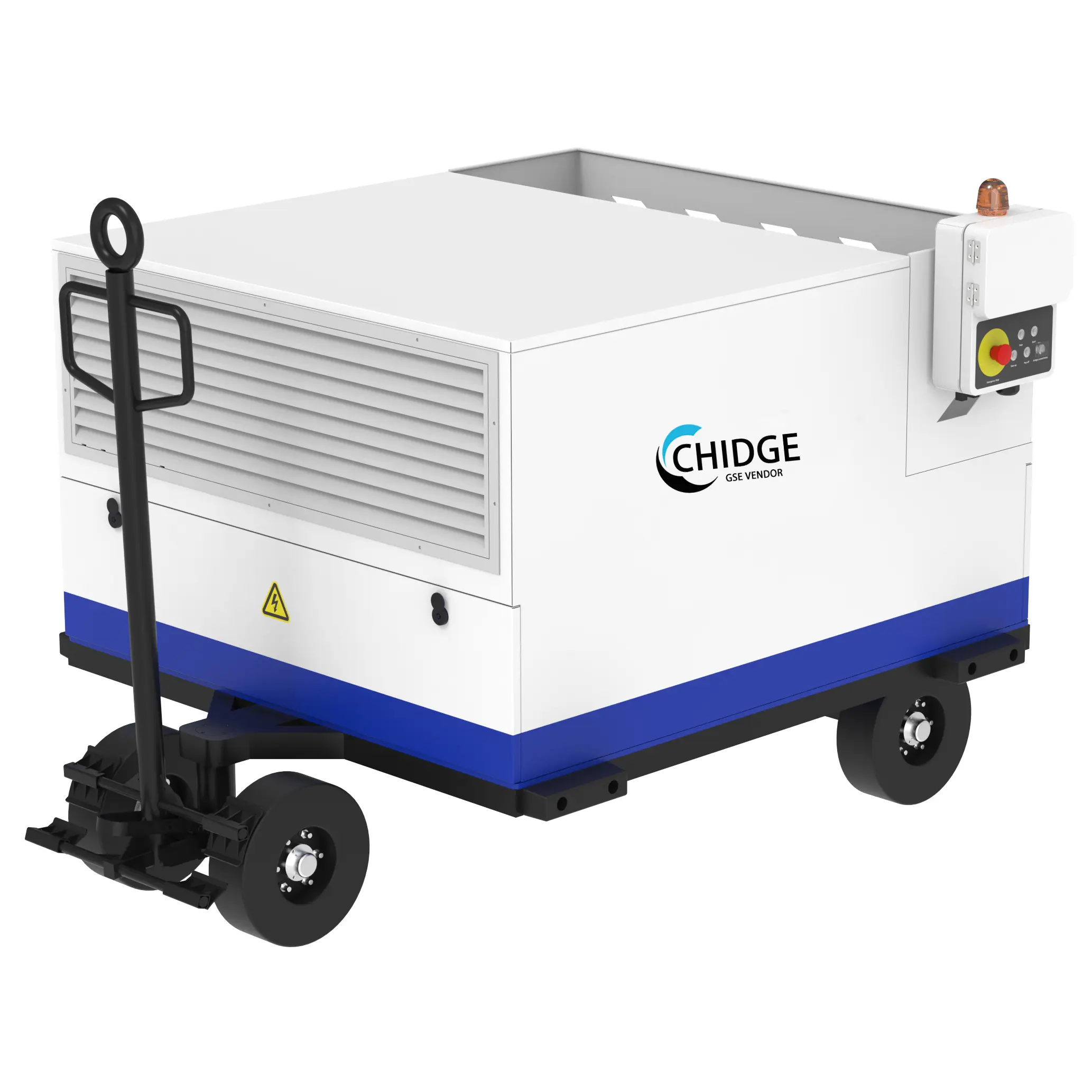
Exploring lithium-ion battery integration in towable GPUs. Read about peak shaving, reduced carbon footprints, and system efficiency comparison with diesel generators.
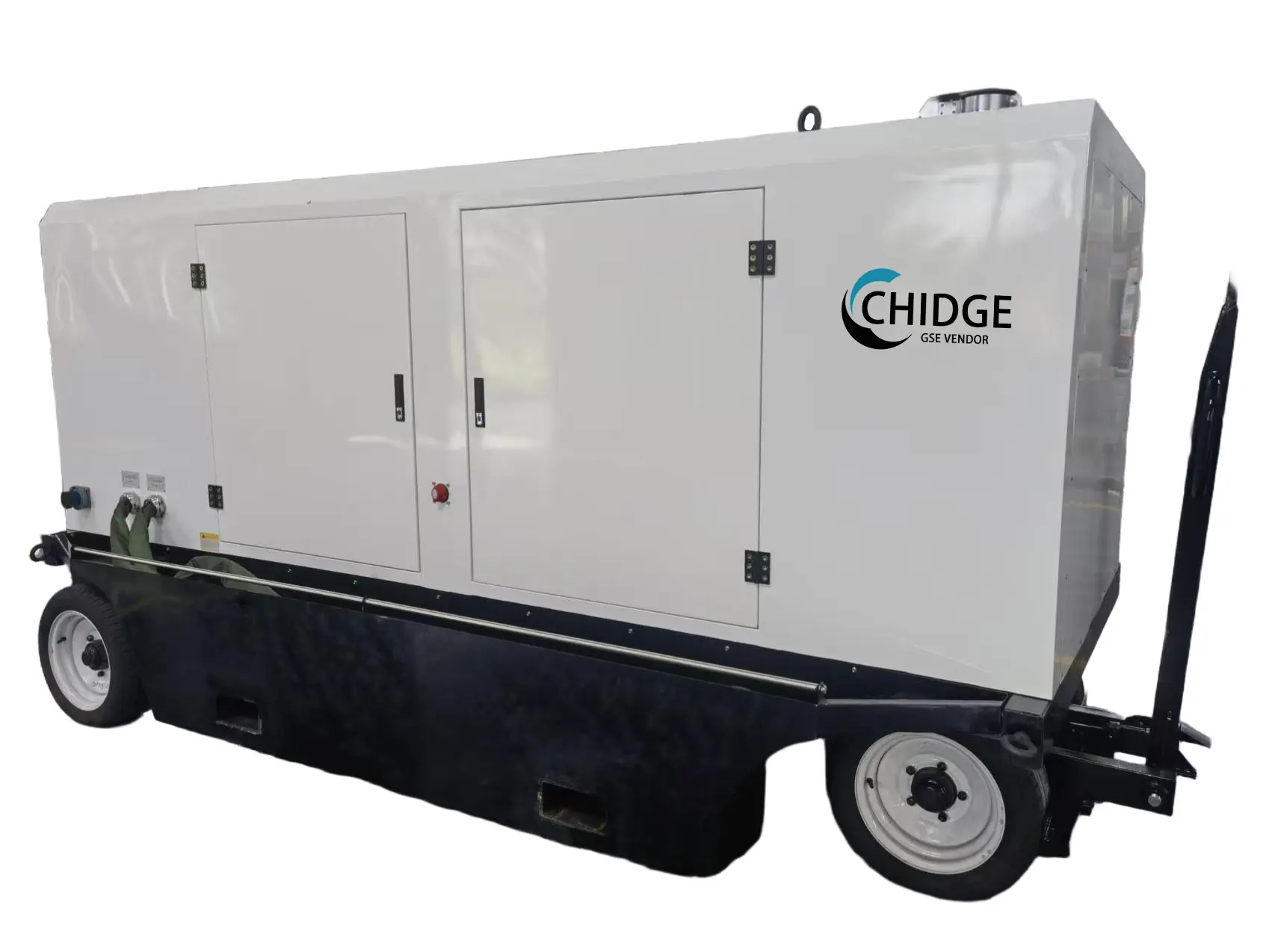
In the complex ecosystem of aviation operations, ensuring an aircraft is flight-ready involves a multitude of support systems. Among the most critical components in this pre-flight preparation is the Aircraft Ground Power Unit (GPU)...
Detailed technical answers addressing standard inquiries from engineers, airport procurement agents, and logistics planners.
Premium airport GSE designed to withstand high cargo loads and harsh winter weather conditions.
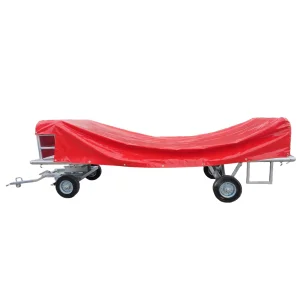
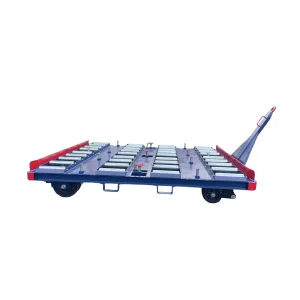
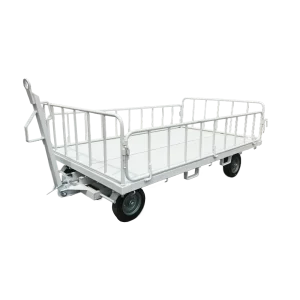
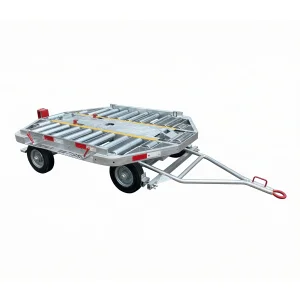
 Chidge Dolly