Engineered for high-frequency operations at modern airports and international cargo hubs.
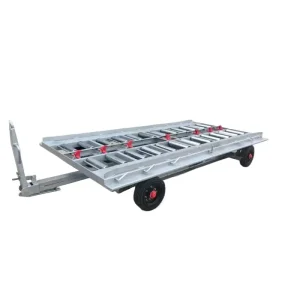
Designed for heavy cargo configurations, ensuring safety and extreme reliability during high-frequency cycles.
China LD6 container dolly Manufacturer, Factories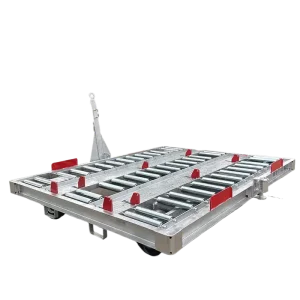
High structural integrity and optimized load balancing for effortless cargo movement inside airports.
China 7T Pallet dolly Manufacturer, Factory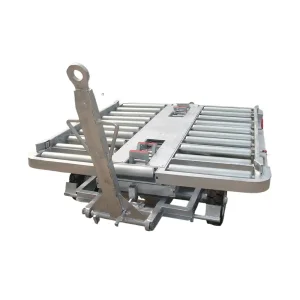
A global standard cargo carrier solution optimized for long-term wear resistance and tow-bar longevity.
Wholesale LD3 container dolly Manufacturers, Suppliers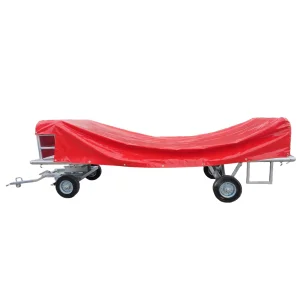
Durable design with integrated safety braking mechanisms for optimal airport transit terminal operations.
China Baggage trolley Manufacturer, Factories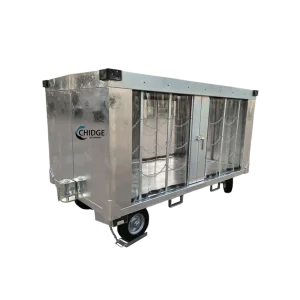
Complete environment shielding that protects passenger cargo and industrial load under heavy weather conditions.
Custom Rainproof Luggage Cart Factory, Factories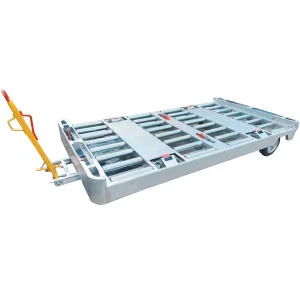
Engineered for high load limits and features custom turn-table components for multi-directional maneuverability.
Custom Container Dolly: Heavy-Duty Transport Solution Supplier, Factory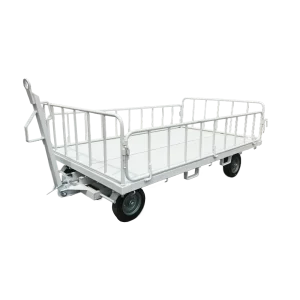
Corrosion-resistant materials and robust steel cage architecture for efficient handling of loose passenger bags.
China Baggage Cart Supplier, Factory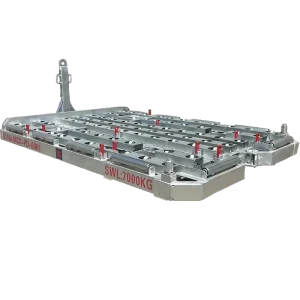
Heavy duty castle pattern rollers enabling omni-directional rotation for large shipping containers.
Custom 7T castle pallet dolly Suppliers, FactoriesThe global aviation ground support equipment (GSE) market is undergoing a seismic paradigm shift. Driven by international decarbonization goals (such as IATA's Net-Zero Carbon Emissions by 2050 targets) and the rapid automation of airport logistics, procurement teams are looking for more than just mechanical hardware. Modern GSE operations require high-performance, energy-efficient, and connected solutions. This whitepaper analyzes the pivotal role that Chinese towing tractors manufacturers and suppliers play in this transition, exploring advanced metallurgy, electrification pathways, global supply chain optimization, and total cost of ownership (TCO) reductions.
China's dominance in industrial machinery manufacturing is not merely a matter of scale; it is rooted in structural supply chain advantages, extensive materials research, and rapid prototyping capabilities. When sourcing towing tractors and ground support equipment from top Chinese manufacturers, global enterprises benefit from:
Efficient ground handling is a delicate balance of timing, safety, and equipment readiness. Towing tractors act as the connective tissue of this system, pulling passenger luggage carts, heavy cargo dollies, and even positioning multi-million dollar aircraft. Our integrated solution bridges the gap between hardware and operational efficiency:
Integrating telemetry modules into towing tractors to track GPS locations, state of charge (SoC) for battery electric models, maintenance intervals, and driver safety behaviors in real-time.
Designing charging solutions that sync with airport down-time schedules. Multi-voltage fast chargers allow tractors to top up during operator shift changes, eliminating downtime.
Providing specialized shipping methods and modular assembly designs that reduce container shipping costs, allowing seamless rollout across overseas airport operations.
The next frontier for baggage and cargo towing is autonomous navigation. Leading Chinese research centers are actively developing Level 4 autonomous tractors equipped with LiDAR, stereoscopic cameras, and RTK-GPS systems. These vehicles safely navigate complex apron routes alongside ground staff, avoiding collisions and optimizing paths to save battery life. By investing in our modular GSE platforms today, you ensure compatibility with upcoming automation upgrades tomorrow.
Explore our deep catalog of specialized ground support units designed to meet the rigorous safety and performance guidelines of international airports.
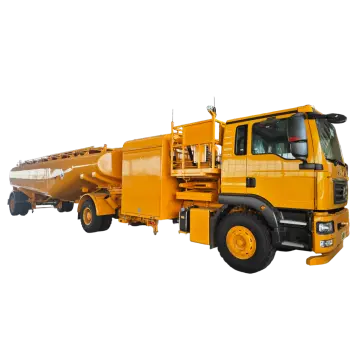
Equipped with specialized filtration, metering, safety pressure controls, self-circulation mechanisms, and heavy-duty chassis integration.
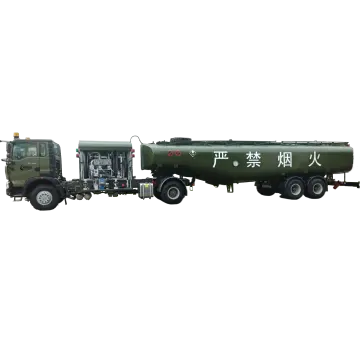
High-volume refueling tanker equipped with advanced electronic metering systems and explosion-proof valves.
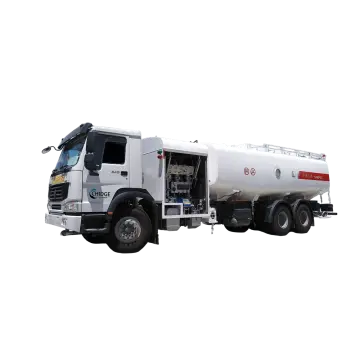
A dual-purpose runway servicing refueling tanker with modular plumbing systems designed for quick maintenance access.
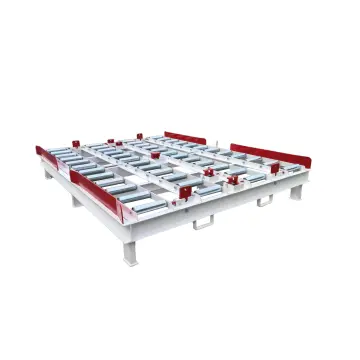
Specifically manufactured to receive, spin, and transfer standard air cargo pallets within terminal warehouses.
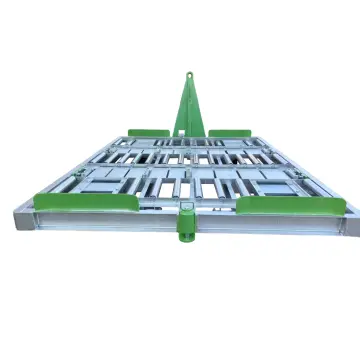
Standard design featuring hot-dip galvanized chassis, multi-directional rollers, and a spring-loaded tow-bar braking system.
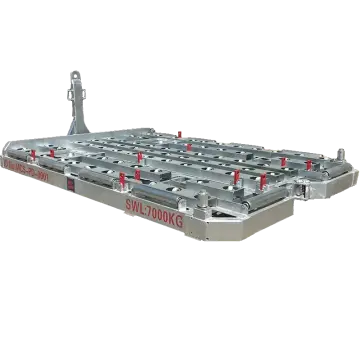
Custom industrial load configuration with heavy duty rotating casters for handling heavy air containers.
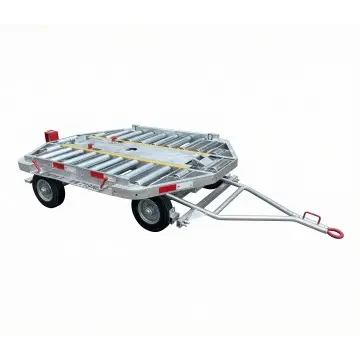
Featuring reinforced stopper gates, low-resistance wheels, and high structural durability for demanding airport operations.
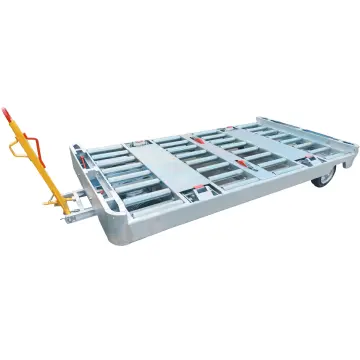
Heavy-duty steel chassis dolly with custom options for international air shipping hubs.
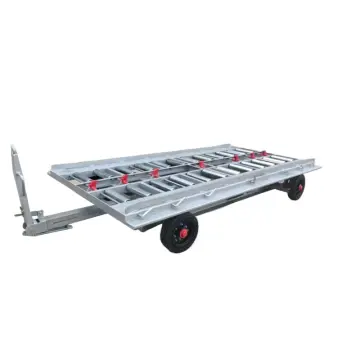
A sturdy freight transport dolly featuring dual wheels and a reliable lock-on mechanism for pallet security.
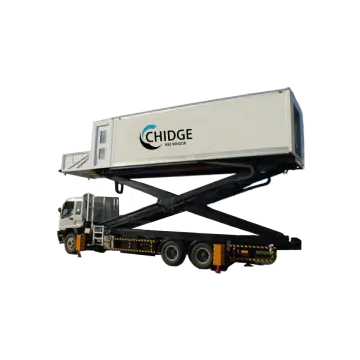
High-lift insulated compartment designed for airline food and beverage provisioning, meeting strict food handling standards.
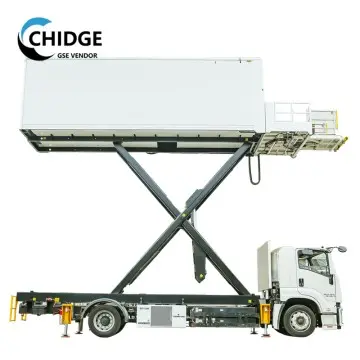
Zero emissions operation, low noise levels, and intelligent high-lift stability controls for green airports.
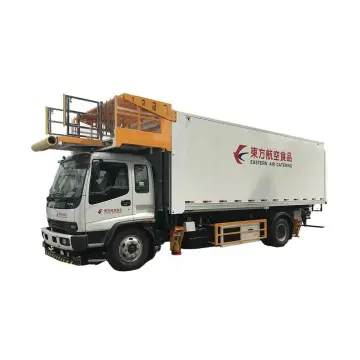
Sturdy scissor lift design with comprehensive hydraulic interlocks to prevent high-lift tipping.
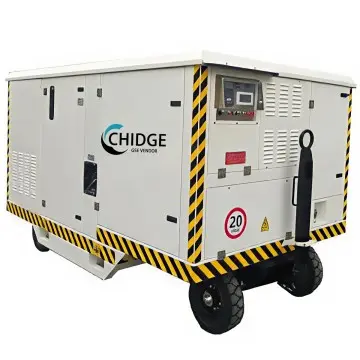
Delivers high-volume thermal air flow directly into parked cabins, keeping temperatures stable during winter layovers.
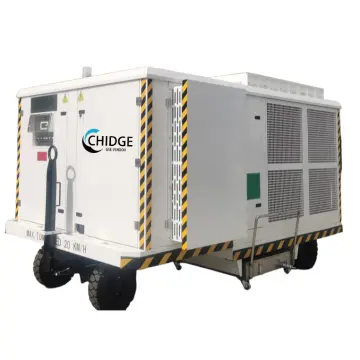
Highly efficient cooling and heating PCA unit that reduces dependency on auxiliary power units (APU).
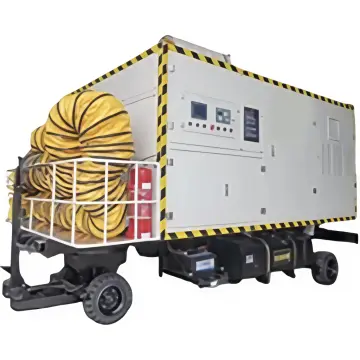
Compact, towable cabin heater with diesel-fired furnace, providing rapid warming for narrow-body and wide-body airplanes.
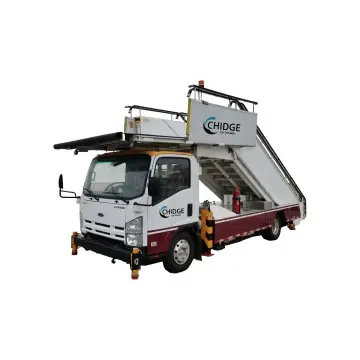
Fully electric mobile boarding stairs featuring high-stability landing platforms and ergonomic handrails.
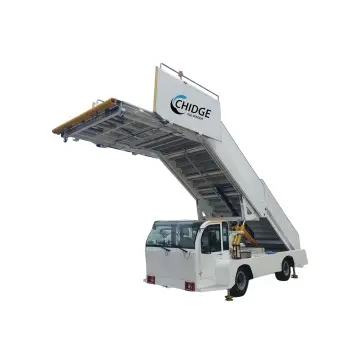
Diesel engine powered self-propelled stairs with telescoping canopy configurations for all-weather boarding.
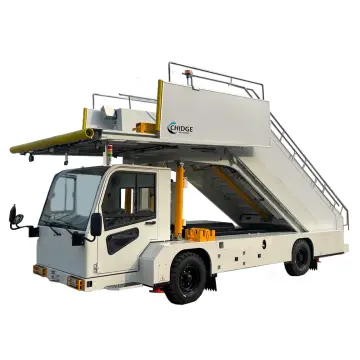
Versatile boarding height capability, anti-skid step surfacing, and integrated safety warning lights.
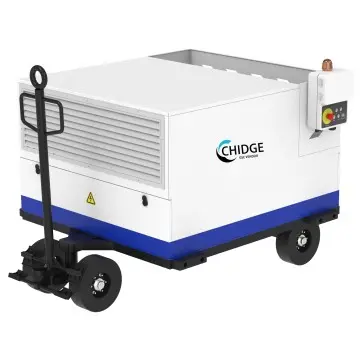
Equipped with lithium battery storage packs, delivering stable 400Hz electricity without burning fuel.
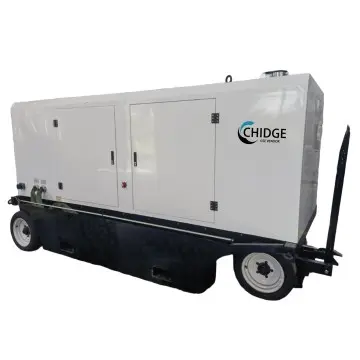
Heavy duty towable diesel generator providing high-precision electrical output to parked commercial airliners.
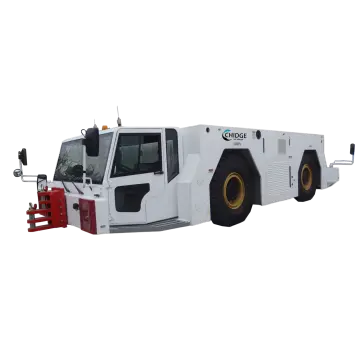
Designed for large commercial aircraft pushback operations, with extreme drawbar pull and all-wheel steering.
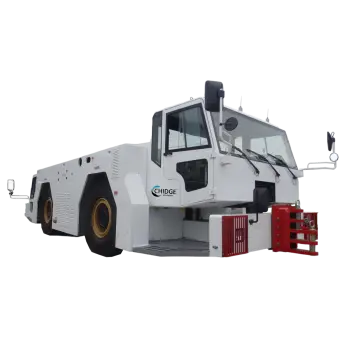
Mid-range tow tractor featuring optimized cabin visibility, heavy steel ballast, and multi-speed power-shift transmission.
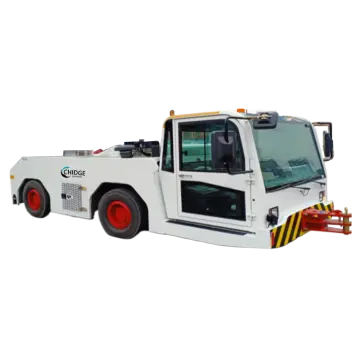
Compact and nimble pushback design, ideal for regional jets and narrow-body aircraft ground positioning.
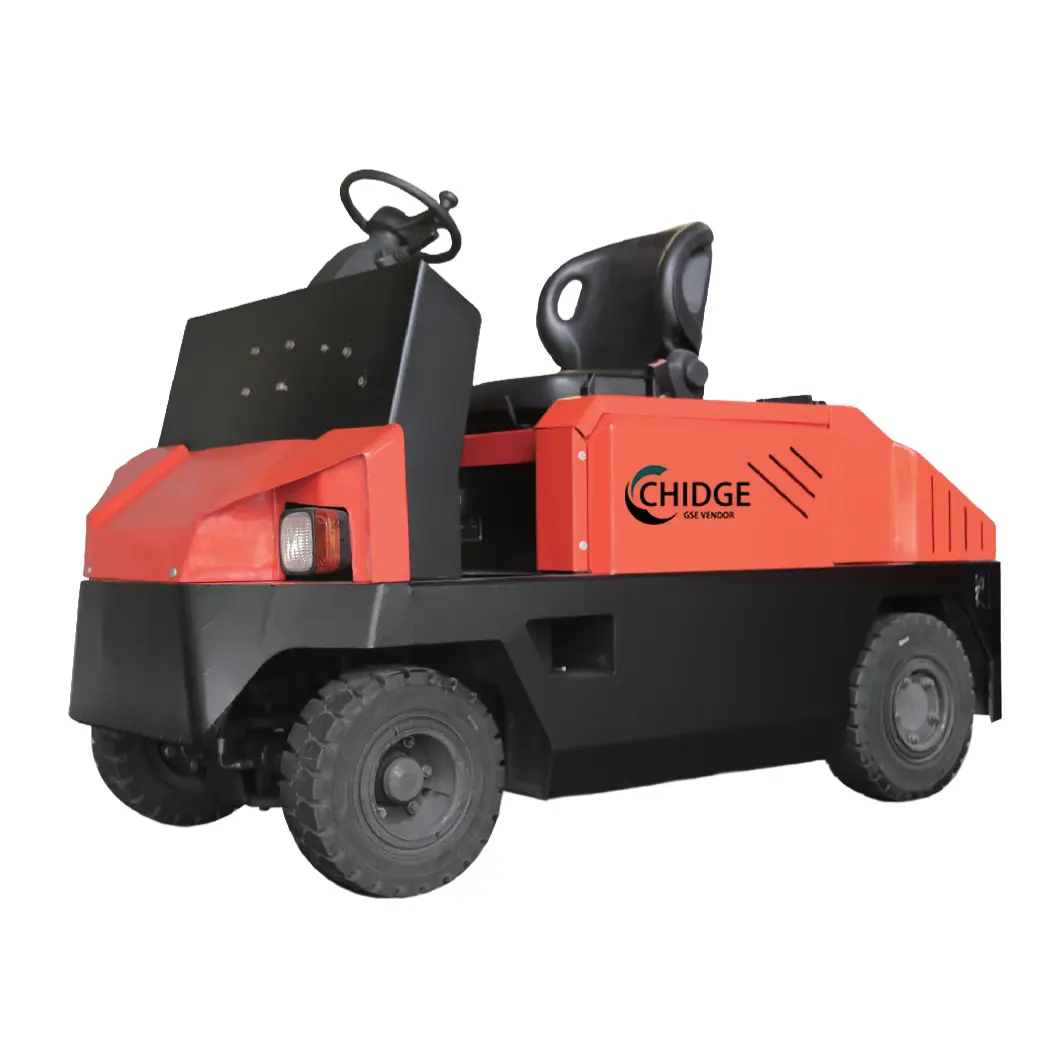
Equipped with a high-torque electric motor, regenerative braking, and ergonomic operator cabin controls.
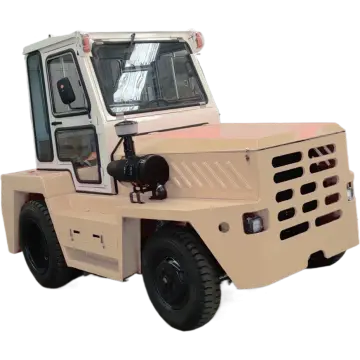
Extreme duty model for heavy cargo logistics, featuring a high-torque diesel engine and heavy-duty frame.
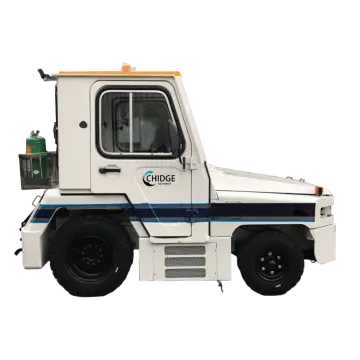
Advanced high-capacity electric tractor with a smart Battery Management System (BMS) for longer shift life.
A trusted manufacturing partner delivering standard products and customizable OEM/ODM solutions to major airports globally.
Our engineering team continuously integrates advanced technology and structural innovations, utilizing finite element analysis (FEA) to test stress points before manufacturing.
Every tractor and dolly undergoes rigorous load testing, braking tests, and compliance validation. Our equipment consistently meets ISO 9001 and CE requirements.
We provide end-to-end customizable solutions, modifying drawbar pull capacities, cab ergonomics, environmental enclosures, and safety systems to meet local aviation authority guidelines.
Expert answers to critical technical questions regarding the selection, sourcing, and maintenance of airfield towing equipment.
Drawbar Pull (DBP) is the amount of horizontal force a tractor can exert to move a load. It is determined by the vehicle's weight, the coefficient of traction, and drivetrain power. To choose the right tractor, you must calculate the total gross weight of the trailing load (baggage carts or aircraft), the maximum incline of the ramp, and tarmac surface conditions. For example, a 10-ton electric baggage tractor is generally suited for typical luggage train configurations, whereas aircraft pushbacks require significantly higher DBP rating (often 300kN to 700kN) to manage large commercial passenger jets.
While the initial acquisition cost of electric towing tractors is typically higher than diesel equivalents due to battery packs, the Total Cost of Ownership (TCO) is lower. Electric GSE eliminates fuel costs, reduces moving mechanical parts (no combustion engine, transmission repairs, or exhaust systems), and lowers scheduled maintenance costs by up to 60%. Additionally, e-GSE supports airport carbon offset initiatives, helping operators avoid emission penalties.
Our cargo and luggage dollies are equipped with tow-bar actuated braking systems. When the tow-bar is dropped or raised to a vertical position, the parking brake engages automatically to prevent runaway incidents. Additionally, container dollies feature heavy-duty mechanical stops and gravity-actuated locking pins to secure ULD containers during transport across wind-swept airfields.
Yes. As a direct OEM/ODM manufacturer, we can configure our towing tractors and dollies with E-type couplers, automatic pin hitches, pintle hooks, or custom quick-release coupling setups. This ensures seamless integration with your existing fleet of GSE without requiring modifications on-site.
All our GSE products are designed and manufactured in compliance with international aerospace standards, including ISO 9001 quality management, CE mark requirements, and specific IATA Airport Handling Manual (AHM) guidelines. We run strict factory testing protocols and provide full documentation to facilitate domestic customs clearance and airport operator approvals.
Explore our heavy-duty freight dollies designed for high payloads and harsh weather conditions.
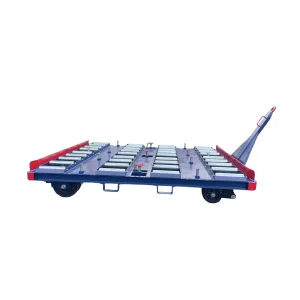
Heavy duty build for 10-foot cargo containers. Features solid tires and heavy wear-resistant roller tracks.
China 10FT Pallet Dolly Manufacturer, Factories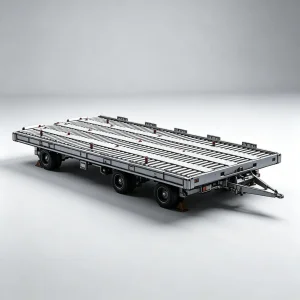
Super heavy duty load carrier designed for oversized logistics and military-grade freight handling.
China 35Ton 20FT Pallet Dolly Manufacturer, Factories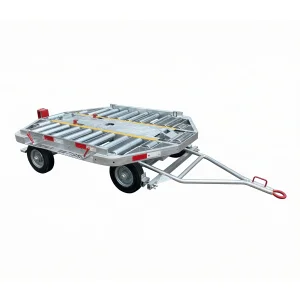
Modernized, optimized chassis design for fast baggage operations. Low rolling resistance tires reduce towing wear.
Wholesale New LD3 Container Dolly Suppliers, Factory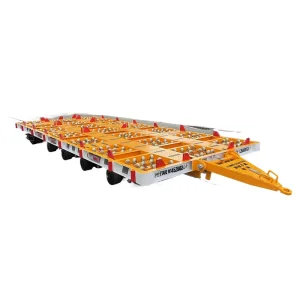
High capacity cargo dolly configured with multi-row rolling beds for standard air freight pallets.
China 27Ton 20FT Pallet Dolly Manufacturer, Factories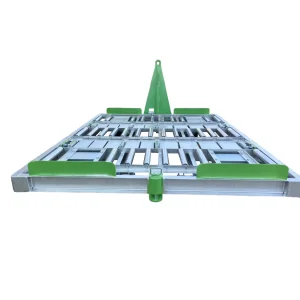
Engineered to handle general pallet cargo. Solid steel design keeps maintenance down-time to a minimum.
China Pallet Dolly Manufacturer, Suppliers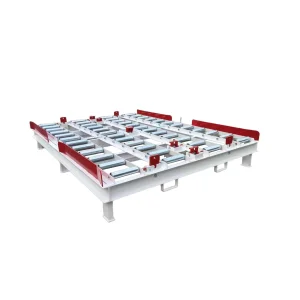
Low profile deck equipped with dual casters, designed for versatile warehouse maneuvering.
Custom Slave Pallet Dolly Supplier, Suppliers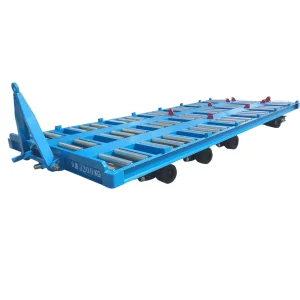
Engineered for high cargo weight limits, optimized for continuous push-pull stress cycles.
Custom 18T 20FT Pallet Dolly Manufacturer, Supplier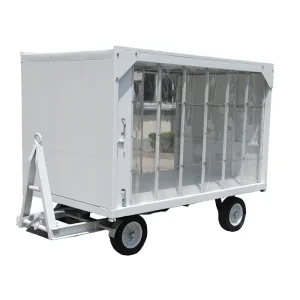
Waterproof panels protect baggage during apron transport. High quality door hinges prevent cargo loss.
Wholesale Enclosed Baggage Cart Manufacturer, Supplier Chidge Dolly