Explore our elite portfolio of high-capacity airport utility vehicles, cargo dollies, and critical ground system support machinery engineered to maximize efficiency.
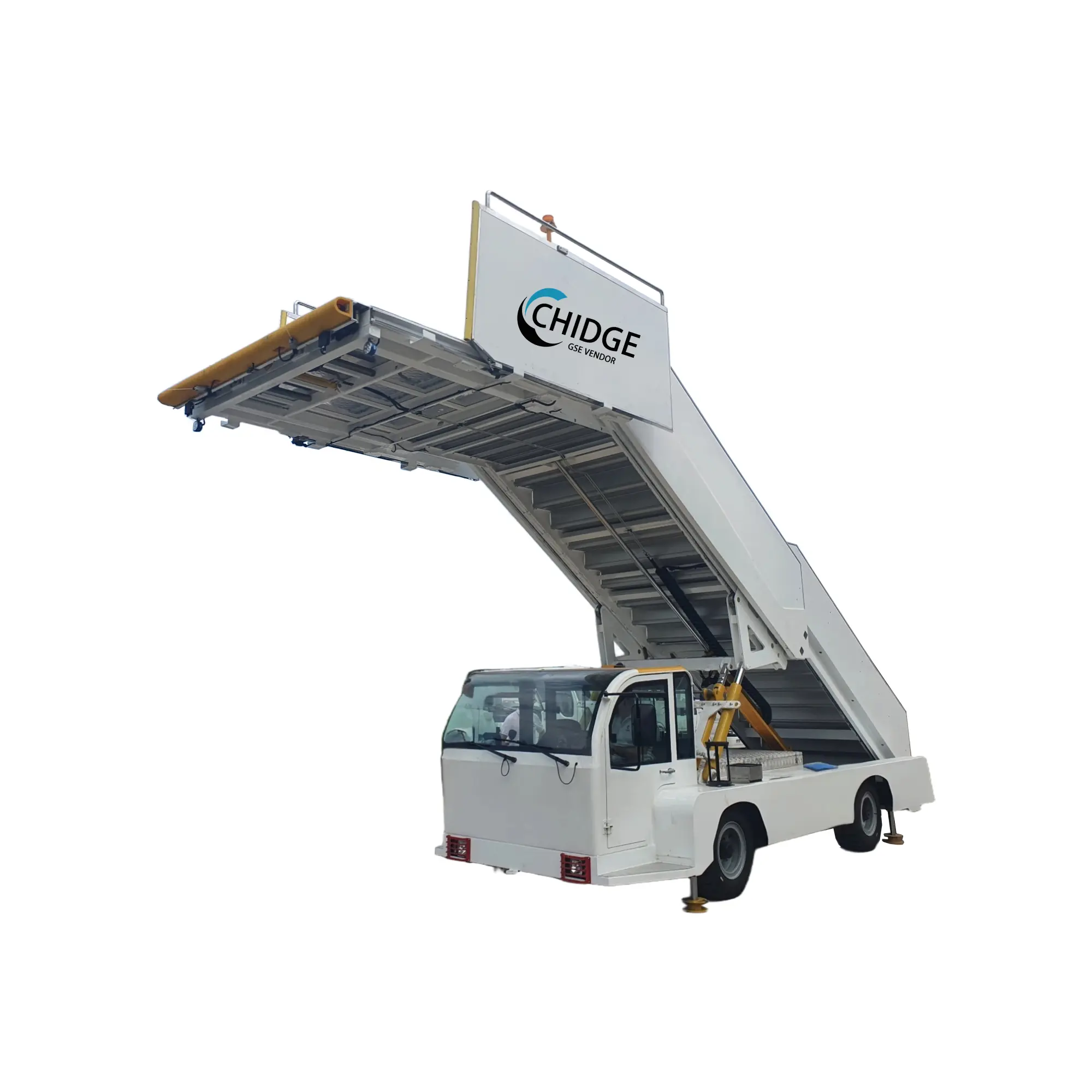
Built on a heavy-duty chassis with hydraulic scissor lifts, ensuring safe, stable, and rapid cabin access for widebody commercial aircraft.
Learn More
Delivers high-pressure pneumatic airflow required for starting main aircraft engines across dynamic climatic envelopes.
Learn More
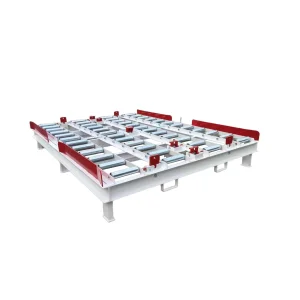
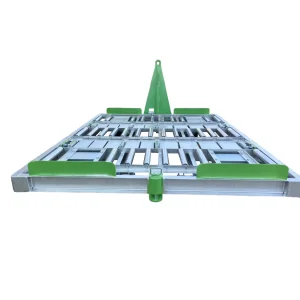
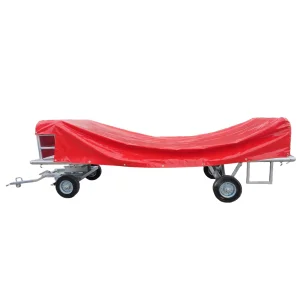
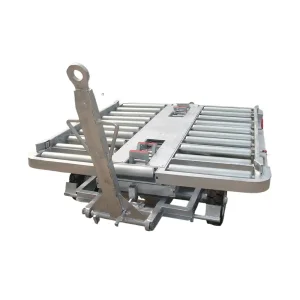
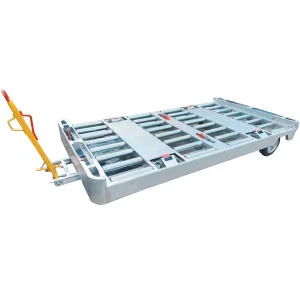
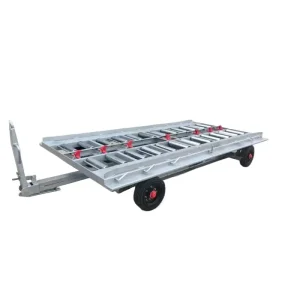
Optimized roll bed design for seamless standard container transport with integrated lock security protocols.
Learn More
Model CD5060DWS engineered for hygienic waste disposal, fast turnaround cleaning, and anti-corrosive stainless tanks.
Learn More
Advanced Air Conditioning Units designed to regulate aircraft cabin climate, maintaining peak passenger comfort on the tarmac.
Learn More
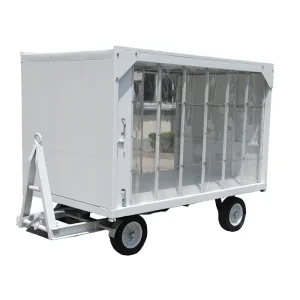
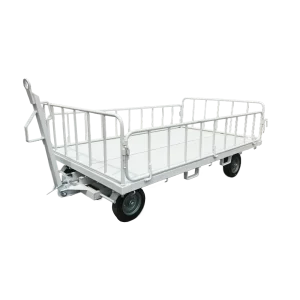
Fully enclosed weather-resistant carts providing high payload protection for luggage and sensitive cargo from ambient elements.
Learn More
Supplies clean hot air to cabins in extreme subzero regions, ensuring cabin system integrity and passenger thermal comfort.
Learn More
Heavy-duty 50-100Ton pulling capacity with advanced transmission configuration, optimizing runway and warehouse logistics.
Learn MoreThe global aviation ecosystem is undergoing a dramatic operational shift. Ground Support Equipment (GSE), specifically Towable Ground Power Units (GPUs), plays a major role in optimizing aircraft turnaround performance and achieving structural decarbonization goals. Modern towable GPUs serve as the primary lifeline for aircraft parked at passenger boarding bridges or remote parking stands, supplying clean, continuous electrical power (typically 400Hz AC for avionics and system diagnostics, and 28.5V DC for smaller turboprop or narrowbody regional airframes).
By shifting power generation from the aircraft's fuel-consuming Auxiliary Power Unit (APU) to high-efficiency, localized towable ground systems, airlines can significantly reduce turbine engine degradation, conserve high-cost jet fuel, and comply with the increasingly strict environmental directives in international aviation hubs.
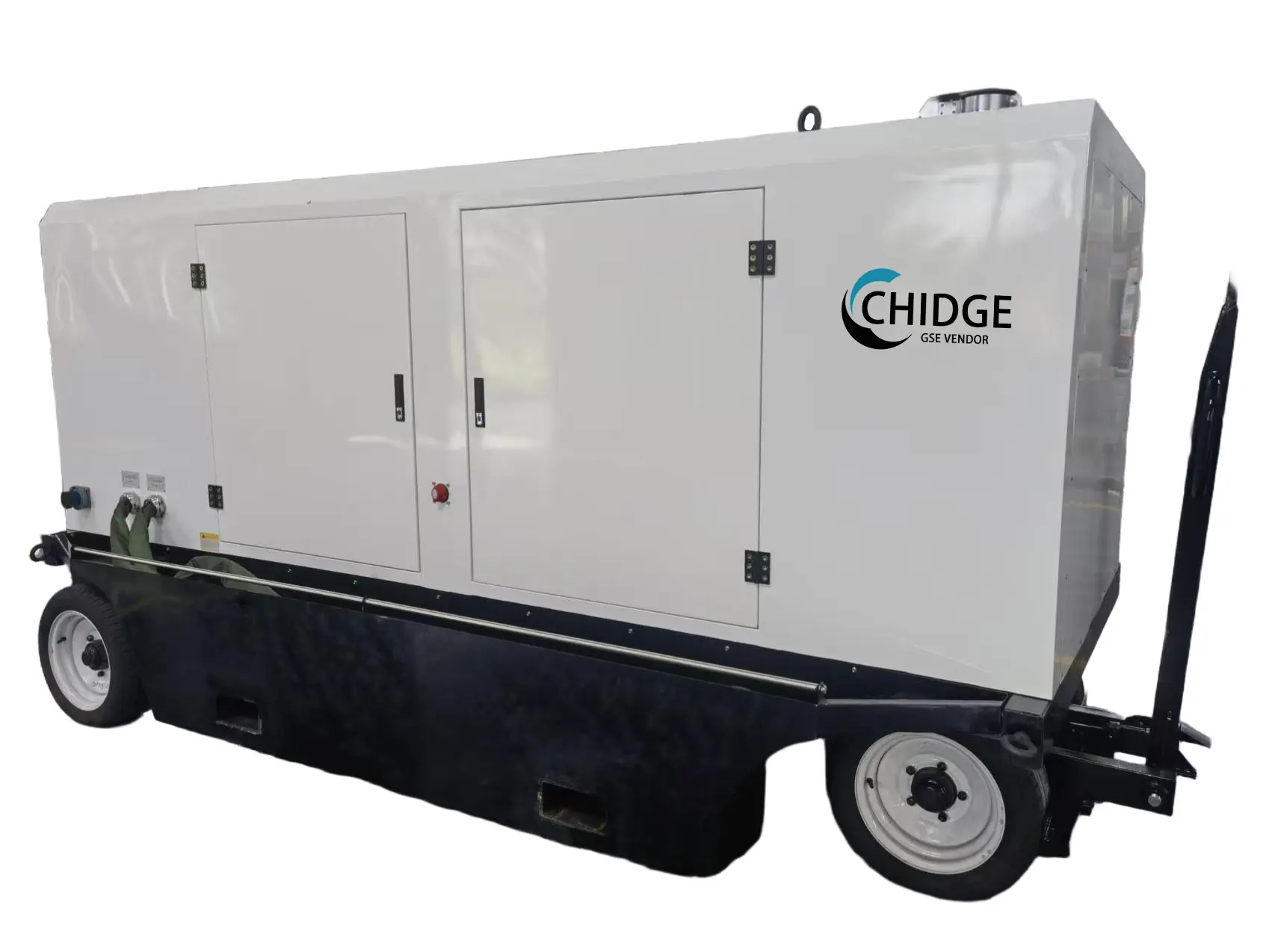
Designed for harsh tarmac environments and high-stress operations, our towable GPUs incorporate advanced electrical protections and rugged configurations.
Converts standard utility grid power (50/60Hz) to pure sinusoidal 400Hz AC power with minimal harmonic distortion (THD < 2%) for delicate flight deck computers.
Continuous monitoring mechanisms prevent damage to the aircraft with instantaneous overcurrent, under-voltage, short-circuit, and lightning protection.
Includes hot-dip galvanized steel frames, double-torsion rubber suspension axes, and four pneumatic tires for safe towing up to speeds of 25 km/h.
China's aviation GSE manufacturing centers have evolved beyond basic assembly into advanced design and structural optimization hubs. With full vertical integration of the supply chain—from high-grade copper windings and rugged industrial solid-state switches to smart PLC microcontrollers—Chinese factories offer unmatched turnaround speed and significant scale advantages.
Furthermore, Chinese suppliers implement strict quality assurance policies that comply with leading European and North American aerospace standards. Our factories verify and calibrate each towable GPU on heavy-load testing rigs, replicating realistic ground-handling operating stress to ensure maximum uptime on the apron.
A comprehensive range of ground equipment designed to facilitate smooth ground handling, cargo logistics, and terminal utility operations.
Equipped with fuel filtration, volumetric metering, dynamic self-circulation, and dual pressure control systems for reliable runway refueling.
Industrial Spec
Large volume capacity fuel transport engineered for long range commercial jets. Compliant with strict safety regulations.
Large Fleet Ready
Heavy duty pumping configuration with advanced metering, ideal for remote parking stand fueling.
Precision Flow Control
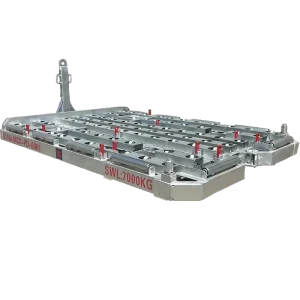
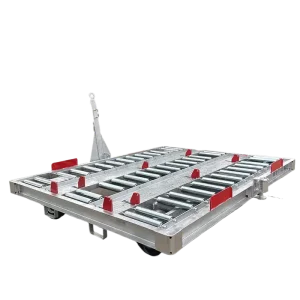
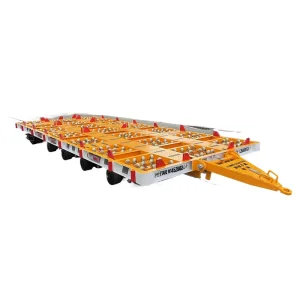
Ultra-low profile design optimized for seamless, multi-directional heavy pallet maneuvering inside MRO hangers and cargo ports.
Low Clearance Design
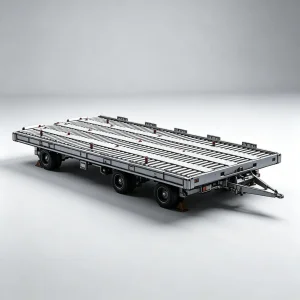
Reinforced load frame with heavy-duty rollers and reliable dual-break systems for safe runway transport.
All-Weather Utility
7-ton maximum payload limit. Reinforced layout structure prevents warping or failure during fast-paced cargo turnarounds.
7-Ton Capacity
Self-propelled, electric model designed to minimize fuel emissions and ensure smooth docking with diverse airplane models.
Eco-Friendly Boarding
Diesel engine version designed for high-frequency operations, featuring stable hydraulic supports and safety handrails.
Diesel Reliability
High-reach capability suitable for widebody commercial aircraft, prioritizing crew and passenger safety.
Widebody SupportDecarbonization is transforming airport operations. Let's look at how modern GPU engineering is evolving to meet international environmental regulations.
Global aviation regulators are pushing for net-zero emissions at airports, leading to the rapid adoption of zero-emission ground equipment. Traditional diesel-powered GPUs are being replaced by hybrid or fully electric solid-state towable models that feature high-capacity Lithium Iron Phosphate (LiFePO4) battery systems.
These advanced energy storage GPUs can be recharged using standard terminal grids during off-peak hours, providing clean, silent power at the gate. This configuration helps eliminate regional particulate emissions and lowers noise levels, creating a safer and more comfortable work environment for tarmac handling crews.
Providing customized ground support configurations to international airlines, major cargo hubs, and logistics networks.
We supply high-efficiency ground support equipment tailored to the unique fleet configurations of global airlines and logistics providers. Our systems are engineered to withstand extreme climates and variable tarmac terrain, providing reliable operation under high load demands.
With our custom manufacturing services, we adapt equipment configurations to meet specific local operating requirements, system outputs, and safety standards, helping airports streamline turnaround times and reduce ground support overheads.
We work with trusted logistics partners to ensure timely, secure delivery of ground support equipment to maintenance hangers and airports worldwide. Each system includes detailed operating manuals, on-site commissioning guides, and direct technical support.
Our global engineering network provides prompt access to replacement parts, regular diagnostics, and maintenance support, ensuring high equipment uptime and reliable ground operations.
We manufacture equipment to your design specifications, selecting materials and components that meet local regulatory requirements and fleet standards.
Our engineering team designs complete ground support solutions from initial concept to prototype testing, prioritizing system efficiency and performance.
Explore our specialized towable ground support systems, advanced energy storage devices, and heavy-duty airport transport dollies.
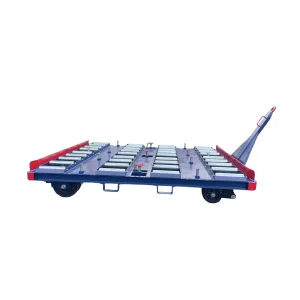
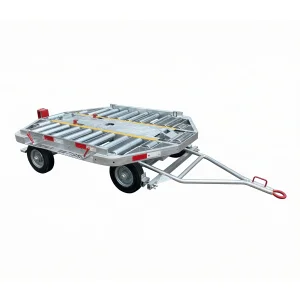
Designed for heavy cargo handling with multi-directional rollers and secure lock-downs for safe airport logistics.
Learn More
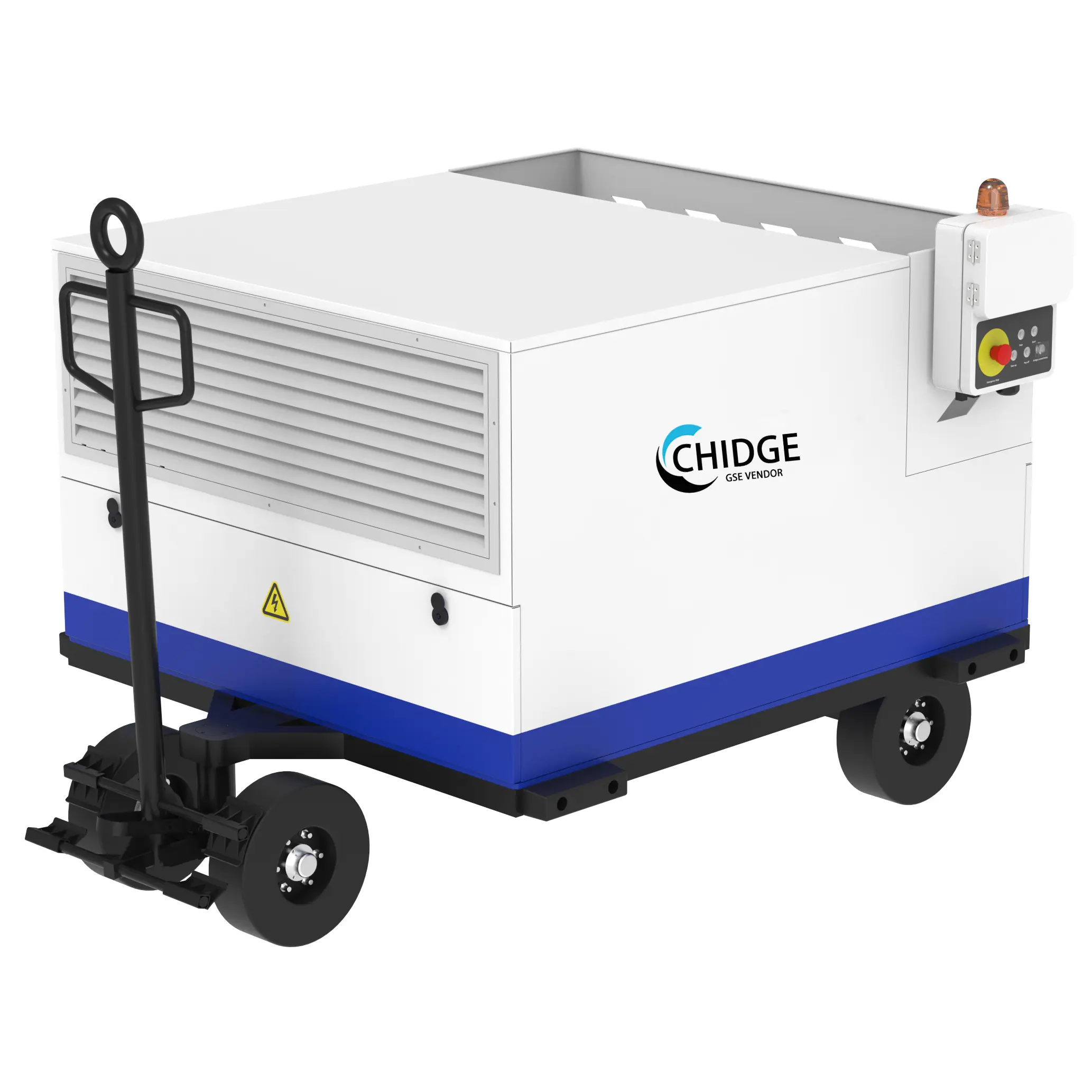
Zero-emission battery-powered ground power unit, providing silent, efficient 400Hz power for passenger gates.
Learn More
Electric potable water truck designed for safe and efficient water replenishment with food-grade sanitary systems.
Learn More
High-power aircraft towing tractor, built for safe pushback operations of narrow and widebody aircraft.
Learn More
A heavy-duty towing tractor designed to deliver reliable aircraft maneuvering under high-turnaround conditions.
Learn More
A reliable tug featuring ergonomic controls and a high-drawbar pull design for efficient gate maneuvering.
Learn More
Pre-Conditioned Air unit designed to maintain comfortable cabin temperatures during passenger boarding.
Learn More
A stationary 400Hz frequency converter designed to deliver stable power to aircraft in maintenance hangars.
Learn MoreWe are committed to providing reliable, high-performance ground support equipment that delivers long-term value for our global customers.
Stay updated with the latest technological developments, safety standards, and emerging trends in airport ground support equipment.
An overview of how modern boarding stairs are designed to improve safety, speed up passenger boarding, and fit different commercial aircraft models.
A detailed look at the technology behind energy storage GPUs, explaining how lithium battery packs can help airports lower fuel costs and meet emissions goals.
An in-depth guide on the role of ground power units in pre-flight preparation, system diagnostics, and tarmac operations without using the aircraft's APU.
Common technical and operational questions about selecting, maintaining, and using towable ground power systems.
Aviation systems use 400Hz AC power to reduce weight. Higher electrical frequencies allow generators, motors, and transformers on the aircraft to be smaller and lighter, saving cabin space and lowering fuel consumption during flight.
Engine-driven GPUs use a diesel generator to generate 400Hz or 28.5V DC power, making them highly portable and independent of terminal grid connections. Solid-state GPUs convert terminal power grid frequency using frequency converters, providing silent, zero-emission operation with minimal moving parts and lower maintenance requirements.
For global airport operations, a towable GPU should comply with international standards such as IATA AHM 921 (design and safety guidelines for ground power), ISO 6858 (aircraft ground support electrical requirements), CE directives for Europe, and standard UL safety certifications for North America.
Advanced battery-powered GPUs feature thermal management systems that pre-heat or cool the battery cells during operation. This ensures reliable 400Hz/28.5V output in cold climates down to -30°C and hot tarmac environments up to +50°C.
With regular maintenance and component service, solid-state towable GPUs can operate for 12 to 15 years. Diesel-powered units typically require engine overhauls or component replacements every 10,000 to 15,000 running hours to maintain optimal performance.