Discover our highly configurable, precision-engineered heavy cargo transport dollies, certified for harsh ramp environments.
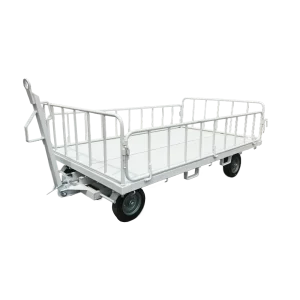
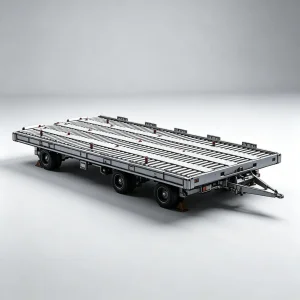
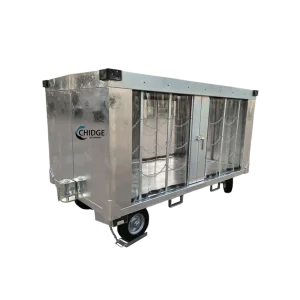
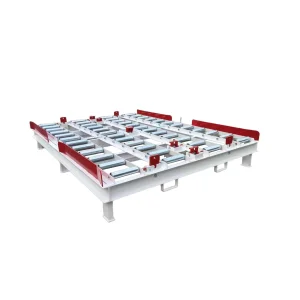
In modern high-throughput logistics terminals, maritime ports, and airport ramps, the requirement for seamless bulk movement of goods has intensified. Ground Support Equipment (GSE), specifically tow trucks for trailers and heavy aircraft towing tractors, form the backbone of terminal flow efficiency. Global aviation cargo volume and passenger travel demands call for highly reliable ground support machinery that operates with minimal downtime. Airport operators are migrating away from legacy systems to embrace smart, high-tonnage, and low-emission towing solutions that can interface dynamically with baggage dollies, cargo trailers, and aircraft fuselages.
Historically, heavy industrial towing relied heavily on internal combustion diesel vehicles. However, structural global changes—driven by carbon neutrality targets, strict occupational safety requirements, and volatile fuel costs—have shifted the market towards electrification and intelligent drivetrains. Modern airfields utilize highly specialized tugs like the CDT300, CDT450, and CDT700 towing tractors to push back commercial planes, while using electric tow tractors ranging from 10 to 50 tons to transport cargo matrices. In this evolving landscacpe, manufacturers who offer customizable systems (OEM & ODM) hold a significant market advantage.
Whether performing pushbacks in sub-zero Arctic zones using heated cabin systems or towing heavy cargo dollies under 50°C Middle Eastern desert heat, our vehicles rely on robust thermal management systems and heavy-duty radiator/chiller units to preserve powertrain stability.
Moving 20ft and 10ft cargo dollies across massive shipping bays requires high low-end torque. Our range of tow trucks for trailers features heavy-duty planetary gear axles and smart braking systems that allow precise steering control on tight docks and inclined berths.
Built with rugged steel alloys and reinforced military-grade components, these units withstand high mechanical shocks during tactical maneuvers. Custom OEM hitches guarantee compatibility with diverse tactical transport trailers and specialized military GSE.
The progression of heavy logistics tow vehicles is centered on electrification, automation, and telematics integration. To achieve superior reliability and performance, our manufacturing plants have designed an iterative technical roadmap:
| Vehicle Class | Primary Power Options | Max Drawbar Pull (kN) | Key Safety Integrations | Target Application |
|---|---|---|---|---|
| Heavy Aircraft Tractor (CDT700) | Diesel / High-Volt Electric | Up to 700 kN | Interlocking Pintle Hooks, Dual Circuit Braking | Wide-body Passenger & Freight Jets |
| Mid-Range Tug (CDT450 / 300) | Electric / Diesel | 300 - 450 kN | Auto-Braking, Anti-Collision Laser Radar | Narrow-body Aircraft, Heavy Cargo Pallets |
| Heavy Electric Baggage Towing | AC Electric System (LFP) | 80 - 150 kN | Hill Start Assist, Regenerative Drive Controls | Baggage Cart Trains, Mail Trailers |
| Industrial Trailer Tow Truck | Hybrid / Pure Electric | 50 - 120 kN | CAN-bus Diagnostic, Ergonomic Cabin Design | Intermodal Warehousing, Maritime Docks |
Purchasing heavy logistical machinery requires confidence in production capacity, part availability, and engineering precision. As a primary hub for GSE fabrication, China's manufacturing clusters provide several unique strategic benefits:
1. Vertically Integrated Metalworking & Component Sourcing: The geographic proximity to structural steel mills, precision hydraulic valve casting foundries, and high-capacity axle assembly plants means that custom design modifications can be completed rapidly. OEM & ODM modifications that take months elsewhere are executed in weeks.
2. Advanced Electric Vehicle Infrastructure: With China leading the global battery supply chain (producing the majority of the world's Lithium cells), our electric tow tractors are fitted with Tier-1 batteries (such as CATL or BYD cells) that feature highly integrated battery management systems (BMS). This ensures lower acquisition costs and faster delivery times.
3. Advanced Testing Facilities: Every unit leaving our production lines undergoes rigorous pull-testing on calibrated slipways, load cell evaluation, hydraulic pressure fatigue cycles, and vibration testing. This guarantees that the equipment performs flawlessly from day one on foreign airport ramps.
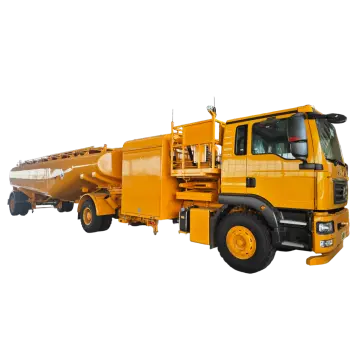
Integrated chassis and high-capacity fuel tank system featuring custom filtration, flow metering, multi-stage self-circulation, and active pressure monitoring.
Model Series Overview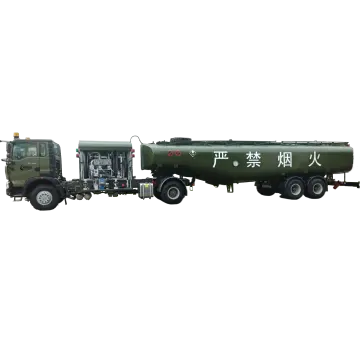
Heavy-duty, long-range refueling unit with high-volume pumping configurations designed for rapid international hub turnaround times.
Model Series Overview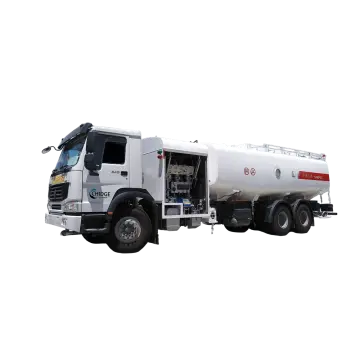
Equipped with specialized filtration systems and pressure control loops for safe fuel transfer under extreme heat or sub-zero ramp conditions.
Model Series Overview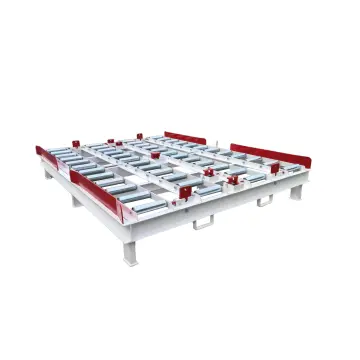
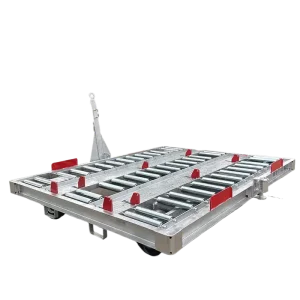
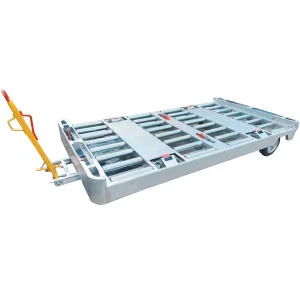
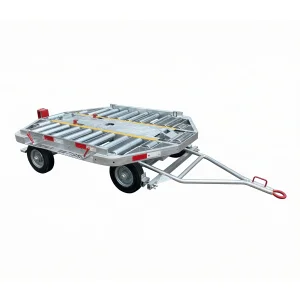
Designed for heavy cargo terminals, facilitating multi-directional pallet movement and easy container transfer on caster decks.
Model Series Overview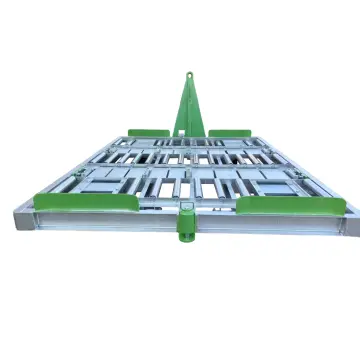
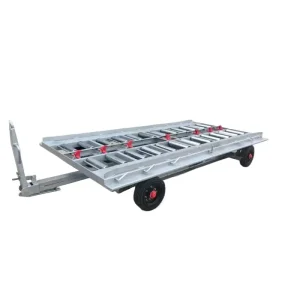
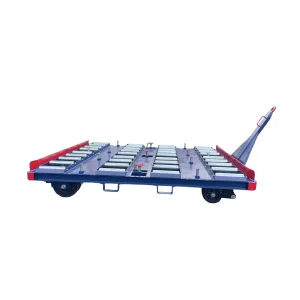
Robust structural steel chassis designed to handle high mechanical stress under heavy cargo loading configurations.
Model Series Overview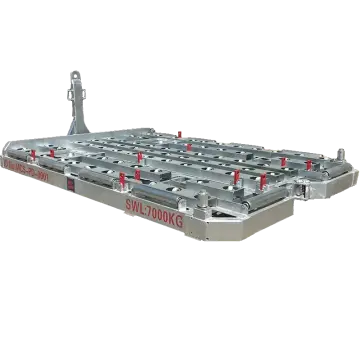
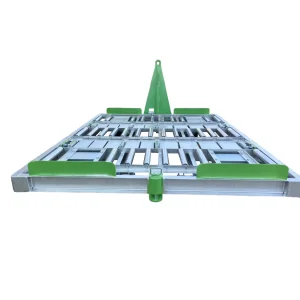
Equipped with a custom safety retaining barrier, heavy-duty swivel casters, and reliable handbrake systems for ramp parking.
Model Series Overview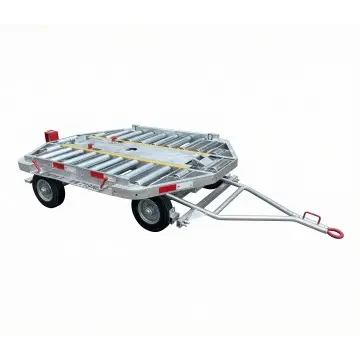
Optimized for LD3 aviation containers, featuring gravity locks and a low-profile deck height for safe manual cargo loading.
Model Series Overview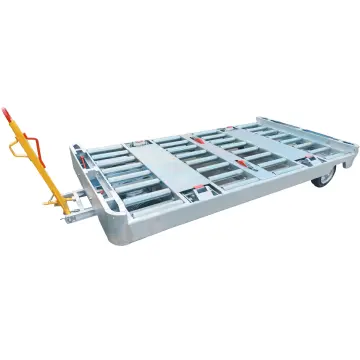
High-capacity chassis designed for transferring oversized cargo containers across international logistical terminals.
Model Series Overview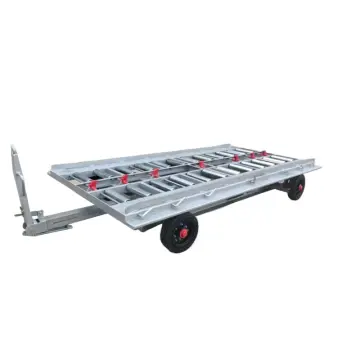
Specialized handling deck configured for quick securing and transit of standard LD6 air cargo containers.
Model Series Overview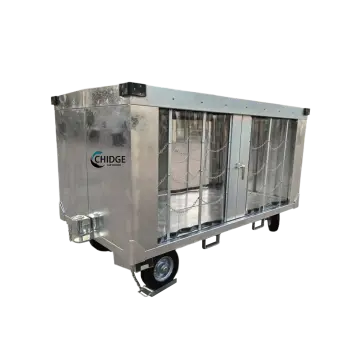
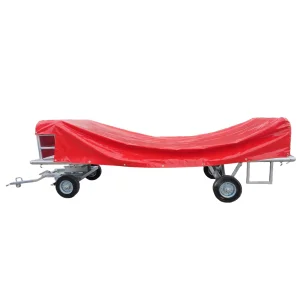
Weather-sealed canopy structure that protects passenger luggage from moisture, dust, and direct sunlight during transit.
Model Series Overview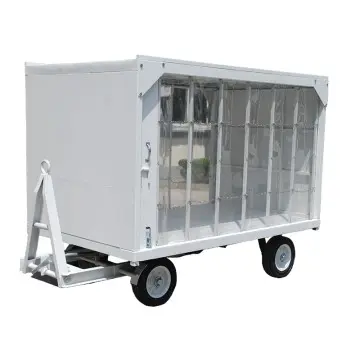
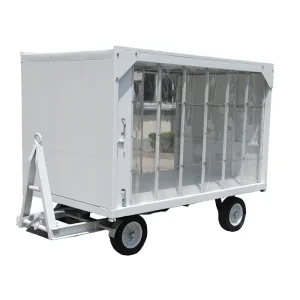
Vandal-resistant luggage transport cart featuring sliding door panels and durable, heavy-duty pneumatic tires.
Model Series Overview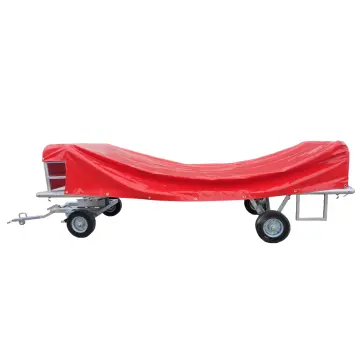
Lightweight, high-maneuverability pushcart designed for airport terminal passenger terminals and train stations.
Model Series Overview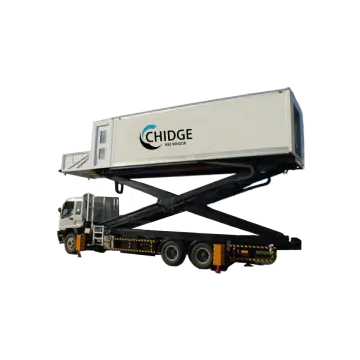
Equipped with a hydraulic scissor lift mechanism and insulated cabin walls for loading in-flight catering supplies.
Model Series Overview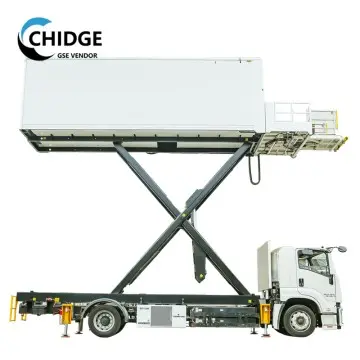
Zero-emission high-lift catering unit designed to align with commercial airline decarbonization targets.
Model Series Overview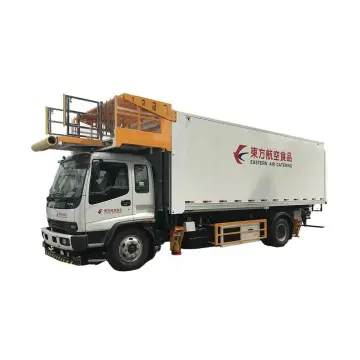
Reliable hydraulic lifting cargo body that interfaces smoothly with wide-body aircraft galley service doors.
Model Series Overview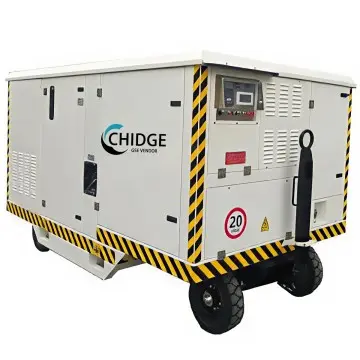
Delivers clean, heated air to the aircraft cabin during cold winter ground operations, helping protect onboard electronics.
Model Series Overview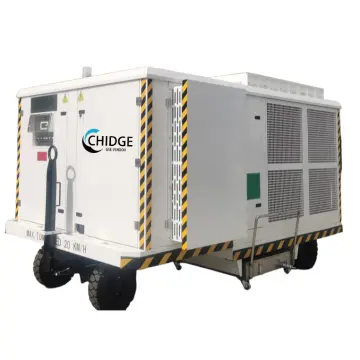
High-efficiency Pre-Conditioned Air unit that feeds clean, temperature-regulated air to parked passenger jets.
Model Series Overview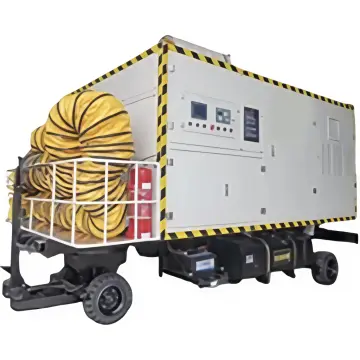
A compact mobile heating unit designed for narrow-body aircraft, regional jets, and military helicopters.
Model Series Overview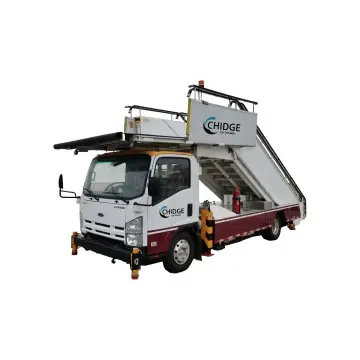
Engineered with non-slip stair treads, LED safety illumination, and dynamic leveling jacks for passengers boarding aircraft.
Model Series Overview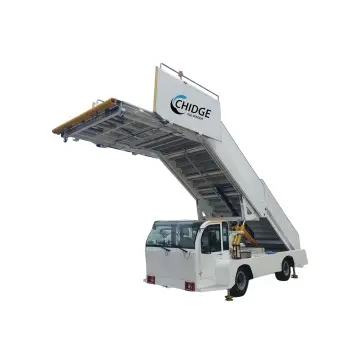
A diesel-hydraulic driven passenger boarding stair system with an adjustable platform height range.
Model Series Overview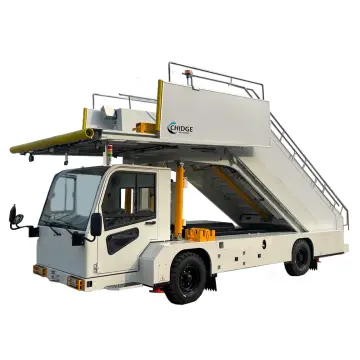
Compact and highly maneuverable stairs designed for regional airports and regional passenger jet airframes.
Model Series Overview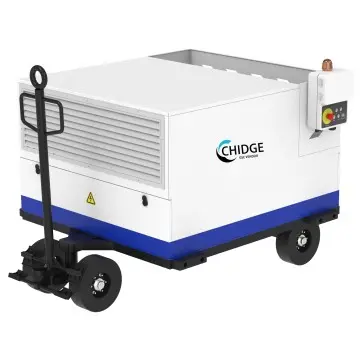
Provides green electrical power to parked aircraft using built-in high-capacity batteries, cutting fuel emissions.
Model Series Overview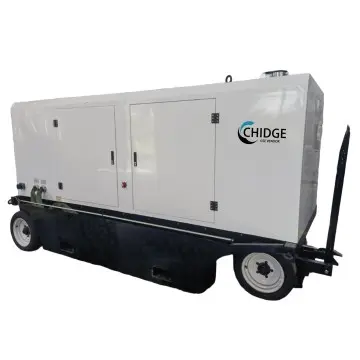
Solid-state converter system supplying stable 400Hz electricity for commercial passenger aircraft systems checks.
Model Series Overview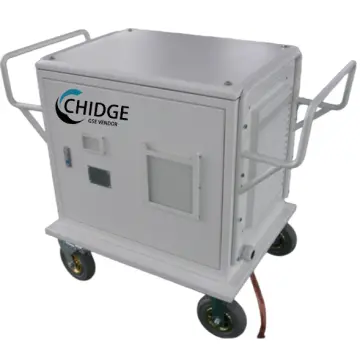
Low-noise ground installation supplying clean electrical power, lowering hangar maintenance costs.
Model Series Overview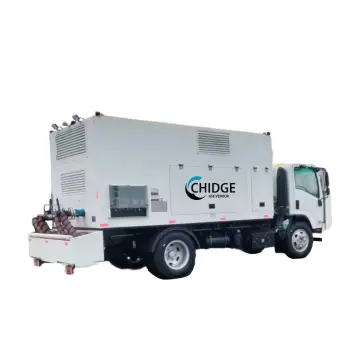
Delivers high-pressure air flow required to start aircraft engines, mounted on a durable commercial chassis.
Model Series Overview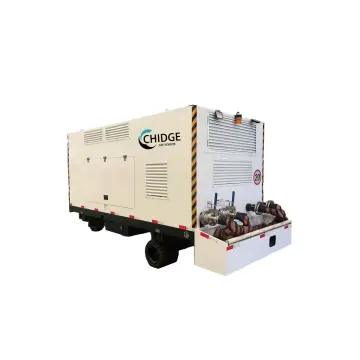
Generates high pneumatic air flow to crank main aircraft turbine engines on large commercial airliners.
Model Series Overview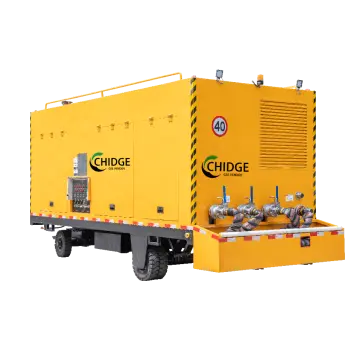
High-output mobile pneumatic power source engineered for wide-body passenger jets and cargo transport aircraft.
Model Series Overview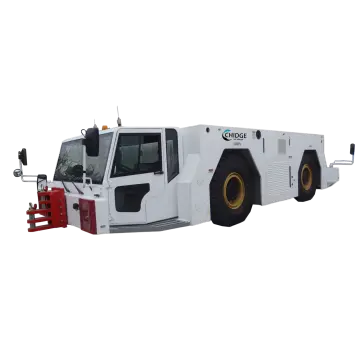
Heavy-duty pushback tractor capable of moving wide-body jets. Dual steering axles provide excellent control.
Model Series Overview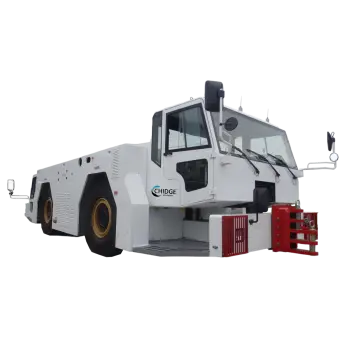
Designed for mid-sized commercial fleets, offering a balance of drawbar pull force and fuel efficiency.
Model Series Overview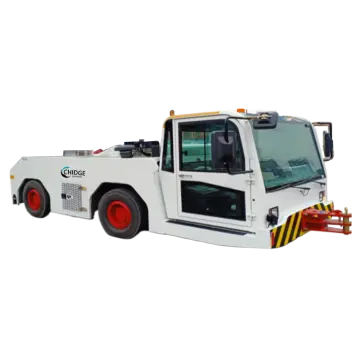
Highly maneuvering pushback tractor ideal for regional passenger jets and narrow-body airplanes.
Model Series Overview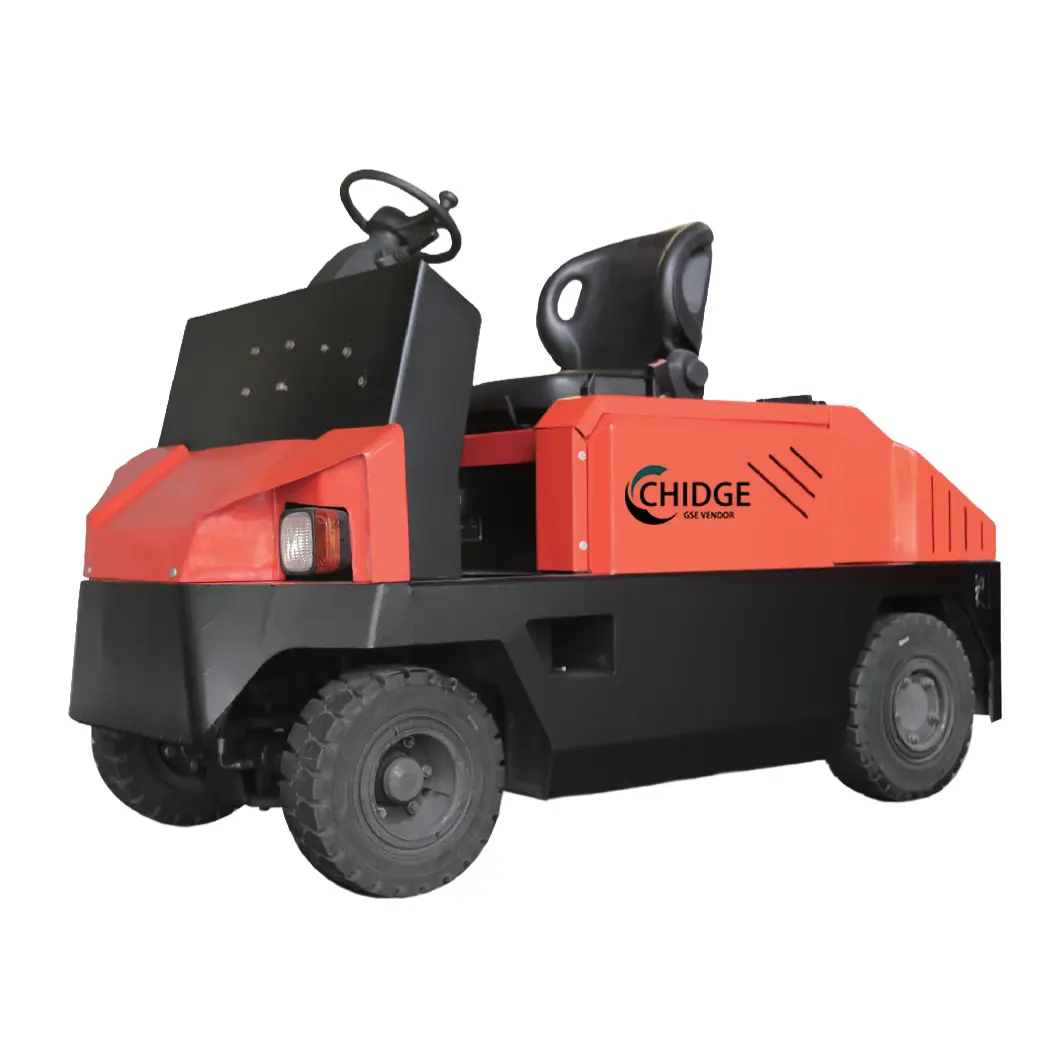
Zero-emission baggage tractor designed to haul multiple luggage carts through tight airport corridors.
Model Series Overview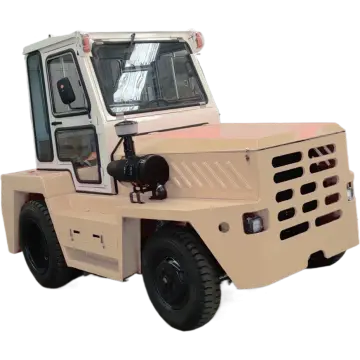
High-torque heavy-duty diesel tractor engineered to pull multiple heavily loaded cargo trailers.
Model Series Overview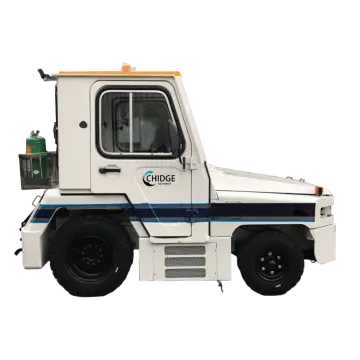
High-capacity electric tractor equipped with a brushless AC motor for heavy cargo transport.
Model Series Overview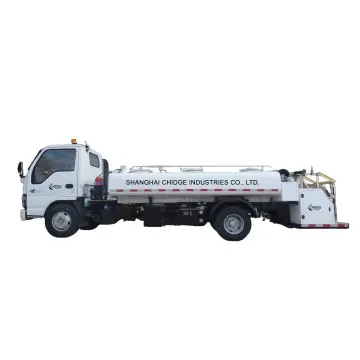
Equipped with corrosion-resistant waste storage tanks and high-pressure flushing systems for quick servicing.
Model Series Overview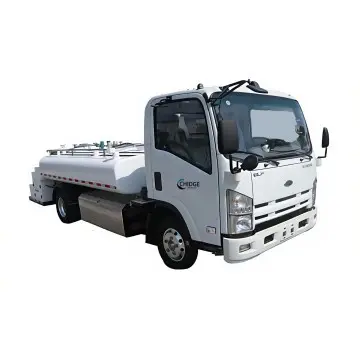
Zero-emission potable water truck providing clean drinking water to aircraft storage systems.
Model Series Overview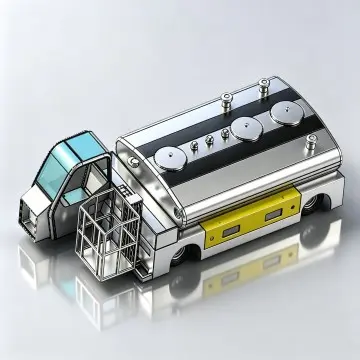
Pure electric waste service vehicle featuring high tank capacity and clean hydraulic operating systems.
Model Series Overview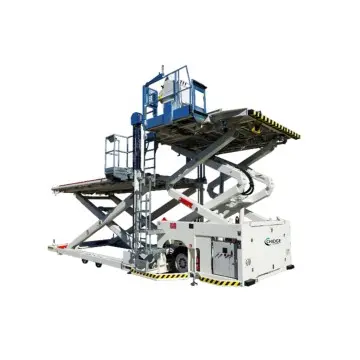
Engineered for rapid loading of heavy aircraft containers onto main deck cargo holds.
Model Series Overview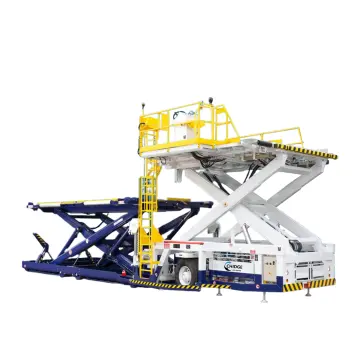
A heavy-lift loader designed to transfer high-payload cargo containers to commercial freight airframes.
Model Series Overview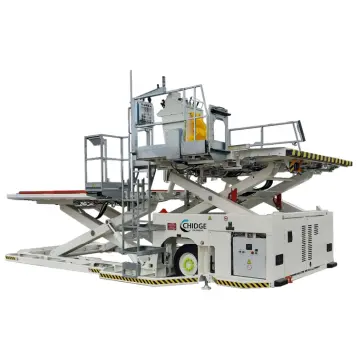
Designed for mid-range commercial flights, facilitating fast baggage container turnaround times.
Model Series Overview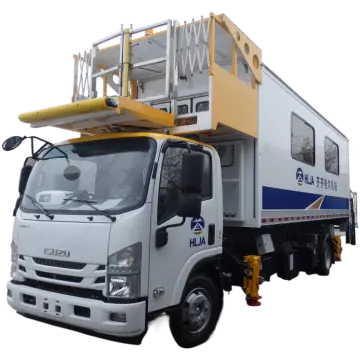
Features a specialized cabin hydraulic lifting system to assist passengers with limited mobility board passenger airliners.
Model Series Overview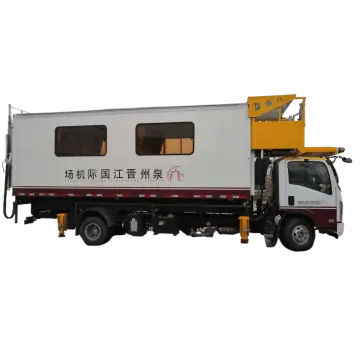
Features stable scissor lifts and safety access ramps designed to fit standard regional jet exits.
Model Series OverviewOperating heavy GSE tow trucks in overseas jurisdictions requires strict adherence to localized safety frameworks and emissions legislation. As a dedicated exporter, we make sure our towing systems conform to global standards:

Browse our selection of durable, wear-resistant dollies and baggage carts designed for continuous use in demanding transport environments.
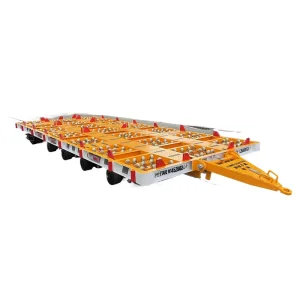
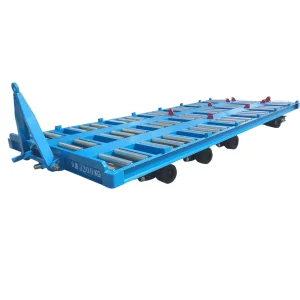
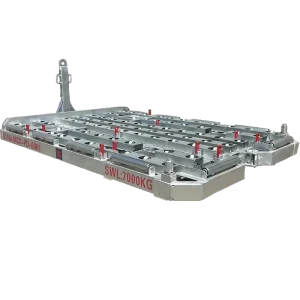
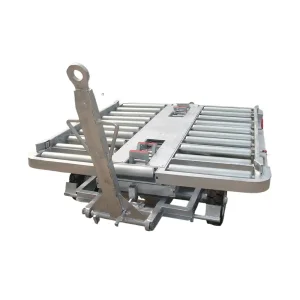
 Chidge Dolly