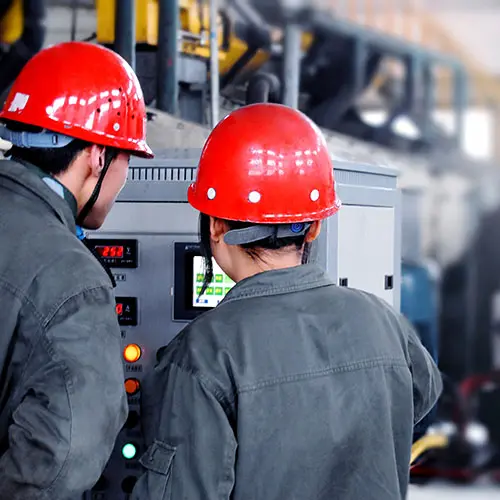
Precision-engineered container and pallet handling solutions designed for demanding airport ramp environments.
The global aviation ecosystem is undergoing a profound paradigm shift driven by stringent carbon mitigation mandates, rising airport utilization rates, and the imperative for absolute ground-safety assurance. Within this dynamic framework, ground support equipment (GSE)—specifically aircraft pushback tractors—constitutes the critical link in airport turnaround operations. Modern pushback tractors are no longer judged solely on raw drawbar pull; instead, they are evaluated on their integrated sensor arrays, hybrid and high-voltage battery powertrains, and compatibility with advanced aerodrome traffic management networks.
As flight volumes return to and surpass historic thresholds, ground incidents carry higher financial and operational penalties. Ensuring a zero-accident ground-handling environment requires tow tractors that incorporate real-time torque monitoring, collision-avoidance systems, and rugged chassis structures designed to handle heavy wind loads and icy ramps.
Procurement teams and aerodrome planners must evaluate two primary technologies for aircraft ground movement: traditional towbar-based towing systems and high-efficiency towbarless (TBL) systems. Choosing between them impacts cycle times, tarmac wear patterns, and operator training protocols.
| Engineering Attribute | Conventional Towbar Systems | Towbarless (TBL) Systems |
|---|---|---|
| Primary Mechanism | Shear pin coupling to nose gear | Hydraulic scoop, cradle, & clamp |
| Speed Limitations | Low (typically < 10 km/h) | High (up to 30 km/h for gate transfers) |
| Operational Footprint | Large sweep path (tractor + towbar) | Compact, matches the tractor wheelbase |
| Safety Profile | Risk of shear pin failure or jackknifing | Automated oversteer and torque limits |
| Capital Expenditure | Lower initial cost; high towbar inventory | Higher entry cost; lower fleet count |
Traditional Towbar Systems rely on high-mass chassis weights (often constructed from ballasted heavy-grade steel plate) to generate tractive effort. They remain the industry standard for maintenance hangars and mixed fleet configurations. However, the physical connection via a towbar acts as a lever arm, exposing the nose landing gear (NLG) to torsional forces if the tractor turns beyond the aircraft's limits.
Towbarless Systems (TBL) use a hydraulic cradle to lift the nose wheel off the ground, transferring a portion of the aircraft's weight to the tractor's drive wheels. This setup increases traction and eliminates the risks of mechanical shear pin failures, making TBL tractors the preferred option for high-volume airport gates where turnaround speed is key.
Leading international airports require all GSE assets to conform strictly to safety and technical guidelines. This baseline is established by the International Air Transport Association (IATA) through the Airport Handling Manual (AHM), alongside standards set by ISO and SAE.
For operations in North America, Europe, and Asia-Pacific, ground handling agents must ensure that tractors undergo structural validation, including finite element analysis (FEA) testing for high-stress welds. Additionally, electric drivetrains must feature IP67-rated ingress protection to prevent electrical faults during severe weather.
The integration of machine vision and automated control systems is changing GSE ground operations.
Real-time point-cloud scanning enables the tractor to build a 3D profile of the tarmac, identifying static obstructions and moving personnel instantly.
Machine-vision cameras identify the nose landing gear structure, aligning the towbarless cradle dynamically within margins of less than 5mm.
Advanced strain-gauge sensors detect operational stress on the towbar, cutting power to prevent structural damage to the aircraft gear.
Monitors battery state-of-health (SoH), motor temperature, and steering angle offsets to schedule preventative maintenance before downtime occurs.
In-depth insights addressing critical engineering, compliance, and international procurement concerns.
A1: Tractor selection is based directly on the MTOW and MRW of your target aircraft fleet. Narrow-body airframes (A320/B737) typically require tractors with a drawbar pull of 150 kN to 200 kN. Wide-body variants (A350/B777) require 300 kN to 400 kN, while double-deck structures (A380) require heavy-duty tow vehicles rated at 500 kN+ drawbar pull, coupled with dual ballast configurations.
A2: Modern tractors feature dual-tier security. In towbar systems, a calibrated shear pin breaks before the nose gear reaches its mechanical stress limit. In towbarless tractors, electronic pressure-relief valves and angular position sensors monitor the nose wheel cradle, automatically stopping operation if the steering angle exceeds preset limits.
A3: Lithium Iron Phosphate (LFP) batteries designed for ramp operations include integrated thermal management systems. These use liquid heating loops powered by the charging station or battery reserves to keep cells within their optimal 15°C to 35°C operating window, preserving output capacity even in winter conditions down to -30°C.
A4: High-stress components like the coupling plates and towbarless cradles must use certified high-strength structural steel, such as Q355D or Q690D. All structural welds should undergo non-destructive ultrasonic or magnetic particle testing to confirm weld penetration and prevent crack propagation under high load cycles.
Explore our complete range of specialized airport support vehicles, refueling trucks, and cargo dollies.
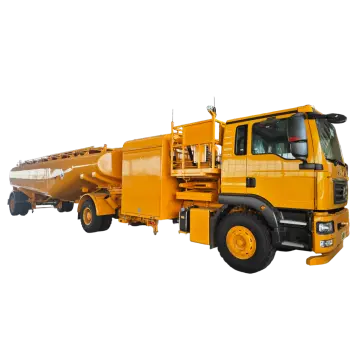
Equipped with a precision chassis, high-capacity tank, integrated pumping system, and advanced pressure controls for rapid, safe refueling.
View System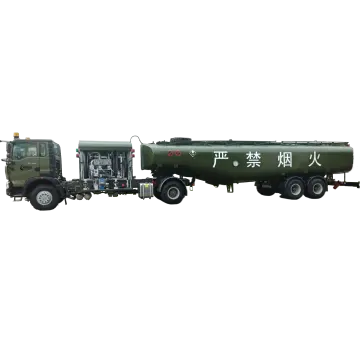
Designed for heavy wide-body operations, featuring a dual-stage filtration assembly and high-volume flow metering systems.
View System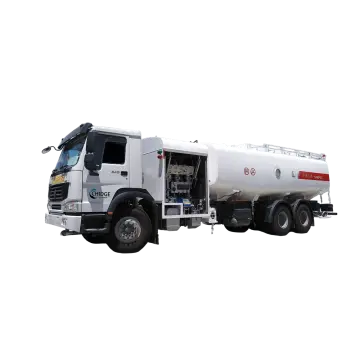
Consists of a chassis, oil tanks, pumping system, control system, and operating section for efficient aircraft refueling.
View System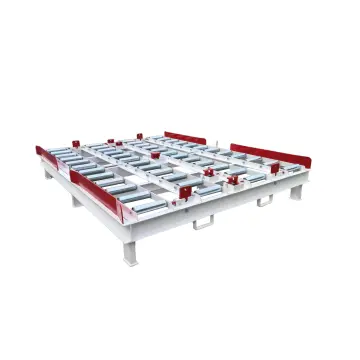
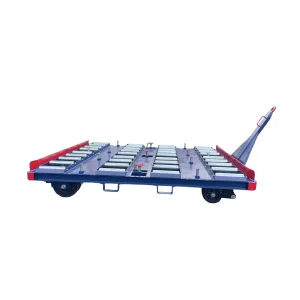
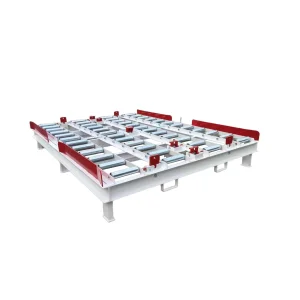
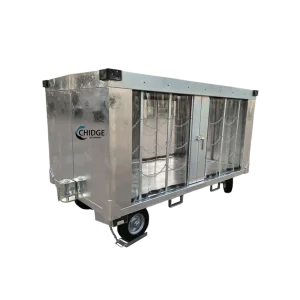
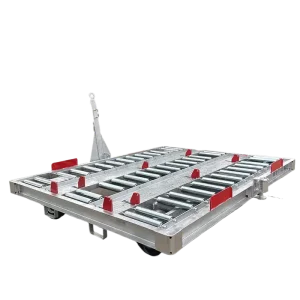
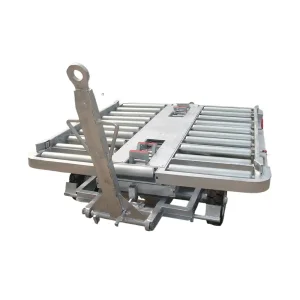
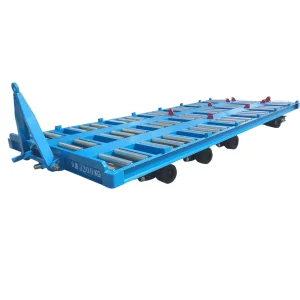
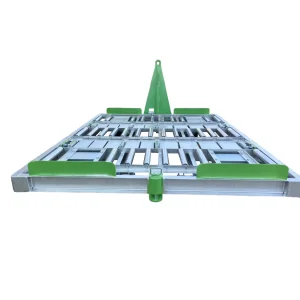
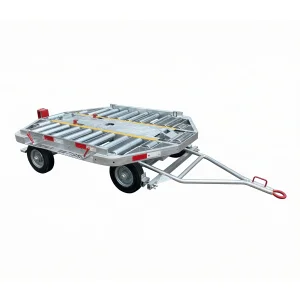
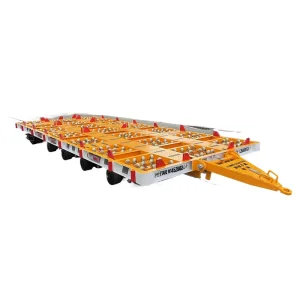
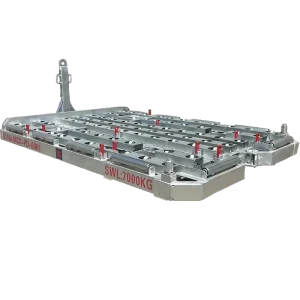
Built with heavy-duty structural steel and multiple roller beds for secure, efficient cargo handling on the ramp.
View System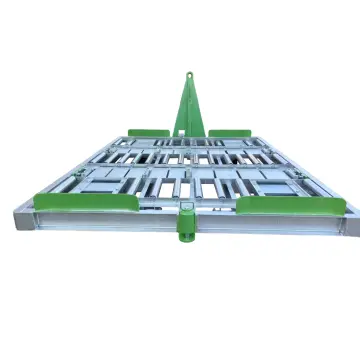
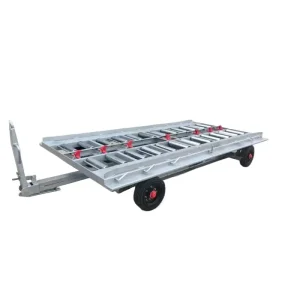
A reliable cargo transport dolly featuring a modular chassis, high-grade rollers, and an directional towbar-activated braking system.
View System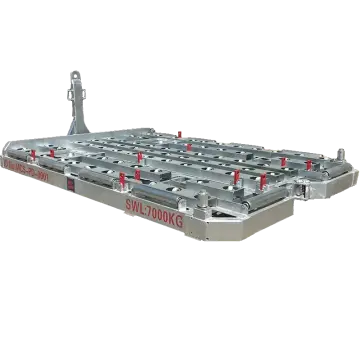
A specialized 7-tonne capacity dolly utilizing custom-molded casters to facilitate smooth multi-directional cargo alignment.
View System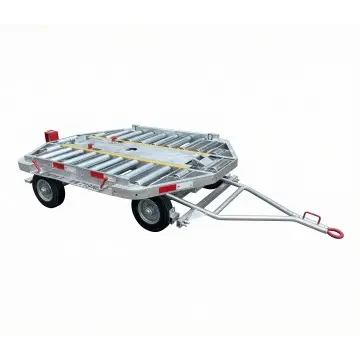
Optimized for LD1, LD2, and LD3 air cargo containers, featuring a quick-release locking mechanism and zinc-plated rollers.
View System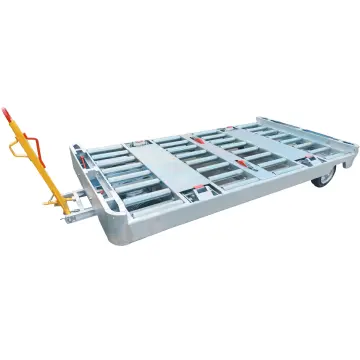
A rugged logistics transport dolly built to withstand severe impacts and heavy loads during high-frequency ramp operations.
View System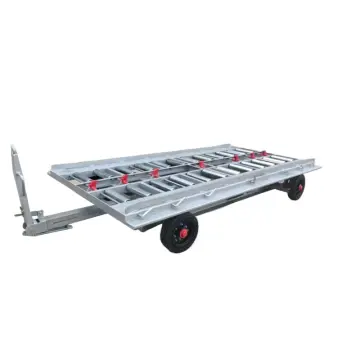
A specialized dolly configured for LD6 containers, featuring dual-axle steering and a corrosion-resistant galvanized chassis.
View System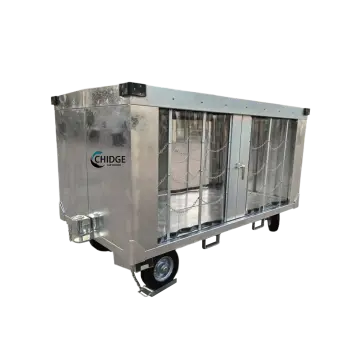
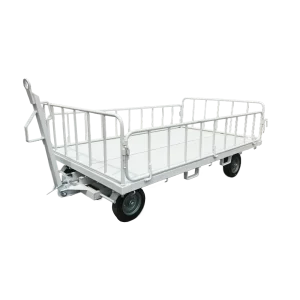
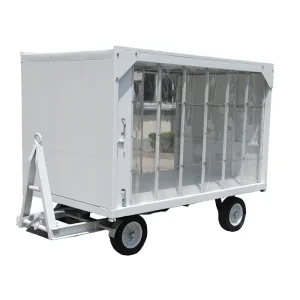
Protects passenger baggage from weather damage with a fully enclosed body, dynamic sliding side panels, and a water-diverting roof.
View System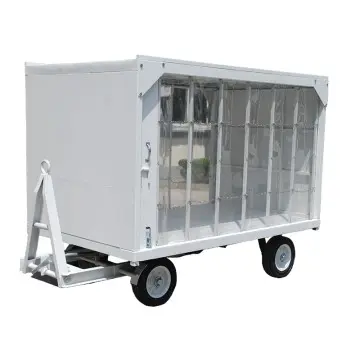
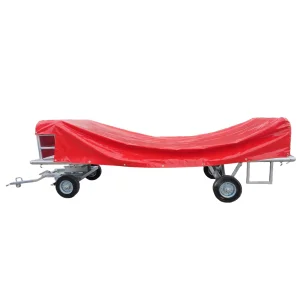
Provides secure, weather-protected baggage transport with a heavy-duty frame, protective vinyl curtains, and a mechanical parking brake.
View System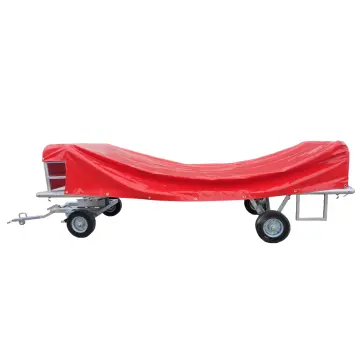
A highly maneuverable baggage cart featuring a fifth-wheel steering configuration and pneumatic tires for smooth towing on the tarmac.
View System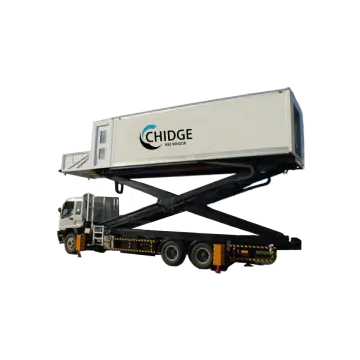
Features a stable scissor-lift hydraulic mechanism, an insulated storage body, and front-platform safety interlocks for safe cabin servicing.
View System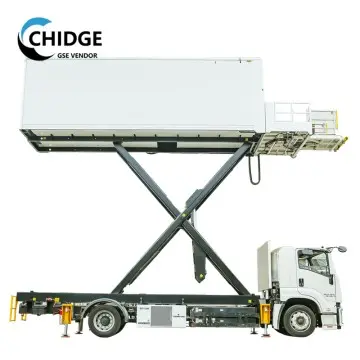
Zero-emission catering vehicle featuring a high-voltage powertrain, a thermally insulated cabin, and a high-stability lifting platform.
View System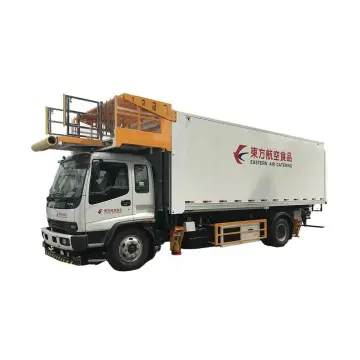
A dependable airfield catering vehicle with a heavy-duty hydraulic lifting system and comprehensive operator safety railings.
View System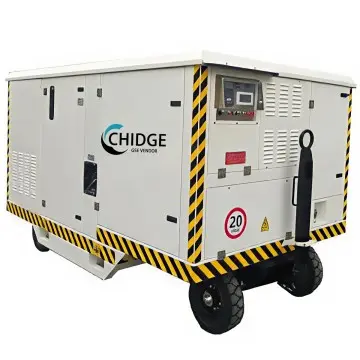
Delivers high-volume, clean heated air directly to aircraft cabins during cold-weather ground stays, reducing auxiliary power unit (APU) run times.
View System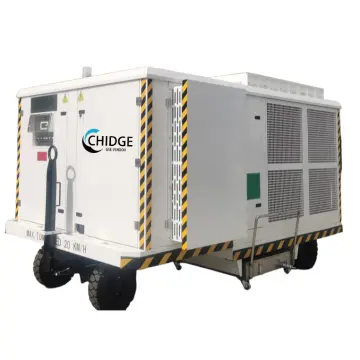
A high-capacity pre-conditioned air unit designed to regulate cabin temperatures efficiently across narrow-body and wide-body fleets.
View System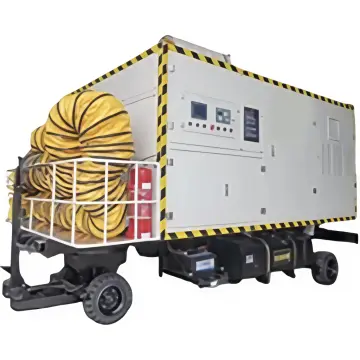
A compact mobile cabin heating system with an insulated duct connection, automatic safety shutoffs, and a diesel-burner assembly.
View System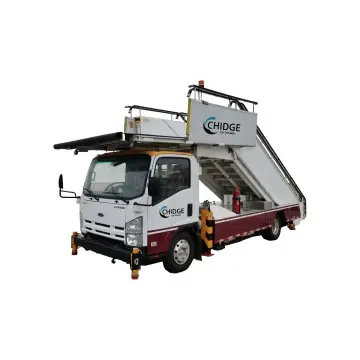
Zero-emission boarding stairs featuring adjustable platform heights, non-slip steps, and illuminated boarding walkways.
View System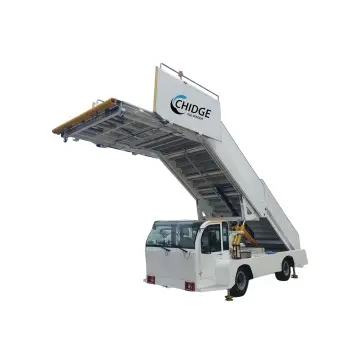
Diesel-powered self-propelled passenger boarding stairs equipped with hydraulic stabilizers and a weather-canopied platform.
View System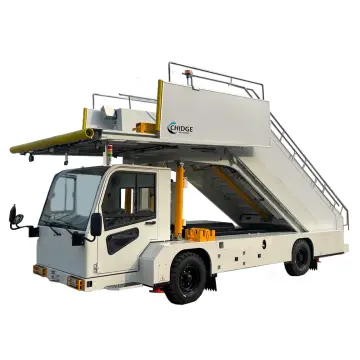
Designed to serve aircraft doors heights ranging from 2.4m to 5.8m, featuring dual-direction platform cameras for safe positioning.
View System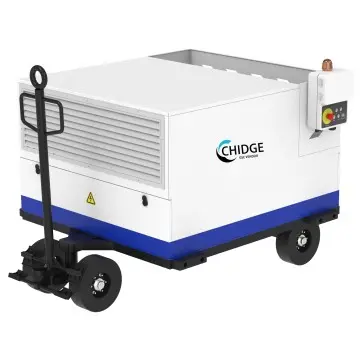
High-capacity battery-based GPU that delivers clean 400Hz AC and 28V DC power without emissions or diesel noise.
View System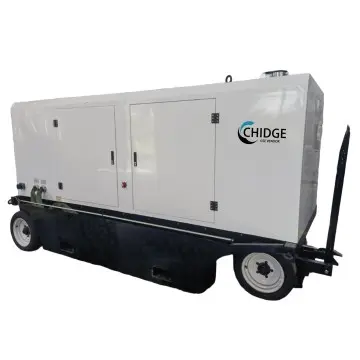
Delivers clean, regulated 400Hz AC power with low harmonic distortion for pre-flight avionics testing.
View System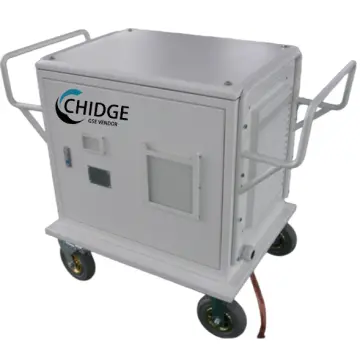
Solid-state frequency converter designed for installation at boarding bridges, converting 50/60Hz grid power to 400Hz aircraft power.
View System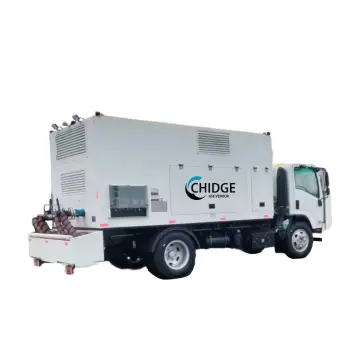
Delivers high-pressure, high-temperature compressed air to start aircraft jet engines, utilizing an integrated diesel compressor system.
View System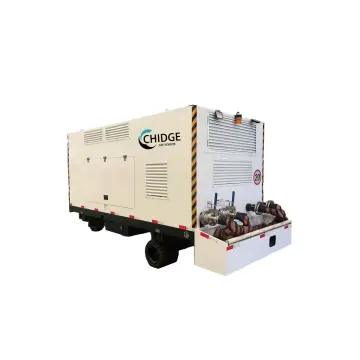
A towable air start unit delivering up to 300 ppm of compressed air to start standard narrow-body aircraft engines.
View System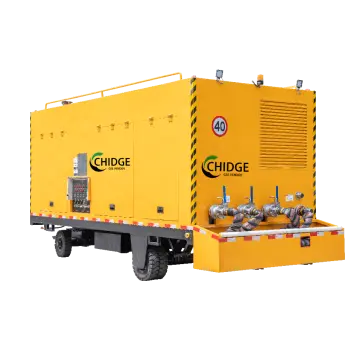
High-capacity air start cart designed to generate air pressures up to 42 psi to start large wide-body engines.
View System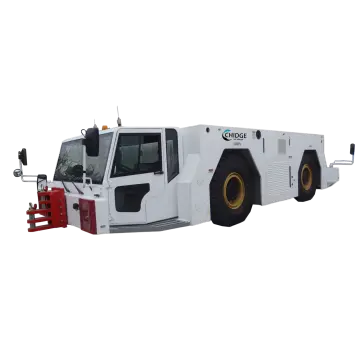
A heavy-duty conventional towing tractor configured to handle aircraft with a maximum takeoff weight up to 700 tonnes.
View System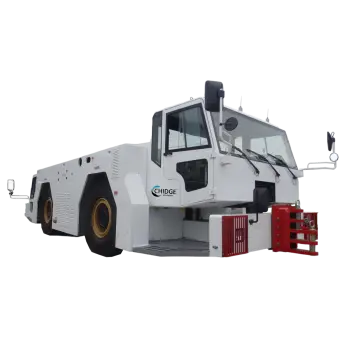
A mid-to-high capacity tow vehicle offering precise torque output, four-wheel drive, and four-wheel crab steering.
View System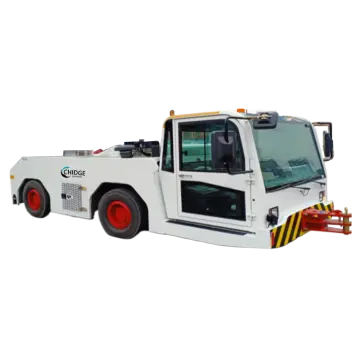
A conventional aircraft tow vehicle designed for regional passenger aircraft and narrow-body cargo transports.
View System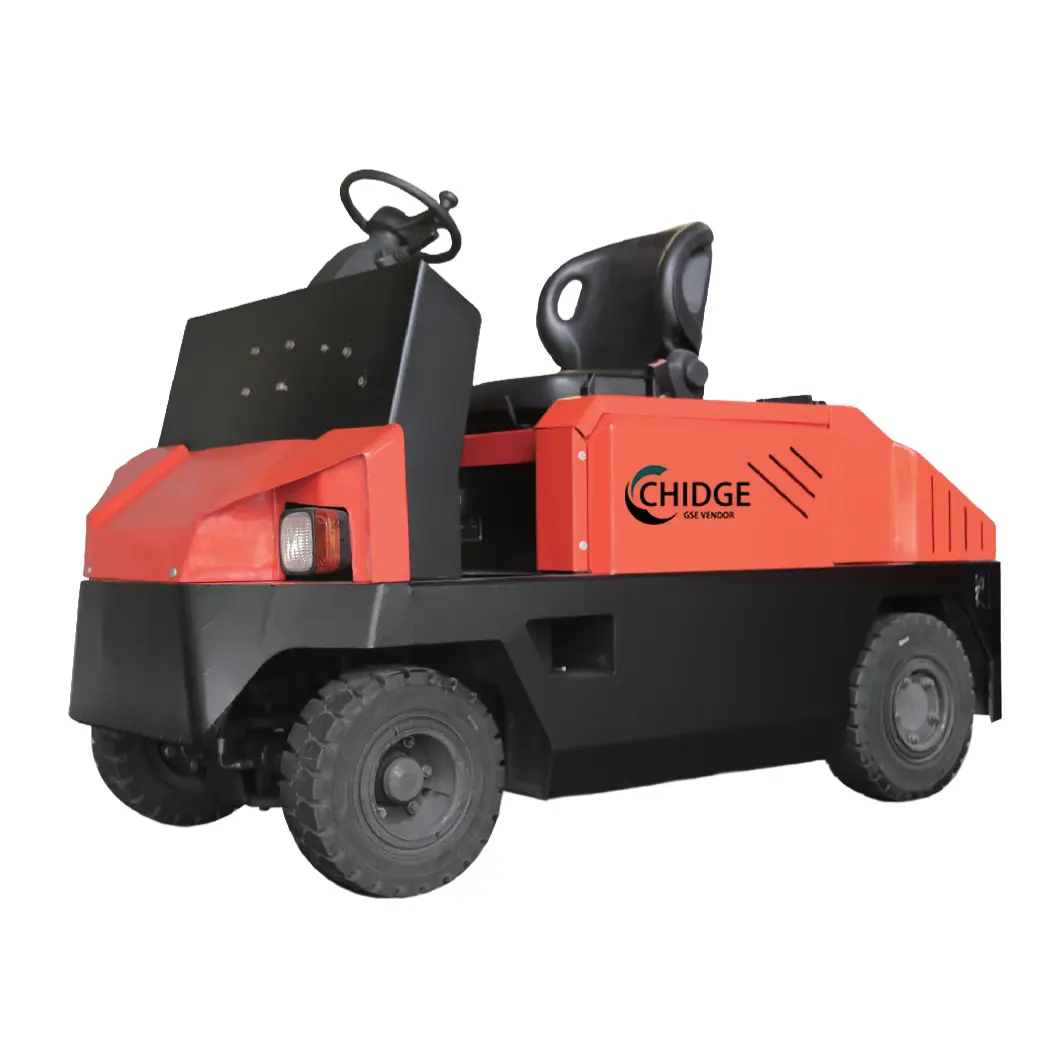
An electric baggage tow tractor featuring a regenerative braking system and a high-efficiency AC traction motor.
View System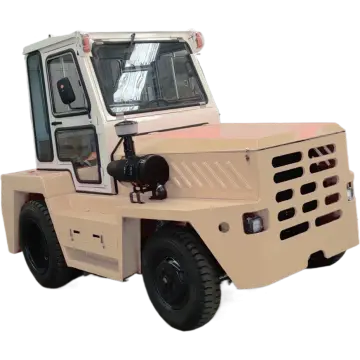
A high-capacity diesel tractor designed for towing long baggage cart linkages or regional passenger aircraft.
View System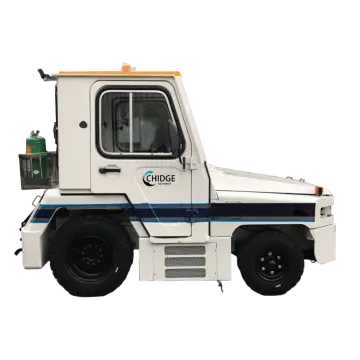
A heavy-capacity electric utility tug designed for moving large cargo loads and baggage trains across the apron.
View System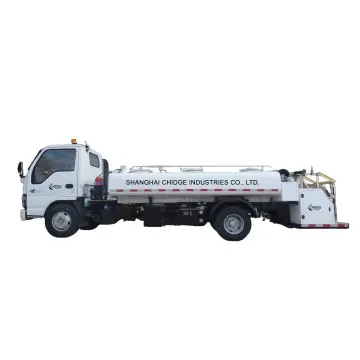
A high-durability lavatory service truck featuring corrosion-resistant waste and flush water tanks and an integrated vacuum evacuation assembly.
View System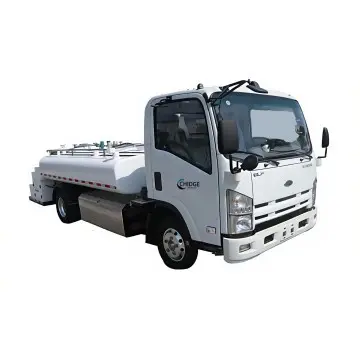
A zero-emission lavatory service vehicle featuring an electric chassis, a high-capacity battery, and automated fluid metering controls.
View System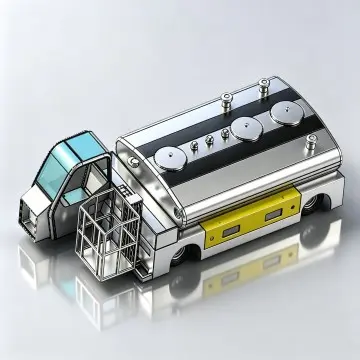
An electric lavatory service vehicle equipped with specialized vacuum pumping systems and a winterization heating kit.
View System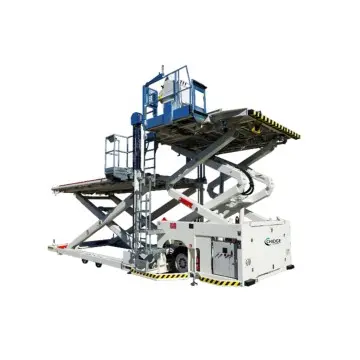
A heavy-capacity main deck cargo loader configured to lift containers up to 14 tonnes to wide-body aircraft main decks.
View System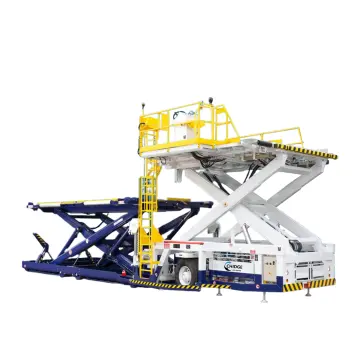
High-capacity main deck container loader designed for freight operations, featuring a 35-tonne load rating and multi-directional platform rollers.
View System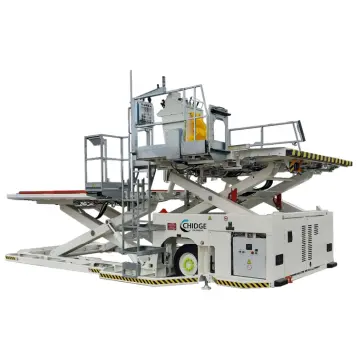
A 7-tonne lower deck cargo loader equipped with dynamic guide systems and automated height alignment controls.
View System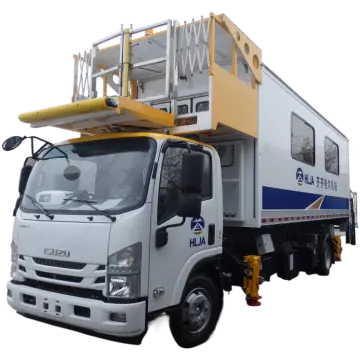
A specialized medical transport vehicle designed to lift passengers with reduced mobility to cabin heights using a hydraulic cabin lift.
View System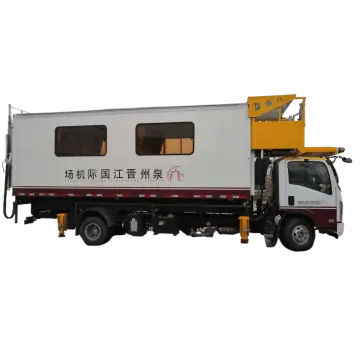
Provides safe, dignified boarding access for passengers using wheelchairs, featuring structural stabilization jacks and a rear tail-lift platform.
View SystemOur commitment to engineering quality, reliable operations, and complete life-cycle support.

Our company applies advanced science and technology during product design, research, and development, incorporating innovation into our manufacturing processes.
Read More
Our high-quality products are built to meet the demanding requirements of ground operators, helping them stand out in competitive markets and earn customer trust.
Read More
We maintain reliable turnaround times through optimized supply chain management, inventory controls, logistics networks, and emergency response planning.
Read More
Our dedicated support team helps resolve operational issues quickly, enhancing customer loyalty and extending the operational lifespan of the equipment.
Read MoreProviding custom, integrated solutions for airlines and aviation logistics networks worldwide.
We provide tailored OEM and ODM solutions to meet the specific requirements of global airport operations. Our customer-centric process covers initial planning, structural engineering, precision manufacturing, safety testing, and global technical support. This comprehensive approach helps ground handlers deploy compliant equipment quickly while managing capital costs.
A reliable logistics partner for international passenger airlines and freight carriers.

Providing a wide selection of specialized ground equipment built for high reliability.

Supporting international airlines and cargo handlers to improve turnaround efficiency.

Offering a complete line of GSE, including dollies, GPUs, stairs, and towing tractors.

Maintaining rigorous manufacturing standards to ensure on-time delivery.
Stay informed on the latest trends in airport logistics electrification and safety regulations.
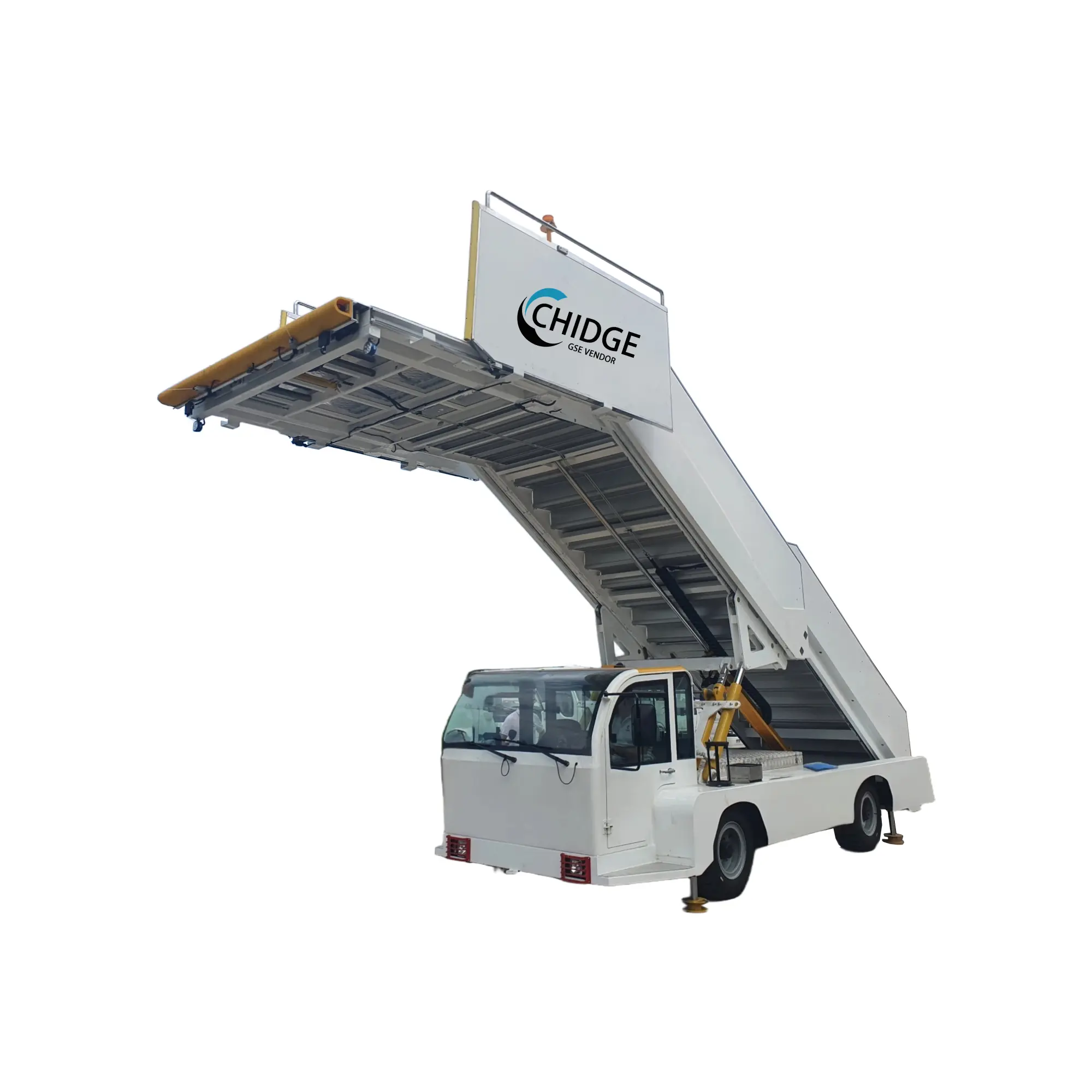
An analysis of passenger boarding stair systems, detailing mechanical leveling, wind-stability tolerances, and modern electrical drive systems.
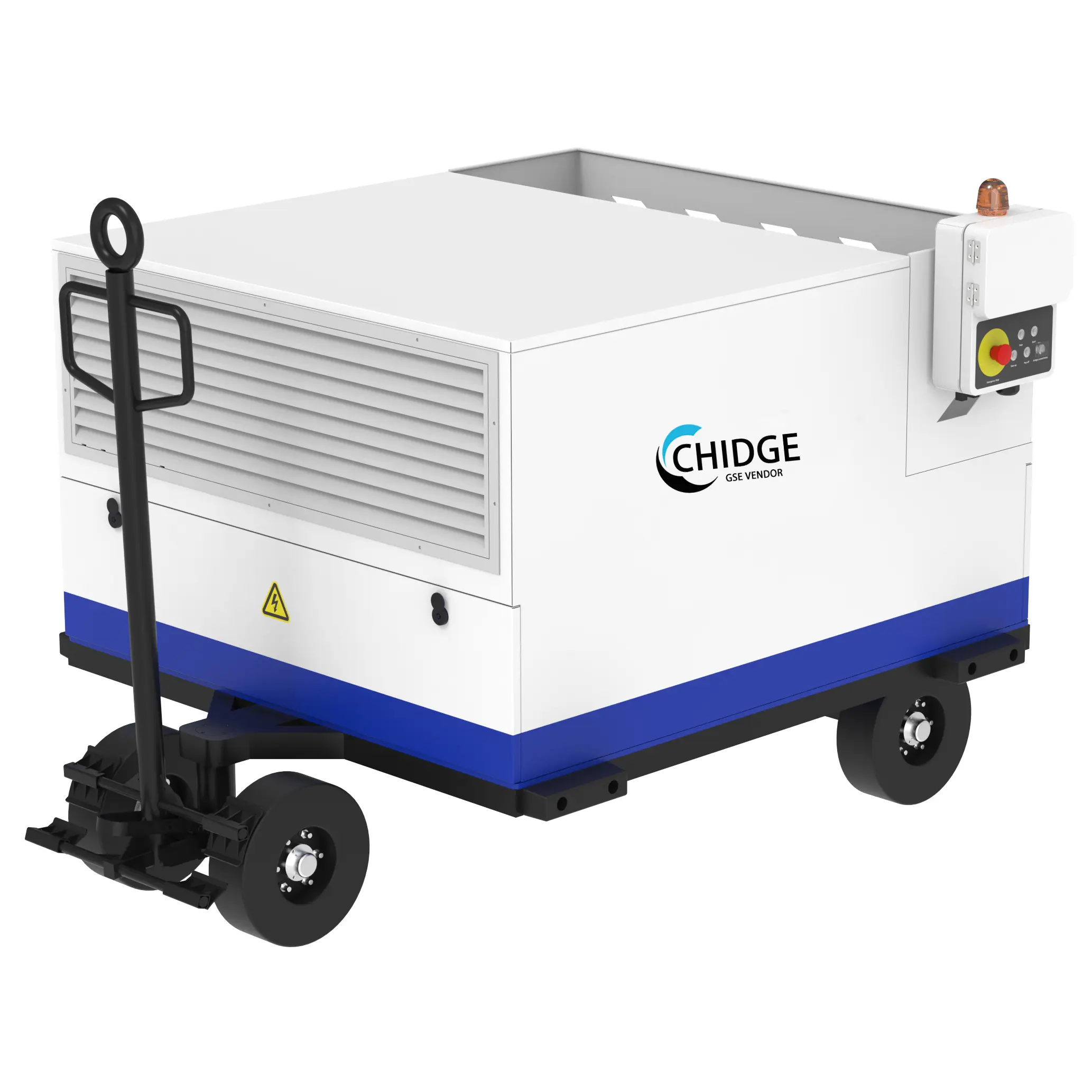
An in-depth look at towable battery energy storage systems, demonstrating how high-voltage batteries are replacing diesel units on the ramp.
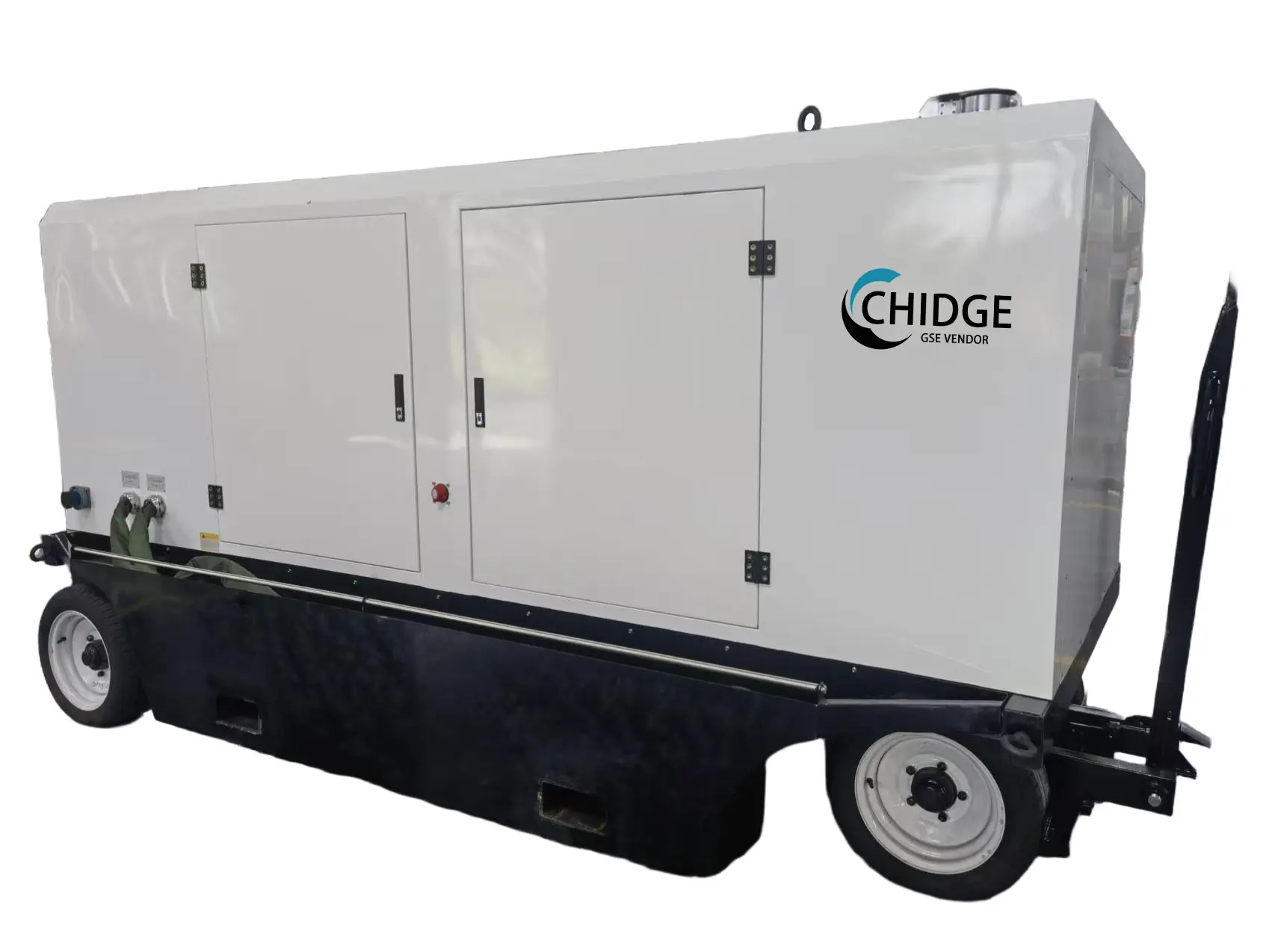
Discussing the critical role of truck-mounted and static ground power units (GPUs) in delivering 400Hz frequency-stabilized electricity to parked aircraft.
Explore our high-capacity cargo dollies configured for efficient airfield freight operations.
 Chidge Dolly