Heavy-Duty dollies, baggage solutions, and container transport options engineered for high-frequency operations.
The global aviation sector is undergoing a major technological transformation, with airport operations emphasizing decarbonization, optimization, and automation. Ground Support Equipment (GSE) is at the center of this shift. Historically dependent on high-emission diesel engines, modern airports are now transitioning to electrified Ground Support Equipment (eGSE). This change is driven by international environmental mandates and the operational efficiency offered by electric drivetrains.
In this evolving landscape, Chinese GSE manufacturers have transitioned from regional component fabricators to globally recognized developers of advanced towing systems. Modern production lines now integrate specialized automation, heavy metal stress analysis, and modular assembly to meet strict international standards, ensuring equipment reliability under demanding ramp conditions.
From baggage handling systems to heavy-duty aircraft towing tractors capable of maneuvering wide-body commercial jets, Chinese manufacturers provide solutions that balance initial capital cost with long-term reliability. By utilizing localized supply chains and robust engineering practices, these factories deliver fleet solutions compliant with European and North American technical standards.
Exploring the engineering practices and functional systems that maintain flight readiness on the ramp.
Incorporating complex pumping systems, precise electronic metering, self-circulation mechanisms, and pressure controls to ensure safe aircraft fueling operations.
Providing reliable external electrical power (90KVA GPUs) and pre-conditioned air (PCA) units to sustain onboard systems while the aircraft is parked, reducing main engine wear.
Utilizing high-torque powertrains, precise steering control, and heavy steel ballast configurations to safely guide large commercial passenger and cargo aircraft.
Direct factory solutions, performance metrics, and original specifications for global airport procurement operations.
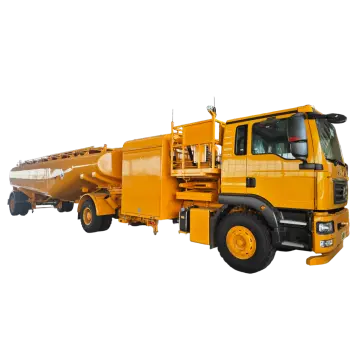
Composed of a specialized chassis, heavy-duty oil tanks, a high-capacity pumping system, control modules, and operating valves. Integrated systems provide filtration, precise metering, refueling, self-circulation, and dynamic pressure control to ensure safe ramp operations.
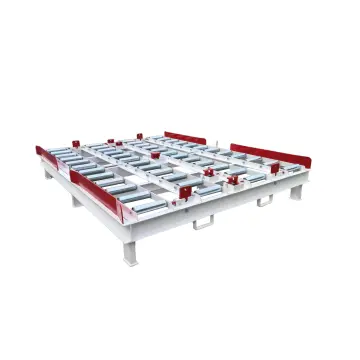
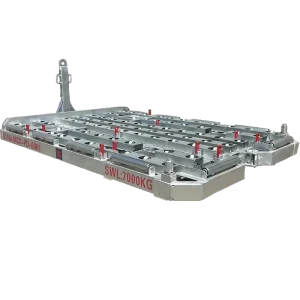
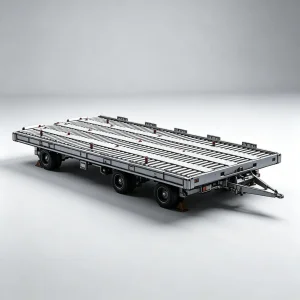
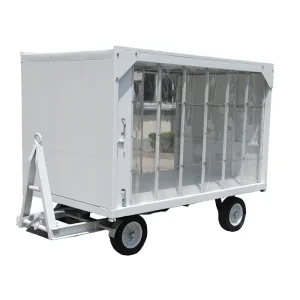
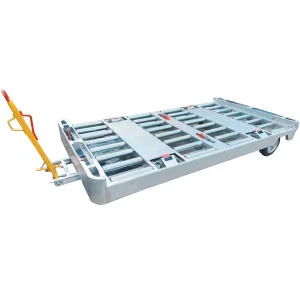
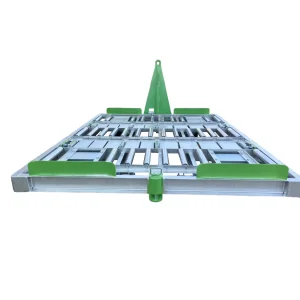
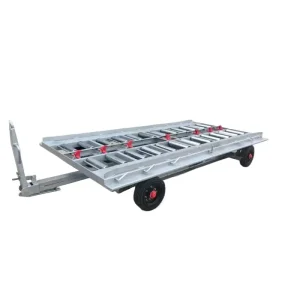
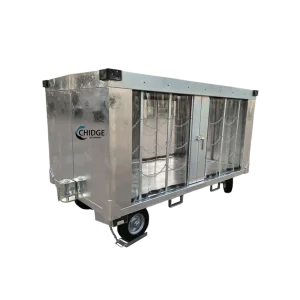
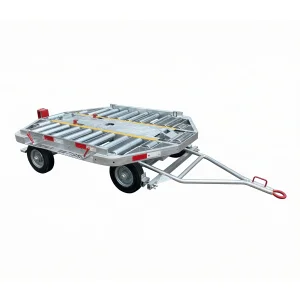
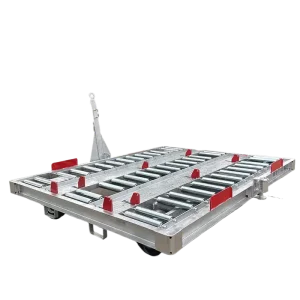
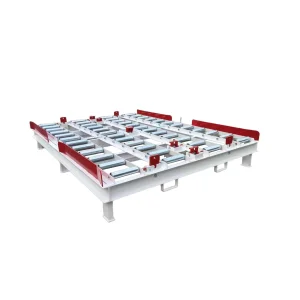
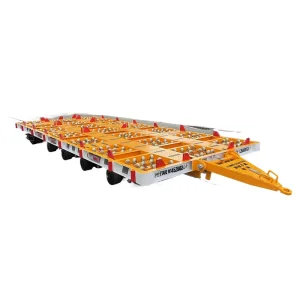
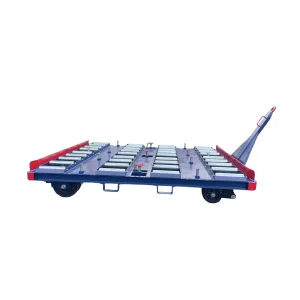
Includes the specialized Slave Pallet Dolly, Standard Pallet Dolly, and the 7T Castle Pallet Dolly. Designed to handle standardized ULD containers and pallets under high-frequency loading conditions.
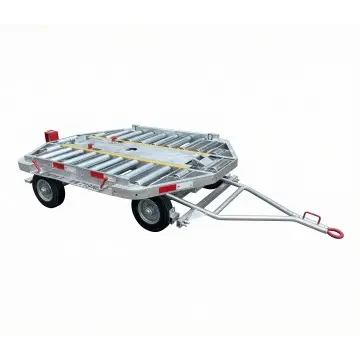
Optimized container transport platforms with heavy-duty steel frames, secure locking systems, and multi-directional roller beds for quick loading and unloading of LD3 and LD6 air cargo containers.
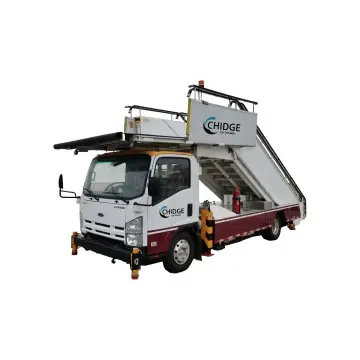
Self-propelled passenger stairs designed for safe and efficient boarding. Available in electric, diesel, and towable variants to accommodate various regional aircraft door sill heights.
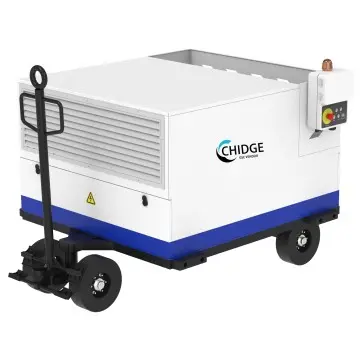
High-efficiency 90KVA ground power units and solid-state static power units designed to provide reliable 400Hz electricity for parked aircraft, reducing reliance on auxiliary power units (APU).
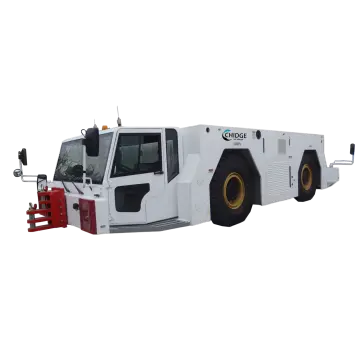
Heavy-duty aircraft towing tractors engineered for high drawbar pull (DBP) capacity. Suitable for handling narrow-body and wide-body commercial aircraft during pushback and hangar transport operations.
Modern airfield procurement managers seek equipment that offers low total cost of ownership (TCO), long operational life, and minimal maintenance downtime. Standardizing mechanical interfaces, coupling pins, hydraulic connectors, and power links simplifies fleet management and reduces the need for extensive spare parts inventory.
Choosing localized production allows factories to optimize heavy-metal structural assemblies and customize platforms for specialized applications, such as high-altitude runways or cold climates. Integrating common parts across towing tractors, cargo loaders, and service trucks helps reduce training times for ramp operators and technicians.
Delivering high reliability through technology, strict quality control, and robust after-sales support.

Applying advanced engineering, research, and development methodologies to produce next-generation ground support equipment.

Building equipment to meet demanding operating requirements, ensuring safety and durability on the ramp.

Managing supply chains, inventory, and logistics to ensure timely equipment delivery and quick response times.

Providing technical support, training, and spare parts availability to maximize equipment operational lifetime.
We provide OEM and ODM manufacturing services to meet the specific requirements of airlines, ground handlers, and logistics providers. Our engineering team manages the entire process from conceptual design to manufacturing, testing, and final certification.
Whether you require modifications to standard chassis designs, specialized drawbar pull ratings, or customized container layouts, our facility is equipped to handle complex fabrication requests. Custom paint finishes, anti-corrosive coatings, and specific engine or battery configurations can be integrated to align with your fleet standards.
We collaborate with airlines and airport authorities worldwide to deliver efficient ground handling systems.
Read our latest reports and updates on ground support equipment technology and airport operations.
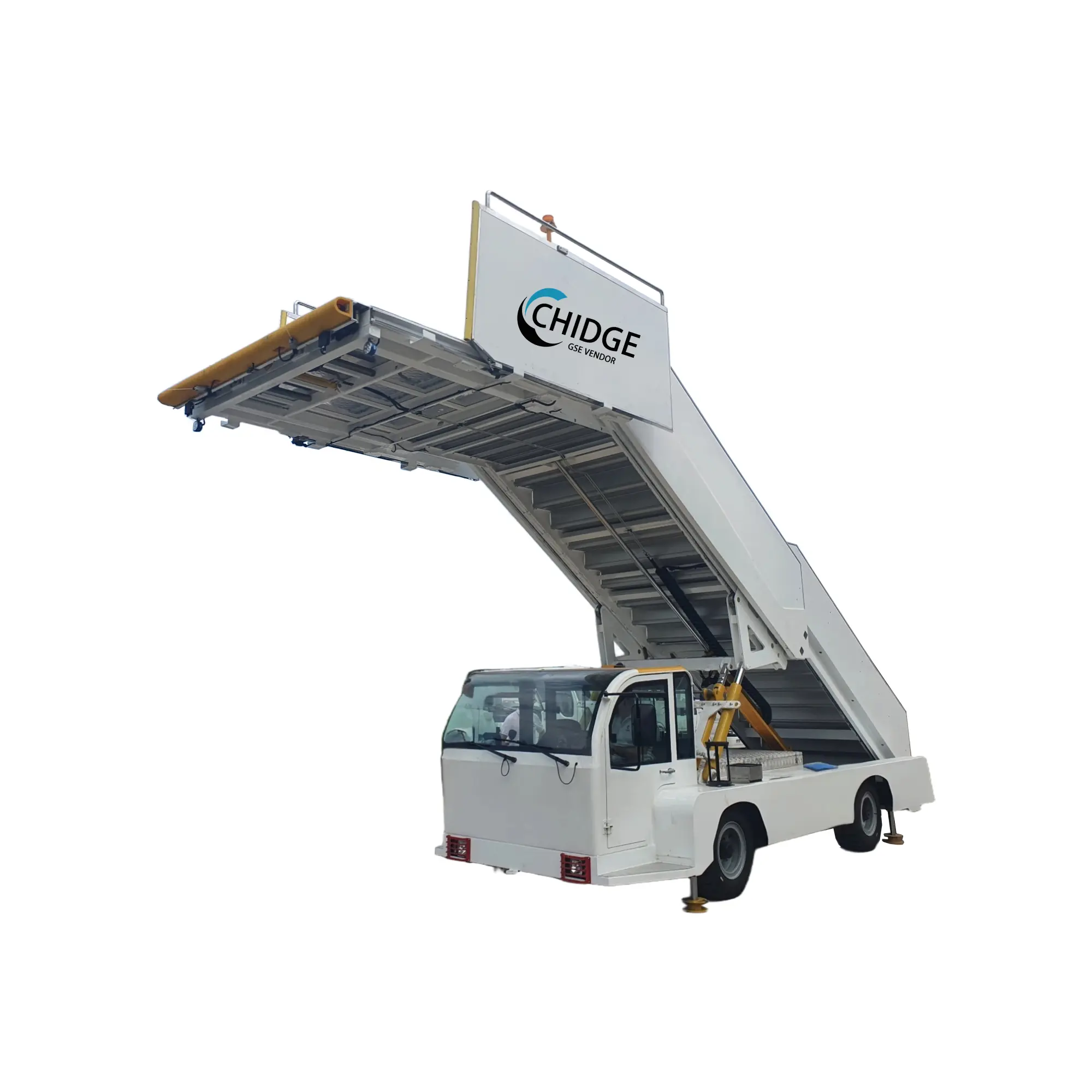
An analysis of modern passenger boarding designs, focusing on safety features, stability controls, and height adjustability for different passenger aircraft types.
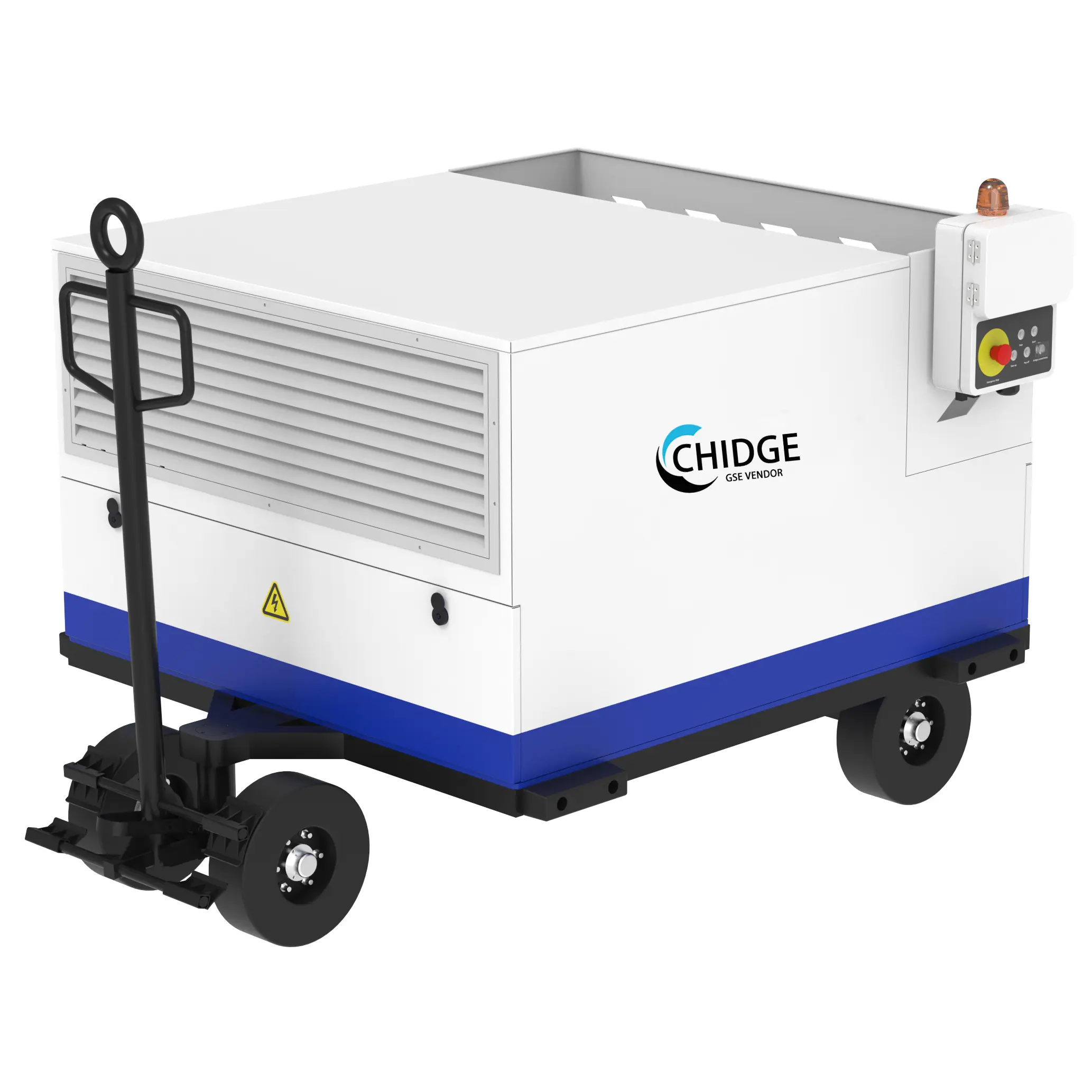
Examining the use of trailer-mounted energy storage systems using lithium-ion batteries to provide quiet, emission-free aircraft ground power.
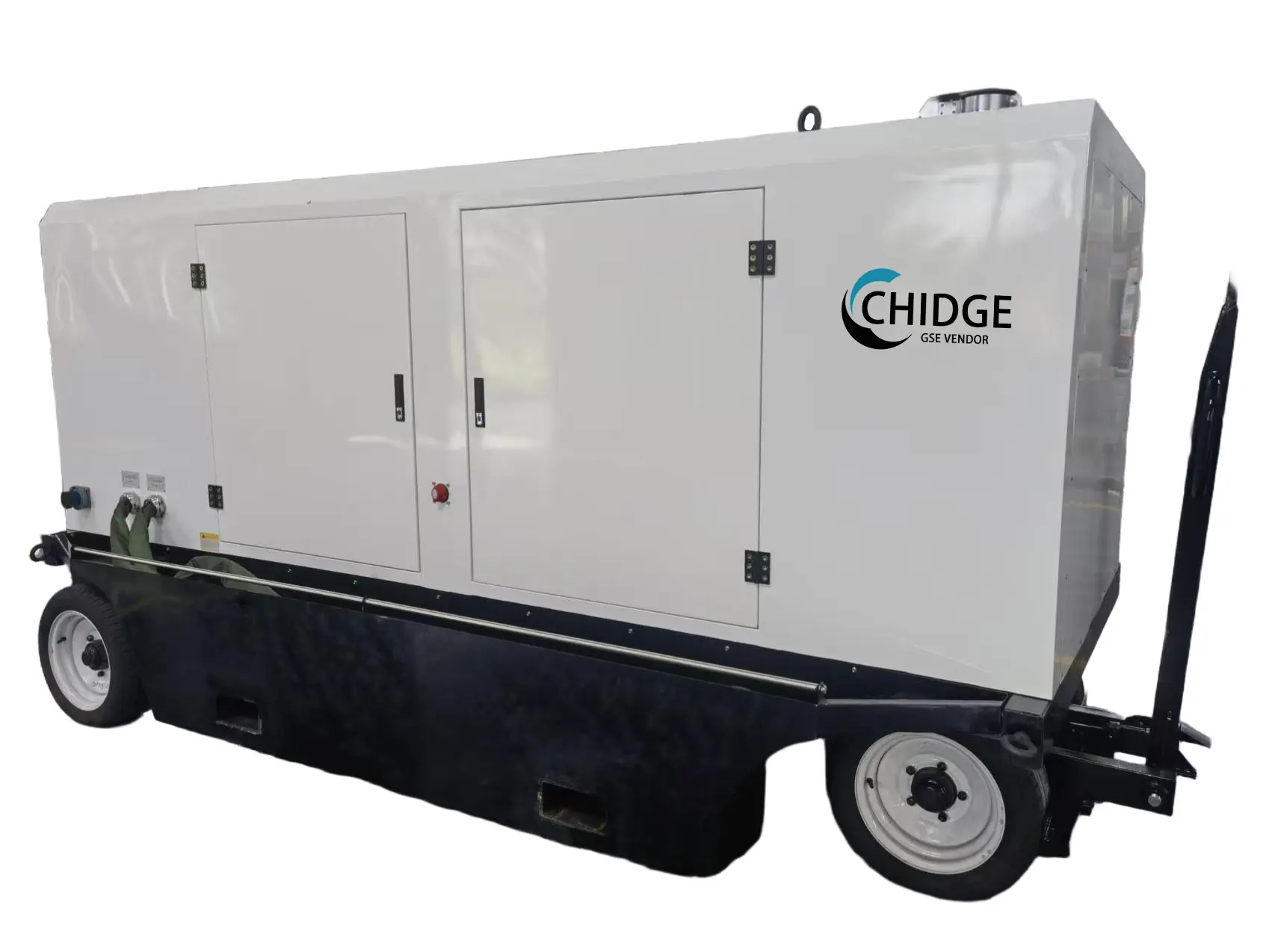
A review of ground power unit (GPU) development, detailing the operational differences between diesel-driven, solid-state static, and battery-stored electrical power systems.
Technical and operational answers to common inquiries from airfield operators and procurement managers.
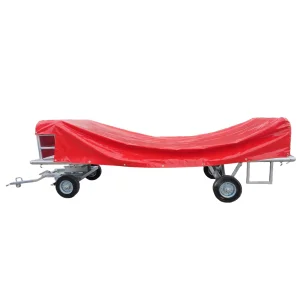
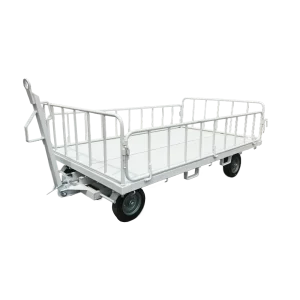
Heavy transport platforms and terminal handling dollies designed for high-capacity airport logistics.
 Chidge Dolly