Explore our premium grade heavy-duty towable and self-propelled logistics transport configurations developed for streamlined airport operations.
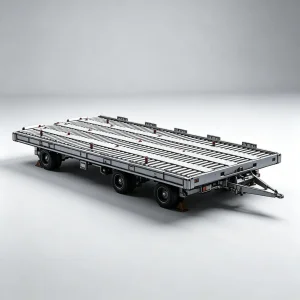
Designed for heavy cargo systems, incorporating high load limits and structural reinforcements for rapid turnaround operations.
View Product details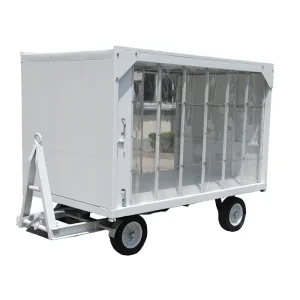
Weatherproof, highly rugged luggage cart layout ensuring passenger cargo safety in any operational environment.
View Product details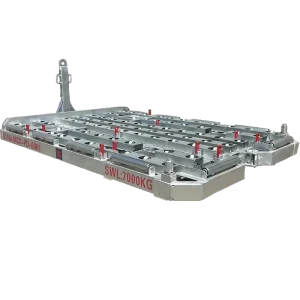
Integrated with high durability components and optimized caster layout for fluid container rotations on apron surfaces.
View Product details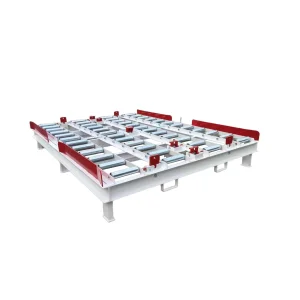
Versatile slave pallet handler built for simplified loading procedures and universal system compatibility.
View Product details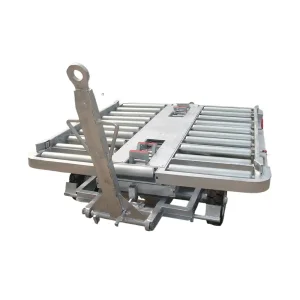
Specialized transport solution for single and multi-LD3 container applications with mechanical stops.
View Product details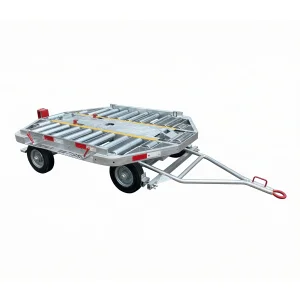
Upgraded specifications containing wear-resistant rollers and anti-rust surface treatments.
View Product details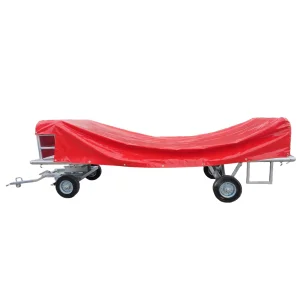
Heavy-duty build specifically customized to sustain high throughput in high-volume regional airport stations.
View Product details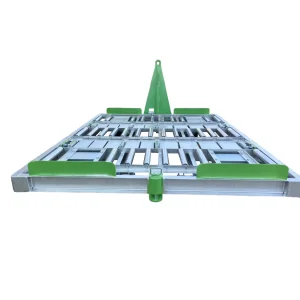
Precision engineered dollies optimized for terminal apron handling and compatibility with container sizes.
View Product detailsModern airports operate under strict environmental mandates aimed at reducing greenhouse gas emissions and minimizing operational noise on the apron. When an aircraft is parked, running its onboard Auxiliary Power Unit (APU) is highly inefficient, consuming expensive jet fuel and producing substantial emissions. Ground Power Units (GPUs) provide the crucial transition system, supplying clean, stable electrical power directly to the aircraft's systems.
By delivering specialized 400Hz alternating current (AC) or low-voltage 28.5V direct current (DC) power, our units facilitate system diagnostics, flight crew preparations, and cabin climate controls without running aircraft engines. This not only preserves the service life of APUs but also reduces fuel consumption on the tarmac.
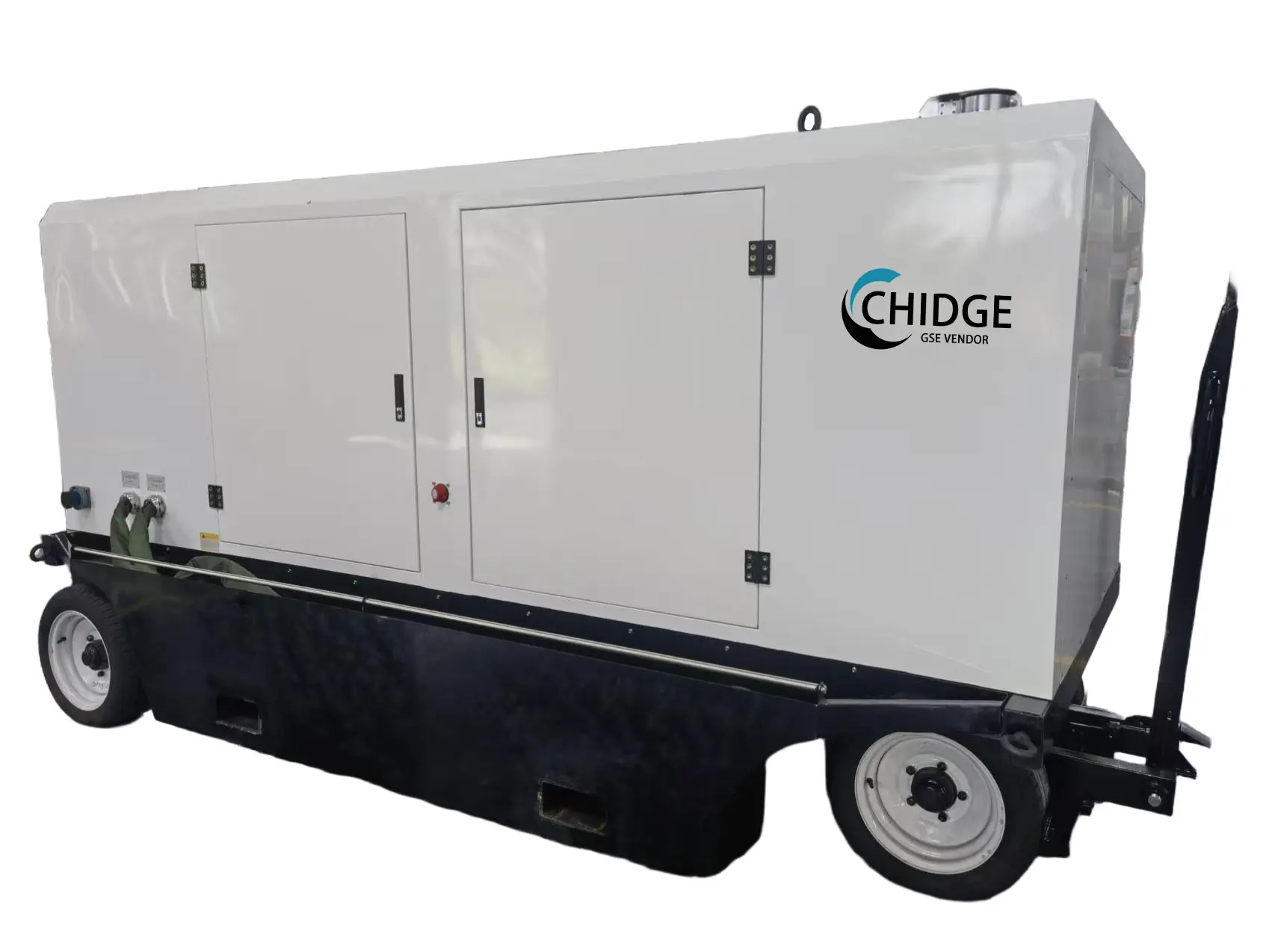
Solid-State Clean Power Output
Total Harmonic Distortion (THD)
Flexible Power Configurations
Weatherproofing Protection Grade
Understanding the engineering distinction between Solid-State, Diesel-Driven, and Energy Storage GPUs.
Converts regular grid electricity (50Hz/60Hz) into high-fidelity 400Hz aircraft power. Operating with zero emissions, maximum energy efficiency, and minimal maintenance due to the complete lack of moving parts. Ideal for passenger boarding bridges and hangar installations.
Equipped with low-emission diesel engines and brushless alternators, these towable or truck-mounted configurations offer autonomous operations at remote stands. Ideal for airports without bridge-mounted power lines or for rapid emergency deployment.
Representing the next-generation zero-emission mobile solution, these units combine lithium iron phosphate (LFP) battery technology with robust solid-state inverters, supplying high capacity power without noise or carbon output on the tarmac.
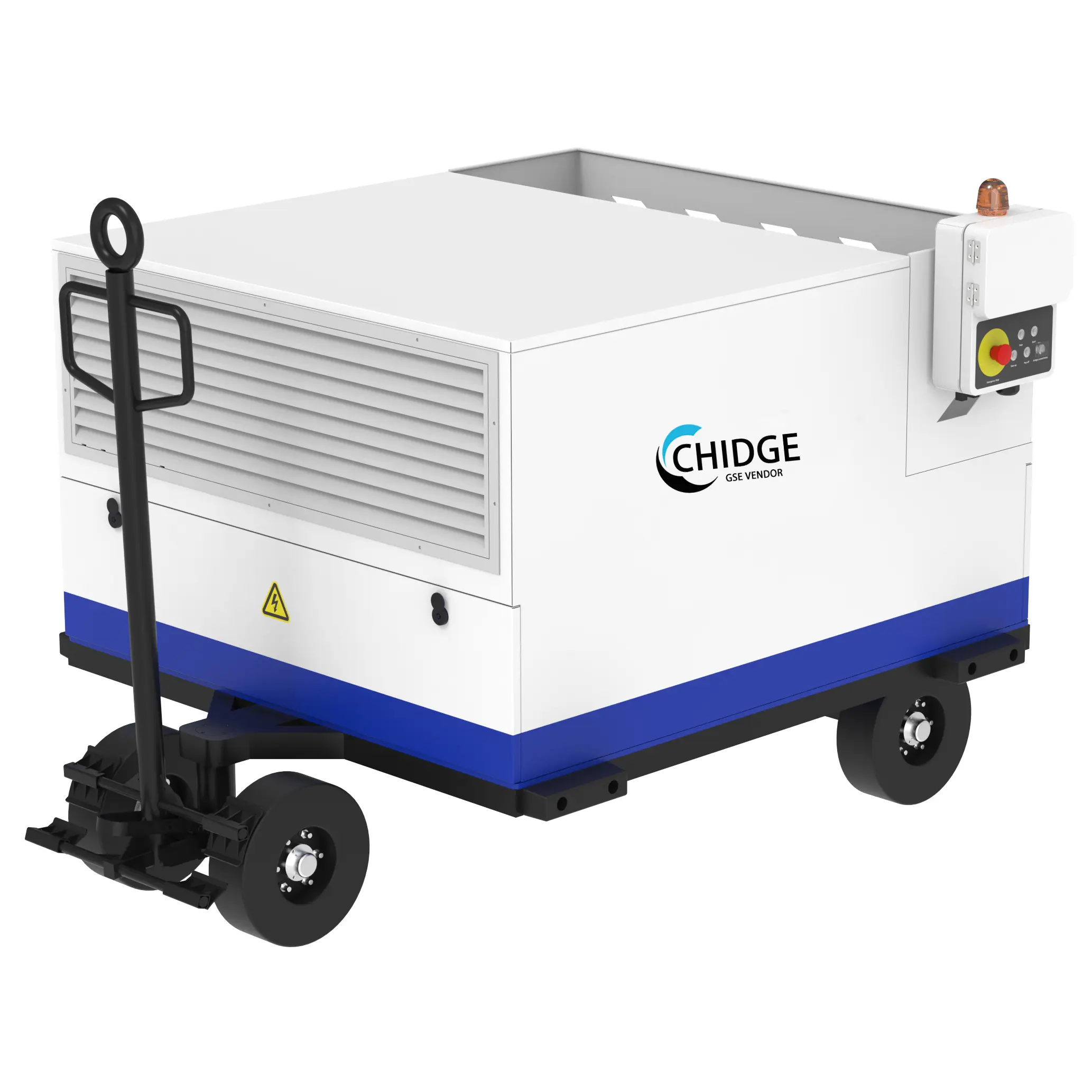
By purchasing airport ground equipment from China, global procurement teams leverage a highly integrated industrial ecosystem. We control the entire production pipeline, from structural steel fabrication and powder coatings to advanced solid-state electrical design.
Our strategic proximity to critical electronic component suppliers and advanced battery manufacturing clusters permits rapid adaptation to evolving technology. Key benefits include:
We supply a wide range of specialized GSE, catering to airlines, ground handlers, and logistics companies worldwide.
Consists of a chassis, oil tanks, pumping system, control system, and operating part, with functions such as filtration, metering, refueling, pumping, self-circulation, and pressure control.
Heavy duty chassis model with structural tank integration, designed for high volume long haul passenger airliner support operations.
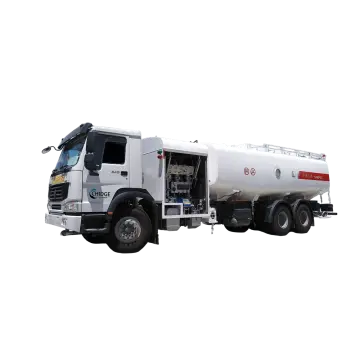
Optimized refueler featuring precision flow control and safety monitoring systems conforming to international standard norms.
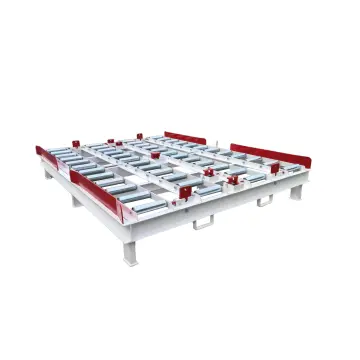
Provides robust material handling capability for multi-directional terminal sorting systems.
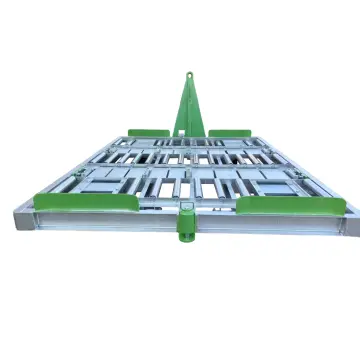
Standard cargo transport setup with reliable manual brakes and heavy wear caster configuration.
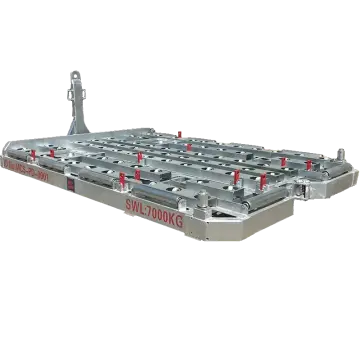
Heavy duty structural frame dolly optimized to hold 7 tons of freight cargo.
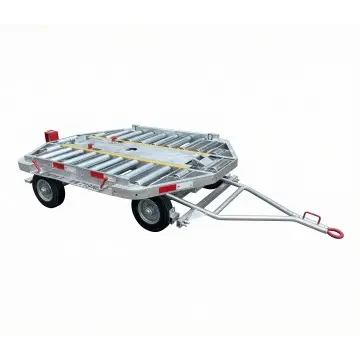
Incorporates updated lock mechanisms for securing LD3 cargo containers safely during transit.
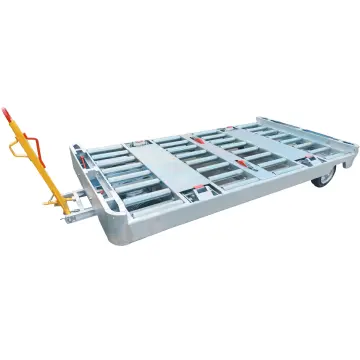
Premium transportation chassis capable of handling heavy operations under harsh apron conditions.
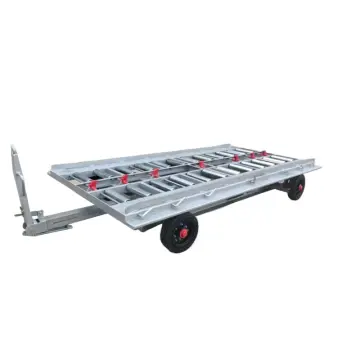
Specifically sized to support LD6 ULD systems, allowing easy roller engagement and release.
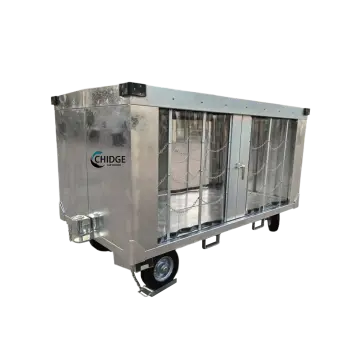
Integrated protective overhead screen to protect passenger bags in stormy environments.
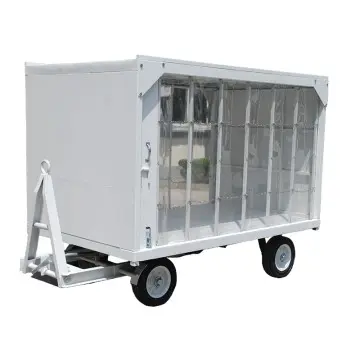
Offers complete structural containment against rain, snow, and theft during ground operations.
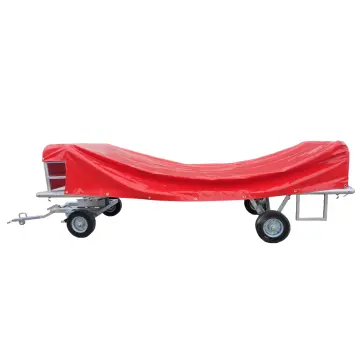
Lightweight design optimized for terminal and apron usage with high maneuverability.
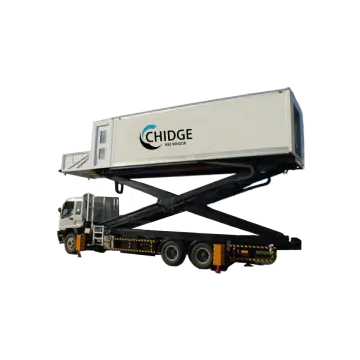
Hydraulic scissor-lift system designed for fast and safe food delivery services on medium-to-large aircraft.
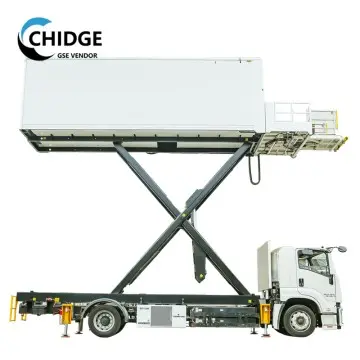
Eco-friendly electric chassis configuration, reducing carbon footprint for airport ground operations.
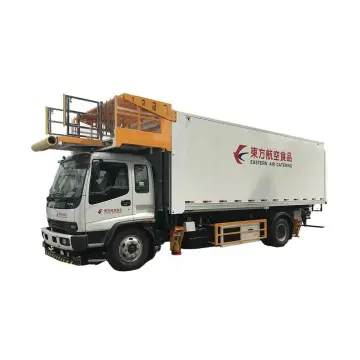
Equipped with reliable safety interlocks and insulation to keep food shipments fresh.
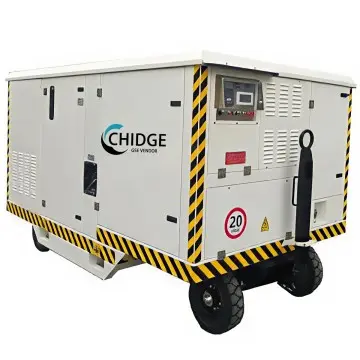
Delivers high-volume warm air to the cabin, ensuring comfortable temperatures before boarding in freezing conditions.
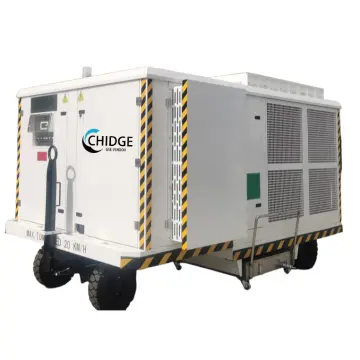
Pre-Conditioned Air system providing high-efficiency climate control solutions for regional aircraft.
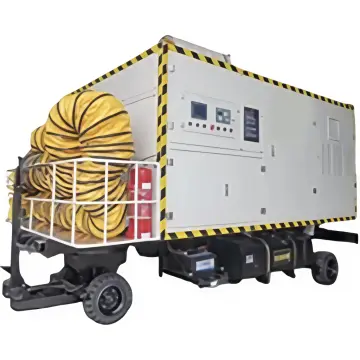
Portable cabin heating system, engineered for reliability and safety during cold-weather operations.
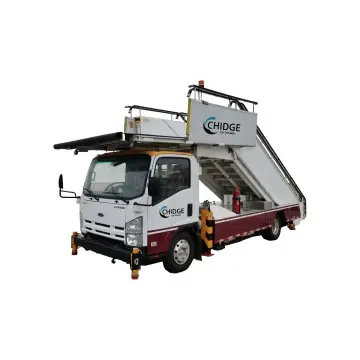
Self-propelled, electric boarding stairs with anti-slip walkways and adjustable height settings.
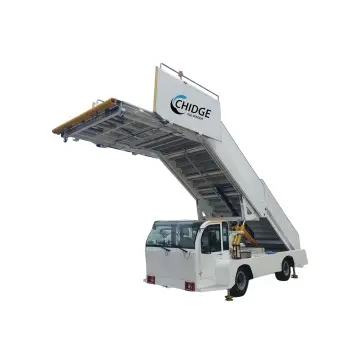
Diesel-powered model featuring a highly reliable chassis and hydraulic leveling systems.
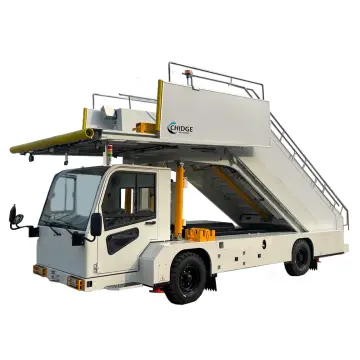
Designed for wide-body aircraft boarding, featuring wind-stable frames and safety railings.
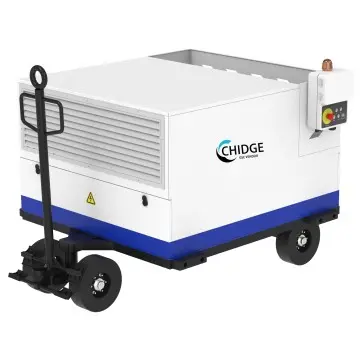
Utilizes advanced LFP battery banks to deliver clean, quiet, and eco-friendly 400Hz frequency converter power.
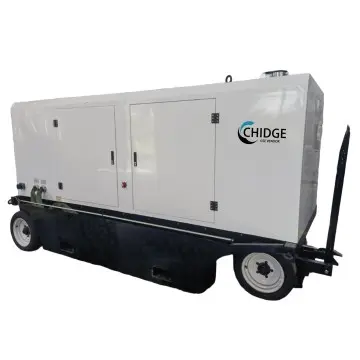
Supplies stable 115/200V AC power at 400Hz, ideal for narrow-body and regional passenger planes.
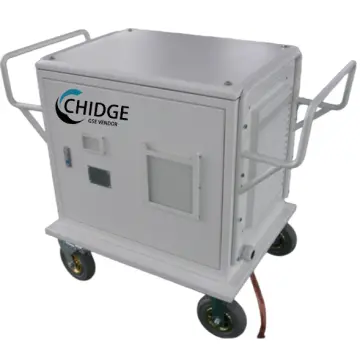
Bridge-mounted design that integrates with airport terminal grids to provide reliable aircraft service power.
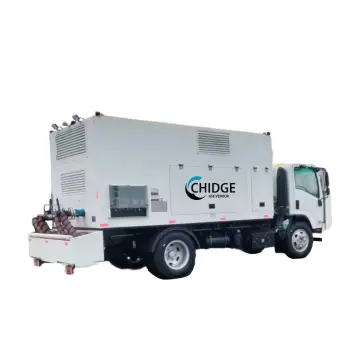
Delivers high-pressure air to start main aircraft turbines quickly, built on a robust, mobile chassis.
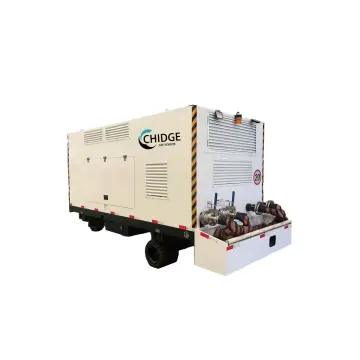
Compact design, delivering 300 PPM of compressed air to meet regional jet requirements.
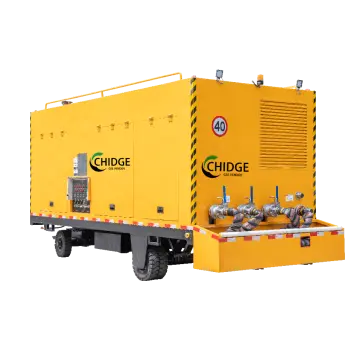
High-output 400 PPM unit built to support wide-body passenger airliners and freighters.
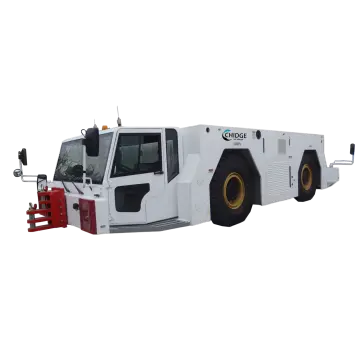
Heavy pushback tractor, designed to maneuver wide-body passenger and cargo planes safely.
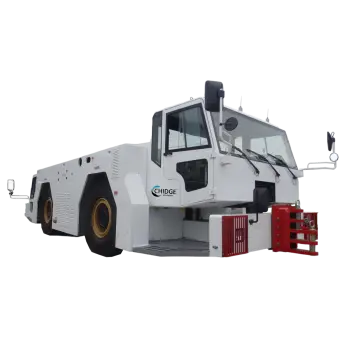
Provides reliable drawbar pull, perfect for medium-sized commercial planes.
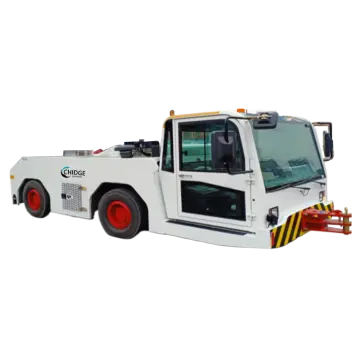
Compact design, optimized for tight maintenance hangar movements and regional airline stands.
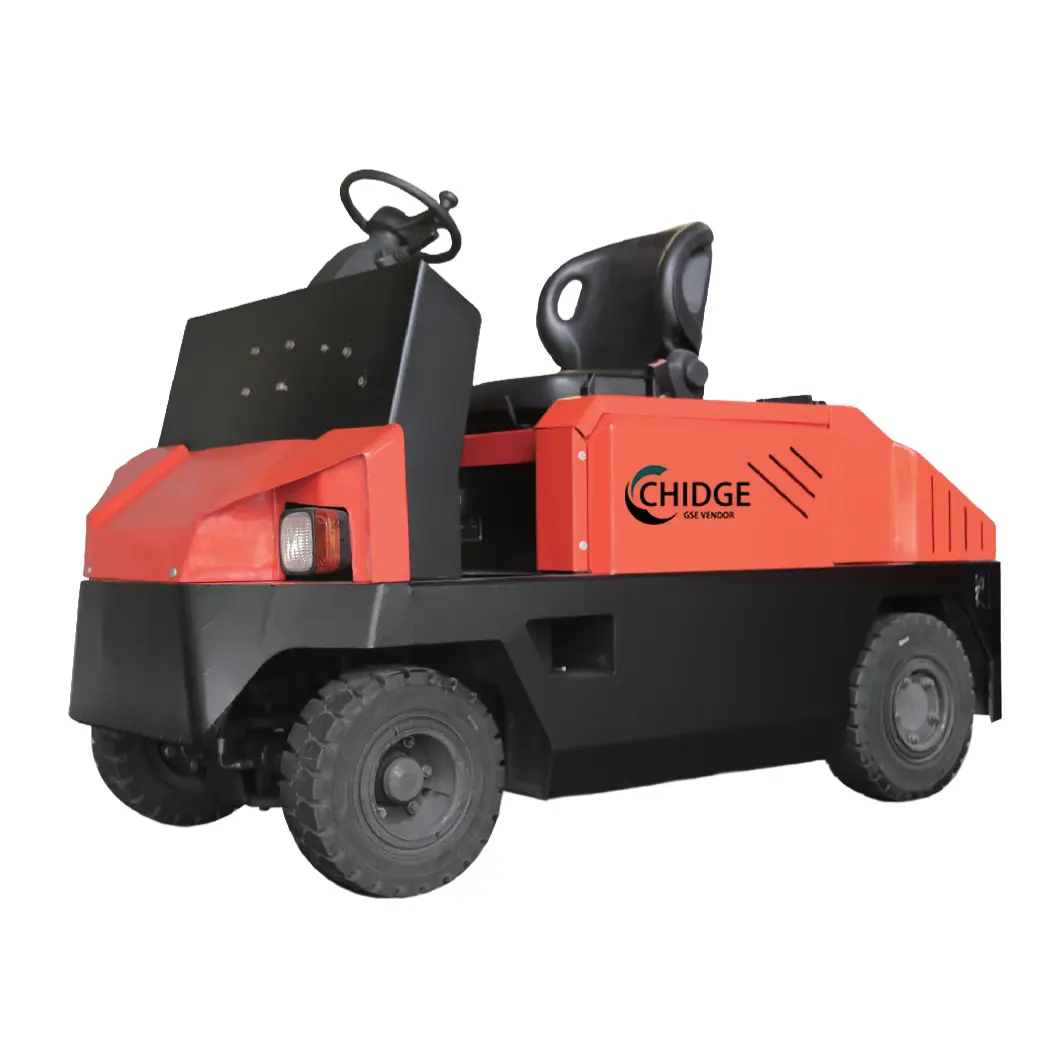
Electric drivetrain delivering zero emissions, quiet operations, and 10-ton towing capacity.
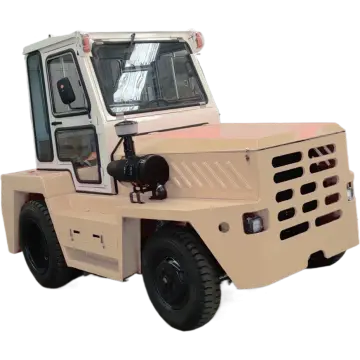
Heavy-duty diesel power designed to tow large baggage train configurations across extensive airport aprons.
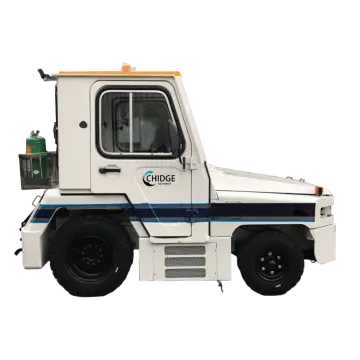
Double the electric towing performance, designed to move cargo dollies smoothly on long airport routes.
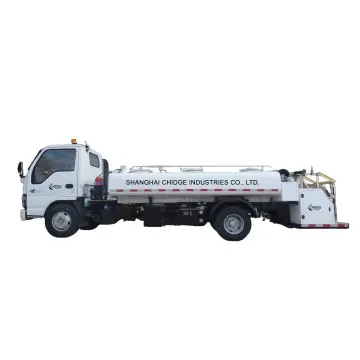
Features high-volume waste and flush water tanks, designed for sanitary operations.
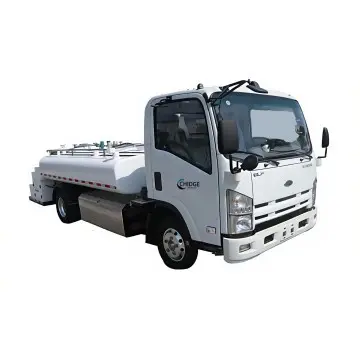
Delivers clean, potable water under pressure, utilizing an eco-friendly electric drivetrain.
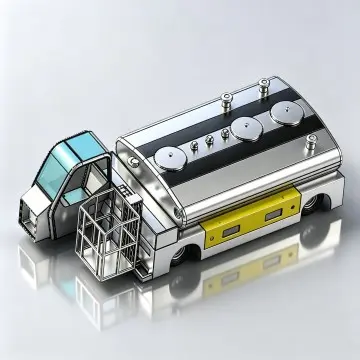
Zero-emission lavatory service truck, featuring corrosion-resistant tanks and simple control panels.
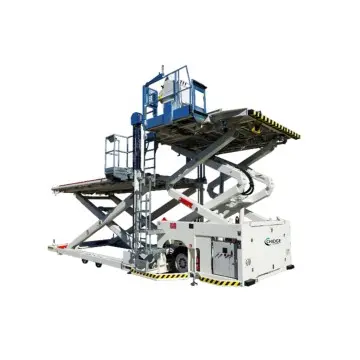
Heavy lift platform loader designed to handle standard pallets up to 14 tons quickly.
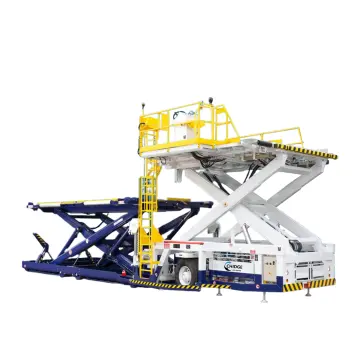
High-capacity main deck cargo loader, engineered to support massive freighter loading operations.
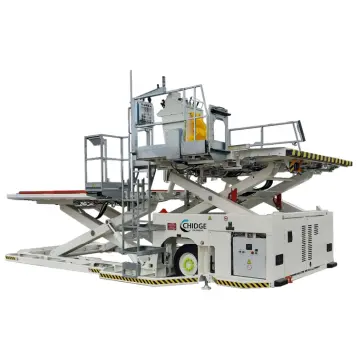
Designed for lower deck cargo handling, featuring highly reliable and precise operations.
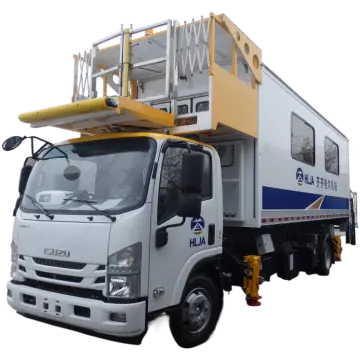
Allows passengers with reduced mobility to board aircraft safely, featuring smooth hydraulic lifts.
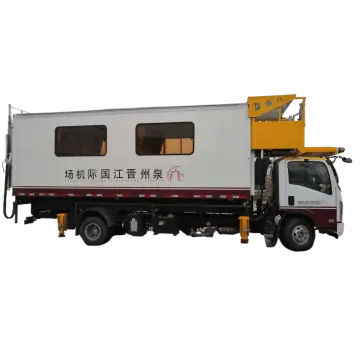
Universal interface lift system, providing clean, comfortable boarding solutions for injured or disabled passengers.
Engineered to operate reliably in harsh climates while complying with international airport safety regulations.
Our systems comply with IATA AHM, CE, ISO9001, and CAAC standards. Electrical outputs are continually monitored to prevent surges, protecting sensitive aircraft avionics.
Equipped with thermal management and anti-condensation designs, our equipment operates reliably in temperature extremes, from -40°C sub-zero environments to +55°C high-humidity conditions.
We maintain a responsive international parts supply network, working alongside local technicians to minimize downtime and keep airport operations running smoothly.
We customize GSE configurations to match unique airport layouts, specific fleet requirements, and regional grid standards. Our engineering team assists at every stage, from initial design and structural analysis to testing and final commissioning.
Whether you require custom dimensions for towbars, modified hydraulic lifts, or localized language interfaces for PLC screens, our design processes ensure high quality, performance, and reliability.




Our mission is to help airports and logistics companies build safe, efficient, and reliable ground support systems.
How digital integration, automation, and alternative power systems are transforming GSE operations.
Airports are replacing traditional diesel equipment with electric units. This transition reduces localized carbon emissions, decreases fuel expenditures, and lowers maintenance overheads.
Modern ground support units feature IoT interfaces. This connectivity enables fleet operators to monitor battery performance, evaluate diesel emissions, track locations, and schedule preventive maintenance.
Enhanced interlock mechanisms prevent GSE from operating unless securely connected, safeguarding ground crews and preventing damage to aircraft skin panels.
Technical details, compliance standards, and purchasing information for airport procurement teams.
Robust cargo transport and pallet handling solutions designed for demanding airport logistics operations.
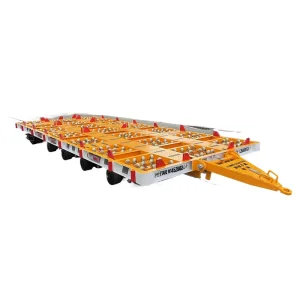
Designed for heavy cargo systems, incorporating high load limits and structural reinforcements for rapid turnaround operations.
View Product details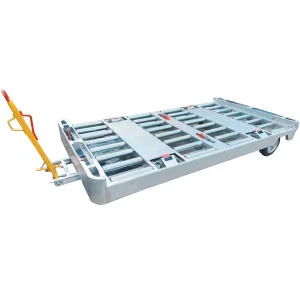
Heavy duty transport solution featuring structural steel reinforcement and high weight capacity.
View Product details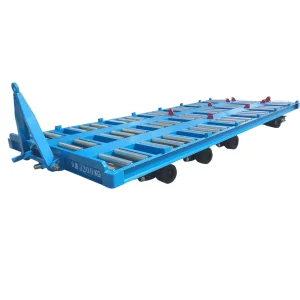
Features heavy-duty components and optimized casters for handling heavy air cargo containers.
View Product details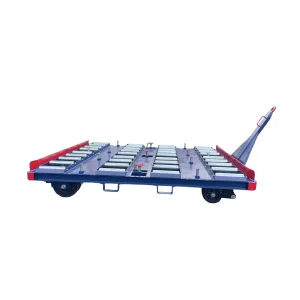
Standard 10-foot container dolly built for passenger baggage sorting and transport duties.
View Product details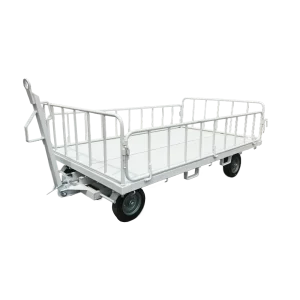
Weatherproof, highly rugged luggage cart layout ensuring passenger cargo safety in any operational environment.
View Product details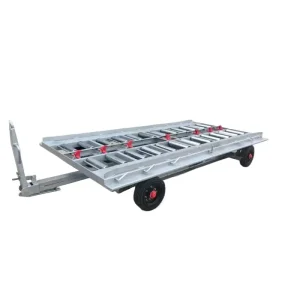
Specifically sized to support LD6 ULD systems, allowing easy roller engagement and release.
View Product details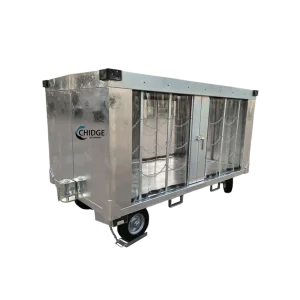
Offers complete structural containment against rain, snow, and theft during ground operations.
View Product details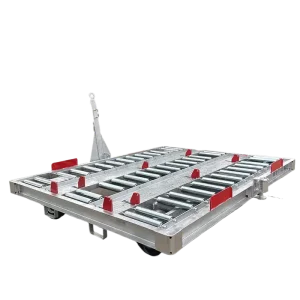
Precision engineered dollies optimized for terminal apron handling and compatibility with container sizes.
View Product details Chidge Dolly