Engineered for extreme reliability, maximum structural durability, and seamless GSE integration.
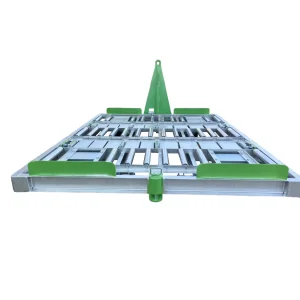
Heavy-duty chassis design engineered to withstand tough airport apron environments and simplify cargo logistics flow.
China Pallet Dolly Manufacturer, Suppliers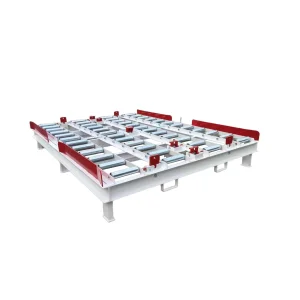
Tailored load-bearing structures with non-slip rollers and high-capacity safety locks for custom freight specifications.
Custom Slave Pallet Dolly Supplier, Suppliers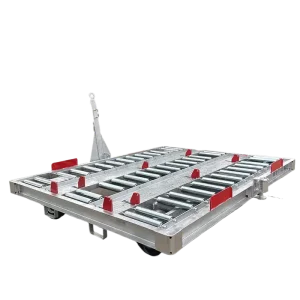
Rugged 7-ton capacity configuration utilizing premium corrosion-resistant materials for regional and international hubs.
China 7T Pallet dolly Manufacturer, Factory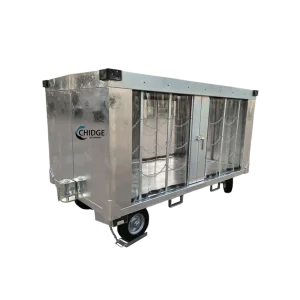
Sealed and weatherproof design to protect customer baggage in regions facing intense precipitation or seasonal storms.
Custom Rainproof Luggage Cart Factory, Factories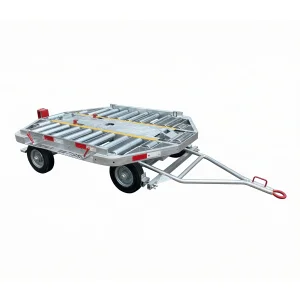
Engineered for quick loading and transport of LD3 containers, featuring a 360-degree rotation table for optimized ground work.
Wholesale New LD3 Container Dolly Suppliers, Factory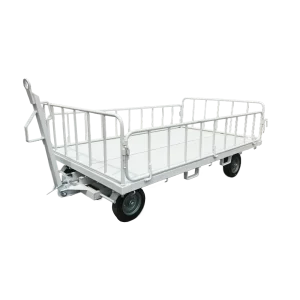
Ergonomically designed manual and towable baggage trolleys providing low rolling resistance and high maneuverability.
China Baggage Cart Supplier, Factory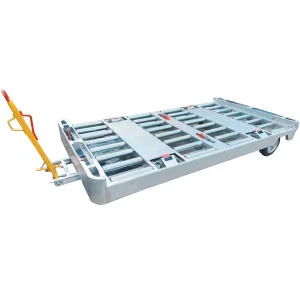
Ultra-robust structural load beds customized to meet the demanding requirements of global air cargo logistics networks.
Custom Container Dolly Solution Supplier, Factory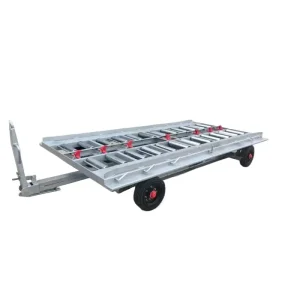
Specialized dual-orientation container cart systems offering top-tier mechanical security and tracking systems.
China LD6 container dolly Manufacturer, FactoriesIn the modern aviation ecosystem, the Airport Ground Power Unit (GPU) serves as the primary system keeping stationary aircraft powered without burning expensive jet fuel or taxing onboard auxiliary power units (APUs). As airports target net-zero carbon emissions by 2050 under strict ACI (Airports Council International) frameworks, optimizing ground power infrastructure represents a critical path to environmental and economic compliance.
Historically, airports relied heavily on diesel-driven generators. While effective, they introduce noise, high fuel costs, and massive localized emissions right at the boarding gates. Today, the aviation sector is rapidly shifting toward Solid-State (Static) Frequency Converters that tap directly into clean local grids, alongside Battery Energy Storage GPUs. These systems deliver reliable 400Hz AC and 28.5V DC power with minimal conversion losses and near-zero noise signatures.
"The core value of custom Chinese GSE lies in our ability to design electrical systems that bridge the gap between regional grid variations and the ultra-sensitive requirements of modern aircraft, such as the Boeing 787 Dreamliner and Airbus A350."
Meeting MIL-STD-704F, ISO 6858, and DFS 400 requirements for commercial and military applications.
| Performance Parameters | Solid-State Static Converter (SFC) | Diesel Rotary Ground Power Unit | Lithium-Ion Energy Storage GPU |
|---|---|---|---|
| Output Frequency | 400 Hz ± 0.01% (Quartz Stabilized) | 400 Hz ± 0.5% (Engine Governed) | 400 Hz ± 0.01% (Solid-state Inverter) |
| Output Voltage | 115/200 V AC, 28.5 V DC | 115/200 V AC, 28.5 V DC | 115/200 V AC, 28.5 V DC |
| Power Range | 45 kVA to 180 kVA (scalable) | 60 kVA to 140 kVA | 90 kVA to 180 kVA |
| Total Efficiency | > 94% at full load | ~35% (thermal efficiency) | > 92% (round-trip efficiency) |
| Enclosure Protection | IP55 / NEMA 4X (Outdoor Weatherproof) | Acoustic housing, IP54 rated | IP55 with active cooling |
| Acoustic Noise Level | < 65 dBA at 1 meter | > 80 dBA at 7 meters | < 60 dBA at 1 meter |
Explore our diverse ranges, spanning from specialized airport refueling vehicles to electrical ground support units.
Ground support equipment must perform flawlessly under diverse geographic and climatic extremes. A GPU deployed in the high-humidity, salt-laden coastal zones of Southeast Asia faces fundamentally different corrosion risks than a unit positioned in the freezing high-altitude plateaus of Central Asia, or the dust storms of Middle Eastern desert gates.
Operating ambient limits of up to +55°C require state-of-the-art dual-loop heat exchangers, specialized air filtration to block fine desert sand, and oversized heat sinks for the high-power IGBT converters to prevent automatic thermal shutdown.
Sub-zero operating temperatures down to -40°C necessitate integrated component heater blankets, specialized low-temperature synthetic lubricants, and internal heating elements to prevent structural crystallization and startup failure.
Coastal runways are exposed to relentless saltwater breezes. We utilize custom C5-M high-durability marine-grade paint finishes, heavy-duty stainless steel fasteners, and conformal-coated electronics to halt galvanic corrosion.
Our research and development pipeline centers on three core pillars designed to align with upcoming international airport regulations:
We deliver industry-leading manufacturing capability, rigid testing standards, and direct OEM/ODM customization.
Employing state-of-the-art solid-state circuit engineering, digital signal processing (DSP), and advanced CAD mechanics to achieve unparalleled product efficiency.
Every system undergoes exhaustive stress testing, vibration analysis, and simulated load profiling to exceed standard civil and military aviation rules.
Our optimized supply chains and close partnerships with top oceanic and air shipping companies guarantee timely international equipment delivery.
Offering global technical support networks, spare parts distribution, and direct line consulting to secure consistent airport flight readiness.
Whether you require customized chassis dimensions to fit constrained under-bridge spaces, dual output power lines for multi-aircraft hangars, or custom digital protocol integration (such as MODBUS, BACnet, or custom telematics), our engineers work closely with your technical teams from prototype concept validation to final commissioning. We help airport operators achieve swift regulatory approval and minimize operating expenditures.
We collaborate with major airlines, logistical shipping firms, and airport engineering consultants globally to build resilient aviation infrastructure.

 Selling Aviation Ground Equipment
 Serving Airlines & Logistical Hubs
 Extensive GSE Catalog Coverage
 Guaranteed Quality & Fast Delivery
Deep analysis, technical releases, and trends from our engineering department.
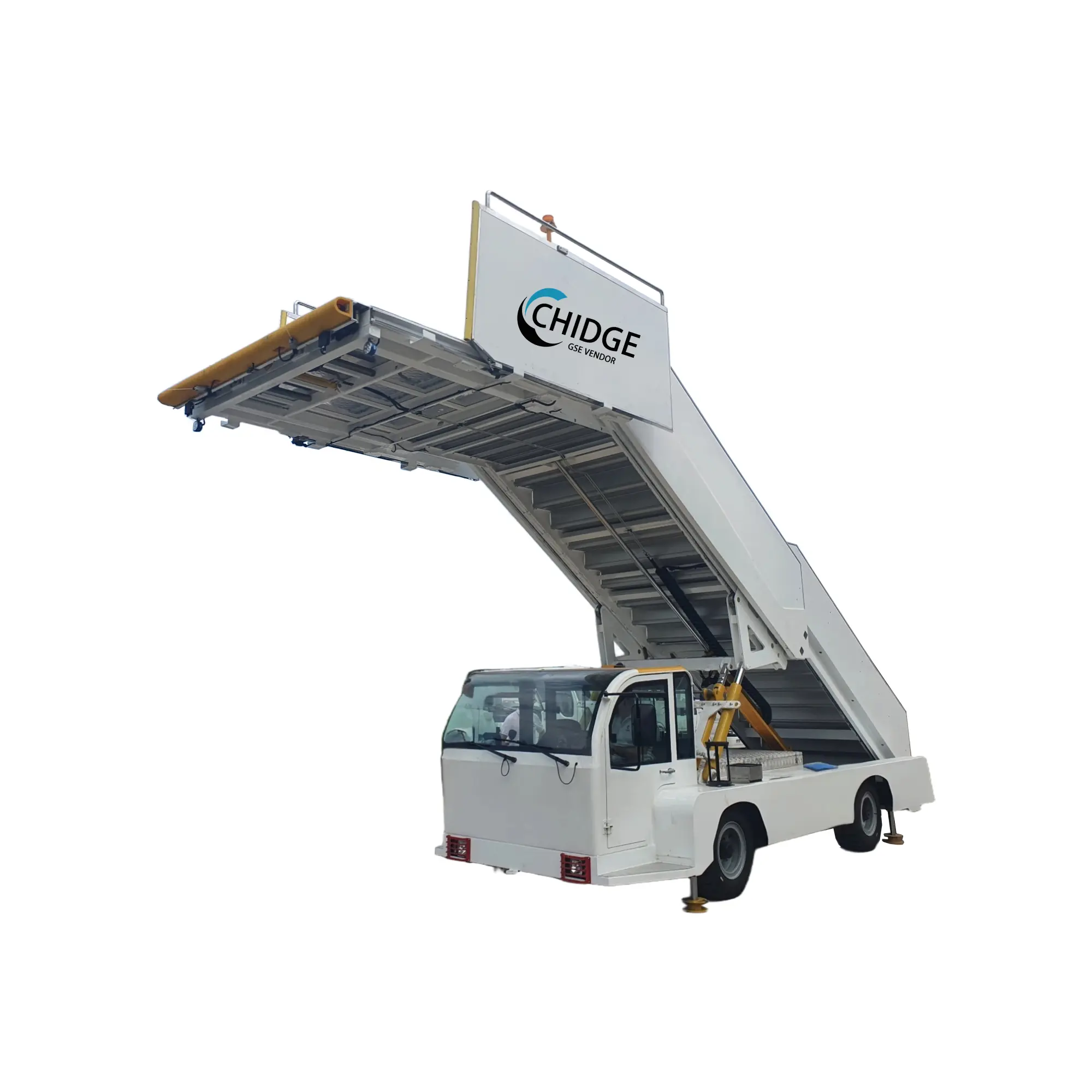
Discover how boarding stair geometry, anti-slip tread engineering, and hydraulic chassis safety systems work together to ensure swift passenger flow under extreme weather scenarios.
May 27, 2026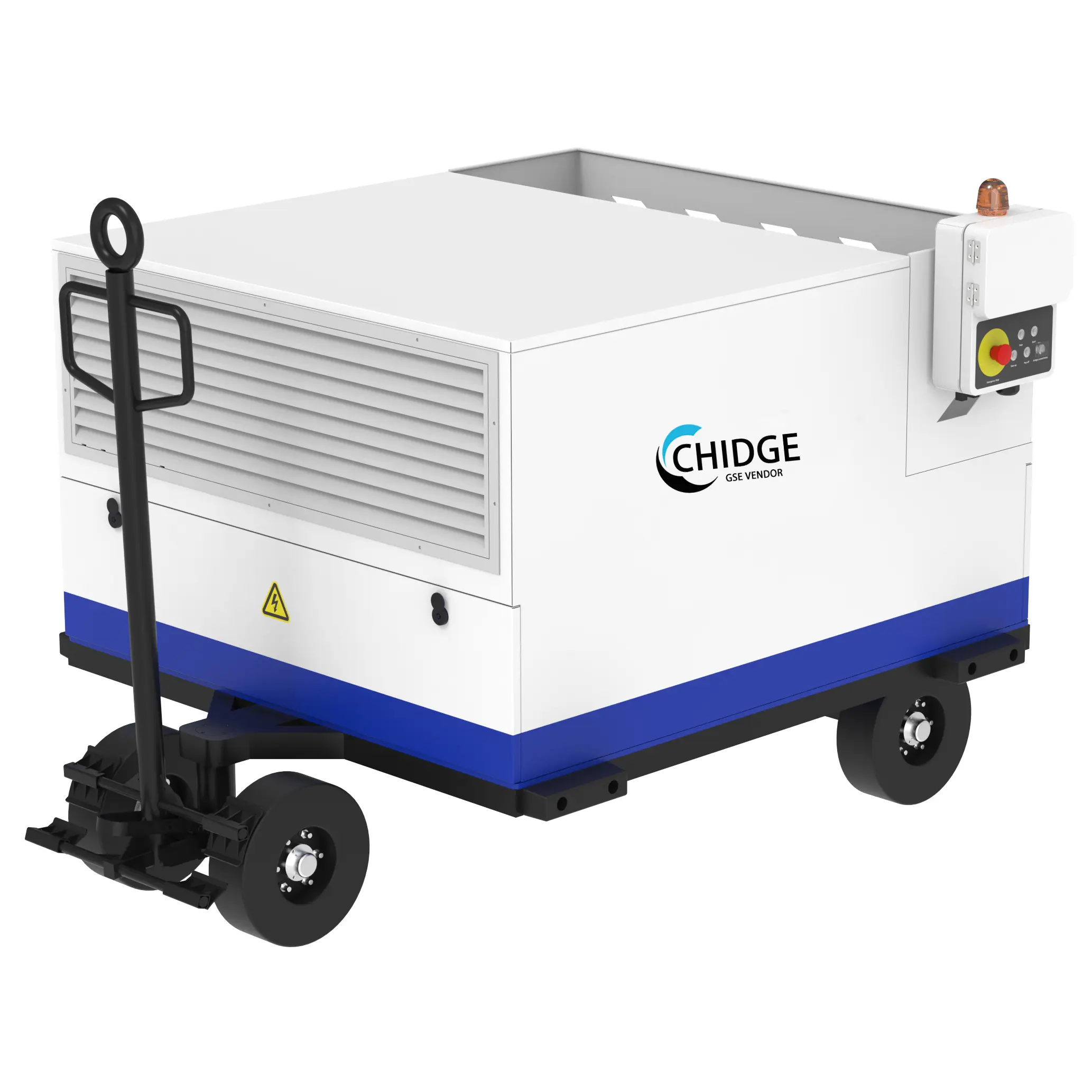
An inside look at our battery-powered towable 400Hz GPU system. Ideal for remote military runways and zero-emission civil terminals targeting zero carbon burn.
May 19, 2026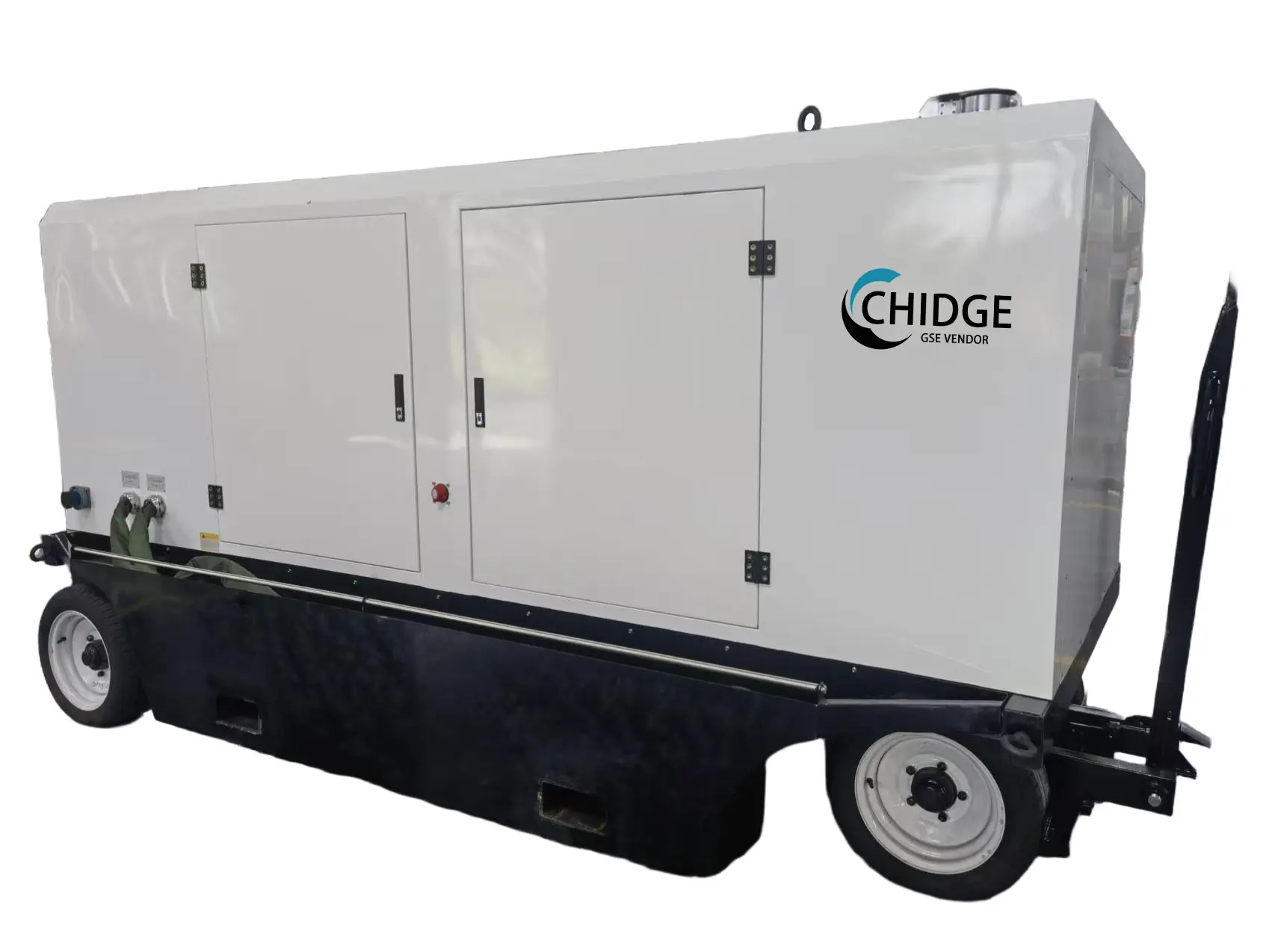
Analyzing the transition from high-maintenance diesel rotary generators to solid-state electrical ground power. A comprehensive guide for operational cost reduction.
May 18, 2026Clear, technical answers to common queries regarding aircraft ground power units and airport cargo dollies.
A: Standard industrial and home utility systems utilize 50Hz or 60Hz. However, aircraft generators and motors operating at 400Hz are significantly lighter and more compact. Increasing the electrical frequency allows engineers to build lighter electrical motors, reducing aircraft weight to maximize fuel efficiency during flight.
A: Solid-state GPUs (Static Frequency Converters) utilize power electronics (IGBTs) to convert municipal grid power (50Hz/60Hz) directly to 400Hz aviation power. They are extremely quiet, low-maintenance, and emit zero local emissions. Diesel-driven units rely on onboard internal combustion engines to spin rotary generators. While they offer complete portability for remote airfields, they require regular fuel, emit carbon, and produce noise.
A: Generally, turboprops, helicopters, regional business jets, and smaller military planes utilize 28.5V DC for avionics checks and engine starting. Major single-aisle and dual-aisle commercial aircraft (such as the B737, A320, B777, and B787) rely primarily on 115V/200V AC at 400Hz.
A: Our units feature comprehensive microprocessor-controlled protection systems including over/under voltage protection, overload current limiting, phase sequence checking, output short-circuit isolation, over-temperature protection, and automatic neutral line monitoring to guarantee total safety for the aircraft's electrical system.
A: Yes, our LD3, LD6, and 7T cargo dollies are built in compliance with international IATA standards. They feature standardized stop locks, spring-loaded cargo guides, and rollers that allow safe handling of LD1, LD2, LD3, LD4, LD8, and LD11 containers, alongside standard military pallets.
A: All our pallet dollies, baggage carts, and container trailers undergo hot-dip galvanizing or industrial-grade polyurethane electrostatic powder coating. This provides a highly resilient barrier against weather, runway salt-melt chemicals, and abrasive mechanical impacts.
A: Since solid-state converters do not contain moving mechanical parts that suffer physical wear, they regularly achieve operational lifespans exceeding 15 to 20 years. This longevity only requires basic fan cleanings and cabinet inspection routines.
A: Yes, our advanced tractors and catering trucks can be customized with CAN bus interfaces, GPS tracking, vehicle health diagnostic transmitters, and automatic collision-avoidance radar systems to link directly with your airport control software.
Rugged construction and heavy-duty towing options designed to streamline apron efficiency.
High-tensile structural frame engineered to safely transport 10-foot cargo pallets across active taxiways.
China 10FT Pallet Dolly Manufacturer, Factories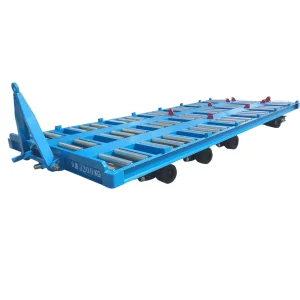
Customized heavy cargo solution boasting an 18-ton capacity limit for wide-body freighter turnaround.
Custom 18T 20FT Pallet Dolly Manufacturer, Supplier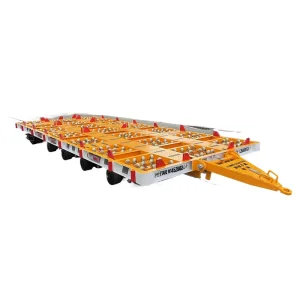
Ultra-high load capacity 27-ton design configured for industrial-grade freighter load decks.
China 27Ton 20FT Pallet Dolly Manufacturer, Factories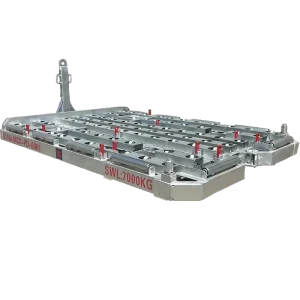
Proprietary castle-type security rollers preventing lateral load shift during high-speed taxiway transport.
Custom 7T castle pallet dolly Suppliers, Factories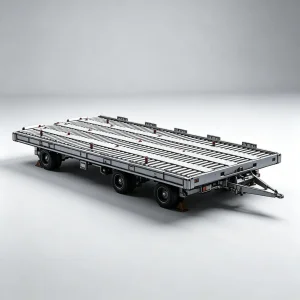
Extremely reinforced industrial transport structure tailored for global air shipping super-hubs.
China 35Ton 20FT Pallet Dolly Manufacturer, Factories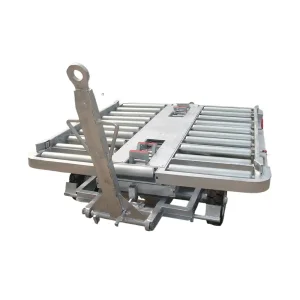
Standard container trailer for quick passenger baggage transfers, built to IATA GSE specifications.
Wholesale LD3 container dolly Manufacturers, Suppliers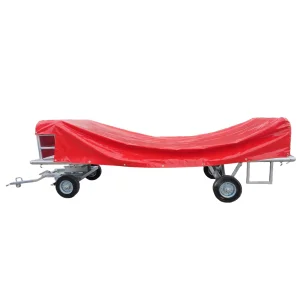
Ergonomically sound and highly durable baggage trolleys designed for passenger terminals and luggage pick-up lines.
China Baggage trolley Manufacturer, Factories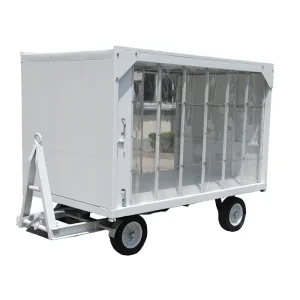
Fully enclosed panels that protect luggage from environmental elements and terminal handling impacts.
Wholesale Enclosed Baggage Cart Manufacturer, Supplier Chidge Dolly
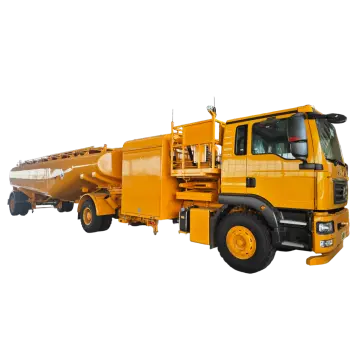 CD5207GJJ Aircraft Tank Refueling Truck
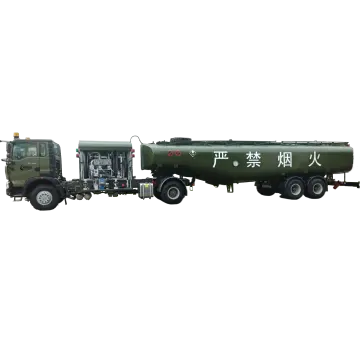 CD5580GJJ Aircraft Tank Refueling Truck
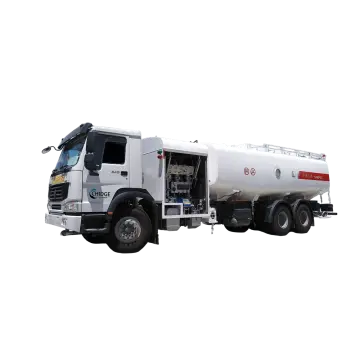 CD5341GJJ Aircraft Tank Refueling Truck
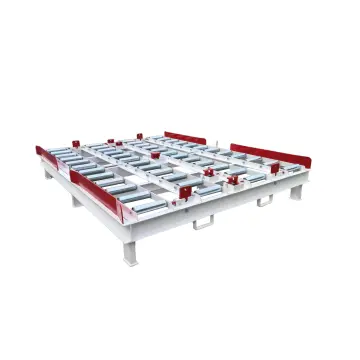 Slave Pallet Dolly
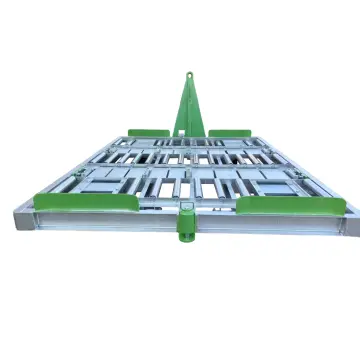 Pallet Dolly
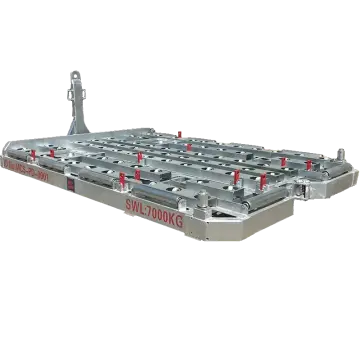 7T Castle Pallet Dolly
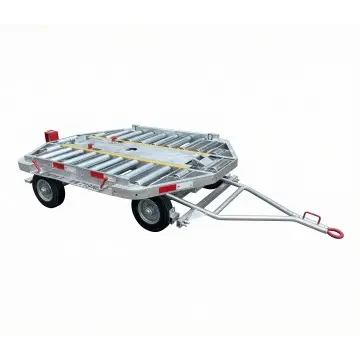 New LD3 Container Dolly
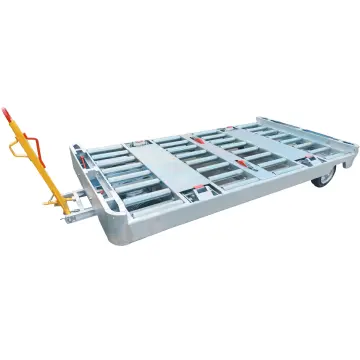 Container Dolly: Heavy-Duty Transport Solution
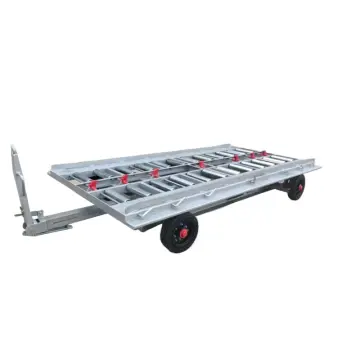 LD6 Container Dolly
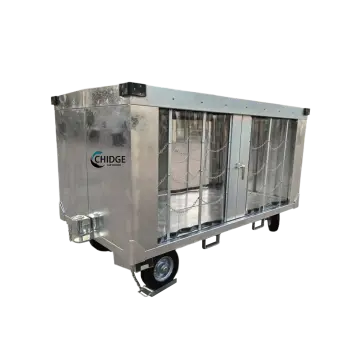 Rainproof Luggage Cart
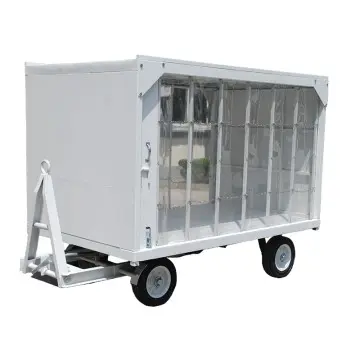 Enclosed Baggage Cart
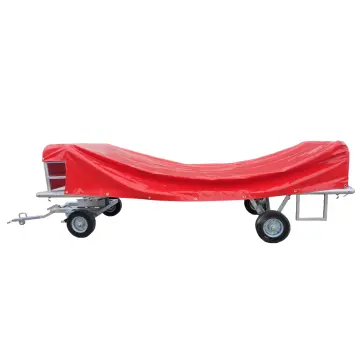 Baggage Trolley
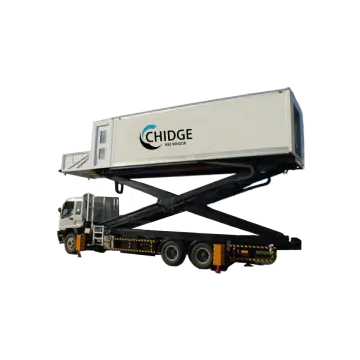 CD-SP80 Catering Truck
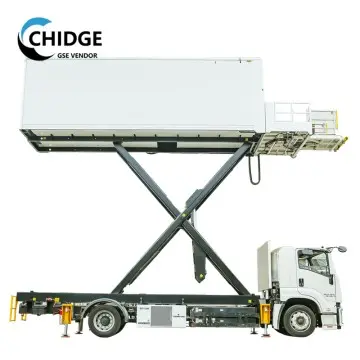 Electric Catering Truck
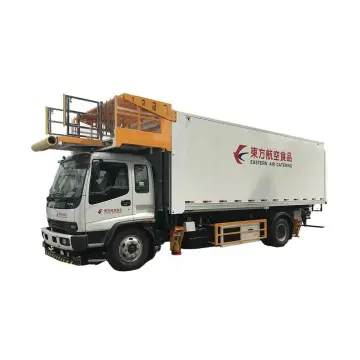 Catering Truck
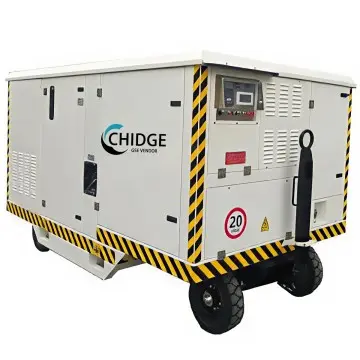 Aircraft Heating Unit - CDH-60
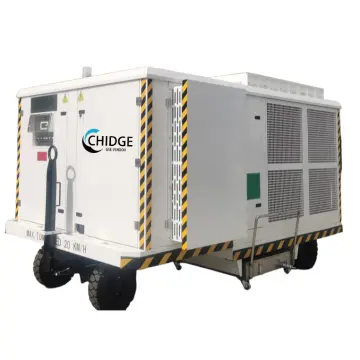 Pre-Conditioned Air (PCA) Unit - CD190
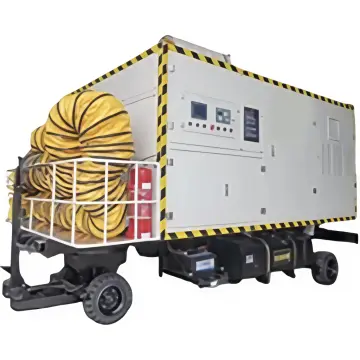 Aircraft Cabin Heater - CD-H02
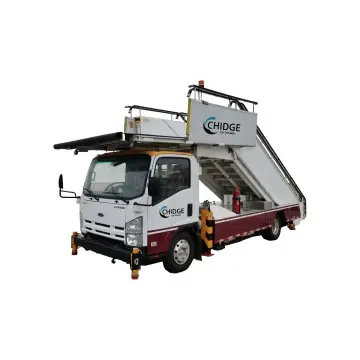 CD-PBS5062E Self-propelled Stairs
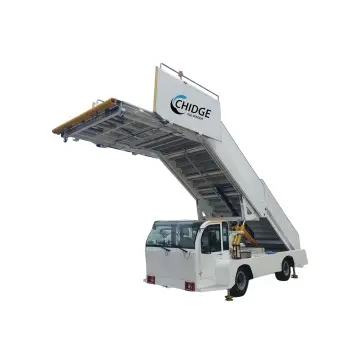 CD-PBS5062D Self-propelled Stairs
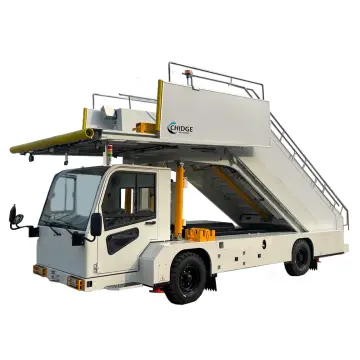 CD-PS580 Self-propelled Stairs
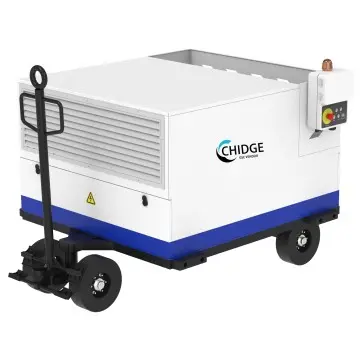 Energy Storage Ground Power Unit
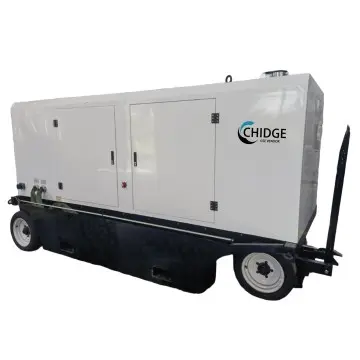 90KVA Aircraft Ground Power Unit
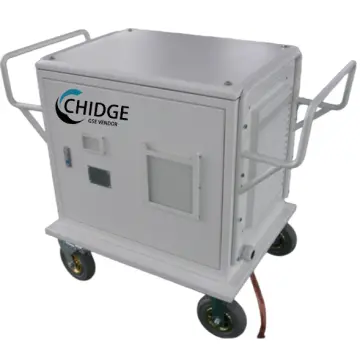 Aircraft Ground Static Power Unit
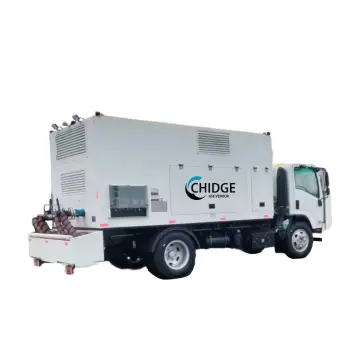 Truck Mounted Air Start Unit
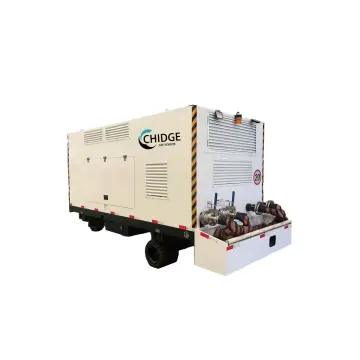 CDA300 Air Start Unit
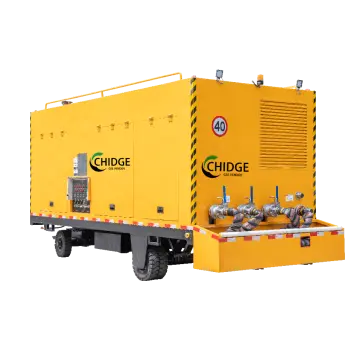 CDA400 Air Start Unit
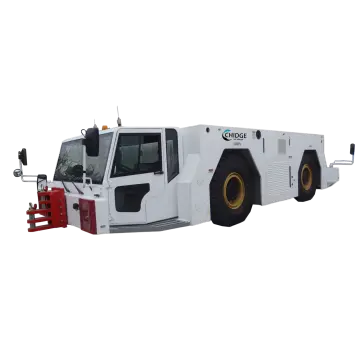 CDT700 Aircraft Towing Tractor
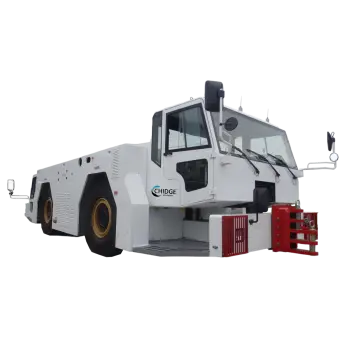 CDT450 Aircraft Towing Tractor
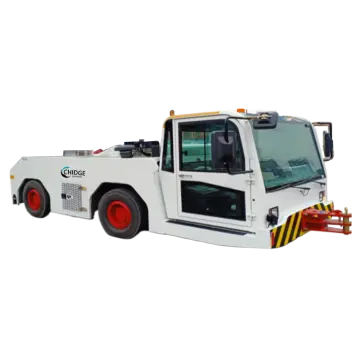 CDT300 Aircraft Towing Tractor
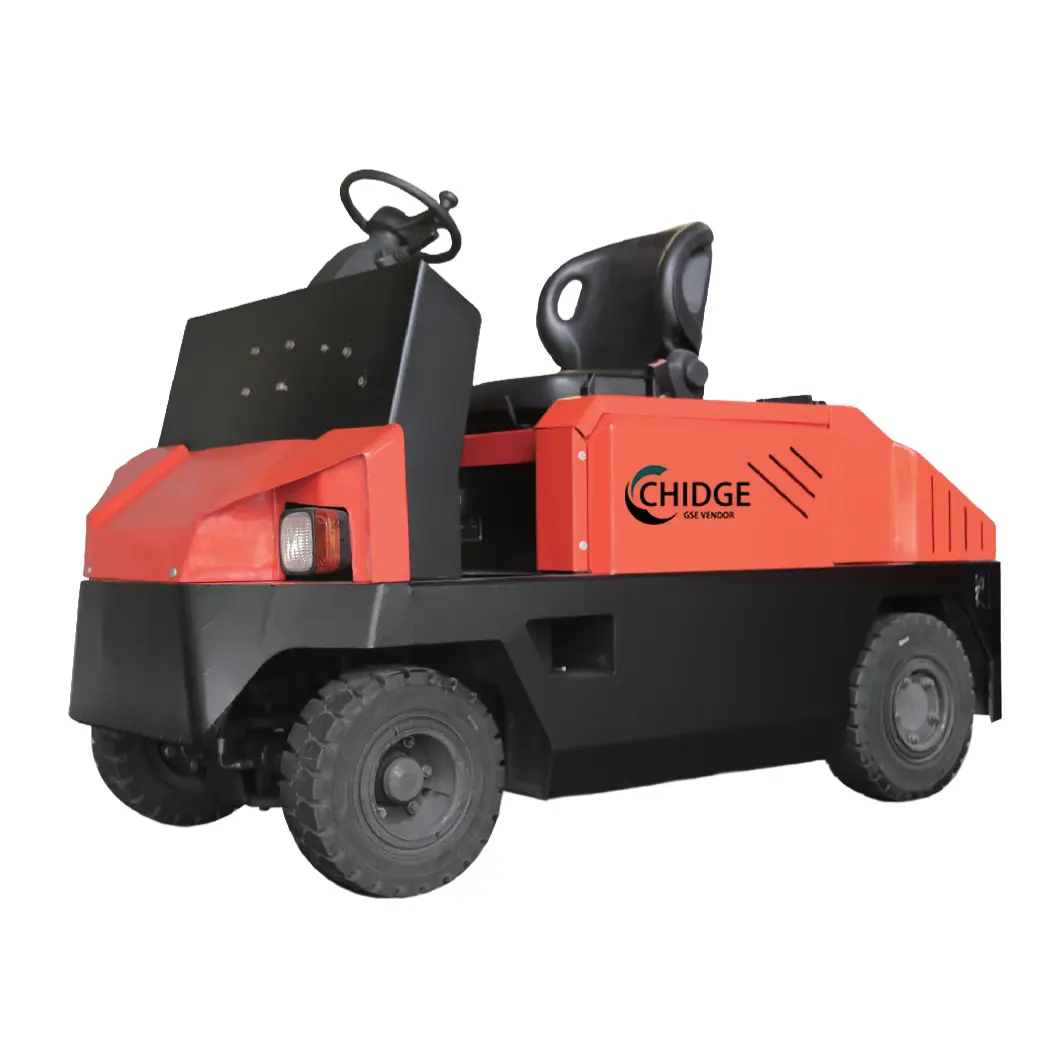 10Ton Electric Baggage Towing Tractor
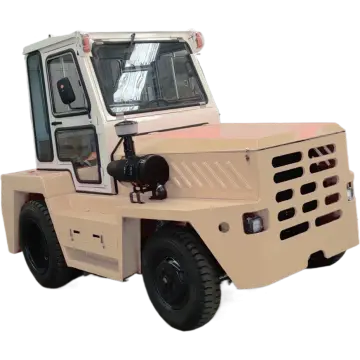 50-100Ton Diesel Baggage Towing Tractor
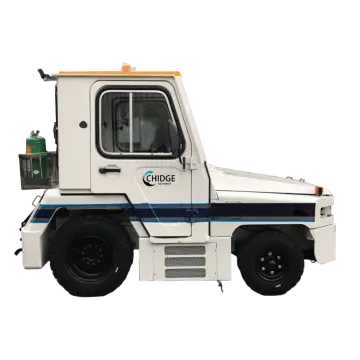 20Ton Electric Baggage Towing Tractor
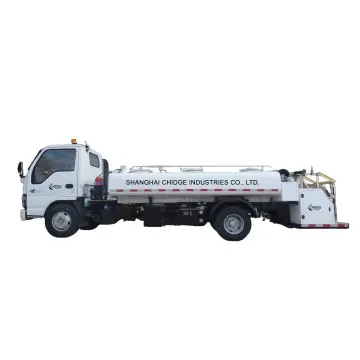 CD5060DWS Aircraft Lavatory Service Truck
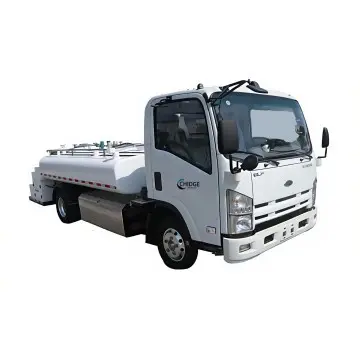 CD5060DQS Electric Aircraft Lavatory Truck
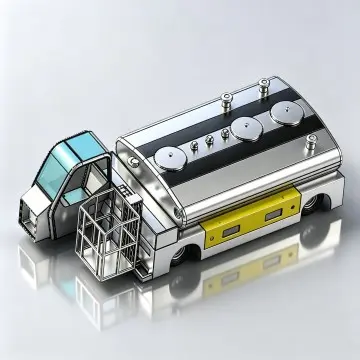 CD5060DWSZ Electric Aircraft Lavatory Truck
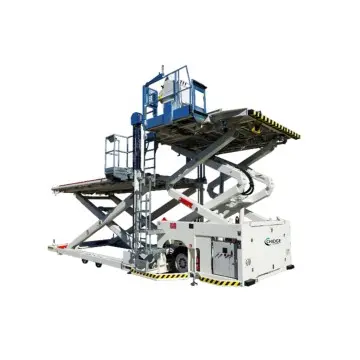 CDL14000 Cargo Loader
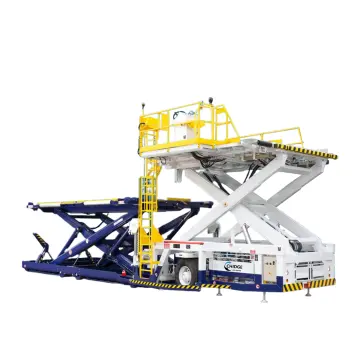 CDL35000 Cargo Loader
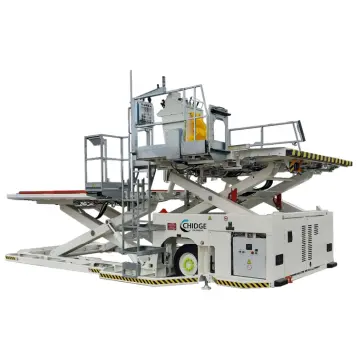 CDL7000 Cargo Loader
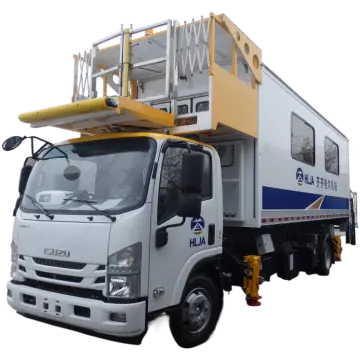 CD-Q5100DCR Ambulift Truck
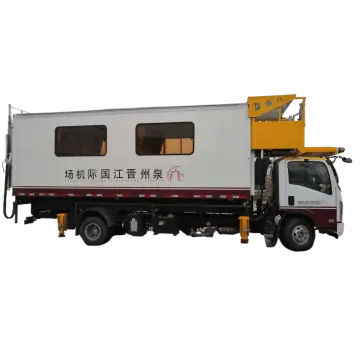 Ambulift Truck Standard Edition