Explore our heavy-duty dollies, baggage carts, and specialized airside cargo transfer platforms engineered to extreme operating tolerances.
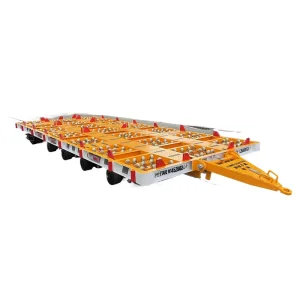
High-capacity structural steel design engineered for seamless loading and handling of extra-large ULD containers at logistics hubs.
Learn More →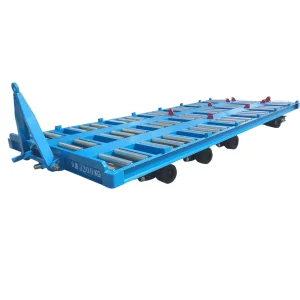
Tailored heavy-duty runway pallet transport systems configured for precise compatibility with active main deck loaders.
Learn More →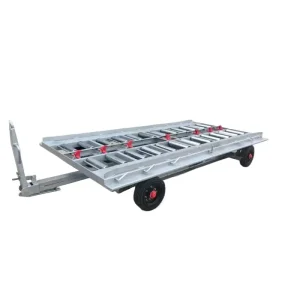
Optimized load distribution chassis boasting heavy-duty rollers and reliable dual-axle steering for tight turnaround limits.
Learn More →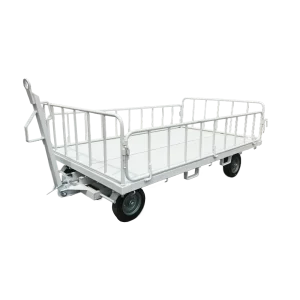
Durable airside luggage carts optimized with reliable braking and protective structures to prevent adverse weather wear.
Learn More →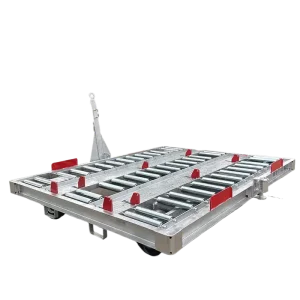
Industry-standard 7-ton regional airport pallet dollies containing continuous-welded durability arrays and reinforced hitches.
Learn More →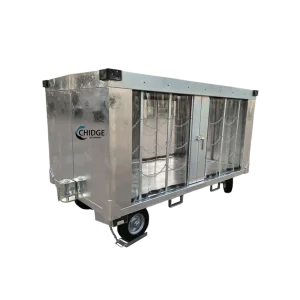
Equipped with overhead structural cladding to secure sensitive air cargo shipments against rain, sand, and wind degradation.
Learn More →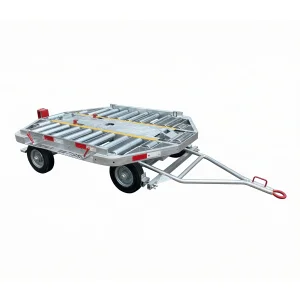
Features 360-degree rotation capacity beds designed specifically for rapid LD3 unit load device turnaround processes.
Learn More →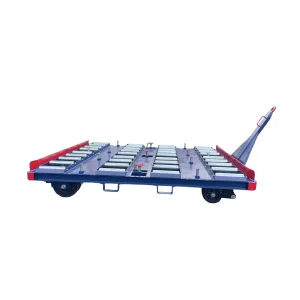
Robust 10-foot multi-use pallet dolly configured to withstand intense dynamic structural stress on active runways.
Learn More →A comprehensive whitepaper detailing the engineering standards, conversion topologies, and environmental impact reductions of modern 400Hz airport networks.
In modern aviation infrastructure, the Fixed Ground Power Unit (FGPU) serves as the primary system for sustainable, ground-based operations. Historically, commercial and military aircraft parked at terminal gates relied on their Auxiliary Power Units (APUs)—onboard gas turbine engines that consume expensive jet fuel and emit large amounts of CO2, NOx, and noise. Alternatively, diesel-powered mobile Ground Power Units (GPUs) were used, which added maintenance costs, emissions, and apron traffic.
An FGPU transitions this workload to the airport's electric grid. It converts 50Hz or 60Hz utility power into the highly regulated 3-phase 115/200V AC power at 400Hz or 28.5V DC power required by aircraft electrical systems. Implementing fixed ground power systems helps airports reduce operating expenses (OPEX), minimize tarmac noise, and meet strict environmental mandates, including Net-Zero carbon goals.
Modern FGPUs use solid-state (static) electronic conversion instead of rotary motor-generator sets. Static frequency converters provide superior efficiency (often exceeding 94%), minimal maintenance requirements, and faster transient response times during load fluctuations.
Our Fixed Ground Power Units conform to international standards for aerospace electrical compatibility, including DFS 400 (specification for 400Hz systems), ISO 6858 (aircraft ground support electrical requirements), MIL-STD-704F (aircraft electric power characteristics), and EN 2282.
From specialized refueling trucks and heating systems to heavy-duty towing tractors and cargo loaders, our products cover the full scope of modern apron operations.
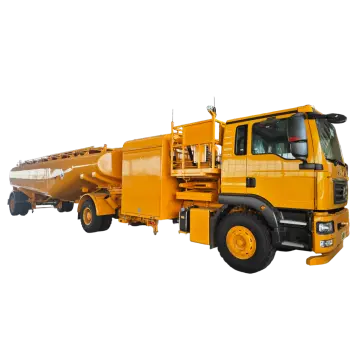
High-performance refueling vehicles, including models CD5207GJJ, CD5580GJJ, and CD5341GJJ. These systems feature integrated filtration, precise metering, self-circulation, and pressure control to ensure safe and efficient fuel transfers.
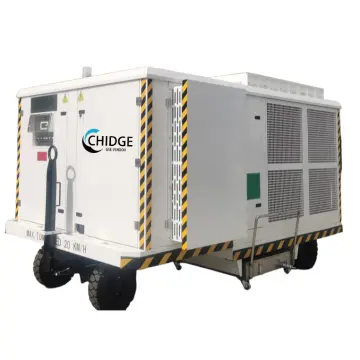
Ground climate support units, including the CDH-60 Aircraft Heating Unit, the CD190 PCA Unit, and the CD-H02 Cabin Heater. These units maintain stable cabin temperatures during pre-flight checks and boarding operations.
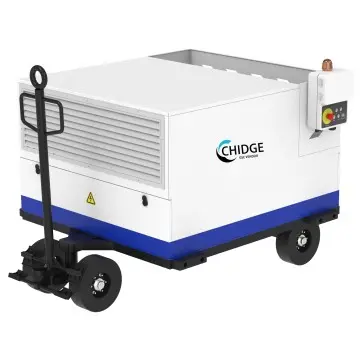
Advanced power options, featuring our green Energy Storage Ground Power Unit, 90kVA Aircraft Ground Power Unit, and Aircraft Ground Static Power systems, providing stable frequency conversion for airport operations.
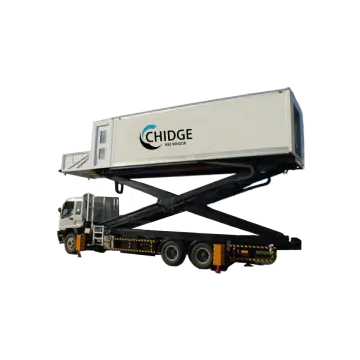
Airside catering transport options, including the CD-SP80 Catering Truck, the Electric Catering Truck, and standard diesel-driven catering lifts, designed to meet rigorous sanitization and weight capacity standards.
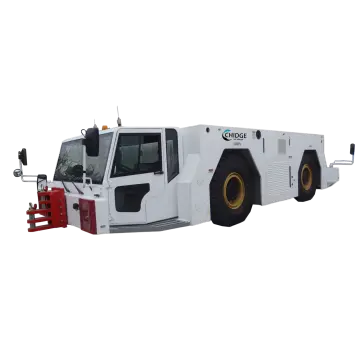
Heavy-duty pushback and tow systems, including the CDT700, CDT450, and CDT300 Aircraft Towing Tractors, built to move wide-body aircraft safely and efficiently.
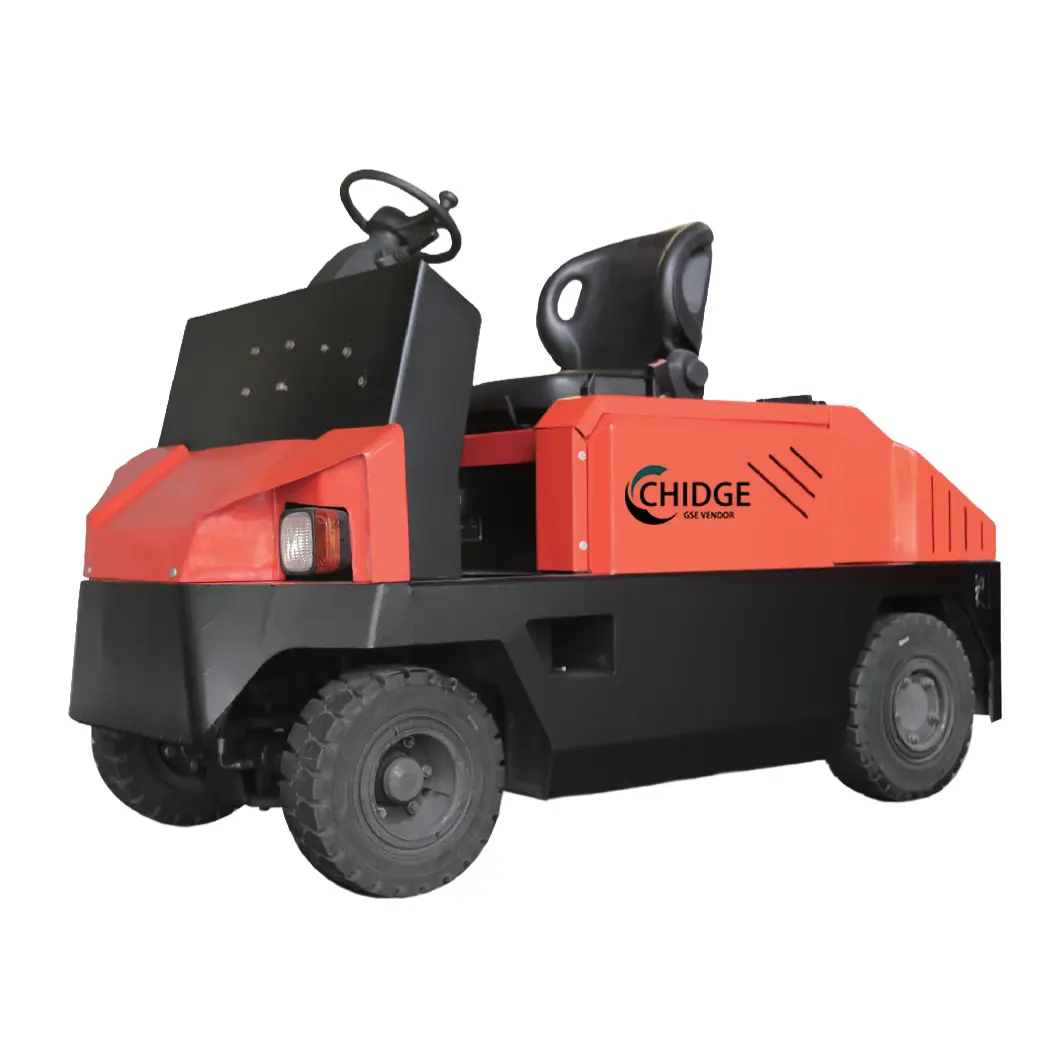
Reliable airside transport tractors, including the 10Ton Electric Baggage Towing Tractor, the 20Ton Electric Baggage Towing Tractor, and the heavy-duty 50-100Ton Diesel Baggage Tractor.
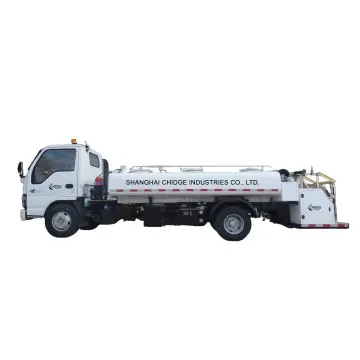
Corrosion-resistant airport service trucks, including the CD5060DWS Lavatory Service Truck, the CD5060DQS Electric Water Truck, and the CD5060DWSZ Electric Utility Unit.
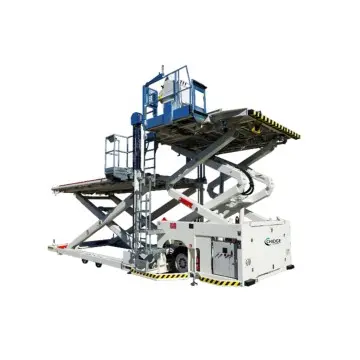
Precision cargo handling equipment, including the CDL14000, CDL35000, and CDL7000 Cargo Loaders, designed to handle high pallet capacities.
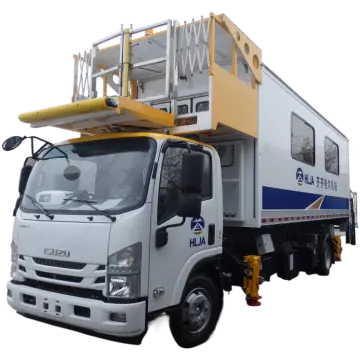
Passenger boarding stairs (models CD-PBS5062E, CD-PBS5062D, and CD-PS580) alongside specialized Ambulift Trucks (including the CD-Q5100DCR) to ensure safe boarding.
Procuring airport FGPUs requires a balance of upfront capital expenditure (CAPEX) and long-term operating costs (OPEX). Technical teams evaluating these systems must prioritize key electrical parameters to ensure safe, stable output.
Additionally, procuring departments should look for manufacturers that offer modular line-replaceable units (LRUs). Modular IGBT bridges and control cards allow airport technicians to swap components quickly, minimizing downtime on the ramp.
FGPUs are typically installed in one of two configurations, depending on the layout of the passenger terminal and the boarding gate:
Why Tier-1 airlines and global airport authorities choose our engineering and logistics support networks.
Our research and development teams use modern conversion technologies and advanced simulations to design power systems that deliver high efficiency and long-term reliability.
Built with components sourced from reputable global suppliers, our equipment is engineered to withstand extreme runway operations and deliver reliable, stable power.
Through active supply chain management, optimized logistics, and structured inventory controls, we ensure timely delivery of equipment even when managing tight project timelines.
Our engineering support teams provide prompt technical assistance, spare parts supply, and maintenance training to keep your operations running smoothly.
As airports transition toward smart, electric microgrids, the role of ground power units is evolving. Next-generation FGPUs are integrating several key technological advancements:
Providing custom ground support equipment and power systems built to your precise operational and environmental requirements.
From initial concept planning and circuit board layout to structural engineering, we design custom systems that address localized grid conditions and specialized aircraft connectors.
Every custom design undergoes rigorous testing—including electromagnetic compatibility (EMC), thermal cycling under full load, and vibration resistance—to meet international aviation standards.
We provide complete integration services, packaging our converters with cable retrievers, pit systems, and cabin air units for a clean, unified gate configuration.




Stay informed with technical analyses, industry trends, and the latest updates from our research team.
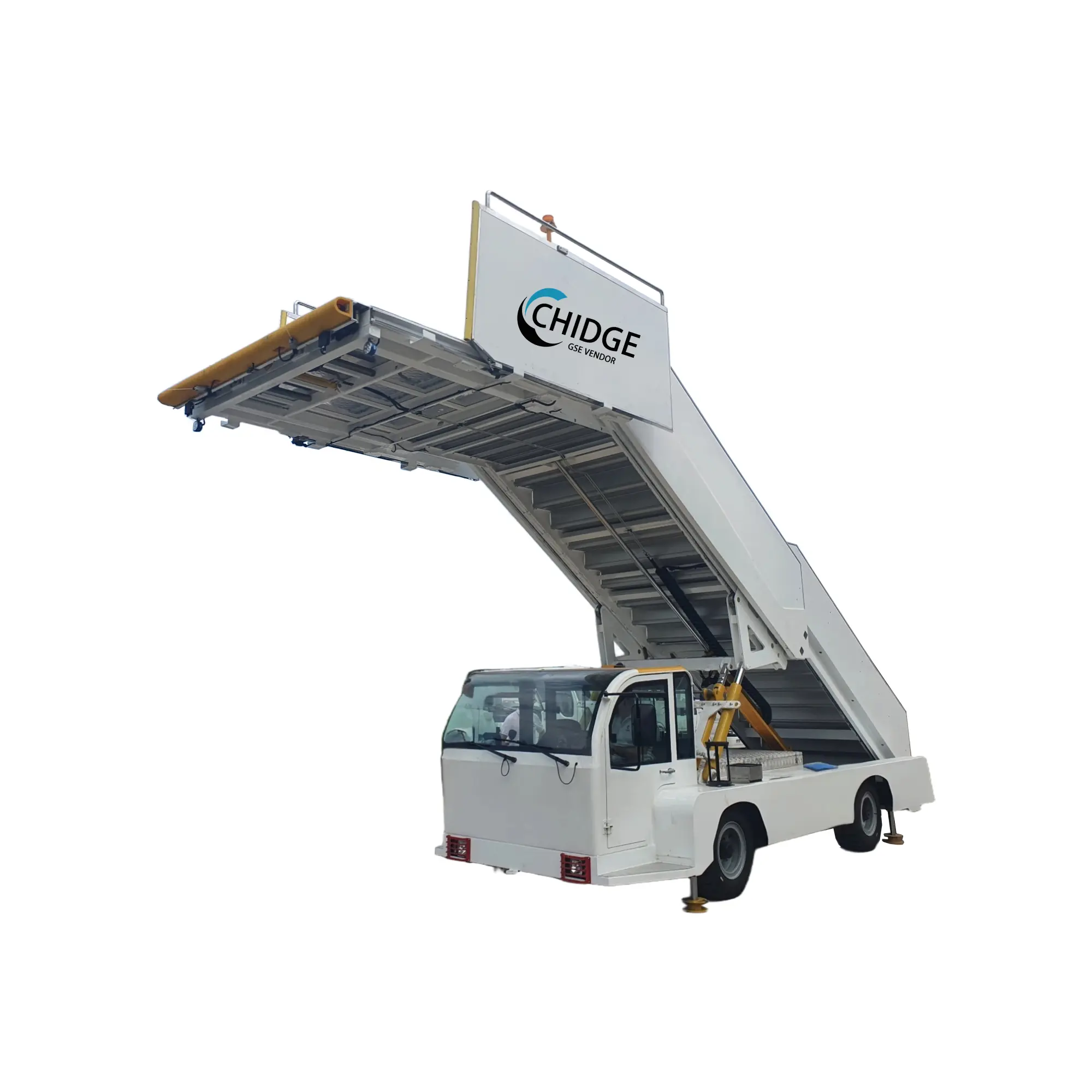
An in-depth look at the safety standards, structural engineering, and drive systems behind modern mobile and self-propelled passenger boarding ramps.
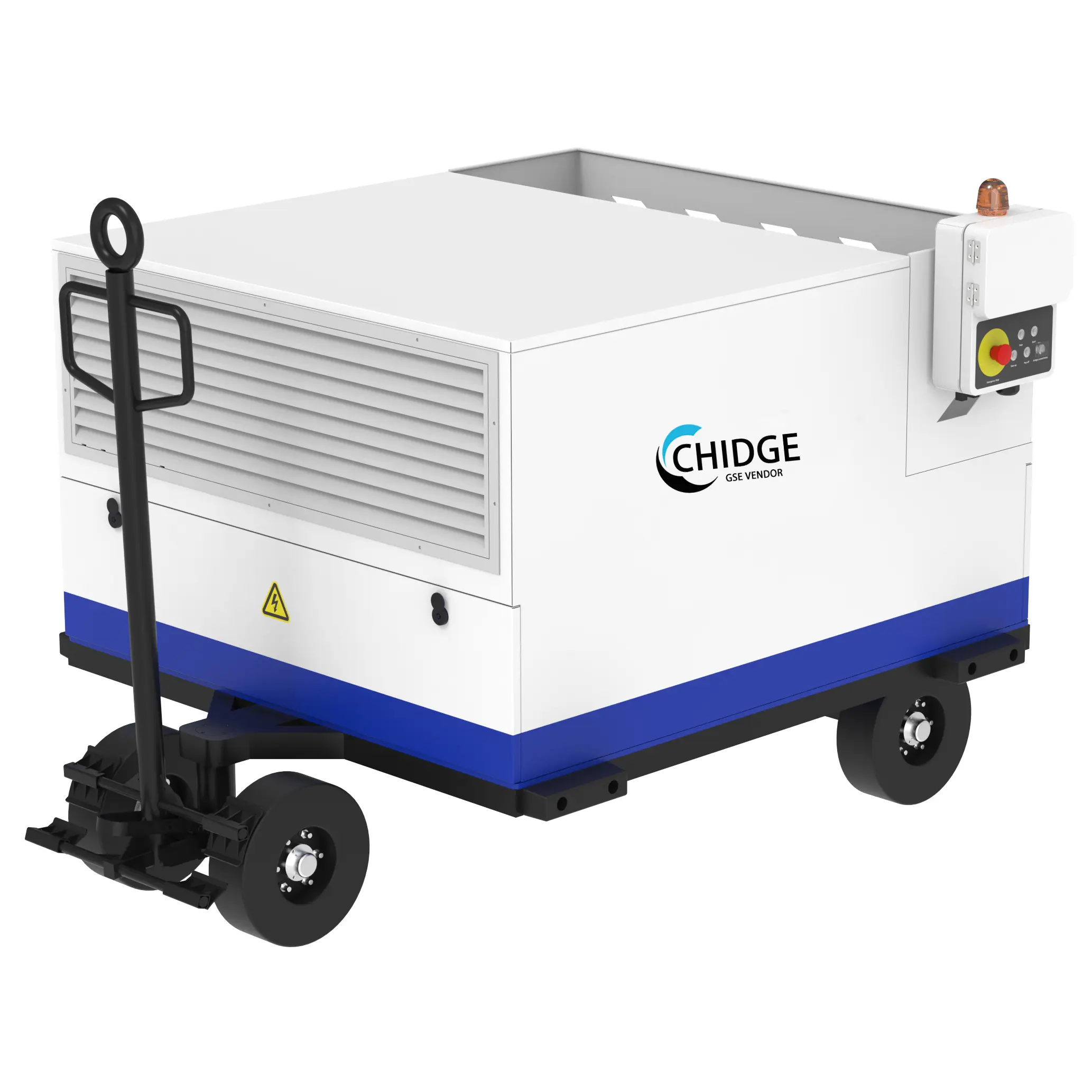
Examining the integration of lithium iron phosphate (LFP) battery systems into mobile GPUs, offering zero-emission operation at remote stands.
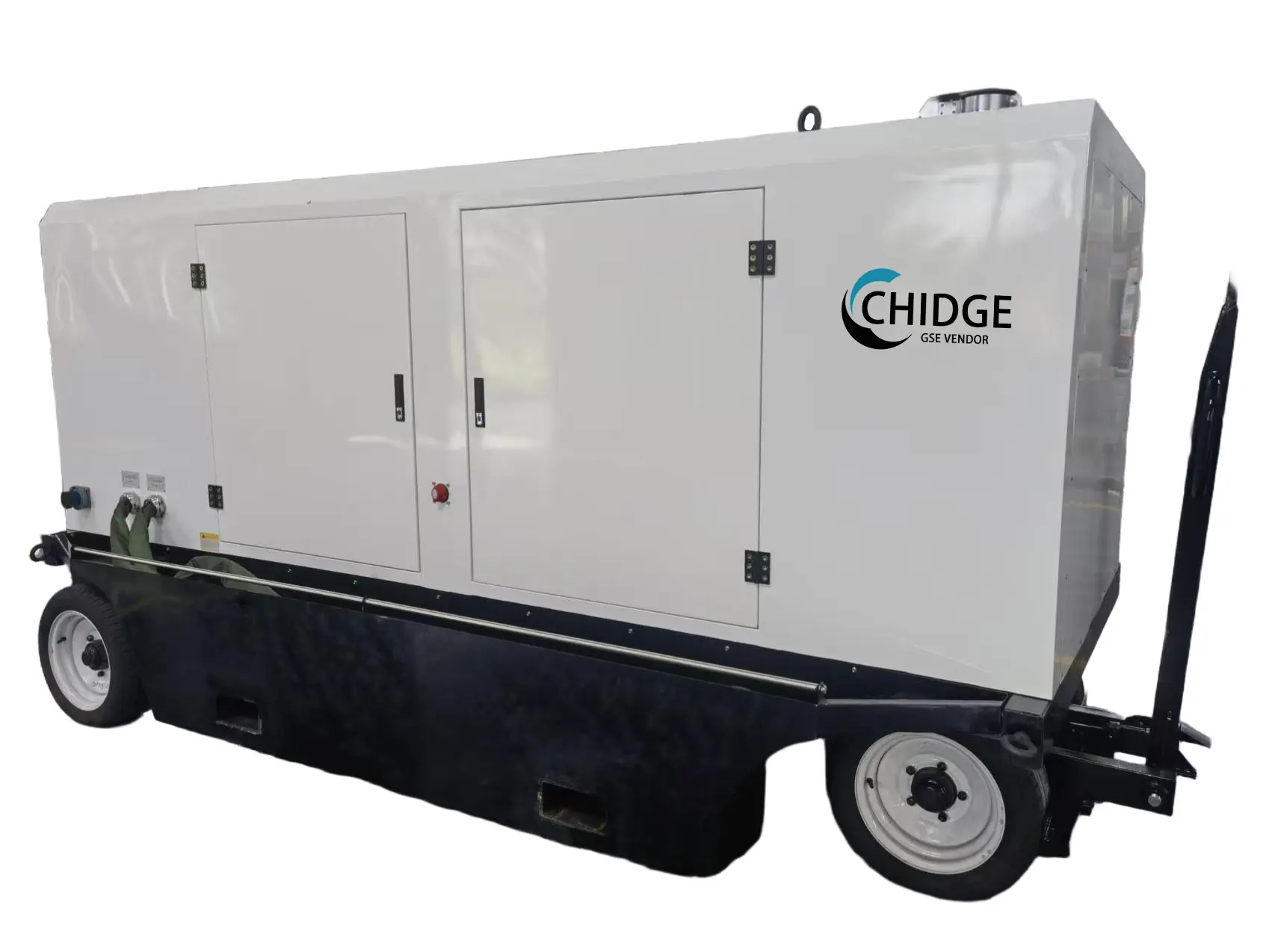
A detailed review of 400Hz static converters and truck-mounted GPUs, highlighting their electrical efficiency, transient response, and role in modern gate setups.
Technical answers to common questions about 400Hz frequency converters and ground power units.
A: Aircraft use 400Hz electrical systems primarily to reduce weight. The size and weight of magnetic components—such as transformers, motors, and alternators—are inversely proportional to the operating frequency. By using 400Hz, aircraft components can be smaller and lighter, which improves fuel efficiency and payload capacity.
A: Rotary converters use an electric motor coupled to a generator to physically change the frequency, which involves moving parts that require regular maintenance. Static frequency converters use power electronics (rectifiers, DC links, and IGBT inverters) with no moving parts. Static systems offer higher efficiency (up to 95%), quieter operation, faster transient recovery, and lower total cost of ownership.
A: At 400Hz, inductive reactance is much higher than at 50/60Hz, which can cause significant voltage drops over long cables. To prevent this, we design FGPUs with built-in line drop compensation (LDC). The LDC system dynamically adjusts the converter's output voltage based on the load current, ensuring that exactly 115V AC is delivered at the aircraft plug.
A: Our FGPUs include comprehensive electrical protections, such as overvoltage/undervoltage shutdown, overload protection, short-circuit current limiting, over-temperature protection, and phase rotation monitoring. They also feature 28.5V DC interlock control loop sensing to ensure power is only applied when the plug is fully mated to the aircraft.
From heavy-duty container dollies to passenger boarding stairs, discover our complete line of ramp equipment.
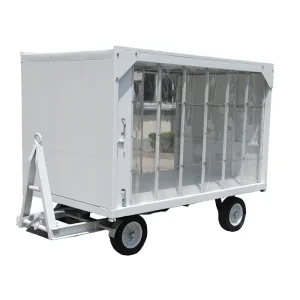
Durable enclosed baggage cart featuring lightweight side panels and weather-sealed sliding doors for secure airside luggage transfer.
Learn More →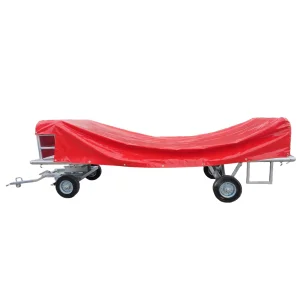
Ergonomic hand-drawn baggage trolley with specialized braking systems, optimized for busy passenger terminals.
Learn More →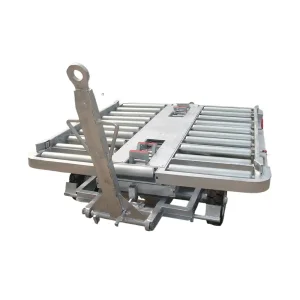
Standard airside container dolly equipped with dual-end mechanical stops and multi-directional roller beds.
Learn More →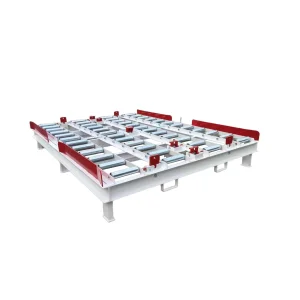
Low-profile slave dolly configured to integrate with warehouse roller decks for smooth air cargo transfers.
Learn More →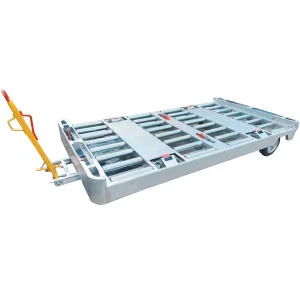
Reinforced transport solution designed for moving heavy ULD platforms and oversized machinery across runways.
Learn More →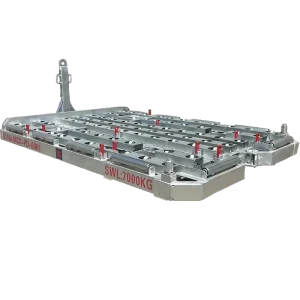
Features an omnidirectional swivel caster design to simplify the alignment and locking of 7-ton cargo pallets.
Learn More →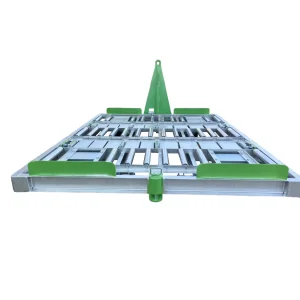
A reliable, heavy-duty cargo dolly featuring a hot-dip galvanized chassis and reliable parking brakes.
Learn More →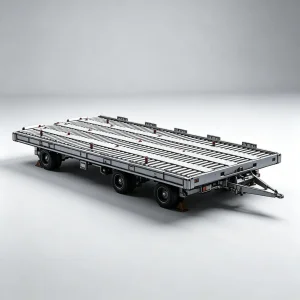
Our highest capacity cargo dolly, built to support double-stacked ULD configurations and heavy main deck cargo.
Learn More → Chidge Dolly