Engineered for maximum reliability, structural stability, and peak efficiency in high-tempo airside operations.
Integrating advanced electric drive systems, intelligent telemetry, and lightweight structural composites into GSE engineering.
Built to withstand demanding dynamic loads, verified via finite element analysis (FEA) and destructive stress testing protocols.
Optimized manufacturing pipelines and deep vertical supply integrations guarantee on-time global deployments.
Prompt engineering assistance, critical spare parts logistics, and local field support networks across major hubs.
A statistical analysis of the ecological and performance advantages of electric ground support systems compared to legacy diesel alternatives.
| Equipment Category | Propulsion Type | Rated Load capacity | Advanced Telematics | Compliance Standards |
|---|---|---|---|---|
| Electric Cargo & Conveyor Loaders | LiFePO4 Lithium Battery System | Up to 15,000 kg | IoT GPS & Real-time Battery SOC | IATA AHM 910, CE, ISO 9001 |
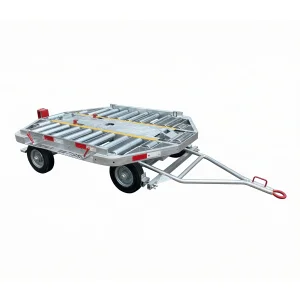
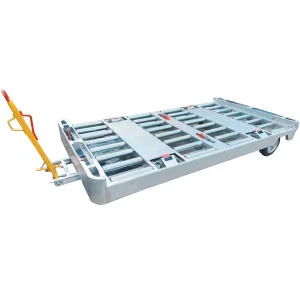
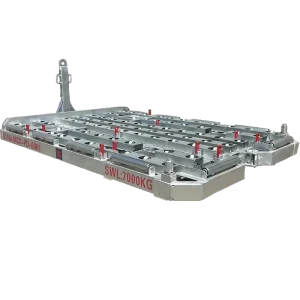
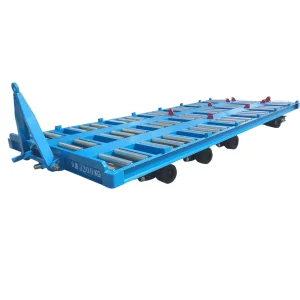
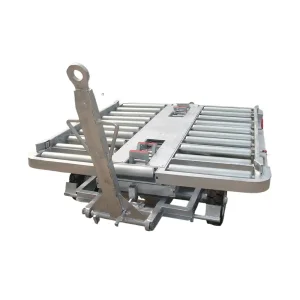
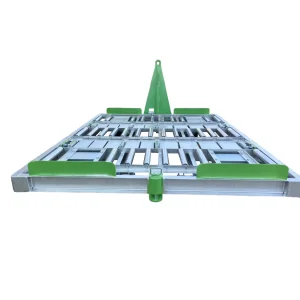
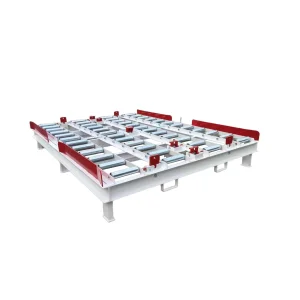
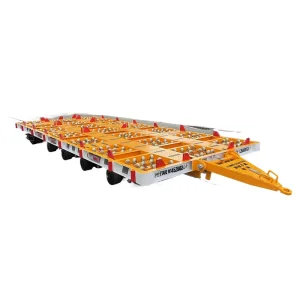
| Heavy-Duty Pallet / ULD Dollies | Passive Multi-Directional Roller | 7,000 kg - 35,000 kg | RFID Tagging Integrated | IATA AHM 913, DIN 15018 |
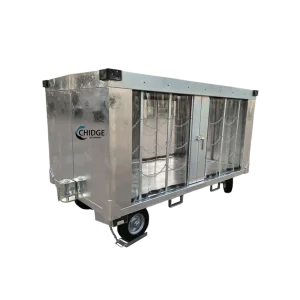
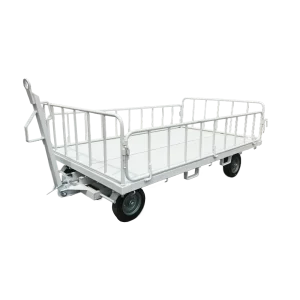
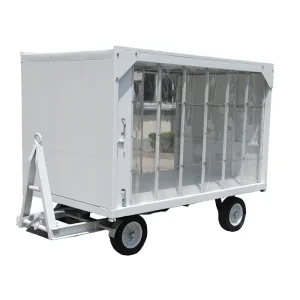
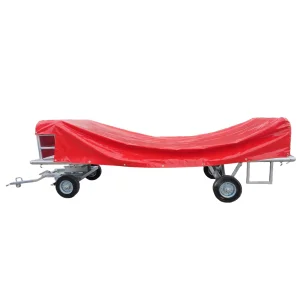
| Towable Baggage Carts | Weather-sealed Enclosed / Rainproof | 1,500 kg - 3,500 kg | Brake Interlock Sensors | EN 12312-3, CE conformity |
| Aircraft Ground Power Units (GPU) | Solid-State Frequency Converter | 90 kVA - 180 kVA | CAN-bus Diagnostics | ISO 6858, MIL-STD-704F |
The global aviation sector stands at a critical environmental crossroads. With pressure mounting to achieve net-zero carbon operations under international frameworks, ground operations are transitioning rapidly from diesel powertrains to highly efficient electric platforms. As a premier China electric conveyor belt supplier and GSE factory, we lead this shift by incorporating state-of-the-art propulsion engineering and advanced energy storage systems.
Our core technological research focuses on developing high-density Lithium Iron Phosphate (LiFePO4) battery packs, coupled with smart Battery Management Systems (BMS). Unlike traditional lead-acid alternatives, these systems support rapid opportunity charging, maintain voltage stability during peak loads, and provide over 3,000 charge cycles before experiencing significant capacity decline. Additionally, we are integrating permanent magnet synchronous motors (PMSM) into our electric baggage towing tractors and cargo loaders, delivering superior torque-to-weight ratios and cutting power consumption by 20%.
Looking ahead, the integration of autonomous and semi-autonomous driving systems represents the next evolutionary step for airport ground support. Sensor fusion technology, incorporating LiDAR, ultrasonic sensors, and camera arrays, enables our electric vehicles to perform automated docking maneuvers against aircraft cargo holds. This reduces human error and mitigates structural damage risks.
Modern air cargo hubs require seamless integration between aircraft unloading, tarmac transport, and high-density sorting centers. A breakdown in any of these stages leads to costly delays. Our comprehensive fleet solutions address these operational bottlenecks by providing matching configurations of cargo loaders, slave pallet dollies, and container dollies.
For instance, large widebody aircraft require heavy-lift systems like our CDL35000 and CDL14000 Cargo Loaders. These units align precisely with heavy-duty pallet dollies capable of handling 20-foot air cargo containers. At the terminal gates, our high-speed electric baggage towing tractors and rainproof luggage carts form a reliable transport loop. This ensures that passenger luggage and time-sensitive mail bags remain dry and secure in all weather conditions.
Beyond standard configurations, our engineering team designs bespoke material handling solutions for extreme environments. From ultra-low temperature battery heating modules for Arctic logistics terminals to specialized dustproof electrical enclosures for arid Middle Eastern hubs, we customize our machinery to deliver reliable performance anywhere in the world.
In airside ground handling operations, safety and compliance are paramount. Equipment failures on the tarmac can lead to catastrophic aircraft strikes or severe personnel injury. Therefore, all our production processes conform to rigorous international aerospace and machinery regulations.
Our factory maintains ISO 9001:2015 Quality Management certification, and our core GSE portfolio conforms to CE standards, EN 12312, and IATA Airport Handling Manual (AHM) guidelines. This high level of compliance ensures that our dollies, tow tractors, and catering trucks meet the stringent safety requirements of international aviation authorities.
To support our global customers, we maintain a dedicated network of service centers and spare parts warehouses in major transit hubs. This localization strategy ensures that critical components, such as heavy-duty tires, tow bars, electronic controllers, and hydraulic pumps, can be dispatched and delivered quickly. This reduces operational downtime and helps maintain high fleet availability.
Our smart manufacturing facility represents the next generation of industrial production. Utilizing advanced robotic welding stations, precision CNC machining, and automated shot-peening lines, we guarantee structural consistency across every dolly and vehicle chassis.
By sourcing raw materials directly from leading steel mills and chemical suppliers, we protect our supply chain from price volatility and quality variation. Every batch of high-tensile steel undergoes ultrasonic testing and spectroscopic verification before entering fabrication. Our automated paint shops apply marine-grade anti-corrosion coatings to protect against salt fog and chemical spills. This ensures a long operational life in challenging coastal airport environments.
This integrated production ecosystem enables us to offer versatile OEM and ODM configurations. Whether clients require non-standard drawbar heights, custom brake lock assemblies, or specialized cargo deck sizes, our engineers can adapt designs quickly and transition them directly into production.
Explore our targeted product categories designed to keep modern fleets refueled, heated, boarded, and towed efficiently.
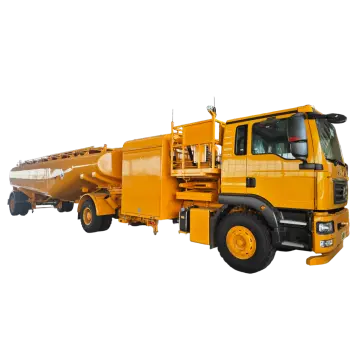
Chassis, pump, and control system for high-pressure aviation fuel delivery.
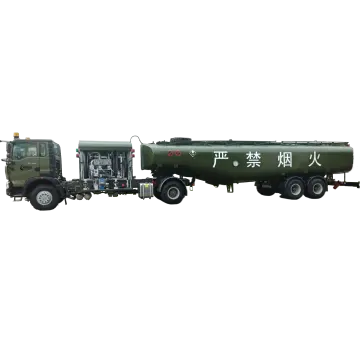
Heavy-duty tank vehicle with filtration, metering, and self-circulation.
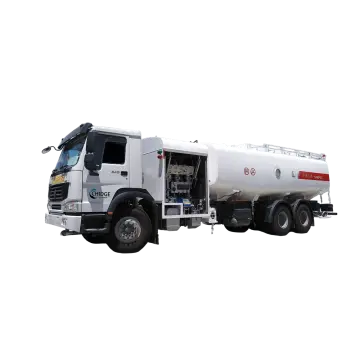
High-capacity airside refueler with advanced pressure controls.
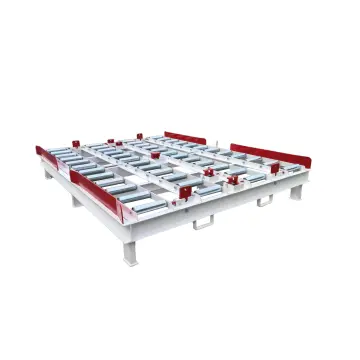
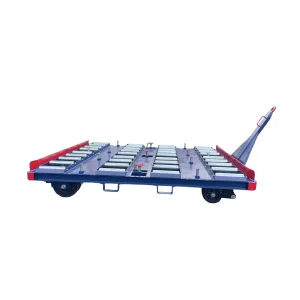
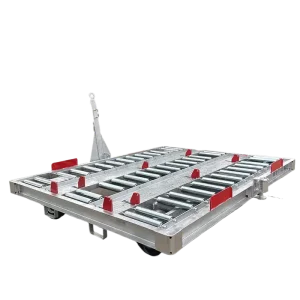
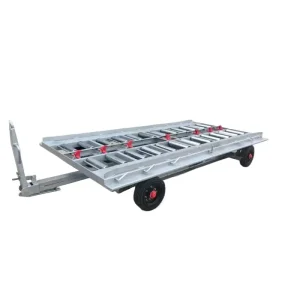
Heavy-duty secondary transport frame for standard pallet structures.
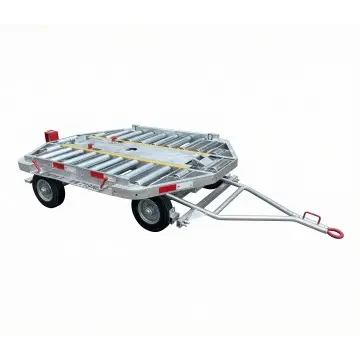
Optimized for rapid positioning of LD3 container units.
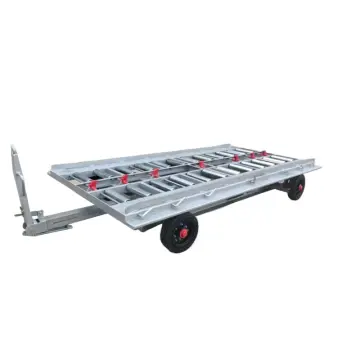
Reinforced steel build matching standard LD6 dimensions.
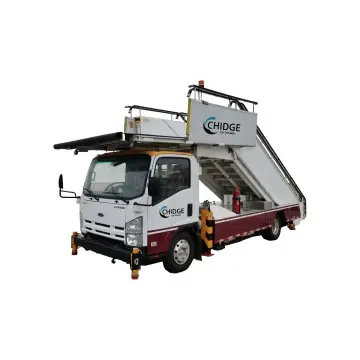
Self-propelled electric passenger boarding stairs.
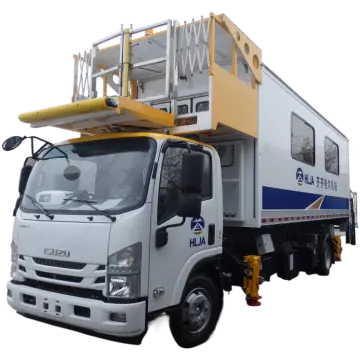
Specialized mobile platform for PRM passengers.
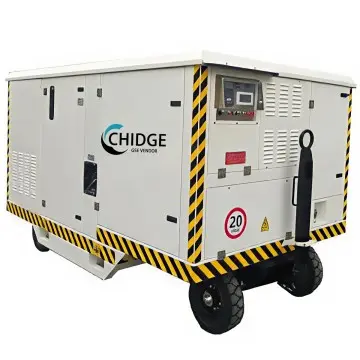
High-efficiency thermal control system for cabin prep.
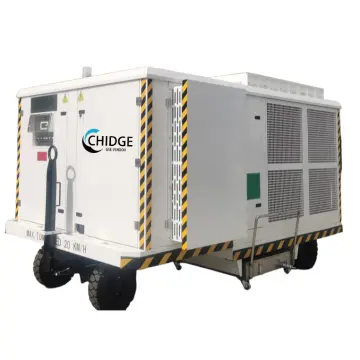
Pre-conditioned air unit for grounded environmental control.
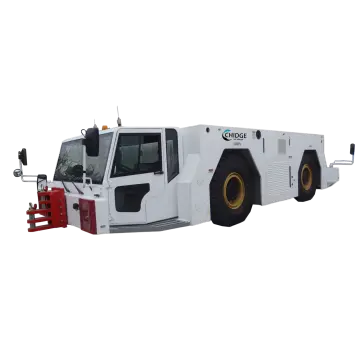
High-tractive pushback and towing operations tractor.
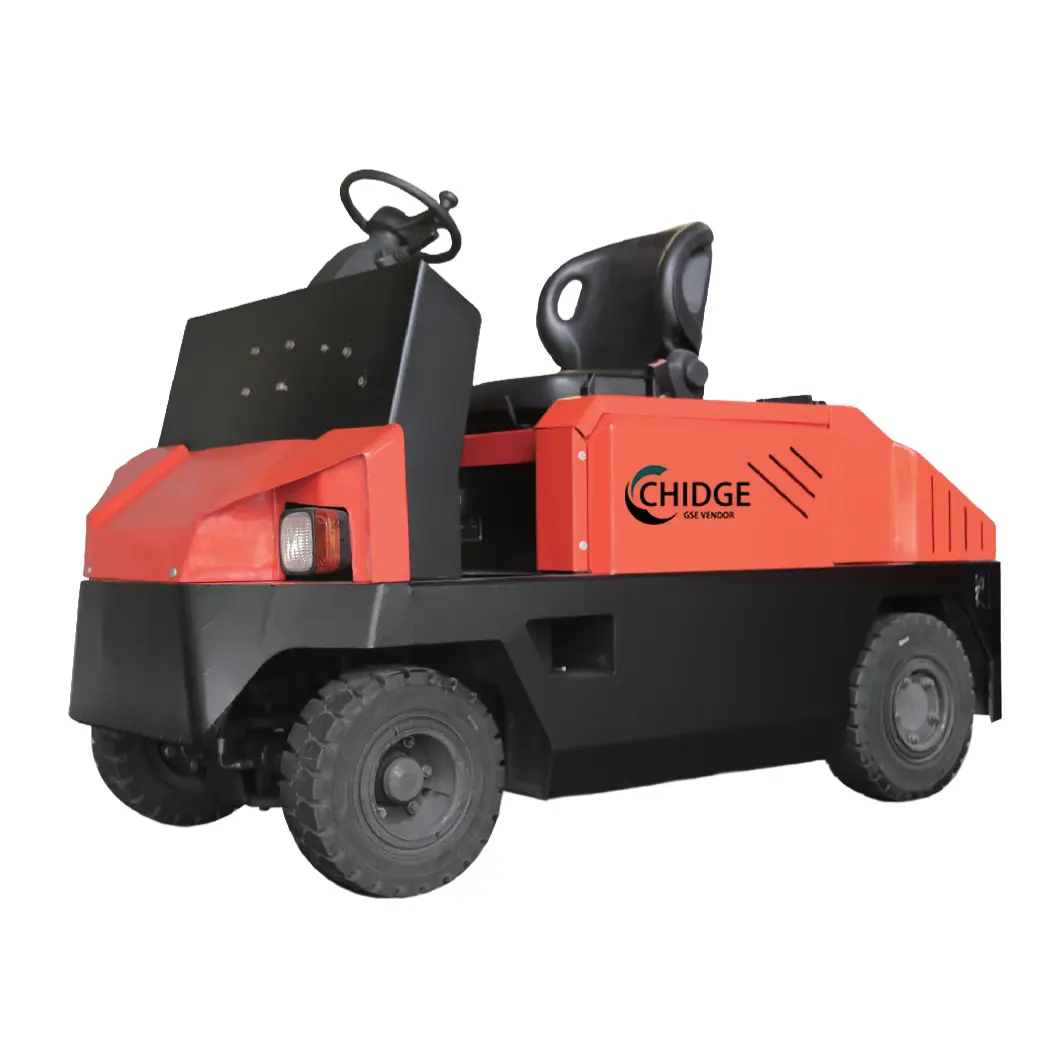
Eco-friendly, zero-emission baggage cart towing.
Our mission is simple: to provide robust ground support equipment that delivers excellent performance, safety, and reliability on the tarmac. By selecting our solutions, airlines and airport operations gain a partner committed to minimizing downtime and maximizing turnaround efficiency.
We provide comprehensive manufacturing and design services to meet unique fleet requirements. From custom chassis layouts to specialized hydraulic and electrical integrations, our engineering team works closely with clients to deliver equipment built for their specific environment.


Keep up to date with the latest developments in airport GSE technology, environmental regulations, and airside logistics best practices.
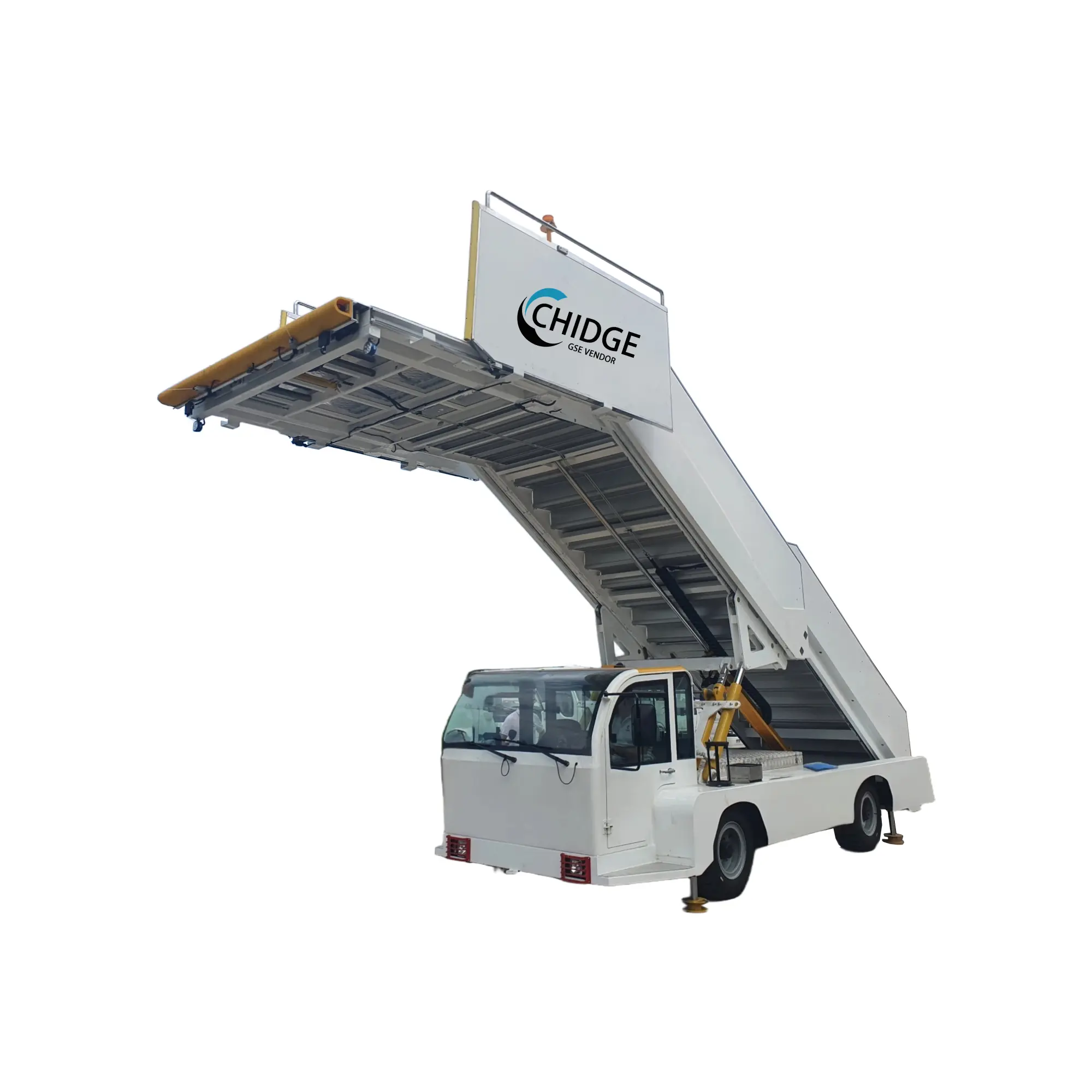
An in-depth look at boarding stair design, focusing on structural stability, passenger safety systems, and the latest innovations in electric self-propelled configurations.
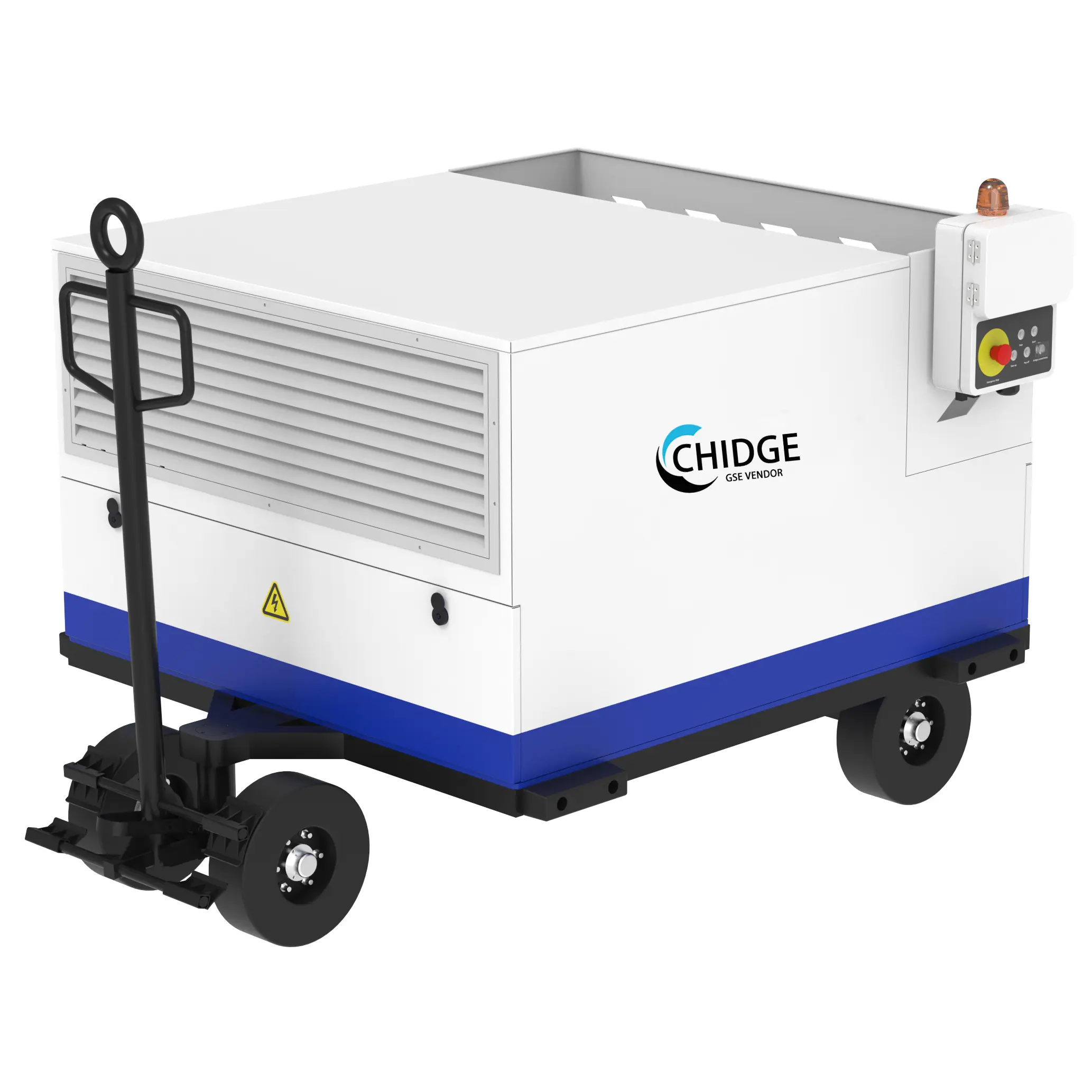
How battery-powered, towable GPUs are helping airports reduce their reliance on diesel generators, lowering carbon footprints, and minimizing noise pollution on the tarmac.
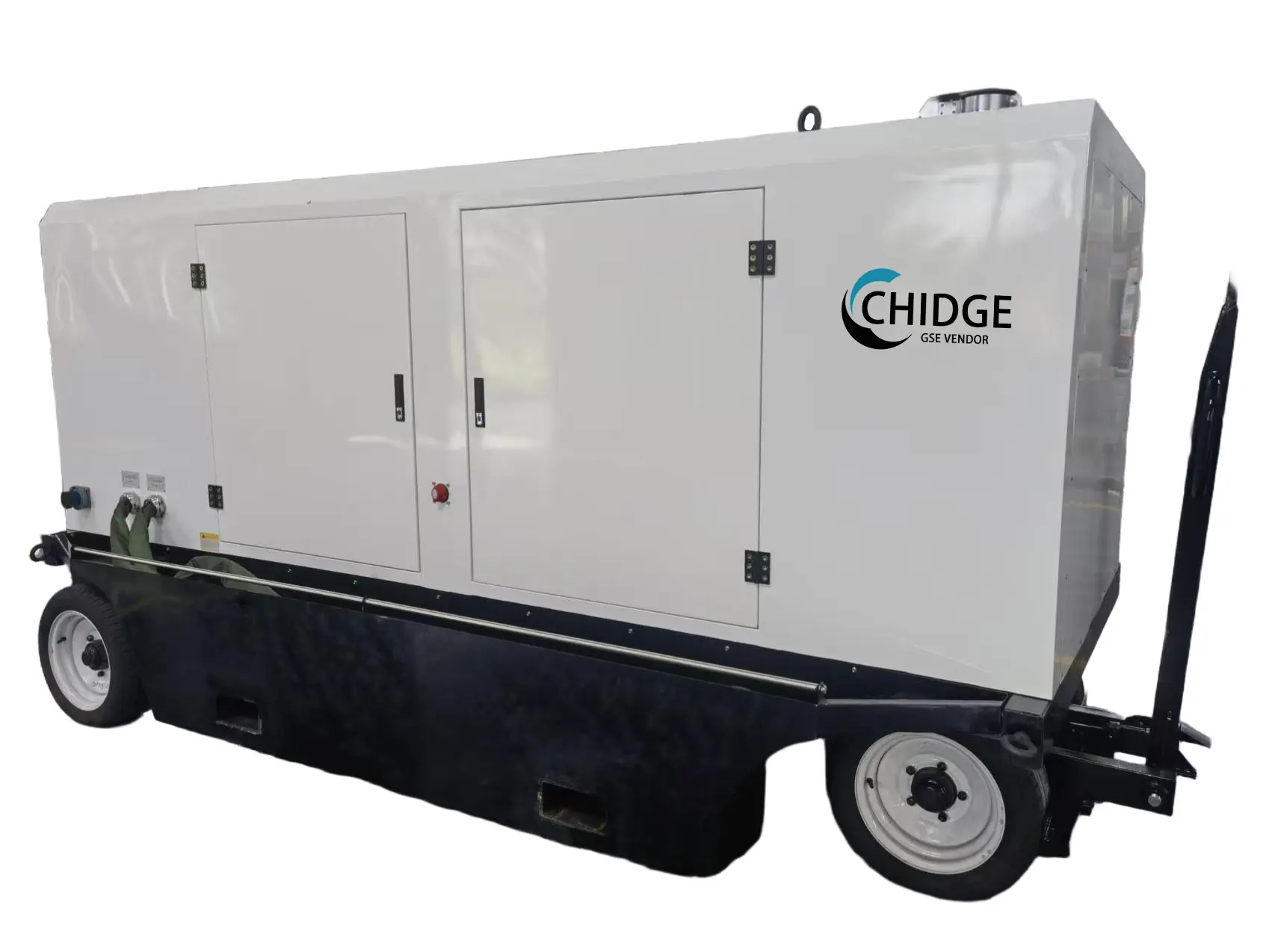
A technical guide on how modern GPUs supply pre-flight electrical power to parked aircraft, enabling crew to perform systems checks and cabin prep without running the main engines.
Expert insights on product configurations, battery technologies, custom fabrication, and international shipping.
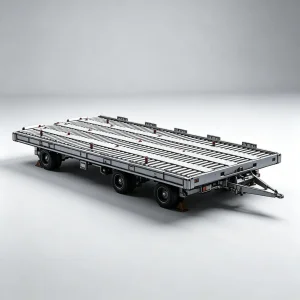
Heavy-duty logistics dollies and airport ground support carts designed for intense operational demands.
 Chidge Dolly