Explore our top-tier airport dollies and logistics line designed for high performance, cargo integrity, and high-frequency tarmac dispatch.
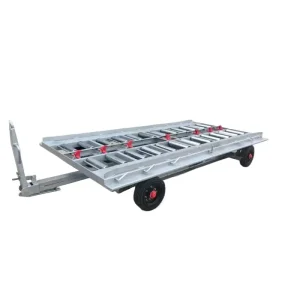
Designed for heavy load handling and efficient container rotation under demanding cargo operations.
View Details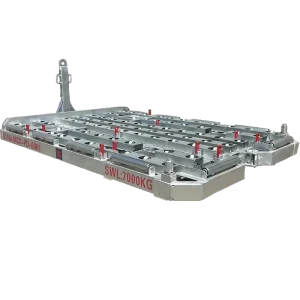
Equipped with 360-degree rotation rollers for smooth and effortless pallet positioning.
View Details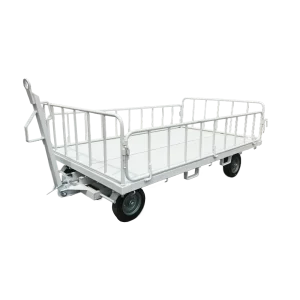
Reliable structural frame with run-flat tyres and specialized steering systems for regional fleets.
View Details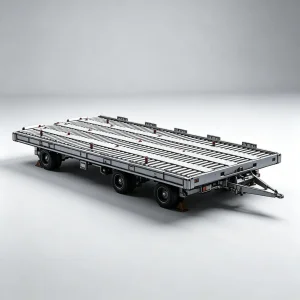
Specially engineered for jumbo wide-body jet cargo transfers with reinforced dual axles.
View Details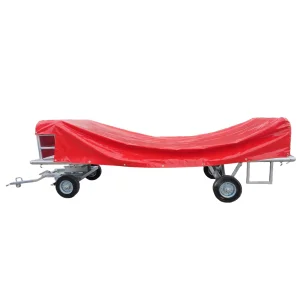
Standardised airport layout baggage handling trolley with automatic braking mechanism.
View Details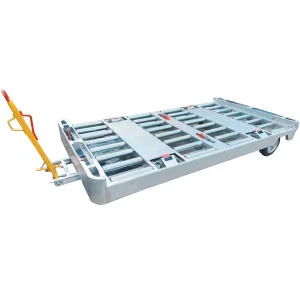
Designed for constant runway deployments. High strength structure handles diverse payloads.
View Details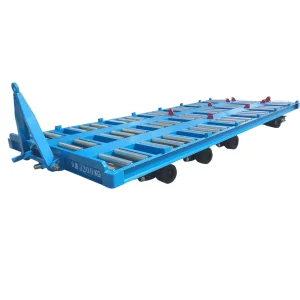
Configured with multiple locking pins for standardized military and commercial freight.
View Details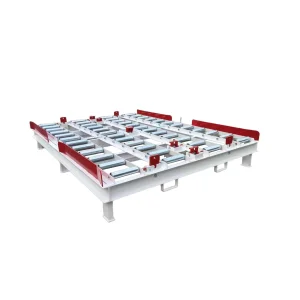
Heavy-duty transport solution built for dynamic cargo configurations and container terminals.
View DetailsIn the complex and highly regulated domain of commercial and military aviation, operational efficiency on the apron is of paramount importance. The aircraft Diesel Ground Power Unit (GPU) acts as the central life-support system for planes stationary on the tarmac. By delivering a clean, steady, and high-frequency power supply (specifically 400Hz AC or 28V DC), ground power units bypass the necessity to activate the aircraft’s fuel-hungry Auxiliary Power Units (APUs). This reduces fuel consumption, preserves the lifespan of critical onboard engine components, and complies with modern airport carbon-neutral initiatives.
A heavy-duty diesel-driven GPU from our Chinese manufacturing lines is built around a heavy-duty, brushless synchronous alternator coupled to an electronically governed diesel engine. Standard options range from 90kVA, 120kVA, 140kVA to 180kVA outputs, catering to the narrow-body regional airliner up to large-scale double-aisle commercial jets (such as B787, A350, or cargo freighters). Key design focus points include:
Navigating the global market requires strict adherence to international safety and quality standards. Our manufacturing lines meet CE, ISO 9001:2015, CAAC (Civil Aviation Administration of China), and military-grade specs (MIL-STD-704F guidelines). This provides the certainty that our diesel GPUs deliver smooth integration with systems manufactured by Boeing, Airbus, Embraer, and Bombardier.
Furthermore, engine options are matched to destination markets: for EU and US buyers, we offer engines meeting US EPA Tier 4 Final and EU Stage V emissions standards. For regions with different compliance levels, we supply highly robust Tier 3 and Tier 2 options that withstand fuel of varying quality while keeping maintenance overhead down. Spare parts, service agreements, and direct support centers in partner regions guarantee minimal downtime.
China's industrial zones offer unmatched vertical integration for structural manufacturing, electrical design, and engine calibration. Local raw material sourcing, automated steel sheet cutting, robotic welding bays, and specialized load-bank testing rooms enable us to produce premium aviation-grade equipment at a highly competitive total cost of ownership. Our direct partnerships with world-class component suppliers (Woodward Governors, Cummins/Deutz Engines, and Leroy Somer Alternators) ensure your GSE is equipped with globally recognized components that simplify local sourcing of wear parts.
From aircraft refueling to high-capacity pallet dollies and PCA climate control, our factory provides dynamic tooling configurations for modern airports.
The aircraft tank refueling truck line (CD5207GJJ, CD5580GJJ, CD5341GJJ) consists of a custom chassis, oil tanks, pumping systems, and operating parts. These systems execute filtration, metering, fueling, self-circulation, and pressure control to keep standard operations running safely.
Optimized transport systems including Slave Pallet Dollies, standard Pallet Dollies, and the heavy-duty 7T Castle Pallet Dolly. Our systems feature high reliability, safety locks, and smooth-spinning rollers that stand up to constant tarmac abrasion.
Including the Aircraft Heating Unit (CDH-60), PCA Unit (CD190), and Aircraft Cabin Heater (CD-H02). Keep passenger cabins conditioned at ideal levels during turnaround operations without using auxiliary fuel generators.
Our aircraft towing tractors (CDT700, CDT450, CDT300) are engineered to push back passenger airliners. Backed by diesel and electrical towing tractors from 10Ton to 100Ton towing capacities to suit any apron layout.
Capable of starting the largest engines (GE90, Trent series), the CDA300 and CDA400 truck-mounted air start units are designed to operate under pressure levels to get the turbines firing smoothly.
Transition from diesel to hybrid operations with our Energy Storage Ground Power Units and 90KVA Aircraft Ground Static Power Units. These solid-state converters provide quiet, maintenance-free operation.
We deliver structural integrity and product reliability through standardized engineering practices.
Our product design and manufacturing integrate computer-controlled test-beds, smart CAN-bus logic controller boards, and safety interfaces.
High-quality construction ensures our equipment performs reliably in real-world environments, earning recognition from international airlines.
Optimized supply chain processes, buffer stocks, and organized transport logistics ensure deliveries remain consistent during high-demand cycles.
Global technical support keeps your operational downtime to a minimum. We supply fast parts replacement and troubleshooting resources.
Our heavy-duty diesel generators are optimized to run in a variety of environments: from sub-zero conditions in northern hubs to high-temperature environments in desert airports. We employ advanced engine pre-heaters and sand filtration systems to keep the engine breathing cleanly, ensuring voltage outputs remain steady during sandstorms or extreme snow.
In high-salinity coastal environments, our anti-corrosion chassis, structural double-powder coating, and marine-grade wiring insulation prevent rust and early degradation. This provides reliable service for regional maritime operations.
Modern airport operations are moving away from fossil-fuel-only configurations. To address this, our R&D lines have introduced hybrid systems. By incorporating lithium iron phosphate (LiFePO4) buffer battery packs alongside downsized clean-diesel engines, our hybrid GPUs reduce fuel usage by up to 40% and support zero-emission operation during passenger boarding.
Find answers to technical questions about our 400Hz Ground Power Units and logistics equipment.
Review our factory-direct dollies and protective equipment, engineered to streamline airside cargo handling.
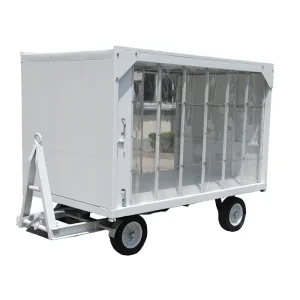
Equipped with weather-resistant panels to keep baggage secure and dry in rainy environments.
View Details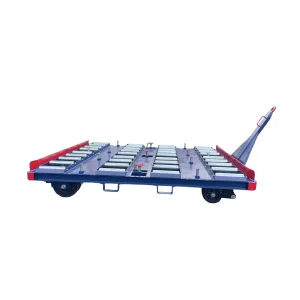
Tough steel structures with manual locking handles, optimized for mid-range container sizes.
View Details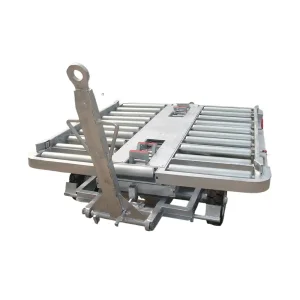
Designed for high-speed tracking and quick ULD loading, featuring reinforced frames.
View Details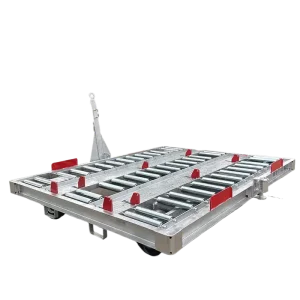
Proven reliability under demanding hub cycles. Standard wear parts make local servicing simple.
View Details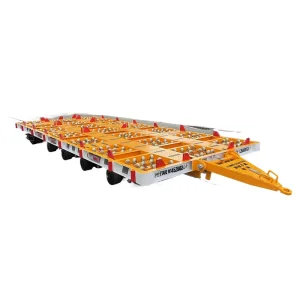
Heavy-duty transport solution built for dynamic cargo configurations and container terminals.
View Details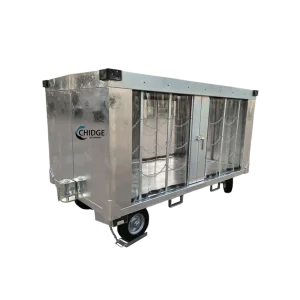
Features weather shielding to protect cargo during transfer operations on open runways.
View Details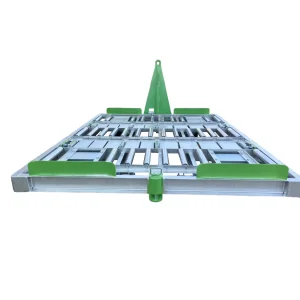
Reliable towbar and braking layout compatible with standard fleet operations.
View Details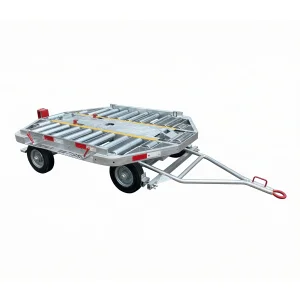
Modern design with quick-release lock catches for rapid ULD transfers.
View DetailsWe deliver customized GSE and Ground Power solutions to airlines, terminal operators, and defense clients worldwide.
Need customized dimensions, specialized emission compliance, or a quotation? Speak to our engineering team today.
 Chidge Dolly