Premium ground support configurations optimized for modern cargo logistics systems, built in compliance with IATA standards.
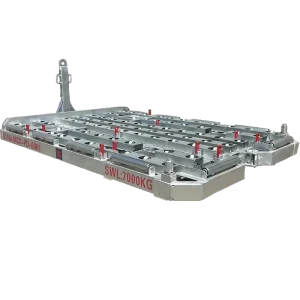
Designed for heavy cargo handling operations with high capacity castle-type structure.
View Details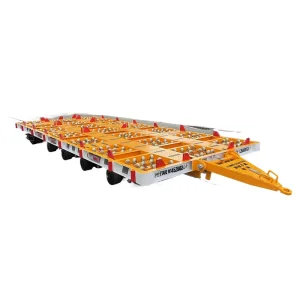
High capacity heavy-duty dolly engineered to support massive transport loads on airport aprons.
View Details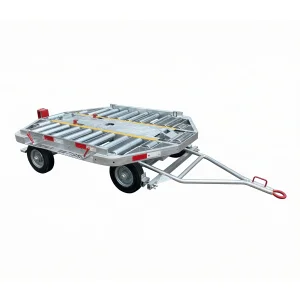
Compact, durable, and highly maneuverable dolly tailored for standardized ULD containers.
View Details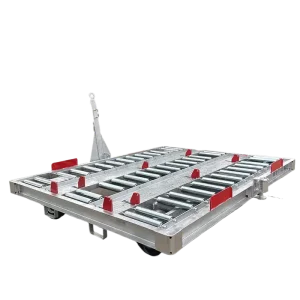
Standardized airport ground cargo solution offering high durability and long lifecycle operations.
View Details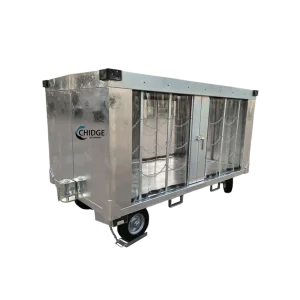
Robust protective covers shield cargo from inclement weather during airside transport.
View Details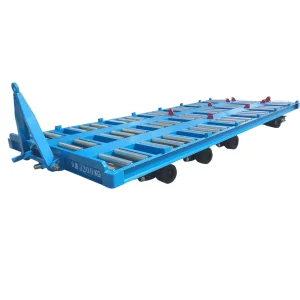
High strength steel frame dolly configured for massive container and cargo dimensions.
View Details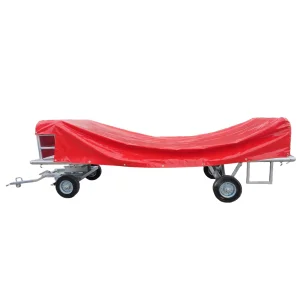
High maneuverability manual and towed trolley lines built for heavy airport use.
View Details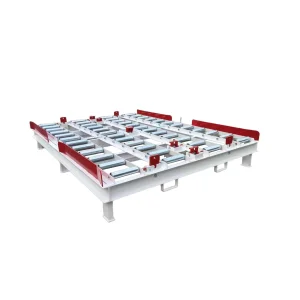
Highly adaptable slave configurations suited for various terminal logistics setups.
View DetailsIn the high-intensity environment of modern commercial aviation, airport apron efficiency, rapid ground turnaround times, and zero-emission flight operations stand as critical parameters. At the center of these activities lies the aircraft towing tractor, also known as the pushback tug. These machines execute precise maneuvers for wide-body, narrow-body, and regional aircraft, transitioning them between active runways, maintenance hangars, and passenger gates. As airports globally integrate carbon-neutral frameworks, aircraft towing tractors have evolved from purely mechanical hydraulic powerhouses into intelligent, clean-energy, high-efficiency ground support assets.
Modern airplanes require specialized pushback units that calculate real-time drawbar pull based on wet/dry apron friction indexes, aircraft weight distributions, and wind resistance variables. For instance, wide-body aircraft like the Boeing 777-300ER or Airbus A350 require massive towing vehicles with drawbar pull ratings exceeding 300 kN. The engineering requirements encompass permanent four-wheel drive (4WD), all-wheel steering configurations, automated weight transmission, and failure-tolerant dual-circuit braking networks. By employing computerized traction control, these tractors prevent slip, reducing the shear stress placed on nose gear struts.
China has established itself as the global epicenter for the supply of GSE (Ground Support Equipment). The integrated supply chain model allows Chinese manufacturers to source premium alloy steels, high-capacity lithium iron phosphate (LiFePO4) power cells, advanced electronic controllers, and heavy hydraulic valves within localized manufacturing hubs. This high concentration of resource availability ensures shortened lead times, allowing global airport operators to procure bespoke designs optimized for extreme climates, specialized ground weight constraints, and specific fleet configurations. China's GSE supply chain delivers cost-efficiencies and technological innovations, including integrated telematics, digital twin diagnostic systems, and autonomous towing readiness.
Explore our catalog of specialized airport ground equipment designed to maintain service continuity and ramp safety.
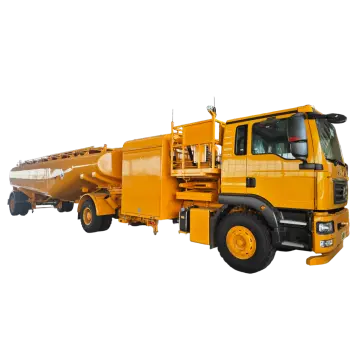
Includes high-efficiency pumping, filtration, metering, self-circulation, and pressure controls.
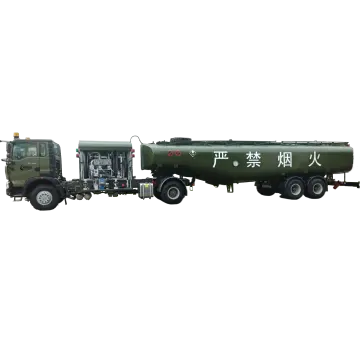
Heavy-chassis configuration optimized for rapid fuel transfers for cross-continental jets.
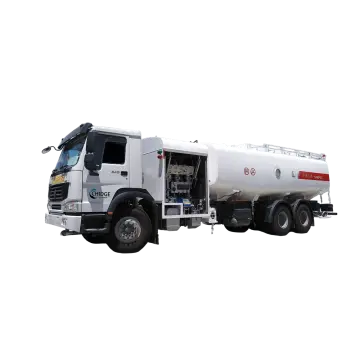
Integrated filtration and metering modules engineered for long lifespans on the ramp.
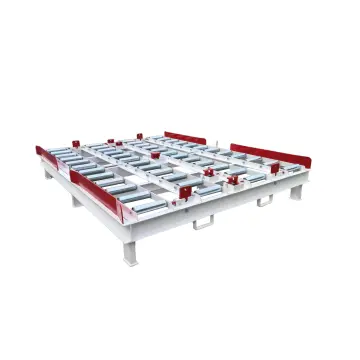
Heavy-duty frame with omnidirectional cargo rollers to streamline container flow.
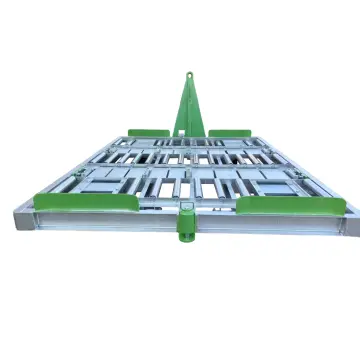
Structural rigidity paired with high-tensile axles for secure airport freight movement.
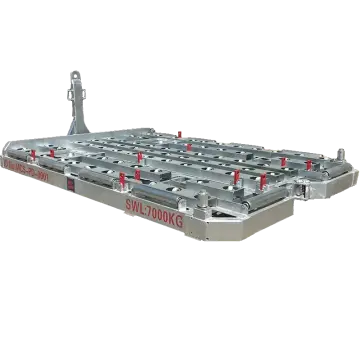
Reinforced lock design offers increased durability in all-weather airside conditions.
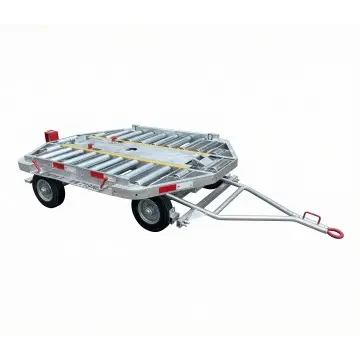
Sized for standardized passenger and cargo fleet ULD systems.
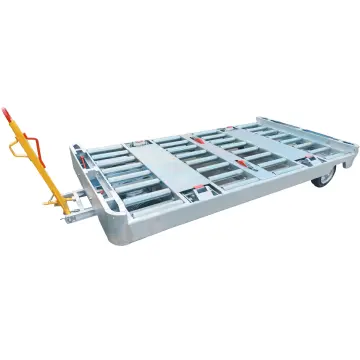
Designed to handle high loads during multi-unit aircraft loading operations.
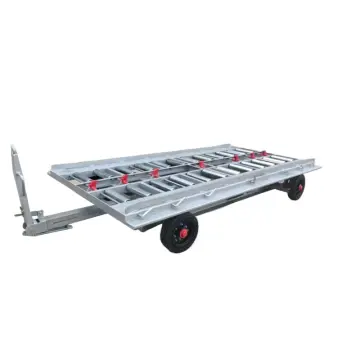
Standard dimensions with secure structural locking pins to prevent ULD slippage.
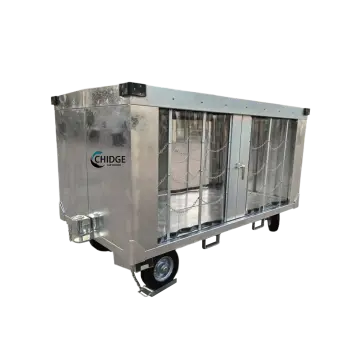
Designed for protective transportation of customer luggage in tropical climates.
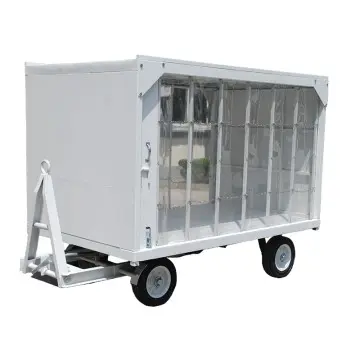
Reinforced sliding side panels ensure security and protect cargo from elements.
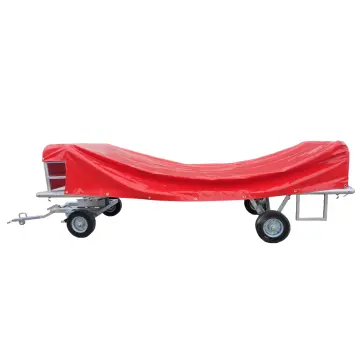
Highly stable frame with smart auto-brake mechanisms on the towing handle.
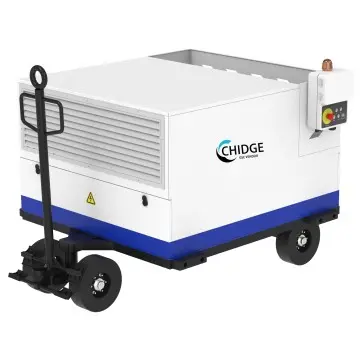
Supplies high capacity electric currents without running auxiliary gas engines.
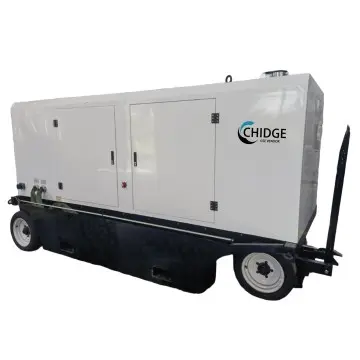
Continuous 400Hz frequency electrical power for regional and commercial jets.
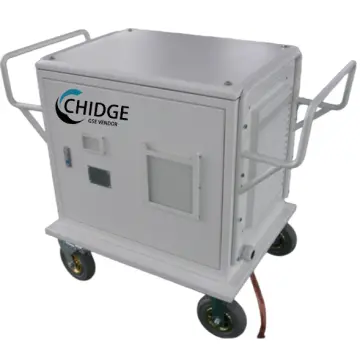
Fixed grid integration for noise-free, zero-emission aircraft maintenance operations.
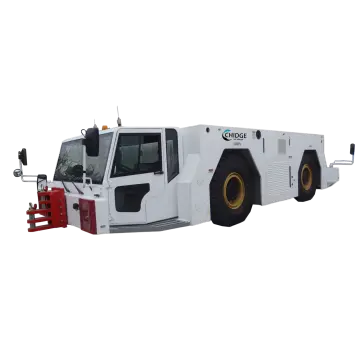
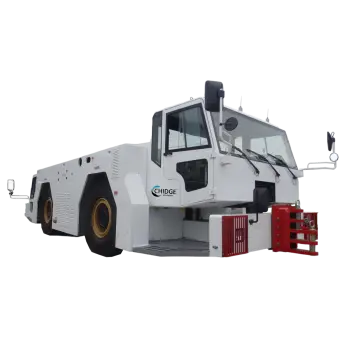
Designed for wide-body towing with high drawbar pull and heavy-duty chassis construction.
Intermediate tractor designed for versatile operations on standard commercial flights.
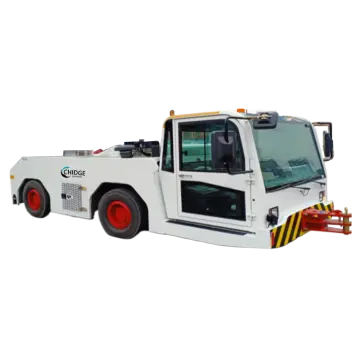
Compact, powerful configuration built for narrow-body and regional aircraft pushbacks.
Navigating global regulatory frameworks is critical for airport equipment acquisition. Heavy equipment must comply with regional standards including CE Marking, IATA AHM 910/913/955, AS9100D, and local safety rules. Our machinery undergoes testing to withstand severe temperature fluctuations, dynamic structural fatigue, and magnetic interference. Advanced telemetry integrations monitor the health of vehicle drive components, hydraulic lines, and battery systems, helping to prevent airside incidents.
The aviation industry's Net-Zero targets have driven the adoption of electric GSE (e-GSE). High-tonnage electric airport tractors use lithium iron phosphate batteries with thermal management systems to handle multi-shift operations without structural degradation. In contrast to diesel alternatives, e-GSE reduces running costs, simplifies mechanical drivetrains, and contributes to the target of zero emissions on airport ramps.
Aviation environments present distinct operational challenges, requiring customized solutions for varying climates, gate heights, and cargo weights. Our OEM and ODM services deliver tailored aircraft towing tractors and ground support equipment. Working from structural design through to testing, our teams ensure equipment meets local height profiles, specific tow-bar designs, and dynamic weight load demands.
Why Tier-1 airlines and cargo hubs rely on our integrated equipment manufacturing.
We integrate telematics, collision avoidance, and smart battery management directly into our heavy tractor units.
Tested under heavy loads to ensure structural stability and long-term durability on active airside sites.
Integrated material sourcing and production processes ensure reliable delivery timelines for large projects.
Includes parts supply channels, technical guidance, and operational training to support asset uptime.
Ground operations differ significantly based on climate, load characteristics, and airport design. Our aircraft towing and cargo equipment is engineered to maintain reliability across these diverse environments.
Operating in reduced atmospheric pressure and thin air requires specialized power units and engine configurations. Our ground power units and towing tractors are optimized for heat dissipation and electrical insulation, maintaining consistent performance at high-altitude airfields.
Sub-zero conditions can affect battery life and structural steel. Our tractors and cargo dollies feature specialized steel grades designed to resist low-temperature embrittlement, along with active heating circuits to protect battery performance.
For large hubs handling frequent flights, turnaround speed is a key metric. Our dollies, catering trucks, and tow vehicles are designed for fast coupling, simple operation, and long service intervals to support continuous flight operations.
Expert answers regarding tractor specifications, delivery procedures, and customization capabilities.
Keep up with technical updates, regulatory news, and ground support innovations.
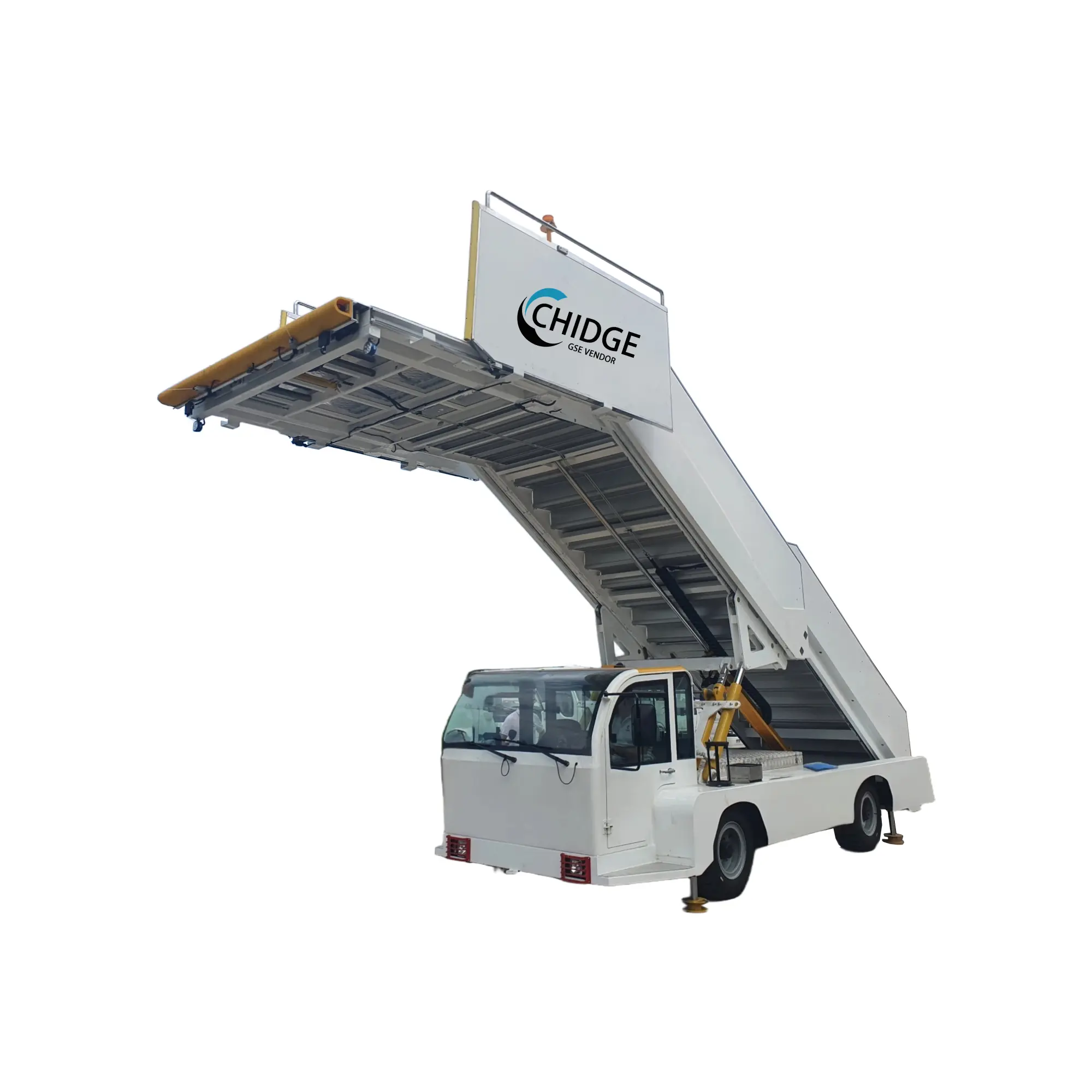
A detailed guide exploring the structural safety, height adjustment systems, and wind-loading stability criteria required for passenger boarding stairs.
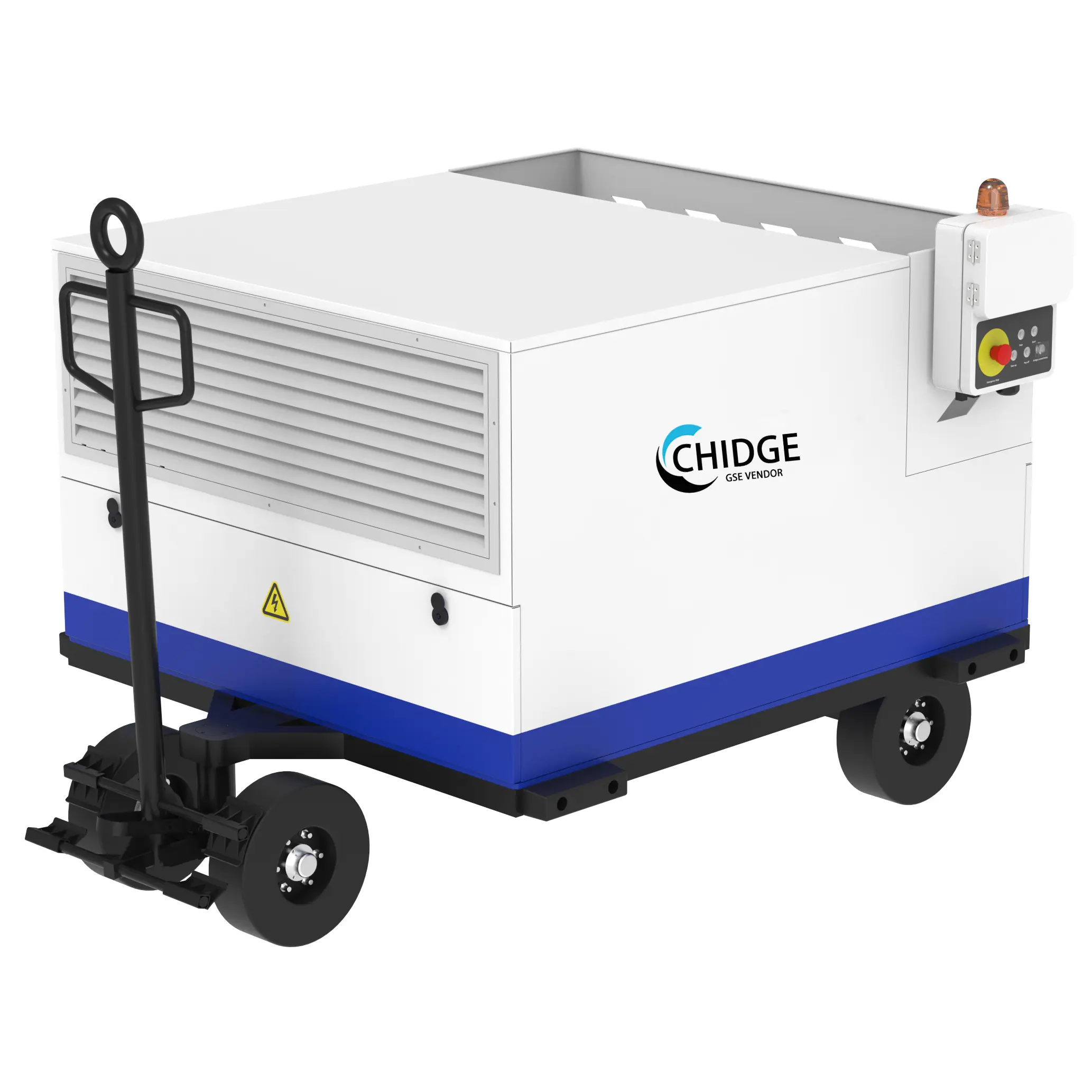
An overview of the shift from diesel power units to battery storage systems, highlighting changes in maintenance costs and airport emissions.
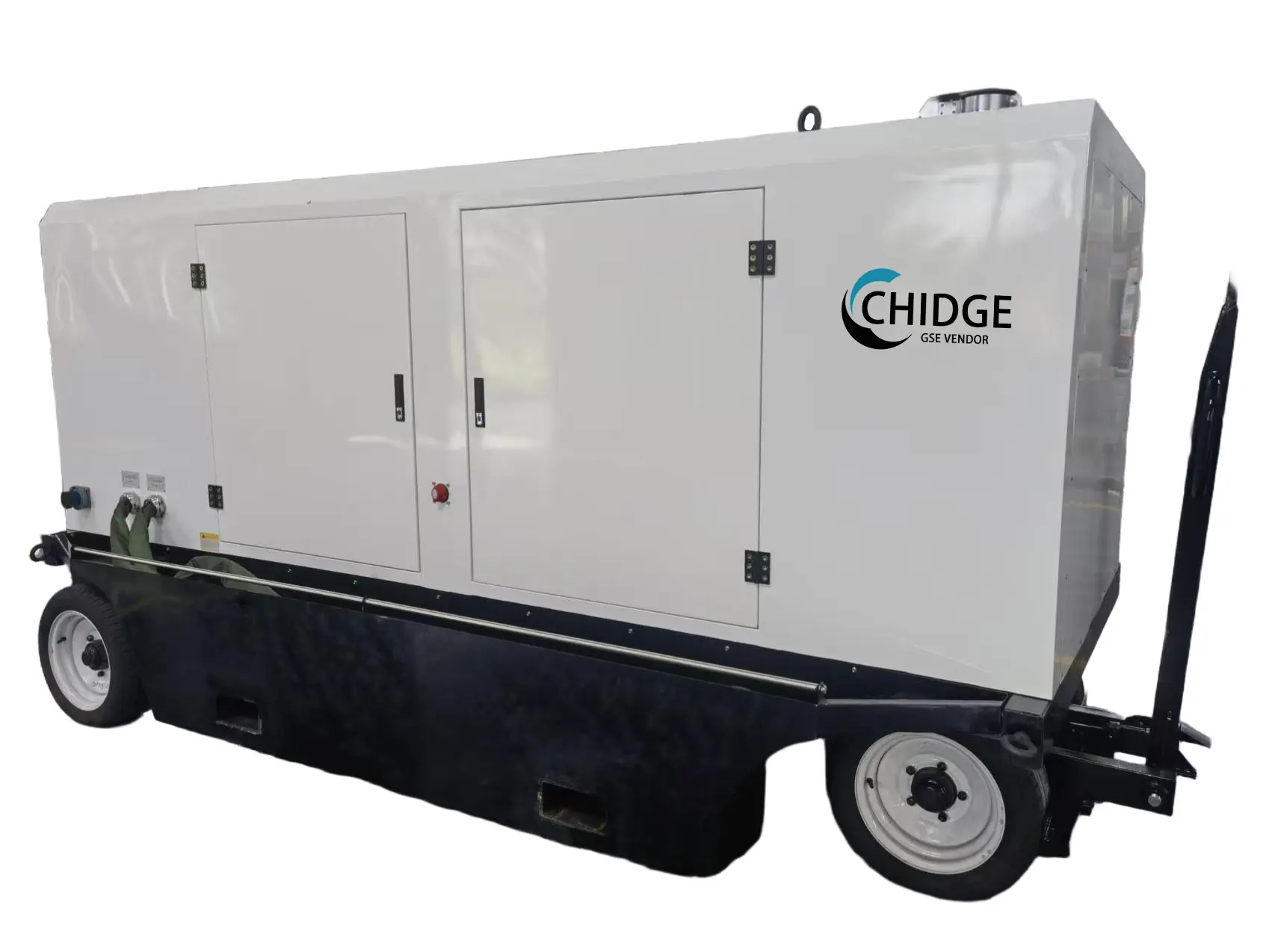
A look at truck-mounted ground power systems, discussing 400Hz electricity generation, stable engine speed management, and runway noise mitigation.
Explore our heavy-duty dollies and specialized baggage cart systems optimized for airline freight terminals.
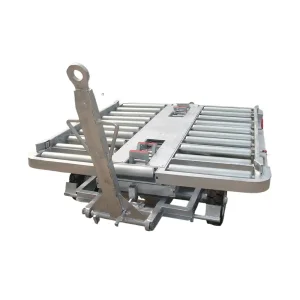
High quality structural steel frame built for daily cargo hub transfer operations.
View Details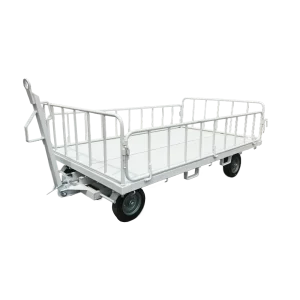
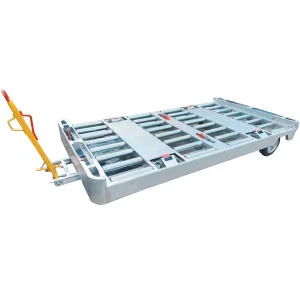
Heavy-duty transport engineering for large shipping containers.
View Details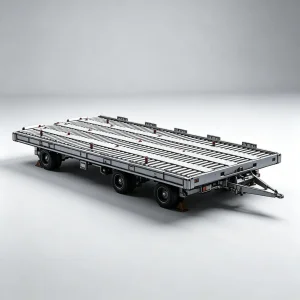
Extremely high capacity dolly configured for massive aerospace logistics shipments.
View Details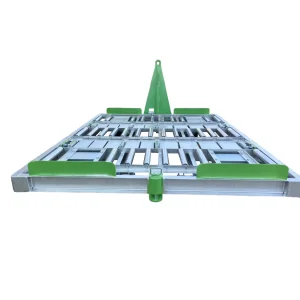
Standard design built to ensure continuous operation for ground handling services.
View Details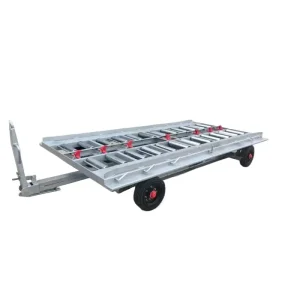
Equipped with secure side guide rails and heavy-duty locking systems.
View Details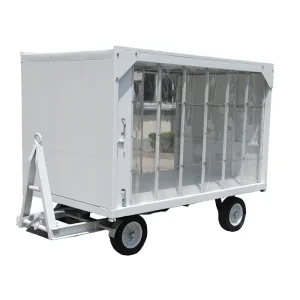
Protective enclosure design keeps passenger luggage secure and dry.
View Details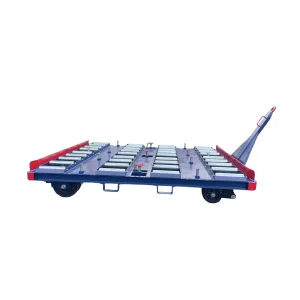
Standard size option offering high durability for commercial airport logistics.
View Details Chidge Dolly