Engineered to international aerospace standards for high durability, efficiency, and heavy-duty airport tasks.
Global Airport Terminals Served
Heavy Duty Towing Flagship
Emission Green Tech Options
& CE Certified Production
In the high-intensity theater of modern airport operations, aircraft turnaround time is the ultimate metric of performance. The optimization of ramp maneuvers, cargo dispatch, and pre-flight servicing relies heavily on advanced Ground Support Equipment (GSE). As airlines scale up operations globally, airports are evolving from classic manual configurations into fully integrated smart ecosystems.
At the core of these operations are specialized airplane towing tractors and heavy duty dollies. A reliable, robust airport towing tractor must withstand massive drawbar pull demands, challenging meteorological events, and constant operation schedules. As a leading specialized manufacturer of airport vehicles and cargo equipment, we build heavy-duty GSE designed to reduce ground delays while establishing safety parameters that protect both personnel and million-dollar aviation assets.
| GSE Model Group | Core Function | Key Specifications | Standard Compliances |
|---|---|---|---|
| CDT Aircraft Towing | Heavy aircraft pushback & towing | Up to 700kN drawbar pull, diesel / electric | IATA AHM 910/913/955, CE, ISO |
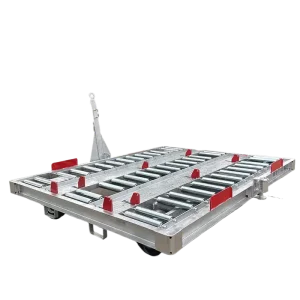
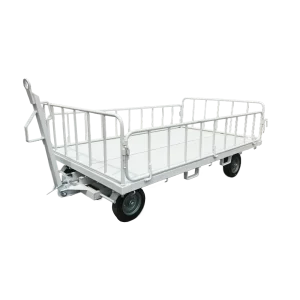
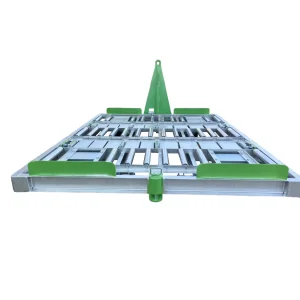
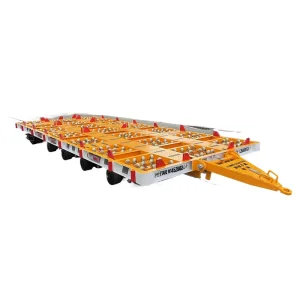
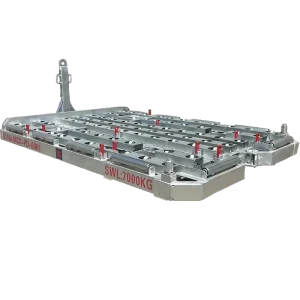
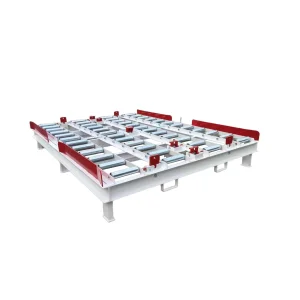
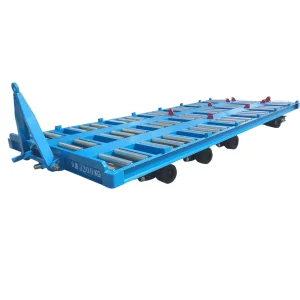
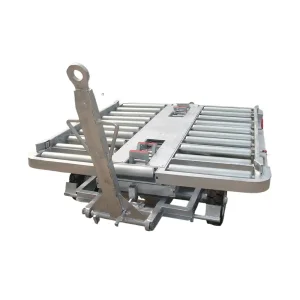
| Pallet & Container Dollies | ULD and heavy air freight transit | 7T to 35T capacity, multidirectional rollers | IATA AHM 911, ISO 9001 |
| Ground Power Units (GPU) | Stationary/towable aircraft electrical supply | 90KVA - 180KVA, 400Hz frequency converter | DFS 400, ISO 6858 |
| Refueling & Utility Trucks | On-apron refueling, lavatory, and catering | Chassis integrated, explosion-proof components | IATA AHM 927, ADG codes |
Our flagship tractor series—specifically the CDT700, CDT450, and CDT300 aircraft towing tractors—represent the peak of heavy engineering in China. The technological design integrates several key structural systems:
Every CDT series pushback tractor features a hydraulic safety interlock system. If the towbar angle exceeds critical yaw limits, or if pressure drops inside the tow coupling, the electronic control unit (ECU) automatically limits engine torque and safely engages the parking brakes, preventing jackknifing and major airframe structural damage.
Aviation ground handlers worldwide are facing strict carbon reduction regulations. The European Green Deal, US FAA Airport Zero Emissions Program, and corresponding global frameworks dictate a rapid transition from diesel-engine GSE to Electric Ground Support Equipment (eGSE).
Our manufacturing plants are at the forefront of this industrial transition. By developing zero-emission lithium-iron-phosphate (LFP) powered baggage towing tractors, passenger boarding stairs, and aircraft ground static power systems, we help airports reduce their Scope 1 emissions. These electric units operate quietly, significantly improving conditions for ground crews while lowering operational costs through simplified drivetrains and regenerative energy recovery.
Advanced R&D processes utilizing simulation testing to optimize drawbar efficiency, structural integrity, and electronic component integration.
Every vehicle and dolly undergoes meticulous load-bearing, dynamic braking, and weatherproofing tests before dispatch from our Chinese factories.
Global supply chain networks, standardized assembly configurations, and strategic maritime port access ensure timely logistics and fast shipping.
Our dedicated support team provides continuous remote diagnostics, critical spare parts provisioning, and on-site training for technical personnel.
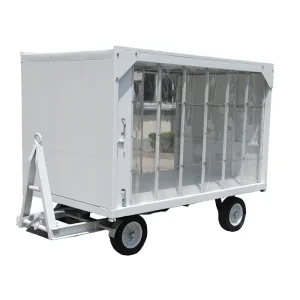
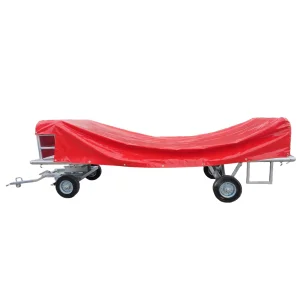
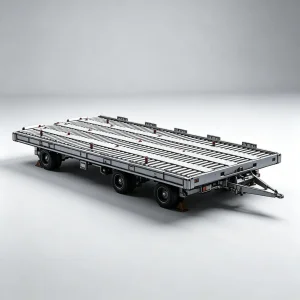
Towing tractors represent only one part of the terminal operation puzzle. The cargo movement chain relies heavily on robust dollies and containers. Our specialized product family includes high-performance Pallet Dollies (7T to 20FT, 35T capacity) and LD3/LD6 Container Dollies. These units are built with:
Additionally, specialized support vehicles like the Ambulift Truck (e.g. CD-Q5100DCR) ensure that airports remain accessible, providing safe boarding and deboarding for passengers with reduced mobility (PRM). Similarly, Catering Trucks and Lavatory Service Trucks (CD5060DWS series) are manufactured to rigorous hygienic and mechanical standards, ensuring smooth service turnarounds.
Our ground support vehicles and cargo dollies are engineered to operate in extreme environments:
Sub-Zero Arctic Operational Deployments: Equipped with engine block pre-heaters, fuel water separators, and low-temperature hydraulic fluid, our CDH-60 Cabin Heaters and pushback tugs operate reliably at temperatures below -30°C.
High-Throughput Global Cargo Hubs: At major cargo hubs in Southeast Asia and Europe, our heavy 27-ton and 35-ton 20FT Pallet Dollies endure continuous rotation cycles under high temperatures and heavy loads, maintaining structural integrity over millions of meters traveled.
Detailed technical breakdowns for each core airport equipment family manufactured inside our industrial facilities.
Our CD5207GJJ, CD5580GJJ, and CD5341GJJ aircraft tank refueling trucks feature advanced filtration systems, highly precise meters, and responsive pressure controls, ensuring safe underwing fuel delivery.
Keep plane interiors regulated and electronics running on the ground. The PCA Unit - CD190 and our 90KVA static ground power units provide clean, efficient power and air flow without running aircraft engines.
Engineered for safe boarding and cargo management. From CD-PBS5062E passenger stairs to the heavy-duty CDL35000 Cargo Loader, we build machinery that streamlines every step of airport ramp operations.
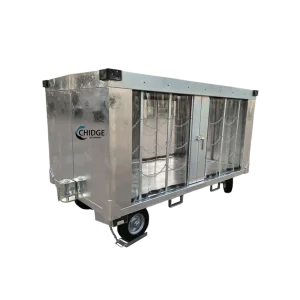
Reliable cargo dollies, transport logistics systems, and specialized airport service trucks.
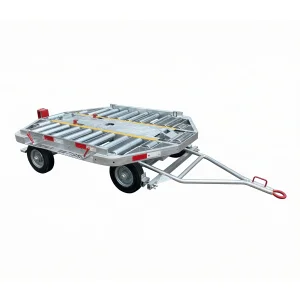
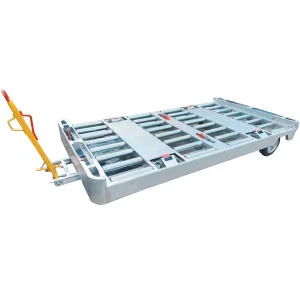
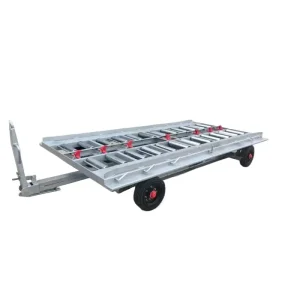
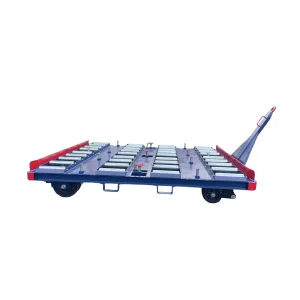
Providing custom aircraft pushback tugs and airport equipment configurations to meet global ground support needs.
We are committed to delivering tailored solutions for international airlines, airport operators, and logistics companies. Our comprehensive process covers initial planning, structural engineering, electrical integration, load testing, and final certification, helping you deploy reliable equipment while keeping production costs manageable.
Whether designing clean diesel configurations for extreme environments or zero-emission battery layouts for modern green airports, our engineers customize chassis dimensions, steering systems, and cabin controls to fit your precise operational needs.
Working with airlines, air cargo operators, and ground support organizations worldwide to build reliable airport equipment.
Insights into ground support operations, regulatory updates, and new airport GSE technologies.
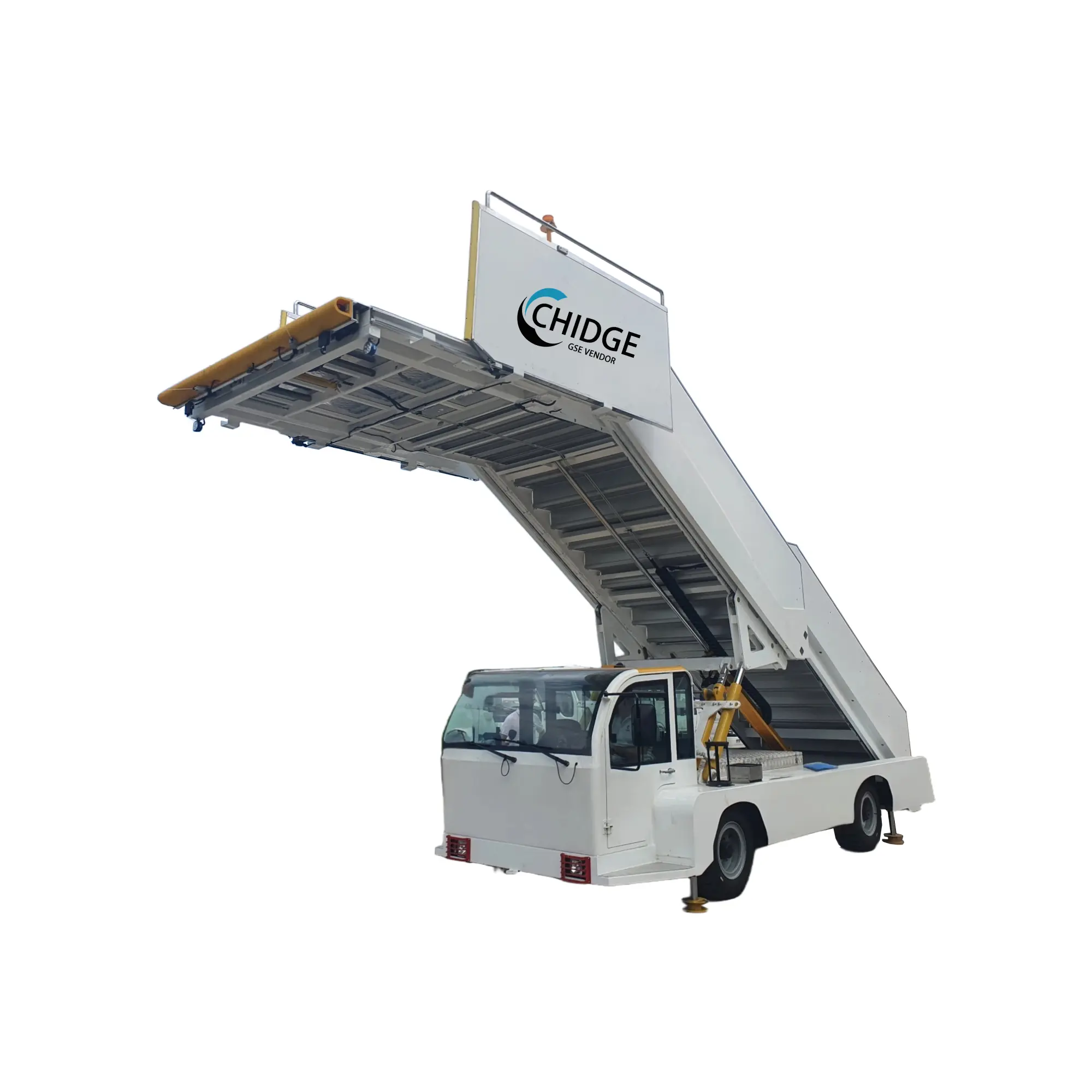
An in-depth look at boarding stairs design, highlighting structural requirements, wind resistance features, and the transition toward automated, self-propelled electric models.
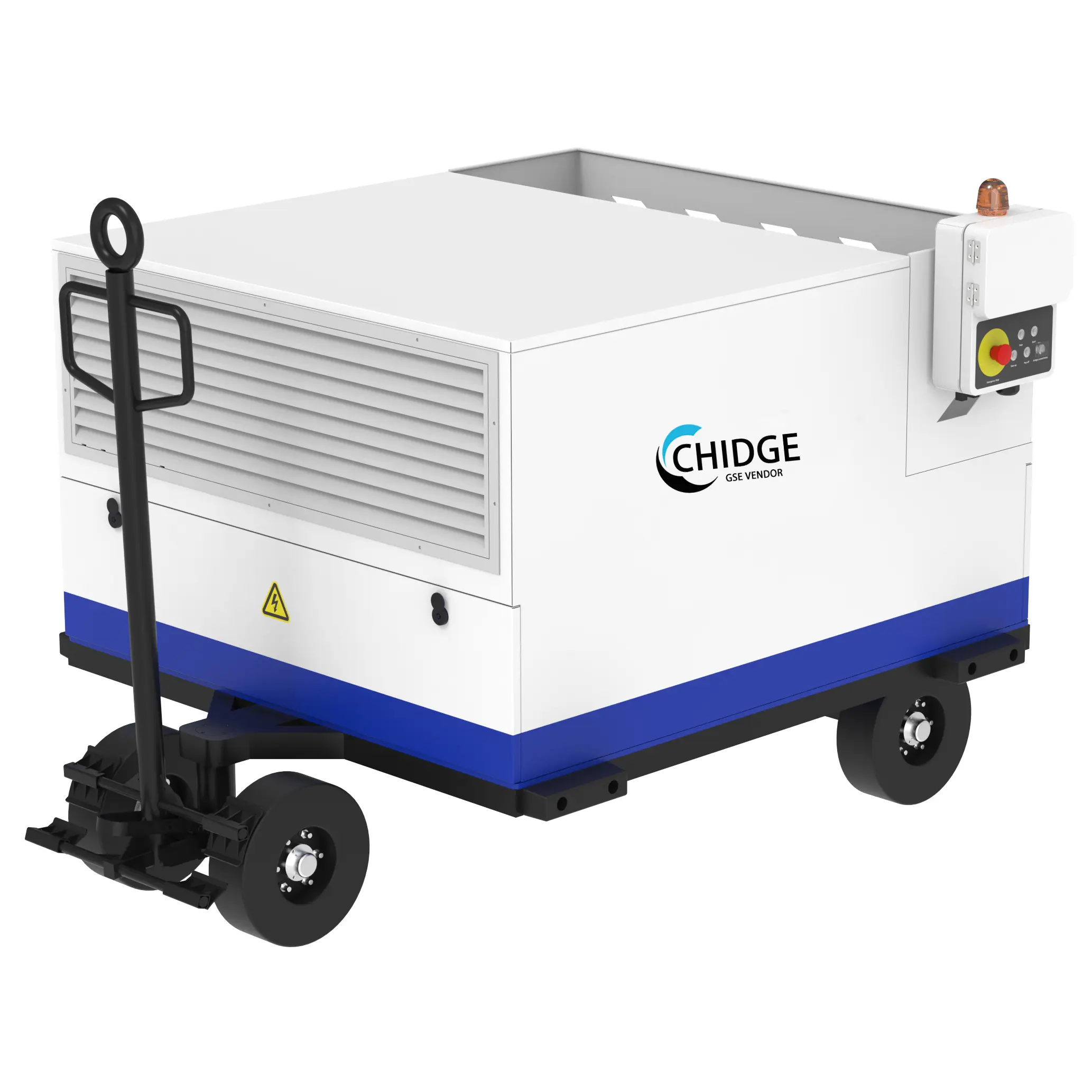
Analyzing how towable energy storage systems help airports reduce emissions by providing clean ground power without relying on combustion engines.
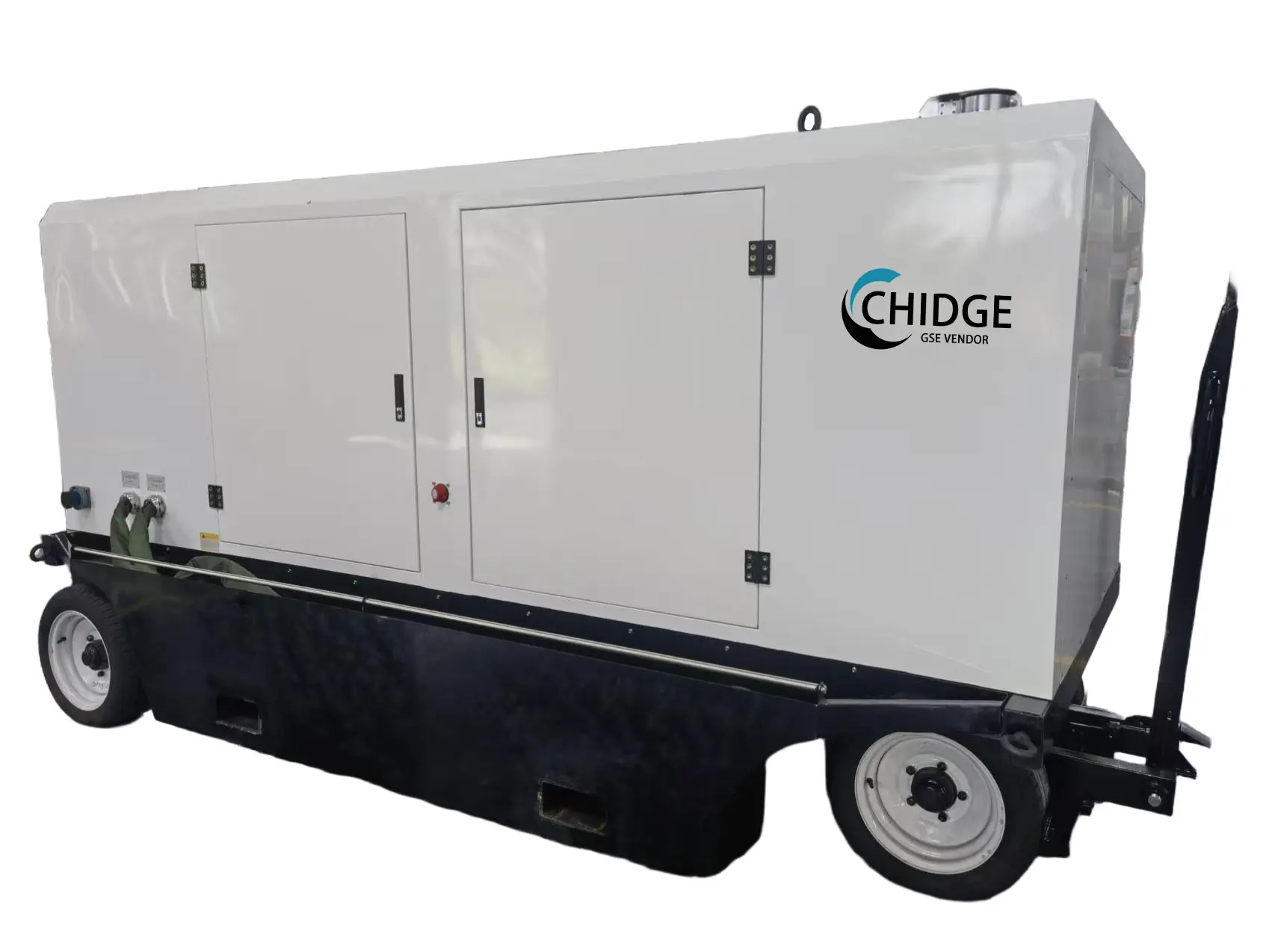
A detailed review of 400Hz frequency converters, truck-mounted GPUs, and how reliable power systems ensure smooth pre-flight checks and passenger boarding.
 Chidge Dolly