Explore our industrial material handling and airside transit equipment designed for high-stress operations.
A comprehensive analysis of heavy-duty propulsion, drawbar pull, and the structural integrity of next-generation GSE equipment.
In modern industrial operations, particularly within busy airports and massive manufacturing campuses, material flow is the lifeblood of productivity. The 2-3t Diesel Towing Tractor acts as a crucial link in this chain. The primary metric of performance for these units is not merely horsepower, but the effective drawbar pull. A 2.5-ton rating typically translates to a continuous drawbar capability that can effortlessly pull multiple dollies, container trailers, or heavy baggage trains totaling up to 30-40 tons on flat surfaces.
Chinese manufacturing facilities have optimized this tractive performance by pairing robust diesel power units with advanced planetary hydraulic torque converters. The resulting power output maintains high torque at lower RPMs—ideal for the stop-start cycles characteristic of cargo hubs and aviation operations.
Global procurement teams must balance high performance with rigorous environmental regulations. Modern factories in China now produce diesel towing tractors equipped with state-of-the-art engines meeting Euro V, EPA Tier 4 Final, and Stage V emissions standards. Engines from internationally recognized manufacturers (such as Isuzu, Yanmar, and Cummins) as well as premium domestic brands (like Xinchai) are offered as standard choices.
Through electronic common-rail fuel injection systems and Diesel Particulate Filters (DPF), these tractors minimize particulate matter and NOx emissions while providing exceptional fuel efficiency—reducing the overall Total Cost of Ownership (TCO) for fleet managers.
Unmatched supply chain integration, superior component testing, and structured flexibility for global enterprises.
Our manufacturing base utilizes 3D CAD modeling, Finite Element Analysis (FEA) for chassis stress testing, and CNC precision machining. This guarantees that every tractor frame is welded to withstand high torsion loads without metal fatigue.
Every tractor undergo standard tractive pull testing, gradeability trials under load, and comprehensive hydraulic pressure tests. Certified to CE and ISO 9001 standards, our products guarantee worry-free operations from day one.
Located in China's industrial heartlands, we leverage key partnerships with world-class steel manufacturers, hydraulic pump suppliers, and transmission builders, ensuring faster production and replacement part deliveries.
Our after-sales service is built on keeping your operations active. We provide global dispatch of spare parts, customized training for maintenance technicians, and round-the-clock technical consultancies.
Detailed references to original specialized refueling vehicles, catering trucks, dollies, and boarding stairs.
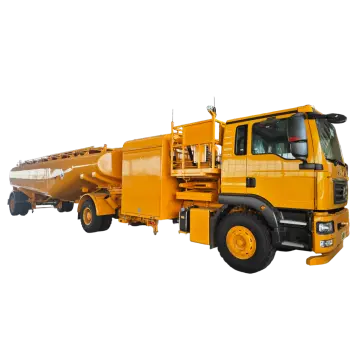
Consists of a chassis, oil tanks, pumping system, control system, and operating section, providing safe filtration, precise metering, refueling, self-circulation, and pressure control.
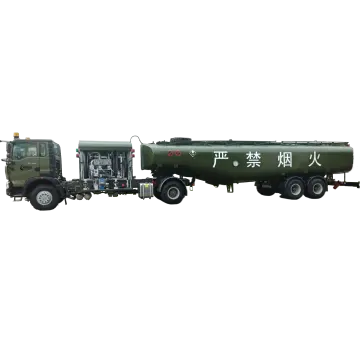
High-capacity aircraft tank refueling truck with dynamic filtration and electronic metering control system, engineered for commercial airfield operations.
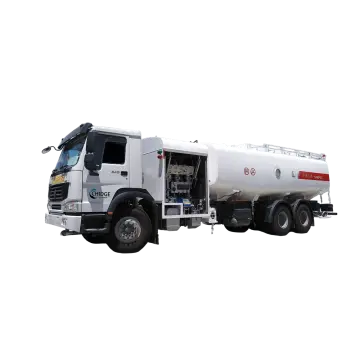
Aviation refueling vehicle optimized for rapid ramp deployment. Equipped with emergency shutoff systems and advanced pressure regulation valves.
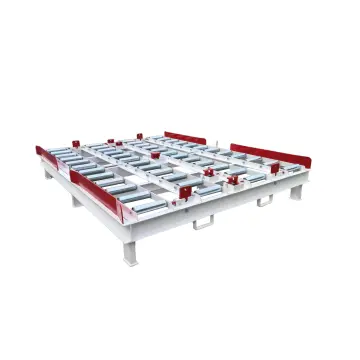
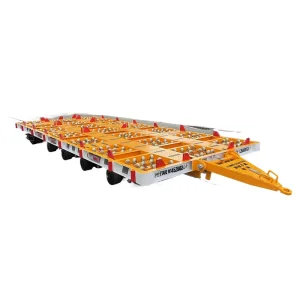
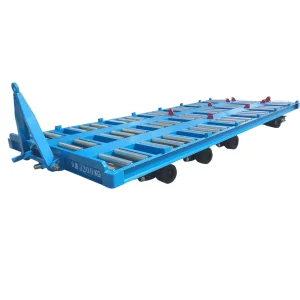
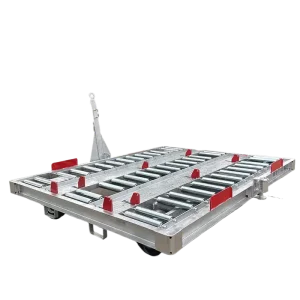
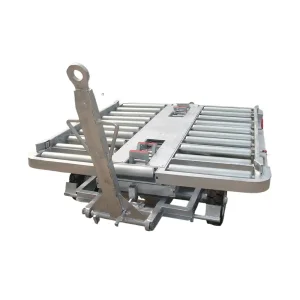
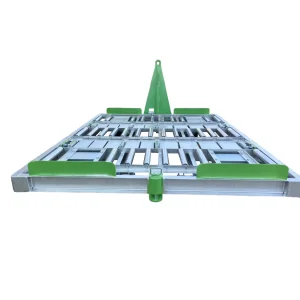
Specially designed heavy cargo slave dolly system to support loading and rotation of unit load devices (ULD) on ramp areas.
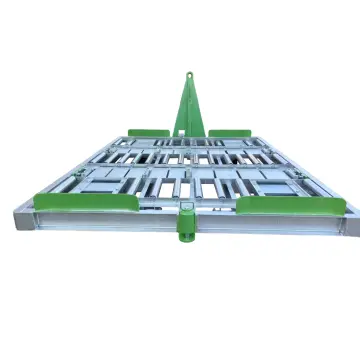
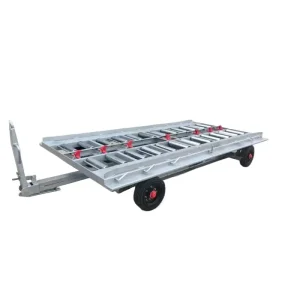
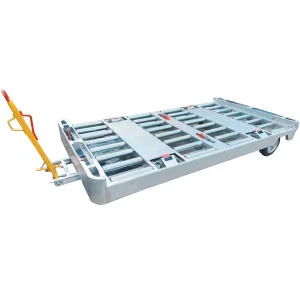
Durable transport chassis with multi-directional rollers. Engineered to transport heavy pallet loads smoothly behind towing tractors.
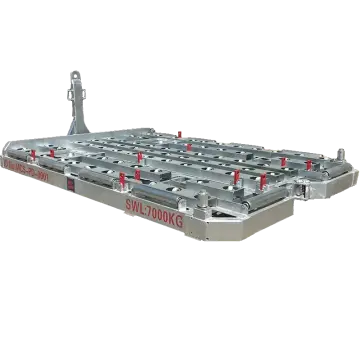
A heavy-duty 7-ton capacity air cargo dolly featuring vertical protection posts (castle configurations) for secure, shift-free container transport.
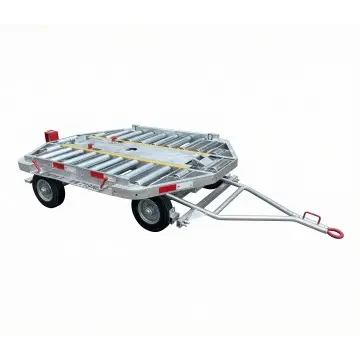
Optimized structure for carrying standard LD3 air cargo containers. Offers low rolling resistance and secure automatic locking mechanisms.
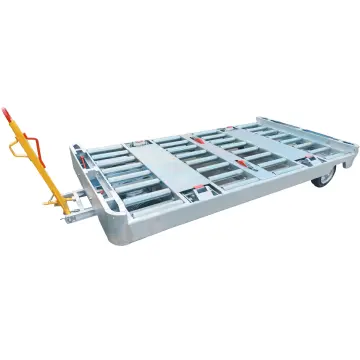
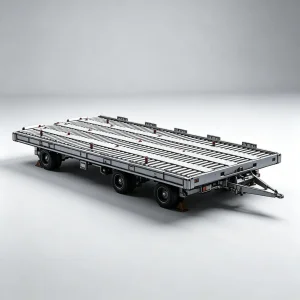
Engineered transport solution for massive air freight cargo. Robust chassis structure guarantees long lifespan in harsh environmental conditions.
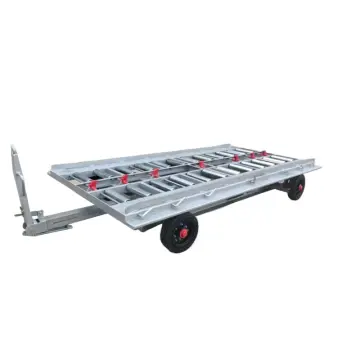
Custom-sized dolly built specifically for stable holding and safe transport of LD6 aviation containers across airport ramps.
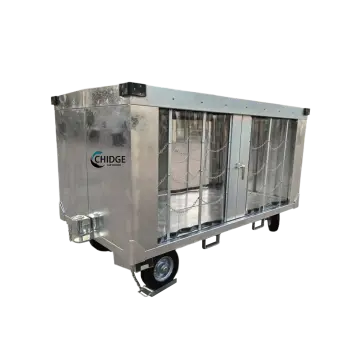
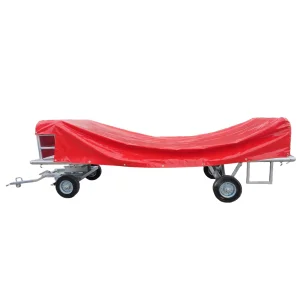
Weatherproof protective luggage cart. Safeguards customer baggage from rain, wind, and harsh sun during transport from terminal to airplane.
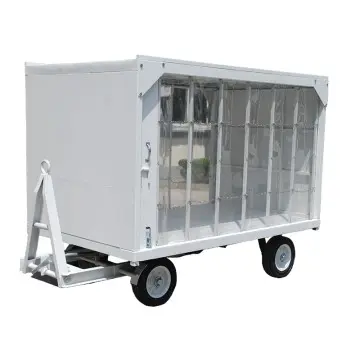
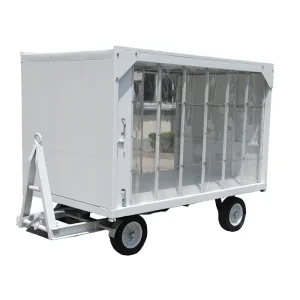
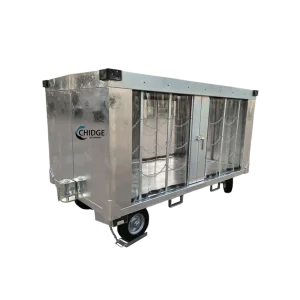
Fully enclosed steel-body baggage cart featuring dual-side access doors and heavy-duty braking towbar systems.
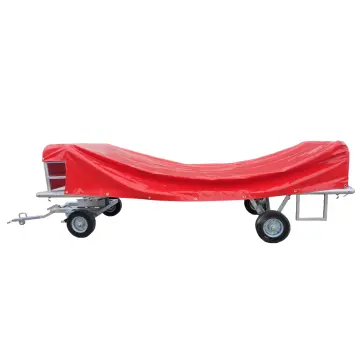
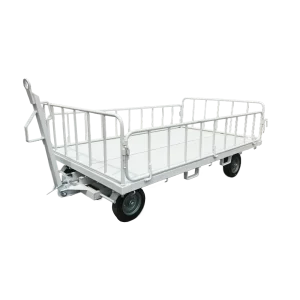
Standard airport ground service luggage trolley built with high tensile strength steel and durable pneumatic tires.
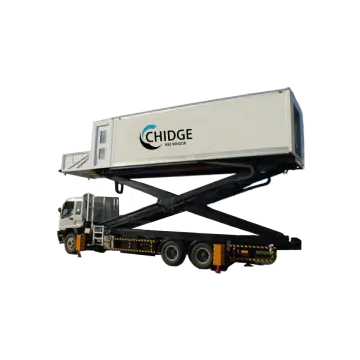
High-lift scissor mechanism catering truck, optimized for commercial aircraft passenger cabin service operations.
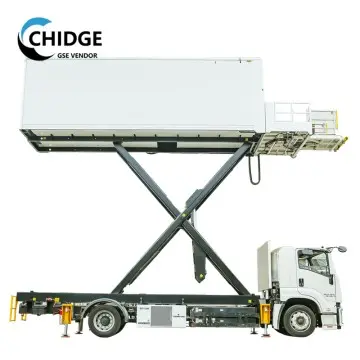
Eco-friendly zero-emission ground service catering vehicle with stable high-lift cargo box for rapid airplane servicing.
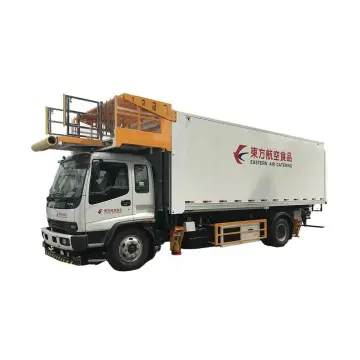
Dependable hydraulic lift cabin servicing truck designed for easy food service cart loading and unloading.
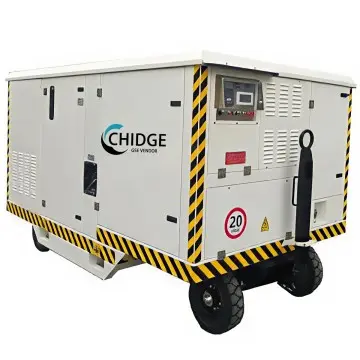
Delivers high-capacity clean heated air directly into parked aircraft cabin systems to ensure passenger comfort during cold weather.
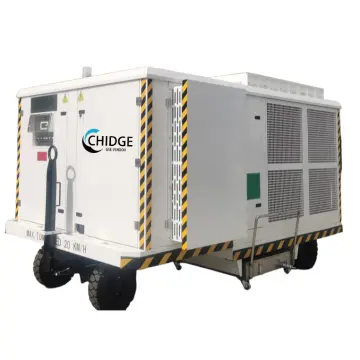
High efficiency pre-conditioned air (PCA) unit designed to maintain ideal cabin temperatures while aircraft engines are switched off.
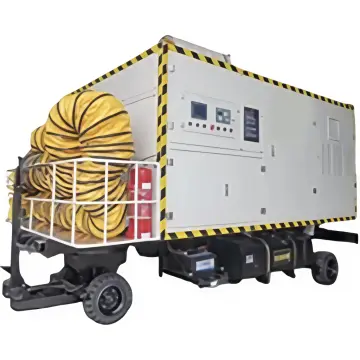
Compact towable diesel heating unit, delivering steady airflow to aircraft systems in extreme cold environments.
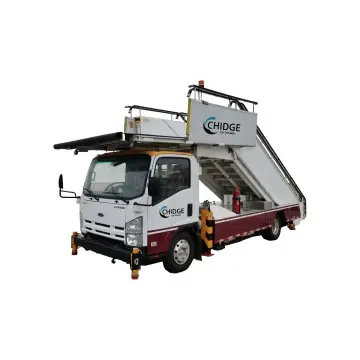
Electric motorized passenger boarding stairs. Features stable steps and protective handrails for comfortable passenger egress.
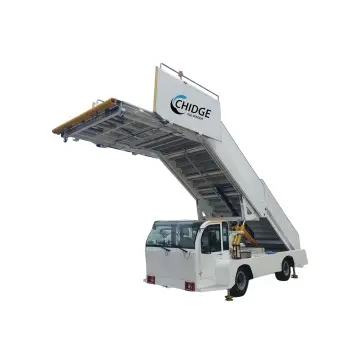
Diesel engine powered self-propelled passenger stairs designed for wide-body and narrow-body airplanes.
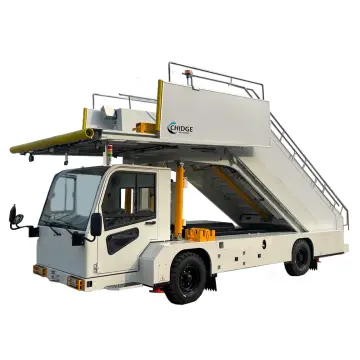
Advanced platform design ensuring secure alignment against the airplane fuselage doors for smooth boardings.
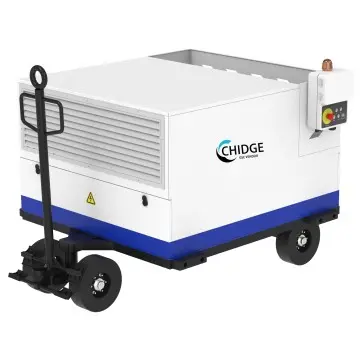
Environmentally clean battery energy storage GPU supplying clean electricity directly to flight decks without local carbon output.
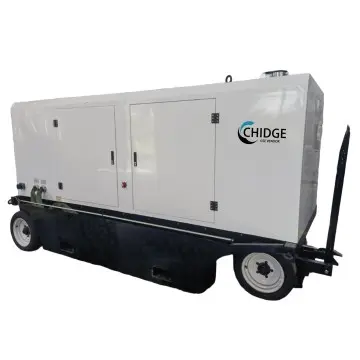
Supplies reliable 400Hz frequency AC power to aircraft electrical buses during ground servicing and engine shutdowns.
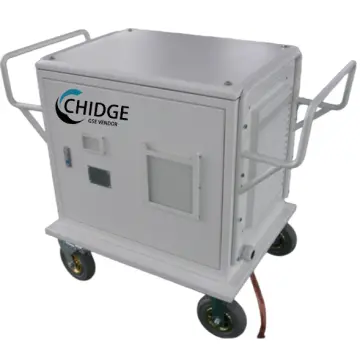
Stationary power converter system delivering continuous, low-noise power for aircraft maintenance hangars.
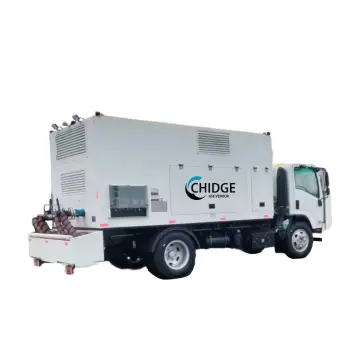
Produces massive compressed airflow required to start main aircraft turbine engines on the ramp.
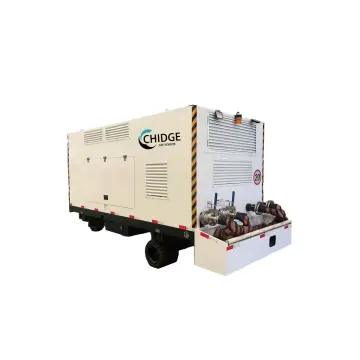
High-reliability towable pneumatic ground starter unit designed for commercial aircraft operations.
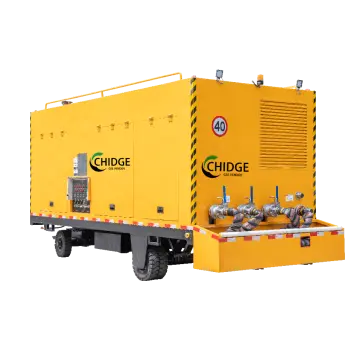
Premium capacity pneumatic start unit, capable of handling major aircraft turbine engine starting requirements.
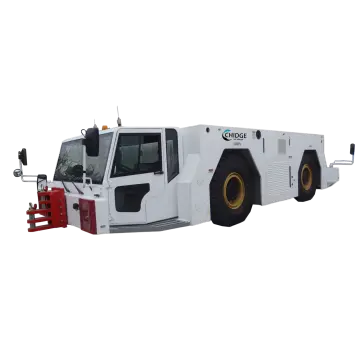
Heavy pushback vehicle designed to safely move commercial aircraft back from passenger gates.
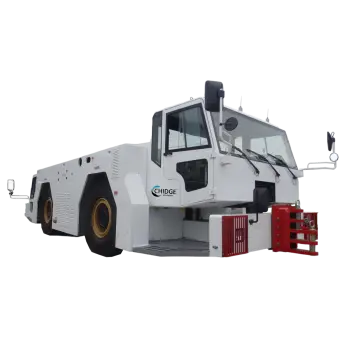
High-power aircraft pushback and towing tractor featuring heavy-duty structural steel frame and multi-wheel steering.
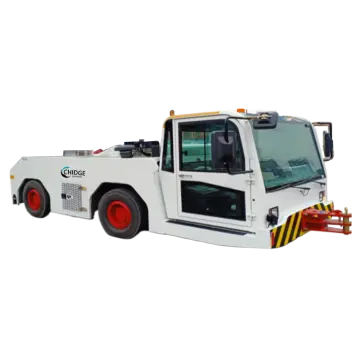
Compact and maneuverable pushback tractor optimized for regional jets and narrow-body aircraft lines.
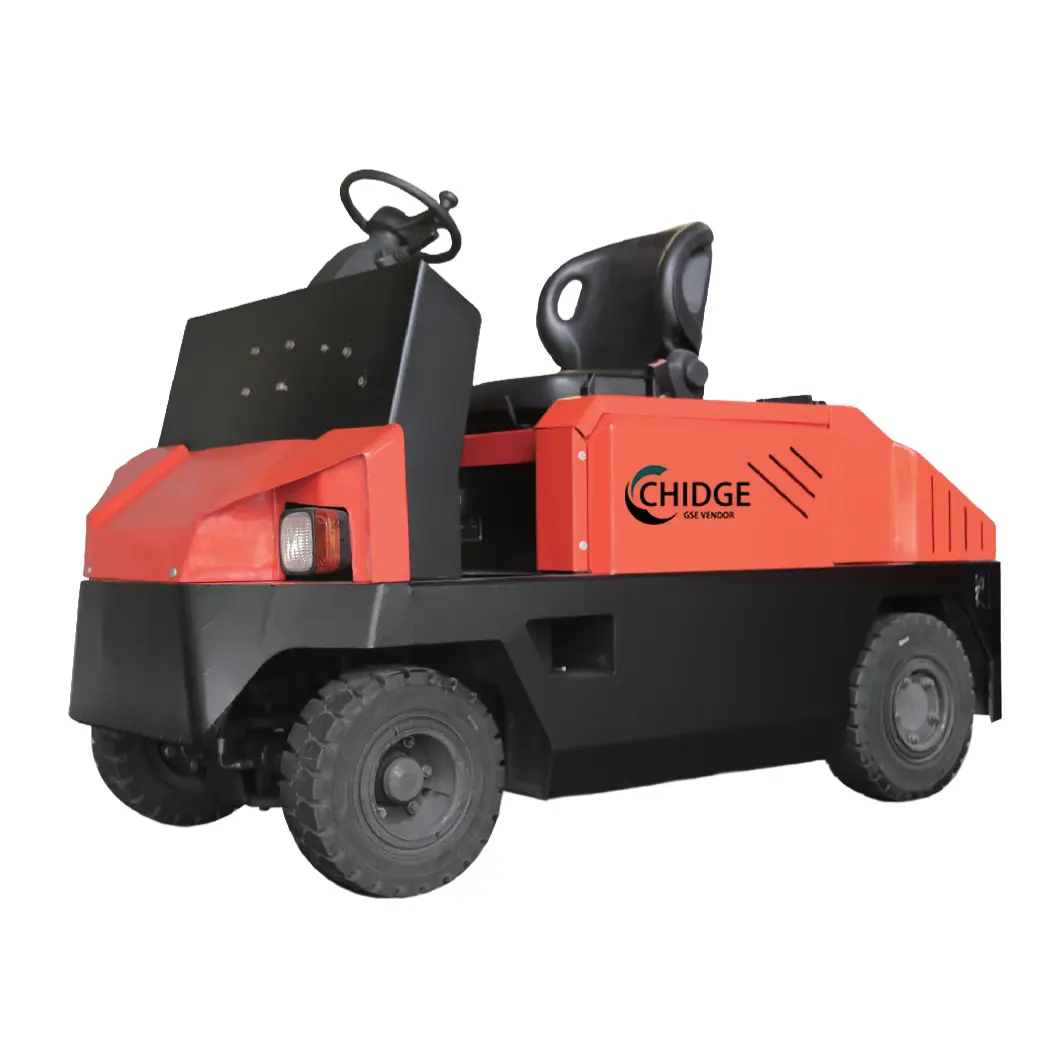
High capacity eco-friendly electric towing tractor designed for long shifts handling airport baggage carts.
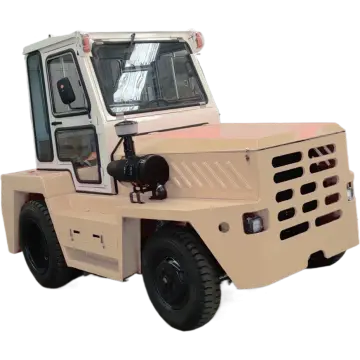
Extreme capacity diesel towing unit engineered for cargo logistics applications and heavy military/industrial trailers.
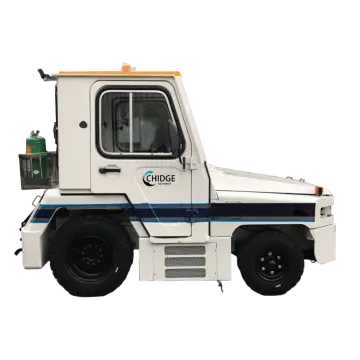
High-power electric drivetrain tractor providing low operational costs, ideal for indoors and closed cargo terminals.
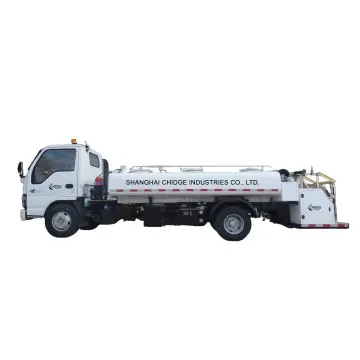
Provides sanitary handling, waste extraction, and flushing systems for commercial aircraft lavatories.
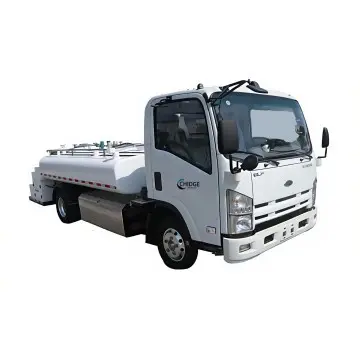
Electric engine water truck delivering clean, pressurized potable water to aircraft storage systems.
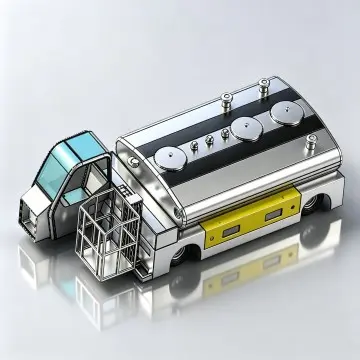
Fully electric eco-friendly waste disposal and rinsing vehicle designed for commercial airport operations.
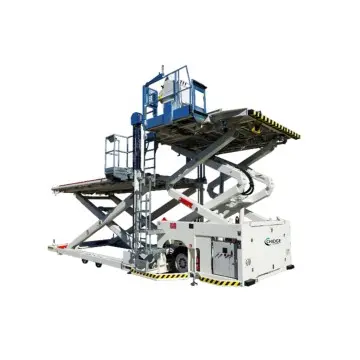
Heavy-duty main deck cargo loader capable of lifting containers and pallets up to 14 tons directly to aircraft doors.
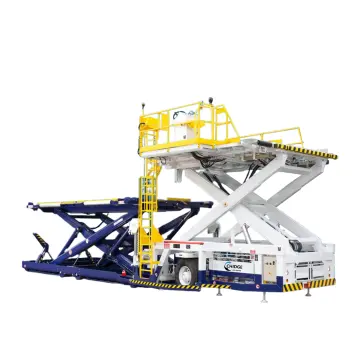
Unparalleled lift platform loader built for cargo hubs and intercontinental heavy-freighter loading tasks.
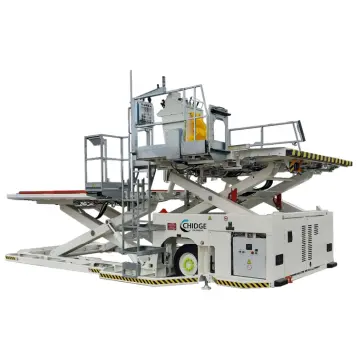
Versatile lower deck container and pallet loader, handling ground cargo transfer tasks seamlessly.
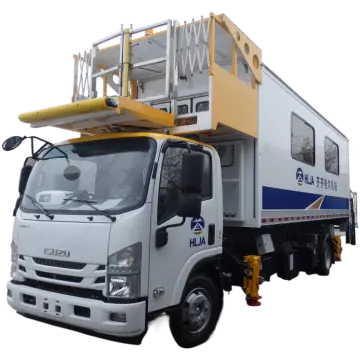
Specialized passenger boarding vehicle with high-precision hydraulic lift cabin, serving passengers with reduced mobility.
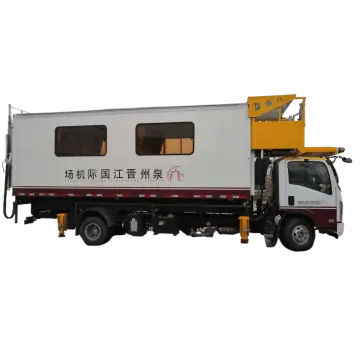
Guarantees safe, comfortable, and dignified aircraft boarding and egress processes for disabled passengers.
Adapting diesel towing systems to demanding localized conditions and global logistics networks.
Ramp environments demand fast turnaround times. The 2-3t diesel towing tractor provides the necessary tractive capability to pull long baggage cart lines or heavy container dollies. Thanks to a low center of gravity and high maneuverability, operators can easily navigate tight paths around aircraft wings and service vehicles.
Within large assembly plants, moving raw steel, sub-assemblies, and heavy machinery parts from storehouses to lines requires high torque towing capacity. Diesel engines offer continuous operational cycles without hours-long battery recharging interruptions, keeping factory outputs running smoothly.
Operating near marine environments requires resistance to corrosion and moisture. Our diesel tractors feature epoxy-primer undercoats, sealed wiring harnesses, and waterproof electronics to prevent issues from salty air and humid coastal conditions.
Aligning manufacturing capabilities with the demands of international airlines, cargo hubs, and distributors.

Offering a complete catalog of certified ground support equipment to cover all ramp service and aircraft handling requirements.

Providing specialized vehicle fleet solutions to international airlines, major logistics corporations, and cargo terminal operators.

From 2-3t compact towing units up to 100t heavy-duty pushbacks, catering trucks, water trucks, and container dollies.

Strict quality control processes, clear timeline tracking, and optimized ocean shipping for hassle-free global deliveries.
Whether you require specific mechanical configurations, custom color schemes, specialized engine types for local environmental regulations, or branded chassis designs, our factories handle your requirements from design through production.
We work closely with your technical teams, supplying prototype drawings, component testing, and certification approvals to bring your customized products to market quickly while reducing overall costs.
Making equipment choices clear and reliable, creating real value for customers, and building trust worldwide.
Stay informed with updates from our engineering department and international ground service operations.
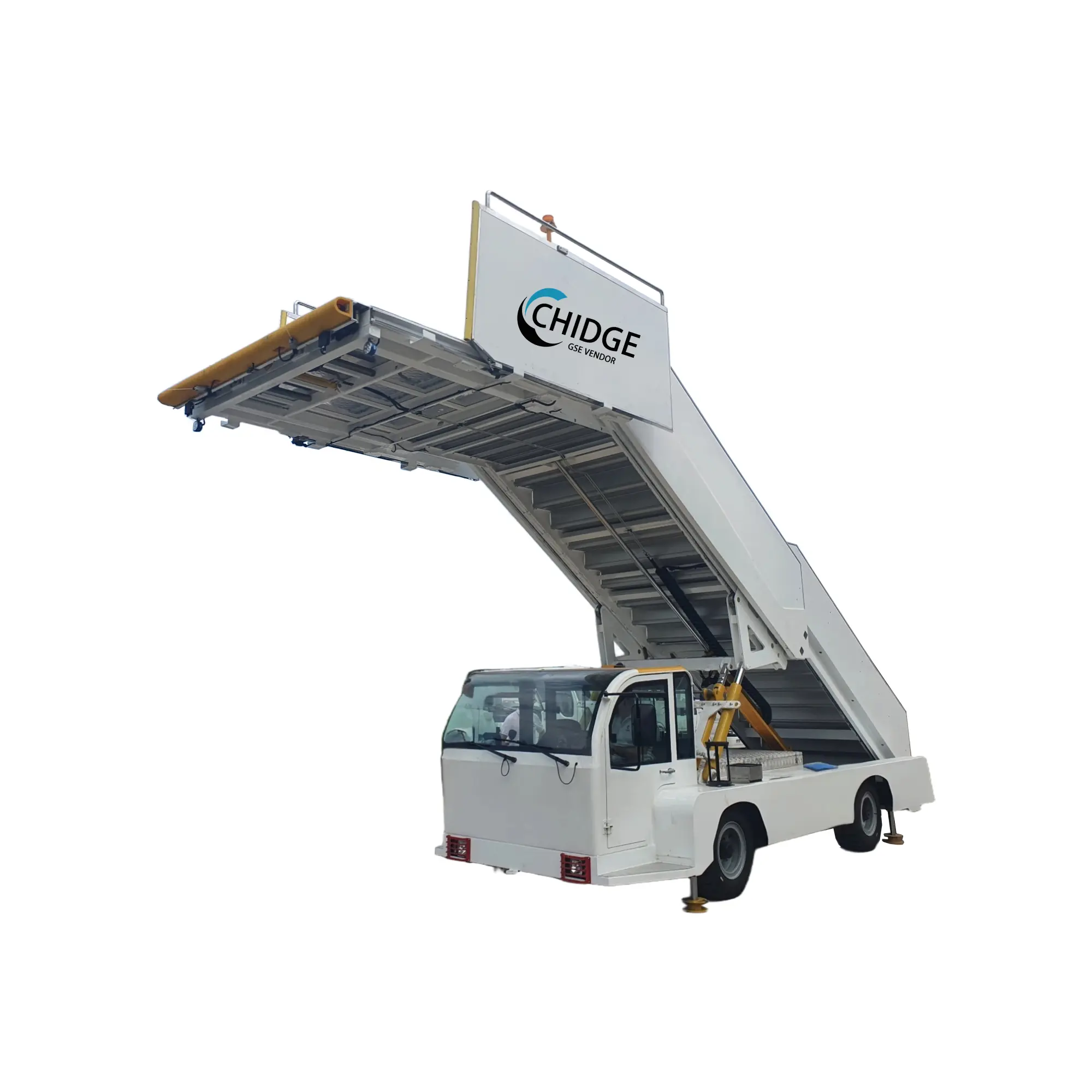
An in-depth look at mobile boarding stair designs, focusing on safety steps, auto-leveling systems, and passenger safety structures.
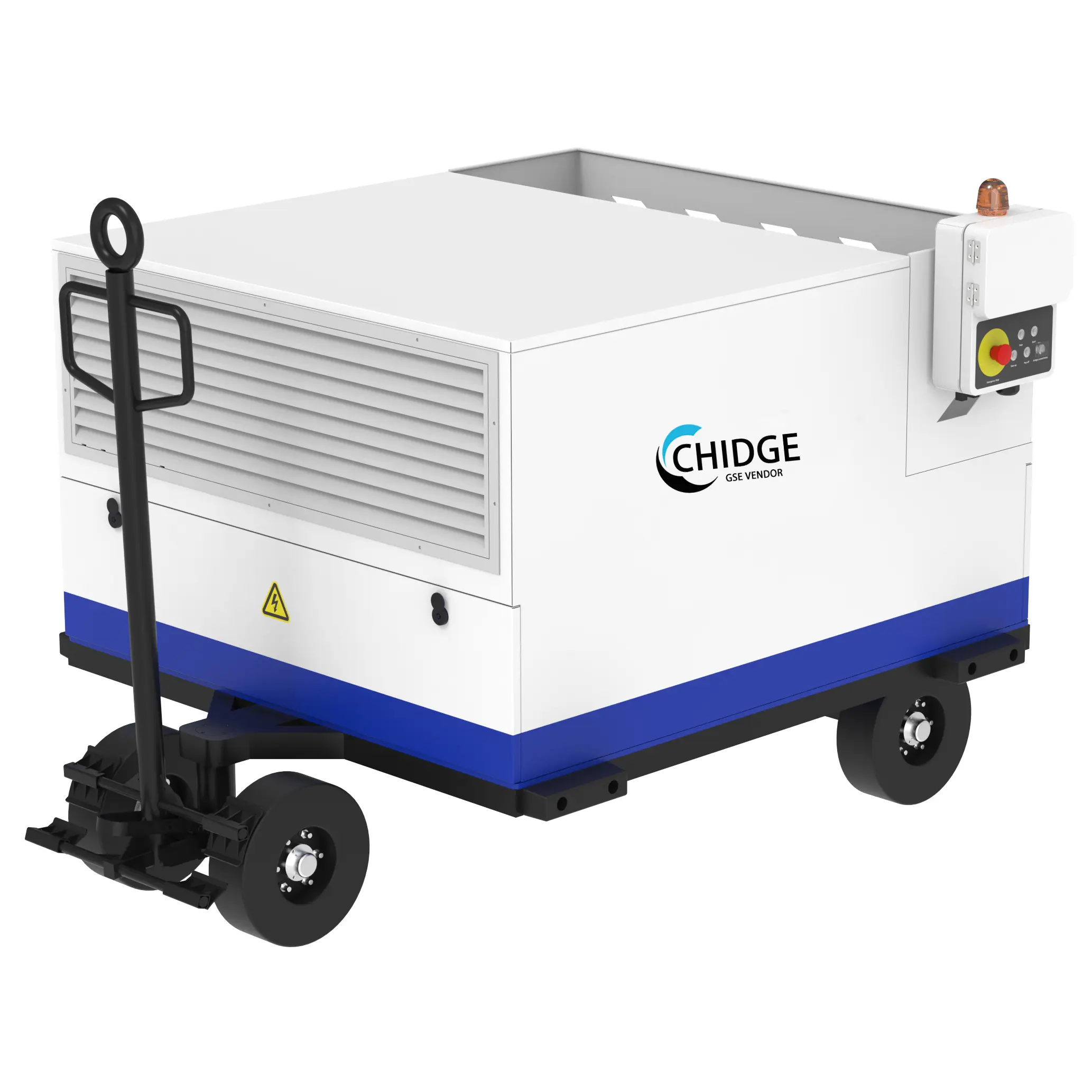
Details on our new battery-powered towable GPU, built to help airlines meet strict clean-air mandates and reduce noise at passenger terminals.
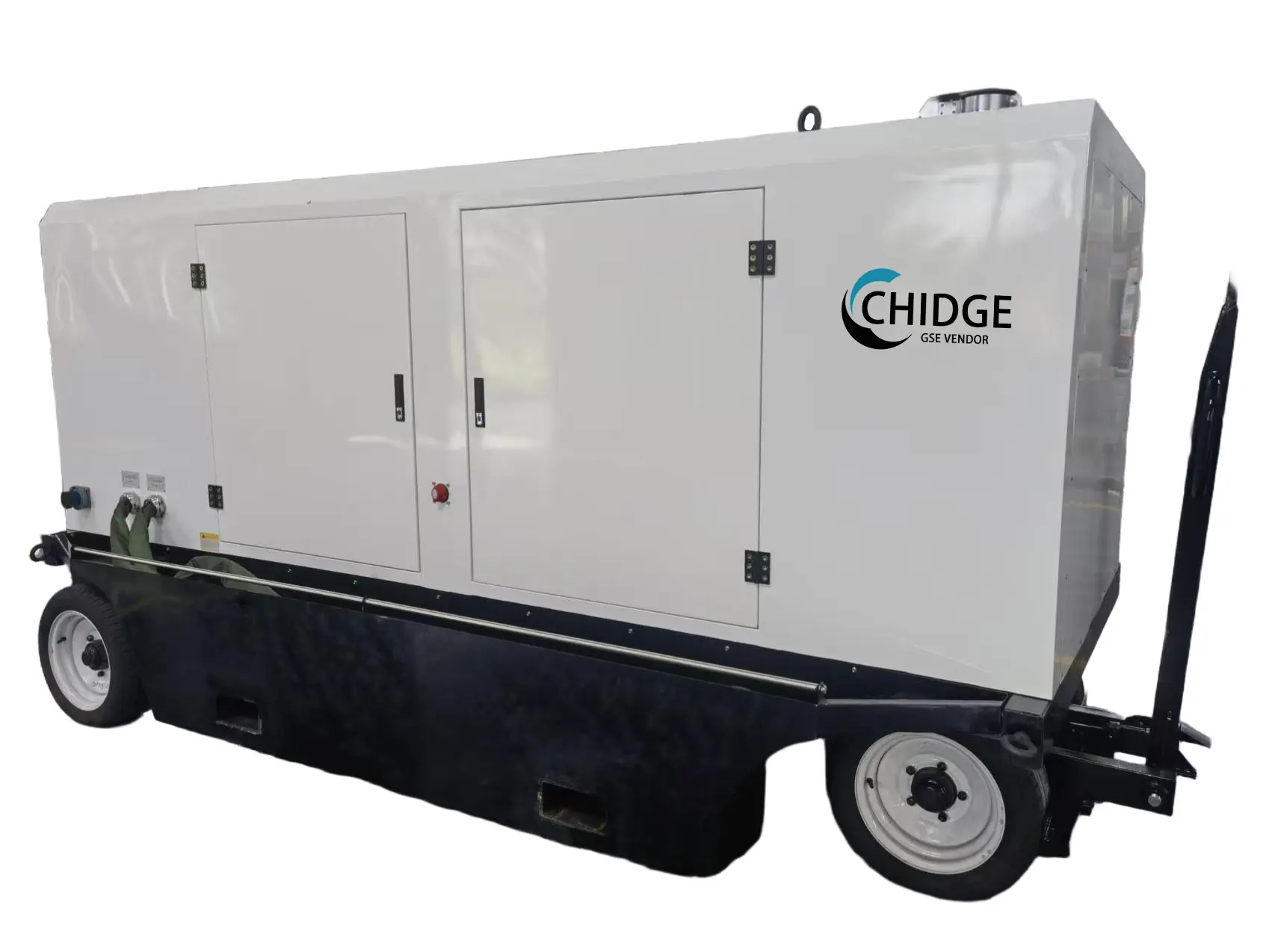
How truck-mounted Ground Power Units (GPUs) provide essential pre-flight electricity, simplifying pre-flight checks and cabin preparation without running the main aircraft engines.
Technical details, engine setups, customized options, and procurement advice for international buyers.
Ensure smooth, uninterrupted ground operations with our heavy-duty dollies and baggage carts.
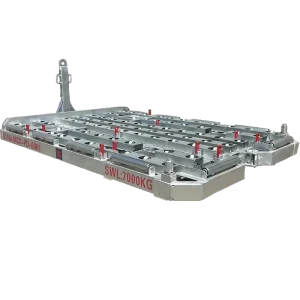
 Chidge Dolly