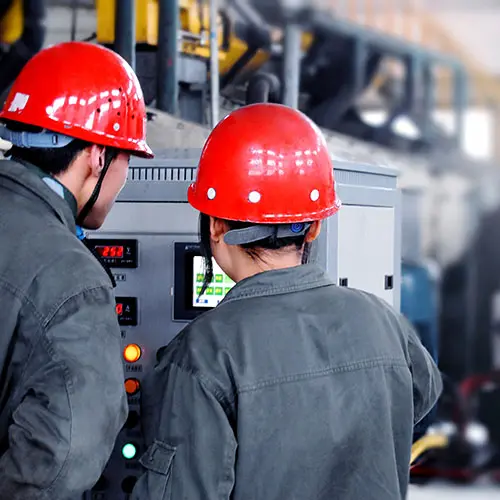
High-durability transport machinery engineered for structural longevity, high efficiency, and safe airside operations.
Within the demanding ecosystems of modern hubs, the reliability and continuous service capability of Ground Support Equipment (GSE) act as critical prerequisites for meeting strict turnaround times. The 2-3t diesel baggage towing tractor occupies a pivotal position in airport logistics, acting as the primary workhorse for luggage and cargo transportation between aircraft stands, sorting facilities, and staging yards.
While electric alternatives have entered the lower-tonnage segments, heavy-duty 2-3t diesel tractors remain indispensable globally. This is primarily due to their structural robustness, infinite range when rapidly refueled, and unmatched performance under extreme ambient temperatures. From freezing Arctic operations to scorching tropical airport ramps, these heavy-duty machines sustain a drawbar pull of 20 kN to 30 kN, crucial for hauling baggage trains containing up to five fully loaded dollies.
Globally, logistics networks, mail sorting centers, industrial manufacturing lines, and military airfields leverage these diesel tractors for continuous 24/7 cycles. Our engineering research reveals that procurement directors prioritize diesel powertrains in regions where electric charging infrastructure remains limited, or where turnaround dynamics require immediate equipment availability without long recharge intervals.
Understanding the performance threshold of a diesel tow tractor requires looking at its torque curve, powertrain efficiency, and hydraulic configurations. Let us outline the mechanical benchmarks expected of modern industrial-grade 2-3t diesel baggage towing tractors.
| Parameters | 2-Ton Diesel Tractor Specification | 3-Ton Diesel Tractor Specification |
|---|---|---|
| Rated Drawbar Pull | 20 kN (Approx. 2000 kgf) | 30 kN (Approx. 3000 kgf) |
| Engine Type | Turbocharged Diesel (Cummins/Perkins/Deutz) | Common Rail Diesel (EPA Tier 4F / EU Stage V) |
| Power Output | 36 kW – 45 kW @ 2200 rpm | 48 kW – 55 kW @ 2200 rpm |
| Transmission | Automatic (Hydraulic Torque Converter) | Power-shift Transmission with Inching Capability |
| Steering System | Full Hydraulic Power Steering | Full Hydraulic Power Steering (Dual-mode optional) |
| Braking System | Hydraulic Dual-circuit Wet Disc / Dry Disc | Heavy-duty Hydraulic Booster Multi-plate Wet Brake |
A complete portfolio of ground support units manufactured with high-durability standards for global aviation terminals.
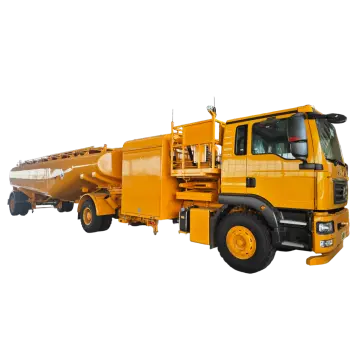
Consisting of a chassis, oil tanks, pumping system, control systems, and filtration/metering parts for pressure-controlled refueling.
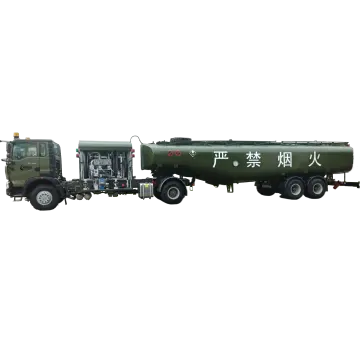
Designed for heavy aviation fueling systems featuring filtration, self-circulation, metering, and advanced pressure safety regulations.
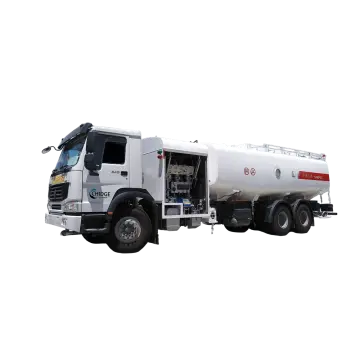
High-capacity airfield refueling vehicle providing safe fuel transit, pumping, control systems, and precise flow metering.
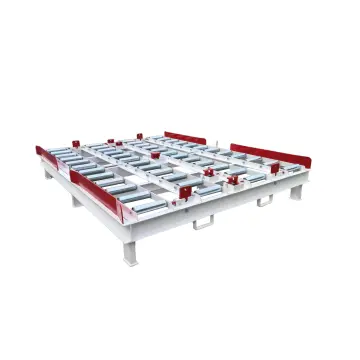
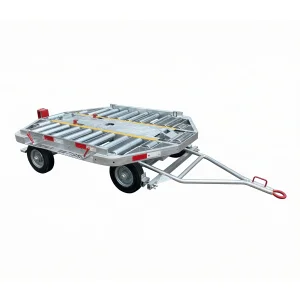
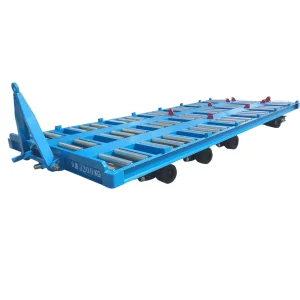
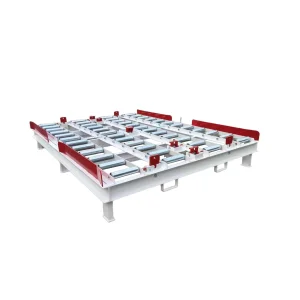
Engineered for air cargo transport, supporting heavy pallets with effortless rolling mechanisms and robust locks.
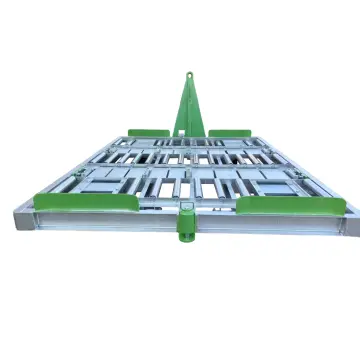
High-durability airport container dolly with flexible wheel systems to allow smooth loading/unloading operations.
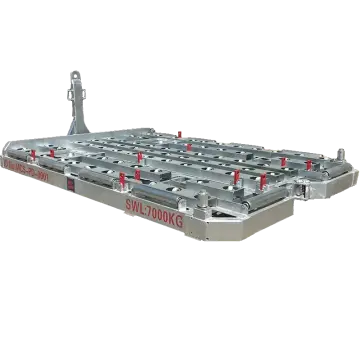
Optimized for rapid container maneuvering, built with high-quality structural steel to handle maximum payloads.
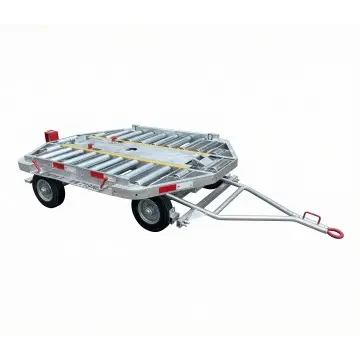
Precision-engineered dolly to transport standard LD3 containers securely across busy taxiways and ramp environments.
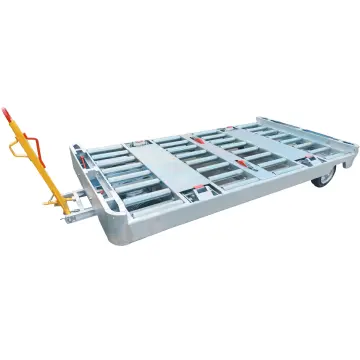
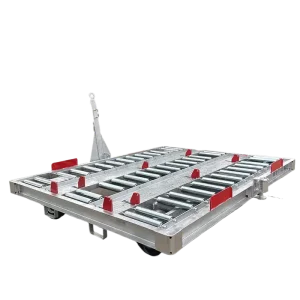
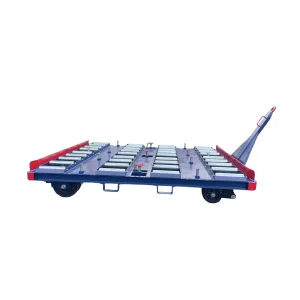
A heavy-duty transport solution built for long service lifespans with high stability and multi-directional roller decks.
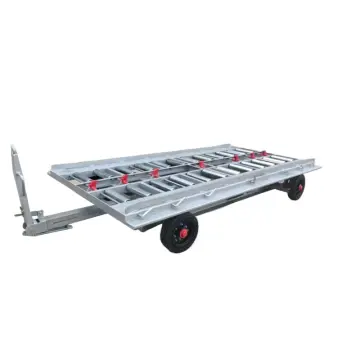
Built to transport wide-body cargo and standard containers under heavy workloads without structural fatigue.
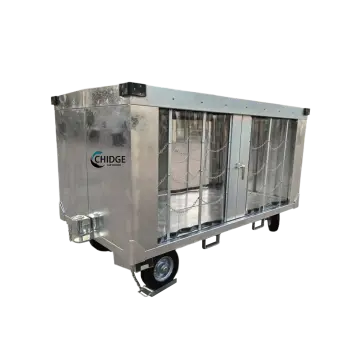
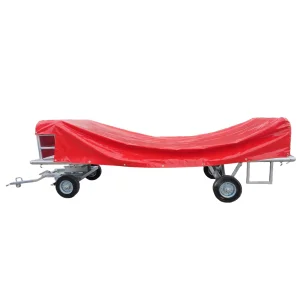
Equipped with reliable weather protection to shield passenger luggage and delicate freight from harsh rains and storms.
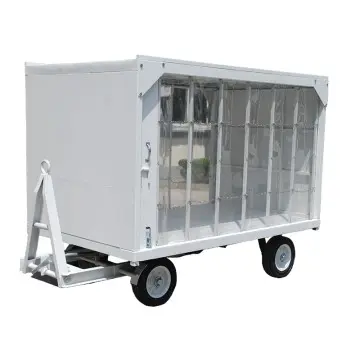
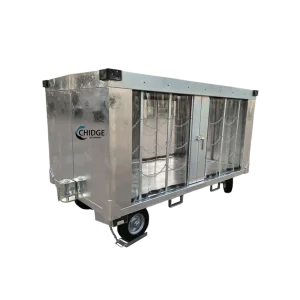
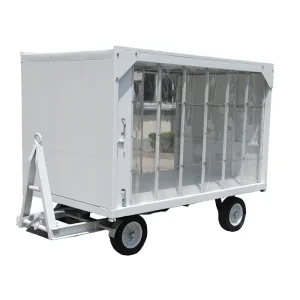
Fully enclosed cargo body design ensuring maximum security and weather protection during terminal-to-aircraft transits.
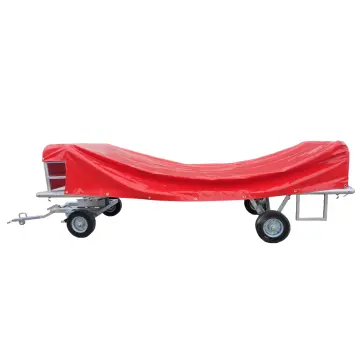
Classic luggage transport design featuring intuitive braking mechanisms and robust double-press steel construction.
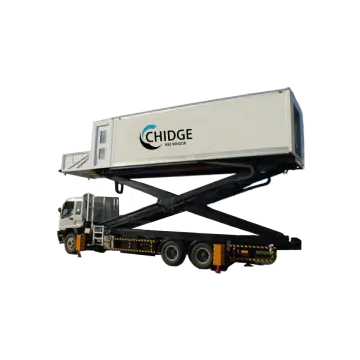
Featuring dynamic scissors-lift chassis mechanisms to service wide-body passenger aircraft cabins quickly and safely.
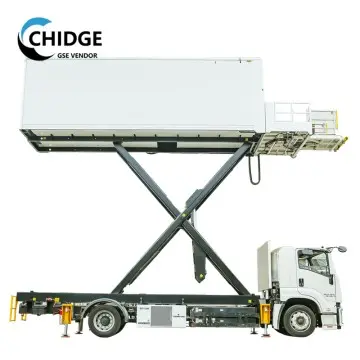
Environmentally friendly catering solution utilizing high-density LFP battery packs and reliable lift automation.
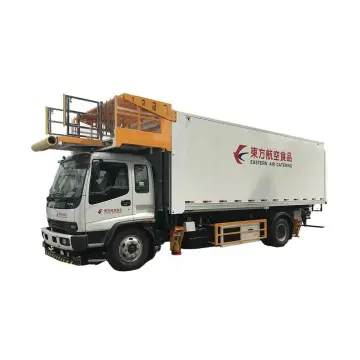
A heavy-duty cargo container elevator engineered to streamline airline food-service and cabin supply logistics.
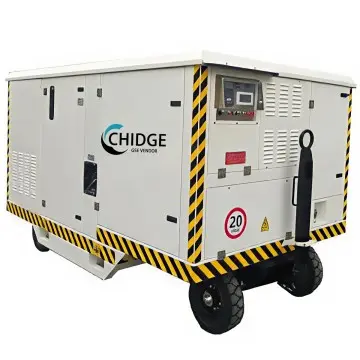
High-performance ground heater delivering comfortable thermal flows to parked aircraft cabins in arctic conditions.
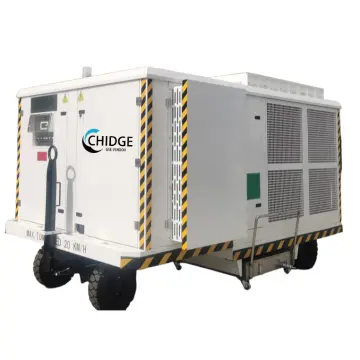
Delivers conditioned air straight into parked planes, reducing fuel burn from APU usage during ground operations.
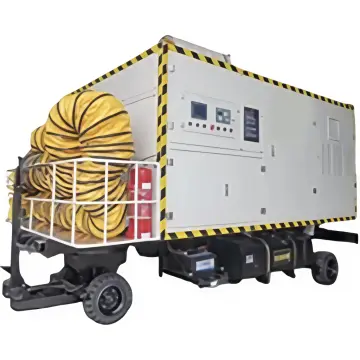
Engineered for smaller airframes, providing reliable hot air circulation through insulated aviation hoses.
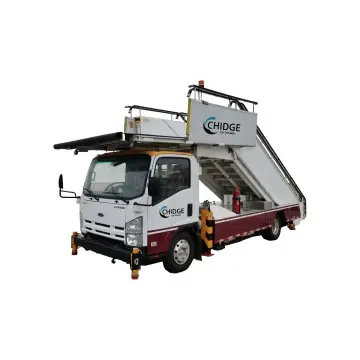
Self-propelled electric passenger boarding stairs providing steady, safe steps with adjustable platform heights.
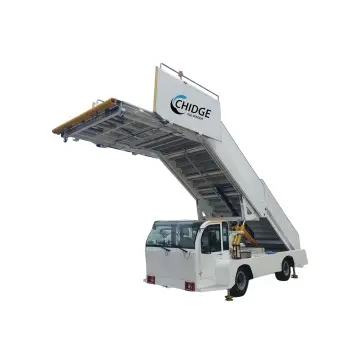
Diesel-powered passenger steps with high wind stability and non-slip step illumination for night-time airfields.
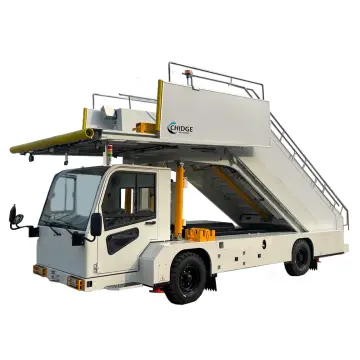
Robust passenger stairs designed to handle medium-to-large aircraft configurations with precision positioning.
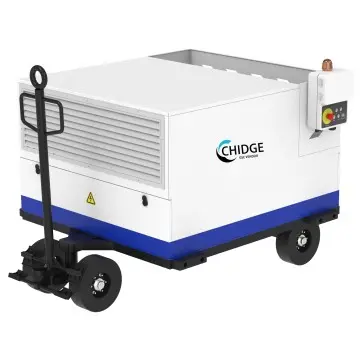
High-capacity battery-driven ground power unit supplying clean, silent 400Hz electricity for parked aircraft.
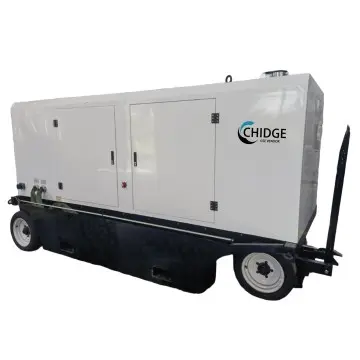
Trailer-mounted 400Hz diesel GPU designed to supply continuous power for commercial narrow and widebody aircraft.
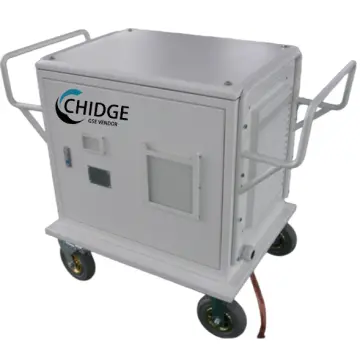
Solid-state static power converters providing stable conversion of grid electrical energy to 400Hz aircraft standards.
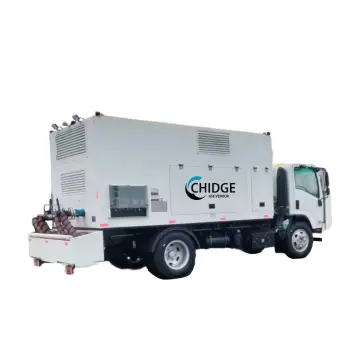
Delivers massive high-pressure pneumatic flows required to start jet engines on civil and military aircraft.
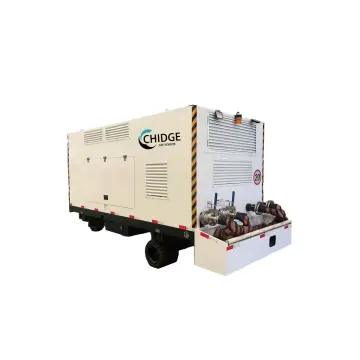
Engineered for quick responses on the tarmac, providing high output compressed air with automatic pressure regulation.
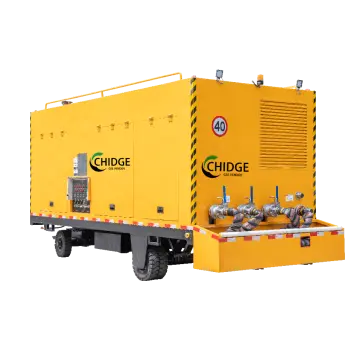
Industrial grade air starter unit providing optimized compressor flows for rapid startup of modern widebody engines.
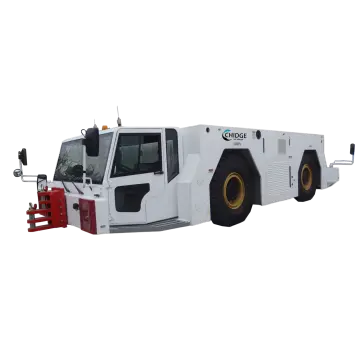
Heavy pushback vehicle designed to maneuver aircraft up to regional airliner scale safely on ramps.
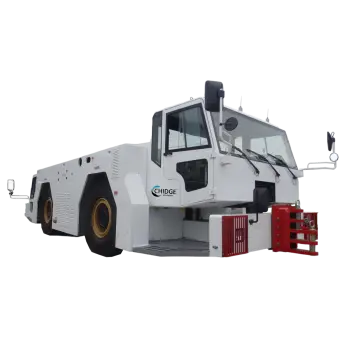
Mid-tier pushback tractor engineered with multi-wheel steering and balanced torque output for regional airports.
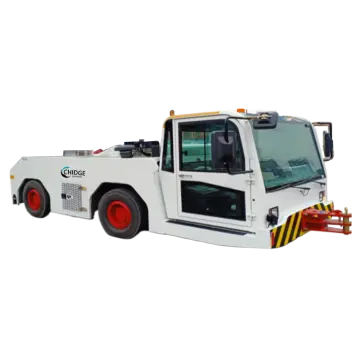
Compact pushback tractor offering high traction capability, small footprint, and excellent operator visibility.
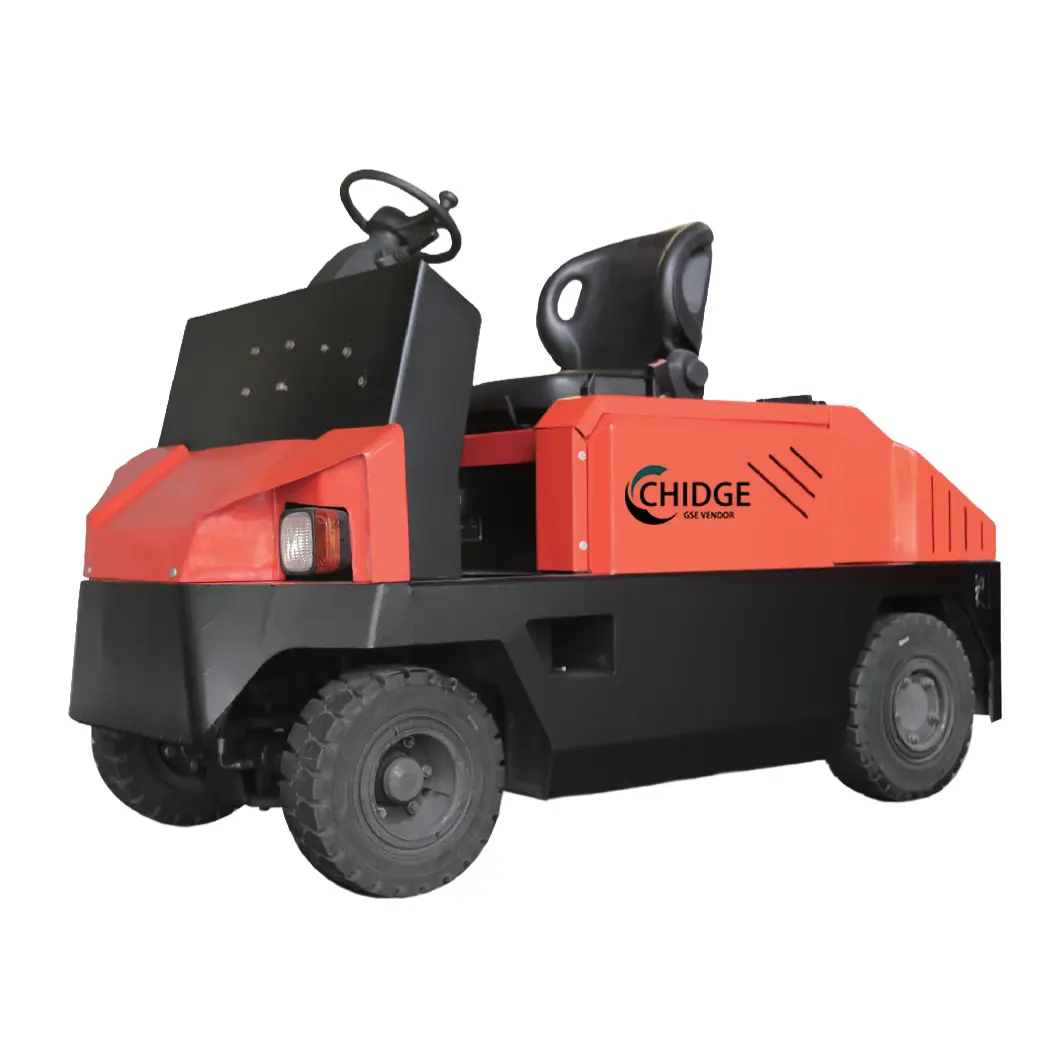
Electric alternative design offering 10-ton tow rating with low noise, zero emissions, and predictive battery diagnostics.
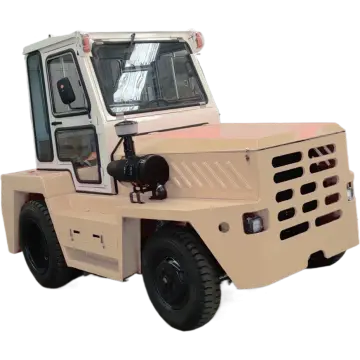
Ultra heavy-duty diesel tractor built to transport loaded cargo trains and large GSE systems across long distances.
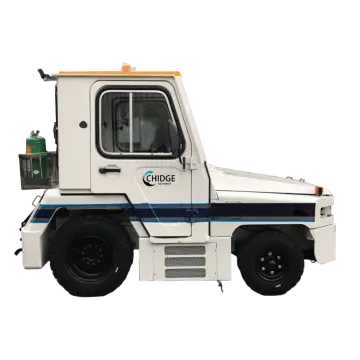
High-power green fleet option featuring powerful electric drive motors, regenerations brakes, and easy fleet telematics.
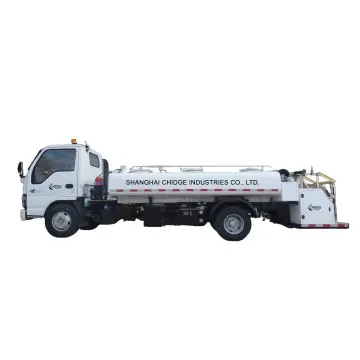
Self-propelled aircraft waste servicing truck equipped with corrosion-resistant tanks, vacuum pumps, and wash systems.
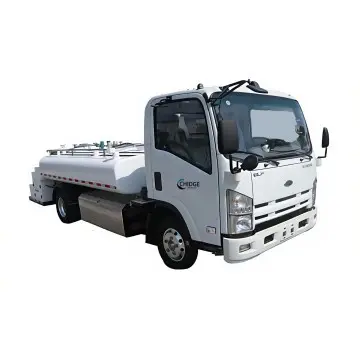
Electric ground support vehicle engineered to manage aircraft potable water and waste water cycles silently and clean.
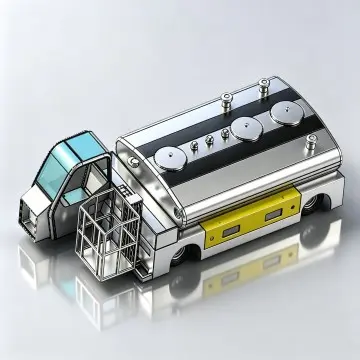
Equipped with specialized smart valve couplings and high-accuracy tank metering indicators for rapid service turnaround.
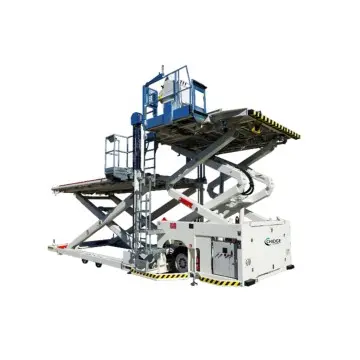
Heavy-duty main deck container loader supporting operations up to 14 tons with precision hydraulic platform controls.
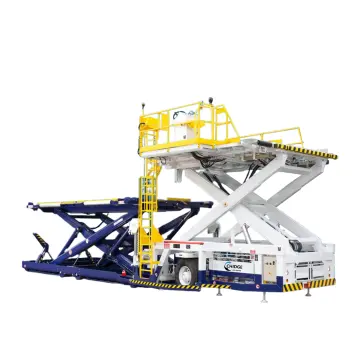
Ultra-high payload hydraulic cargo lift built to service large jumbo jet holds (Boeing 747/777F, Airbus A350F) rapidly.
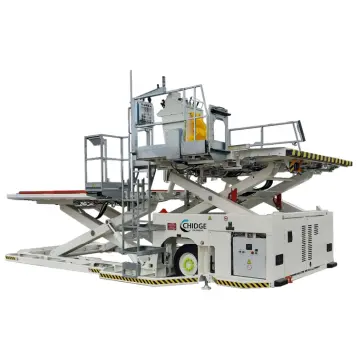
Lower-deck container container loader designed for quick alignment, reliable hydraulic scissor stability, and safety interlocks.
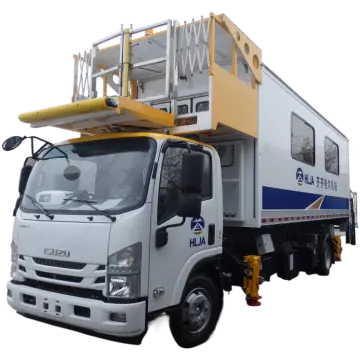
Specialized passenger transport cabin designed to lift and board passengers with reduced mobility (PRM) safely.
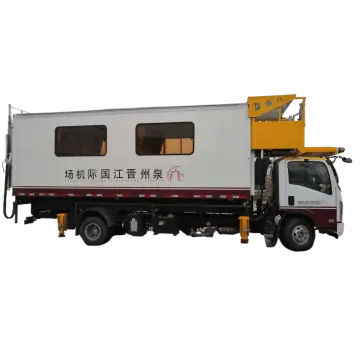
Equipped with sensitive hydraulic lowering safety limiters and weather-sealed sliding boarding platforms.
China's dominance in the GSE manufacturing sector is not merely a result of cost efficiency; it is driven by deep vertical integration, structural steel engineering prowess, and advanced technological upgrades. Our factories employ automated robotic welding stations to fabricate high-tensile steel frames that form the structural backbone of our 2-3t diesel towing tractors.
The chassis of a towing tractor undergoes severe fatigue stresses during heavy deceleration, towing up steep ramps, and sharp maneuvering. Chinese manufacturing hubs utilize finite element analysis (FEA) to simulate these dynamic loads. By reinforcing critical stress points with cast-steel members and optimizing weight distribution over the front and rear axles, we guarantee structural integrity that outlasts traditional welded plate structures.
Furthermore, our logistics and component networks allow us to source international engine brands (such as Cummins, Perkins, and Deutz) alongside top-tier transmission units (like Okamura and Allison) efficiently. This ensures that every tractor coming off our assembly lines is globally serviceable. Parts are standardized, allowing local airport maintenance teams anywhere in the world to easily source filters, belts, and hydraulic valves.
To ensure reliability at international hubs, our manufacturing pipelines strictly adhere to global standards, including the IATA Airport Handling Manual (IATA AHM 910/913/915), CE certifications, and international ISO 9001 regulations. Before leaving our factory yards, each unit undergoes a comprehensive battery of tests:
Why global airport authorities and GSE leasing agencies choose our engineering solutions.

Our company incorporates advanced science and engineering innovations in structural design, hydraulic transmission, and smart telematics integration.

High-quality components allow our tractors to exceed expectations, deliver extended service lifetimes, and win market recognition in competitive environments.

Integrated supply chains, modern production controls, and strategic shipping partnerships guarantee on-time terminal delivery schedules.

We resolve technical issues rapidly with diagnostic support, certified replacement parts shipping, and international training sessions.
Airports are high-pressure environments where ground support equipment must work seamlessly across various configurations. The 2-3t diesel towing tractor is engineered to excel in several key localized operational scenarios:
In major hub airports, tractors pull long luggage trains from central baggage sorting stations directly to aircraft stands. This scenario demands repeated start-stop actions, sharp turns around obstacles, and high tractive effort to climb ramp inclines while fully loaded. Our tractors feature hydrostatic steering and specialized inching controls, enabling operators to hook and unhook dollies with millimeter precision without transmission wear.
Extreme temperatures degrade the performance of battery-powered equipment. In sub-zero environments, diesel heating systems warm the cabin and keep fuel lines from gelling, ensuring the tractor starts instantly. Conversely, in desert regions, where ramp temperatures can exceed 55°C, our high-efficiency heavy-duty radiators and hydraulic coolers prevent thermal de-rating, ensuring consistent torque delivery when other machines fail.
Beyond airport operations, these tractors are widely used in heavy industrial manufacturing sites, seaport container terminals, and automobile assembly lines. Wherever heavy materials require movement through narrow aisles without access to overhead cranes, a compact diesel tow tractor provides a versatile, independent solution.
We partner with airlines, airport authorities, and global logistics providers to keep ramp systems moving efficiently.

Providing a comprehensive range of premium aviation ground support units, ensuring we match specific fleet requirements.

Supplying tailored GSE equipment and service packages directly to airlines, ground handling agents, and logistics integrators.

From passenger stairs to refueling trucks, we supply all categories of ground support machinery from a single supplier network.

Implementing strict quality controls and efficient logistics channels to deliver vehicles globally with short lead times.
We customize every aspect of our 2-3t diesel towing tractors to fit unique operational environments. Whether modifying cab layouts, installing specific engines for regional emission regulations (Tier 3, Tier 4 Final, Stage V), adjusting hydraulic hitches, or integrating telematics, our engineering team delivers tailored solutions.
From conceptual design through manufacturing to post-delivery inspections.
We help clients reduce costs and quickly field compliant ground support fleets.
The ground support equipment market is changing rapidly as operators demand safer, more efficient, and connected fleets. Modern 2-3t diesel baggage tractors are adapting through several key advancements:
Modern fleet operators rely on data-driven management. By replacing mechanical wiring harnesses with robust CAN-bus electronics, our tractors monitor engine load, transmission oil temperature, fuel burn, and diagnostic trouble codes (DTCs) in real-time. Integrating GPS and telematics gateways allows operators to track equipment locations, monitor speed violations, schedule preventative maintenance, and optimize overall fleet utilization.
Airports globally are tightening air quality limits. To meet these targets, diesel tractors utilize advanced exhaust after-treatment technologies, including Diesel Particulate Filters (DPF) and Selective Catalytic Reduction (SCR) systems. Our Stage V and EPA Tier 4 Final compliant engines significantly reduce particulate matter and NOx emissions, allowing diesel fleets to operate cleanly within semi-enclosed terminal zones.
Ramp safety remains a top priority for airport ground operations. Standard equipment now includes safety interlocks, seat-occupancy sensors, speed limiters, and reverse cameras. Optional integrations include front and rear radar obstacle detectors, which automatically slow the tractor when approaching luggage dollies or aircraft stands, protecting ground crews and airframes from damage.
Making our clients' equipment choices secure, reliable, and value-focused.
Technical updates, industry reports, and new product launch announcements.
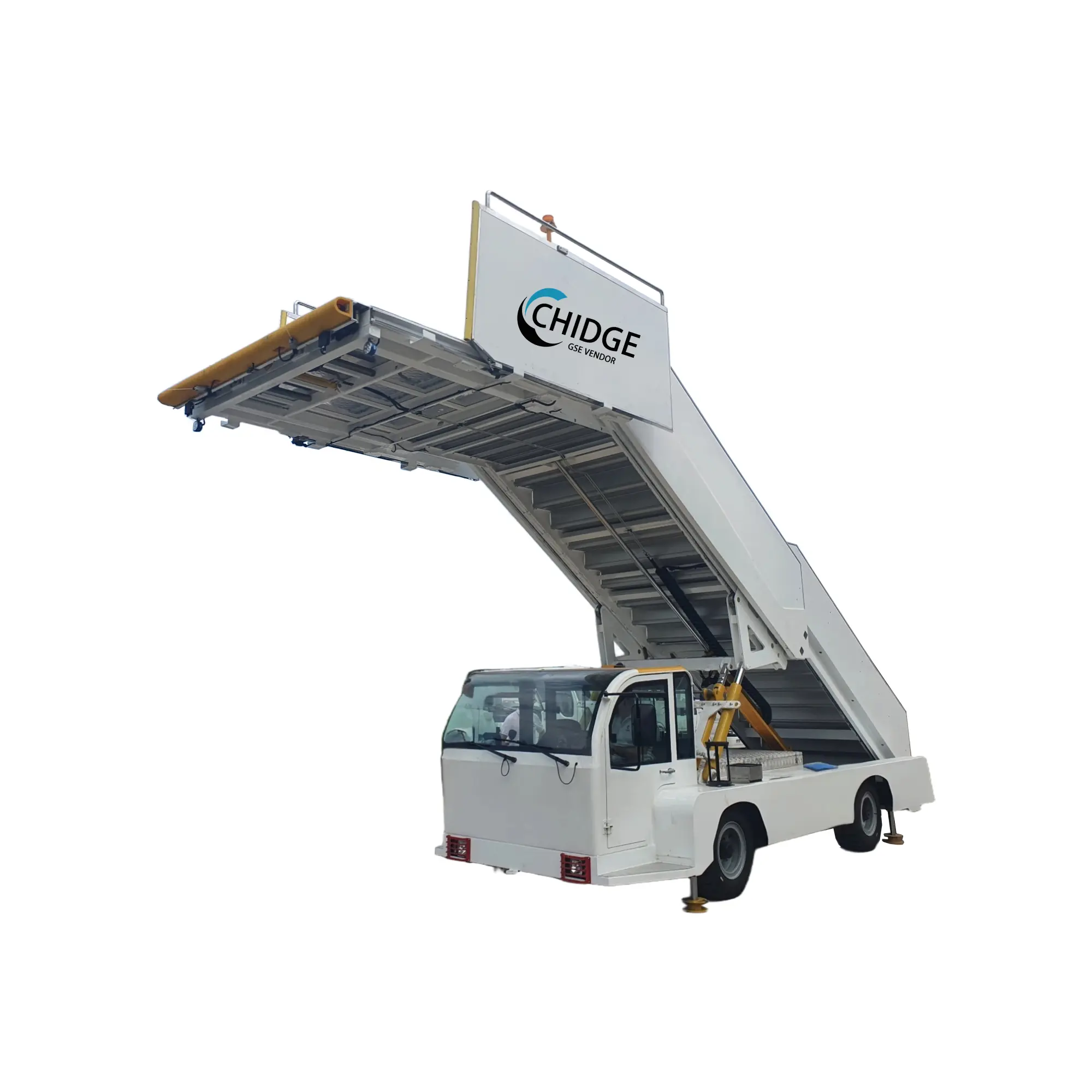
Exploring the structural design and stability guidelines of boarding stair configurations.
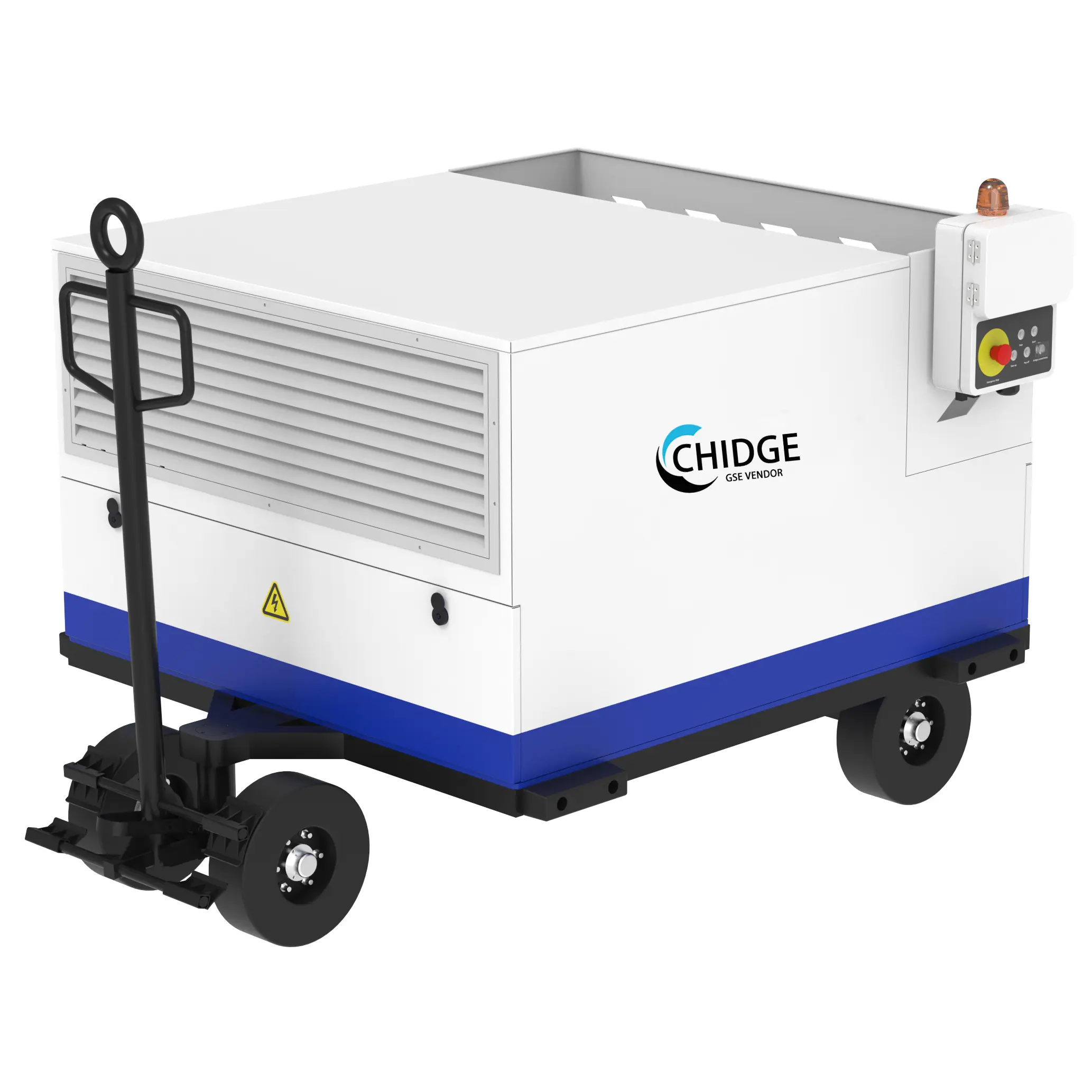
Analyzing zero-emission, battery-driven towable GPU integrations for modern airports.
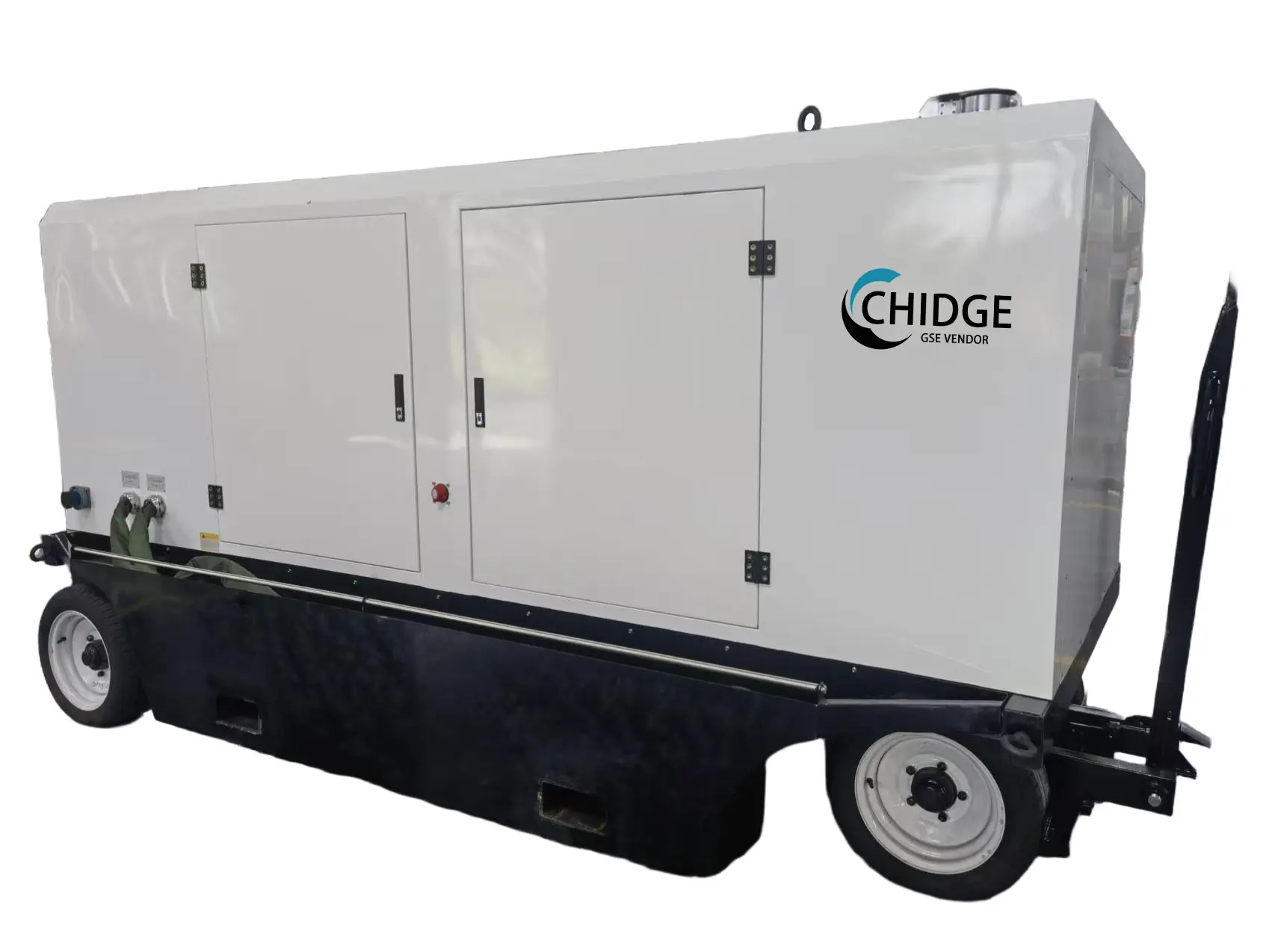
How mobile GPUs ensure aircraft systems remain flight-ready on the ground without running main engines.
Technical factors for fleet managers, procurement officers, and airport operations directors.
Procuring baggage towing tractors requires evaluating several operational variables. Beyond initial costs, fleet operators should assess the Total Cost of Ownership (TCO), which includes parts availability, fuel efficiency, diagnostic support, and residual resale value.
To assist with procurement cycles, our engineering advisory group has compiled a list of crucial purchasing questions and technical answers.
For standard regional airport services, a 2-ton (20 kN) drawbar pull is typically sufficient to tow 3 to 4 fully loaded baggage dollies on flat surfaces. For major international hubs handling wide-body aircraft with longer baggage trains and steep ramps, we recommend a 3-ton (30 kN) tractor. This provides the reserve power needed to maintain control on wet or icy ramps.
We design our diesel towing tractors with modular engine bays. For Europe and North America, we configure our vehicles with EU Stage V and EPA Tier 4 Final common rail engines using DPF and SCR technology. For markets without low-sulfur fuel, we offer Tier 3 engines to ensure operational reliability and prevent fuel system wear.
Our automatic transmissions feature hydraulic torque converters with integrated oil cooling systems. This design cushions shock loads when starting heavy trains, reducing stress on the drive axles, differential, and engine mounts. Inching controls allow operators to align the coupling hitch precisely, reducing clutch wear and improving ramp safety.
Yes. We offer fully customizable cabin options. Depending on regional climates and safety rules, we supply fully enclosed cabins with HVAC systems, semi-enclosed versions, or open canopy configurations. We support both left-hand and right-hand drive layouts, and all configurations come with suspension seating and safety seat belts.
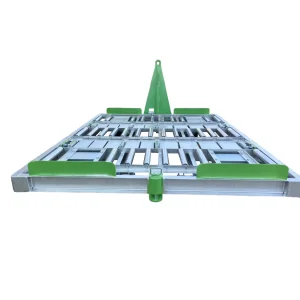
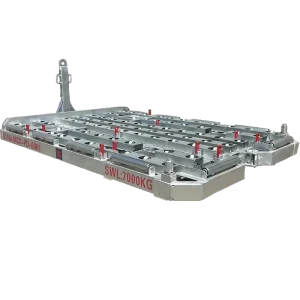
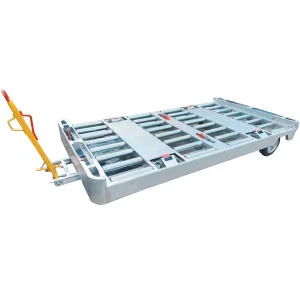
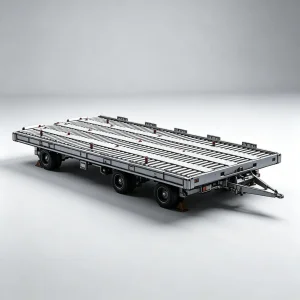
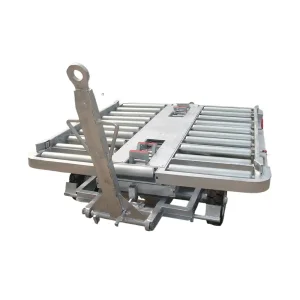
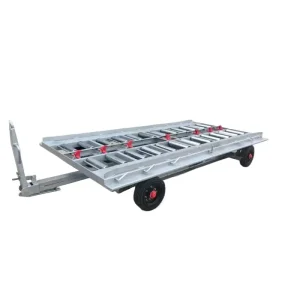
Engineered cargo dolly systems designed to interface seamlessly with our towing tractor fleets.
 Chidge Dolly