Engineered for Haneda, Narita, Kansai and Chubu Airports to execute rapid cargo turnaround with extreme durability.
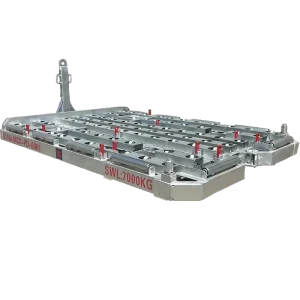
Features heavy-duty structure locks suitable for high-density container layouts in modern Japanese air freight terminals.
View Details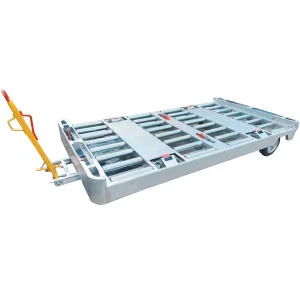
Designed for multi-axle transportation of LD1, LD3 containers, integrating dynamic braking and safety coupling mechanisms.
View Details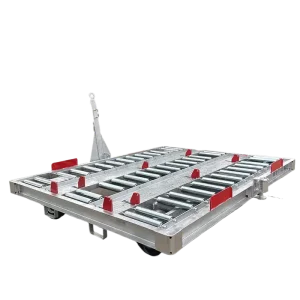
Optimized for severe coastal marine environments with hot-dip galvanized coating, preventing structural corrosion.
View Details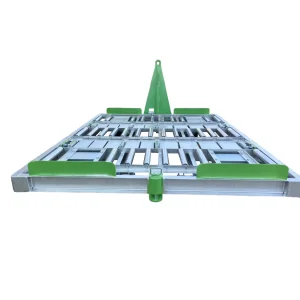
Features ultra-durable solid rubber wheels and premium bearings for low rolling resistance under high load capacities.
View DetailsIn Japan, the aviation cargo logistics sector is renowned for its obsession with efficiency, precision, and zero-defect execution. Major gateways like Tokyo Haneda (HND), Narita International (NRT), Osaka Kansai (KIX), and Chubu Centrair (NGO) operate under intense schedules where flight turnaround times are measured in minutes. Within this high-pressure environment, GSE (Ground Support Equipment) plays a foundational role. Standard material handling dollies are subjected to continuous duty cycles, high payload stress, and diverse outdoor environments.
Furthermore, coastal airports like Kansai and Chubu are exposed to constant sea breezes, necessitating marine-grade corrosion protection. This makes conventional steel-frame container dollies susceptible to accelerated oxidation and breakdown. Japanese ground handling agencies expect container dollies to feature state-of-the-art rust prevention (such as comprehensive hot-dip galvanization according to JIS H 8641 standards), fail-safe container lock mechanisms, and ergonomic drawbar designs to reduce ramp injuries.
As the international logistics network shifts toward sustainable, automated operations, Japan has emerged as a testing ground for automated GSE tug tractors and smart towing routes. Achieving zero-emission ground logistics requires container and pallet dollies that possess exceptional directional stability, reducing drift during multi-dolly towing arrays (train-like configurations). High-precision steering linkages (such as double-sided Ackermann steering mechanisms) ensure that dollies track exactly in the path of the lead vehicle. This decreases the risk of side-swiping airport terminal walls or support pillars.
To assist fleet managers in selecting the ideal solution for their ground operations, the table below highlights standard configurations engineered for extreme operational demands:
| Dolly Series | Maximum Payload | Suitable Container / Pallet Size | Anti-Corrosion Finish | Steering System Type |
|---|---|---|---|---|
| 7T Castle Pallet Dolly | 7,000 kg | P1P, P6P, LD3, LD1 | Hot-Dip Galvanized / Epoxy Coated | Turntable Steering / Heavy Towbar |
| 18T 20FT Pallet Dolly | 18,000 kg | 10ft, 20ft ULD, Double LD3 | Hot-Dip Galvanized (JIS H8641 spec) | Ackermann / Four-Wheel Linkage |
| LD3 Container Dolly | 3,500 kg | LD1, LD2, LD3, LD4, LD8 | Electrostatic Paint + Zinc Base | Standard Swivel Ring / Towbar Brake |
| 35T 20FT Heavy Pallet Dolly | 35,000 kg | Large 20ft / 40ft Special Cargo | Extreme Multi-Layer Epoxide Paint | Dual-Linkage Heavy Steering Array |
Combining leading manufacturing technologies with strict quality verification pipelines to deliver industry-leading reliability.
Our engineering team utilizes Finite Element Analysis (FEA) to simulate load distribution patterns. This ensures that every container dolly achieves optimal structural integrity while keeping deadweight low for improved fuel and battery efficiency in towing tractors.
We source raw structural steel from certified mills and execute rigorous non-destructive weld testing (NDT). Every unit complies with strict international ISO 9001 and IATA AHM (Airport Handling Manual) specifications to prevent ramp failures.
Our supply chain network ensures structured ocean freight and overland transport coordination to all main Japanese hubs. We maintain buffers for immediate raw material sourcing, guaranteeing delivery schedules are met without project delays.
Ground handling equipment operates in 24/7 cycles. Our customer service engineers provide rapid troubleshooting, spare parts supply (rollers, locks, wheels, brakes), and comprehensive technical support to keep down-times near zero.
Our mission is to make our clients' choices solid and correct, creating maximum value for airport cargo operators and ground services companies.
Supplying comprehensive operational services to airlines, freight forwarders, and logistics corporations worldwide.

Providing high-capacity, specialized dollies, refueling vehicles, and customized transport arrays engineered to the highest industry standards.

Collaborating directly with ground crews to optimize vehicle layout configurations, tow line speeds, and overall fleet utilization rates.

From single-pallet light baggage carts to ultra-heavy-duty 35-ton slave dollies for oversize industrial cargo integration.

Ensuring that every production run passes rigid inspection parameters and arrives at your terminal location on time.
A broad fleet portfolio constructed with high engineering precision to fulfill passenger, baggage, and heavy cargo transfer tasks.
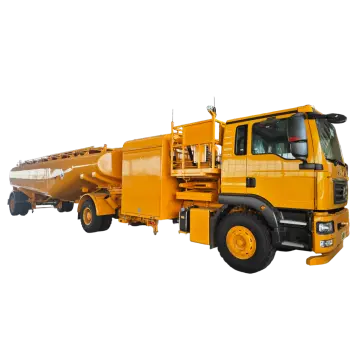
Consists of a high-strength chassis, custom structural oil tanks, pumping systems, controls, filtration, metering, and pressure safety controls.
Learn Engineering Parameters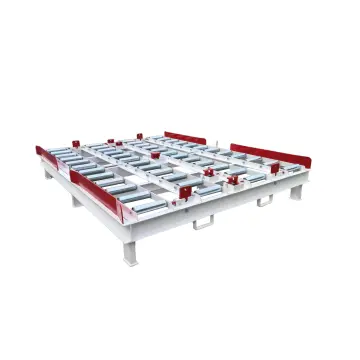
Equipped with durable rollers, multi-directional transfer setups, and integrated brakes to handle heavy cargo loads.
Learn Engineering Parameters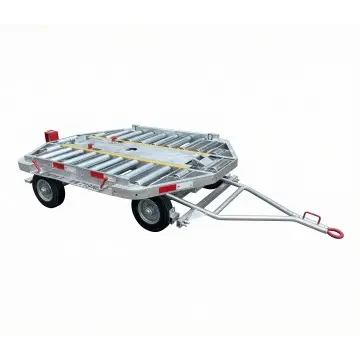
Accommodates classic LD3 container configurations with dynamic locking pins and a reinforced frame setup.
Learn Engineering Parameters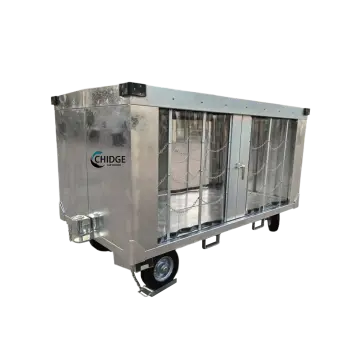
Protects passenger luggage from harsh rainfall and typhoons using weather-sealed side curtains and stainless frames.
Learn Engineering Parameters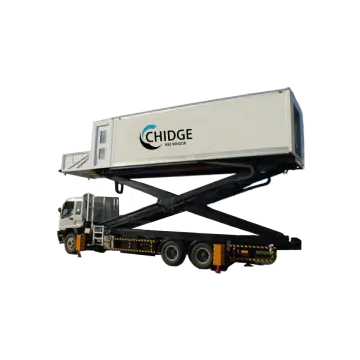
Implements specialized hydraulic scissor lifts to service different cabin entry heights efficiently and safely.
Learn Engineering Parameters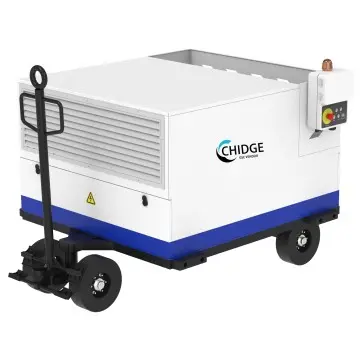
Supplies stable 400Hz AC/28.5V DC energy directly to parked aircraft, minimizing Auxiliary Power Unit (APU) usage.
Learn Engineering ParametersWe welcome OEM and ODM partner inquiries. Adhering to a customer-centric system design pathway, we provide comprehensive, integrated services. From structural planning, stress-tests, component specification, quality manufacturing, safety compliance validation, to post-installation supply loops.
Our customization options include special cargo dimensions, high-strength coupling rings, personalized braking setups, specialized high-speed tires, and customized colorways or branding templates to align with your fleet identity.
Stay informed about technological advancements, airport equipment trends, and the future of green airport solutions.
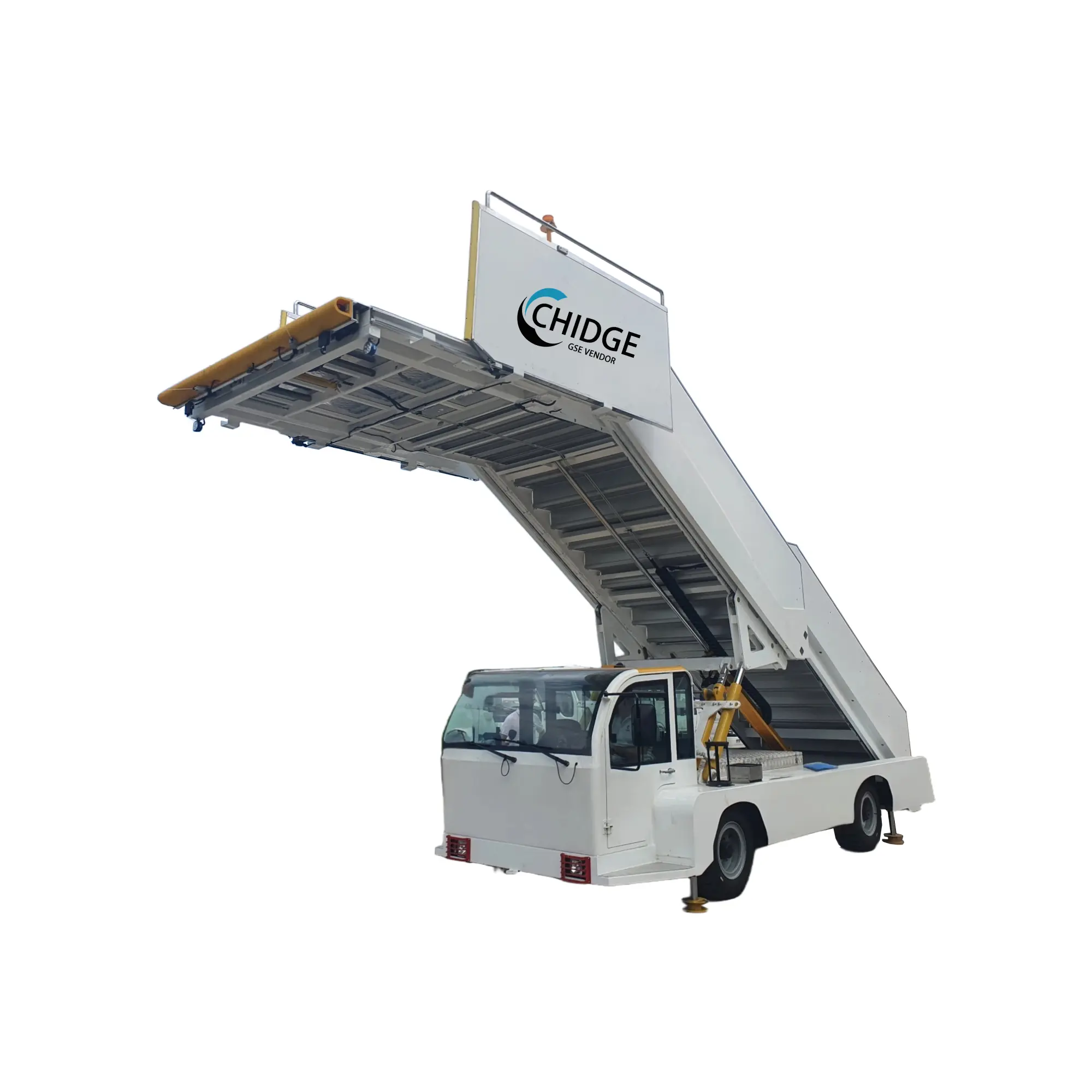
An in-depth study of self-propelled and towable passenger boarding stairs, highlighting structural safety standards, non-slip steps, and variable heights required for modern aircraft servicing.
Read Article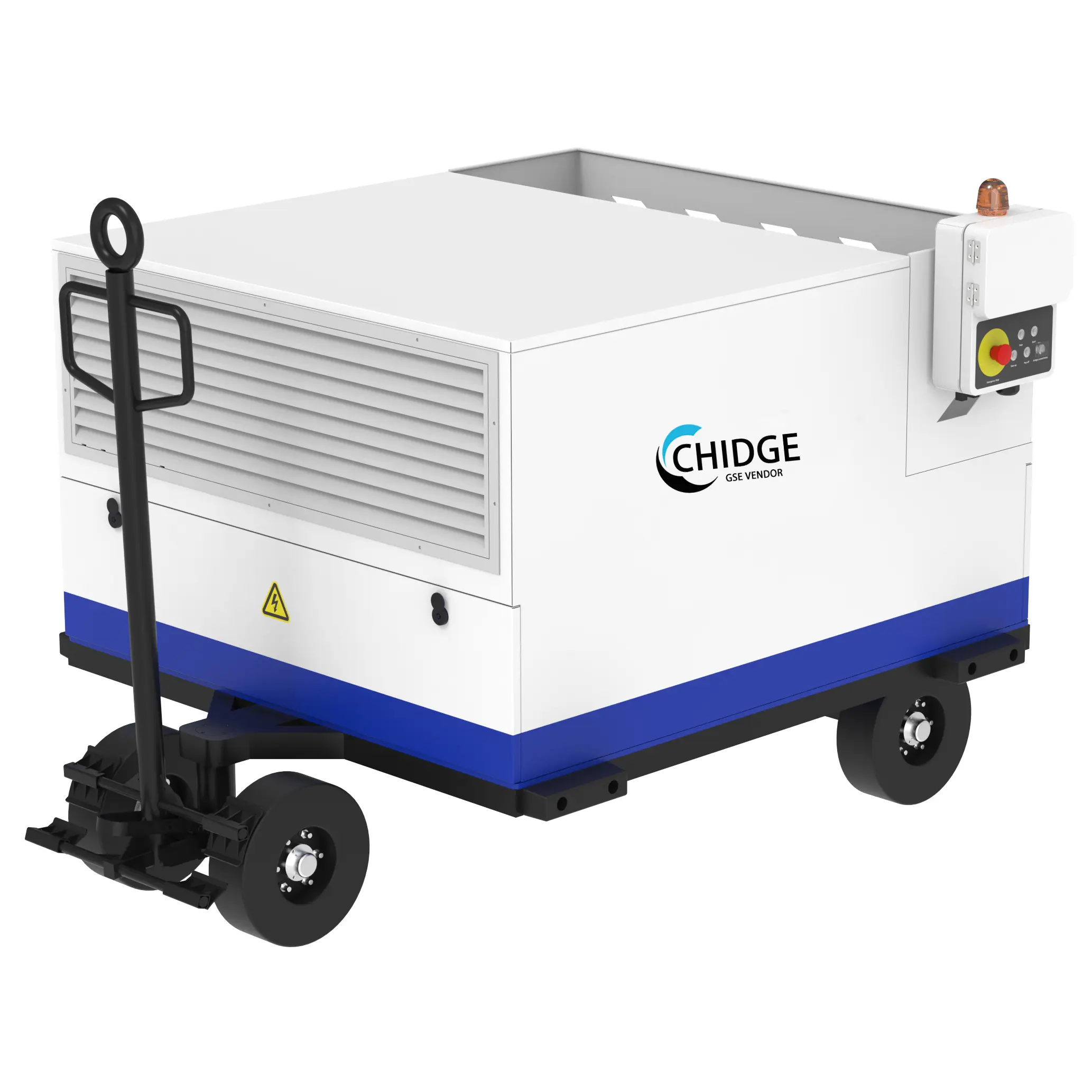
Exploring the shift toward battery-hybrid towable power supplies to reduce localized carbon footprint at major terminal gates, detailing charging cycles and storage parameters.
Read Article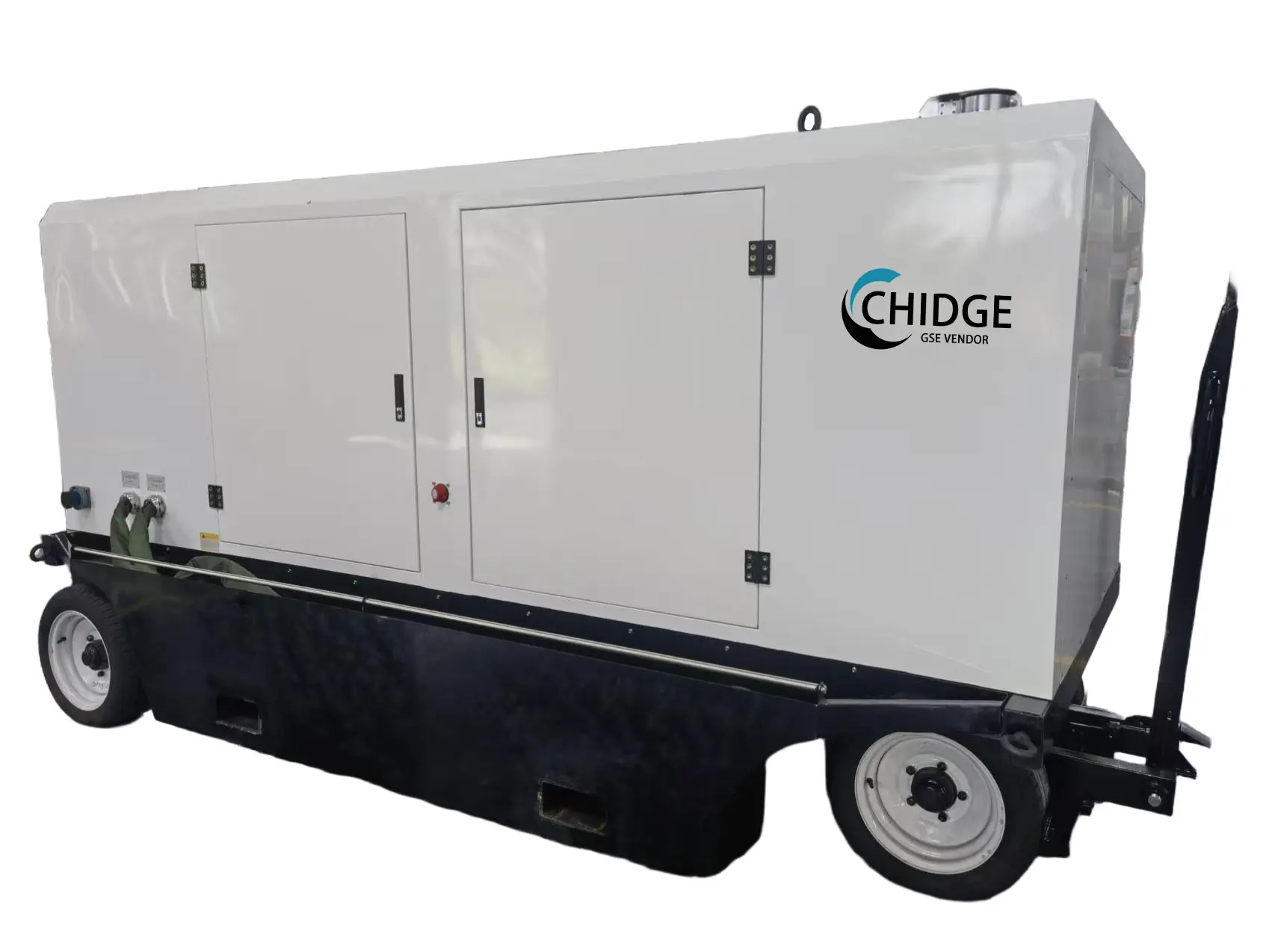
An overview of how truck-mounted and stationary GPUs deliver critical electrical power to aircraft, maintaining avionics and auxiliary electronics systems during passenger boarding.
Read ArticleExpert answers regarding structural parameters, safety norms, corrosion protection, and customization frameworks.
Connect with our expert engineering team to discuss custom container dolly designs, structural specifications, pricing, and volume shipping options to Japan.
Send Inquiry NowExplore our complete range of specialized airport material handling dollies and baggage systems.
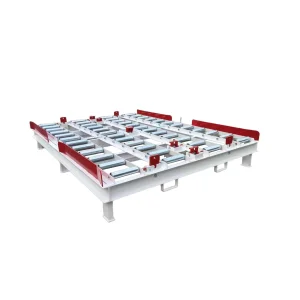
Designed for rapid relocation of heavy cargo pallets within narrow terminal areas, optimizing floor storage efficiency.
View Details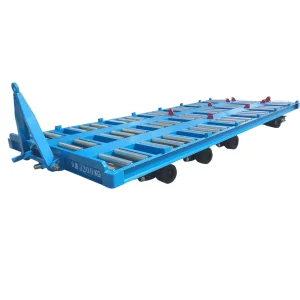
Engineered for transport of oversized main-deck pallets, with multiple rows of heavy-duty rollers and reliable stops.
View Details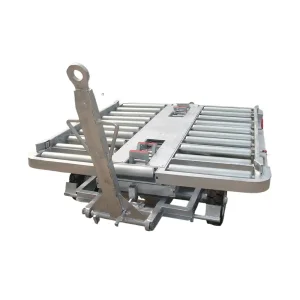
A cost-effective, durable solution for transporting LD1, LD2, and LD3 containers across high-frequency ramp operations.
View Details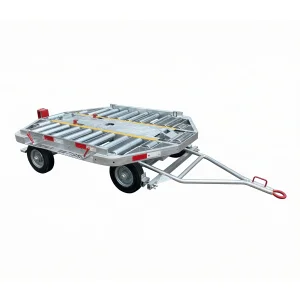
Featuring a heavy-duty galvanized chassis and rust-resistant components to handle humid, coastal airport conditions.
View Details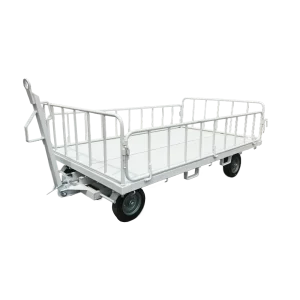
Features a high-capacity cargo deck, integrated corner bumpers, and a reliable towbar brake system.
View Details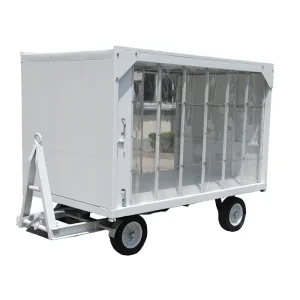
Equipped with weather-resistant side panels to shield passenger luggage from rain, snow, and wind during transfer.
View Details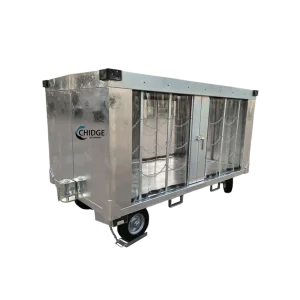
Designed with low-temperature grease and high-traction tires to perform reliably on snow-covered ramp areas.
View Details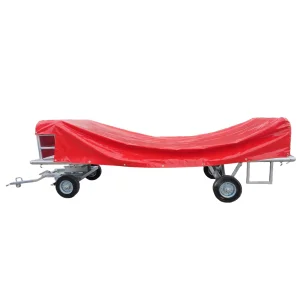
Features an ergonomic brake lever, smooth-rolling swivel wheels, and nested storage capability for terminal operations.
View Details Chidge Dolly