Engineered for high-humidity marine climates, heavy-load port operations, and intense daily logistics cycles across Metro Manila and key Luzon/Visayas regions.
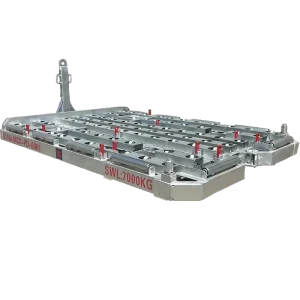
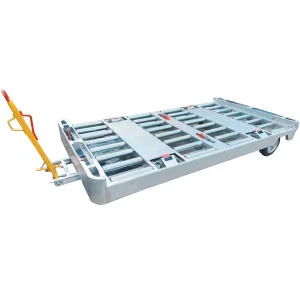
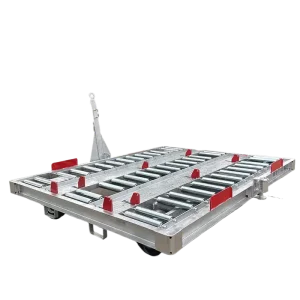
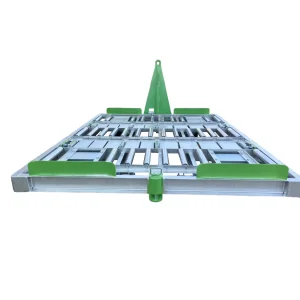
The Philippines is currently witnessing an unprecedented expansion in its aviation infrastructure and cargo transport logistics sectors. Facilitated by national projects like the "Build Better More" infrastructure development initiative, international hubs such as Ninoy Aquino International Airport (NAIA), Clark International Airport (CRK), and the new Bulacan Airport are shifting toward automated, high-efficiency cargo systems. This modernization drives an urgent demand for heavy-duty, high-durability ground support equipment (GSE), specifically heavy-duty container and pallet dollies.
However, operating GSE in the Philippines presents unique geographic and environmental challenges. Extreme tropical weather, coastal air salinity, and high humidity accelerate corrosion, while frequent typhoons cause seasonal peak volume pressures. Logistics operators, airlines, and airport handlers require container dollies that deliver not only mechanical resilience but also advanced rust protection, structural safety, and long operational lifespans under continuous payload stress.
As a leading global manufacturer of airport ground support equipment, our production systems integrate advanced Industrial 4.0 manufacturing methods. Through automated robotic welding, high-precision CNC laser cutting, and digital structural stress testing, we produce container dollies that outlast traditional structural steel builds by up to 40% under the same load cycles.
Our strategic manufacturing base allows us to manage raw material sourcing, component manufacturing, and marine shipping logistics with exceptional efficiency. This streamlined supply chain is highly beneficial for Philippine buyers, who face unpredictable shipping delays. By utilizing raw material buffer stocks and automated production lines, we reduce lead times by 25% compared to European or North American GSE suppliers, delivering critical equipment to Manila, Batangas, or Cebu ports precisely when needed.
Utilizing high-end engineering software, CNC milling, and structural analysis to perfect load distribution across all dolly wheels.
All products undergo rigorous testing, satisfying and exceeding international ground support equipment standard requirements.
Optimized maritime routes directly to the ports of Manila and Cebu, minimizing customs and transshipment delays.
Comprehensive field support, customization options, and readily available replacement parts for local maintenance teams.
From airline baggage trailers to massive 35-ton heavy pallet dollies, discover our full catalog of CAAP and airport terminal compliant ground support solutions.
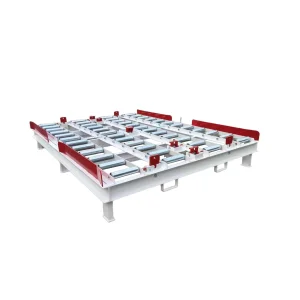
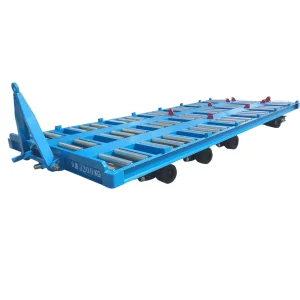
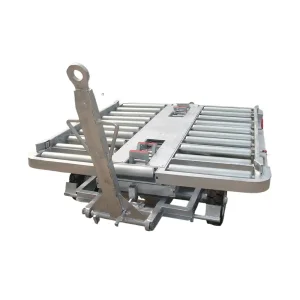
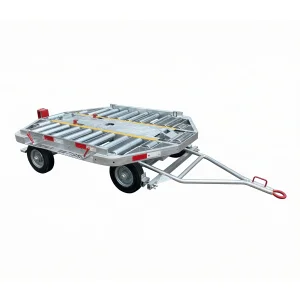
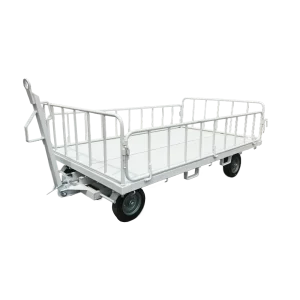
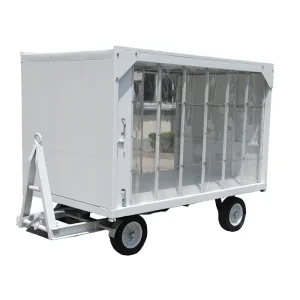
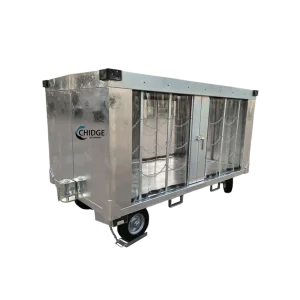
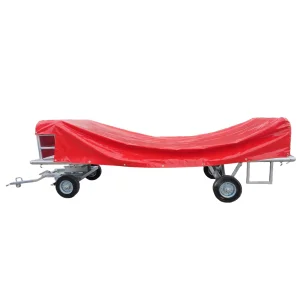
In addition to heavy-duty dollies, our manufacturing facilities offer a comprehensive catalog of ground support machinery to keep airport ramps operating smoothly.
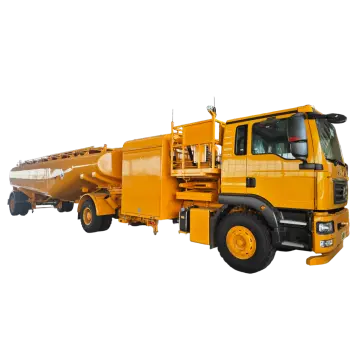
Composed of an optimized structural chassis and certified aviation fuel storage tanks. Fully integrates standard filtration, metering, pressure control, and emergency shutdown mechanisms to meet rigorous IATA fueling safety standards.
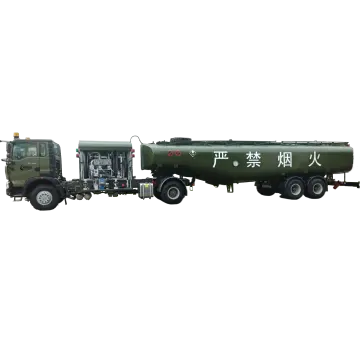
Designed for large widebody aircraft refueling. Featuring automated flow control, advanced safety locks, and high-delivery pumping capabilities for rapid turnaround times at primary runways.
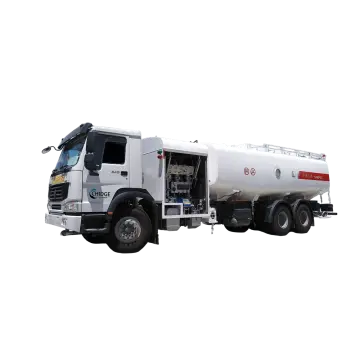
A reliable medium-capacity aviation fuel tanker built for regional airports. Features robust off-road capability for demanding apron terrains and local airfield networks.
Our commitment to airport operations goes beyond dollies and fueling systems. We manufacture, customize, and supply the following core airport GSE elements, fully optimized for Philippine weather and terminal layouts:
Our core mission is to provide rugged, cost-effective equipment that helps ground handlers, logistics giants, and airlines operate safely and efficiently.
We are a certified supplier of global airport ground equipment, working with major regional airlines, ground handling agencies, and distribution operators. We provide custom solutions tailored to terminal setups and operational limits.
Our factory welcomes OEM and ODM orders. We collaborate with clients from concept design to final fabrication, ensuring every unit complies with CAAP, FAA, and regional terminal safety rules.
Learn how our products comply with local airport standards, withstand coastal conditions, and deliver long-term service.
 Chidge Dolly