High-efficiency ramp equipment engineered for safety, precision, and optimized turnaround times across international hubs.
The contemporary aviation landscape demands extreme operational resilience, strict adherence to zero-emission milestones, and heightened ramp safety measures. Within major hubs, Ground Support Equipment (GSE)—ranging from high-drawbar aircraft towing tractors to precise air start units and climate-control passenger steps—serves as the backbone of daily scheduling integrity. As primary pushback factories and specialized GSE manufacturers, our strategic blueprint resolves the bottlenecks of modern ground handling operations.
Strategic Insight: Reducing Ground Turnaround Time (TAT) by even 4.5% via high-reliability pushback vectors and synchronous utility support saves commercial operators millions annually while cutting critical runway queue emissions.
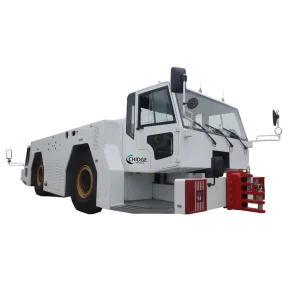
Our fleet solutions address the entire apron ecosystem. High-capacity widebody tow vehicles must maintain optimal drawbar pull across adverse meteorological conditions, while secondary units like lavatory trucks and container dollies require heavy structural optimization to eliminate unexpected downtime. Through smart component consolidation, shared telemetry architecture, and automated safety overrides, we provide ground handlers with synchronized operations that natively reduce operational risk and optimize multi-million dollar assets during critical pushback phases.
Data-backed operational insights confirming our tier-one position in large-scale aerospace equipment delivery grids.
The global pushback tractor and GSE manufacturing sector is undergoing a massive structural shift. Historically dependent on traditional high-displacement diesel platforms, heavy civil infrastructure now mandates the integration of lithium-ion, solid-state, or hydrogen fuel cell drivetrains. This evolution is accelerated by regulatory frameworks like the EU's Net-Zero Industry Act and strict local airport restrictions in major metropolitan areas globally.
At the same time, supply chain consolidations require factories to have extensive vertical integration. True wholesale manufacturing lines cannot simply be assembly bays. They must integrate full mechanical engineering, specialized metallurgical heat treatment, heavy hydraulic component stress testing, and proprietary software architecture validation under one roof. Our industrial footprint addresses this market gap by maintaining complete control over our manufacturing lines, ensuring consistent component supply even during global logistics bottlenecks.
Analyzing the operational advantages that protect capital investment and extend operational lifetimes.
Our product design, research, and development teams utilize advanced structural simulation tools and innovative technology across production. This ensures intelligent power distribution and seamless CAN-bus component interactions.
High-quality engineering ensures our equipment meets the strict performance tolerances required by international ground handlers, allowing our platforms to stand out in competitive markets and win long-term fleet deployments.
Our streamlined supply chain management, precise inventory controls, optimized logistics infrastructure, and responsive emergency planning ensure reliable delivery milestones regardless of destination complexities.
Dedicated technical teams provide rapid component support and on-site training systems. This quick response time minimizes operator challenges, strengthens long-term user trust, and extends asset service life.
Our operations support bespoke configuration through mature OEM and ODM processes. We specialize in transforming specific ground handling requirements into deployment-ready equipment. This covers everything from specialized cold-climate packaging to unique localized hydraulic component integrations.
Industrial Assurance: Whether providing standardized fleet replacements or highly engineered ODM configurations, our customer-centric engineering workflows run from initial FEA structural stress modeling through factory testing to final deployment verification.
This systematic optimization helps operators enter service rapidly, lowers Total Cost of Ownership (TCO), and ensures your fleet meets local ramp conditions. By maintaining modular manufacturing lines, we can easily change sub-assembly layouts. This allows us to deliver specialized options like custom drawbar attachments, hybrid auxiliary power units, or distinct electrical drive profiles without extending manufacturing timelines.
Direct performance data and functional designs retained from our legacy engineering system.
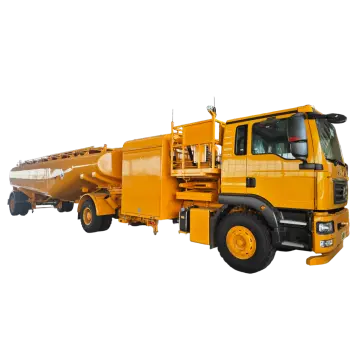
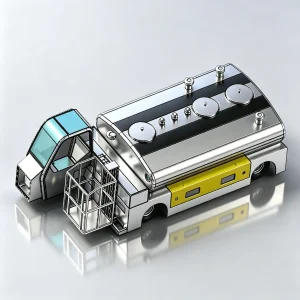
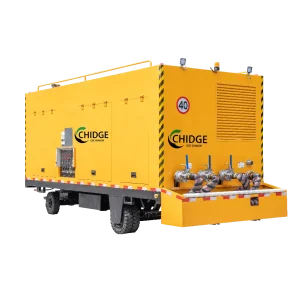
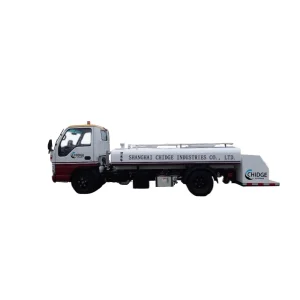
Integrated chassis/storage cell layout. Complete system features automatic fine particle filtration, precise flow metering, high-volume fluid recovery, self-circulation loops, and redundant pressure monitoring overrides.
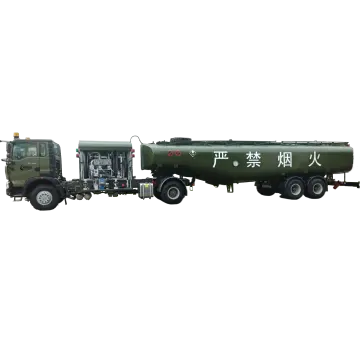
High-volume pumping core designed for widebody servicing. Built on a reinforced heavy chassis with spark-isolated wiring harnesses and integrated safety pressure control systems.
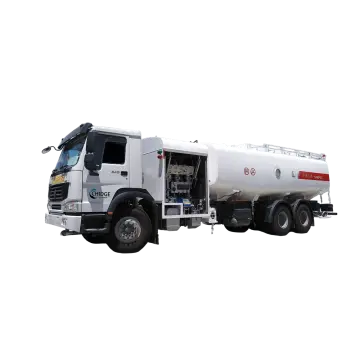
Configured for tactical rapid turnaround refueling matrices. Features dual-stage water separation lines and automated digital control valves for high-flow safety.
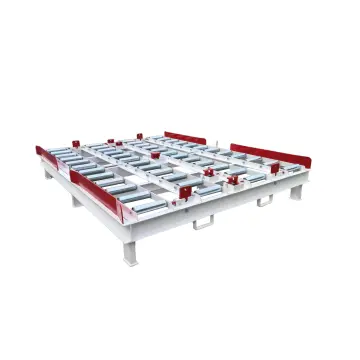
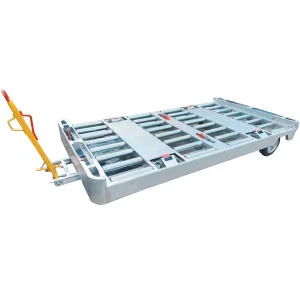
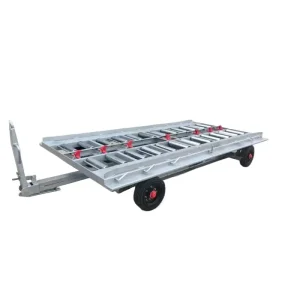
Multi-directional heavy roller beds designed for rapid air freight tracking inside busy freight terminals.
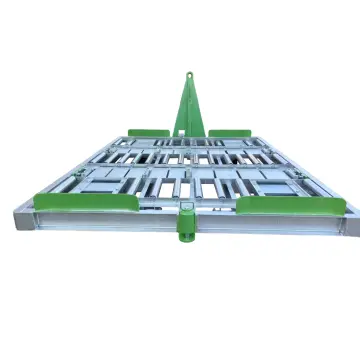
Reinforced high-tensile steel frames with low-resistance, heavy-duty caster sets for long-term ramp durability.
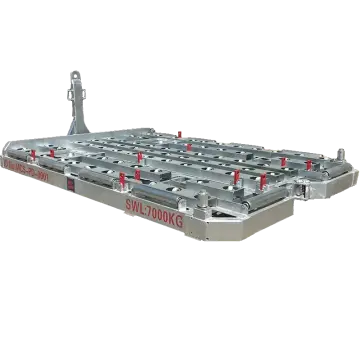
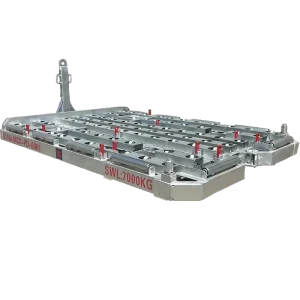
Heavy-duty structural framework designed to support 7,000kg loads during high-velocity container transfers.
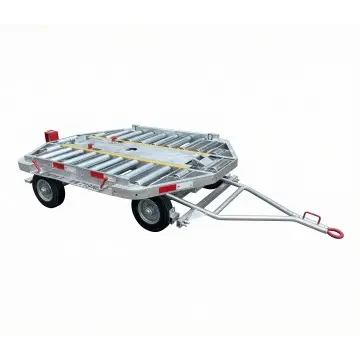
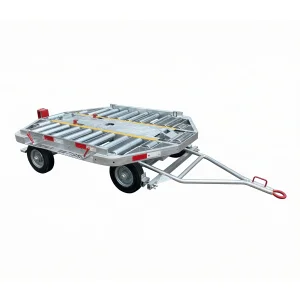
Optimized explicitly to securely transport standard LD3 containers with automatic lock-down mechanisms.
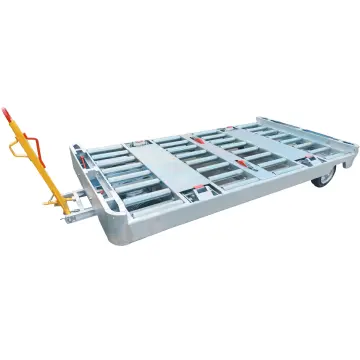
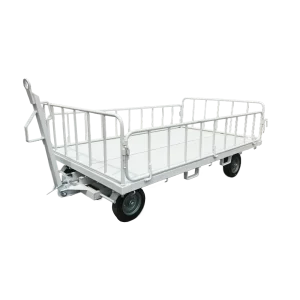
Reinforced industrial chassis engineered for high-frequency freight operations across large logistics networks.
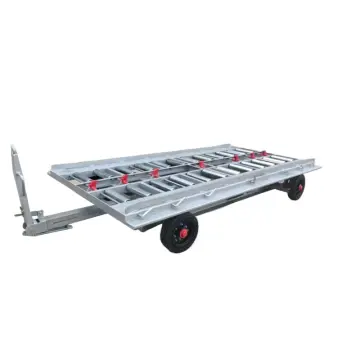
Wide-platform tracking configuration for secure handling of oversized LD6 air freight structures.
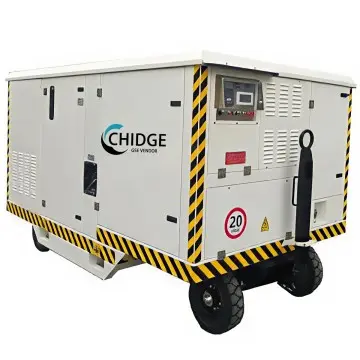
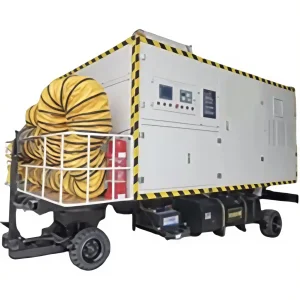
High-thermal efficiency airflow delivery system designed for consistent cabin pre-heating in sub-zero environments.
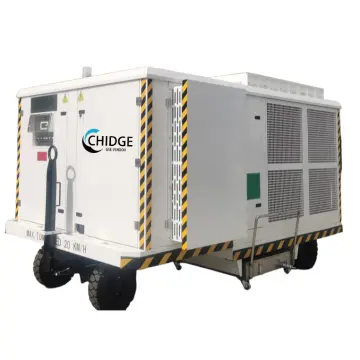
High-volume cooling output designed to maintain comfortable cabin climates without running main aircraft engines.
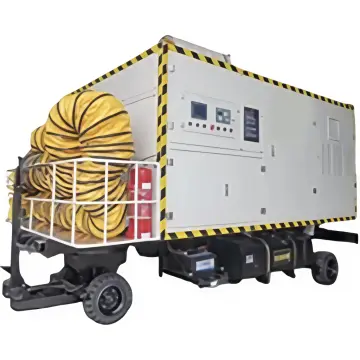
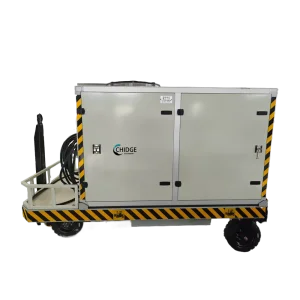
Compact, towable thermal unit built for quick deployment on regional commuter aircraft lines.
Operating heavy machinery on active airport aprons requires strict adherence to international safety standards. Our manufacturing lines meet global regulatory criteria, ensuring seamless compliance across different operating regions. Every pushback tractor, pre-conditioned air assembly, and high-flow refueler undergoes strict verification testing before shipping.
Our localized support structure goes beyond compliance documents. We provide complete maintenance packages tailored to the weather extremes of your location, whether that means extreme heat protection for Middle Eastern ground operations or winterization options for Northern European aprons. This keeps your ground fleets running efficiently through regional inspections and strict local safety audits.
The next decade of ground handling equipment will be driven by automated connectivity and intelligent drive systems. Our engineering teams are focused on integrating high-level data capture directly into our heavy tractor chassis. By utilizing advanced vehicle monitoring, fleet managers can track real-time drawbar strain, battery health, and hydraulic system life from centralized control rooms.
At the same time, we are advancing our automated positioning systems. These units use high-resolution LiDAR and ultrasonic sensors to carefully guide service couplers to aircraft panels. This technology minimizes human error and significantly reduces the risk of skin damage on carbon-composite aircraft structures during tight turnaround windows.
Analyzing key operational developments from our engineering centers and field testing locations.
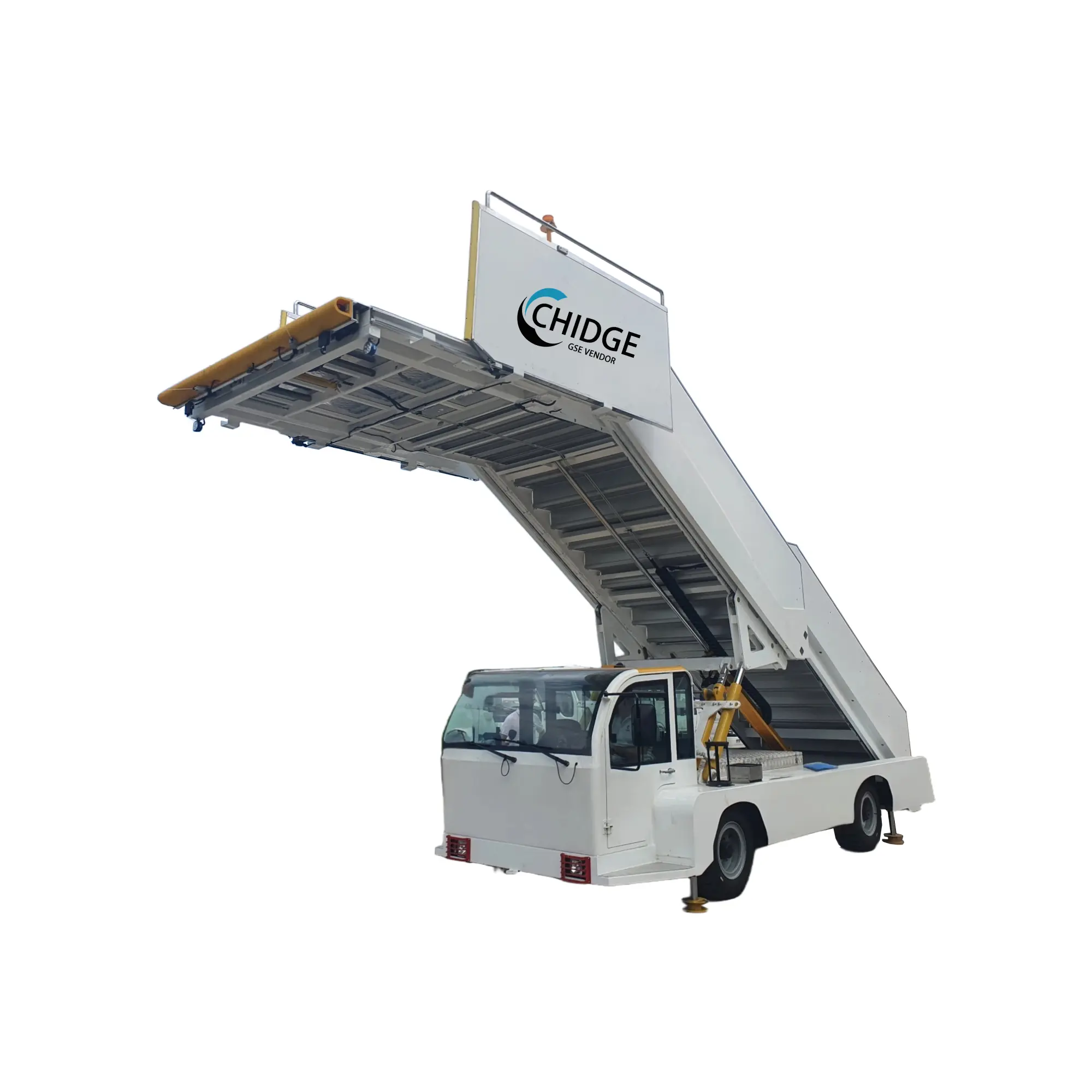
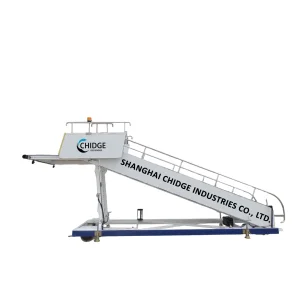
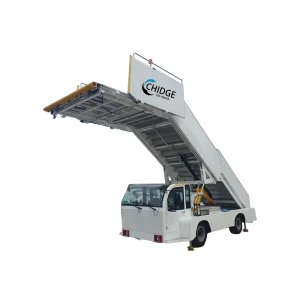
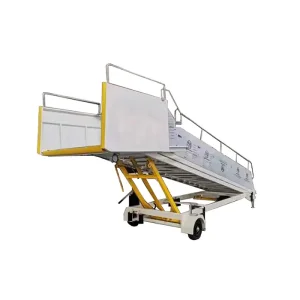
An in-depth review of step structural balance, anti-slip surface coatings, and hydraulic leveling assemblies used to ensure safe passenger boarding on main-deck narrowbody and widebody passenger aircraft lines.
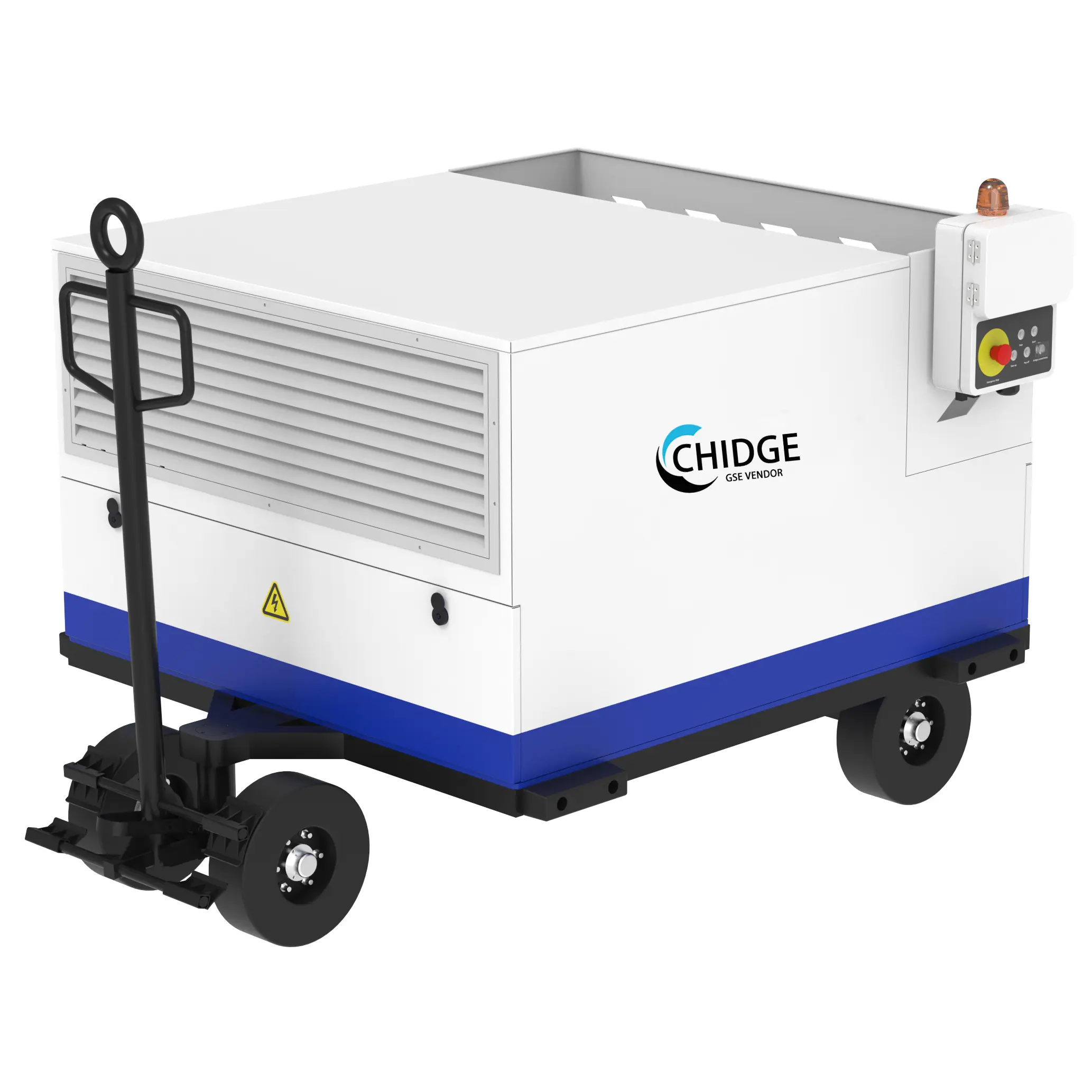
Technical analysis of high-density battery arrays used to replace standard diesel generators, delivering stable, continuous electrical currents directly to parked passenger aircraft.
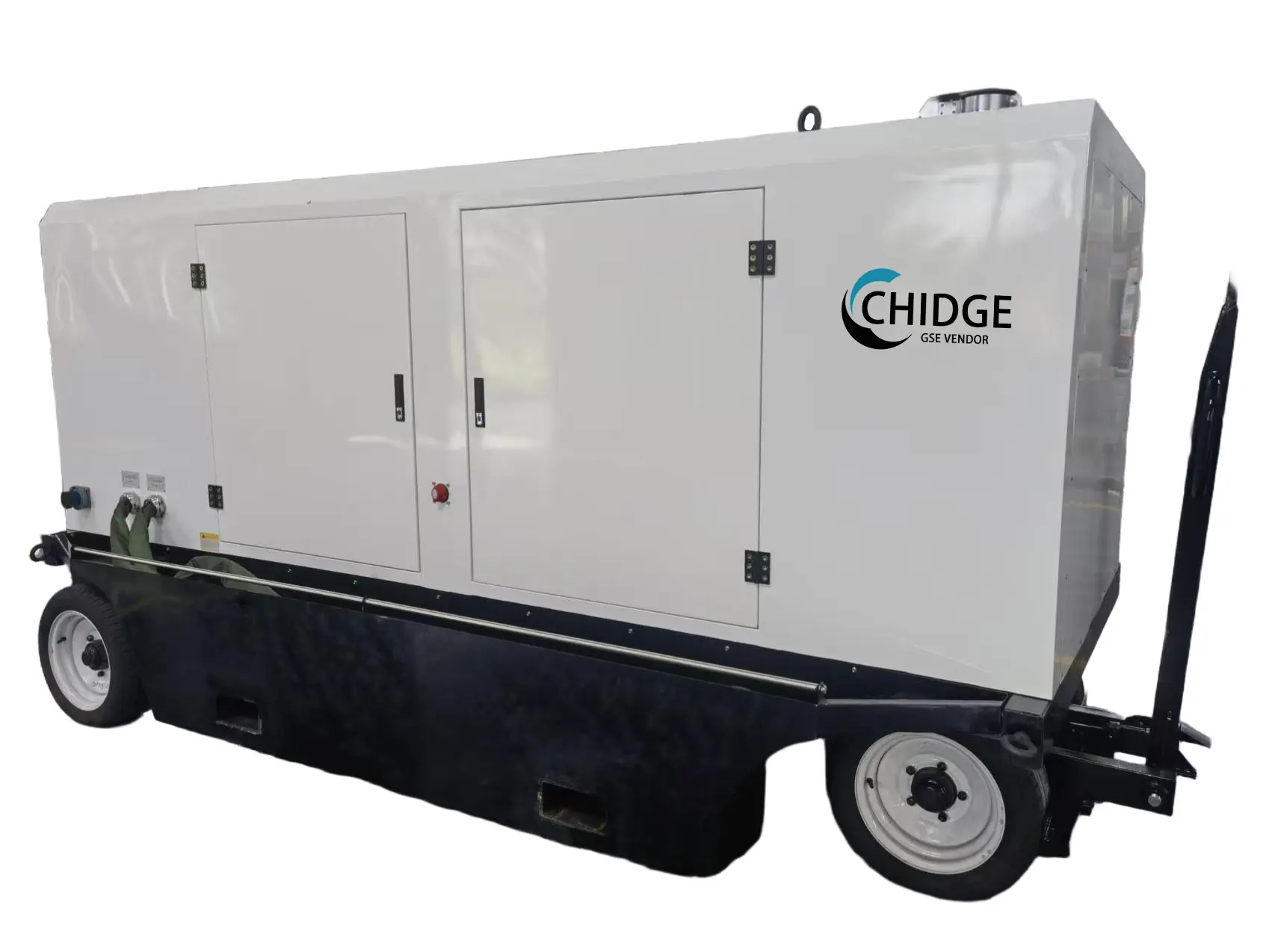
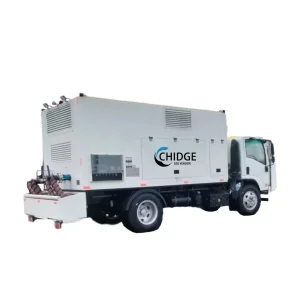
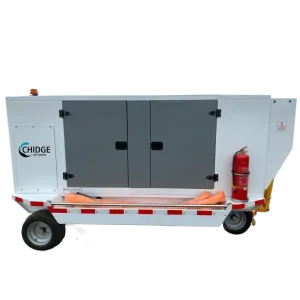
Ramp performance records for truck-mounted GPUs. These units supply essential electrical power required for aircraft while parked on the ground, facilitating system checks and pre-flight preparations without running main engines.
Our mission is to deliver reliable equipment solutions that create long-term value and maximize operational efficiency for aviation ground handlers worldwide.
Technical answers to common equipment procurement, structural engineering, and wholesale shipping questions.
High-capacity operational platforms built to maintain ground handling efficiency across international aviation sectors.
 Chidge Dolly