Explore our elite range of high-tonnage pallet dollies, container solutions, and weatherproof luggage transportation systems designed to scale with your ground handling operations.
The commercial aviation landscape is undergoing a systemic transformation. Ground Support Equipment (GSE), specifically aircraft push back tractors and towing tugs, sits at the nexus of this revolution. Driven by strict airport regulatory mandates, Net-Zero 2050 targets, and rising operational costs, modern ground handlers are demanding more than simple mechanical reliability. They require intelligent, high-efficiency, and low-emission solutions that seamlessly integrate into highly synchronized apron ecosystems.
In recent years, the industry has seen a decisive shift from internal combustion engine (ICE) tugs to zero-emission electric GSE (eGSE) platforms. This transition is not merely environmental; it offers substantial economic benefits. Lithium-iron phosphate (LFP) battery systems provide consistent drawbar pull, low maintenance profiles, and long service cycles compared to diesel engines. Furthermore, the integration of Active Safety Systems, collision avoidance technology, and real-time telematics has turned the modern push back tractor into an intelligent data node on the airfield, mitigating risk and preventing costly aircraft damage incidents.
"According to recent international civil aviation studies, ground handling accidents account for substantial annual losses, with ramp collisions representing the largest share. Autonomous safety interventions and high-precision traction control in next-generation push back vehicles are critical safeguards."
For procurement managers at major global airlines, cargo operators, and ground handling agents (GHAs), acquiring GSE requires balancing initial capital expenditure (CAPEX) with long-term operational expenditure (OPEX). Sourcing from wholesale factories requires rigorous technical validation, compliance audits, and custom engineering capabilities.
The core purchasing criteria have expanded beyond drawbar pull (DBP) capacity to include:
China's manufacturing sector has evolved from a low-cost production hub into an advanced center for high-tech, precision-engineered industrial equipment. Our factories utilize Industry 4.0 principles, integrating robotic laser cutting, automated welding lines, and rigorous quality inspection protocols to produce heavy-duty aviation ground support equipment.
By leveraging localized vertical integration, our factories secure high-grade structural steel, advanced electronic drive controllers, and high-capacity battery units within a short distance. This geographic clustering lowers logistical overhead and mitigates international supply chain vulnerabilities, allowing us to offer customizable OEM/ODM solutions at scale.

Robotic assembly, laser cutting, and digital structural testing systems.

Stringent inspection protocols satisfying international aviation standards.

Strategic logistical access ensures seamless shipping and distribution.

Round-the-clock technical service, spare parts support, and maintenance assistance.
Our comprehensive product portfolio includes specialized towbarless (TBL) tractors, high-load dollies, passenger stairs, heavy refuelers, and air start systems built to meet demanding operational schedules.
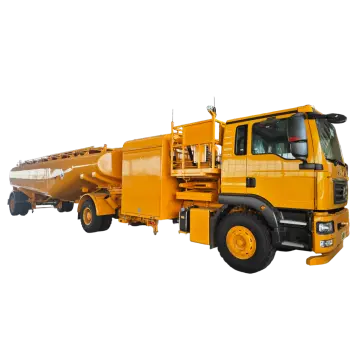
Features a chassis, oil tank, pumping system, control systems, and an operating console. Integrates filtration, metering, pressure control, and self-circulation systems.
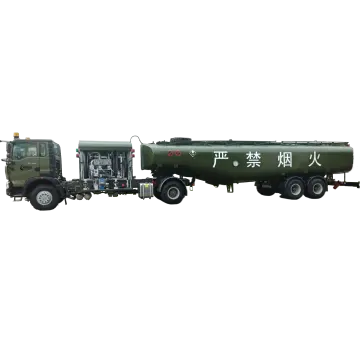
Designed for heavy commercial airports. Provides high flow rates and strict pressure control, ensuring safe fueling operations for long-range aircraft.
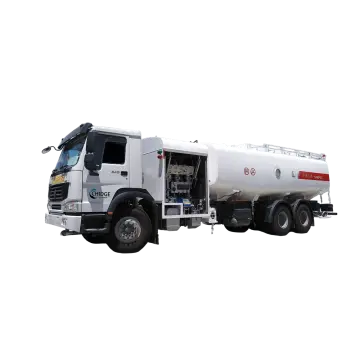
A balanced tanker system built for regional and international hubs, offering reliable filtration and flow metering in a compact layout.
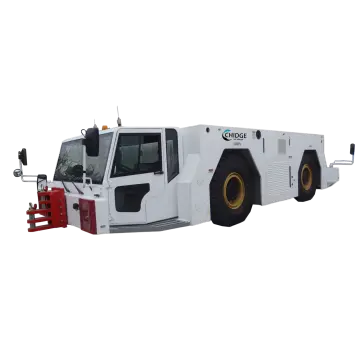
Heavy-duty, high-capacity tow tractor designed for widebody commercial aircraft, delivering reliable drawbar pull and control.
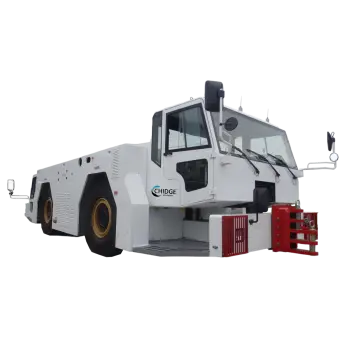
Engineered for medium-to-large commercial aircraft, providing an optimal balance of traction control and maneuverability.
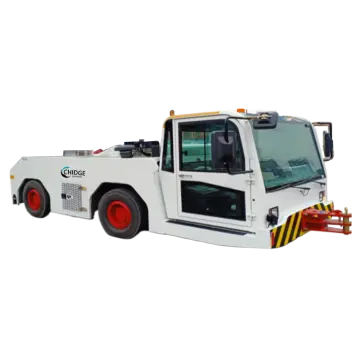
An agile push back unit designed for regional narrowbody passenger aircraft, offering low operating costs and high maneuvering speed.
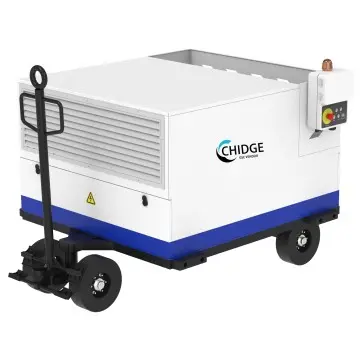
Eco-friendly, battery-powered ground power solution designed to replace diesel generators, lowering operational costs and emissions on the ramp.
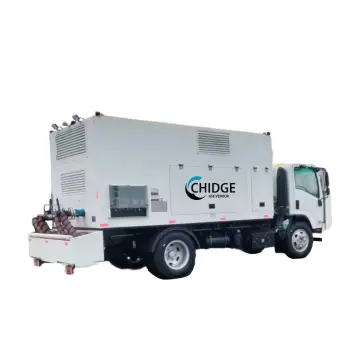
A mobile, high-pressure pneumatics starter system engineered to start aircraft engines quickly and reliably, even in extreme temperatures.
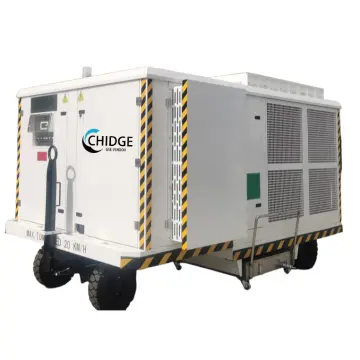
Pre-Conditioned Air unit providing high-efficiency climate control to aircraft cabins during ground servicing, optimizing cabin comfort.
Airfield environments vary significantly by geography, requiring customized equipment specifications. Below are three common operational profiles where our high-tonnage GSE pushback platforms and support systems excel:
Equipped with thermal-regulated battery compartments and heavy-duty hydraulic coolers to maintain system pressure in ambient heat exceeding +50°C.
Designed with heating elements for batteries, engine pre-heaters, and low-viscosity hydraulic oils, ensuring starting reliability in temperatures as low as -40°C.
Compact footprints, tight turning radii, and advanced active collision avoidance systems prevent ramp accidents during busy turnaround schedules.
Built for cargo freighters and high-load setups. Our high-tonnage dollies and heavy tractors provide consistent towing capability for cargo movements.
Our mission is to build trust with customers, creating long-term value and supporting efficient ground operations worldwide.

Providing a wide selection of robust GSE products engineered to meet challenging airfield environments.

Delivering customized technical options and support to global airlines and ground logistics firms.

From passenger stairs and dollies to fueling systems and high-tonnage tractors, our lineup meets diverse operational needs.

Comprehensive factory testing paired with organized international shipping ensures secure and on-time equipment delivery.
Stay informed on the latest trends in ground support technology, electrification strategies, and airport logistics operations.
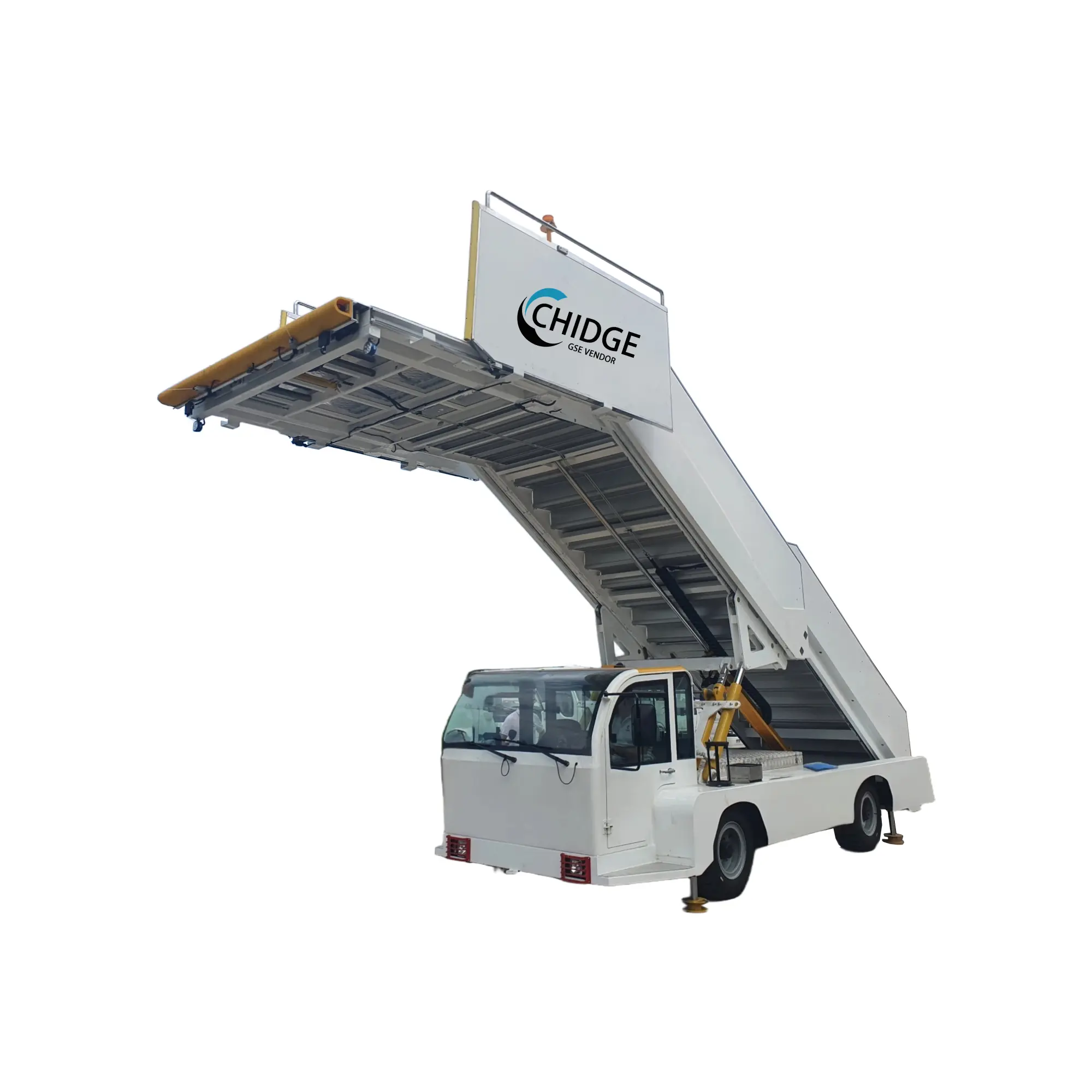
An overview of how modern, self-propelled, and towable boarding stairs support passenger boarding operations across commercial airports.
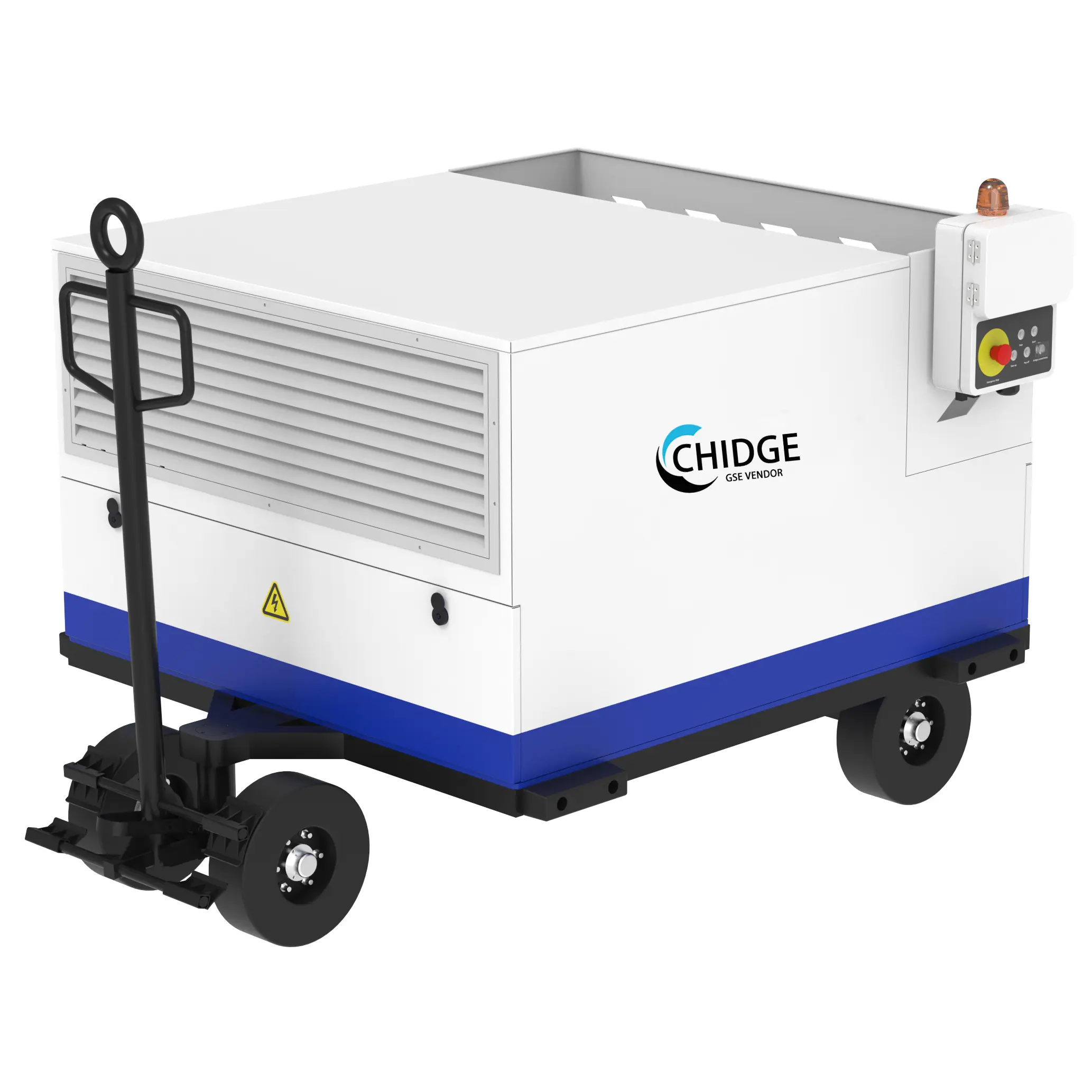
A look at battery-powered towable ground power systems designed to provide quiet, emission-free power to aircraft during pre-flight servicing.
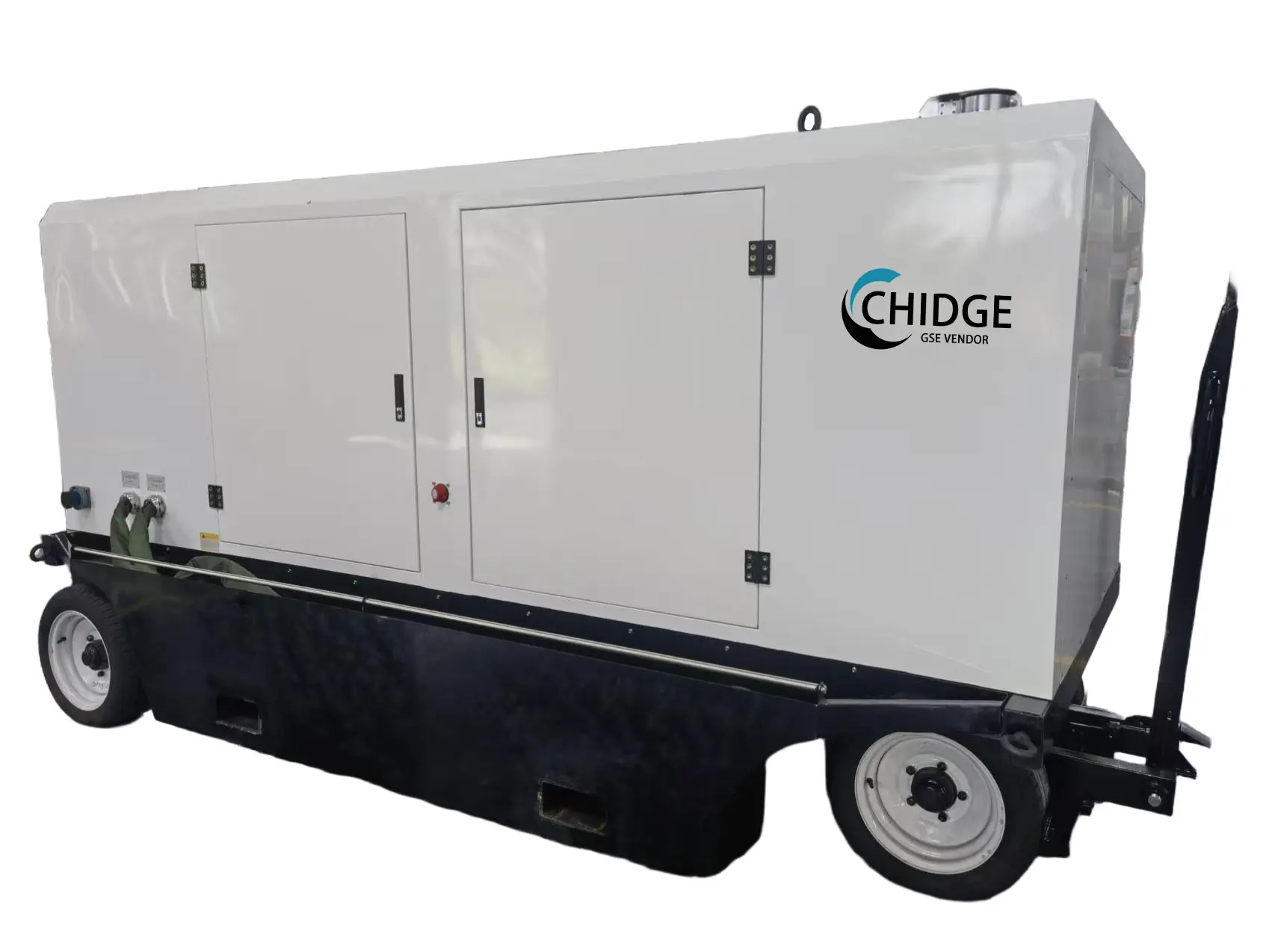
Modern truck-mounted GPUs support flight readiness by powering essential aircraft electronics and systems without running the main engines.
Find answers to common technical, manufacturing, and shipping questions below. For customized design requests or high-volume orders, please contact our support team.
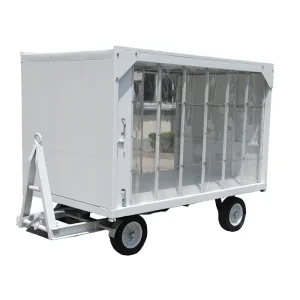
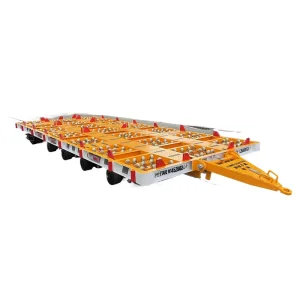
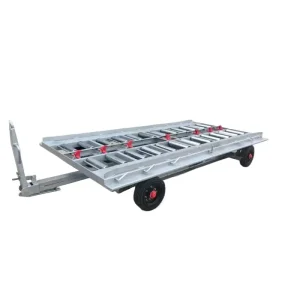
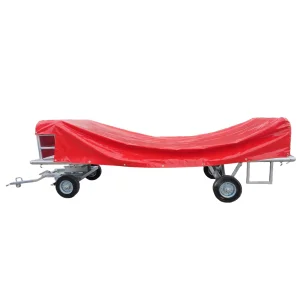
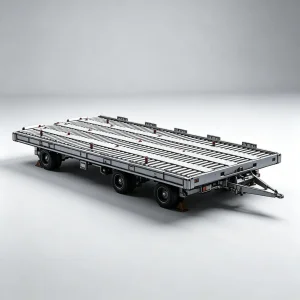
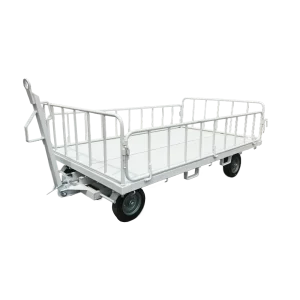
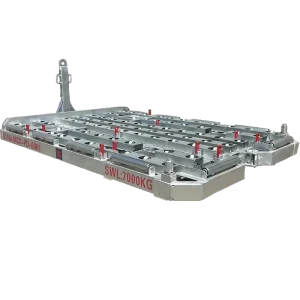
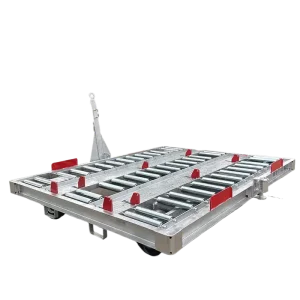
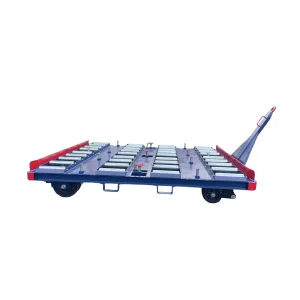
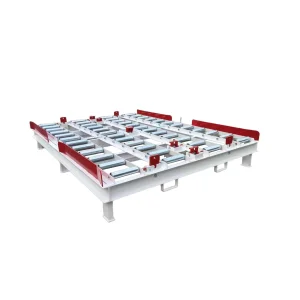
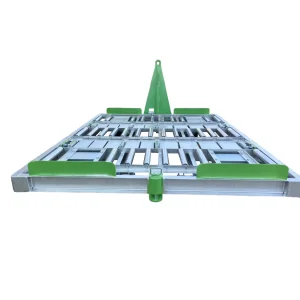
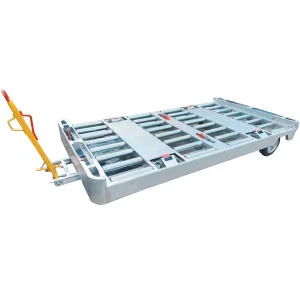
Discover our heavy-duty dollies and specialized ground support units designed to streamline air cargo transfers, reduce turnaround times, and maintain safety standards.
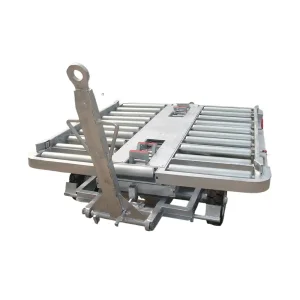
 Chidge Dolly