Direct supply from leading Chinese manufacturing plants, built to international aviation compliance standards.
Ensuring steady-state and transient power compliance for helicopters, turboprops, and business aviation flights globally.
Within the global aviation market, Ground Support Equipment (GSE) forms the backbone of operations, guaranteeing safety and quick turnaround times on the ramp. Specifically, 28V DC Ground Power Units (GPUs) serve as the essential electrical life support for smaller regional jets, narrow-body turboprops (like the ATR series), civilian and military helicopters, and executive business fleets.
Historically, aircraft parked on tarmac positions relied heavily on running their Auxilliary Power Units (APUs) or main turbine engines to maintain cockpit avionics, climate control, and cabin power. However, with international aviation authorities tightening greenhouse gas emissions and pushing for zero-idle operations, 28V solid-state and battery-powered GPUs have become the preferred green replacement. Utilizing an external 28V ground power source minimizes regional noise pollution, curbs thermal emissions on the apron, and dramatically cuts operating costs for airlines and FBOs (Fixed Base Operators).
Today, standardizing 28.5V DC outputs ensures compatibility across civilian and defense operations. When starting turboprop or rotorcraft engines, initial current spikes (often exceeding 1500A to 2000A) must be handled without voltage sags that can cause electronics to drop offline. This demand places significant pressure on wholesale factories to manufacture power systems with high transient handling capacities, reliable thermal management, and precision voltage regulation.
The aviation sector is undergoing a massive shift toward electrification. In modern airports, diesel-driven ground power units are increasingly being phased out in favor of clean alternatives. Below are the key technological and industrial trends shaping the manufacturing of 28V GPUs:
Utilizing high-frequency rectifier-transformer technology, static solid-state units convert regional 50/60Hz grid power into clean, filtered 28.5V DC output. These systems have no moving parts, resulting in lower wear-and-tear and near-zero operational noise.
By housing high-capacity Lithium Iron Phosphate (LiFePO4) battery packs, mobile E-GPUs provide pure DC power without tethering to a grid connection. This capability allows ramp crews to deploy power instantly across remote aprons.
Modern fleet managers require live data on voltage output, operational duty cycles, and battery state-of-charge. Advanced 28V systems feature smart communication modules that stream diagnostic data to operations control centers.
Examine our core hardware range manufactured to handle extreme environmental demands and high electrical requirements.

Features a specialized chassis, heavy-duty oil tanks, a precision pumping system, an integrated control unit, and manual/automatic operating valves. Incorporates advanced micro-filtration, digital metering, self-circulation, and dual pressure control valves.
Detailed Specs >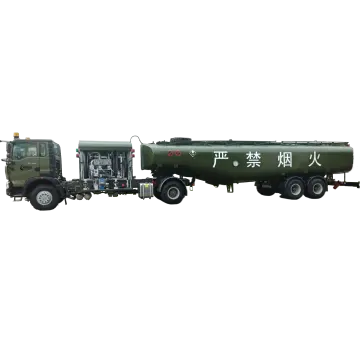
Designed for larger standard jet operations, featuring a robust multi-stage pump system, advanced fuel filtration, pressure control systems, and automated emergency shut-offs for safe commercial ground operations.
Detailed Specs >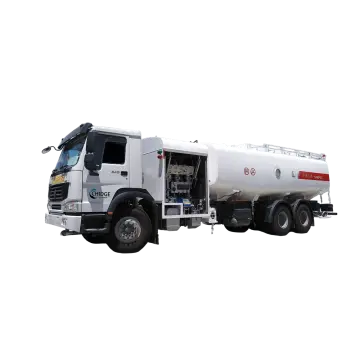
Engineered for high-volume regional aviation transfers. Outfitted with fuel-water separation, highly accurate digital meters, and an integrated flow-control interface to guarantee safe pre-flight fuel delivery.
Detailed Specs >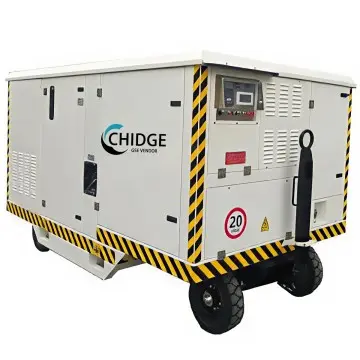
Delivers high-capacity clean warm air straight into the aircraft cabin in sub-zero climates, reducing wear on aircraft internal auxiliary heaters.
Detailed Specs >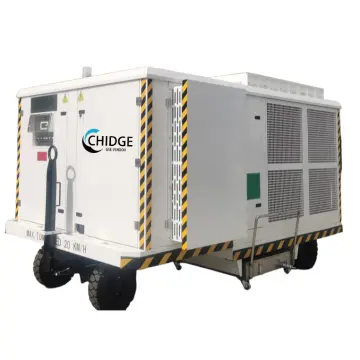
Pre-Conditioned Air unit offering environmental control and cabin cooling during high-ambient summer turnarounds, powered via clean ground electrical sources.
Detailed Specs >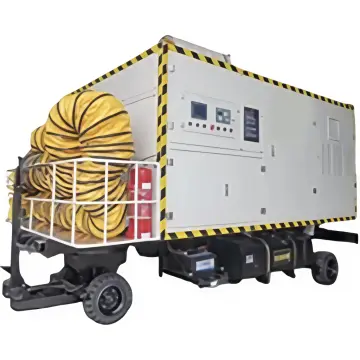
A compact mobile cabin heater designed for fast deployment, offering reliable operation in harsh weather conditions.
Detailed Specs >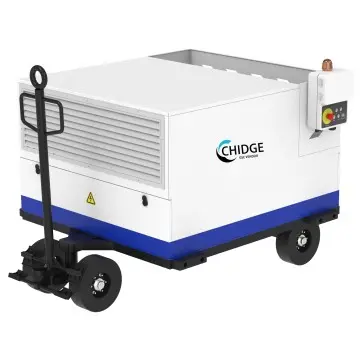
Zero-emission battery-powered system providing both 28.5V DC and 400Hz AC power on demand. Features silent operation and standard rugged towing chassis.
Detailed Specs >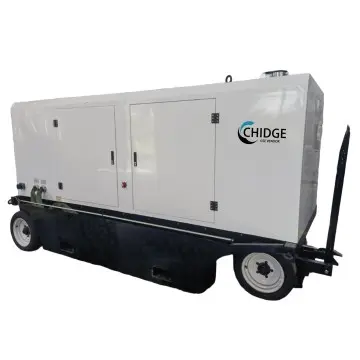
Designed for commercial aircraft, supplying clean 400Hz AC power with optional integrated 28V DC outputs to accommodate regional aircraft.
Detailed Specs >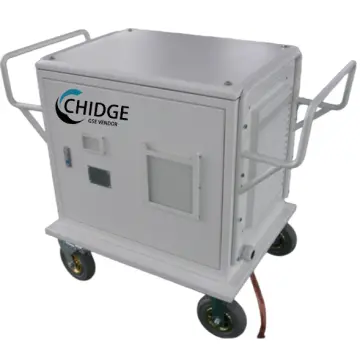
Solid-state conversion technology designed for indoor hangar maintenance bays or permanent terminal passenger bridge installations.
Detailed Specs >Different operating environments present unique challenges for ground support power distribution. Choosing the right GPU configuration depends heavily on the specific operational environment:
Regional aerodromes often support mixed turboprop configurations (like the Dash 8, ATR 42/72, or Beechcraft King Air) alongside light business jets. In these settings, a dual 400Hz AC and 28.5V DC ground power cart is highly advantageous. It allows operators to power smaller piston aircraft and regional commuters without purchasing separate power units.
Inside aircraft hangars, ventilation and noise control are top priorities. Standard diesel-powered units cannot be run indoors due to toxic exhaust fumes and extreme noise decibels. Instead, maintenance crews utilize stationary 28V static power converters. Installed directly on the wall or under passenger boarding bridges, these units connect to the facility’s mains power to run onboard diagnostics, software updates, and instrument calibrations quietly and safely.
Military transport aircraft and rotorcraft operate in demanding field conditions, ranging from dusty desert bases to humid coastlines. Here, 28V DC military-grade ground power units require rugged construction (typically conforming to MIL-STD-810H and MIL-STD-461G). They must feature electromagnetic interference (EMI) shielding, high-grade sand filters, and durable chassis designs to withstand extreme operating conditions.
Tailored engineering and production capabilities to match your local compliance and ground support equipment requirements.
Whether you require specific military connectors, custom output voltages (such as 28V/28.5V selectable outputs), or high-ingress-protection (IP) cabinets, our in-house engineering team designs and manufactures units to match your exact performance standards.


Every unit undergoes load bank testing, insulation checks, and harmonic analysis prior to shipment. We ensure all equipment complies with ISO 6858, SAE ARP 5015, and CE directives, ensuring reliable performance upon arrival.


Our supply chain network, logistics tracking systems, and emergency response protocols ensure on-time delivery. We handle international freight forwarding and import documentation to streamline global shipments.




We combine manufacturing expertise with reliable after-sales service to deliver value to our partners.
Our design team integrates high-frequency rectifiers, power factor correction (PFC), and advanced control software to optimize unit performance.
We build our units with weatherproof components, heavy-duty stainless steel frames, and corrosion-resistant powder coatings to ensure durability.
We maintain buffer stock of critical assemblies and electrical components to shorten lead times, helping you meet tight project deadlines.
Our technicians provide system commissioning, operator training, and field support, keeping your ground operations running smoothly.
Modern aircraft turnarounds require a coordinated system of ground support equipment. Power distribution must work in tandem with passenger logistics, luggage handling, cargo loading, and cabin comfort systems to optimize efficiency.
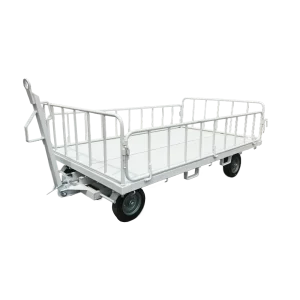
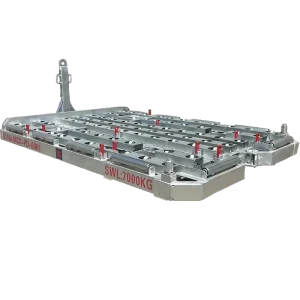
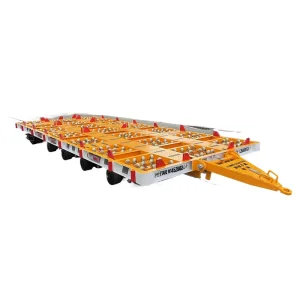
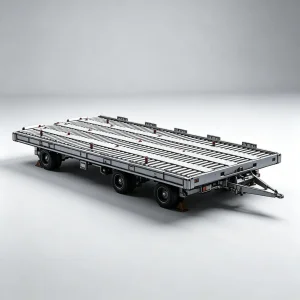
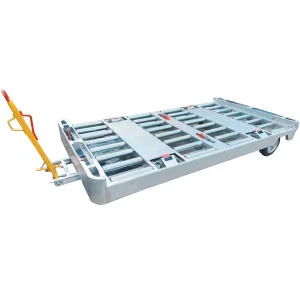
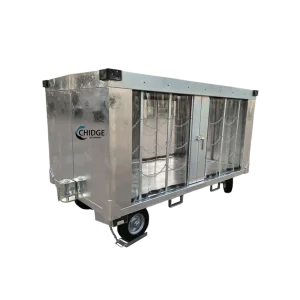
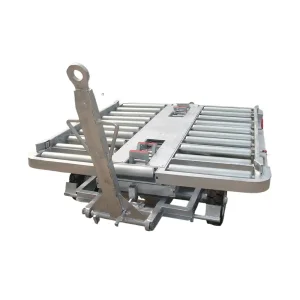
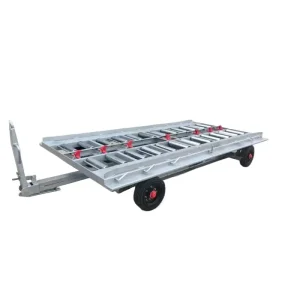
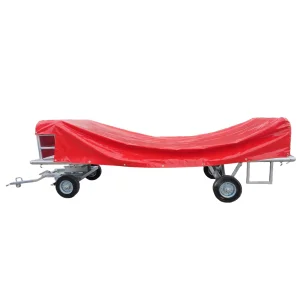
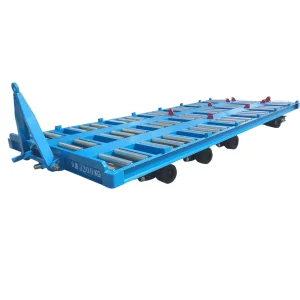
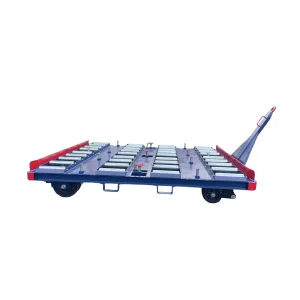
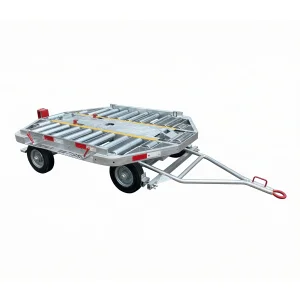
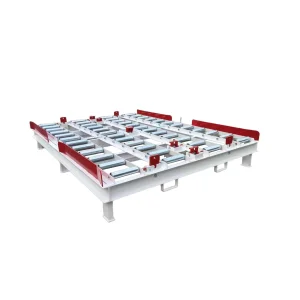
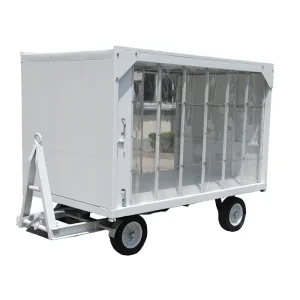
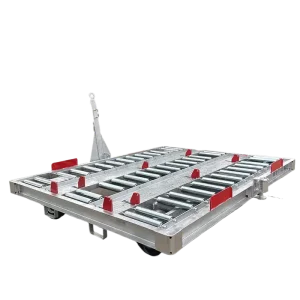
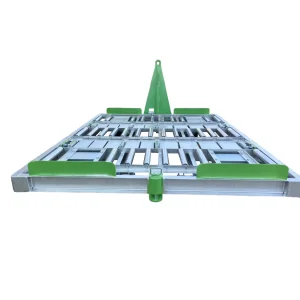
Once the GPU is connected to supply cockpit power, ground crews deploy pallet dollies and baggage carts to load and unload cargo. Coordinating these operations helps reduce turnaround times and keeps flights on schedule.
While the 28V GPU powers the cockpit avionics, catering trucks replenish cabin supplies and cabin heaters or PCA units maintain comfortable cabin temperatures for boarding passengers.
Fuel trucks deliver fuel while the GPU provides steady 28.5V DC power for cockpit instrument validation. For departures, air start units provide the compressed air needed to start main jet engines.
Stay informed on industry trends, new technology releases, and aircraft ground handling guidelines.

Explore the essential role passenger boarding stairs play in modern airport logistics, safety compliance, and passenger boarding efficiency.
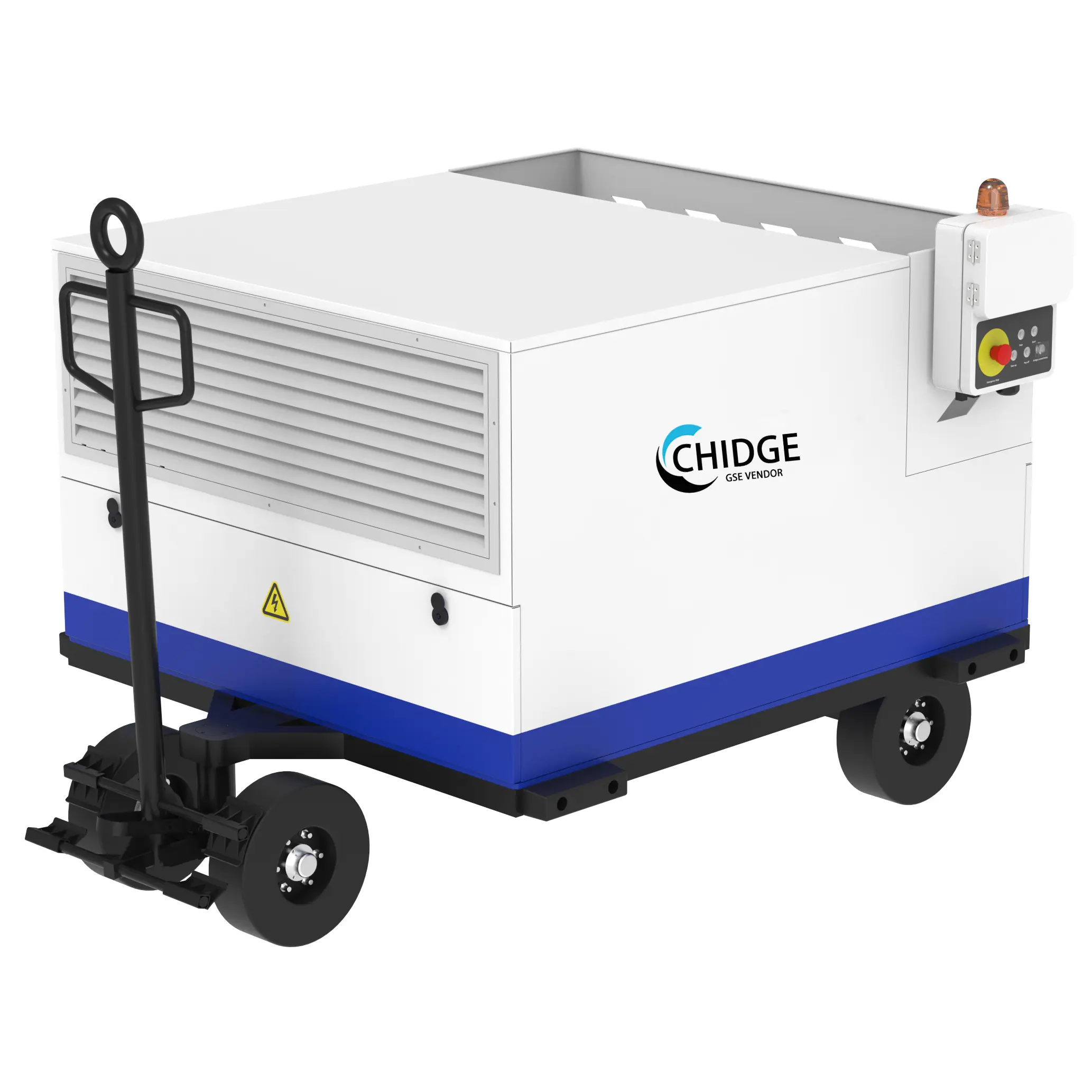
Learn how mobile, towable battery storage systems are helping airports lower emissions, reduce noise, and optimize grid electricity usage.
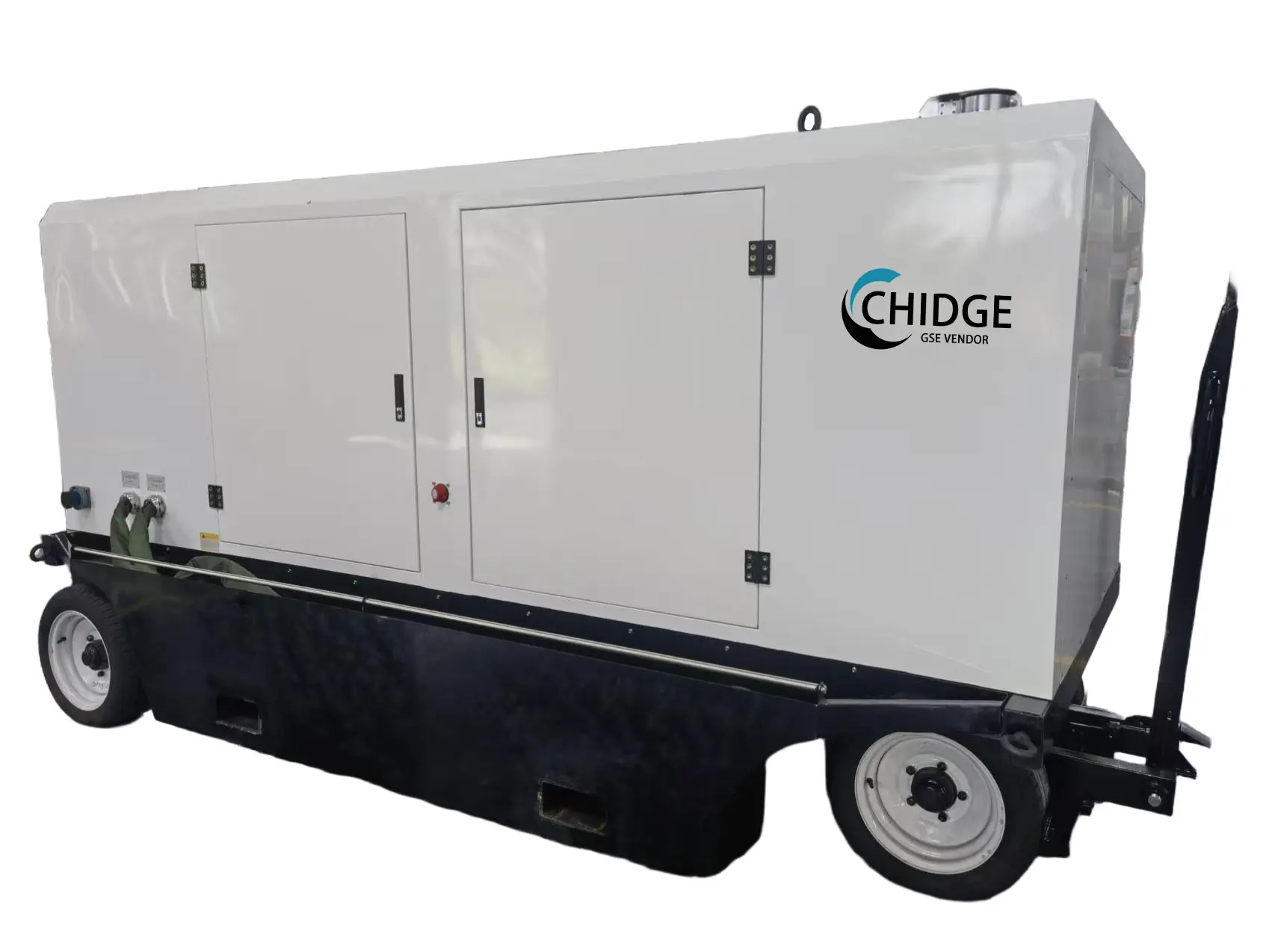
An in-depth look at how GPUs supply essential electrical power for parked aircraft, facilitating avionics checks and pre-flight prep without running main engines.
Detailed answers to common questions about power requirements, compliance, and custom configurations.
Standard aircraft electrical systems operate on a 28V DC bus. To account for electrical resistance and voltage drops over long output cables (often 30 feet or more), ground power units are designed to deliver 28.5V DC at the connector. This ensures the voltage arriving at the aircraft receptacle meets the required standard.
Static solid-state units convert municipal grid power (50/60Hz AC) directly into clean 28.5V DC. They operate silently, have no moving parts, and require minimal maintenance. Diesel-driven GPUs are fully autonomous and ideal for remote ramps without grid access, but they require regular engine maintenance and have higher fuel costs and emissions.
Turboprop and helicopter engines require a brief peak of high starting current (often 1000A to 2000A for several seconds) to crank the engine. Modern GPUs are engineered with overload curves that allow them to handle these transient surges without shutting down or causing voltage sags that could reset the aircraft’s avionics.
Compliance standard ISO 6858 defines the electrical output requirements, while SAE ARP 5015 covers general design and safety guidelines. Additionally, military units must meet MIL-STD-704F for aircraft electrical power quality and MIL-STD-810H for environmental durability.
Typical safety features include over-voltage protection (OVP), under-voltage protection (UVP), over-current protection (OCP), phase rotation error detection, short-circuit protection, and thermal overload shut-offs. An interlock safety loop also ensures power is only supplied when the connector plug is correctly seated in the aircraft receptacle.
We collaborate with global airlines, freight forwarders, and airport ground handling crews to deliver reliable, high-performance equipment.

Explore our complete range of baggage handling systems, heavy cargo dollies, and airport operations equipment.
 Chidge Dolly